





Best Wineries in Tuscany to Visit: Where to Taste, Tour and Stay
TL;DR
- The best wineries in Tuscany run visits like restaurants, with a booked slot, a guide, a set flight and a price per person.
- Budget 40 EUR at the median for a 90-minute tour and tasting, from 8 EUR at Maremma farms to 120 EUR or more for a private flight of icon wines.
- Book ahead at most of these estates, and choose Chianti Classico for a half day from Florence or Montalcino for a Brunello day from Siena.

My day
Tap + Add to my day on any estate below. The driving order and the day's timing work themselves out here.
My day
Drawing your day...
How wine tasting in Tuscany works: prices, booking and timing
Tuscany is the region people mean when they say "a wine tour in Italy". It is also the region where turning up unannounced fails most often. The wineries in Tuscany that made its name run visits like restaurants. There is a fixed slot, a guide, a set flight of wines and a price per person. This guide covers wine tasting in Tuscany estate by estate: every winery and vineyard in our atlas that receives visitors, grouped by zone, with the price, how long the visit takes and whether you must book. The numbers come from the visit offers we checked on the estates' own booking pages, and from the experiences our partners sell across the region. They are not brochure figures. For the wider picture of the region's wines, start with our Tuscany region guide. For every estate we hold, including those not yet in this article, see the Tuscan estates in our atlas.
| What you are planning | Typical figure | What it means for you |
|---|---|---|
| A tasting | 40 EUR median | 30 to 60 EUR for a standard tour and tasting; 8 to 25 EUR at Maremma farms; 120 EUR and up for a private flight of icon wines |
| Time at one estate | 90 minutes | Then 60 and 120. Add 20 to 40 minutes of hill road between estates |
| Booking | Most estates ask | Book two to three weeks ahead for the famous names in May, June, September and October |
| When to go | April to JuneSeptember to November | Harvest runs mid-September to mid-October. August is hot and some family estates close for Ferragosto |
Wineries in Chianti Classico
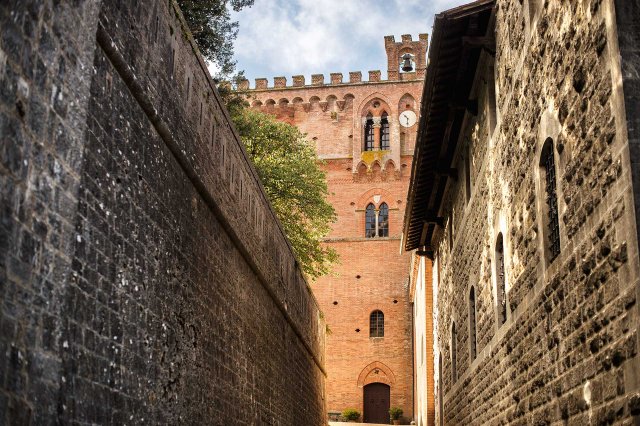
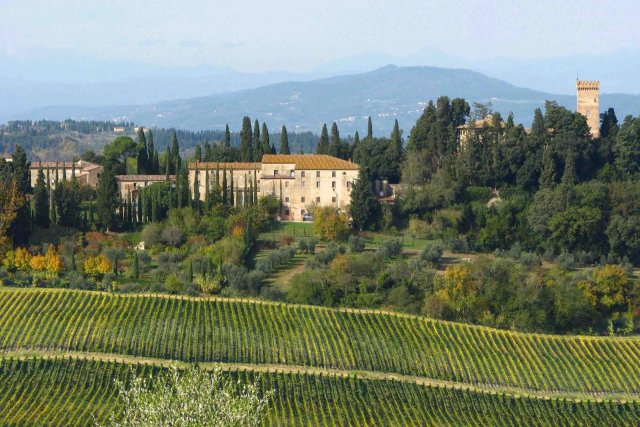
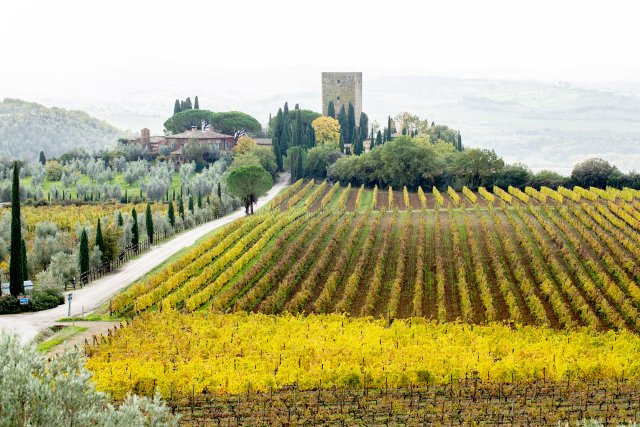
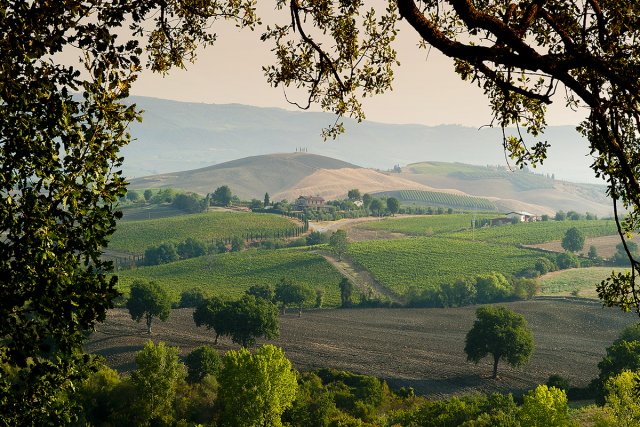
The Chiantigiana, the SR 222, runs 69 km from Florence to Siena. It passes Greve, Panzano, Castellina and Radda. No road in Italy has more Sangiovese on either side of it. The estates that open their doors for a Chianti wine tasting range widely, from castles to small organic farms. Brolio has been Ricasoli land since 1141. Fonterutoli has been Mazzei land since 1435. Vicchiomaggio and Albola are castles with rooms. Fontodi and Castello dei Rampolla farm the quiet bowl of Panzano.
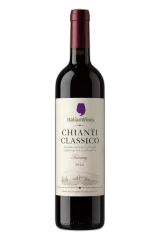
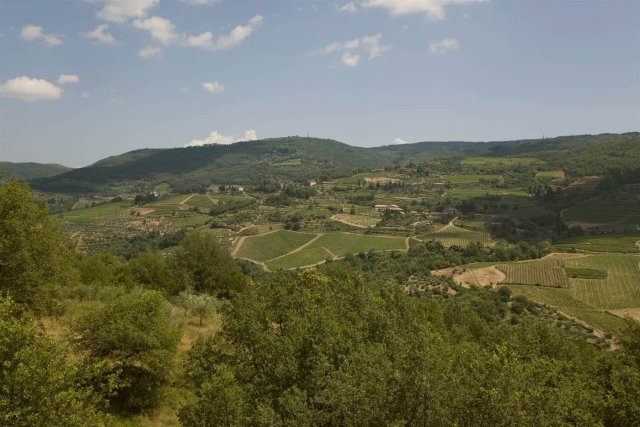
The wine is Chianti Classico, a DOCG. Gran Selezione is its top tier: estate fruit only, thirty months of ageing. Expect sour cherry, dried herbs and a fine, grippy tannin. From Florence, the northern estates are 40 to 60 minutes away. Castellina, Radda and Gaiole are 30 to 40 minutes from Siena. If the label words puzzle you, read how the two Chianti tiers differ before you go.
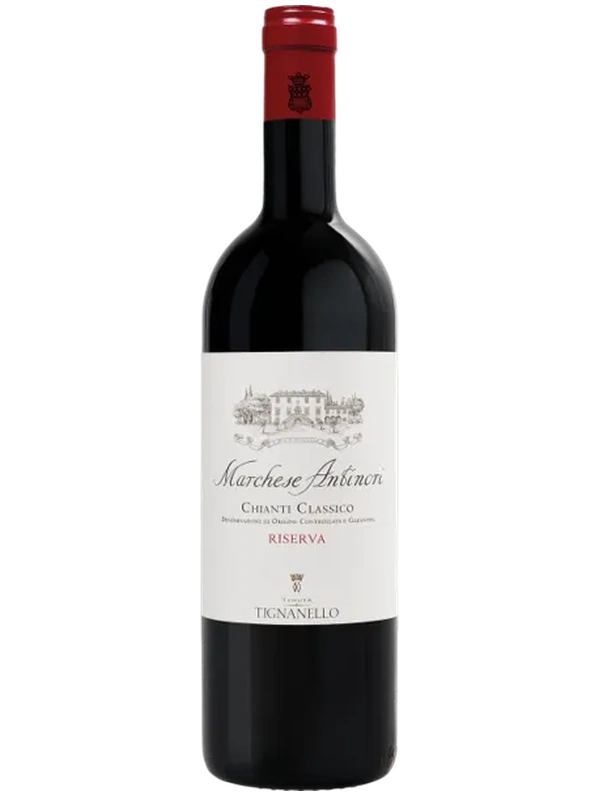
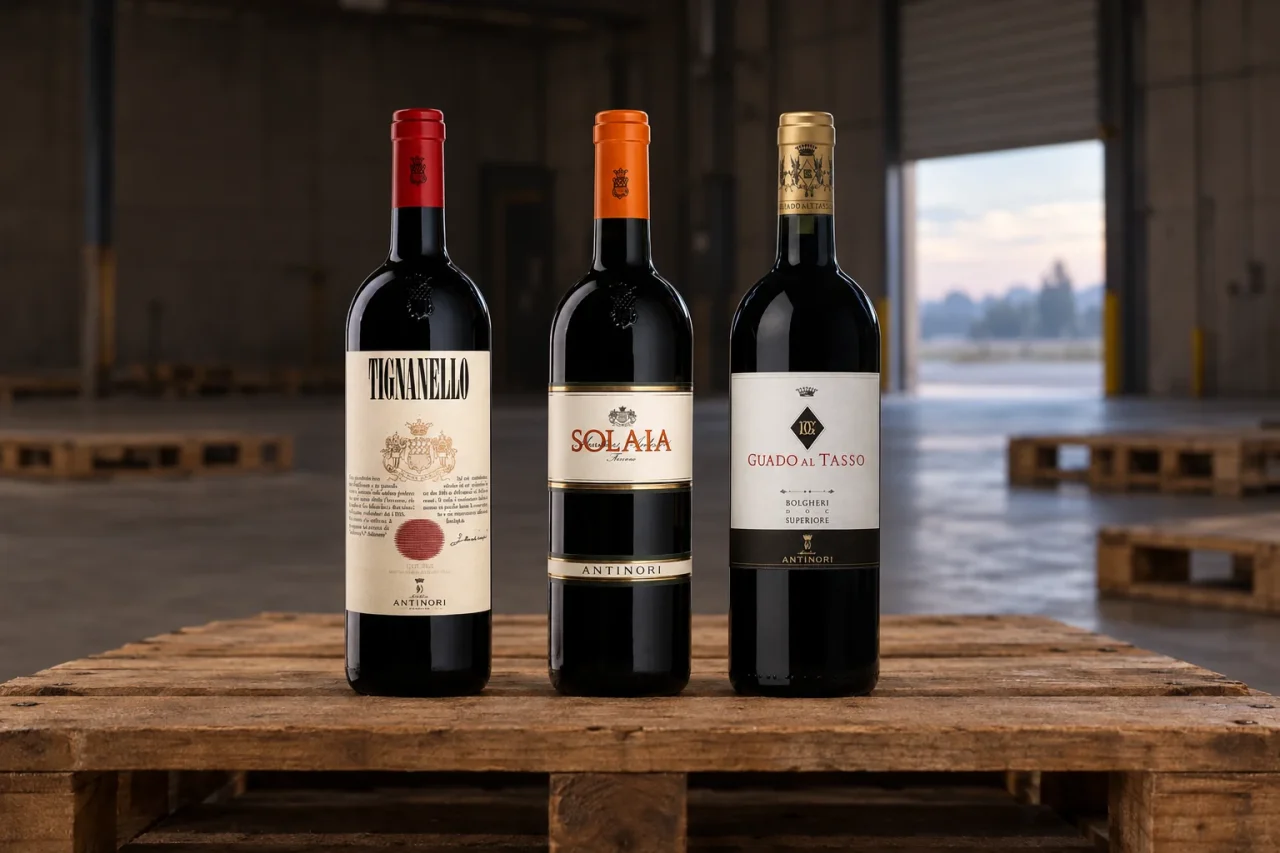
Marchese Antinori Chianti Classico Riserva Tenuta Tignanello 2023
Marchesi Antinori's historic Marchese Antinori Chianti Classico Riserva, sourced since 2011 entirely from the Tenuta Tignanello vineyard between the Greve and Pesa valleys. Mostly Sangiovese on alberese marl, aged in French and Hungarian oak.
View Wine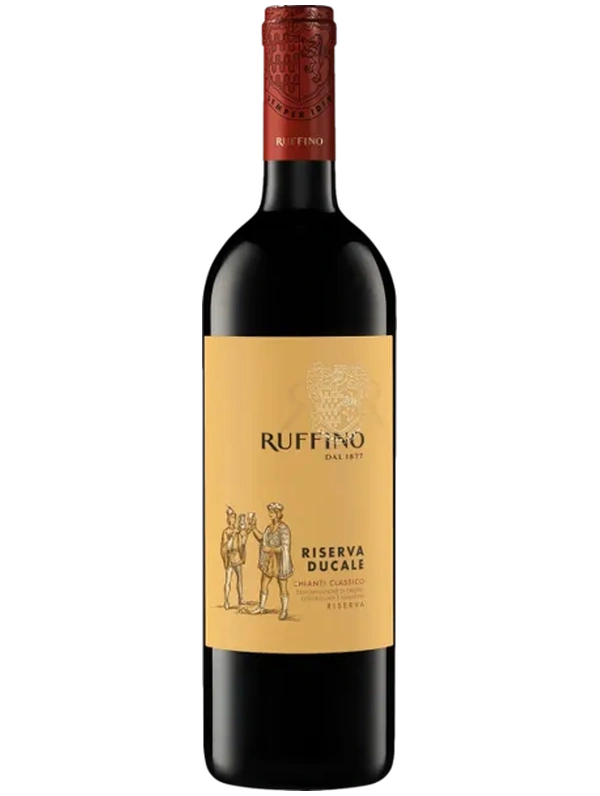
Ruffino Riserva Ducale Chianti Classico 2022
Ruffino's tan-label flagship since 1927: 80% Sangiovese with Cabernet and Merlot, matured in Slavonian oak and concrete. Violet, cherry and tobacco with vibrant acidity; the 2021 reached No. 17 in Wine Spectator's Top 100. From £22.93 in the UK.
View Wine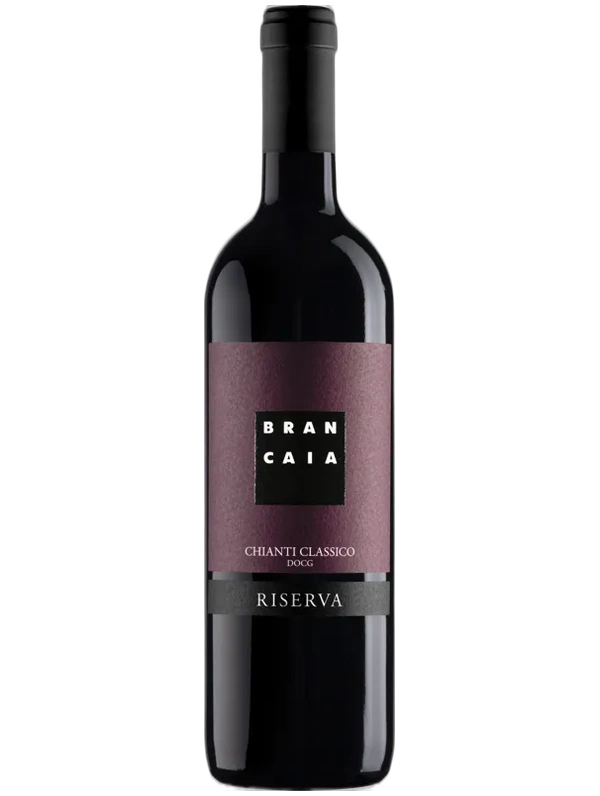
Casa Brancaia Chianti Classico Riserva 2022
Brancaia's Riserva blends 80% Sangiovese with 20% Merlot from Castellina and Radda in Chianti, aged 16 months in tonneaux and barriques. Cherry, leather and tar sit over sweet, ripe tannins: a structured Chianti Classico DOCG built to age.
View Wine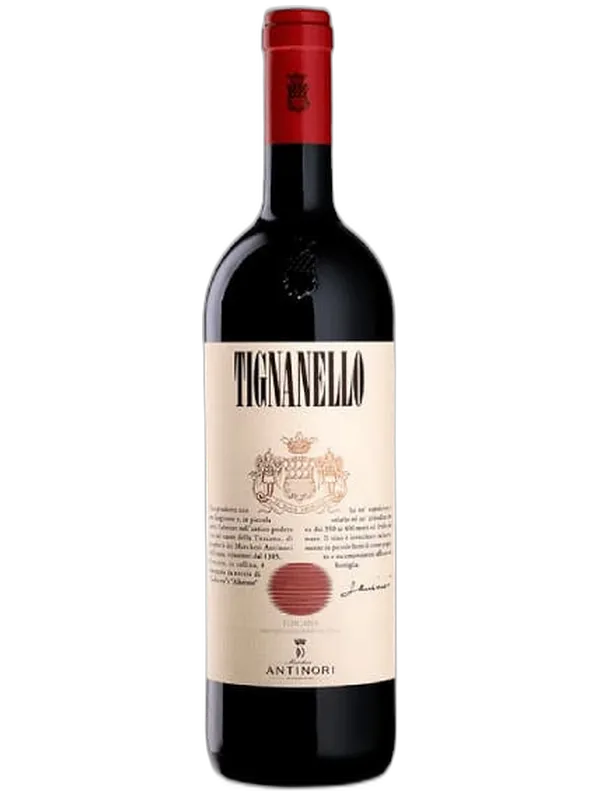
Antinori Tignanello 2024
Antinori's Tignanello is the Super Tuscan that started it all: a Sangiovese-led blend with Cabernet from a single alberese-limestone vineyard in Chianti Classico. The first Sangiovese aged in barrique, it shows dark cherry, violet, tobacco and cocoa.
View Wine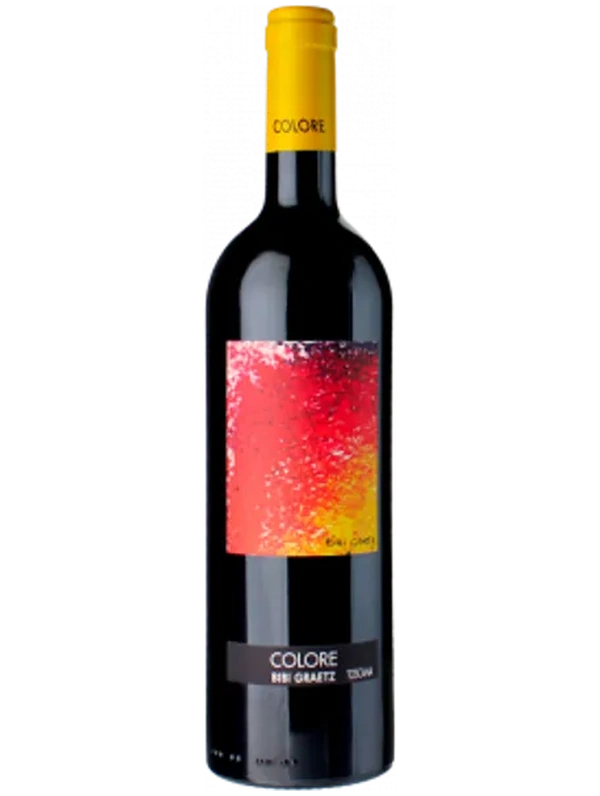
Colore - Bibi Graetz 2022
Bibi Graetz's Gran Vin from over-80-year-old Sangiovese vines at Lamole, this Toscana IGT red is built only from the cellar's best barrels. Expect cherry, blackberry, violet and tobacco over galestro-driven structure. A collector-grade Tuscan bottle,
View Wine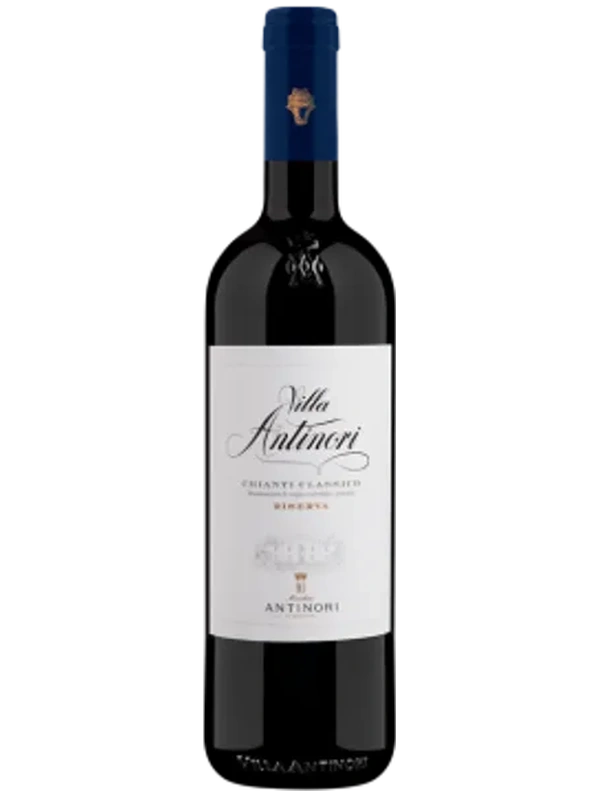
Villa Antinori Chianti Classico Riserva 2023
Antinori's Sangiovese-led Chianti Classico Riserva, made since 1928 and aged about 18 months in large oak and small barrels. Cherry, rose and liquorice, silky tannins, a long savoury finish. Around £24 to £34 from eight UK shops.
View Wine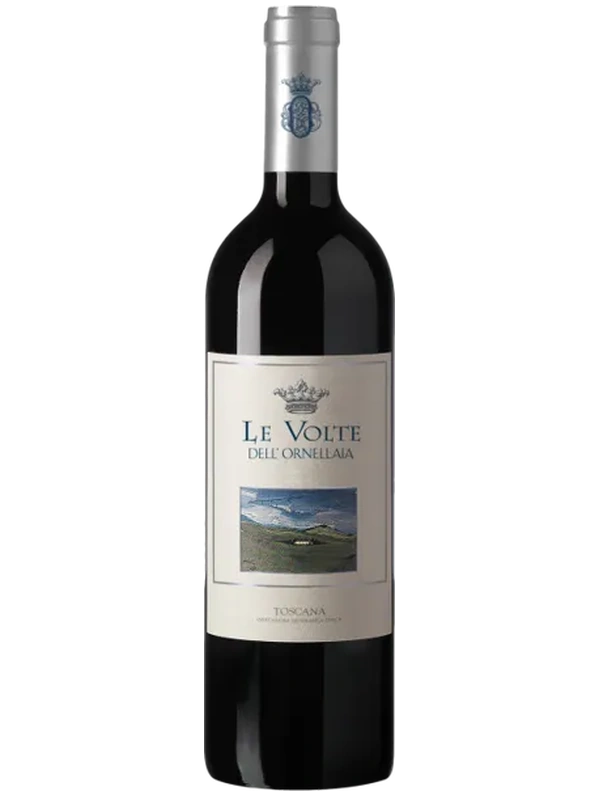
Ornellaia Le Volte 2024
Le Volte dell'Ornellaia is the convivial entry red of the Bolgheri estate, a Toscana IGT blend of Merlot, Sangiovese and Cabernet Sauvignon. Bright cherry and wild berry meet rose and a menthol lift, over fresh, supple tannins.
View Wine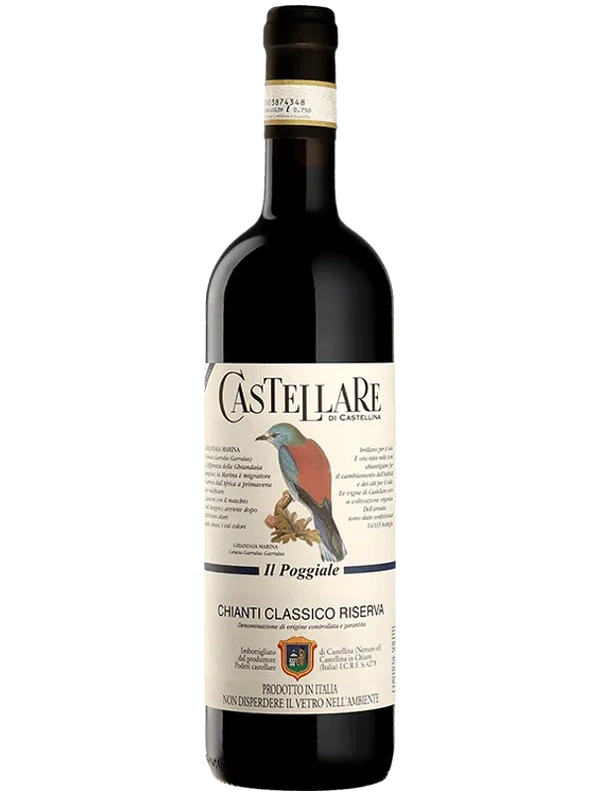
Castellare di Castellina Il Poggiale Chianti Classico Riserva 2023
Castellare di Castellina's Chianti Classico Riserva from one vineyard, Il Poggiale, at Castellina in Chianti. Mostly Sangiovese, with a little Canaiolo and Ciliegiolo. Expect violet, cherry and fresh acidity after a year or more in oak.
View Wine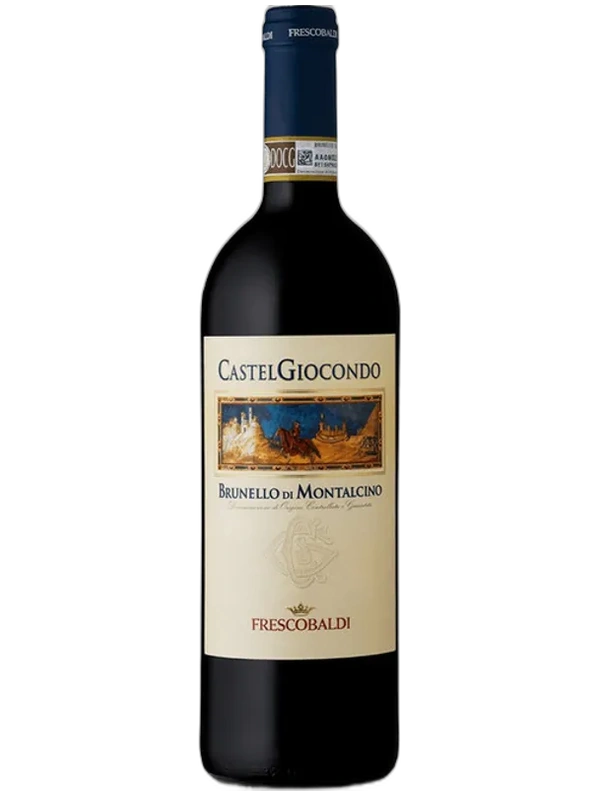
Frescobaldi Castelgiocondo Brunello di Montalcino 2021
Frescobaldi's 100% Sangiovese Brunello from Tenuta CastelGiocondo at Montalcino, grown on galestro, clay and Pliocene sand. Two years in Slavonian oak casks and French barriques give black cherry, violet, leather and warm spice over firm tannins.
View Wine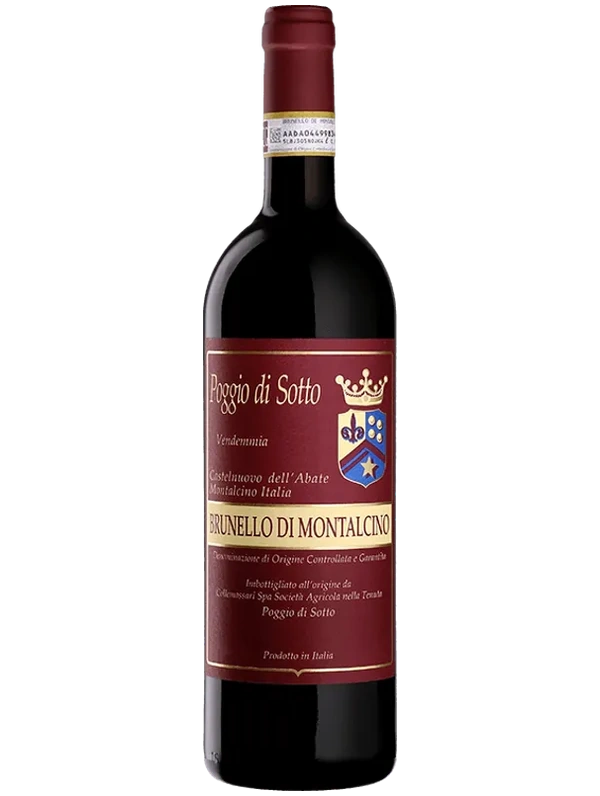
Poggio di Sotto Brunello di Montalcino 2021
Poggio di Sotto's Brunello is one of Castelnuovo dell'Abate's most revered Sangiovese, organic vines at 190 to 440 metres below Mount Amiata, aged in Slavonian-oak botti. Expect leather, violet and red cherry over fine, chalky tannins. A cellar wine
View Wine
 30
30


Wineries near Florence: the hills, Rufina and Carmignano
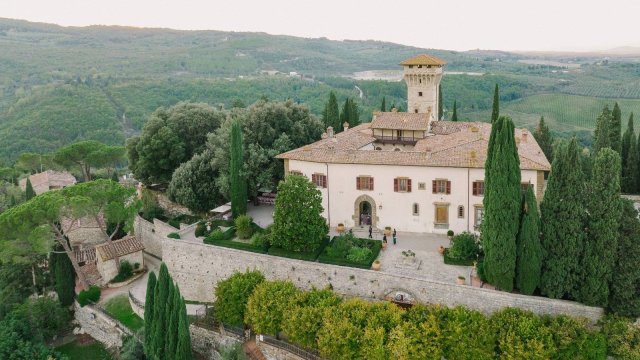
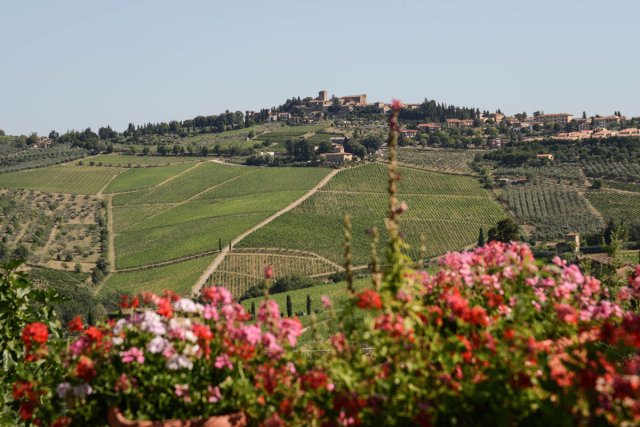
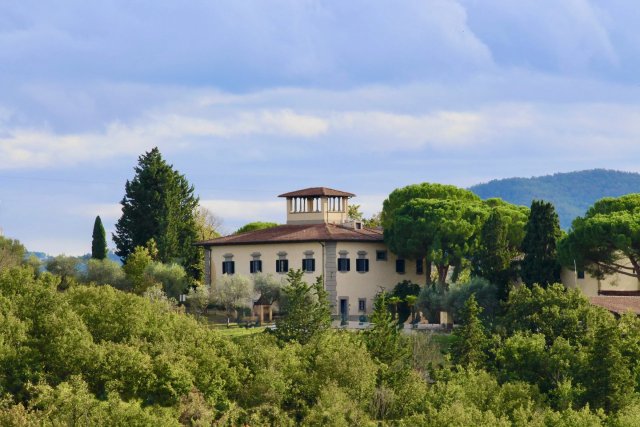
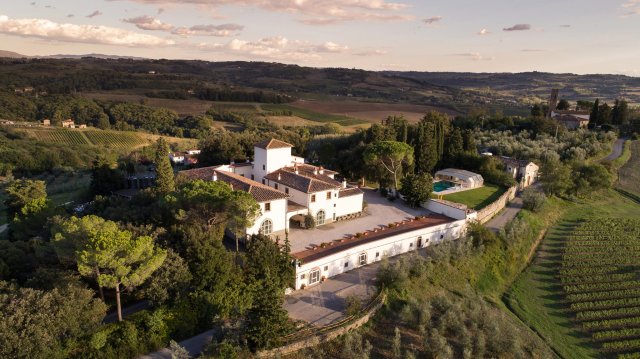
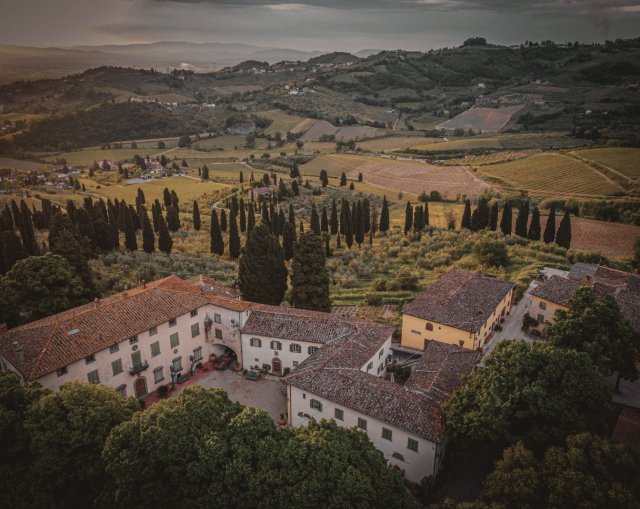
You can reach a serious cellar without leaving the city's shadow. Ruffino and Malenchini sit at Bagno a Ripoli, on the south-east edge of Florence. Bibi Graetz pours in Fiesole, on the hill above the Duomo. Castello di Poppiano at Montespertoli makes Chianti from the Florentine hills. East along the Sieve valley, Castello Pomino is Frescobaldi's mountain estate at Rufina. Its Leonia sparkling wines are the reason to go.
West of the city sits Carmignano, a small zone with a long memory. The Medici wrote its Sangiovese and Cabernet blend into law in 1716. That is two centuries before anyone said Super Tuscan. Pick these estates when you have half a day and no car.
Wineries in Montalcino
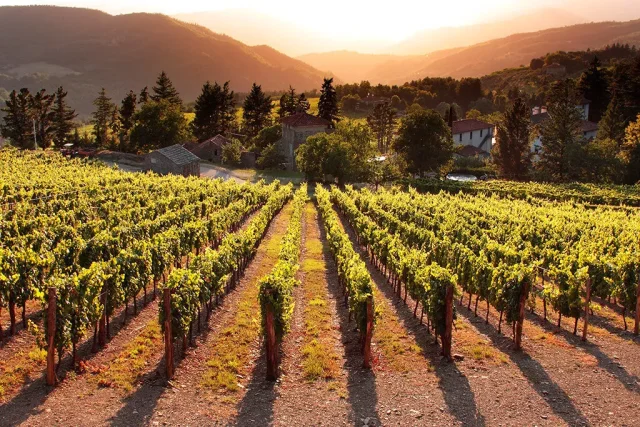
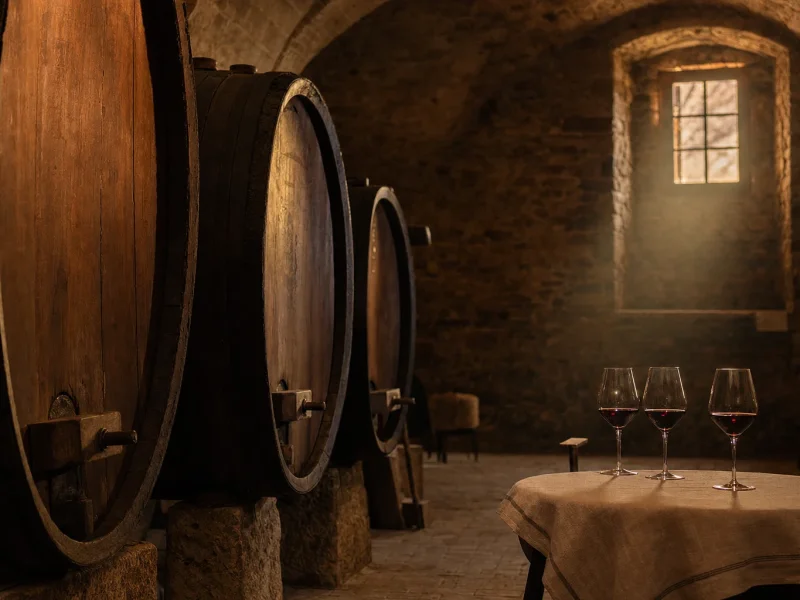
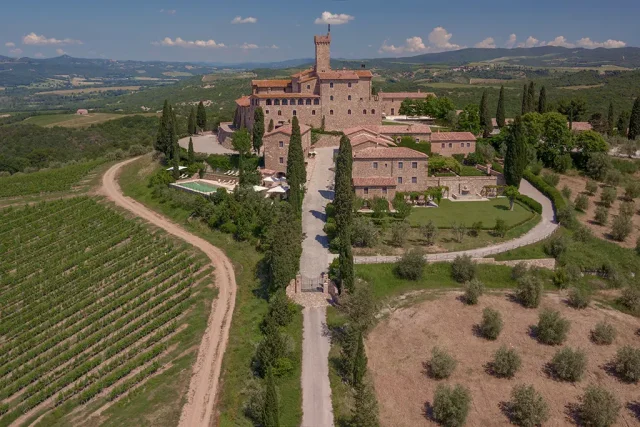
Montalcino is one hill, 564 metres high, an hour south of Siena. The whole hill is the Brunello di Montalcino zone. Brunello is Sangiovese on its own, aged for at least five years before release. Rosso di Montalcino is the younger wine from the same vines. The village has 5,000 people and cellars under its streets.
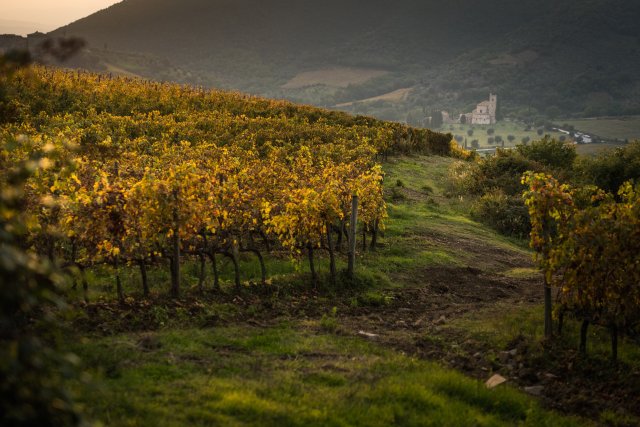
Ciacci Piccolomini and Tenuta Fanti sit at Castelnuovo dell'Abate, beside the abbey of Sant'Antimo. Le Chiuse and Ridolfi farm the cool north slope. The southern side runs from Castello Banfi's 800 hectares to Castello di Camigliano, Silvio Nardi and Sesti. Our Brunello and Rosso loop threads them in half a day.
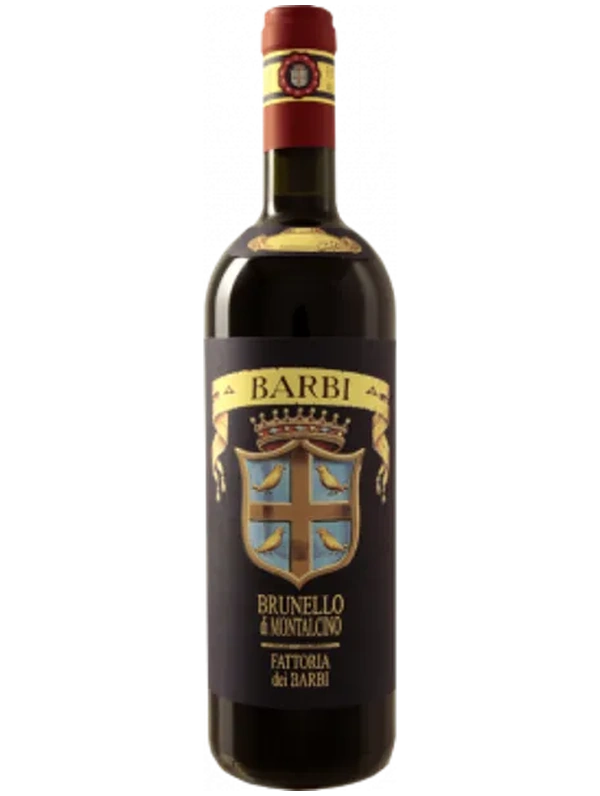
Brunello di Montalcino - Fattoria Dei Barbi 2021
Fattoria dei Barbi has bottled pure Sangiovese Brunello at Montalcino since the XVI century, grown on marl and alberese limestone at 300 to 500 metres. Two years in oak give a structured, savoury red of red berries, leather and spice. A classic Brune
View Wine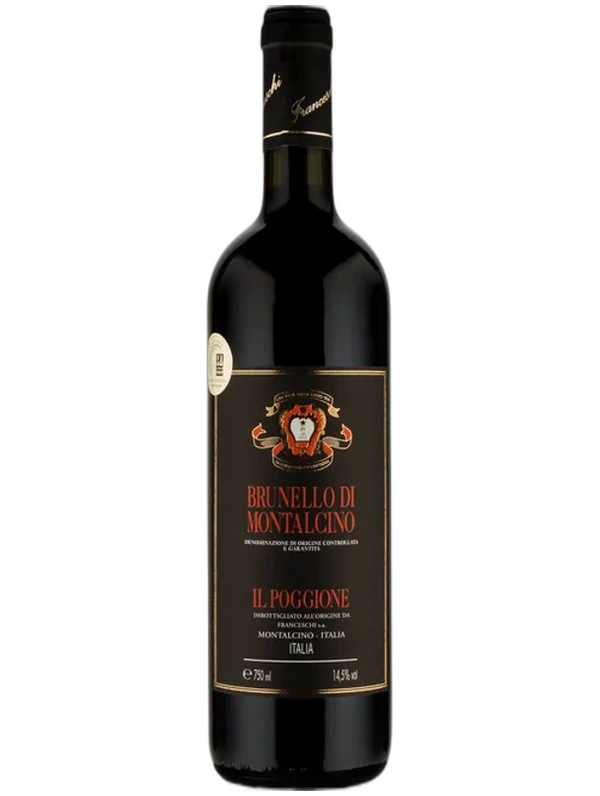
Il Poggione Brunello di Montalcino 2021
Brunello di Montalcino DOCG from Il Poggione, a founding member of the Brunello Consorzio. 100% Sangiovese from Sant'Angelo in Colle, fermented with indigenous yeasts and aged in large French oak botti. One of Montalcino's most consistent estates.
View Wine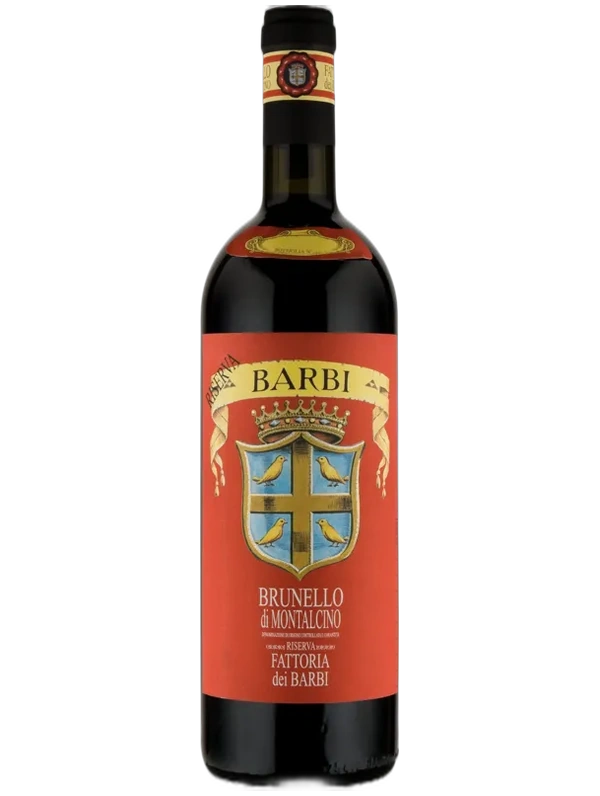
Fattoria dei Barbi Brunello di Montalcino Riserva 2019
An austere Brunello Riserva made only in the vintages Fattoria dei Barbi rates highest. Pure Sangiovese from high slopes at 400 m, given three years in oak. UK retailers list the five-star 2019, scored 94 by three critics, and the riper 2017.
View Wine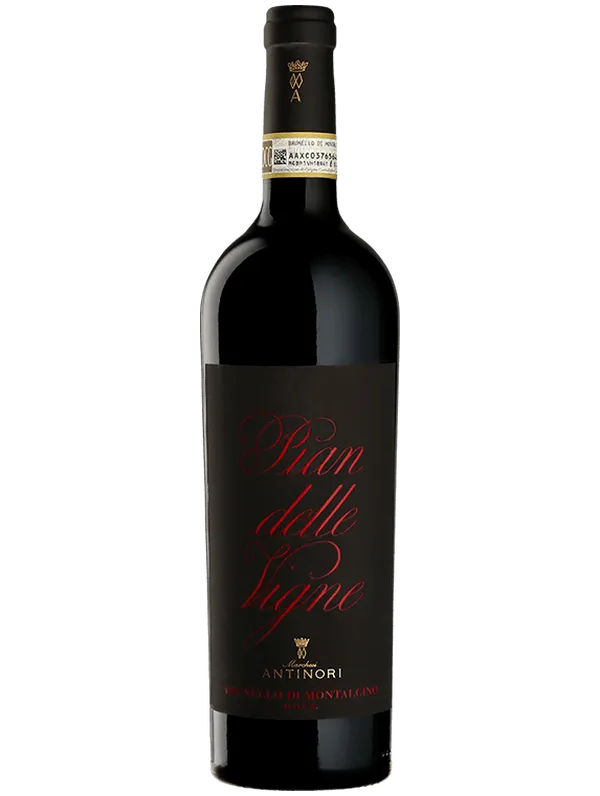
Antinori Pian delle Vigne Brunello di Montalcino 2021
Antinori's Montalcino estate Brunello, 100% Sangiovese from clay and gravel soils 6km south-west of town. Aged two years in large oak casks: fresh and savoury, with silky tannins, cherry, blood orange and tobacco. A benchmark DOCG red from £42.87.
View Wine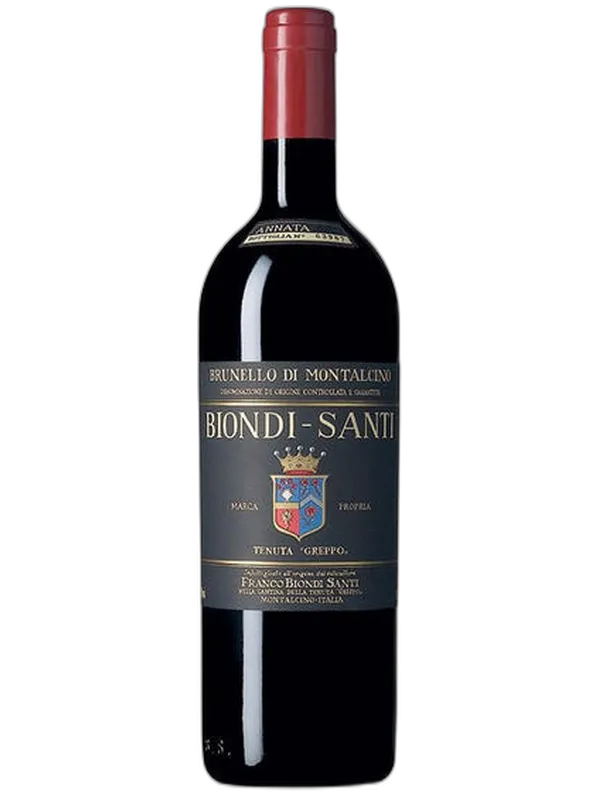
Biondi-Santi Brunello di Montalcino Riserva 2019
The wine that started Brunello. Biondi-Santi have declared a Riserva only about forty times since 1888, always from the oldest vines at Il Greppo. Firm, fresh, and built to last decades rather than years.
View Wine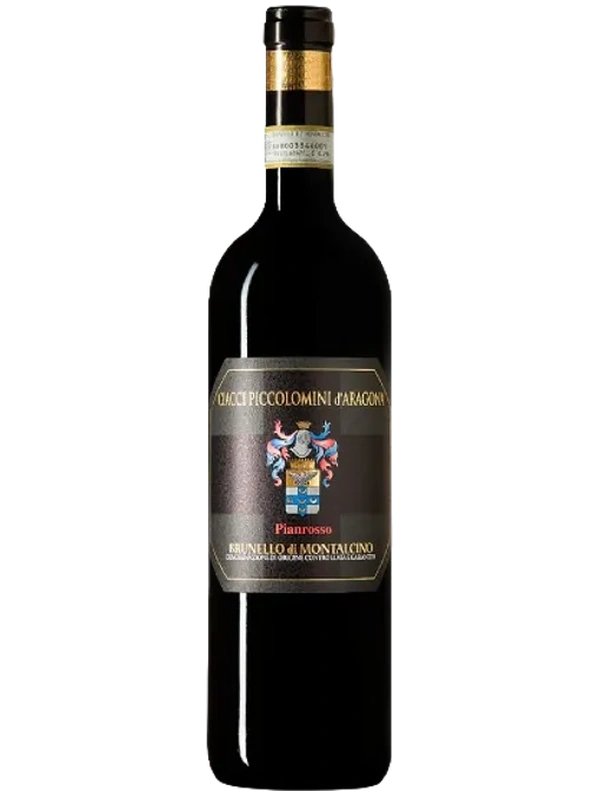
Ciacci Piccolomini Brunello di Montalcino Pianrosso 2021
Ciacci Piccolomini d'Aragona's single-vineyard Brunello, from the 11.69-hectare Pianrosso parcel on galestro and marl above the Orcia river. Three years in Slavonian botti build a ruby-to-garnet Sangiovese of forest-floor depth and Morello cherry.
View Wine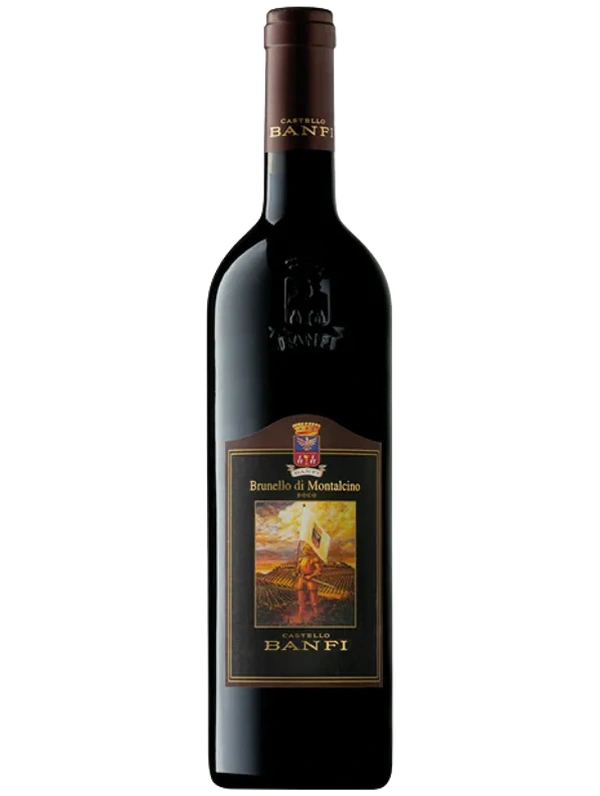
Banfi, Brunello di Montalcino 2021
Castello Banfi's benchmark Brunello di Montalcino: 100% Sangiovese from stony limestone soils in southern Montalcino, aged four years with two in French oak and Slavonian casks. Full, velvety and built to cellar, with cherry, violet and tobacco.
View Wine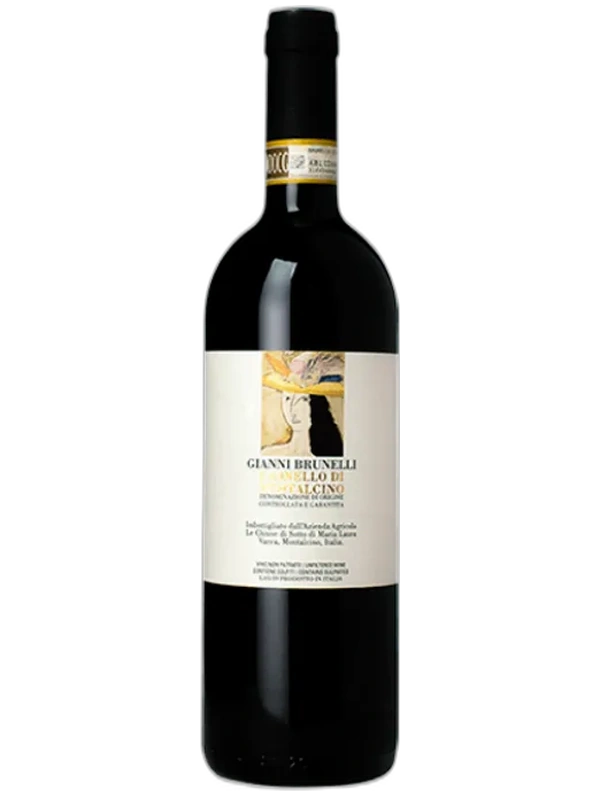
Gianni Brunelli Brunello di Montalcino 2021
Brunello di Montalcino DOCG from the Brunelli family's Le Chiuse di Sotto estate. 100% Sangiovese off galestro and white clay, aged in Slavonian oak casks: intense ruby, wild-berry and leather depth, fine-grained tannin built to cellar a decade.
View Wine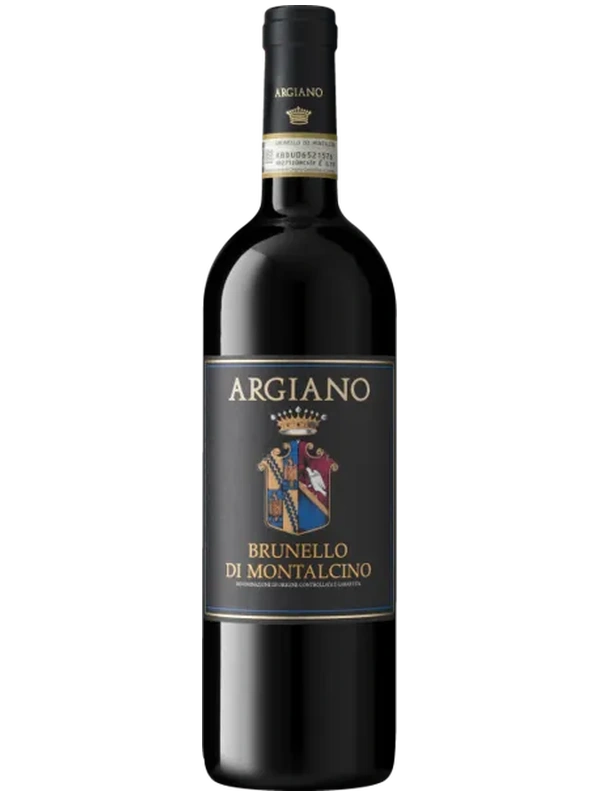
Argiano Brunello di Montalcino 2021
Argiano's Brunello di Montalcino is 100% Sangiovese from marl and clay above Sant'Angelo in Colle. The 2020 is fresh and seductive: black cherry, orange zest and savoury herbs over dense, tidy tannins. Decanter and one other top critic scored it 94.
View Wine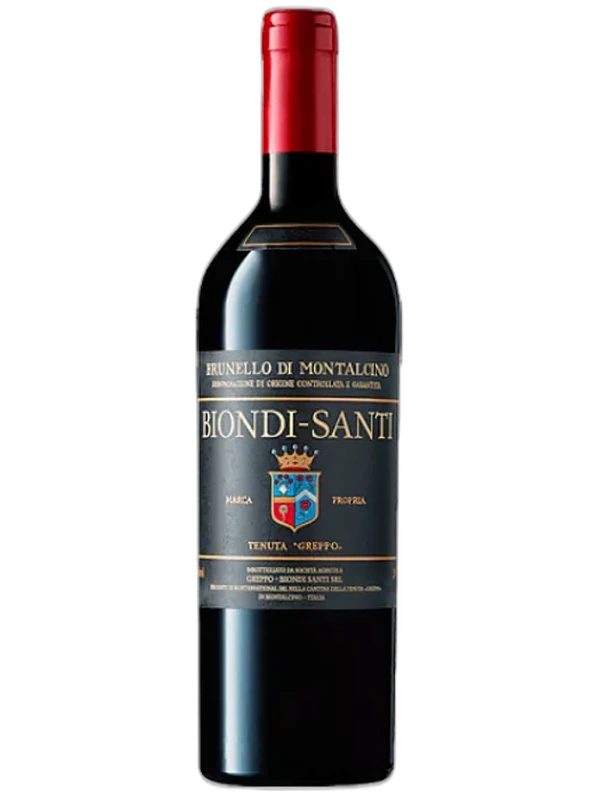
Biondi-Santi Brunello di Montalcino 2020
The first estate ever to bottle Brunello still sets its benchmark. Estate Sangiovese from Il Greppo, aged in big Slavonian oak casks: cherry and violet now, leather and tobacco with age. Four vintages on sale, from £185.
View Wine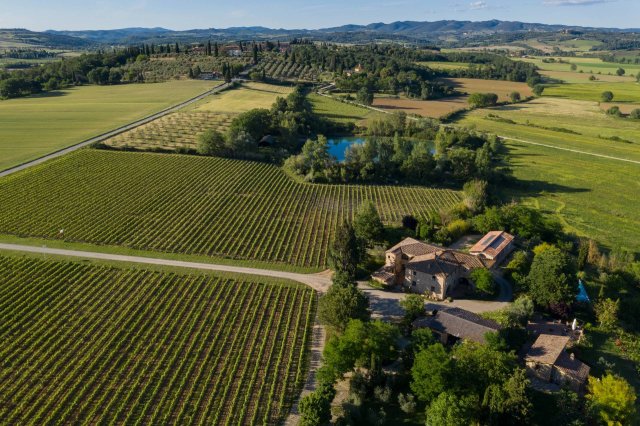
Wineries in Montepulciano, Cortona and the Arezzo side
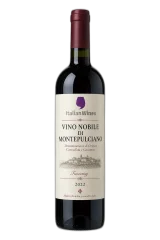
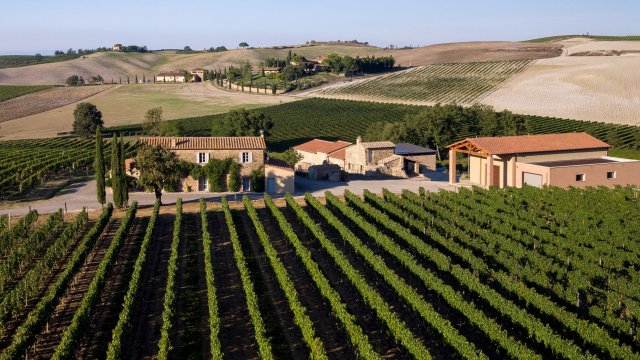
Montepulciano gave Italy its first DOCG in 1980. Vino Nobile di Montepulciano is Sangiovese under a local name, Prugnolo Gentile. Avignonesi has anchored the zone for fifty years. Twenty minutes east, Cortona has become a Syrah address. Stefano Amerighi farms there to biodynamic rules.
North, on the old road of seven bridges between Florence and Arezzo, Tenuta Sette Ponti and Fattoria di Romignano cover the Valdarno. Barbanera works from Cetona on the Umbrian border. The Strada del Vino Nobile is a two-day signposted drive. It ends at the hot springs of San Casciano dei Bagni. Check the vintage chart before you carry a Riserva home.
Wineries in San Gimignano and the Pisa hills
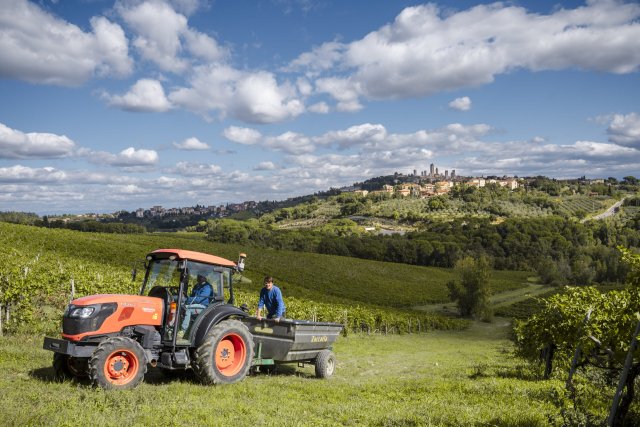
Vernaccia di San Gimignano is the only Tuscan DOCG for a white grape. It tastes of citrus and almond with a mineral grip. Riserva versions age for five to eight years. Tenuta Torciano at Ulignano is the estate where several Florence coach tours stop. It takes direct bookings too. Campochiarenti farms between San Gimignano and Poggibonsi.
Towards Pisa, Castellani at Pontedera is a five-generation house. Casanova della Spinetta at Terricciola is the Tuscan arm of Piedmont's La Spinetta. These are good stops for a week split between Florence, Pisa and the coast.
Wineries in Bolgheri and on the Etruscan Coast
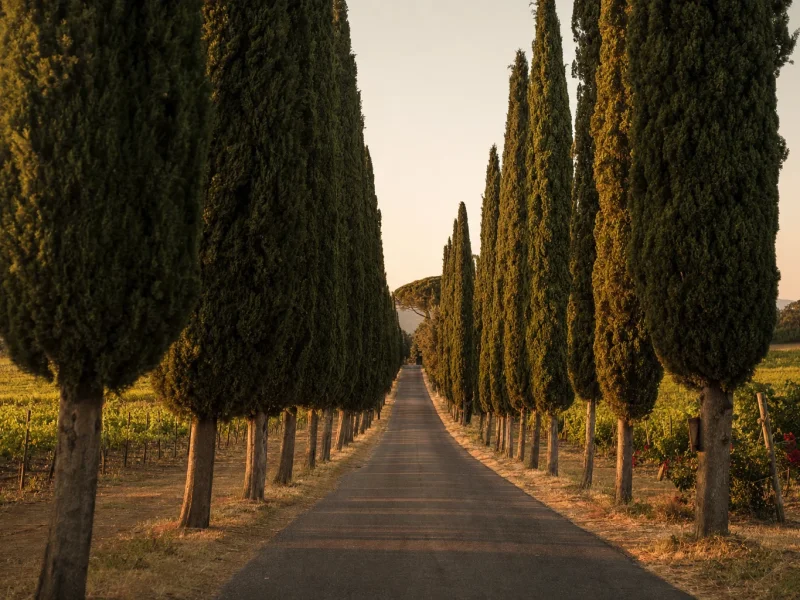
Bolgheri is a single avenue of cypresses, the Viale dei Cipressi. It runs from the coast road up to the village, and the cellars hide behind it. This is Cabernet and Merlot country: dark fruit, Mediterranean herbs and polished oak. The whites are salty Vermentino. Bolgheri DOC covers the reds and whites. Bolgheri Sassicaia DOC covers one wine from one estate.
Tenuta San Guido, home of Sassicaia, runs no visitor programme in our records. Angelo Gaja's Ca' Marcanda does not either. So taste Bolgheri at Ornellaia, at Grattamacco, the zone's second pioneer, or at Caccia al Piano 1868 on the Via Bolgherese. Our Super Tuscan guide tells how these blends upended Italian wine law. The Strada del Vino Costa degli Etruschi links the estates in one to two days.
Wineries in the Maremma
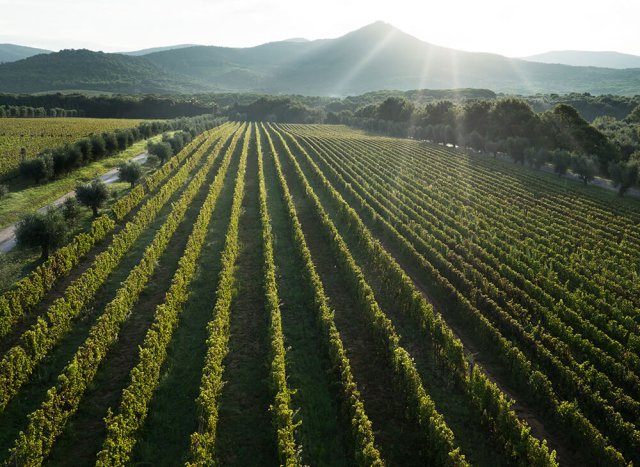
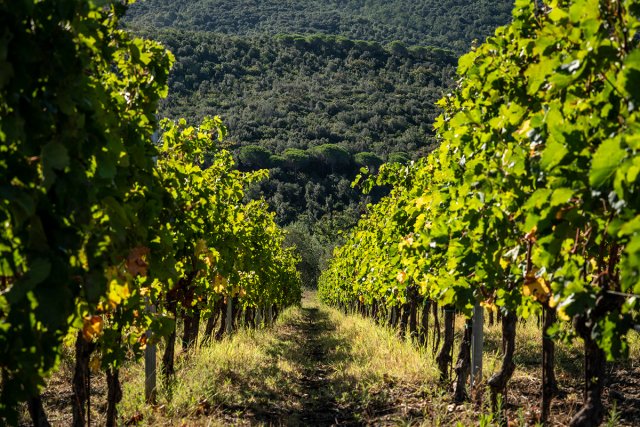
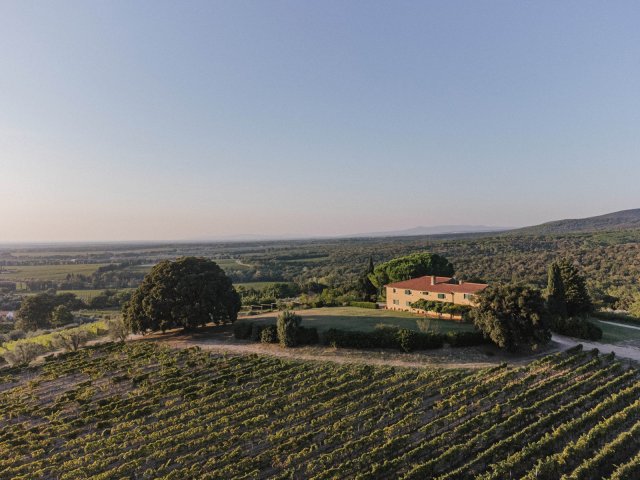
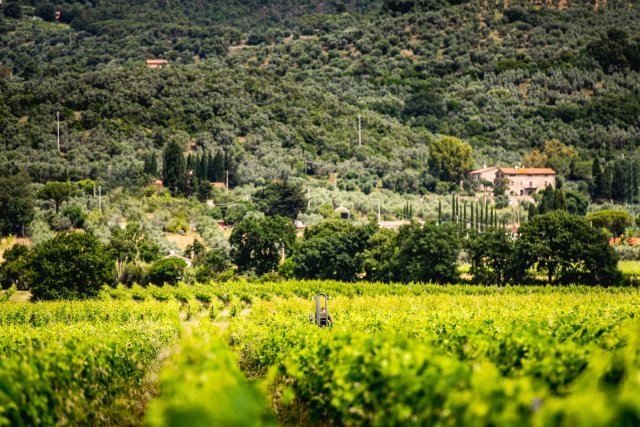
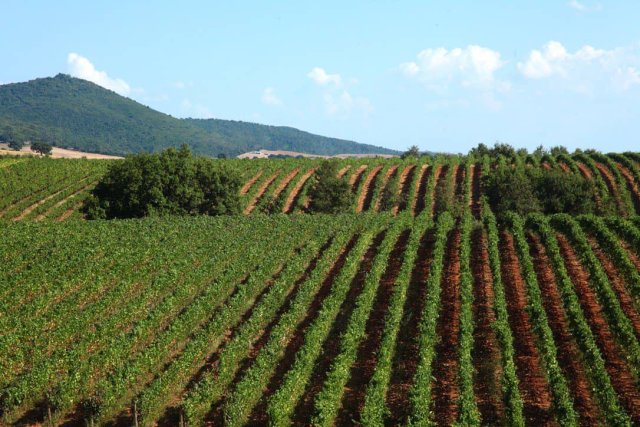
The Maremma runs from Grosseto to the Lazio border. It is warmer, wider and cheaper than central Tuscany. Tastings start at 8 to 20 EUR. Some farms open every day without an appointment, and picnics in the vines are normal. Belguardo is the Mazzei family's coastal estate outside Grosseto.
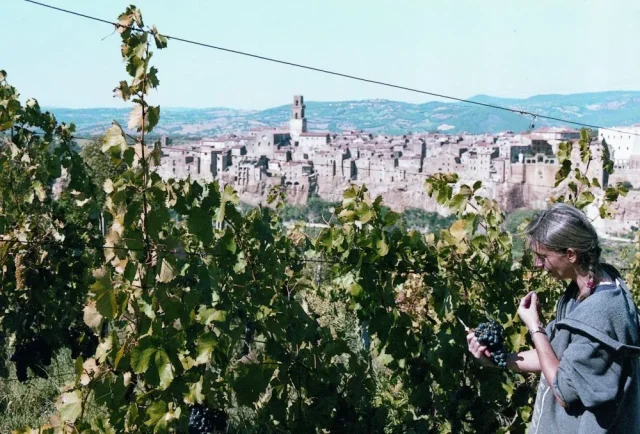
Near the hot springs of Saturnia, Fattoria La Maliosa is a certified-organic natural-wine farm with hillside cabins. Tenuta Montauto works Ciliegiolo at Manciano. Sassotondo farms volcanic tufa between Pitigliano and Sovana. Tenuta Ribusieri covers Montecucco on the slopes of Monte Amiata, and has rooms. The local reds are Morellino di Scansano and Maremma Toscana. Count on 90 minutes to two hours from Siena or Florence.
Tuscany wine tours from Florence and Siena
Italy's drink-drive limit is 0.5 grams per litre, lower than England's. The Chiantigiana is a hill road with no hard shoulder. If everyone in the car wants to taste, somebody else drives. The market splits cleanly. Coach half days from Florence cost 38 to 55 EUR. They take you to two estates with a tasting at each, and they are the cheapest way into Chianti. Small-group minibus days cost 89 to 149 EUR. They visit two or three estates, include lunch at one of them, and leave time to talk to the winemaker. Private days start at 190 EUR.
The twelve-hour "Siena, San Gimignano, Pisa and lunch at a winery" coaches are town tours with one winery lunch. Book them for the towns, not the wine. The table lists eight of the 1,437 Tuscany tours our partners sell, chosen for rating, review count and what they actually visit. Two stop at estates in this guide: Tenuta Torciano near San Gimignano and Castello di Poppiano at Montespertoli. Every wine road page lists the guided tours that follow it.
| Tour | From, length | Price, rating |
|---|---|---|
| Florence: Chianti Wineries Tour with Wine TastingBook viaGetYourGuide | Florence, 5 to 6.5 h coach | 49.50 EUR11,296 reviews |
| Half-Day Chianti Wine Tasting from Florence with Two WineriesBook viaViator | Florence, 5.5 h coach | 55 EUR4,507 reviews |
| From Florence: Small Group Wine Tasting Tour to TuscanyBook viaGetYourGuide | Florence, 4.5 h minibus | 89 EUR4,413 reviews |
| From Florence: Chianti Wine and Food Tour with 2 Wineries | Florence, 6 h coach, stops at Tenuta Torciano | 47.85 EUR3,271 reviews |
| Small-Group Wine Safaris: Tuscany Wine Tasting Tour from FlorenceBook viaViator | Florence, 9 h off-road minibus | 130 EUR5,627 reviews |
| Small group Tuscan Wineries, Olive Oil and Gourmet Lunch or DinnerBook viaViator GetYourGuide | Florence, 8 h, three estates | 149 EUR1,906 reviews |
| Small-Group Brunello di Montalcino Wine-Tasting Trip from SienaBook viaViator | Siena, 9 h minibus | 190 EUR1,017 reviews |
| Montepulciano: Wine Tasting and Cellar TourBook viaGetYourGuide | Montepulciano, 1 h on foot | 33 EUR633 reviews |
Stay at a winery: Tuscany vineyard hotels and rooms at the estates
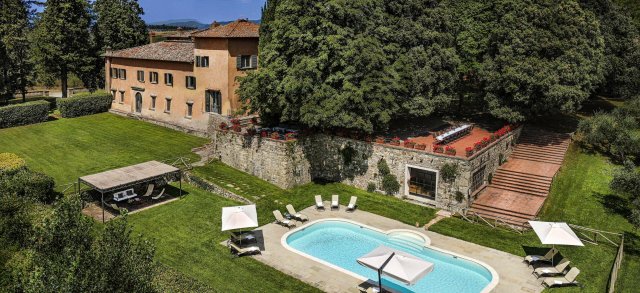
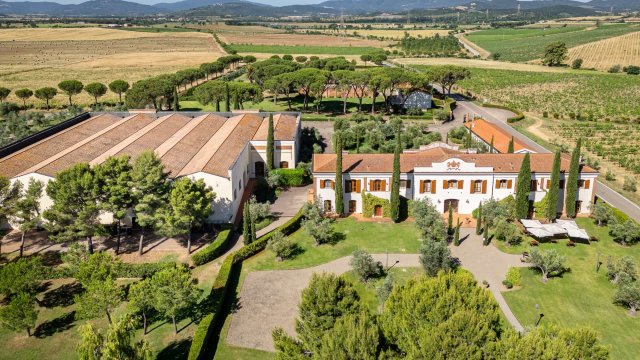
A night at the estate turns the tasting into the evening and the drive home into a walk. The estates below have rooms, from vineyard hotels to farm cabins. Castello di Fonterutoli's wine resort is a whole medieval hamlet, where the rooms are the village's stone houses and the Osteria is downstairs. Barone Ricasoli at Brolio, Castello Vicchiomaggio above Greve and Castello di Albola at Radda are castles with rooms. Fattoria La Maliosa has cabins above the Maremma vines. Le Chiuse has nine hectares on the north slope of Montalcino. Tenuta Ribusieri sits on Monte Amiata. Room rates change with the season. So each estate page links to the estate's own booking page rather than quoting a price that will be stale by the time you read it.
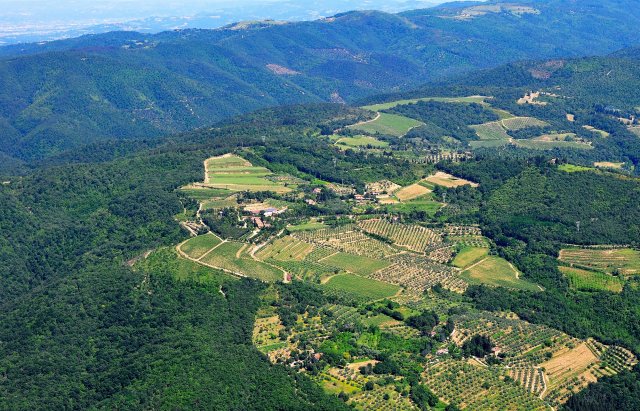
The four Tuscany wine roads
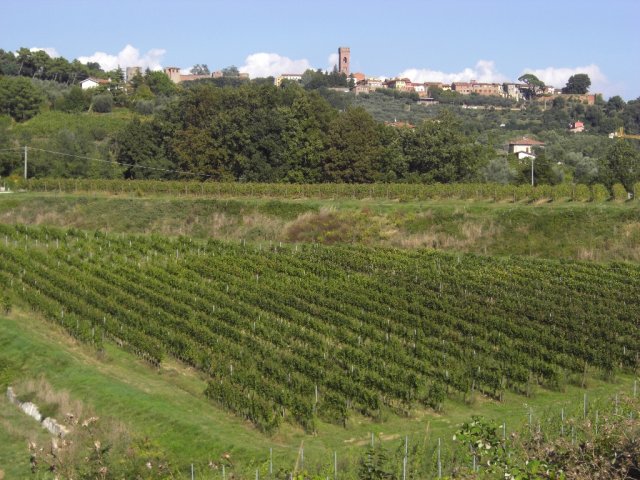
Each road below has a page of its own, with the stops in drive order, the leg times and the estates on the way. Each can be saved as a trip in one click. Use them as the spine of a self-drive day, and pick estates from the sections above to hang on it.
- Strada Chiantigiana SR 222: the 69 km hillside road from Florence to Siena, a full day, longer with tastings.
- Brunello and Rosso loop: a compact loop around the Montalcino hill, half a day to a full day.
- Strada del Vino Nobile: the signposted Valdichiana trail over Montepulciano to the hot springs of San Casciano dei Bagni, two days.
- Strada del Vino Costa degli Etruschi: Bolgheri, Castagneto Carducci, Suvereto and the Val di Cornia, one to two days.
Planning your Tuscany wine tour: car, seasons and where to base
Getting around. Florence and Siena are the gateway cities. The train between them takes about ninety minutes. Hire a car at Florence airport or Siena station rather than in the historic centres, which are closed to cars without a permit. The fines arrive months later. Chianti Classico is 30 to 60 minutes from either city. Montalcino and Montepulciano are an hour from Siena. Bolgheri is ninety minutes from Florence by the coast road. The Maremma is up to two hours from anywhere.
Booking. Use the estate's own booking page where one exists. It is usually cheapest, and the slot is confirmed at once. Winalist and Winedering list the same visits for the estates that use them, and they are the only way to book some of the smaller farms. Email requests work in English and get a reply within a couple of days. For Fonterutoli, Antinori, Banfi, Ornellaia and Ricasoli in May, June, September and October, book two to three weeks ahead. Say how many you are and whether anyone is driving. Estates will pour smaller measures or bring a spittoon without being asked twice.
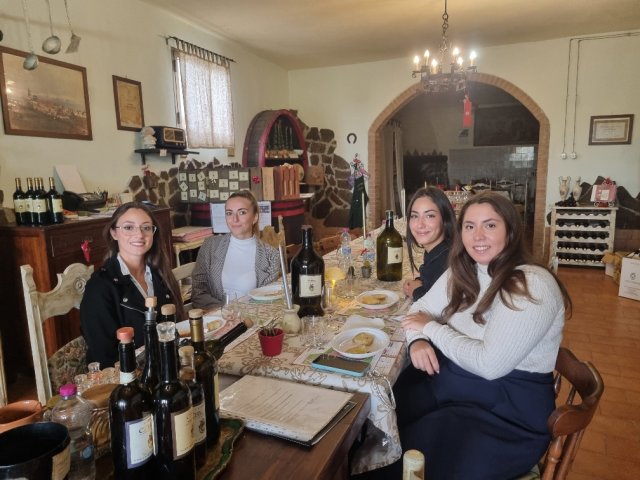
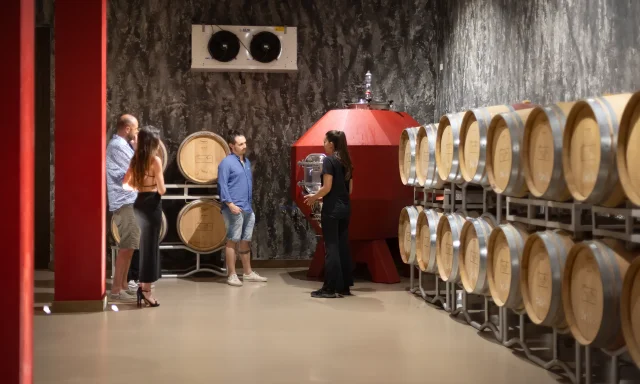
What a tasting includes. A standard visit is a walk through the vineyard or cellar and a seated flight of three to five wines, often with bread, oil and cheese. If you have never tasted formally, how to taste wine takes ten minutes to read. The label words come up constantly. Riserva means longer ageing. Gran Selezione in Chianti Classico means estate fruit and thirty months. Brunello is Sangiovese alone with five years in the cellar. How Italian wine zones are named explains the rest. If you plan to buy, ask about shipping before you taste. Many estates can arrange it to the UK.
With children or without wine. Vineyard tours, e-bike and horseback outings and picnics make the day work for a mixed group. La Maliosa, Belguardo and Castello di Albola all list them. Every estate serves water and juice.
Harvest. Mid-September to mid-October in most of Tuscany. Cellars are busy, so tastings are shorter and sometimes paused. The smell of fermenting Sangiovese in a cellar is worth planning around. Some estates run harvest days where you pick in the morning and taste in the afternoon. Book those early.
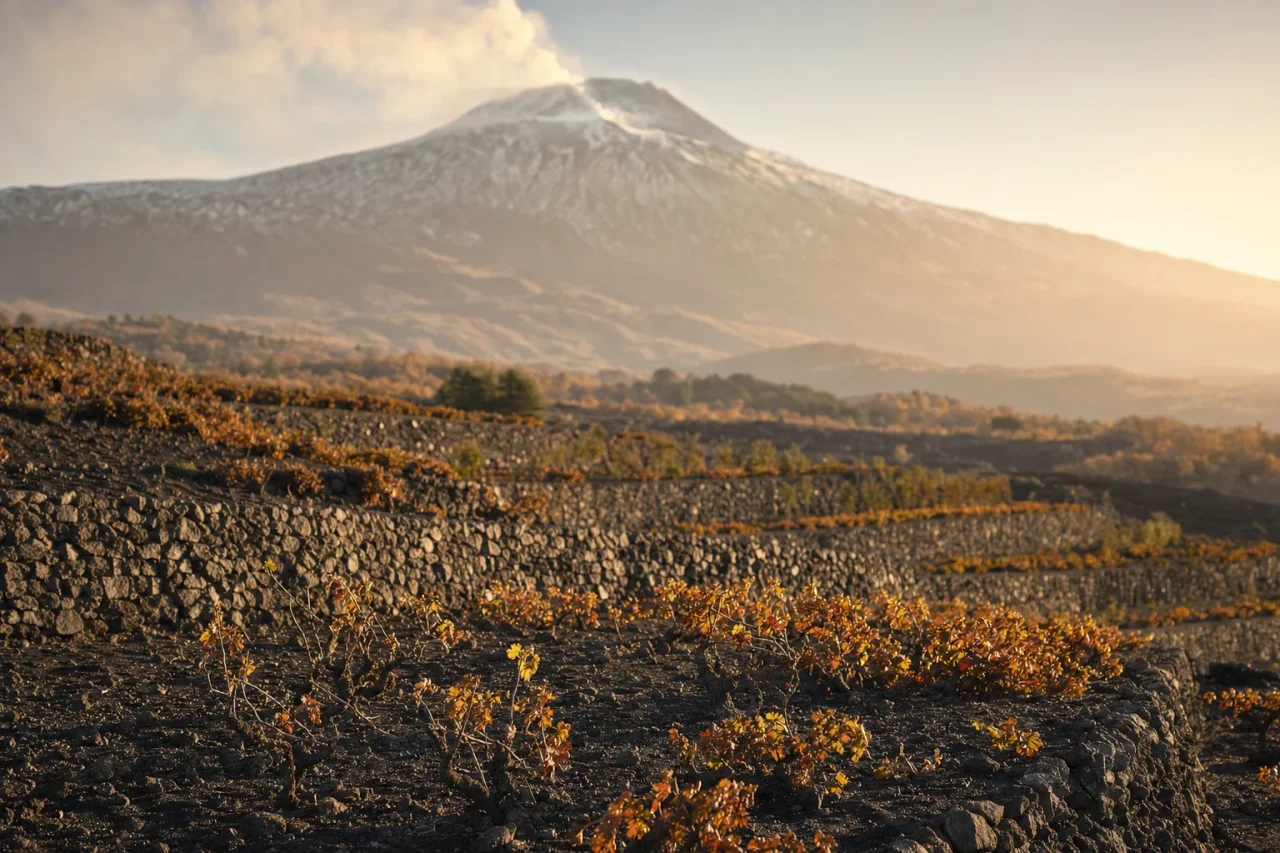
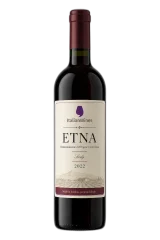
If Tuscany is not the answer. Readers who want volcanic soil rather than Sangiovese hills should read our guide to Sicily's volcanic estates, where the slopes of Etna replace the castles of Chianti.
How this guide is built
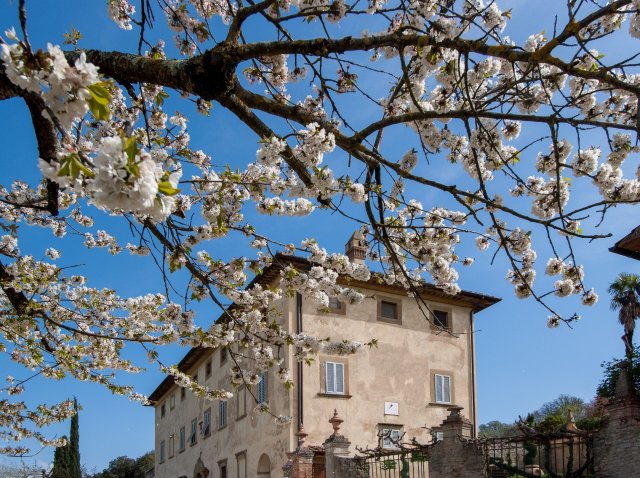
The estates are the Tuscan wineries with a page in the Italian Wines atlas that receive visitors. When an estate joins the atlas, it joins this guide; the carousels are not a fixed list. Each page was written from the estate's own site and history. The visit facts on each card come from two sources. 90 visit offers were checked against the estates' own booking pages between 15 and 21 August 2026. 136 live partner listings on Winalist and Winedering were read on 8 September 2026. Where an estate publishes no price, the card says so rather than guessing.
The guided tours are picks from 1,437 Tuscany tours sold by GetYourGuide and Viator, chosen by rating, number of reviews and whether the itinerary names the estates it visits. Ratings and prices are the partners' figures on the day of publication. No estate on this page has hosted us.
Frequently asked questions
The median is 40 EUR per person across the 662 bookable experiences at 273 Tuscan estates in our catalogue. 339 of them sit between 30 and 60 EUR. 129 are under 30 EUR, mostly in the Maremma and at cooperative cellars. 52 cost 120 EUR or more, which buys a private visit and a flight of the estate's top wines. Among the estates in this guide, entry prices start at 8 EUR. Every Tuscan estate in our atlas lists its own price from.
Yes, in most cases. Most of the estates in this guide ask you to book ahead. The serious cellars in Chianti Classico, Montalcino and Bolgheri do not take walk-ins. The estates' own booking pages, Winalist and Winedering confirm a slot within a day or two. For the famous names in high season, allow two to three weeks. Maremma farms and the tasting rooms inside Montalcino and Montepulciano are the exception. They often take you on the day.
Plan on ninety minutes for a standard tour and tasting. That is the most common duration across the 662 experiences we list, followed by one hour and two hours. A tasting alone at an enoteca takes thirty to forty-five minutes. Two estates in a day is comfortable. Three is the maximum if you drive yourself, because each one also means twenty to forty minutes of hill road. The Chiantigiana route page gives the leg times.
Yes. From Florence the half-day coach tours to Chianti start at 38 to 55 EUR and run daily. Small-group minibus tours cost 89 to 149 EUR. From Siena there are two-hour and full-day options. Inside Montepulciano and Montalcino you can walk to cellars under the streets. Ruffino, Malenchini and Bibi Graetz are a short taxi ride from central Florence. What you cannot do without a car is Bolgheri, the Maremma or a self-paced day on the Chiantigiana.
April to early June and September to early November. Temperatures are comfortable, the cellars are working, and you get either pre-harvest calm or the harvest itself. Harvest runs from mid-September to mid-October in most of Tuscany. August is hot and busy, and some family estates close for Ferragosto in the middle of the month. February brings the Anteprime, the trade previews of the new Chianti Classico, Brunello and Vino Nobile vintages. Our Tuscany region guide covers the seasons in more depth.
Chianti Classico if you are based in Florence. It has the most estates within an hour and the widest range of visits, from castles to small organic farms. Montalcino if you are based in Siena and want one wine to understand deeply, Brunello, with fewer and longer visits. Both fit in a day from Siena. Only Chianti fits in a half day from Florence, which is why most guided tours go there.
Not on our records. We hold no visitor programme for Tenuta San Guido, and none for Ca' Marcanda, Angelo Gaja's estate next door. Taste the zone instead at Ornellaia, Grattamacco or Caccia al Piano 1868, all of which take bookings and appear in the Bolgheri section above. Sassicaia itself is sold in the village enoteca and carries the Bolgheri Sassicaia DOC, the only Italian denomination that belongs to a single estate. Our Bolgheri DOC page lists the wines and the estates behind them.
Many estates in this guide run a restaurant or offer a food pairing. Castello di Fonterutoli has its Osteria in the hamlet. Castello Banfi, Castello di Albola, Castello Vicchiomaggio, Ruffino and Barone Ricasoli serve meals at the estate. Marchesi Antinori has a restaurant at its Bargino cellar. Tenuta Torciano pairs its Vernaccia with lunch. The Maremma farms do picnics in the vines. The estate cards in each section carry the Eat badge where a meal is on offer.