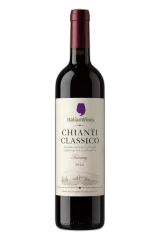
Red Grape · Tuscany

Sangiovese

Italy's most-planted grape and the soul of Tuscany: high-acid, sour-cherry Sangiovese is a born food wine, shape-shifting from everyday Chianti to the decade-ageing power of Brunello di Montalcino.

Sangiovese (san-jo-vay-zeh) is the undisputed king of red wines in central Italy, virtually present in every area of the country Thanks to its many clones and surprising versatility, Sangiovese can create a wide range of wines: from young and fresh Chiantis to complex and full-bodied Brunellos.

312
Bottles live now
15
UK retailers
19
Denominations

Also known as

Same grape, many labels

Montalcino

Brunello

The name for Sangiovese's biggest, longest-lived clone, grown around the hill town of Montalcino for Brunello di Montalcino.

Montepulciano

Prugnolo Gentile

The local name in Montepulciano, where it makes Vino Nobile (the grape, not the Abruzzo red of the same town name).

Scansano

Morellino

The Maremma coast name, giving the softer, riper Morellino di Scansano.

Corsica

Nielluccio

Even across the sea in Corsica the grape turns up, under a French-Italian alias.

The anchor fact: Sangiovese is Italy's most widely planted grape, but it rarely says so on the label: across central Italy it hides behind a string of local names, all the same variety.

Taste · Where it sits

What it’s actually like in the glass

Forget scores out of five. Here’s Sangiovese described against grapes you already know.

BodyMedium and sinewy
LightFull

Never a blockbuster: leaner and more sinewy than Cabernet or Primitivo, all nervy energy rather than sheer weight, which is exactly why it partners food so well.

TanninDusty and savoury
SoftGrippy

Firm, fine, faintly dusty tannin, gentler than Nebbiolo but with real grip, framing the wine rather than coating the mouth.

AcidityBright and food-cutting
SoftZippy

The defining trait: a tart, sappy acidity that makes Sangiovese Italy's great table red, slicing through tomato and fat like nothing else.

Fruit & sweetnessBone dry, sour-edged
DrySweet

Bone dry, with a signature sour-cherry tang rather than sweet fruit, an earthy, savoury profile a world from the jammy reds of the south.

Key flavours

Violet
A dried-violet floral top note, delicate and perfumed, clearest in a young Chianti Classico from higher vineyards.
Liquorice
A dark, earthy liquorice note that grows with bottle age, part of the leather-and-tobacco complexity of a mature Brunello.
Forest berries
Wild strawberry and redcurrant from the cooler Tuscan hills, a fresh, brambly lift beneath the savoury core.
Black cherry
Sour Morello cherry is Sangiovese's heartbeat, tart and juicy rather than sweet, the fruit that defines Chianti and Brunello alike.
Structured · Tannic Soft · Approachable Light-bodied Bold · Full Nebbiolo Merlot Corvina Primitivo Barbera Nero d'Avola
Sangiovese

The map

Sangiovese is full-bodied, firm tannin, mapped against other red grapes you can buy. The closer a grape sits, the more its weight and grip resemble Sangiovese.

Sangiovesefull-bodied, firm tannin
Nebbioloa close match
Merlota close match
Corvinalighter, softer
Primitivosofter
Barberafar softer

Is this for you?

An honest gut-check

Reach for it when…

A bold red that just works

  • You want a food wine above all: its bright acidity cuts tomato, olive oil and grilled meat better than almost anything.
  • You love savoury, earthy reds with a sour-cherry tang rather than sweet, oaky fruit.
  • You are eating Tuscan: bistecca, ragu, pecorino, or a simple Margherita.

Maybe skip it if…

You’re after something else tonight

  • You want a soft, low-acid, fruit-forward red to sip on its own.
  • Grippy tannin and sharp acidity feel austere to you; a plush, low-acid Merlot will feel friendlier.
  • You are after big, jammy, high-alcohol flavours; Sangiovese is leaner and more nervous.

Serving guide

Pour it at its best

Serve at

16-18°C

Serve at cool room temperature; its acidity turns shrill when the wine is warm, and hollow when it is too cold.

Decant

1 hours

A young Chianti Classico or Brunello opens up with thirty to sixty minutes of air, softening the tannin and freeing the cherry.

Glass

Standard Balloon Glass

A medium bowl focuses Sangiovese's sour-cherry and violet lift without letting the high acidity sharpen.

Drink within

2-3 days

Bright and food-friendly, an open bottle keeps two to three days re-corked, though it loses its lifted top notes quickly.

Cellar

2-3 years

Everyday Chianti is for drinking now, but a serious Brunello or Chianti Classico Riserva can age ten years or more into leather and dried flowers.

Buy it · three to start with

Not sure which bottle? Start here

A curated trio across the price range, then every Sangiovese on sale in the UK right now.

Entry · everyday

Cantine Leonardo Da Vinci Chianti

Cantine Leonardo Da Vinci Chianti

Chianti

2 retailers

£9.98

View Wine

Why this one: A textbook everyday Chianti: bright sour cherry, gentle grip and that food-loving acidity, from a co-op in Vinci for around ten pounds.

The sweet spot

Badia a Coltibuono Chianti Classico Riserva

Badia a Coltibuono Chianti Classico Riserva

Chianti Classico

2 retailers

£23.95

View Wine

Why this one: A benchmark Chianti Classico Riserva from a historic Gaiole estate: more depth, dried herbs and structure, the sweet spot of Tuscan Sangiovese.

Special occasion

Poggio di Sotto Brunello di Montalcino

Poggio di Sotto Brunello di Montalcino

Brunello di Montalcino

3 retailers

£151.00

View Wine

Why this one: One of Montalcino's most revered names: Brunello of extraordinary perfume and patience, a wine to cellar for a decade or more.

12 of 310 bottles

Denominations

Where it earns a name on the label

The appellations where Sangiovese plays a starring role.

Brunello di MontalcinoDOCG ChiantiDOCG Chianti ClassicoDOCG Grottino di RoccanovaDOC Rosso di MontepulcianoDOC RubiconeIGT Vino Nobile di MontepulcianoDOCG BasilicataIGT BolgheriDOC Bolgheri SassicaiaDOC CarmignanoDOCG CortonaDOC MateraDOC Montecucco SangioveseDOCG Morellino di ScansanoDOCG Rosso di MontalcinoDOC Rosso Piceno/PicenoDOC SuveretoDOCG Torgiano Rosso RiservaDOCG

Where it grows

The places it calls home

Editorial

About Sangiovese

Celebrated for its versatility and depth, Sangiovese has captivated UK wine lovers who cherish a robust and aromatic profile in their glasses.

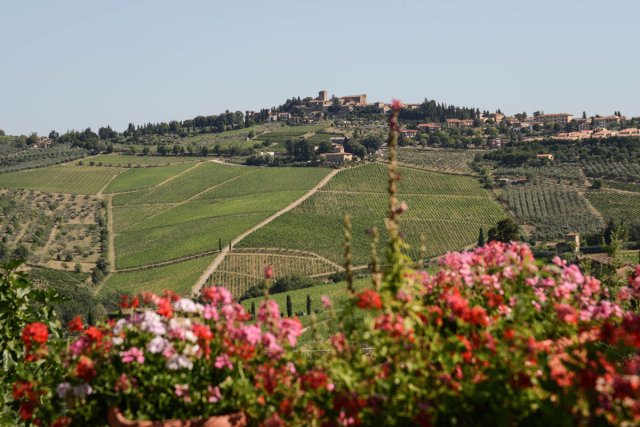
Sangiovese takes its name from sanguis Jovis, the blood of Jupiter, a nod to the Roman gods on the Tuscan hills where it has grown for centuries.

The blood of Jupiter

Sangiovese presents a broad spectrum of price points, reflecting its diverse expressions. Typically, you can find enjoyable bottles ranging from £10 to £30, with prestigious labels from renowned appellations like Brunello di Montalcino climbing higher in cost.

The high acidity and cherry notes of Sangiovese make it particularly well-suited for tomato-based pasta dishes. A plate of spaghetti bolognese or penne arrabbiata will find a faithful companion in this wine.

A Sangiovese with its savoury character elevates risotto dishes, particularly those with mushrooms or a rich tomato sauce.

The wine’s tannic structure and affinity for herbs make it a perfect match for red meats. A juicy steak or a slow-cooked lamb shank seasoned with rosemary can be transformative when paired with Sangiovese.

While not a traditional pairing, a lighter Sangiovese can accompany richer fish dishes, such as salmon or tuna steak, where the wine’s acidity cuts through the fattiness beautifully.

Aged cheeses, from a sharp pecorino to a mature cheddar, pair exquisitely with Sangiovese, with the wine’s complexity complementing the depth of the cheese.

Sangiovese is a heroic partner to Italian cuisine, naturally, but it also stands up splendidly to the robust flavours of Argentine asados or even the spiced nuances of Moroccan dishes, celebrating the global appeal of this adaptable grape.

Incorporating Sangiovese into your wine repertoire is an invitation to explore a range of culinary delights, promising to elevate the dining experience with its harmonious and richly layered character.

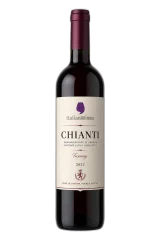
An exuberant Sangiovese, with a delicate fragrance reminiscent of red fruits and violet. Gently tannic and with a pleasantly bitter aftertaste. Drink it young.

A great beginner Sangiovese Sangiovese. Fruity, dry and gently tannic. As time passes, it becomes increasingly velvety.

The “Classico” label refers to Chianti wines which are made from at least 80% Sangiovese grapes and within a defined area (around Florence and Siena).

It can be labelled “Riserva” if it has been aged for at least 2 years in barrel, plus an additional three months in bottle.

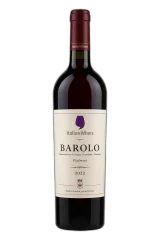
Top quality wine, from the Sangiovese Grosso clone. Persistent and ethereal with hints of wild berries, sweet spices and aromatic wood. Full bodied, vigorous and racy.

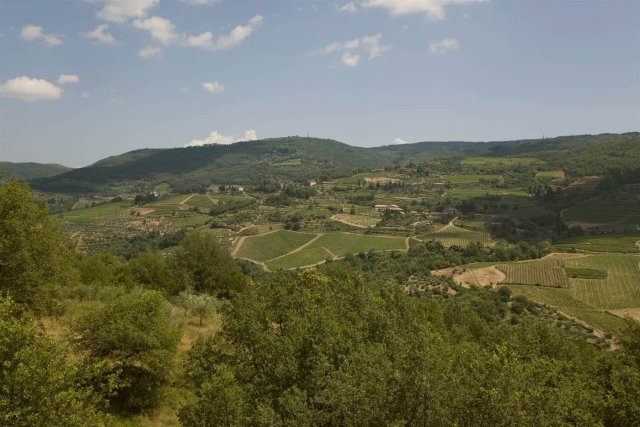
The Sangiovese grape has been known since 1500, but its origin is most likely Etruscan. In particular, it seems to come from the area north of the Tiber and south of the Arno, from which it then spread beyond the Apennines, up to Emilia Romagna.

The origin of its name is uncertain. Some argue that it derives from "Sangiovannese" which relates to the village of San Giovanni Valdarno, while others argue that it derives from "sanguegiovese" ( Italian for "blood of Jupiter"), referring to Monte Giove, near Santarcangelo di Romagn

Thanks to its chameleon character and its undisputed charm, Sangiovese has conquered all kinds of palates from all over the world, becoming the red flagship wine of Italy. While largely grown in Italy, you can also find Sangiovese from the United States, Australia, France and Argentina. In Italy, you will find it is often labelled by its regional name. Chances are, any red wine produced in Tuscany, Campania, and Umbria will be Sangiovese.
Good to know

Frequently asked

Sangiovese is a red grape variety that shows an eclectic character and can produce relatively light, medium or full bodied wines with good acidity.

Wines made from Sangiovese grapes tend to have a good structure, with a round and rich taste, and an intense aftertaste. Harmonious with a good tannic backbone, dry and with high acidity that leaves a bitter aftertaste, these wines show flavours of red fruit and peculiar violet notes.

Most of the wines produced from Sangiovese grapes are dry, but the grape is also capable of producing amazing sweet nectars such as the Vin Santo Occhio di Pernice.

Sangiovese is prevalent in Tuscany but has found his second home in Emilia Romagna. The reality is that Sangiovese is cultivated a bit all over Italy, with higher concentrations in the central regions. You can also find Sangiovese produced in the United States and Australia.

A bit of everything: from first courses made of pasta with meaty sauces to fish soups; from grilled steaks to roasts and braised game. Depending on the style and the area of production, Sangiovese wines can match many different preparations, including ethnic cuisine.

The pronunciation of "Sangiovese" using the International Phonetic Alphabet (IPA) would be [san.dʒoˈveː.se]. Breaking it down, it sounds like "san-jo-VAY-seh".

No, Sangiovese and Chianti are not the same. Sangiovese is a type of red grape variety that is widely planted in Italy. Chianti, on the other hand, is a wine that comes from the Chianti region in Tuscany and, while it is primarily made from the Sangiovese grape, it can also include other grape varieties.

Sangiovese, like most red wines, is typically served at what is termed 'cellar temperature', which is around 60-65°F (16-18°C). It is not served chilled like white wines or rosé, but if it's a particularly hot day or the wine is showing a lot of tannins, a slight chill can make it more refreshing and can soften the astringency.

Yes, Chianti can be made from 100% Sangiovese grapes, although it is not required. Chianti DOCG rules allow for a Chianti wine to have 70-100% Sangiovese, and the remainder can be made up of other red grapes, such as Canaiolo, Colorino, Cabernet Sauvignon, or Merlot.

Explore by style

Wine styles made from Sangiovese

Jump to the editorial guide for each style this grape turns up in.

Keep exploring

More red grapes

Nebbiolo

Nebbiolo (Nay-bee-OH-lo) is a native Italian variety cultivated in the northern regions, whose name derives from the word “Nebbia” which is Italian for fog.

Wines 254
Tannin
Body

Explore Nebbiolo

Merlot

Merlot is a red grape with a serious Italian footprint: Bolgheri DOC, Bolgheri Rosso, Cortona DOC, Suvereto DOCG, Rubicone IGT and Montello Rosso DOCG form its Italian map.

Wines 126
Tannin
Body

Explore Merlot

Corvina

Corvina is the principal red grape of Verona's wine country, forming the backbone of Valpolicella DOC, Amarone della Valpolicella DOCG, and Recioto della Valpolicella DOCG.

Wines 75
Tannin
Body

Explore Corvina

Barbera

One of the most approachable red wines in Italy, Barbera (“bar-BAY-rah”) is a fresh and fruity wine that is always present on the tables of the inhabitants of Piedmont.

Wines 48
Tannin
Body

Explore Barbera