Central Italy

Tuscany Sangiovese hills, sea-facing Cabernets

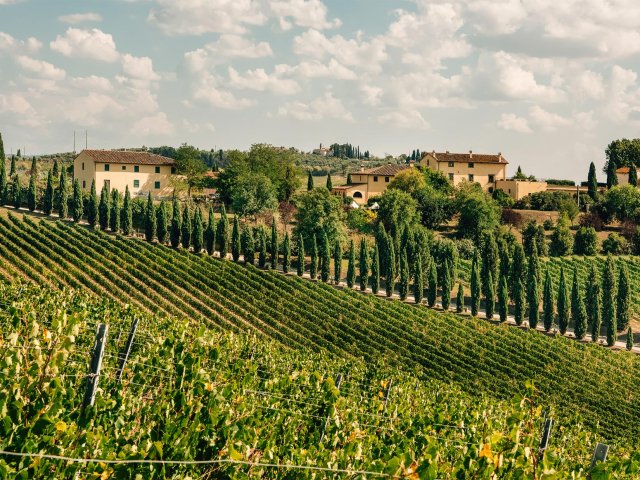
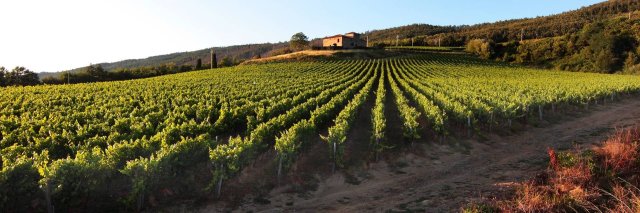
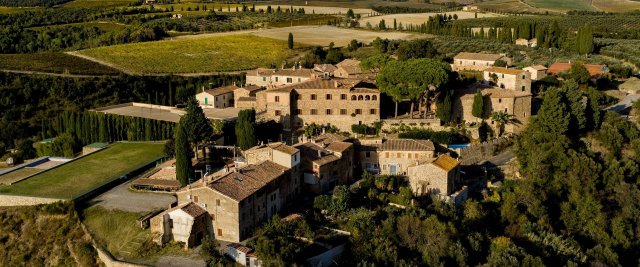
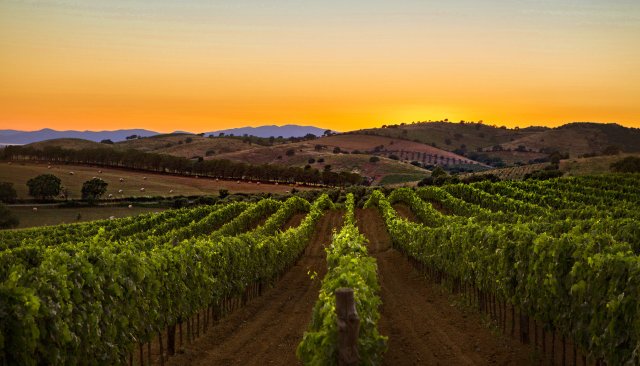
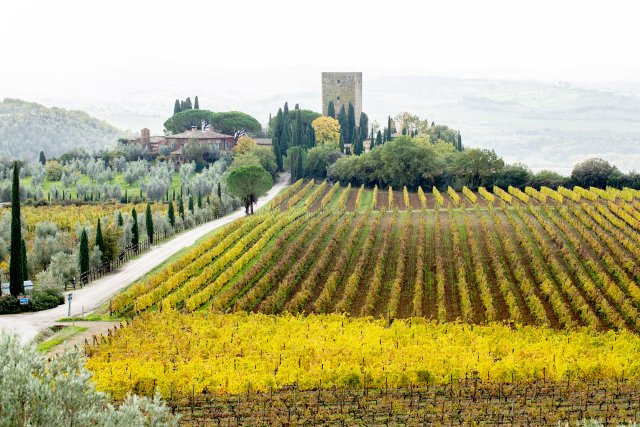
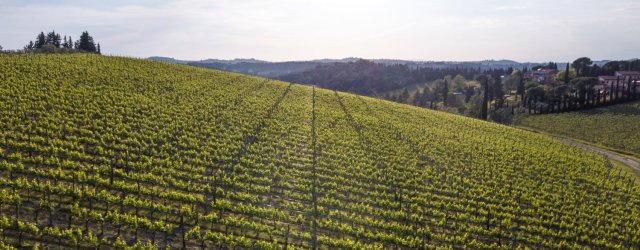
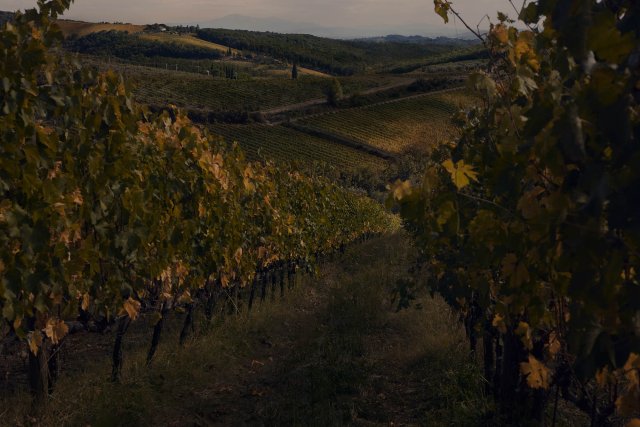
From galestro hills in Chianti Classico to the single Brunello rise of Montalcino and the sea-facing Cabernets of Bolgheri, Tuscany is Italian wine's stage in full Renaissance light.

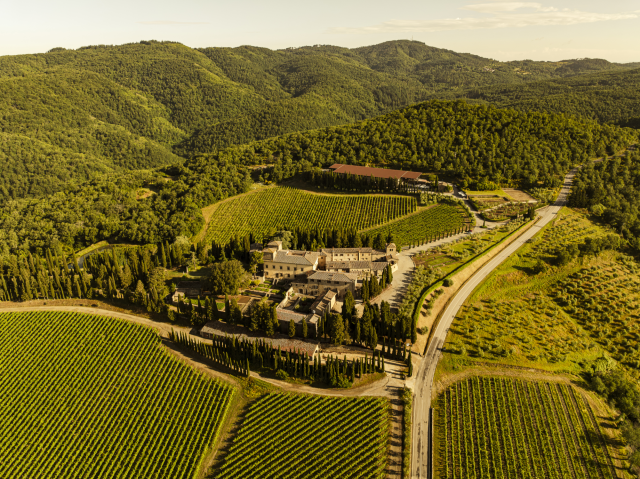
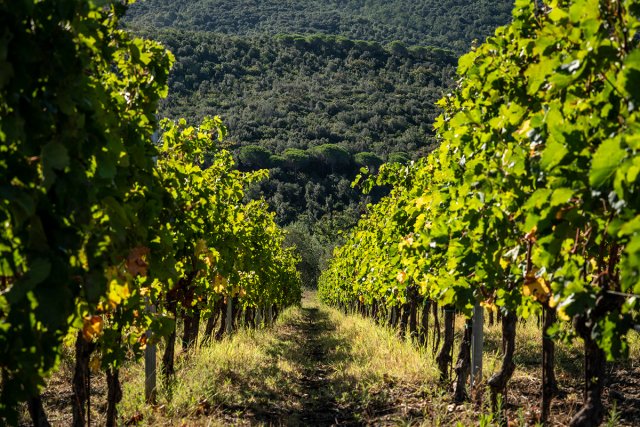
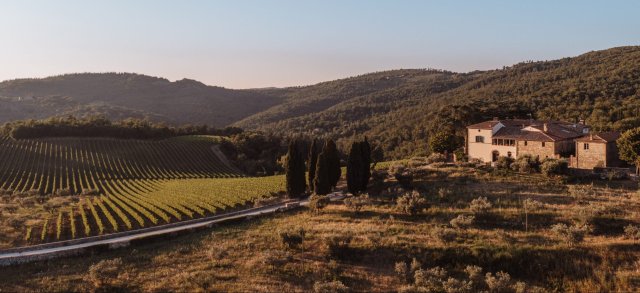
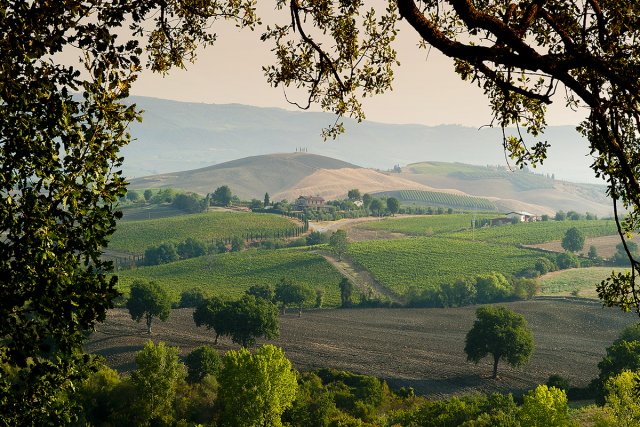
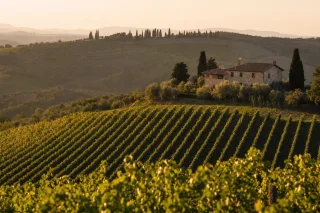
Tuscany is the most globally watched of all Italian wine regions. Its 60,286 hectares of vineyard run from the galestro and alberese hills of Chianti Classico, between Florence and Siena, to the single 564-metre rise of Montalcino in the south, and out to the Tyrrhenian alluvium of Bolgheri and the wider Maremma.

Sangiovese is the through-line: it shapes Chianti Classico, Brunello di Montalcino, Vino Nobile di Montepulciano, Carmignano and Morellino di Scansano. The coast adds Cabernet, Merlot and Vermentino, and Vernaccia di San Gimignano keeps the white tradition alive in Tuscany's only DOCG dedicated to a single white grape. With 11 DOCGs, 41 DOCs and around 16,000 producers behind 1.9 million hectolitres a year, this is the busiest, most documented and most quoted shelf in Italy.

724
Wines in stock
58
Denominations
12
Heritage grapes
£3 +
Starting price
01 · Wine Areas7

Where Tuscany wine takes shape

The named places that explain the region's grapes, styles, and labels, plotted across the map.

01

Chianti Classico

The galestro and alberese hills between Florence and Siena, where Sangiovese became Italy's most quoted red.

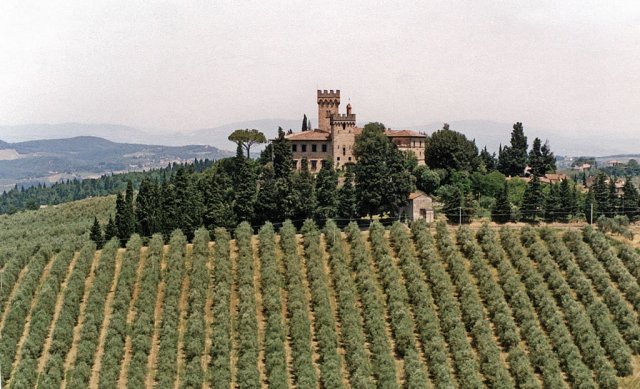
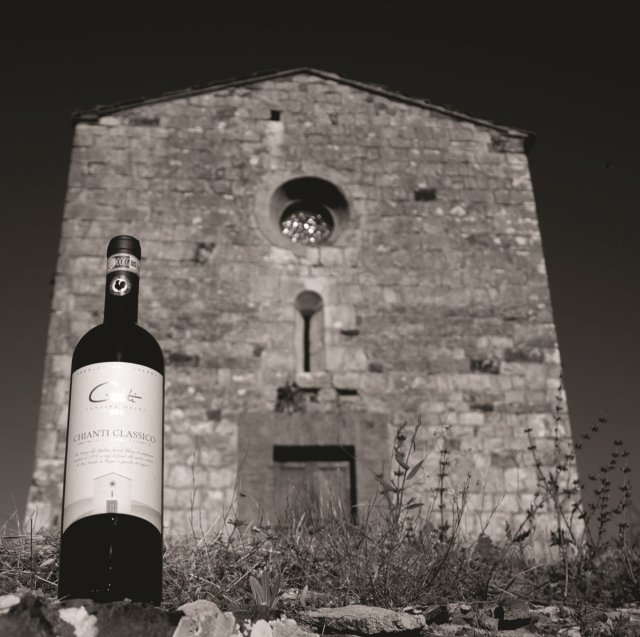
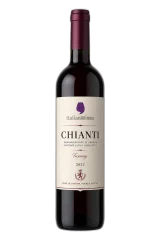
Chianti Classico sits between Florence and Siena, the historical heart of the Chianti zone delimited by Cosimo III in 1716 and now ring-fenced by the Gallo Nero seal. Sangiovese must make up at least 80% of the blend, with optional Canaiolo, Colorino, Cabernet Sauvignon and Merlot. The 2014 UGA reform recognised 11 sub-zones (Greve, Panzano, Lamole, Radda, Castellina, Castelnuovo Berardenga and others), each with its own elevation, exposure and tannin signature. Annata, Riserva and Gran Selezione climb the quality ladder, with Gran Selezione now bound to estate fruit and tighter ageing.

ChiantiDOCG Chianti ClassicoDOCG Red grapeCabernet Sauvignon Red grapeSangiovese Red grapeCanaiolo
02
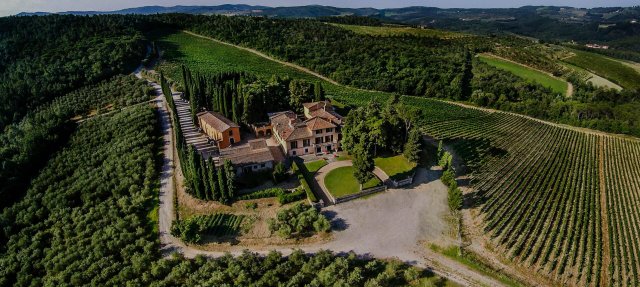
Montalcino

A single hilltop south of Siena where Sangiovese is bottled alone as Brunello.

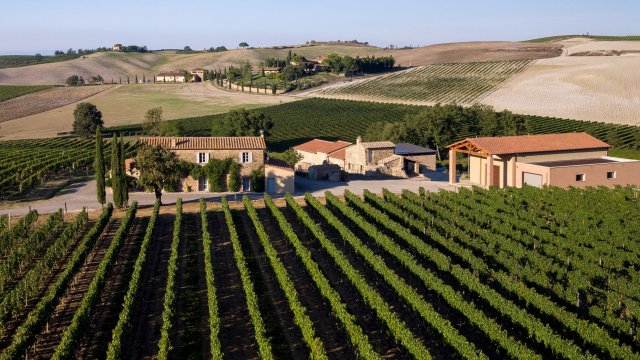
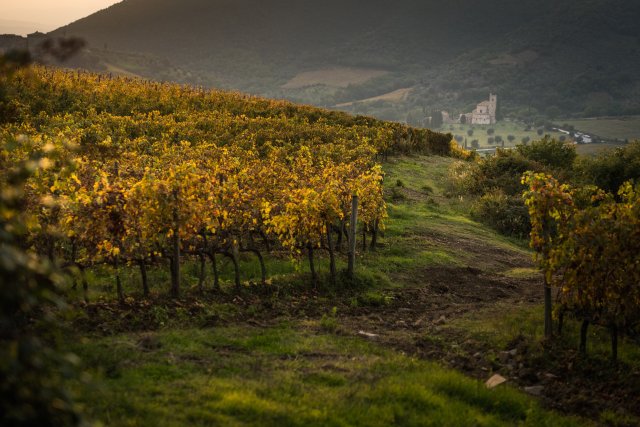
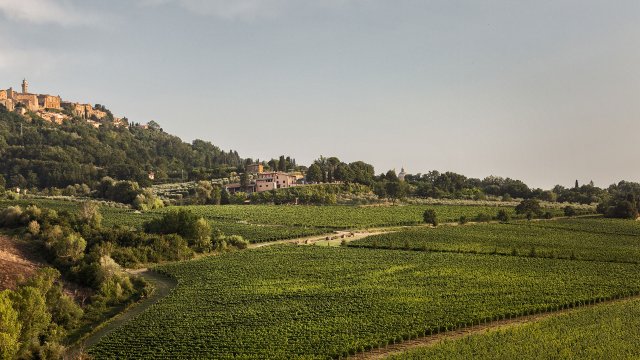
Montalcino is one of Italy's smallest production areas to carry global weight. The 1980 disciplinare for Brunello di Montalcino requires 100% Sangiovese (locally Sangiovese Grosso), a minimum of 24 months in oak and 60 months total ageing before release, climbing to 72 months for Riserva. The hill rises to 564m and acts as a rain shadow against the Mediterranean fronts: warm, dry, well-ventilated. Younger Rosso di Montalcino DOC and Sant'Antimo DOC sit alongside it, offering earlier-drinking glimpses of the same fruit.

Brunello di MontalcinoDOCG Rosso di MontalcinoDOC Red grapeSangiovese
03

Montepulciano

The Renaissance hilltown southeast of Siena, home of Vino Nobile and Prugnolo Gentile.

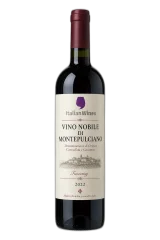
Vino Nobile di Montepulciano DOCG was Italy's very first DOCG approval in 1980, alongside Brunello. The blend leans on at least 70% Sangiovese, here clonally selected as Prugnolo Gentile, with up to 30% other red grapes (Canaiolo, Mammolo, Colorino, Cabernet, Merlot). 2025 brought the Pieve sub-zone classification on top of the existing Riserva and Selezione tiers. Vineyards sit at 250-600m on Pliocene sands and clays. Rosso di Montepulciano DOC offers the area's lighter, earlier-drinking profile.

Vino Nobile di MontepulcianoDOCG Rosso di MontepulcianoDOC Red grapeSangiovese Red grapeCanaiolo
04

Bolgheri and the Tyrrhenian Coast

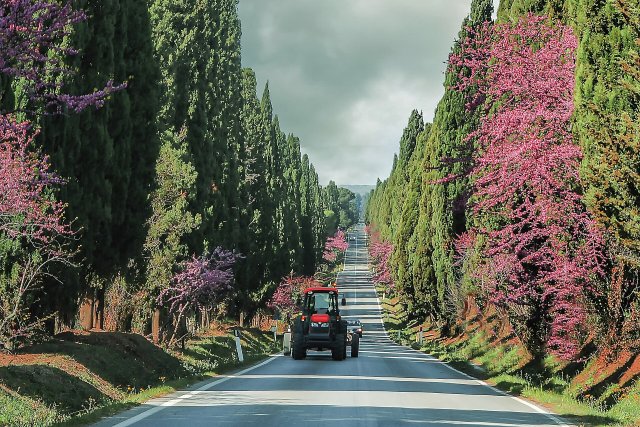
The cypress-lined coast between Castagneto Carducci and Suvereto where Italy first bottled Bordeaux blends.

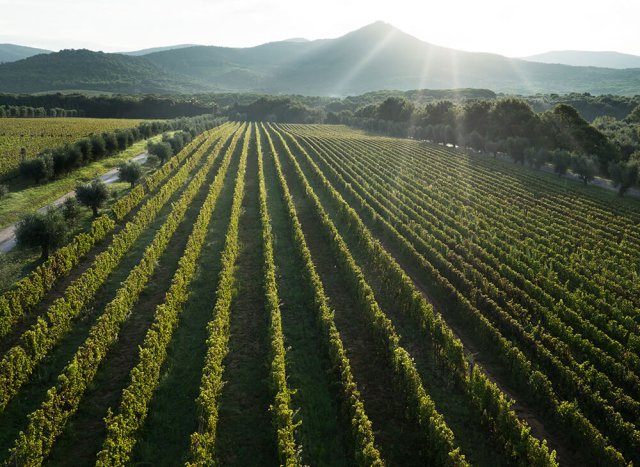
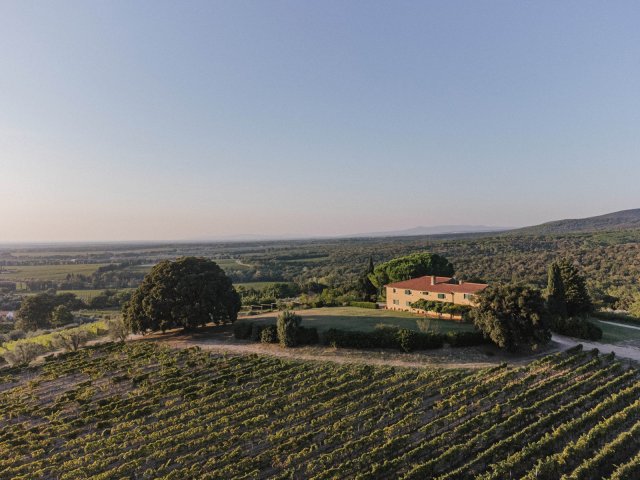
Bolgheri DOC was created in 1983 and rewritten in 1994 to recognise what Sassicaia had been doing since the 1940s: Cabernet Sauvignon, Cabernet Franc, Merlot and Syrah on coastal alluvium and ferrous clays. The disciplinare allows up to 100% of any of these international varieties. Sassicaia carries its own sub-zone, Bolgheri Sassicaia DOC, and the new Suvereto DOCG and Val di Cornia DOCG widen the high-end coast a little further south. Vermentino is the white reference. The sea air keeps acidity bright even in hot vintages.

Rosso della Val di Cornia/Val di Cornia RossoDOCG SuveretoDOCG BolgheriDOC Red grapeCabernet Sauvignon Red grapeCabernet Franc White grapeVermentino
05

San Gimignano

The medieval towers of Siena's province and the only Tuscan DOCG dedicated to a white grape.

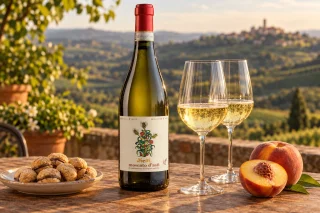
Vernaccia di San Gimignano was the first Italian wine to gain DOC status in 1966 and was elevated to DOCG in 1993. It is still the only DOCG in Tuscany that is a single-variety white. The disciplinare requires at least 85% Vernaccia di San Gimignano, the local clone, with the remainder open to other authorised whites. Vineyards cluster on the limestone-rich hills around the medieval town, between 200 and 400 metres. The wine ranges from straight, citrus-driven youth to lees-aged Riserva that picks up almond and saline depth.

Vernaccia di San GimignanoDOCG San GimignanoDOC Red grapeSangiovese Red grapeVernaccia
06

Carmignano

A small zone west of Florence that legitimised Cabernet in Sangiovese long before Super Tuscans.

Carmignano DOCG is one of the oldest delimited zones in the world: Cosimo III de' Medici included it in his 1716 list. The modern disciplinare requires at least 50% Sangiovese and a mandatory 10-20% of Cabernet Sauvignon or Cabernet Franc, which makes it the only Tuscan DOCG that locks Bordeaux varieties into the blend. Vineyards cover only around 200 hectares on south-facing slopes north of the Arno. Barco Reale di Carmignano DOC delivers the same blend in a younger style.

CarmignanoDOCG Barco Reale di CarmignanoDOC Red grapeCabernet Sauvignon Red grapeCabernet Franc Red grapeSangiovese
07

Maremma

The wide southern plain and hills running from Grosseto to Lazio, lighter and warmer than central Tuscany.

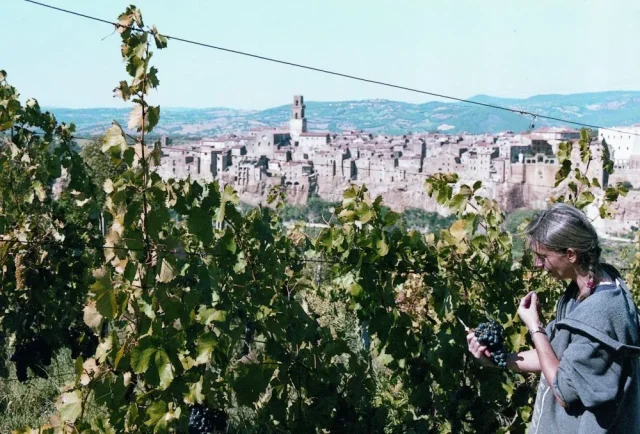
The Maremma is southern Tuscany's coastal frontier: low hills, wetlands reclaimed in the 19th century and a long Tyrrhenian shoreline. Maremma Toscana DOC is the umbrella appellation for the area, while Morellino di Scansano DOCG anchors the high end with at least 85% Sangiovese. Inland zones such as Montecucco DOC and Montecucco Sangiovese DOCG sit on Monte Amiata's volcanic flanks. The wines are typically rounder and earlier-drinking than Chianti, with sea breezes keeping freshness in cabernet and vermentino plantings around Capalbio and Pitigliano.

Montecucco SangioveseDOCG Morellino di ScansanoDOCG Maremma ToscanaDOC Red grapeCabernet Sauvignon Red grapeSangiovese White grapeVermentino
02 · Regional Guide6

Understanding Tuscany

Layered notes on terroir, history, label rules, taste, drinking window and where to start.

03 · Wines To Know6

What to drink from Tuscany

A short shortlist that maps the region: benchmark reds, signature whites and the labels worth a step-up.

04 · Denomination Spotlight

The one to know first

Our curated guide. Not the full list, the bottle that opens the door.

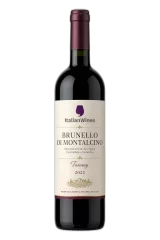
Brunello di Montalcino

Curated guide · DOCG

Brunello di Montalcino

Brunello di Montalcino DOCG is Tuscany's long-aged Sangiovese from the hills around Montalcino. It is built for structure, savoury cherry fruit and patient cellaring, with oak ageing and late release giving the wine a.

112
Wines in stock
Explore Brunello di Montalcino
05 · Curated Guides3

Tuscany denomination guides

3 more active guides with editorial content. Curated coverage, not the complete regional denomination list.

Browse all guides

06 · Heritage Grapes5

The grapes behind the bottle

5 curated guides with editorial content. Pronunciations, traits and the regional footprint of each variety.

Browse all grape guides

07 · Editor's Picks724

Wines from Tuscany

A starter selection from the catalogue. Pour them as a regional flight.

View all 724 wines

08 · La Tavola6

The table of Tuscany

Mountain, pasture and coast on one plate. Pour the regional wine alongside.

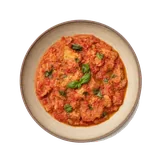
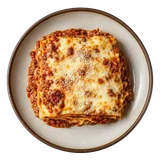
Tuscan kitchens stay close to the cucina povera tradition: olive oil, beans, bread, slow meat. Ribollita, the white-bean and cavolo nero soup, sits beautifully against a young Chianti Classico, where the wine's sour cherry and herb tones cut the fat. Pappa al pomodoro and pici all'aglione are happy in the same company.

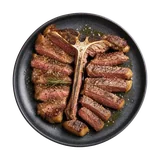
For bistecca alla fiorentina, the rare-grilled Florentine T-bone, reach for Riserva or Gran Selezione Chianti Classico, or a structured Brunello di Montalcino when the cellar is deep enough. Cinghiale al ragu and pappardelle sit best with Vino Nobile di Montepulciano. Pecorino di Pienza calls for an aged Vin Santo del Chianti.

09 · On The Ground19

Explore Tuscany by place

Wine routes, towns and wineries to follow when you go.

Wine routes

Wine towns

Wineries to follow

10 · Common Questions10

Ask the sommelier

Quick answers about Tuscany. Numbers, denominations, food and what to start with.

Tuscany is most famous for Sangiovese-based reds, above all Chianti Classico DOCG, Brunello di Montalcino DOCG and Vino Nobile di Montepulciano DOCG. The Tyrrhenian coast adds Bolgheri DOC, the home of Italy's first Bordeaux-blend Super Tuscans. Vernaccia di San Gimignano DOCG is the region's flagship white.

Tuscany has 11 DOCGs, 41 DOCs and 6 IGTs, for a total of 58 protected appellations. The DOCG list includes Brunello di Montalcino, Chianti Classico, Chianti, Vino Nobile di Montepulciano, Vernaccia di San Gimignano, Carmignano, Morellino di Scansano, Montecucco Sangiovese, Suvereto, Val di Cornia Rosso and Elba Aleatico Passito.

Sangiovese is by far the most planted grape, accounting for the bulk of central Tuscan reds. Native partners include Canaiolo, Colorino, Ciliegiolo, Mammolo, Vernaccia di San Gimignano, Trebbiano and Malvasia. International varieties have a strong foothold on the coast and inside Carmignano: Cabernet Sauvignon, Cabernet Franc, Merlot, Syrah and Vermentino.

Super Tuscans are Cabernet- or Merlot-based reds (often blended with Sangiovese) first bottled in the 1970s outside the DOC system, on the Tyrrhenian coast around Bolgheri. Sassicaia, Tignanello and Ornellaia are the original references. Today most are sold under Bolgheri DOC, Bolgheri Sassicaia DOC or Toscana IGT.

Brunello di Montalcino Riserva is the long-distance runner: a strong vintage will hold for 20-30 years. Chianti Classico Gran Selezione, Vino Nobile di Montepulciano Riserva and the top Bolgheri Cabernet blends usually peak between 12 and 20 years. Annata-tier Chianti Classico, Rosso di Montalcino and Rosso di Montepulciano are built for earlier drinking, 5-10 years from harvest.

April to early June and September to early November are the best windows: comfortable temperatures, working cellars and pre-harvest or post-harvest energy. August is hot and busy. Most serious wineries require booking a tasting in advance, especially around the Anteprime tastings in February (Brunello, Vino Nobile and Chianti Classico Collection).

We currently list 724 wines from Tuscany, starting from £2.99. Browse them all on our wines page.

We currently curate 4 active Tuscany denomination guides, including Brunello di Montalcino, Chianti, Chianti Classico, Toscana. This is an editorial selection, not the complete regional denomination list.

We currently curate 5 active Tuscany grape guides, including Sangiovese, Vermentino, Merlot, Moscato, Trebbiano Toscano. This is an editorial selection, not the complete regional grape list.

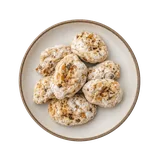
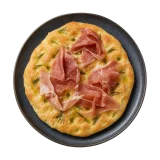
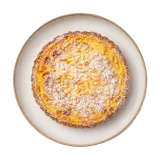
Tuscany is renowned for dishes including Cavallucci, Fiorentina steak, Pappa al Pomodoro, Schiacciata.

11 · Keep Exploring

Your next pour

More of Central Italy, with similar terroir and table.

Wine styles made in Tuscany

Italian Red wine

Red

Italy's boldest expression, structured, complex, built for food

600 wines 12 grapes 9 denominations From £2.99
Explore red
Italian White wine

White

Crisp and versatile, from alpine freshness to Mediterranean warmth

99 wines 12 grapes 2 denominations From £8.99
Explore white
Italian Orange wine

Orange

Ancient craft, modern obsession, skin-contact whites with soul

4 wines 12 grapes 1 denominations From £20.16
Explore orange