






DOCG
Tuscany's top tier is a roll call: Chianti and Chianti Classico, Brunello di Montalcino, Vino Nobile di Montepulciano and their peers.
Your cellar, your trips, and the wines you've been tracking are right where you left them.
New here?
Free, always. Education first, we'll never sell you anything you didn't ask to see.
Already have an account?
Enter the email you signed up with and we'll send a link to choose a new password.
Tuscany · IGT · Regional umbrella
Toscana IGT is Tuscany's broad IGP wine label, created in 1995. It is for producers who need more freedom than DOC or DOCG rules allow. It can cover Sangiovese reds, coastal Bordeaux-style blends, Vermentino whites, rose, frizzante, passito and producer-led wines. The shared identity is Tuscan origin, not one flavour profile.
562
Wines
£3-£12,000
Price range
31
Retailers

Decode the label
Three levels of Italian wine law, read through Tuscany's own denominations.
DOCG
Tuscany's top tier is a roll call: Chianti and Chianti Classico, Brunello di Montalcino, Vino Nobile di Montepulciano and their peers.
DOC
The DOCs fill the map between the DOCG hills, from Bolgheri's Cabernet coast to the wide Maremma Toscana.
IGT
Toscana IGT is the region-wide frame, and the most famous IGT in Italy: the label the first Super Tuscans wore when their recipes broke the DOC rules of their day.
You are hereThe ladder here once ran backwards: Sassicaia sold as humble table wine while outscoring the DOCGs, then as Toscana-frame wine, until 1994 gave it a DOC of its own inside Bolgheri. The IGT tier has been the launch pad, not the basement, ever since.
What DOCG, DOC and IGT mean in Italian law is set out once, in Italian wine zones explained.
It means a wine made under Tuscany's Indicazione Geografica Tipica, the Italian IGP tier. It protects Tuscan origin. It also gives producers more freedom than DOC or DOCG rules allow.
Yes. It is a legal Italian wine denomination at IGT level. It is also a regional umbrella. It can hold many colours, grapes and methods rather than one narrow wine style.
No. IGT is a wider legal tier, not a quality verdict. Toscana IGT covers simple regional wines. It also covers costly producer-led wines that choose freedom over tighter DOCG rules.
The label can take in Tuscan grapes such as Sangiovese, Trebbiano and Vermentino. It can also take in international varieties, such as Merlot, Cabernet Sauvignon, Cabernet Franc, Syrah, Chardonnay and Sauvignon Blanc.
Because it is an umbrella name. A Toscana IGT bottle can be red, white, rose, sparkling, frizzante, passito, single-grape or blended. Taste depends on the producer, grape and style.
The territory
Everything drawn here can also, or instead, carry the Toscana IGT label.
The territory is the administrative region, nothing tighter. Every stricter denomination on this map is drawn inside that same line, which is why a grower in one of them can bottle under either name in the same harvest.
None of these zones belongs to Toscana IGT. They sit in the same territory and answer to their own rulebooks.

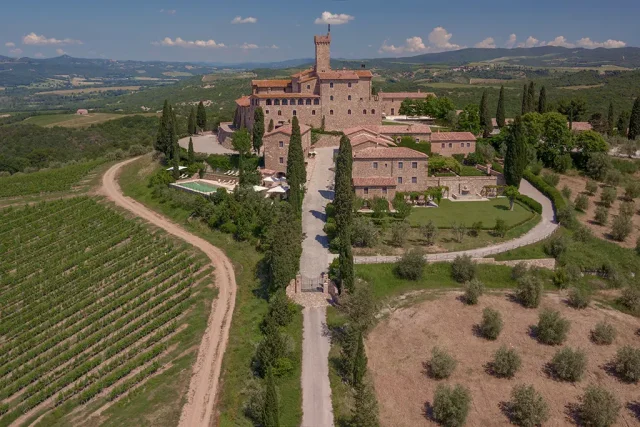
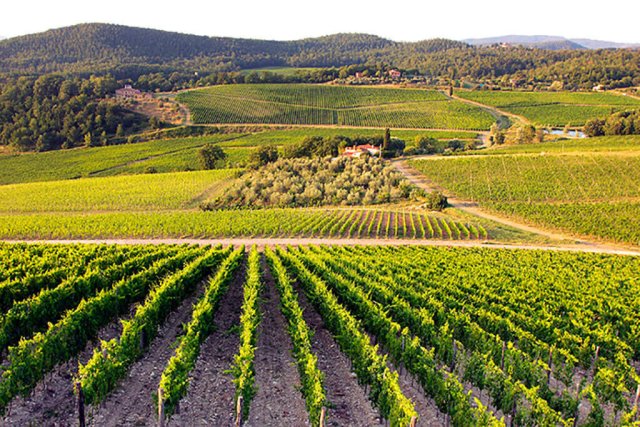
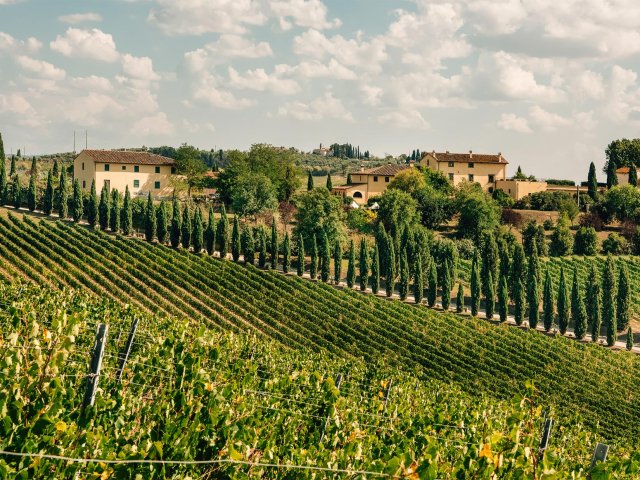
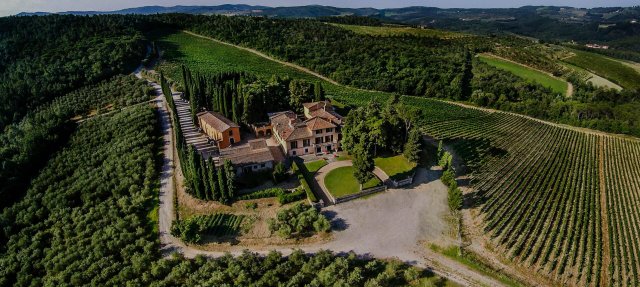
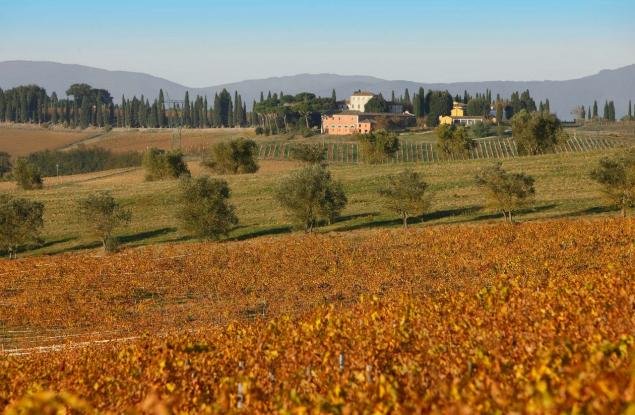
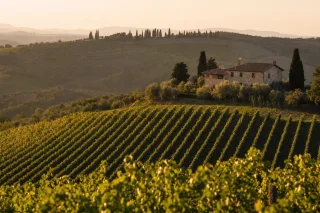
From galestro hills in Chianti Classico to the single Brunello rise of Montalcino and the sea-facing Cabernets of Bolgheri, Tuscany is Italian wine's stage in full Renaissance light.
An umbrella of this size covers every style of still and sparkling wine. Each link below opens a filtered listing.
Editorially selected bottlings. 12 from 562.
 17 retailers
Toscana
17 retailers
£78.00
 10 retailers
Toscana
10 retailers
£62.00
 10 retailers
Toscana
10 retailers
£151.51
 4 retailers
Toscana
4 retailers
£49.99
£54.99
 3 retailers
Toscana
3 retailers
£138.40
 13 retailers
Toscana
13 retailers
£44.09
 12 retailers
Toscana
12 retailers
£274.00
 10 retailers
Toscana
10 retailers
£22.94
 10 retailers
Toscana
10 retailers
£24.99
 9 retailers
Toscana
9 retailers
£53.72
 9 retailers
Toscana
9 retailers
£595.00
 8 retailers
Toscana
8 retailers
£73.22
£90.80
Sibling appellations that share Tuscany’s soil and sky.
 1,817 wines
 60 denominations