










A Roman Mosaic Under the Vines at Negrar, and the Wine Above It
TL;DR
- A mosaic floor found a few metres under a row of vines at Negrar belongs to a Roman villa that made wine on the slopes that make Amarone today.
- The plot is farmed by a family who belong to the village cooperative, so the wine grown over the dig is on sale in Britain now.
- Rome already wanted wine from these hills, and the method it praised, drying the grapes through winter, is still how Amarone is made.

The floor under the vines
Farm work at Negrar turned up a Roman mosaic in 1887. It showed a cherub driving a chariot. It went to the archaeological museum in Verona, where it still is. In 1922 more mosaics came up. An archaeologist named Tina Campanile dug about 270 square metres of the building that year. Then the exact spot was lost. For most of a century nobody could say where under the vineyards it lay.
The Verona heritage office went looking again in 2018 and found it in 2019. Then work stopped for the pandemic. In May 2020 the team came back. A week later they lifted the soil under a row of vines and found a mosaic floor a few metres down, its colours intact. The photographs went round the world that month.
Digging carried on until 2023. By the end about 3,000 square metres were open. The building was far bigger than anyone expected.

It was a working wine farm, not just a villa
The building has two halves. One is the house. It has rooms with patterned floors, a garden in the middle, and its own baths. The other half is the farm, and its job was vines and wine.
That second half is the part worth stopping on. This was not a country retreat with a view of somebody else's vineyards. It grew grapes and it made wine. It stands where the vineyards still stand.
It went up in the second half of the fourth century. The floors are the reason to go and look. There are geometric panels and chariot scenes. A later dig found birds set inside medallions, and baskets of pomegranates. The little cubes are cut from local marble, from fired clay, and from coloured glass made with copper and iron. That mix is why the colours came out of the ground still bright.
The wine Rome wanted from these hills
Roman writers already knew the wines of the Verona hills. The area sat in Raetia, and Raetic wine had a real name. Suetonius wrote that the emperor Augustus liked it above others. That reputation was old before this villa was built.
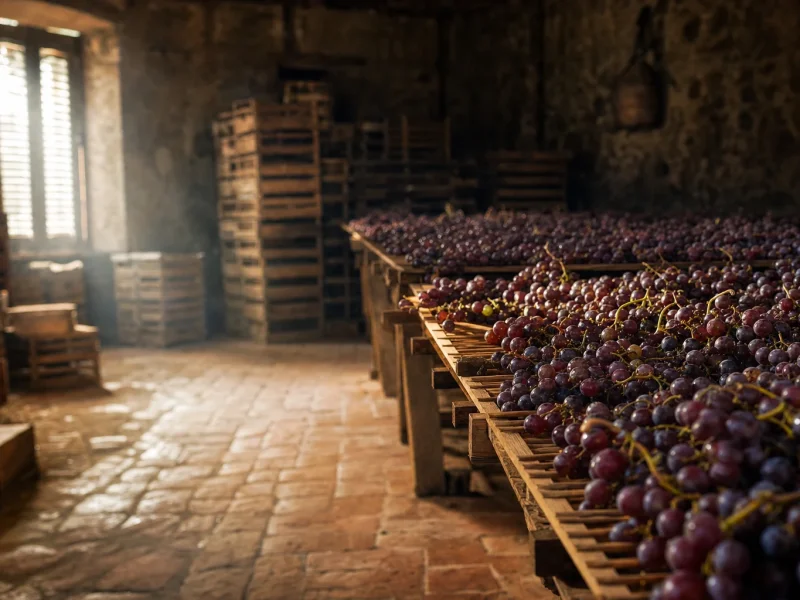
The clearest evidence comes a little later. Around 530 a Roman official called Cassiodorus wrote on behalf of King Theodoric. He asked the treasurer of the Veneto to buy a Verona wine called Acinaticum for the royal table. He also described how it was made. The bunches are picked in autumn, hung up, and left to dry until December. Only then are they pressed.
That is the method behind Recioto and Amarone in this valley today. Nothing important about it has changed in fifteen hundred years. The villa sits inside that window, on that hillside, doing that job.
The vineyard belongs to a family you can drink
This is the part that lifts the story out of archaeology. One of the vineyard plots the dig runs through belongs to the Giacopuzzi-Bronzo family. They are members of Cantina Valpolicella Negrar, the growers' cooperative founded in the village in 1933. About 240 families belong to it. Its better bottles carry the name Domìni Veneti.
The cooperative saw the point long before the mosaic floor came up. It named an Amarone after the villa. The first vintage was 2004 and it reached the shelves in 2011. The label carries that 1887 cherub. Fruit from the plot beside the dig goes into it.
That is a rare thing to be able to buy. Most wines with a Roman story on the back label are selling you a mood. This one is a wine from vines rooted over the floor of a Roman wine farm, made by the neighbours, in the village the farm stood in.
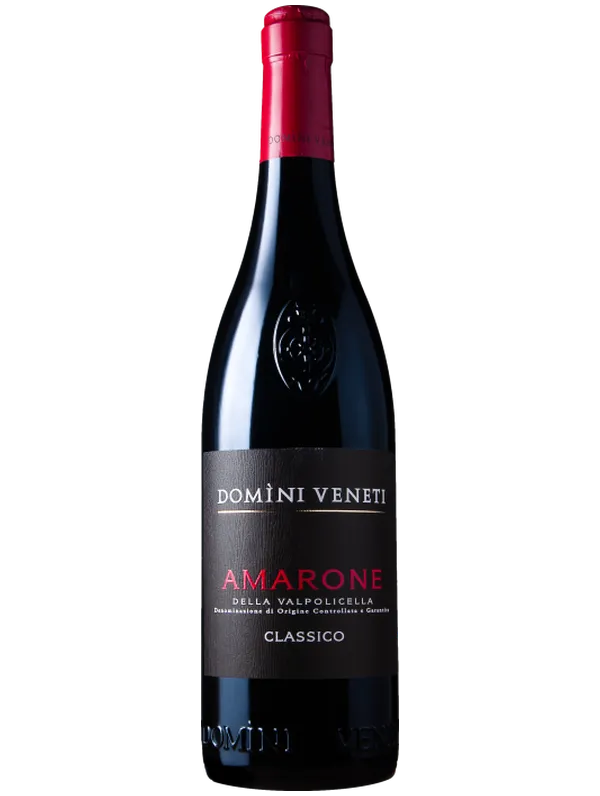
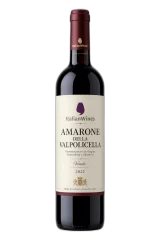
Domini Veneti Amarone della Valpolicella Classico 2022
A big, soft red from the Valpolicella Classica hills. The grapes dry in lofts until January, which is what makes an Amarone. Expect dark cherry, prune and cocoa, gentle tannin and 15.5% alcohol.
View Wine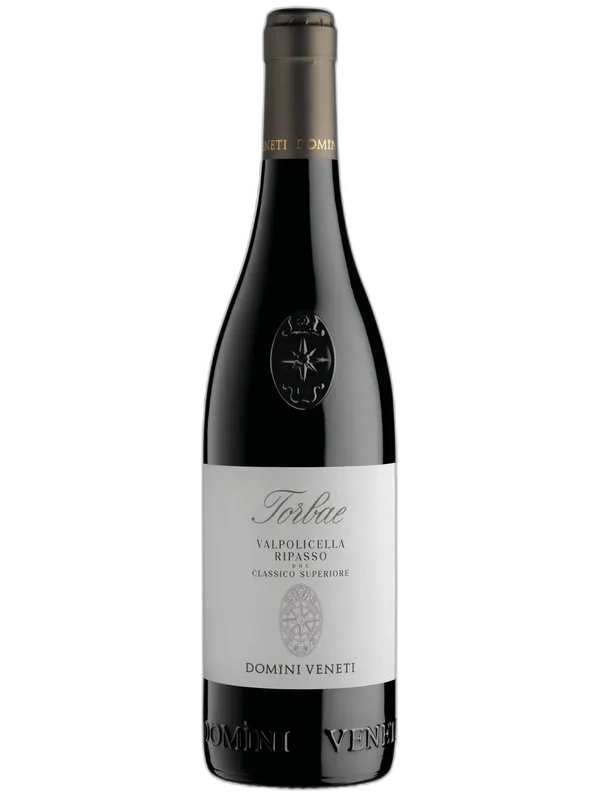
Valpolicella Ripasso Classico Superiore DOC Torbae Domini Veneti 2023
View Wine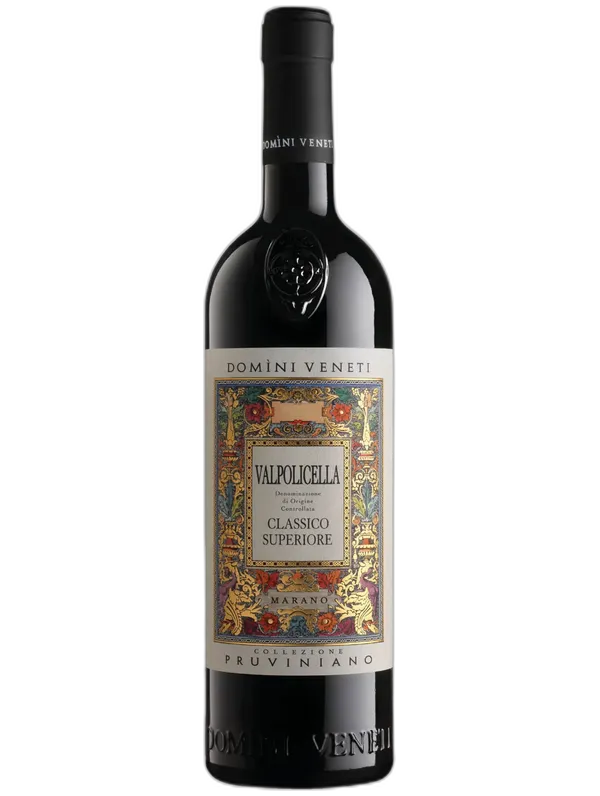
Valpolicella Classico Superiore DOC Collezione Pruviniano Maran Domini Veneti 2023
View Wine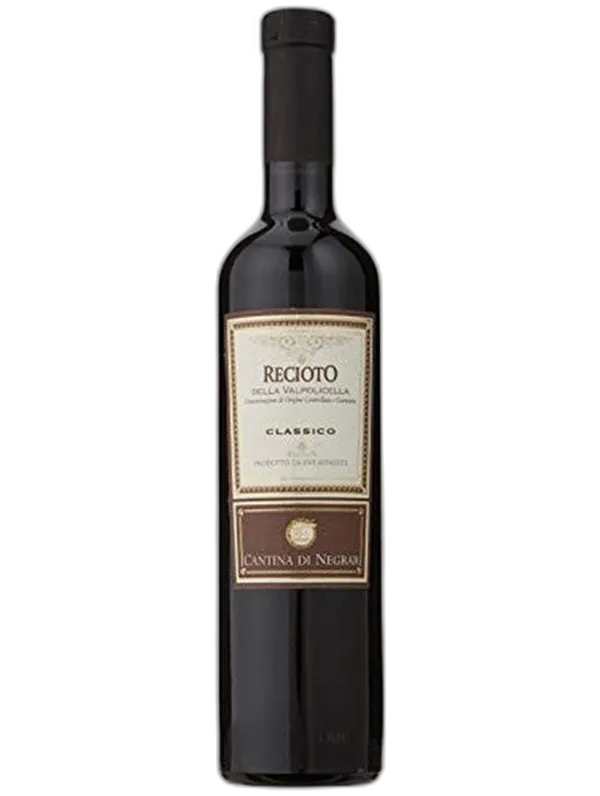
Cantina di Negrar Recioto della Valpolicella Classico 2024
View Wine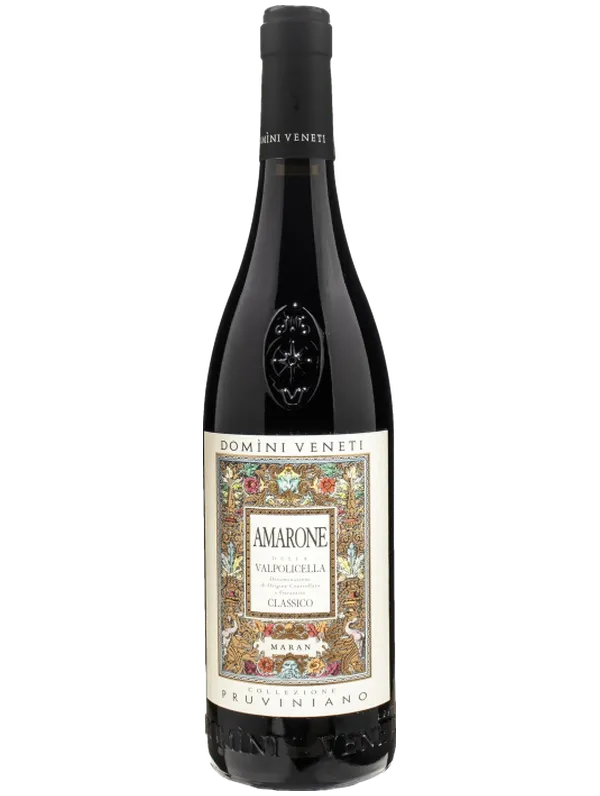
Domini Veneti Collezione Pruviniano Amarone della Valpolicella Classico 2021
View Wine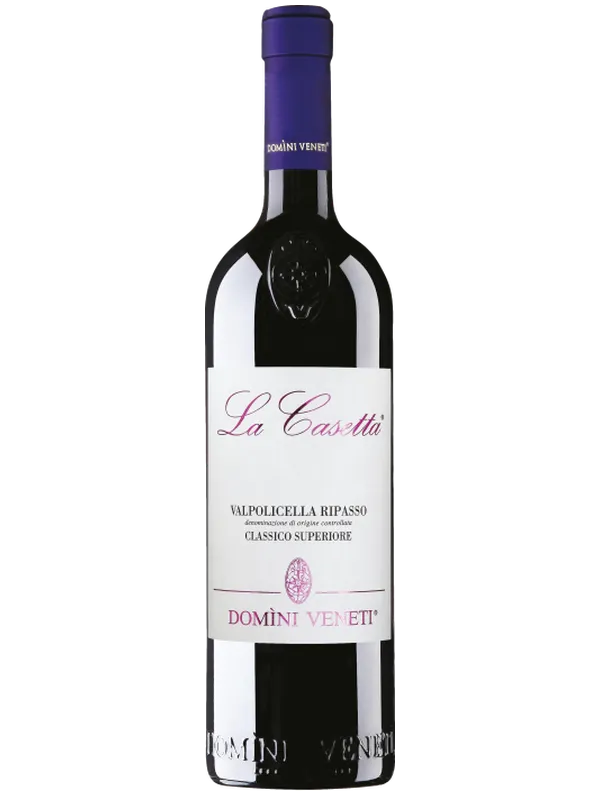
Domini Veneti La Casetta 2020
View WineCan you actually go and see it
Yes, with some planning. The site is being turned into somewhere you can walk round properly. It has 2.9 million euros of public money behind it. Work started in June 2023 and runs until June 2028.
The list is long. The hillside has to be made safe. Paths have to be laid and the floors roofed over. The mosaics and walls need restoring. The University of Verona is studying the site as it goes, and a 3D reconstruction of the villa and its farm is being built.
While all that happens, visits go ahead in small numbers and have to be booked well in advance. Dates are limited and they are published as the work allows.
There is also a way to do it with a glass in your hand. Massaro is a small family cellar on Via Villa in Negrar. It sells a three-hour visit that opens with a guided walk round a Roman villa and its original mosaic floors. After that you go into the cellar. Three wines follow, with a plate of Lessinia cheese and Verona salami. The family run it themselves.
The valley the villa sat in
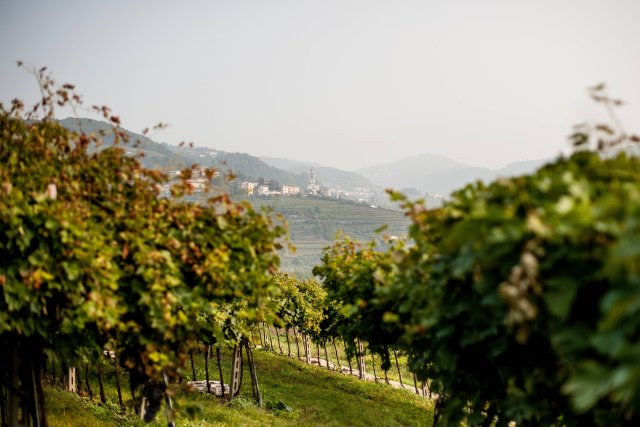
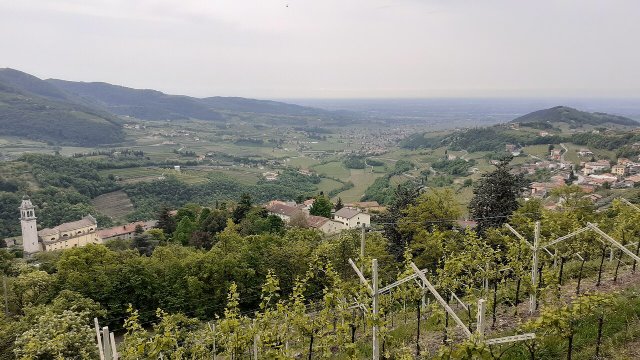
Negrar is one of the five valleys that make up Valpolicella Classica, in the hills of the Veneto straight north of Verona. Classica is the older, smaller heart of the region. Everything here is on a slope. The vineyards sit on limestone, on narrow terraces, with the mountains behind holding off the worst of the weather. It is worth reading how the region is put together before you go.
The village is a good picture of how the region works. The cooperative sits at the bottom of it, taking fruit from families all over the slopes. Small cellars run by one family sit above it, bottling only what they grow. Giuseppe Quintarelli, the most famous name the valley has produced, worked a few minutes up the road. A visitor can do a co-op tasting and a kitchen-table tasting on the same afternoon.
That mixture is not new either. A Roman estate like this one worked on the same principle. There was a house at the front and a working farm behind it. Around it lay a valley full of neighbours doing the same thing. The scale changed. The job did not.

 32
32


What to drink from those slopes
Four wines come off these hills, and they are easy to tell apart.
Valpolicella Classico is the light one. Pour it young and slightly cool and it tastes of sour cherry. Ripasso is that same wine given a second push on the skins left over from Amarone. It comes out rounder and warmer.
Amarone della Valpolicella is the strong one. It is made from the dried bunches, and it is full of dried fruit and dark spice. Recioto is the sweet version and it is the oldest of the four. It is the wine Cassiodorus was selling to a king.
None of that is a coincidence of geography. The valley kept the same habit for so long because the habit works. Cool nights, limestone slopes and a dry loft are what turn Corvina into something worth writing to a king about. A Roman knew it. The family on the hill above the dig still knows it.
| Wine | How it is made | Tastes like |
|---|---|---|
| Valpolicella | Fresh grapes | Light, sour cherry |
| Ripasso | Second push on Amarone skins | Rounder, warmer |
| Amarone | Grapes dried on racks | Strong, dried fruit |
| Recioto | Dried grapes, stopped early | Sweet, after dinner |
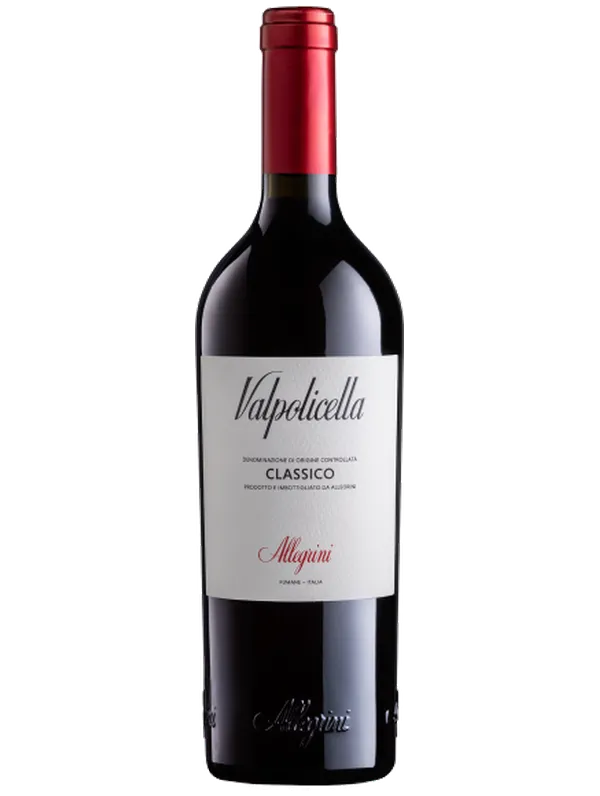
Allegrini Valpolicella Classico 2025
View Wine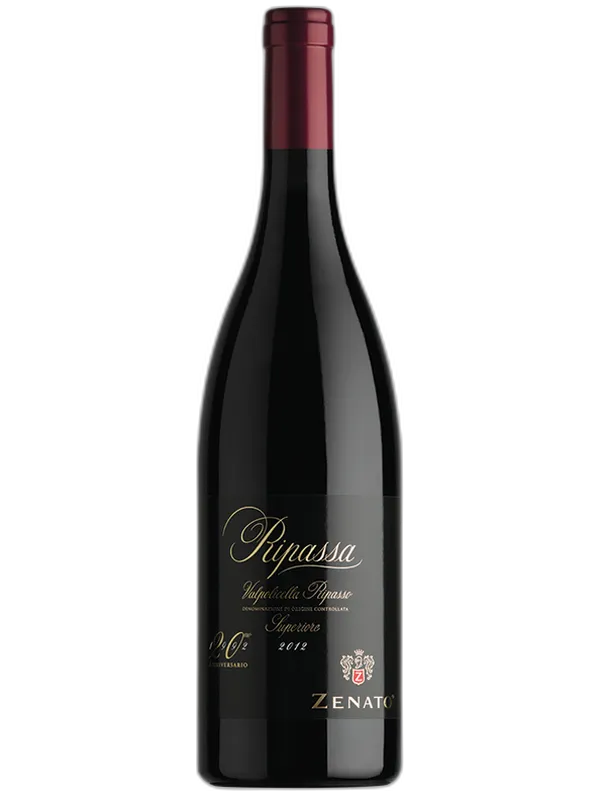
'Ripassa' Valpolicella Ripasso DOC Superiore 2021
Zenato Ripassa pairs ripe cherry and plum with fine tannins, chocolate and spice. This Corvina-led red gains depth from a second fermentation on Amarone skins. Check the size when comparing bottles.
View Wine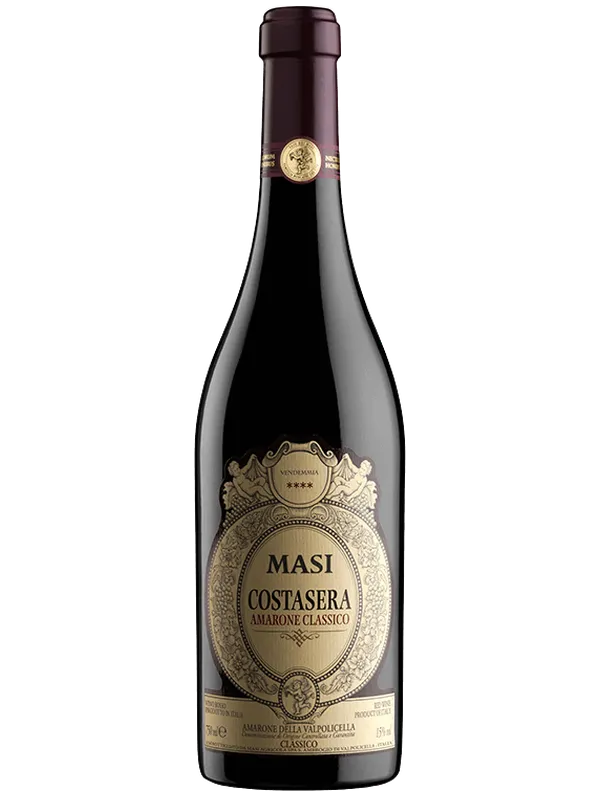
Masi Costasera Amarone della Valpolicella 2021
Masi's benchmark Amarone from sunset-facing slopes above Lake Garda: Corvina, Rondinella and Molinara dried on bamboo racks, then 24 months in Slavonian oak and Allier barriques. Baked plum, coffee and cocoa at 15% vol. About £54 in the UK.
View Wine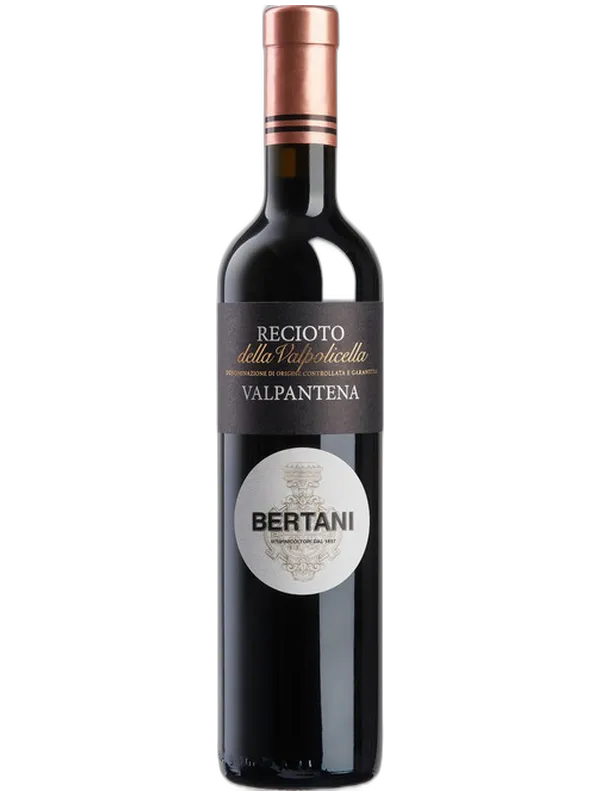
Bertani Recioto della Valpolicella Valpantena 2024
View WineFrequently asked questions
It lies under vineyards at Negrar di Valpolicella, in the hills of the Veneto about twenty minutes north of Verona. Negrar is one of the five valleys of Valpolicella Classica, the older heart of the region. The site is usually called the Villa dei Mosaici, the villa of the mosaics, because of the floors that survive there. The dig ran from 2019 to 2023 and opened about 3,000 square metres of a fourth-century building.
Yes, but you have to book well ahead and dates are limited. The site is in the middle of a restoration that runs until June 2028, so access is managed in small groups while the work goes on. If you want a certain date, there is another route: Massaro, a family cellar in the village, sells a three-hour visit that pairs a guided Roman villa walk with a tasting of its own wines.
Yes, and this building is the proof. It has a house half and a working half, and the working half was for vines and wine. Roman writers rated the wines of these hills too. The area sat in Raetia, and Suetonius wrote that the emperor Augustus preferred Raetic wine to any other. That was before the villa was even built.
Not exactly, but the method is that old. Around 530 the official Cassiodorus wrote to the treasurer of the Veneto describing a Verona wine made from bunches picked in autumn, hung up and dried until December. That is how Amarone and Recioto are still made in this valley. The names are modern, the trick is not. Amarone itself only got its name in the twentieth century, when a dry version of the old sweet wine caught on.
The vineyard plot belongs to a family in Cantina Valpolicella Negrar, the village cooperative, whose better wines are labelled Domìni Veneti. It makes the full local range: Valpolicella Classico, Ripasso, Amarone and the sweet Recioto. One of its Amarone bottlings is named after the villa and carries the 1887 cherub mosaic on the label. British merchants stock several of them, so it is easy enough to try one at home first.