




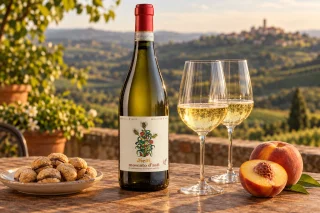


Valpolicella 101: all you need to know
TL;DR
- Valpolicella is one name on four very different reds from the hills north of Verona: light Valpolicella, fuller Ripasso, powerful dry Amarone and sweet Recioto.
- For most meals a Valpolicella Ripasso is the safe UK pick, with more body than the basic wine and far less money than Amarone.
- Amarone and Recioto start from the same dried Corvina grapes: Amarone ferments until it is dry, Recioto stops while it is still sweet.

Valpolicella, Ripasso, Amarone or Recioto: which one is for you?
Four wines share the Valpolicella name, and a wine list rarely says how far apart they are. The lightest is a Tuesday-night red for pizza. The biggest is one of Italy's most serious dry reds. Here they are side by side.
| Wine | What it is | Serve it at |
|---|---|---|
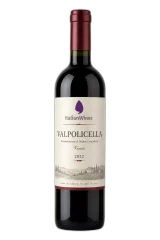
| Valpolicella DOC | Light to medium red from fresh Corvina, Corvinone and Rondinella. Cherry, sour cherry, soft tannin. Drink it within two or three years. | 16 to 18°C |
| Valpolicella Superiore DOC | The same grapes with at least 12% alcohol and a year of ageing before sale. Rounder and a little deeper. Keeps up to five years. | 16 to 18°C |
| Valpolicella Ripasso DOC | Young Valpolicella fermented a second time on the skins left from Amarone or Recioto. More body, dried fruit and spice. Keeps up to five years. | 16 to 18°C |
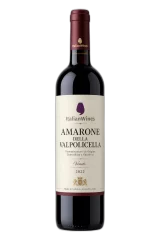
| Amarone della Valpolicella DOCG | Dry red from grapes dried for 100 to 120 days, with at least 14% alcohol and two years of ageing. Rich, warm and long. Keeps 10 to 15 years. | 18 to 20°C |
| Recioto della Valpolicella DOCG | The sweet one, from the same dried grapes, with the fermentation stopped early. Black cherry, chocolate and spice. Keeps 5 to 10 years. | 14 to 16°C |
Classico and Superiore are not styles of their own. Classico means the grapes grew in the historic heart of the zone: Fumane, Marano, Negrar, San Pietro in Cariano and Sant'Ambrogio. Superiore means at least 12% alcohol and a year of ageing. A bottle can be both, so a Valpolicella Classico Superiore is a fuller wine from the old villages, not a third category.
Ripasso sits between the two. It starts as ordinary Valpolicella, then has a short second fermentation on the sugary skins left over from making Amarone and Recioto. That adds alcohol, body and a raisin note, though the wine stays dry. It is the Valpolicella UK supermarkets sell under their own labels, because it tastes like a smaller Amarone for a fraction of the money.
Amarone and Recioto are twins. Both start with the best bunches laid on racks through the autumn until they have lost much of their water, the appassimento that gives both wines their depth. Ferment that juice until no sugar is left and you have Amarone, big and dry. Stop early and you have Recioto, the sweet wine the valley made first. The Valpolicella consortium calls Recioto the oldest wine of the denomination, and Amarone grew out of it.
Where it is made, and who makes it
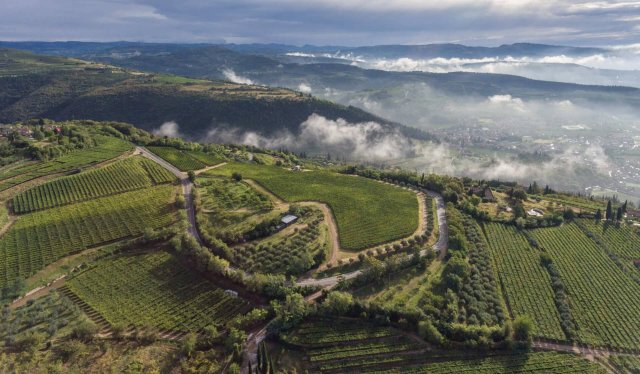
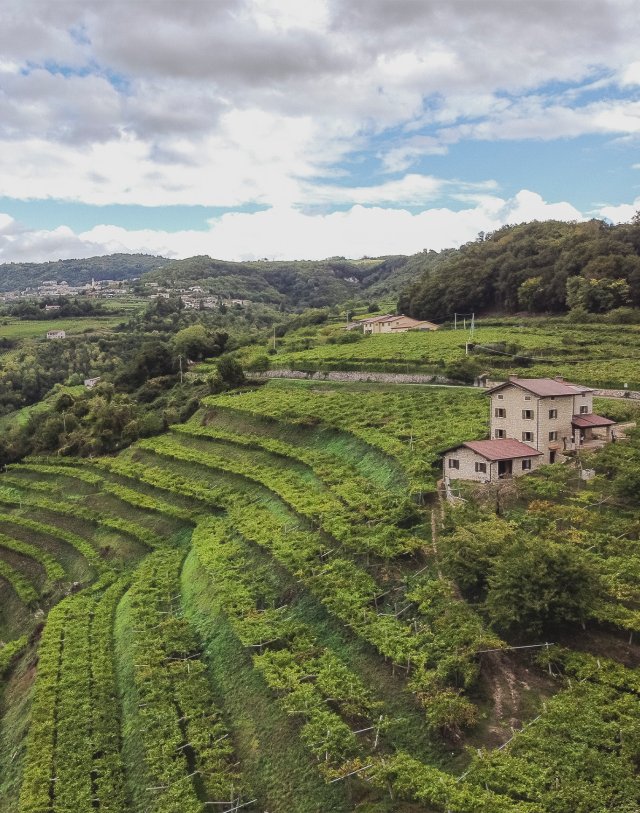
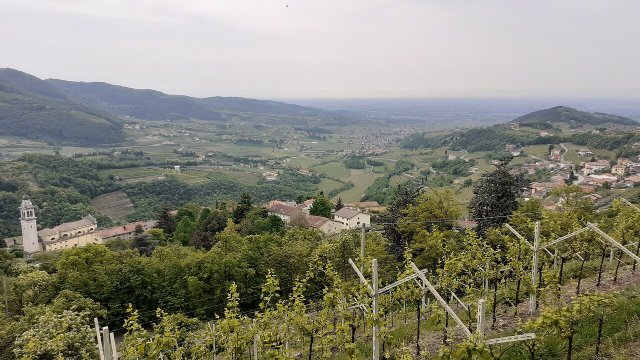
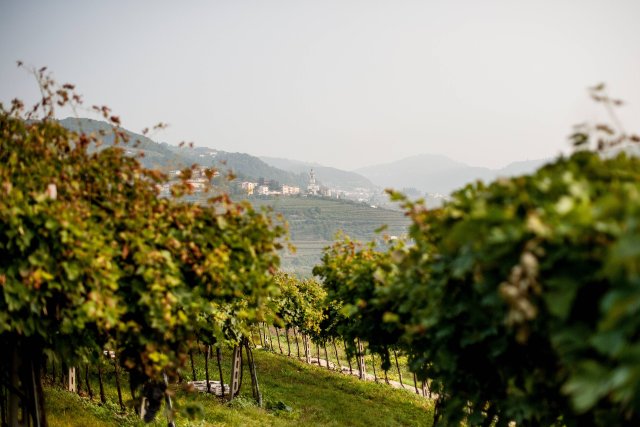
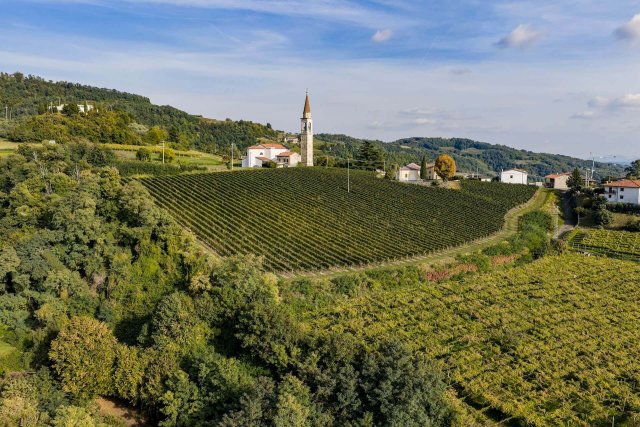
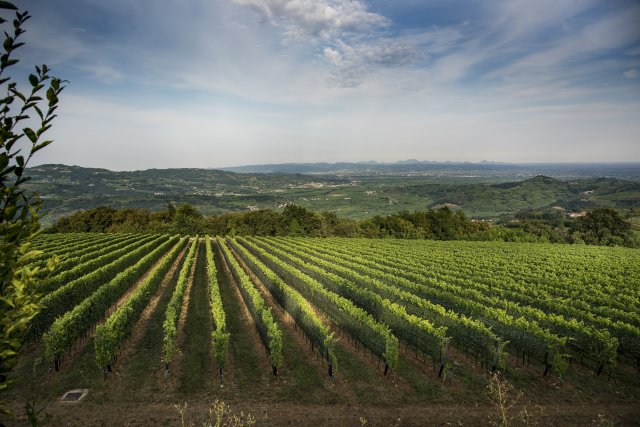
Valpolicella is in Veneto, in the north-east of Italy. The vineyards climb the foothills north of Verona, from the Lake Garda side in the west to the valleys of Illasi, Tramigna and Mezzane in the east. Nineteen communes in the province of Verona can use the name.
The label can name a zone. Classico is the historic western heart, the five villages above. Valpantena is the valley just north-east of Verona. The rest of the DOC covers Verona itself and the eastern valleys, where Dal Forno makes its wines at Illasi. Vines have grown here for a very long time: a Roman villa that made wine was found under a vineyard at Negrar.
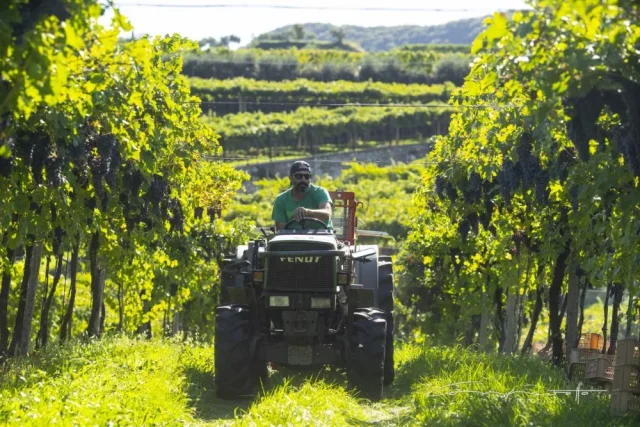
The grapes are local. Corvina gives the cherry fruit and the freshness, and it is the backbone of every style. Corvinone, long mistaken for a big-berried Corvina, is its own grape and brings finer tannin and a little more acidity. Rondinella is the reliable one, with the high sugar that matters once the grapes are dried. By rule, Corvina and Corvinone together make 45 to 95% of the blend, Rondinella 5 to 30%, and other local red grapes up to 25%. Molinara used to be compulsory and is now optional. Across the zone Corvina is 56% of the vines, Rondinella 19% and Corvinone 18%, according to the Valpolicella consortium.
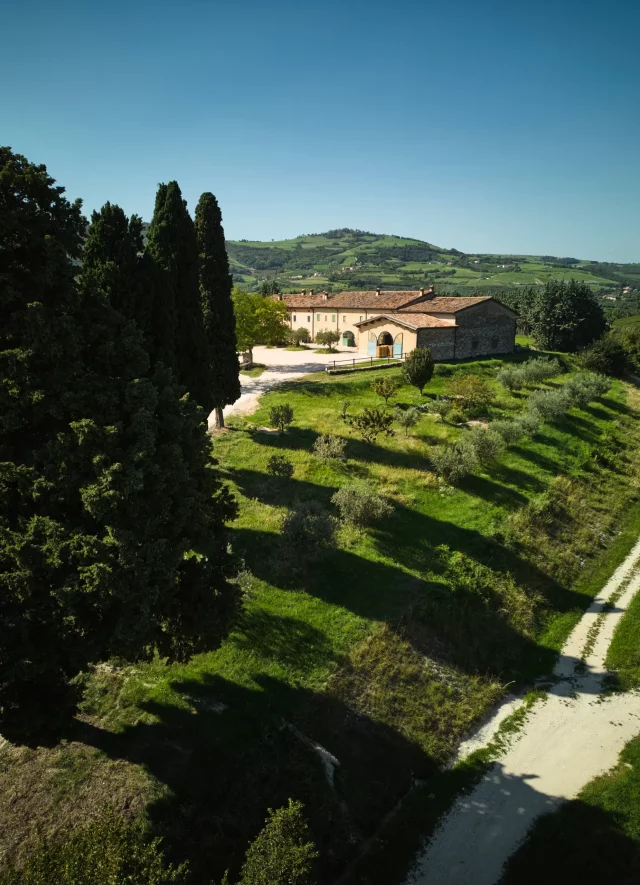
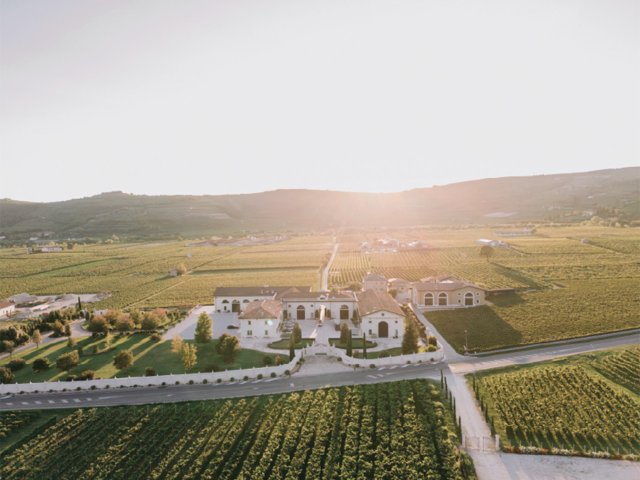
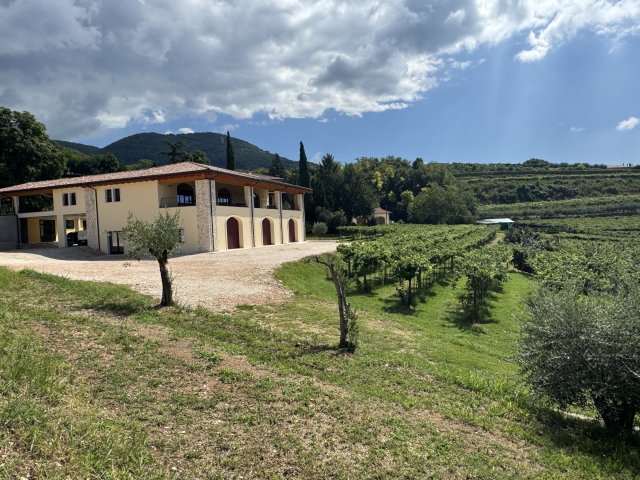
Five estates give a fair picture of the valley. Allegrini at Fumane has been a family business since the 16th century and farms around 150 hectares, about 210 football pitches, across the historic villages. Masi at Gargagnago takes its name from the Vaio dei Masi vineyard, bought by the Boscaini family at the end of the 18th century. The family still owns it and works mostly with the native grapes. Giuseppe Quintarelli at Negrar, founded by Silvio Quintarelli, keeps to traditional methods and makes wines that age for twenty years and more. Tedeschi at San Pietro in Cariano and Dal Forno Romano at Illasi complete the list, and both take visitors. The carousel below adds the other Valpolicella estates on our map that open their doors.
 20


Valpolicella and Valpolicella Superiore: the everyday bottles
Basic Valpolicella DOC is the lightest red the zone makes. Expect bright cherry, a touch of bitter almond, soft tannin and a fresh, dry finish. Serve it a little cool, at 16 to 18°C, and drink it within two or three years. No decanter needed: open it an hour before dinner.
Superiore comes from the better plots, sometimes with a light drying of the grapes, and must reach 12% alcohol and rest a year before sale. The extra ripeness shows as deeper fruit and a rounder feel, with a little less bite. It keeps up to five years and takes an hour in a decanter once it has some age.
The bottles below are the Valpolicella and Superiore wines UK shops have in stock, with today's prices.
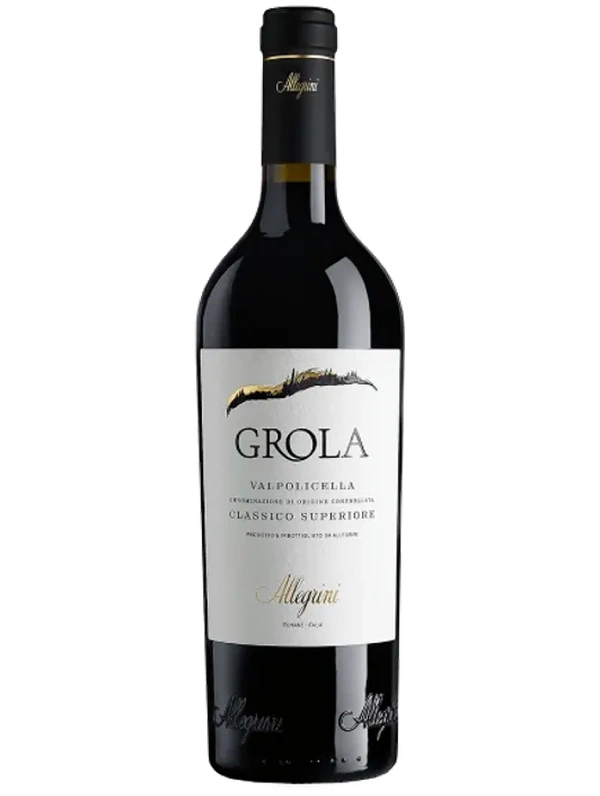
Allegrini Valpolicella Classico Superiore Grola 2023
Allegrini's single-vineyard Grola from the La Grola hill in Valpolicella Classica. From 2022 it is a Valpolicella Classico Superiore DOC of Corvina, Corvinone and Rondinella, vinified fresh with no appassimento and aged in barrique and oak.
View Wine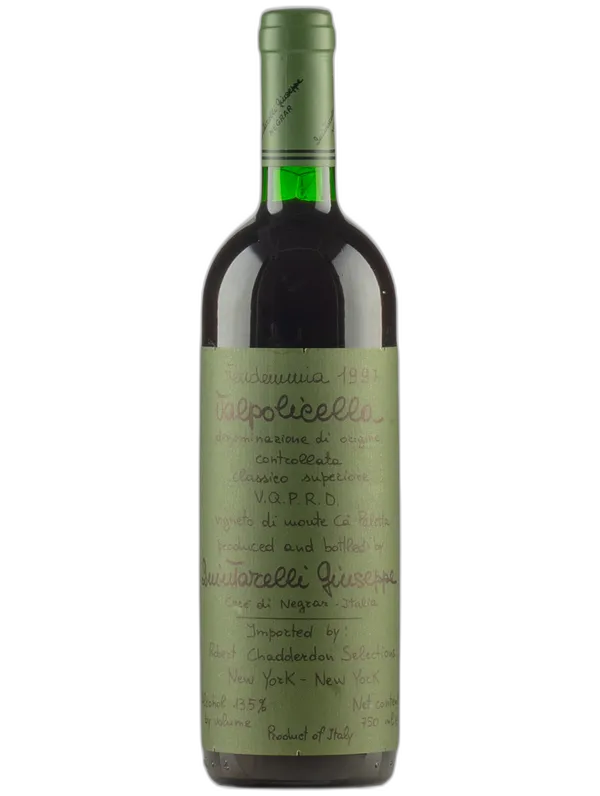
Valpolicella Classico Superiore Giuseppe Quintarelli 2019
Giuseppe Quintarelli's Valpolicella Classico Superiore is a baby Amarone from Negrar: a Corvina-led blend, part-dried before fermentation and aged years in large Slavonian oak. Dark cherry, dried fig and sweet spice over fine tannins, a full 15%.
View Wine
Valpolicella Superiore - Dal Forno Romano 2019
Romano Dal Forno's 'Monte Lodoletta' Valpolicella Superiore is a baby Amarone: Corvina grapes dried six weeks, then 36 months in new oak. Blackberry, plum, chocolate over velvety, age-worthy tannins. A cult Val d'Illasi red drinkers rate highly.
View Wine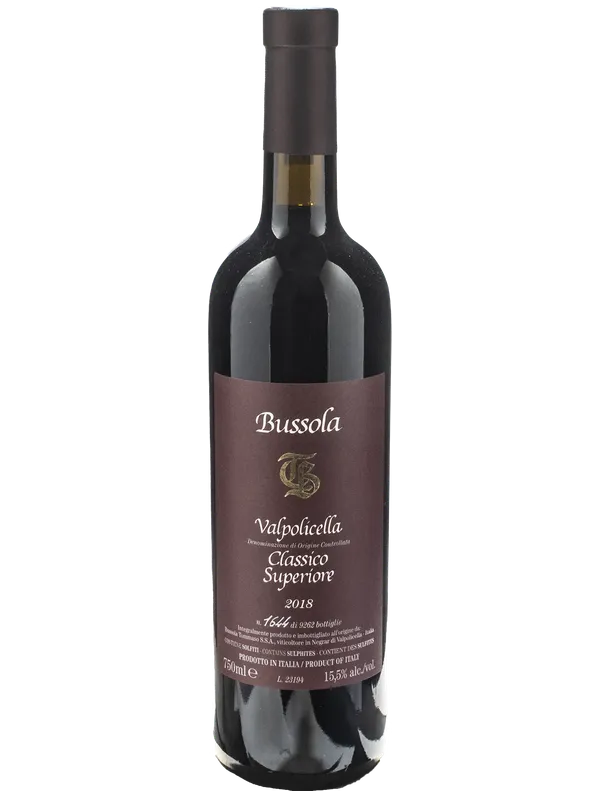
Valpolicella Classico Superiore DOC TB Tommaso Bussola 2018
A full-bodied Valpolicella Classico Superiore from Tommaso Bussola in Negrar. Half the grapes dry for three months before crushing, then the wine ages 42 months in wood. The 2018 is 15.5%, with plum, dried fig and dark chocolate.
View Wine
Arco dei Giovi Valpolicella Superiore DOC 2022
Sartori's export label from Negrar: a Corvina-led Valpolicella Superiore at 12.5%, under screw cap, with plum, cassis and herbs and soft tannin. An easy midweek red from a house founded in 1898. £13.72 at Great Wines Direct.
View Wine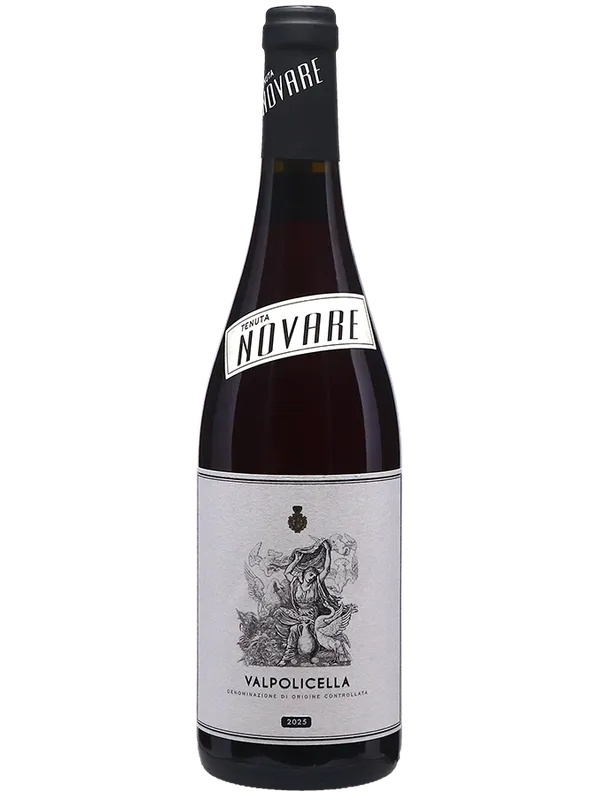
Valpolicella Tenuta Novare 2025
A pale, light to medium-bodied Valpolicella DOC that Bertani bottles under the name of its Tenuta Novare estate. Corvina leads, with 12% alcohol and no oak flavour. Serve it slightly chilled.
View Wine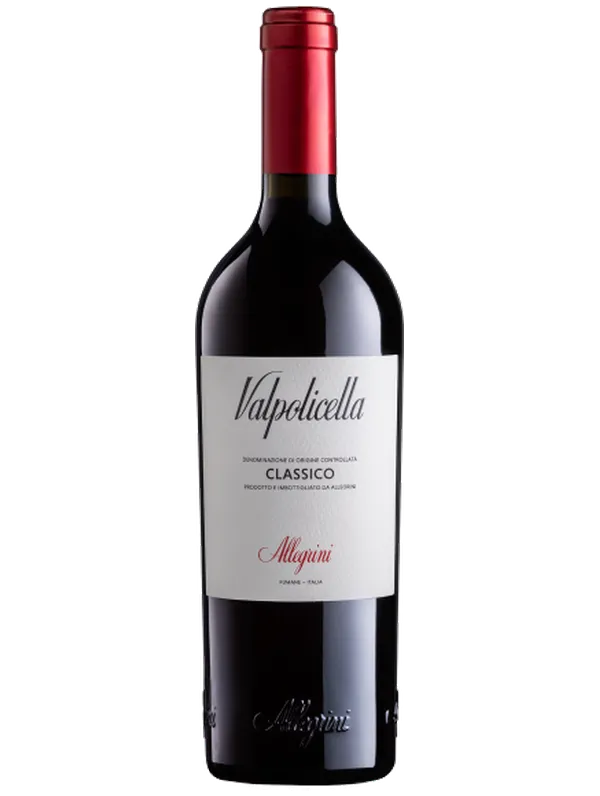
Allegrini Valpolicella Classico 2025
View Wine
Valpolicella Valpantena 2025
View WineValpolicella Ripasso: the one in the middle
Valpolicella Ripasso is the one UK supermarkets sell under their own labels, and many Italian restaurants list it, usually as a Classico Superiore.
The method gives the name. Finished Valpolicella is passed again over the sugary skins left from making Amarone and Recioto. A second fermentation of a few days adds alcohol, colour and a dried-fruit warmth, though the wine stays dry. By rule it reaches at least 12.5% alcohol, 13% for a Superiore, and it cannot be sold until just over a year after the harvest.
In the glass: red fruit, vanilla and a soft, full, warm body. Serve it at 16 to 18°C, give it an hour in a decanter, and drink it within five years. It is the bottle for grilled meat, pork, winter pasta and medium-aged cheese.
The Ripasso bottles UK shops have in stock today:

Valpolicella Ripasso Superiore DOC Cascina San Vincenzo Pasqua 2019
View Wine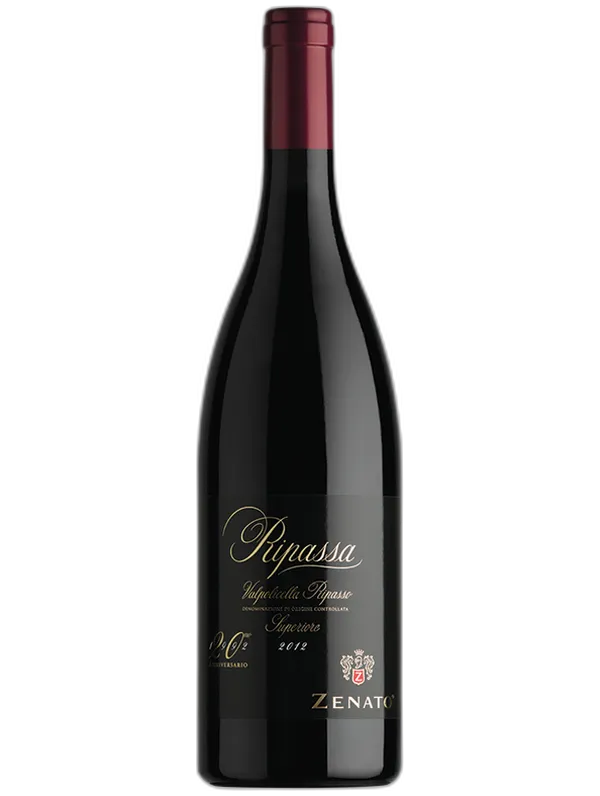
'Ripassa' Valpolicella Ripasso DOC Superiore 2021
Zenato Ripassa pairs ripe cherry and plum with fine tannins, chocolate and spice. This Corvina-led red gains depth from a second fermentation on Amarone skins. Check the size when comparing bottles.
View Wine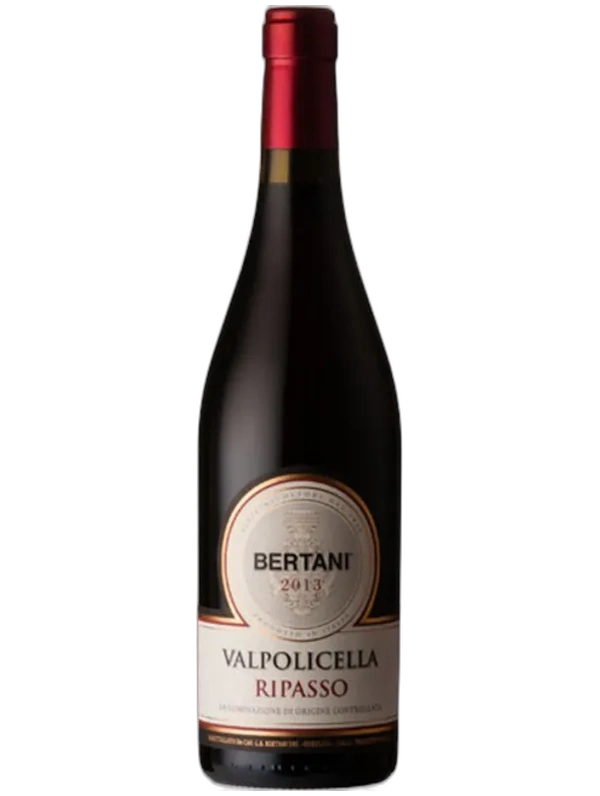
Valpolicella Ripasso Valpantena 2024
A Valpantena red from Bertani, who have made wine in this valley since 1857. The young Valpolicella is fermented again on drained Amarone skins, which brings cherry, chocolate and a warm savoury finish. Good with ragu, roasts and aged cheese.
View Wine
Regolo Valpolicella Superiore Ripasso 2023
Sartori's Regolo is a Valpolicella Ripasso Classico Superiore, re-fermented on Amarone pomace and aged two years in large barrels. A bold, velvety red of black cherry, dried fruit and sweet spice, built for ragu and braised meats.
View Wine
Catullo Valpolicella Ripasso Classico Superiore 2022
View Wine
Valpolicella Ripasso Classico Superiore - Speri 2024
View Wine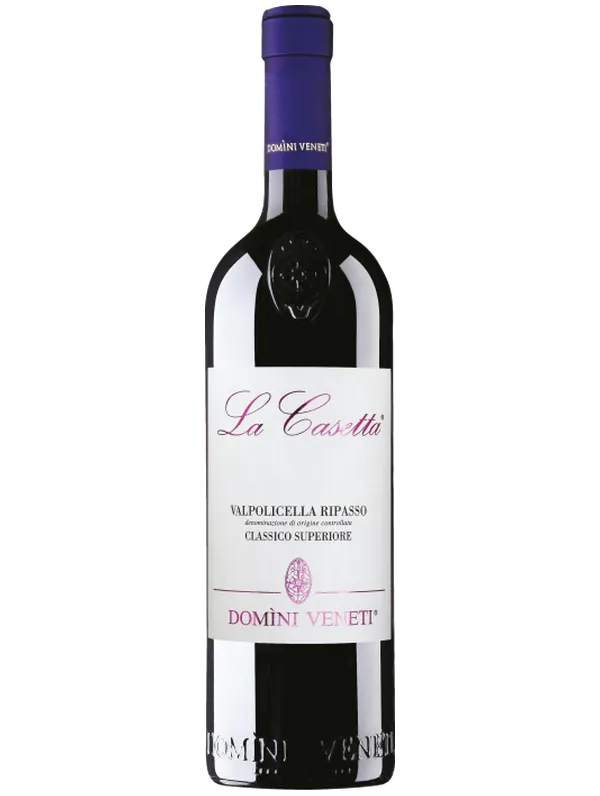
Domini Veneti La Casetta 2020
View Wine
Corte Giara La Groletta Ripasso della Valpolicella 2024
View WineAmarone della Valpolicella: dried grapes, dry wine
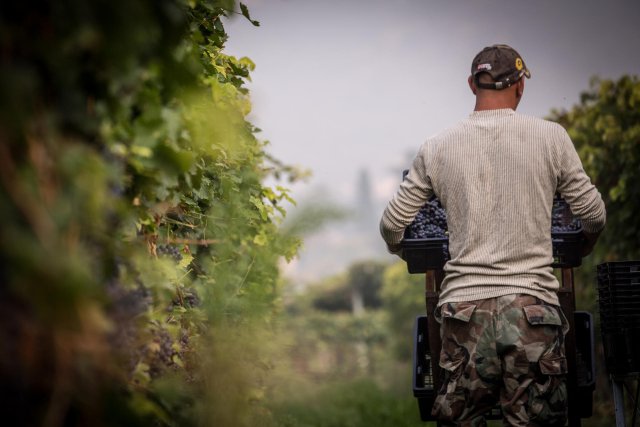
Amarone della Valpolicella is the big one, and one of the valley's two DOCG wines. The best bunches are laid on racks in airy lofts for 100 to 120 days. They lose water, and the sugar and flavour concentrate. The grapes are usually not pressed before December. Fermentation then runs slowly through the winter until the wine is dry, which leaves it with at least 14% alcohol and often 15 or 16.
The rules then ask for two years of ageing from the January after the harvest, and four years for a Riserva. In the glass expect dried cherry, fig, spice, tobacco and a balsamic note, with dense but smooth tannin. Serve it at 18 to 20°C, decant it for an hour or two, and keep good bottles 10 to 15 years.
The story goes that Amarone began as a Recioto that fermented too far. True or not, it explains the wine: Recioto's richness with the sweetness fermented away. The name says as much. Amaro is Italian for bitter, and Amarone is the big, dry one.
The Amarone bottles UK shops have in stock today, from the entry wines to the great names:
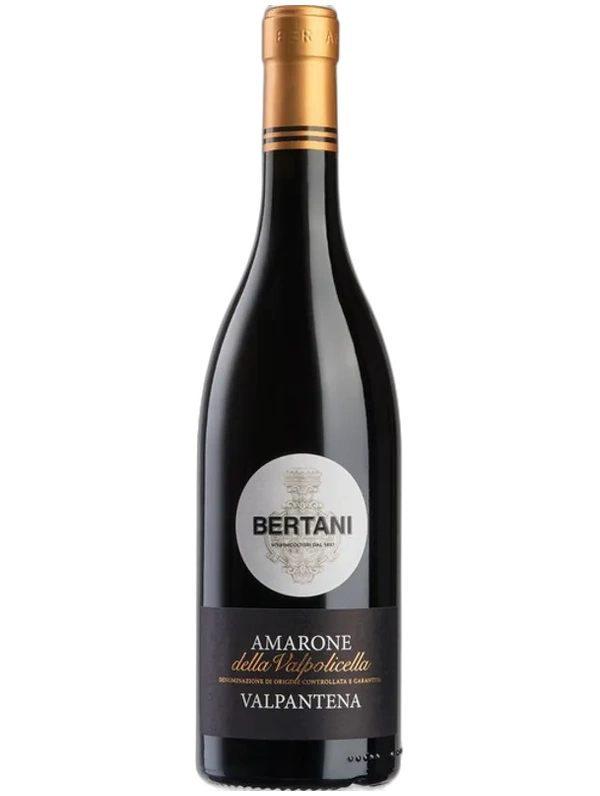
Amarone Valpantena DOCG 2022
Bertani's youthful Amarone from Valpantena: 80% Corvina, 20% Rondinella, dried by appassimento and aged two years in Slavonian oak. Ripe cherry, raisin and warm spice at 15.5%, with soft, meaty tannins. A rich Veneto red for braised meat.
View Wine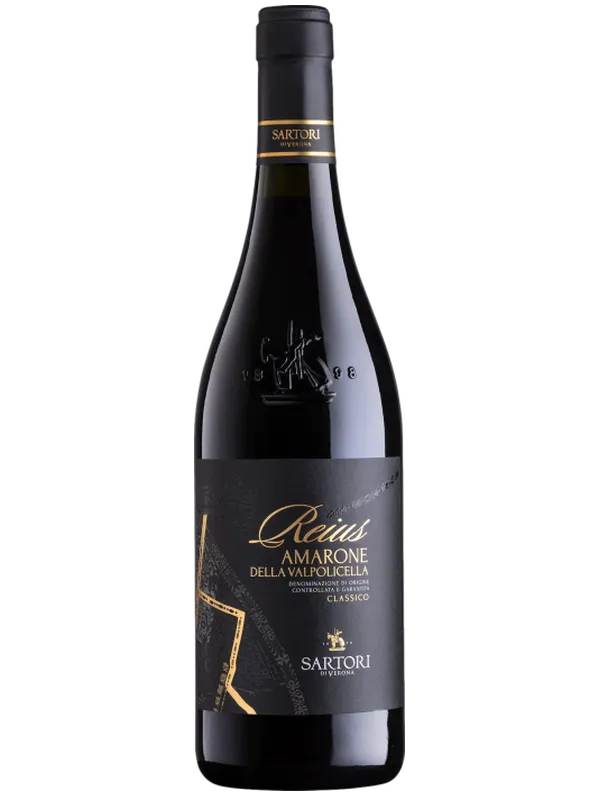
Casa Vinicola Sartori Reius 2021
Sartori's Reius is an Amarone della Valpolicella Classico DOCG of hillside Corvina, Corvinone and Rondinella air-dried for three months. Three years in oak give a velvety 15% red of dried fig, plum and chocolate for braises and aged cheese.
View Wine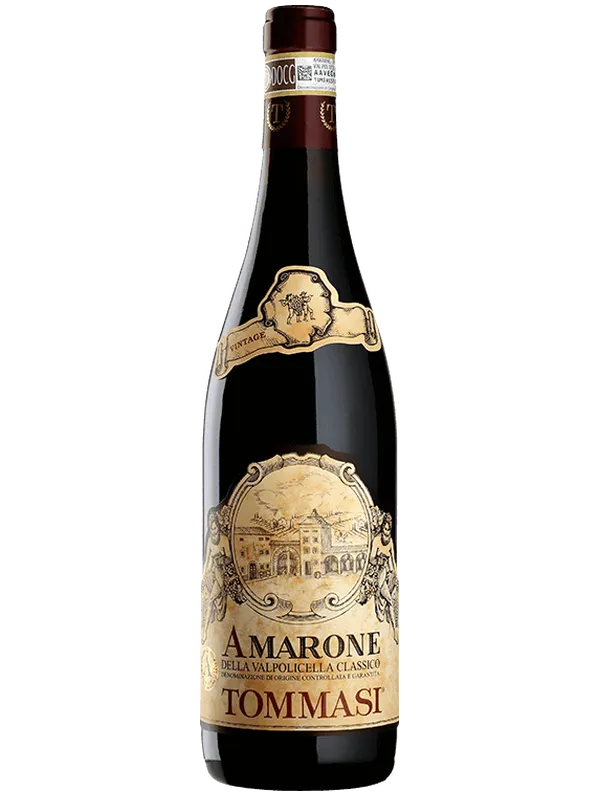
Tommasi Viticoltori Amarone della Valpolicella Classico 2022
Tommasi's flagship Amarone Classico: grapes dried three months, three years in Slavonian oak, 15%. Black cherry, prune and dark chocolate with silky tannin, and drinkers love it year after year.
View Wine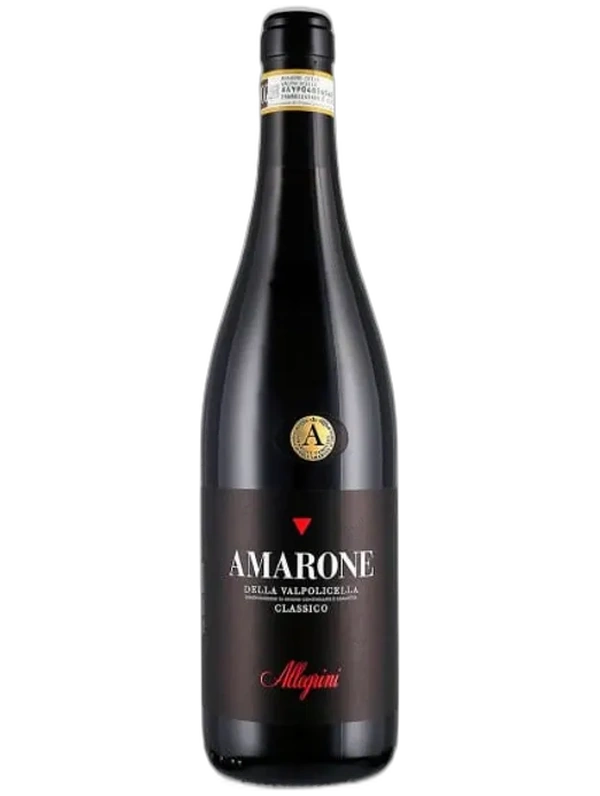
Allegrini Amarone della Valpolicella Classico 2021
Allegrini's benchmark Amarone, from Corvina dried three to four months until it sheds nearly half its weight. Concentrated black cherry, fig and cocoa, 16% alcohol kept dry and savoury, aged in new barriques. For braised meat, game and aged cheese.
View Wine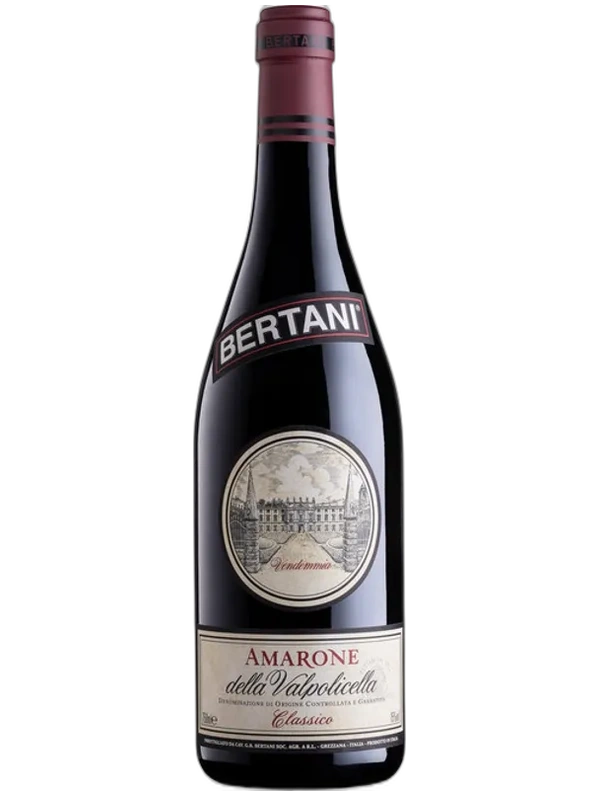
Amarone Classico DOCG 2016
Bertani's benchmark Amarone from the Tenuta Novare estate at Arbizzano di Negrar: 80% Corvina Veronese and 20% Rondinella, dried on lofts then held seven years in large Slavonian oak. Garnet-edged, dry and savoury, with plum, tea leaf and liquorice.
View Wine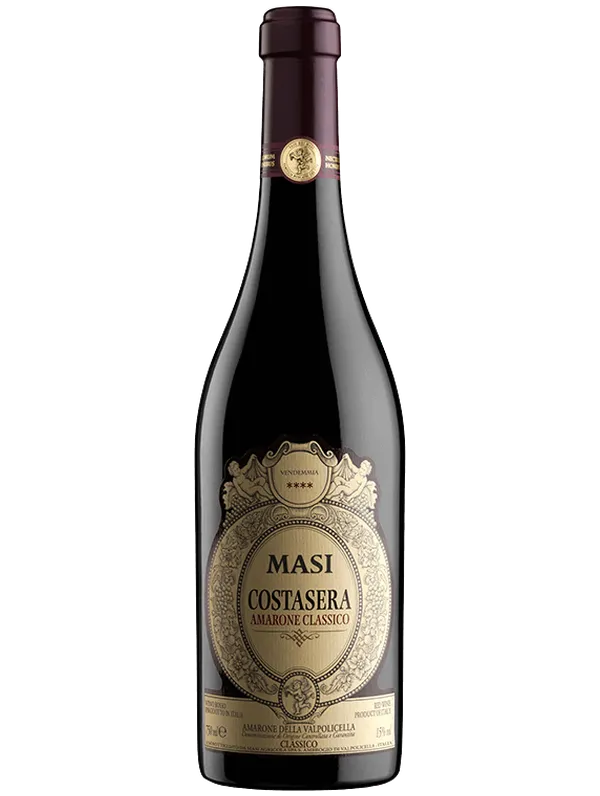
Masi Costasera Amarone della Valpolicella 2021
Masi's benchmark Amarone from sunset-facing slopes above Lake Garda: Corvina, Rondinella and Molinara dried on bamboo racks, then 24 months in Slavonian oak and Allier barriques. Baked plum, coffee and cocoa at 15% vol. About £54 in the UK.
View Wine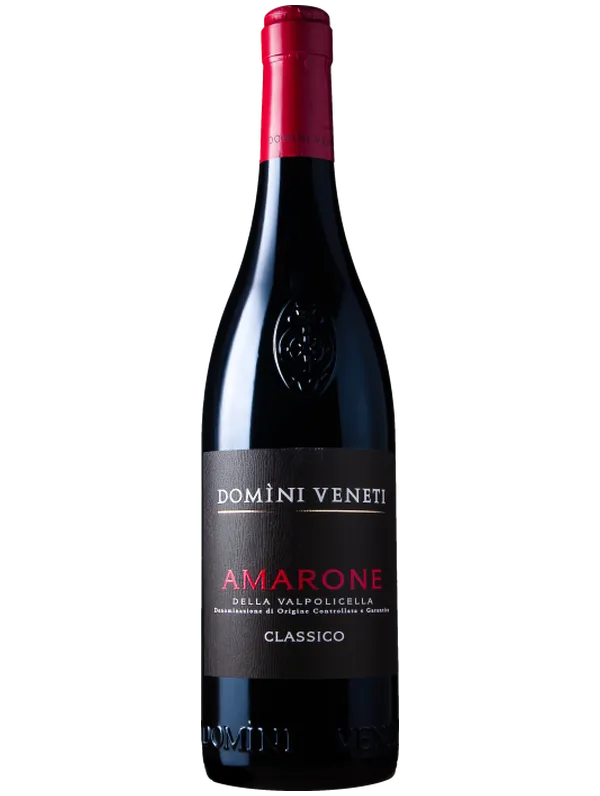
Domini Veneti Amarone della Valpolicella Classico 2022
A big, soft red from the Valpolicella Classica hills. The grapes dry in lofts until January, which is what makes an Amarone. Expect dark cherry, prune and cocoa, gentle tannin and 15.5% alcohol.
View Wine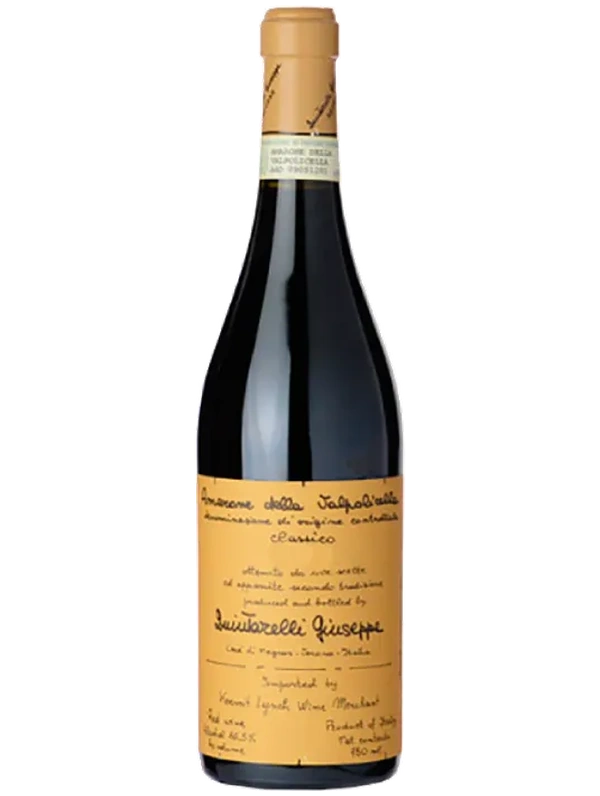
Quintarelli Amarone della Valpolicella 2019
Quintarelli's Amarone is Valpolicella's benchmark: Corvina and Corvinone dried for months, then six years in cask at Negrar. Dense dried fig, cocoa and licorice at 16.5%, built to age decades. A collector's red for braised game and aged cheese.
View WineRecioto della Valpolicella: the sweet original
Recioto is the sweet red. The consortium calls it the oldest wine of the denomination and the only sweet one the valley makes. The grapes are dried the same way as for Amarone, then the fermentation is stopped while plenty of sugar is left. Think black cherry, dried fruit, chocolate and a warm, velvety finish, with enough acidity to stop it cloying. By rule it reaches at least 12% alcohol.
Serve it at 14 to 16°C in small glasses, with dark chocolate, a chocolate tart or mature cheese. It is usually sold in half bottles and 50cl bottles, and it keeps 5 to 10 years. For the wider family, read our guide to Italian dessert wines. For the sweet reds in particular, from Lambrusco to the still wines made from dried grapes, see Italian sweet red wines.
The Recioto bottles UK shops have in stock today:
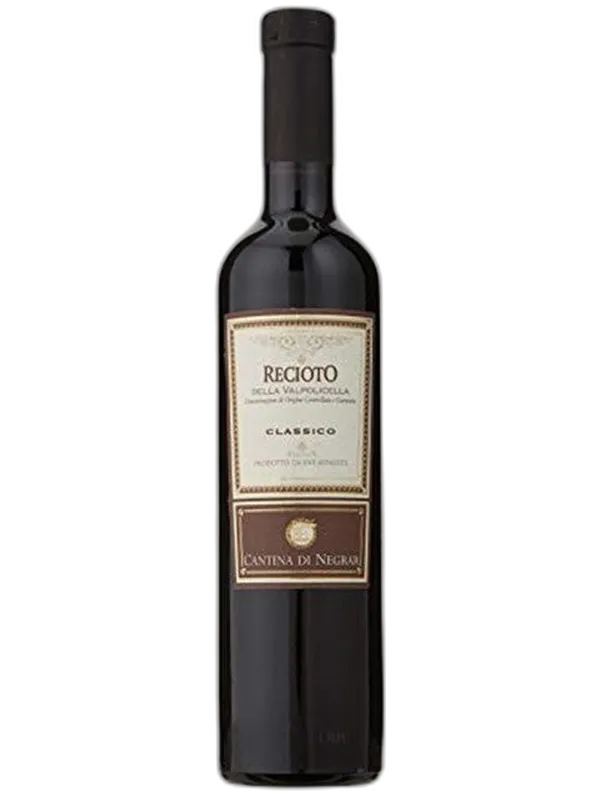
Cantina di Negrar Recioto della Valpolicella Classico 2024
View Wine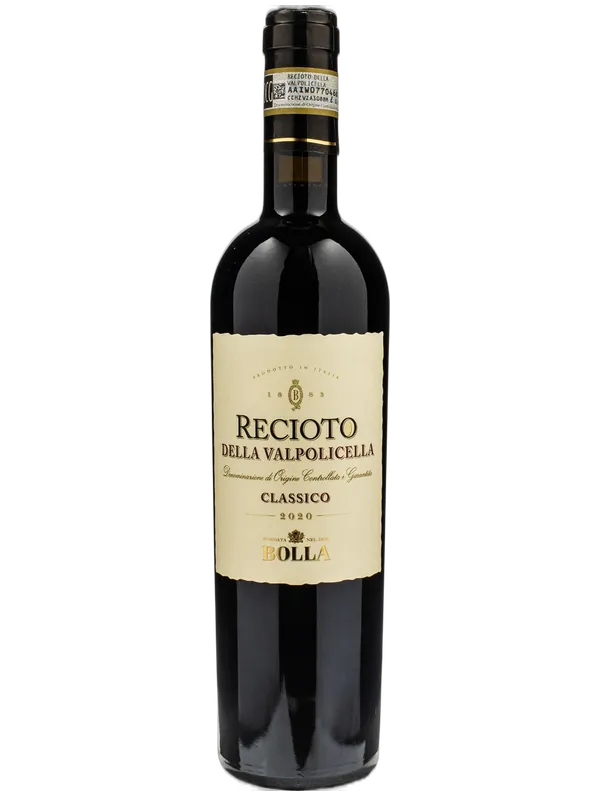
Recioto della Valpolicella Classico DOCG Bolla 2021
View Wine
Recioto della Valpolicella Classico DOC 2020
View Wine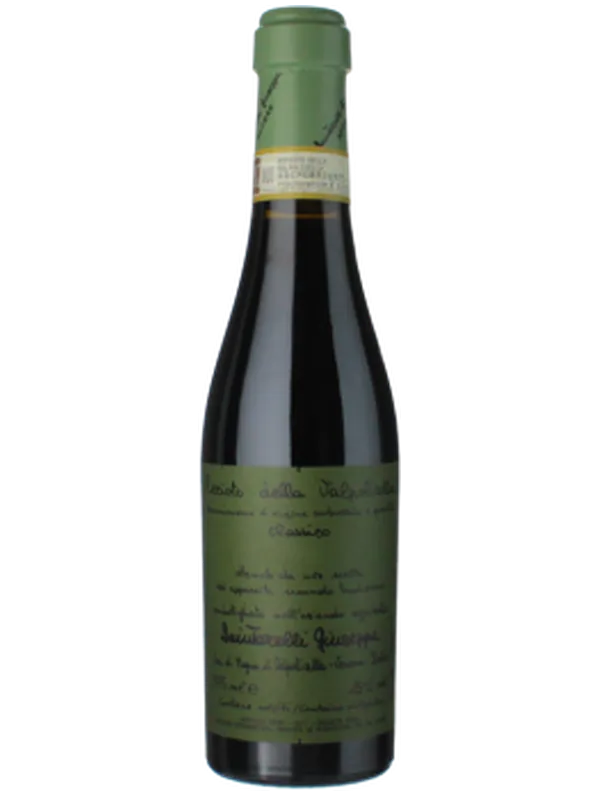
Recioto della Valpolicella Classico Giuseppe Quintarelli 2015
Giuseppe Quintarelli's sweet passito red from the Valpolicella hills at Negrar. Air-dried Corvina aged years in Slavonian oak: garnet, soft and broad, with cocoa, raisin and candied cherry. A rare dessert wine for chocolate and aged cheese.
View Wine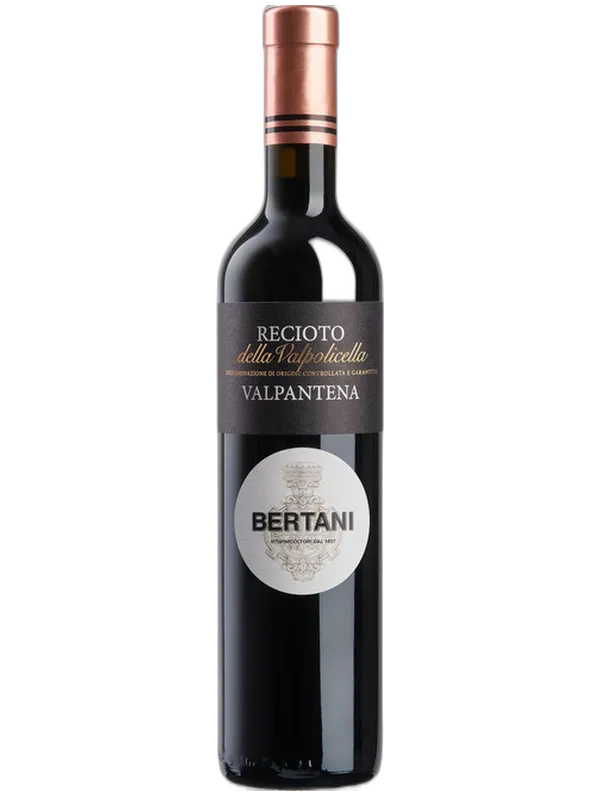
Bertani Recioto della Valpolicella Valpantena 2024
View Wine
Roccolo Grassi Recioto della Valpolicella 2019
View Wine
Recioto Vigna Sere Dal Forno 2004
View Wine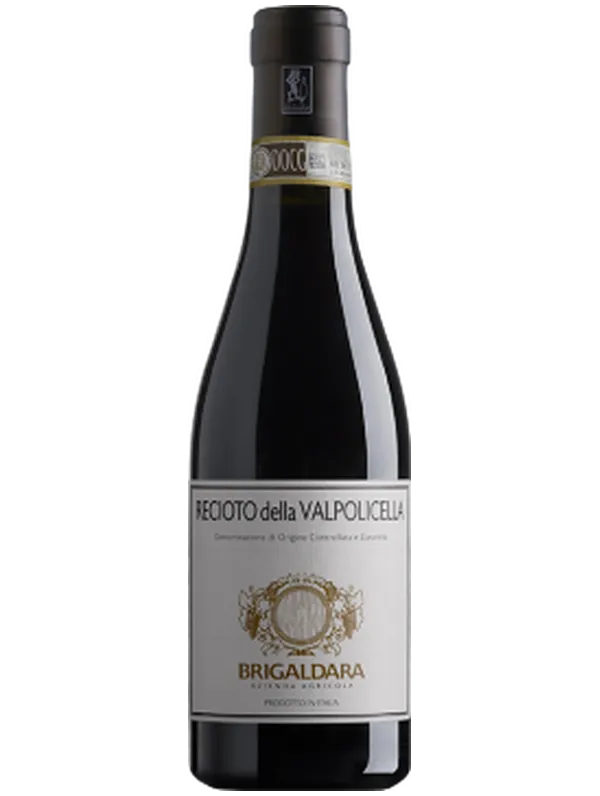
Recioto della Valpolicella Brigaldara 2021
View WineWhat to eat with each one
Match the weight of the wine to the weight of the plate. Basic Valpolicella is a starter and pasta wine: cold cuts, a rabbit and pork terrine, tomato pasta, pizza, roast chicken. Superiore steps up to main courses, red meat and medium-aged cheese.
Ripasso wants grilled or roast meat: pork, beef, a wild boar ragù on pappardelle, sausages with polenta. It is also the Valpolicella we put on the Christmas table, because its soft tannin and dried-fruit warmth suit the trimmings. See our Christmas dinner guide for the full menu.
Amarone needs food with the same weight: braised beef, game, slow-cooked pigeon with polenta, a long-simmered stew, or a plate of aged cheese such as Monte Veronese or Parmigiano. Many locals drink it on its own after dinner. Recioto goes with chocolate desserts and blue or very mature cheese. It is the better match for anything sweet, because a dry Amarone tastes thin next to sugar.
If the table is fish or a summer lunch, the same hills have an answer. Soave is the dry white from the valley just east of Valpolicella. A chilled Bardolino, from the shore of Lake Garda, is made from the same grapes but lighter.
Frequently asked questions
Valpolicella wines are characterised by a deep ruby red color turning into garnet with ageing. They generally show a pleasant nose of red fruit and violets. In the aged wines, scents of sweet spices as well as notes of tobacco are present. They often have a high alcohol content.
Valpolicella is an all year round destination, with beautiful nature, lovely ancient hamlets and historical villas. Wine lovers are best to visit in spring when temperatures are moderate and many wine producers participate in events such as Cantine Aperte (open cellars).
Valpolicella is a wine region whilst Amarone (its full name being Amarone della Valpolicella) is a red wine produced within that region.Other wines made in Valpolicella are Valpolicella DOC, Valpolicella Ripasso DOC and Recioto della Valpolicella DOCG.