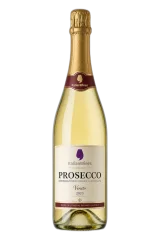
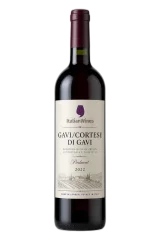
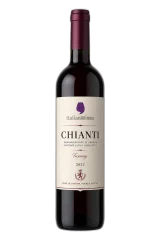
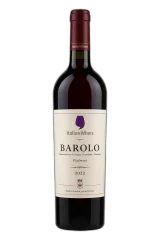

Explore

Italian Wine Denominations

Italy has 528 classified appellations across three tiers. We cover the 20 most important ones on this site. Filter below by tier, region, or name to narrow down.

6 DOCG 11 DOC 3 IGT 20 Total appellations
The Pyramid

How Italian wine is classified

Three tiers, tightening from bottom to top. The higher the tier, the narrower the rules, and usually the older the appellation.

DOCG 77 appellations

Guaranteed Origin

Denominazione di Origine Controllata e Garantita
Controlled and Guaranteed Designation of Origin
  • Strictest rules on yield, grape mix and ageing
  • Compulsory blind tasting panel before release
  • Numbered neck seal on every bottle
Notable appellations
DOC 333 appellations

Controlled Origin

Denominazione di Origine Controllata
Controlled Designation of Origin
  • Defined grape varieties, zone and yields
  • Regional consortium oversight, no panel tasting
  • Most Italian appellations sit here
Notable appellations
IGT 118 appellations

Geographic Indication

Indicazione Geografica Tipica
Typical Geographical Indication
  • Guarantees a broad geographic origin only
  • Flexible on grapes and winemaking
  • Home of the Super-Tuscans
Notable appellations
Tier
Region
Search
Learn

Understanding Italian Wine Appellations

DOCG (Denominazione di Origine Controllata e Garantita) is the highest tier of Italian wine classification. The "Guaranteed" in the name refers to mandatory government tasting panels: every batch must pass a blind-tasting assessment before it can be bottled and released. There are currently 77 DOCG appellations across Italy.

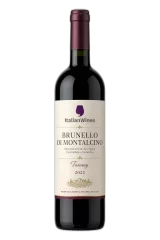
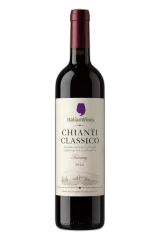
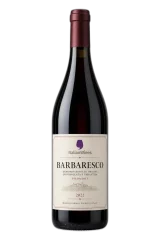
Both specify grape varieties, growing zones, yields and minimum ageing. DOCG adds two things: tighter production rules (lower yields, longer ageing, often stricter zones) and that compulsory blind tasting before release. Many of Italy's most famous wines (Barolo, Barbaresco, Brunello, Chianti Classico) are DOCG.

IGT (Indicazione Geografica Tipica) is the third tier, below DOC and DOCG. It guarantees the wine comes from a particular region but allows far more flexibility in grape varieties and winemaking. It was created in 1992 to give a legal home to innovative wines (notably the "Super-Tuscans") that didn't fit the rigid DOC rules but deserved more than generic table-wine status.

Roughly 528 in total: 77 DOCG, 333 DOC and 118 IGT. No other country has this density of classified zones, a reflection of Italy's extreme geographic and viticultural diversity.

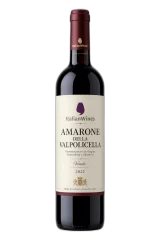
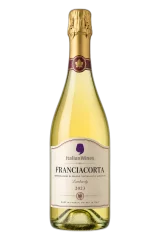
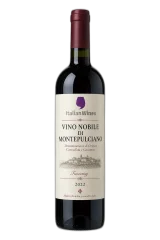
The canonical five are Barolo, Barbaresco, Brunello di Montalcino, Chianti Classico and Amarone della Valpolicella. Franciacorta (sparkling), Prosecco Superiore and Taurasi round out the list of DOCGs most likely to appear on a UK restaurant list.