

Central Italy
Abruzzo Mountain air, Adriatic light
Abruzzo runs from Gran Sasso to the Adriatic, turning Montepulciano into dark reds, Cerasuolo rosato and a new wave of Pecorino and Trebbiano whites.
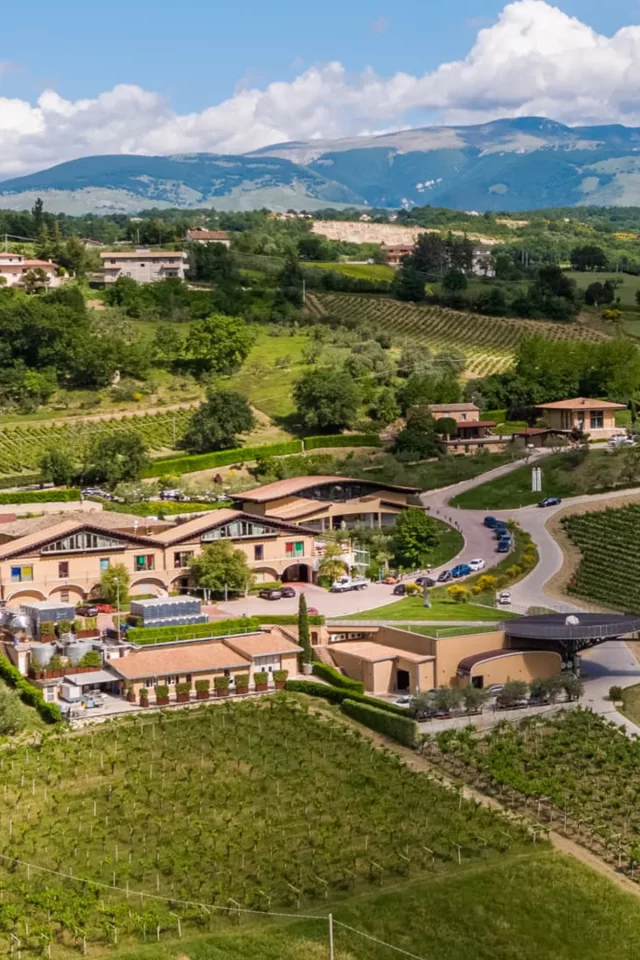
Abruzzo's wine identity is set between the Apennines and the Adriatic. Gran Sasso, inland valleys and coastal hills create the night-day shifts behind Montepulciano d'Abruzzo, the region's benchmark red, and Cerasuolo d'Abruzzo, its deep cherry-coloured rosato.
White Abruzzo is no afterthought. Trebbiano d'Abruzzo has a long local record, while Pecorino, Passerina, Cococciola and Montonico now give the region sharper, mountain-influenced whites. The result is one of central Italy's most useful wine maps: generous reds, serious rosati, textured whites and strong value for the table.
Where Abruzzo wine takes shape
The named places that explain the region's grapes, styles, and labels, plotted across the map.
Colline Teramane
Abruzzo's northern DOCG heartland links Montepulciano to the hills between Gran Sasso and the Adriatic.
The Teramo hills give Montepulciano a firmer, more savoury profile than the warmer coast. Use this area to understand Colline Teramane Montepulciano d'Abruzzo DOCG and the region's most age-worthy red style.
Controguerra
A borderland area near Marche, useful for Montepulciano, Pecorino, Passerina and international varieties.
Controguerra sits in the province of Teramo and often shows Abruzzo's mixed identity: Montepulciano for reds, Pecorino and Passerina for whites, plus Cabernet and Merlot where producers lean international.
Chieti and Costa dei Trabocchi
Chieti is Abruzzo's production engine, with coastal hills, Ortona and the Trabocchi coast shaping fresh whites and accessible reds.
This is the practical centre of Abruzzo wine: Ortona, Tollo, Chieti and the Adriatic coast. Montepulciano remains important, but Pecorino, Trebbiano and Passerina explain why Abruzzo whites have gained visibility.
Tullum and Tollo
Tollo gives Abruzzo one of its compact DOCG identities, with white varieties and Montepulciano sharing the same small-zone focus.
Tullum, often labelled Terre Tollesi/Tullum, makes the Tollo area more visible than the broad regional labels. It is useful for readers trying to separate local Pecorino and Passerina from wider Abruzzo DOC wines.
Inland Pescara and Peligna valleys
The inland valleys connect Montepulciano to altitude, limestone and cooler nights.
The Montepulciano d'Abruzzo production rules recognise inland subzones such as Casauria, Terre dei Vestini, Terre dei Peligni and Alto Tirino. These areas help explain the fresher, more structured side of Abruzzo reds away from the coast.
Understanding Abruzzo
Layered notes on terroir, history, label rules, taste, drinking window and where to start.
Terroir
Mountain air, Adriatic light
Abruzzo's wines sit between Gran Sasso, inland valleys and the Adriatic coast.
The best way to read Abruzzo is west to east. Mountain air from the Apennines gives inland vineyards cooler nights, while the Adriatic moderates the coastal hills around Chieti and Ortona. Montepulciano carries the structure, but the same shifts in altitude and exposure also explain the freshness in Pecorino, Trebbiano and Passerina.
History
From Peligna valley to coastal hills
Abruzzo's wine story moved from inland valleys to the broader hillside belt.
The older story of Abruzzo wine is inland, especially around the Peligna valley and the mountain corridors where Montepulciano gained its regional identity. Modern Abruzzo is broader. The production centre now runs strongly through the hills of Teramo, Pescara and Chieti, where cooperatives and family estates turned Montepulciano d'Abruzzo into one of Italy's most recognisable red-wine names.
Label rules
How the labels work
Abruzzo's protected ladder starts with three DOCG names, then broad DOC and IGT labels.
Federdoc currently lists three Abruzzo DOCG names and seven DOC names. The key buying point is simple: Montepulciano d'Abruzzo DOC is the broad red benchmark, Cerasuolo d'Abruzzo DOC is the deep rosato, Trebbiano d'Abruzzo DOC is the historic white, and Colline Teramane, Tullum and Casauria mark DOCG-level specificity. The IGT layer needs a separate denomination clean-up because the DB still carries older local rows.
Taste profile
What Abruzzo tastes like
Expect generous Montepulciano, serious Cerasuolo and increasingly confident whites.
Montepulciano d'Abruzzo usually means dark cherry, plum, spice and rounded tannin. Cerasuolo d'Abruzzo is not a pale, neutral rose. It is a vivid Montepulciano rosato with enough fruit and grip for food. White Abruzzo splits between Trebbiano's citrus and almond line, Pecorino's saltier mountain edge, and Passerina's softer orchard-fruit charm.
Drinking window
When to drink Abruzzo
Buy simple wines for freshness, but keep the best Montepulciano and DOCG reds for structure.
Most Pecorino, Passerina and Trebbiano are best for early drinking, especially when freshness is the point. Cerasuolo is also usually strongest young, served cool with the table. Montepulciano d'Abruzzo can split two ways: everyday bottles are generous early, while Colline Teramane, Riserva and strong single-estate wines can take several years as tannin and oak settle.
Explore
Where to explore first
Start with Teramo for structured reds, Chieti and Ortona for the coast, and Tollo or Ofena for sharper local detail.
For a wine-focused route, start north in Teramo and Colline Teramane, then move south through Chieti, Tollo and Ortona toward the Costa dei Trabocchi. Inland, Ofena and the mountain valleys show why Abruzzo whites and reds can feel cooler and more precise than the coast suggests. This is a wine map, not a booking guide: use the towns as orientation points.
What to drink from Abruzzo
A short shortlist that maps the region: benchmark reds, signature whites and the labels worth a step-up.
Montepulciano d'Abruzzo DOC
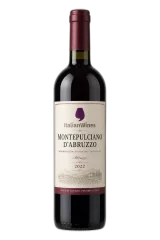
Abruzzo's key red: dark cherry, plum, spice and round tannin from Montepulciano. It is the first label to know because it ranges from weekday bottles to serious Riserva styles.
Cerasuolo d'Abruzzo DOC
A full-coloured rosato from Montepulciano, built for food rather than aperitif neutrality. Expect cherry fruit, freshness and enough grip for arrosticini or tomato pasta.
Trebbiano d'Abruzzo DOC
The classic Abruzzo white. The best bottles are lemony, almond-edged and quietly textured, especially when producers treat Trebbiano as a serious local grape rather than a neutral blending base.
Abruzzo Pecorino
Pecorino gives Abruzzo a sharper white profile: citrus, herbs, salt and firm acidity. It is a strong match for brodetto alla giuliese and coastal fish dishes.
Colline Teramane DOCG style
For a more serious red frame, look to the Teramo hills. The DOCG style gives Montepulciano darker fruit, savoury depth and more ageing potential than many broad regional bottles.
The one to know first
Our curated guide. Not the full list, the bottle that opens the door.
Curated guide · DOC
Montepulciano d'Abruzzo
Montepulciano d'Abruzzo DOC is dark, cherry-scented and built on Montepulciano. It comes from vineyards across Abruzzo, from Adriatic-facing hills to inland valleys, with at least 85% Montepulciano. Expect plum, black.
The grapes behind the bottle
4 curated guides with editorial content. Pronunciations, traits and the regional footprint of each variety.
Embark on a vinous journey with Pecorino (peh-koh-REE-noh), a grape that encapsulates the essence of Italy's heartland.
Montepulciano (Mon-teh-pool-chee-ah-noh) is the second most widely planted red grape variety in Italy, after Sangiovese.
Primitivo (“pree-mee-TEE-vo”) is one of the most popular red wines of Southern Italy.
Trebbiano Abruzzese is the white grape behind Abruzzo's most distinctive whites, including the textural, age-worthy bottlings of Valentini, Emidio Pepe and Tiberio.
Wines from Abruzzo
A starter selection from the catalogue. Pour them as a regional flight.
3 retailers
Zaccagnini Montepulciano D'Abruzzo DOC Tralcetto
Montepulciano d'Abruzzo
3 retailers
£14.30
£20.14
3 retailers
Zaccagnini Tralcetto Cerasuolo D'Abruzzo DOC
Cerasuolo d'Abruzzo
3 retailers
£14.50
£17.90
3 retailers
Emidio Pepe Montepulciano d'Abruzzo
Montepulciano d'Abruzzo
3 retailers
£70.61
2 retailers
Montepulciano d’Abruzzo
Montepulciano d'Abruzzo
2 retailers
£10.04
2 retailers
Pecorino, IGT Terre di Chieti Caleo
Terre di Chieti
2 retailers
£10.52
2 retailers
Linea Classica Montepulciano d'Abruzzo DOC
Montepulciano d'Abruzzo
2 retailers
£13.00
2 retailers
Azienda Agricola Cirelli Trebbiano d'Abruzzo
Trebbiano d'Abruzzo
2 retailers
£16.30
£20.12
2 retailers
Zaccagnini Pecorino D'Abruzzo Tralcetto DOC
Abruzzo
2 retailers
£17.20
£25.67
The table of Abruzzo
Mountain, pasture and coast on one plate. Pour the regional wine alongside.
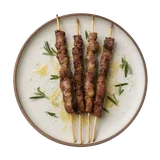
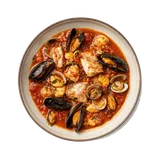
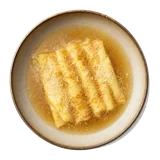
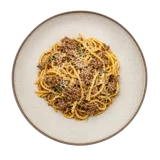
Abruzzo's food is mountain, pasture and coast on one plate. Arrosticini makes Montepulciano d'Abruzzo feel inevitable, especially when the wine has ripe cherry fruit and enough tannin for lamb. Brodetto alla giuliese works better with Trebbiano d'Abruzzo or Pecorino, while spaghetti alla chitarra and scrippelle can move between Cerasuolo d'Abruzzo and lighter Montepulciano styles.
Arrosticini
Arrosticini are the Abruzzese street skewers, twenty-centimetre rods of sheep threaded onto cane and cooked over a narrow canal-grill called canalina. Roseto degli Abruzzi and the Gran Sasso foothills are the spiritual home. Cerasuolo d'Abruzzo DOC served cold is the summer classic; Montepulciano d'Abruzzo DOC takes the colder months. Trebbiano d'Abruzzo is the white alternative.
Brodetto alla giuliese
Brodetto alla Giuliese is Giulianova's fish stew, a seven-fish minimum simmered with tomato, garlic and saffron in a low terracotta pot. The Abruzzese rule is one pan, one hour, one spoon. Trebbiano d'Abruzzo DOC handles the tomato load; a Pecorino Offida DOCG brings more intensity for oilier fish; Cerasuolo d'Abruzzo DOC is the rosato for celebration.
Scrippelle
Scrippelle 'Mbusse is the Teramano crepe soup, thin Italian crepes rolled with pecorino and bathed in chicken broth. The dish is Abruzzese home cooking. Trebbiano d'Abruzzo DOC in its fuller styles, or a Cerasuolo d'Abruzzo DOC rosato, keep the pairing delicate enough not to drown the broth.
Spaghetti alla chitarra
Spaghetti alla Chitarra are the Abruzzese square-section noodles cut on the chitarra, a wire-strung wooden frame. The pasta is traditionally served with lamb ragù or a tomato-and-pepper sauce. Montepulciano d'Abruzzo DOC, full-bodied and spicy, is the regional match; Cerasuolo d'Abruzzo rosato handles lighter tomato versions.
Spezzatino di pecora
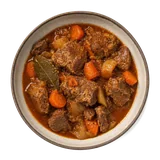
Spezzatino di Pecora is the southern Italian mutton stew, tough older-sheep meat slow-braised with tomato, onion and herbs until the broth goes dark. Basilicata, Calabria and the Murgia plateau of Apulia all claim versions. Aglianico del Vulture DOC or a Cirò Rosso Classico DOC from Gaglioppo bring the tannin the gamey mutton requires; Primitivo di Manduria softens things if the sauce is sweeter.
Porchetta
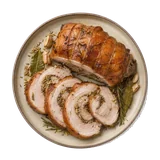
Porchetta is central Italy's boned, stuffed, roast pig, flavoured with fennel, rosemary and garlic then roasted until the skin is lacquered. Ariccia and Norcia both claim it; both are right. Cesanese del Piglio DOCG or a Montefalco Rosso DOC from Sagrantino blends carry the fat and herb lift the dish needs; Chianti Classico DOCG works when the filling is more restrained.
Explore Abruzzo by place
Wine routes, towns and wineries to follow when you go.
Wine routes
Some booking links earn italianwines.co.uk a commission. This never affects price or what we recommend.
Colline Teramane and Controguerra
A northern route for structured Montepulciano and border-hill wines.
- Teramo
- Colline Teramane
- Controguerra
- Torano Nuovo
Chieti, Tollo and the Trabocchi Coast
A coastal route for Pecorino, Trebbiano, Cerasuolo and accessible Montepulciano.
- Chieti
- Tullum and Tollo
- Ortona
- Chieti and Costa dei Trabocchi
- Vasto
Tours in this wine area
Nearby, not the route itselfSustainable Olive Mill Tour with Olive Oil Tasting in Chieti
Winery Tour with Wine and Food Tasting in Chieti
Inland Pescara and Peligna Valleys
A mountain-influenced route for fresher reds and sharper whites.
- Ofena
- Inland Pescara and Peligna valleys
- Peligna Valley
- Gran Sasso foothills
Tours in this wine area
Nearby, not the route itselfFood and wine tour of Pescara Vecchia on foot
Food and Wine Walking Tour of Pescara with 5 Tastings
Visit and wine tasting 30 minutes from Pescara
Wine towns
Teramo
The northern gateway to Abruzzo's structured red-wine hills.
Use Teramo as the orientation point for Colline Teramane and Controguerra, where Montepulciano takes a firmer, more savoury shape.
Chieti
Abruzzo's most important wine-production province.
Chieti connects Montepulciano, Trebbiano, Pecorino and Passerina, and gives readers the clearest base for Ortona, Tollo and the coast.
Ortona
A coastal wine town looking across the Adriatic.
Ortona helps explain the fresher coastal side of Abruzzo, from Trebbiano and Pecorino to easy-drinking Montepulciano.
Tollo
A compact wine town behind the Terre Tollesi/Tullum identity.
Tollo is useful for readers who want a smaller-zone route through Pecorino, Passerina and Montepulciano rather than broad regional labels.
Ofena
An inland highland reference point for cooler Abruzzo wines.
Ofena and the mountain valleys show why Abruzzo can make whites with snap and reds with fresher tannic shape.
Vasto
A southern coastal stop near the Trabocchi route.
Vasto places Abruzzo wine beside the Adriatic table, especially seafood, Cerasuolo and bright whites.
Wineries to follow
Ask the sommelier
Quick answers about Abruzzo. Numbers, denominations, food and what to start with.
Abruzzo is best known for Montepulciano d'Abruzzo DOC. It is a red wine from the Montepulciano grape, usually marked by dark cherry, plum, spice and rounded tannin.
Cerasuolo d'Abruzzo is a rosato made from Montepulciano. It is usually deeper in colour and more food-ready than pale rose, with cherry fruit, freshness and light grip.
Abruzzo makes Trebbiano d'Abruzzo, Pecorino, Passerina, Cococciola and Montonico-based whites. Trebbiano is the historic name, while Pecorino gives the region its sharper modern white profile.
Assovini lists 19 Abruzzo DOCG, DOC and IGT names. Within that, Federdoc currently lists 3 DOCG names and 7 DOC names.
Pair arrosticini with Montepulciano d'Abruzzo or Cerasuolo d'Abruzzo. Brodetto alla giuliese works better with Trebbiano d'Abruzzo or Pecorino, while spaghetti alla chitarra can take lighter Montepulciano.
Start with Teramo and Colline Teramane for structured reds, then move to Chieti, Tollo, Ortona and the Trabocchi coast for Pecorino, Trebbiano and Cerasuolo.
We currently list 164 wines from Abruzzo, starting from £4.99. Browse them all on our wines page.
We currently curate 1 active Abruzzo denomination guide, including Montepulciano d'Abruzzo. This is an editorial selection, not the complete regional denomination list.
We currently curate 4 active Abruzzo grape guides, including Pecorino, Montepulciano, Primitivo, Trebbiano Abruzzese. This is an editorial selection, not the complete regional grape list.
Abruzzo is renowned for dishes including Arrosticini, Brodetto alla giuliese, Scrippelle, Spaghetti alla chitarra.
Your next pour
More of Central Italy, with similar terroir and table.
Wine styles made in Abruzzo