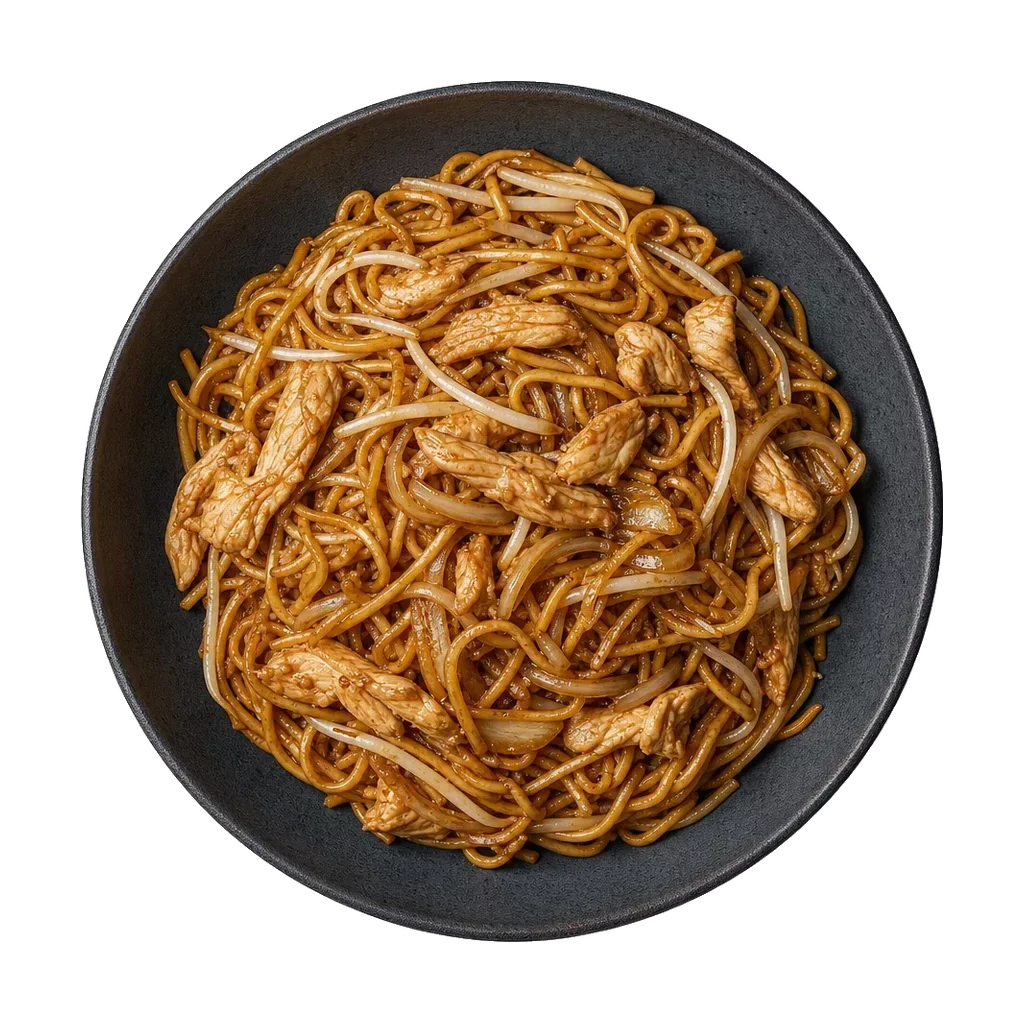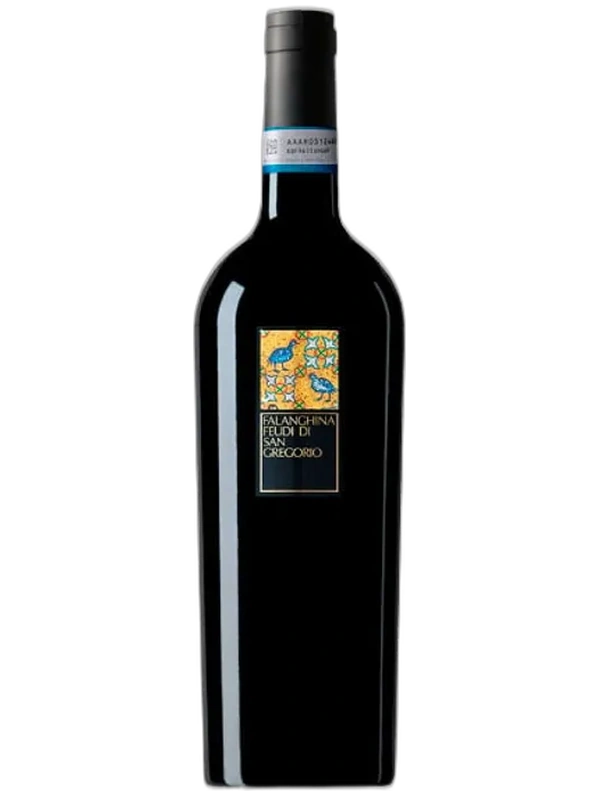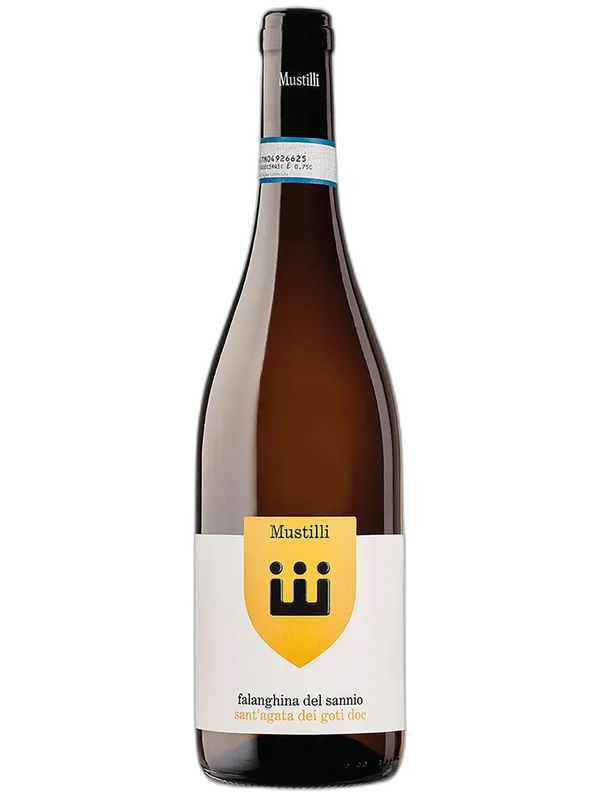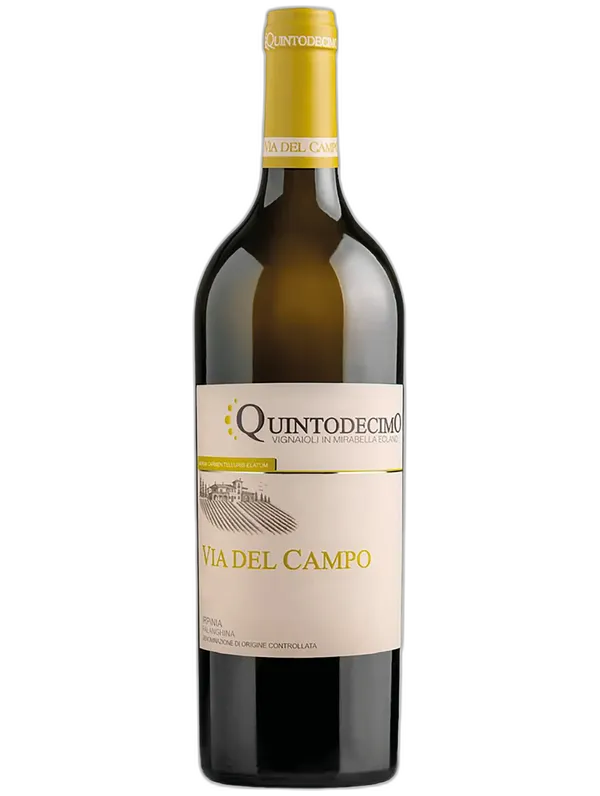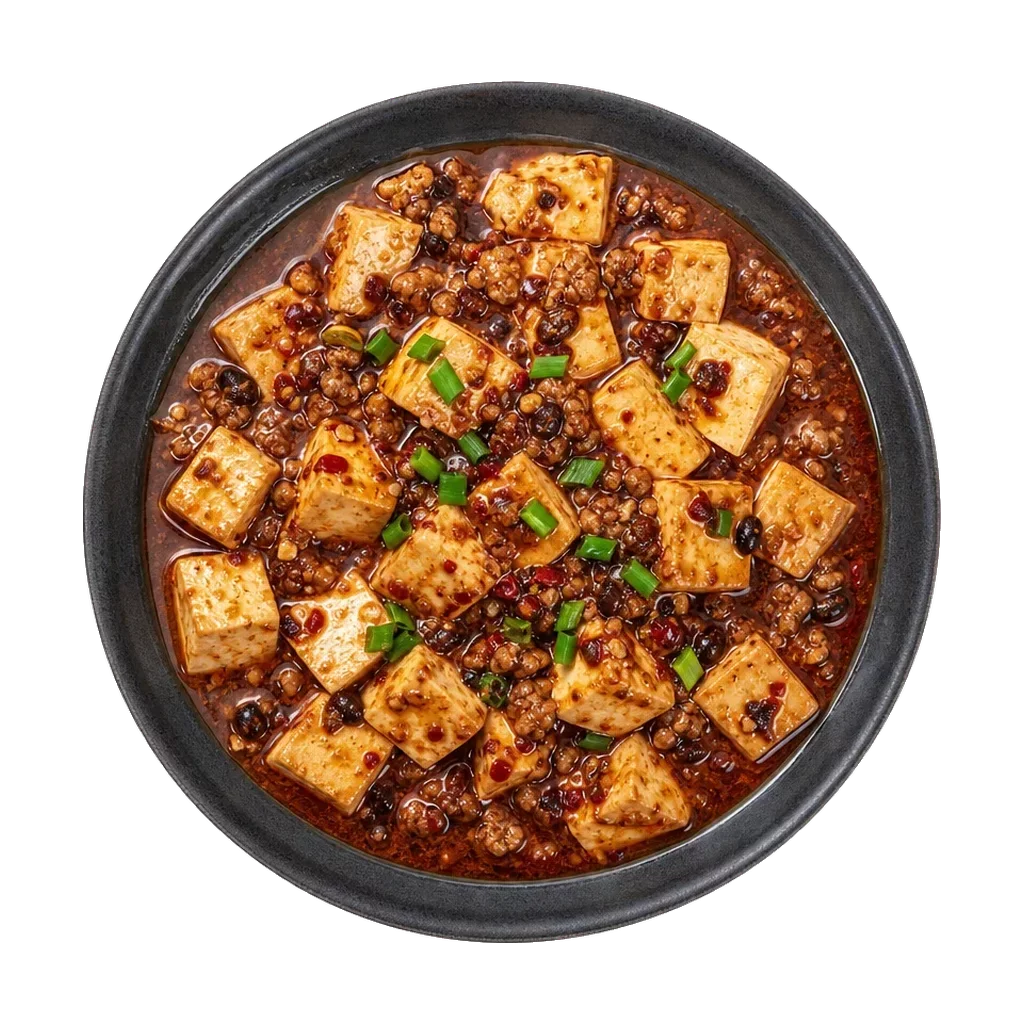










Chinese cuisine is typically rich in taste and flavours. Spices and exotic fragrances are commonly found in many recipes, from fried rice or noodles, to sweet and sour meat and vegetable dishes.
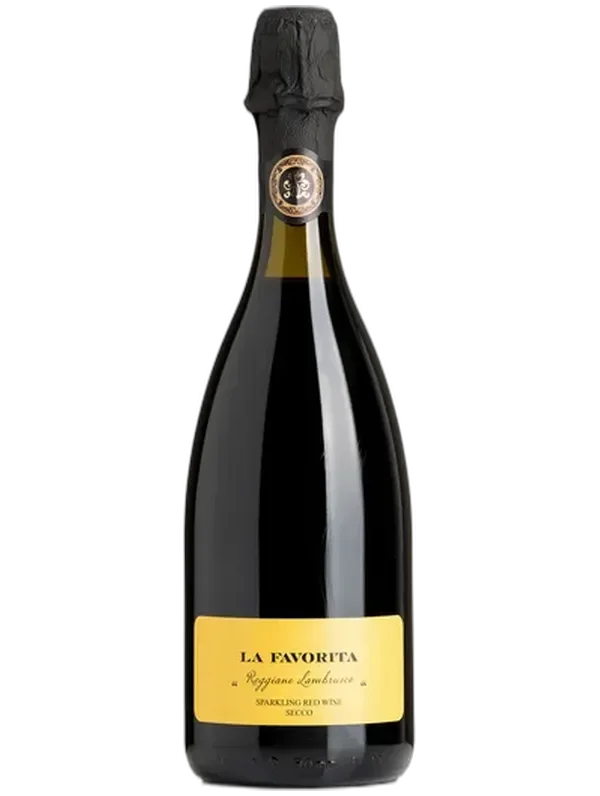
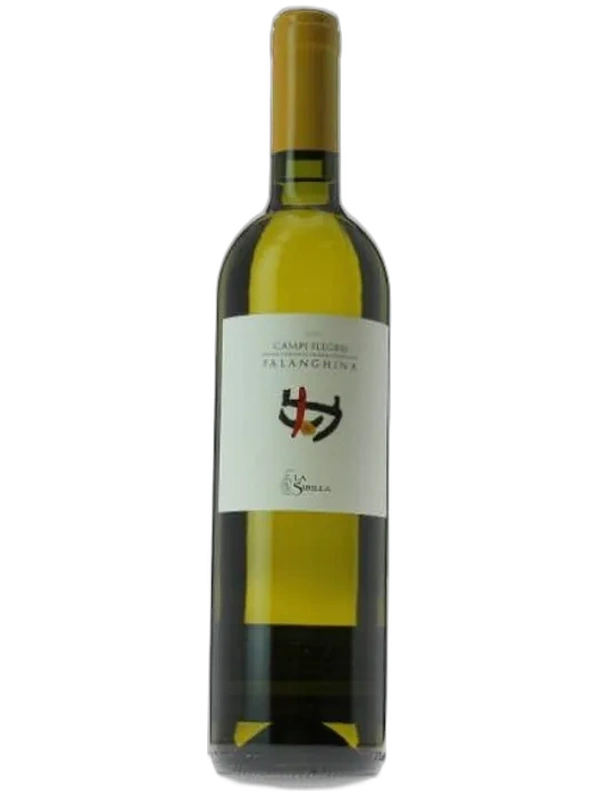
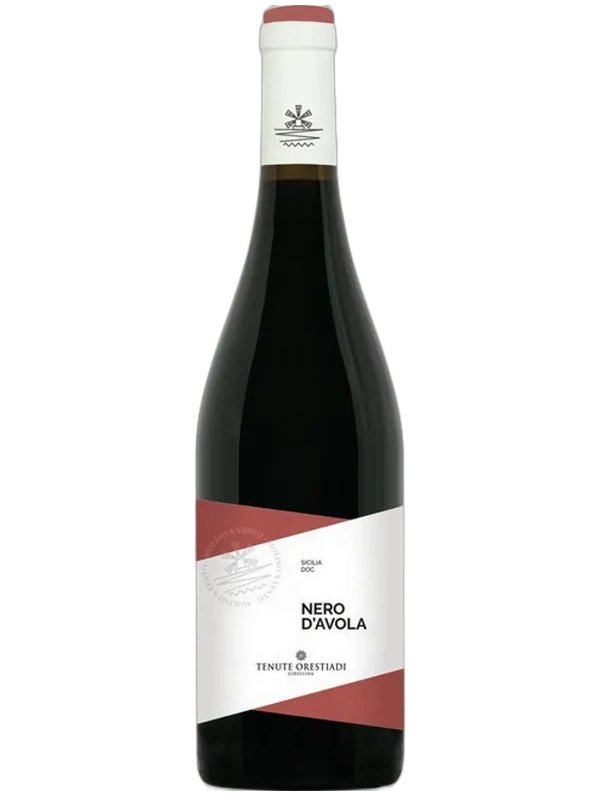
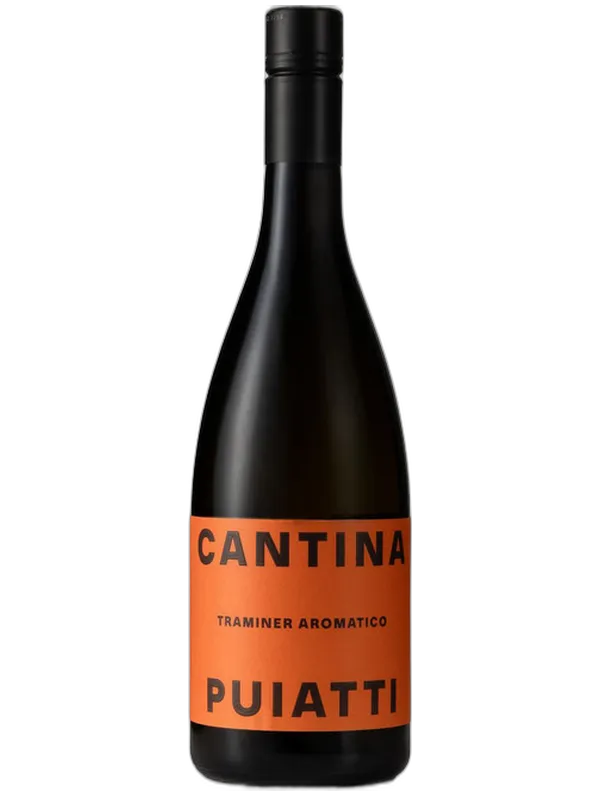
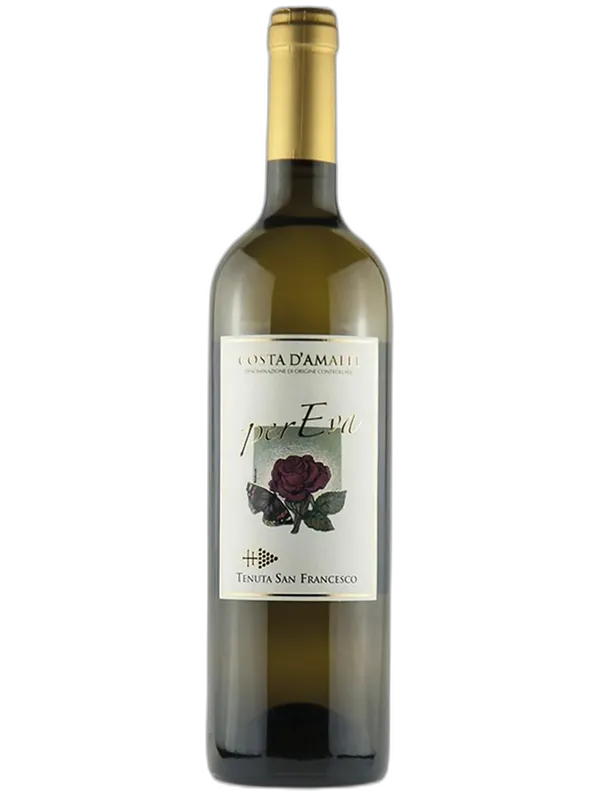
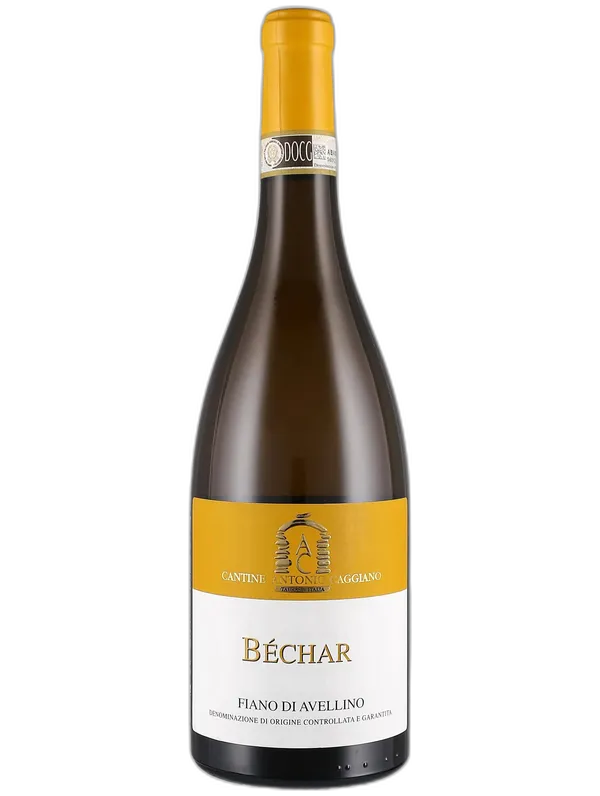
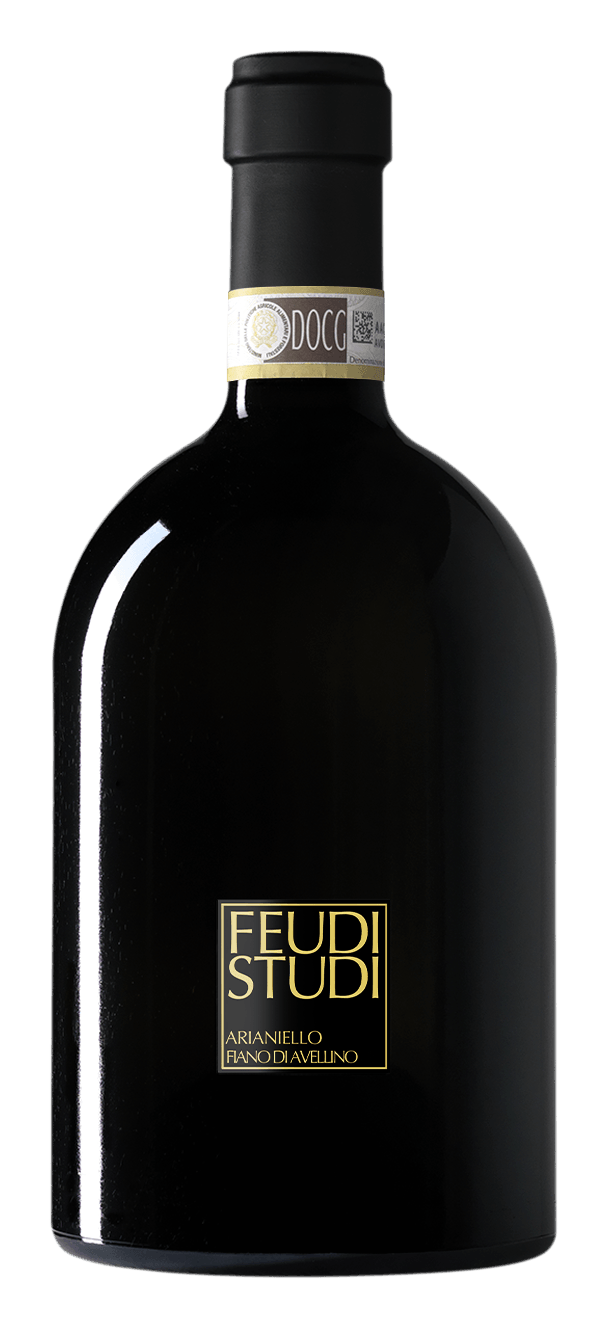
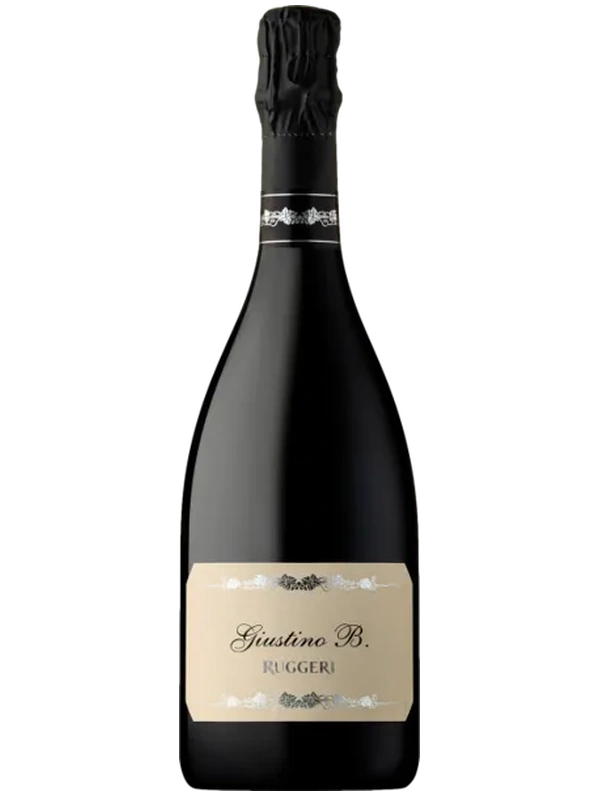
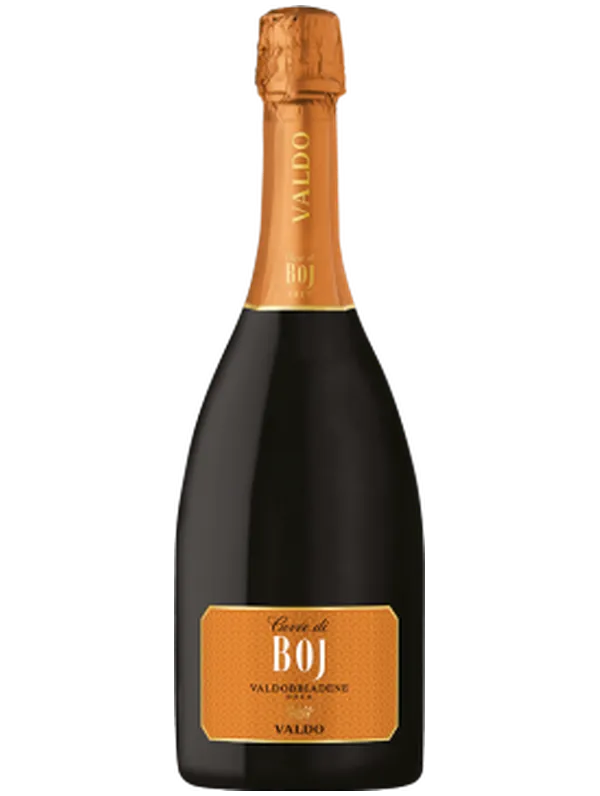
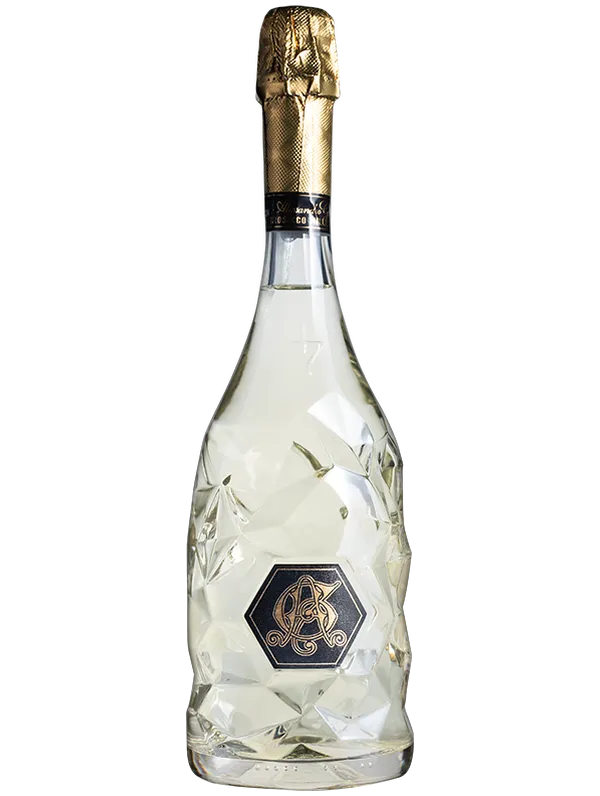
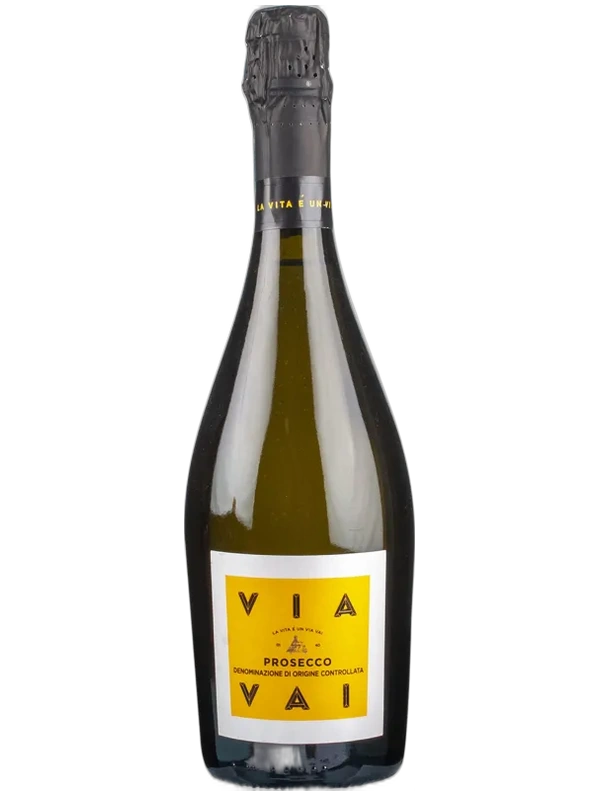
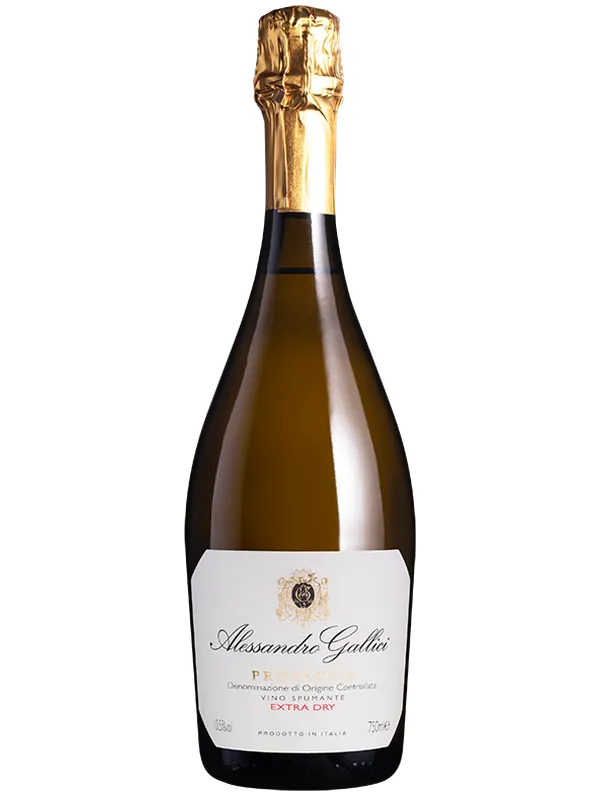
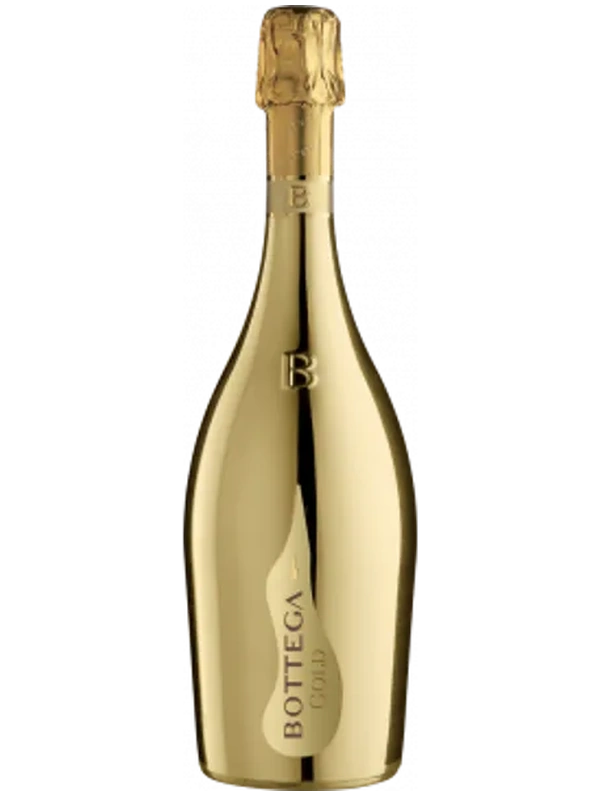
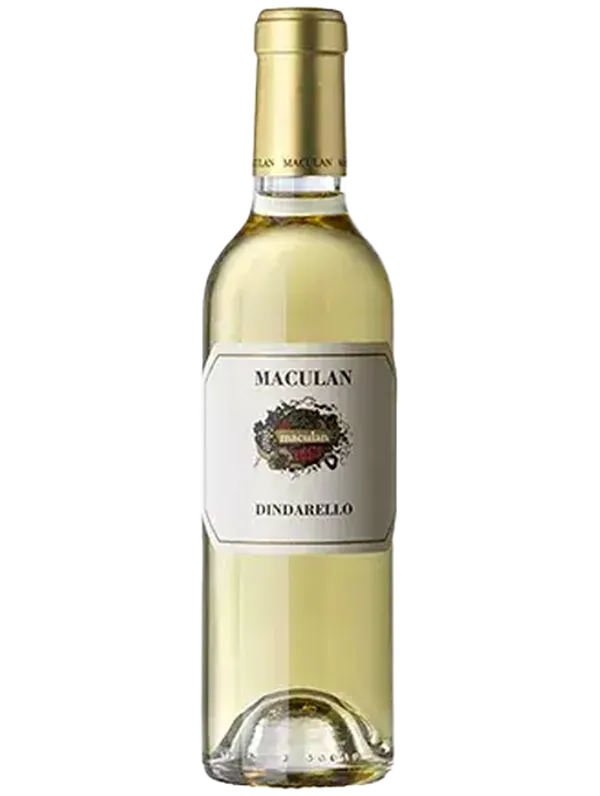
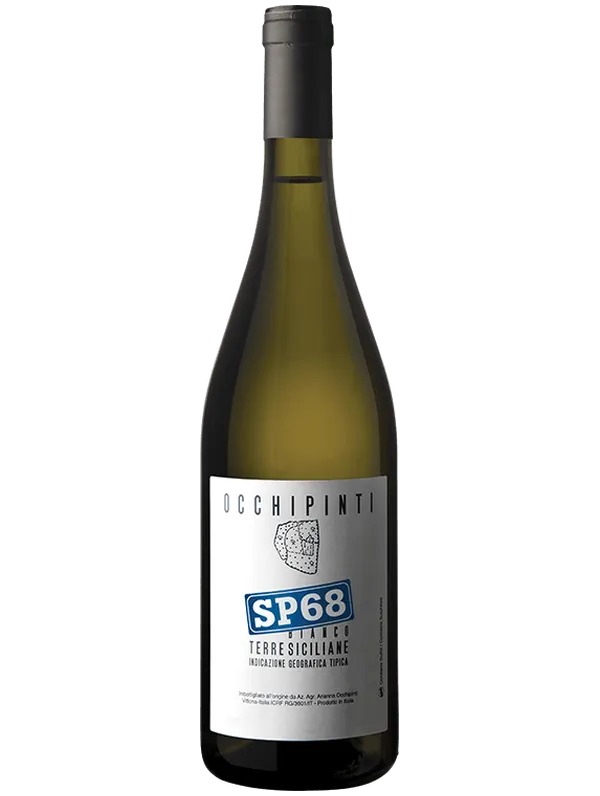
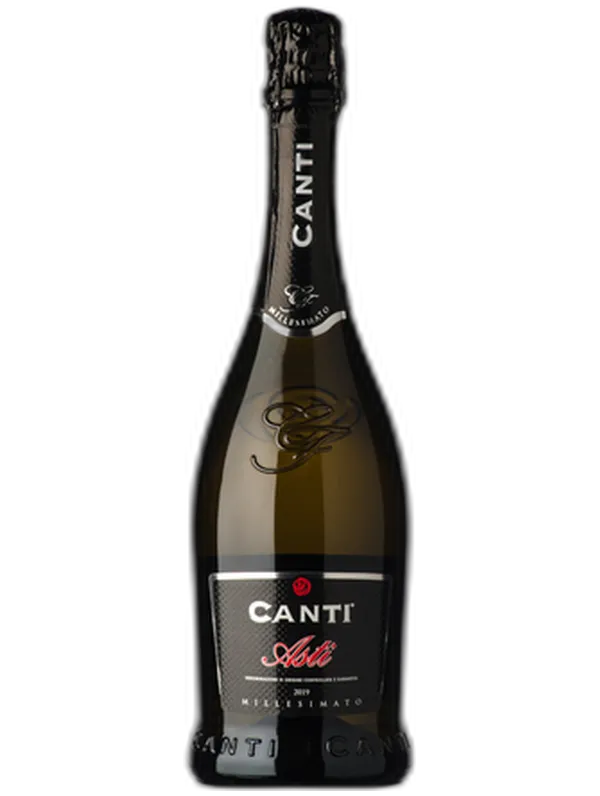
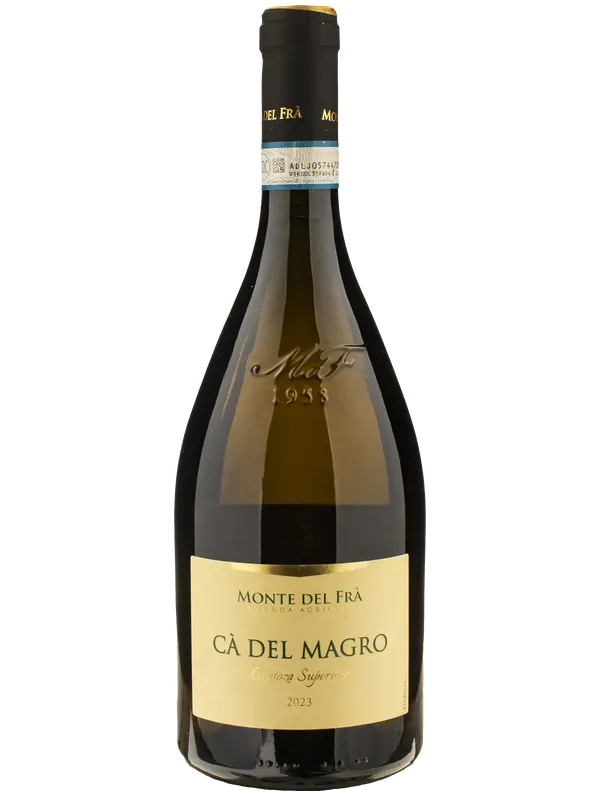
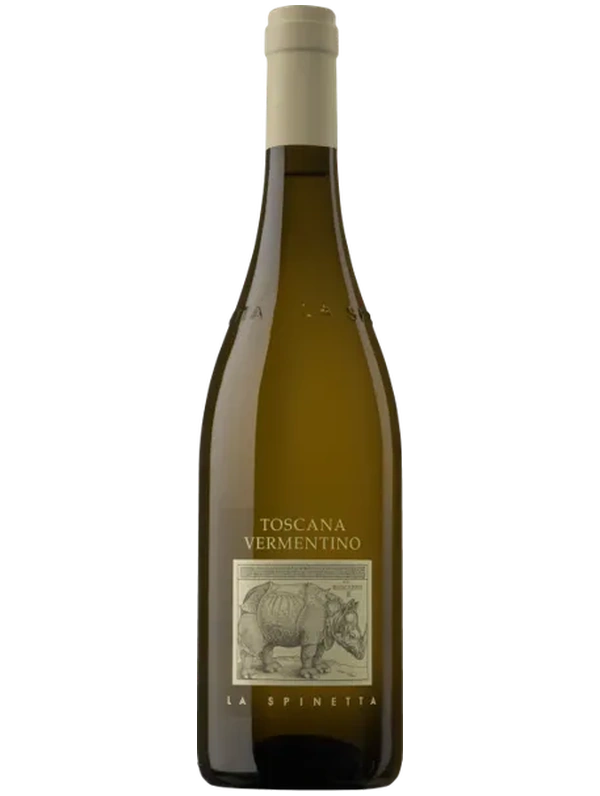
There is a lot of room for experimentation here. A general rule would be to choose crisp, fresh whites with fried noodles or rice (such as Glera, Vermentino, Sauvignon) and light-bodied reds or richer, aromatic whites with sweet & sour dishes.
Picking the right wine to complement your Chinese meal can be tricky, so follow our recommendations below for a guaranteed success.
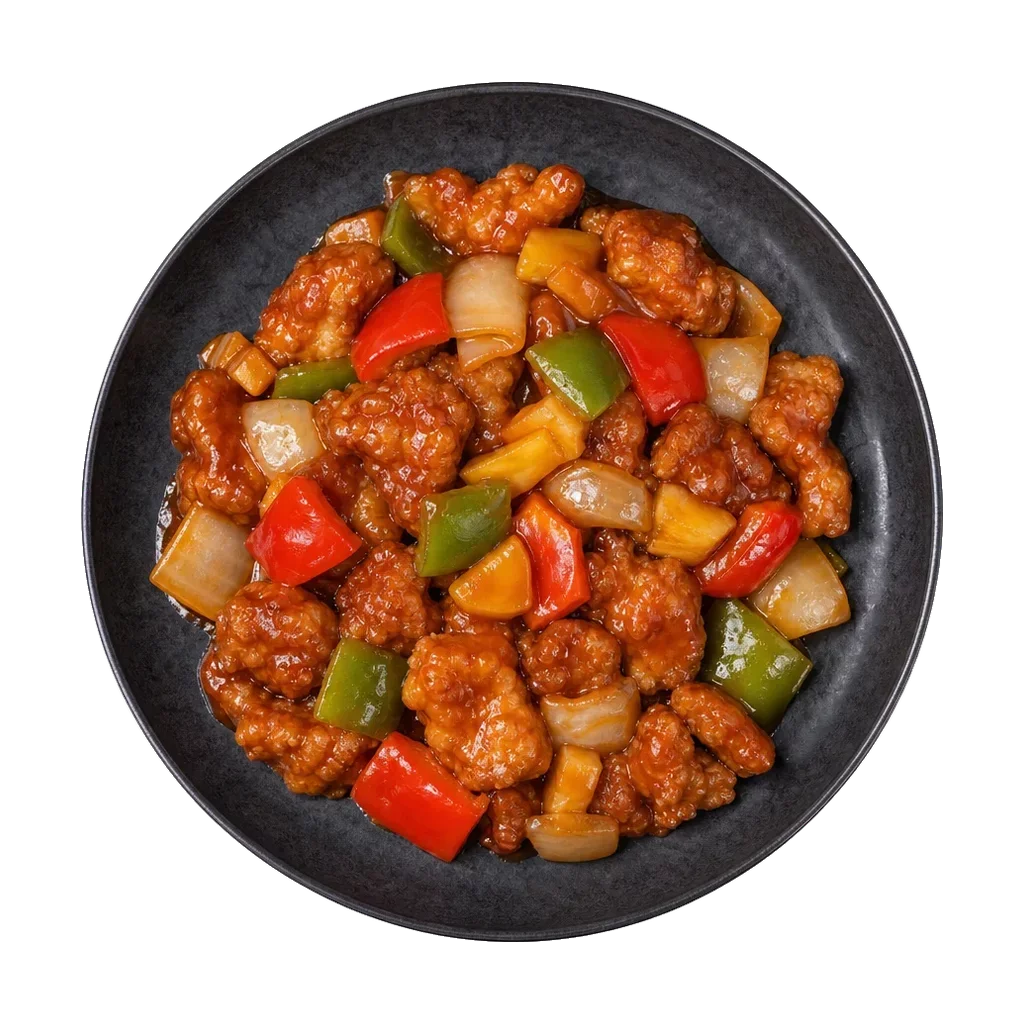
Sweet and Sour Pork
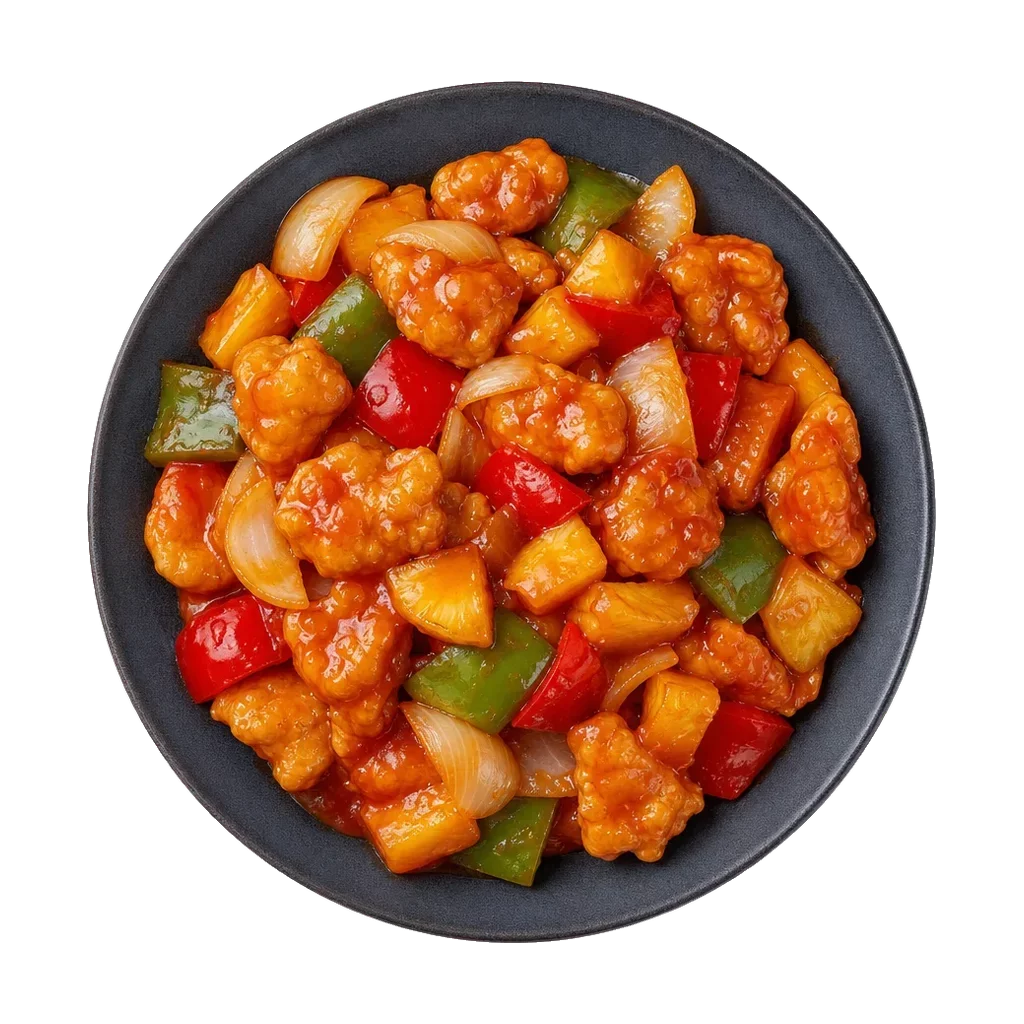
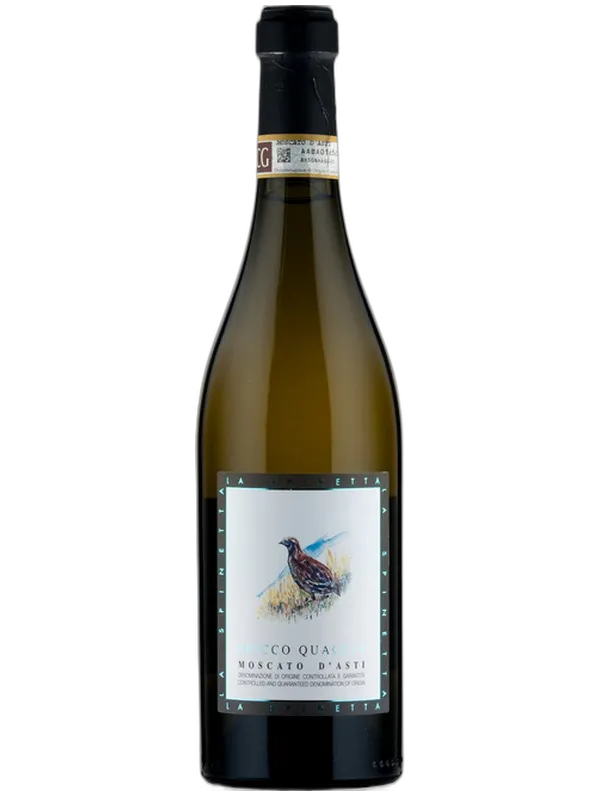
For Sweet and Sour Pork, a wine that is light in body is ideal, ensuring it doesn't overpower the dish's delicate balance. A wine with elevated acidity complements the dish's tangy aspect, while a hint of sweetness in the wine mirrors the sauce's sugar content, creating a harmonious match.
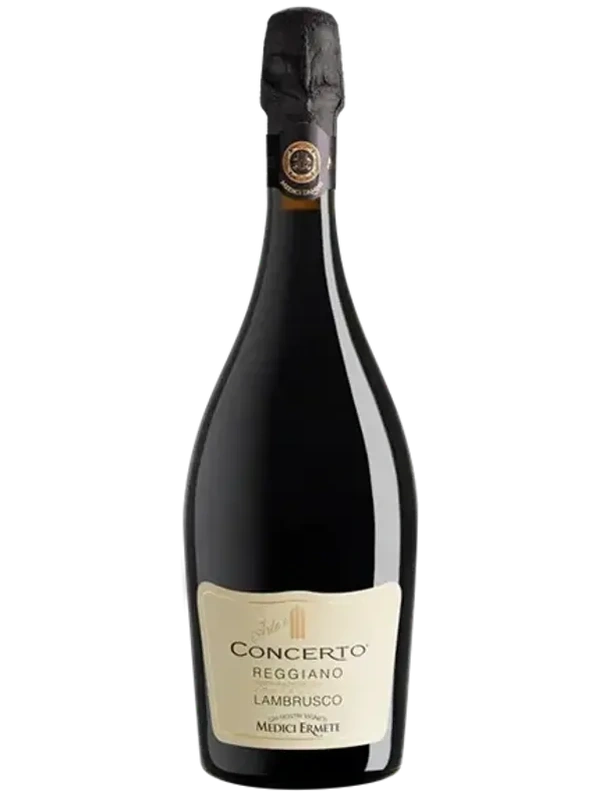
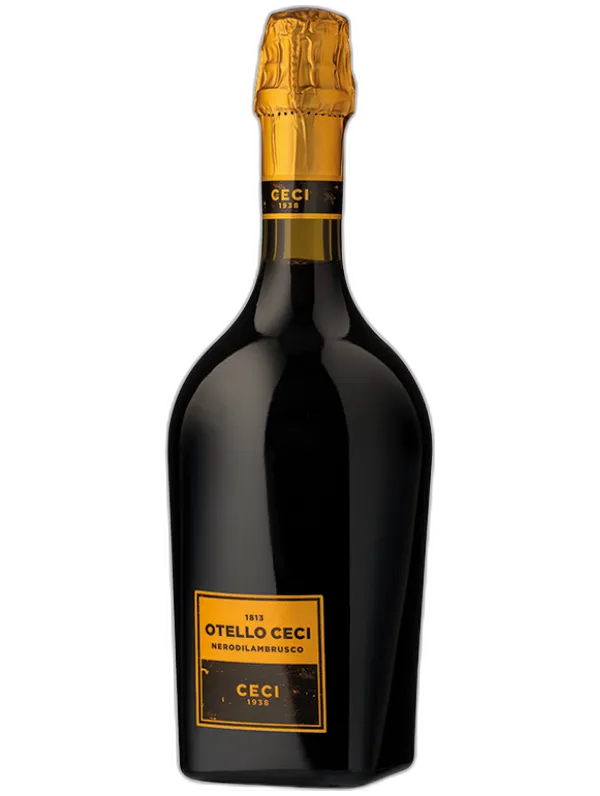
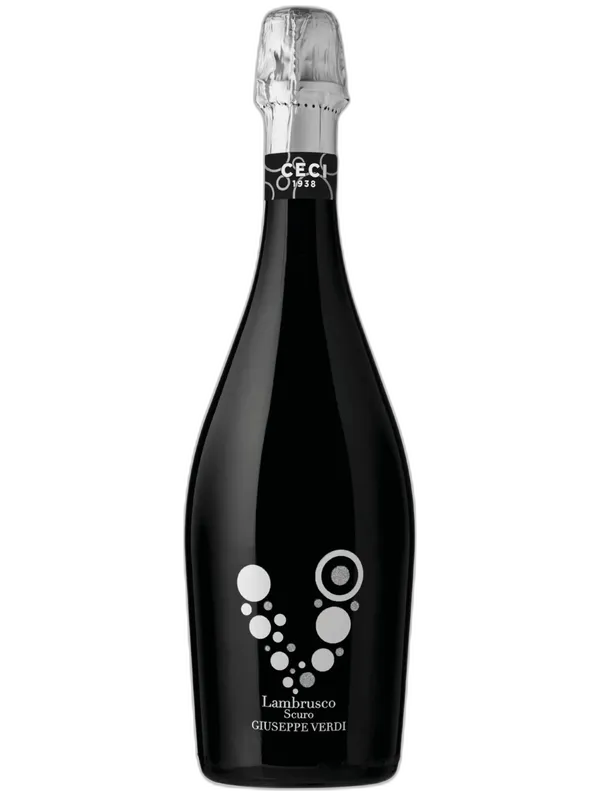
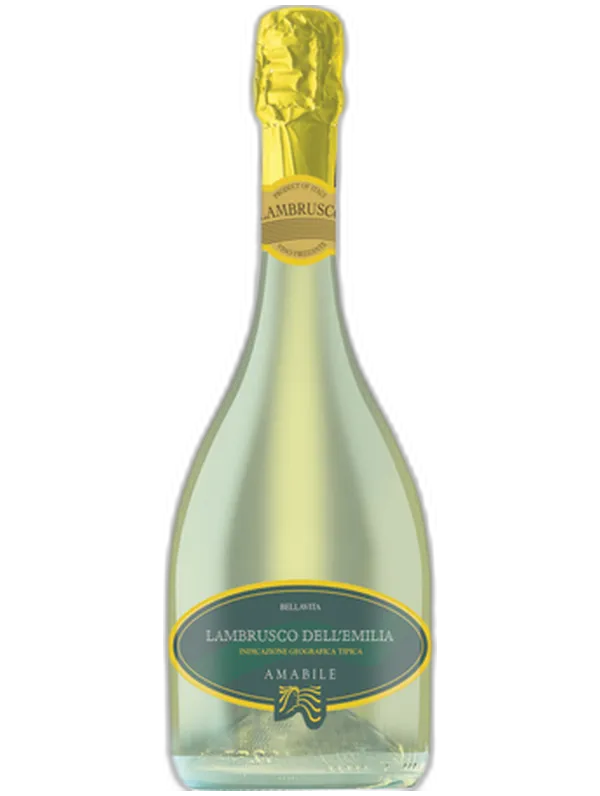
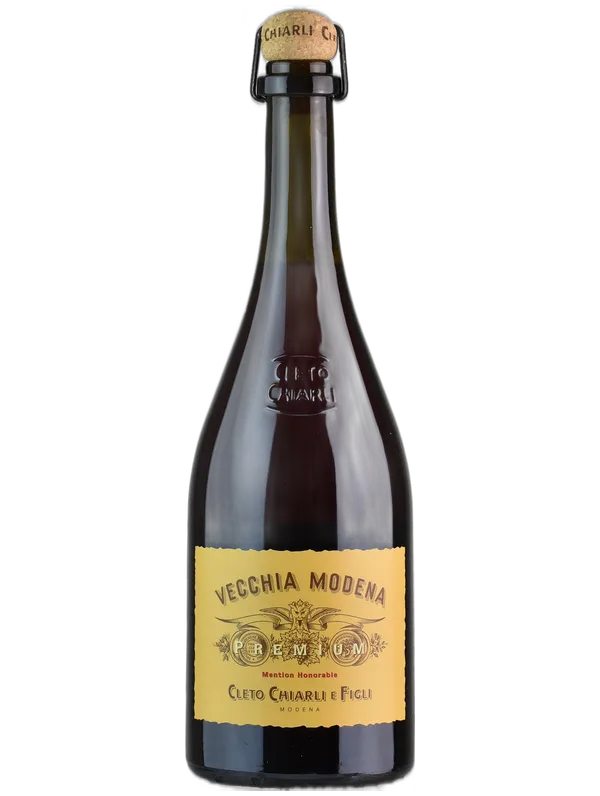
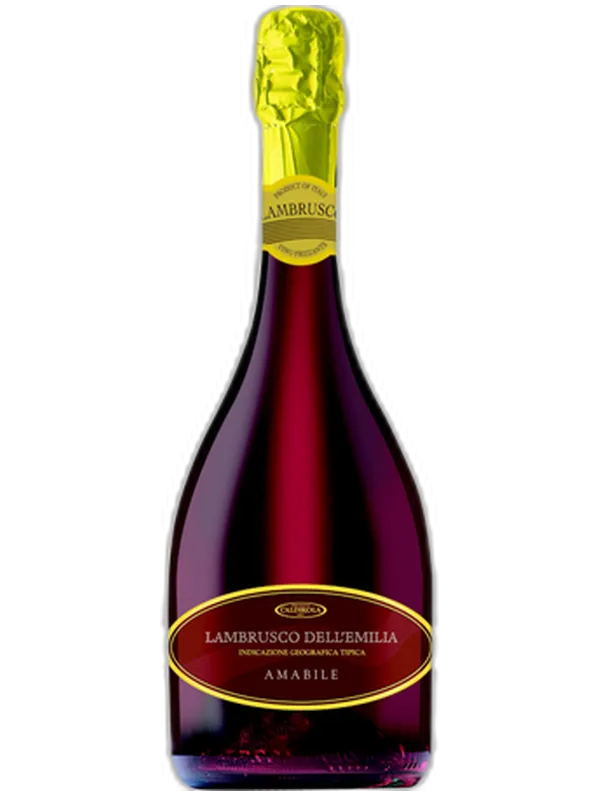
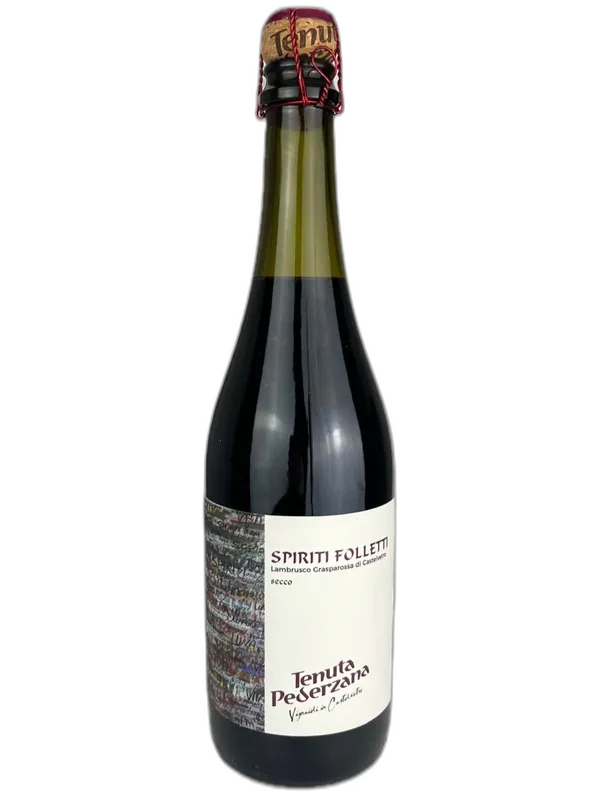
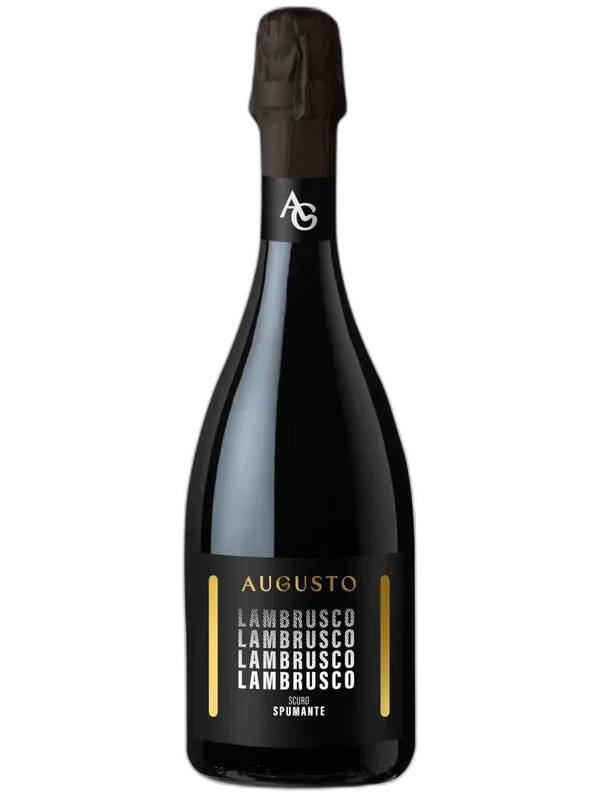
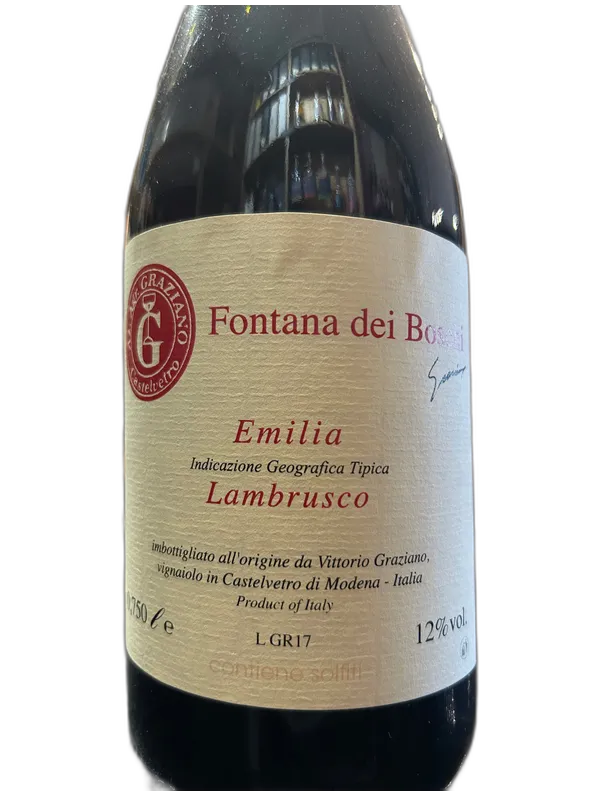
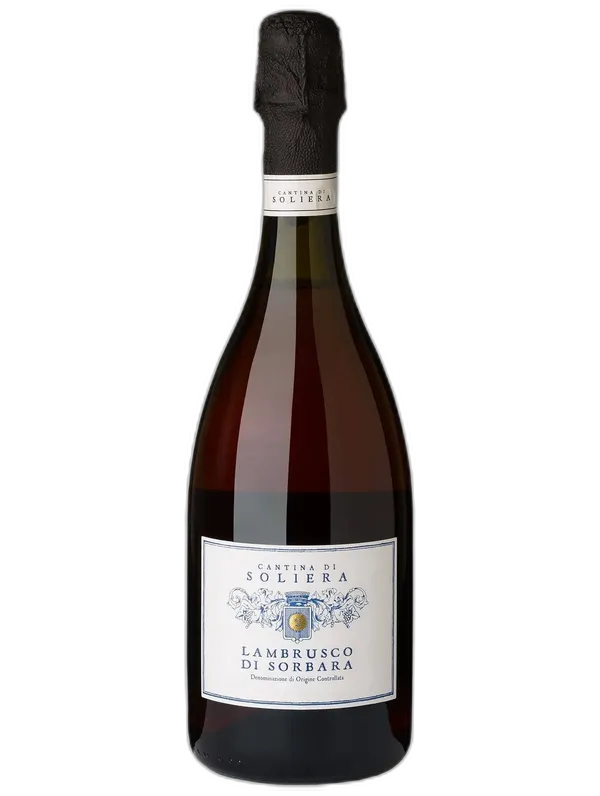
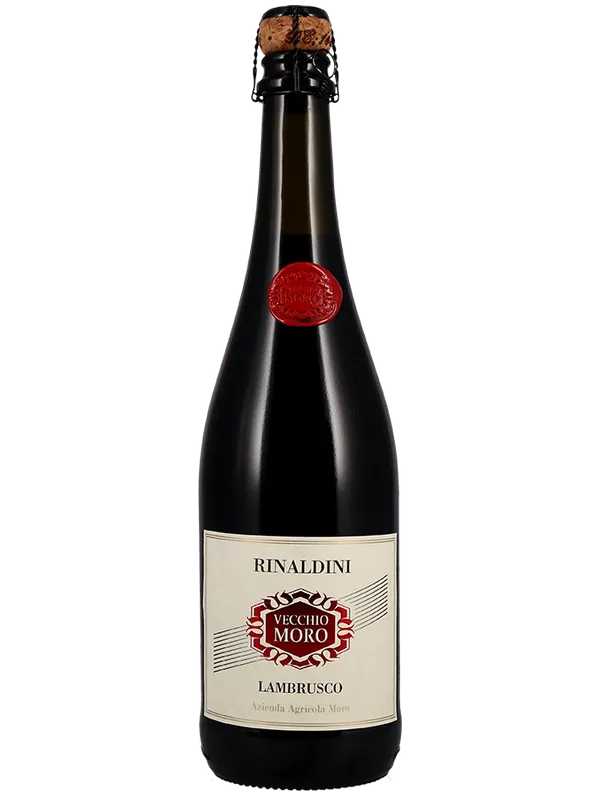
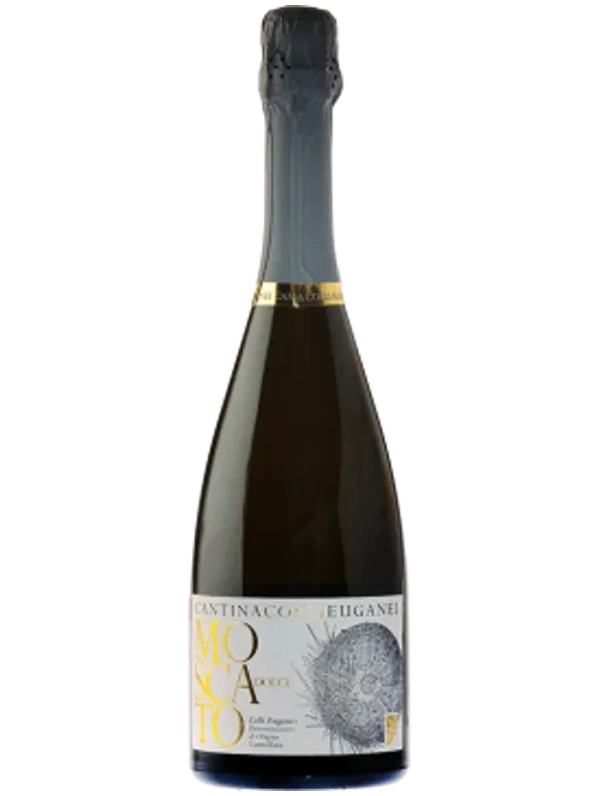
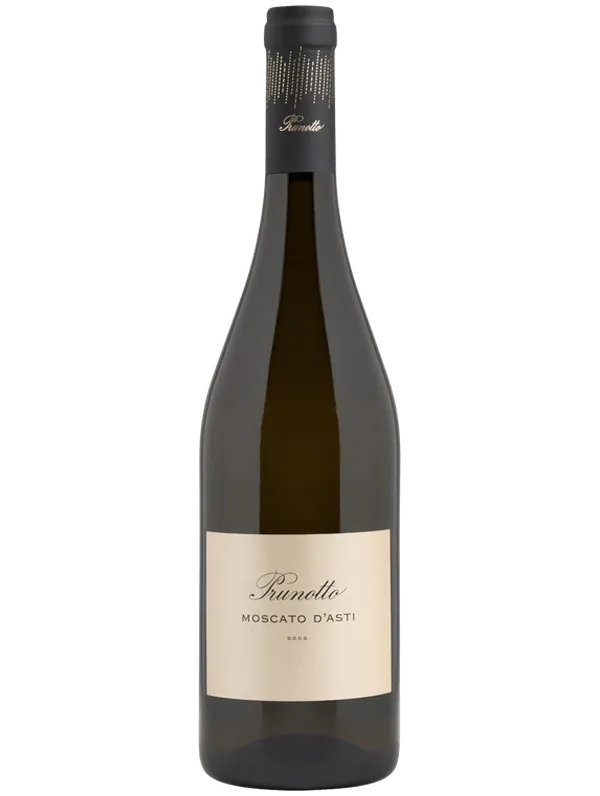
A lower alcohol content is also preferable, as higher alcohol levels might clash with the sweetness of the dish. Considering Italian wine grapes, a slightly sweet Moscato d'Asti#/html# or a #html#frizzante Lambrusco, which offer a combination of lightness, acidity, and sweetness, could be excellent choices to pair with Sweet and Sour Pork, enhancing its unique flavor profile without overwhelming it.
Beef Chow Mein
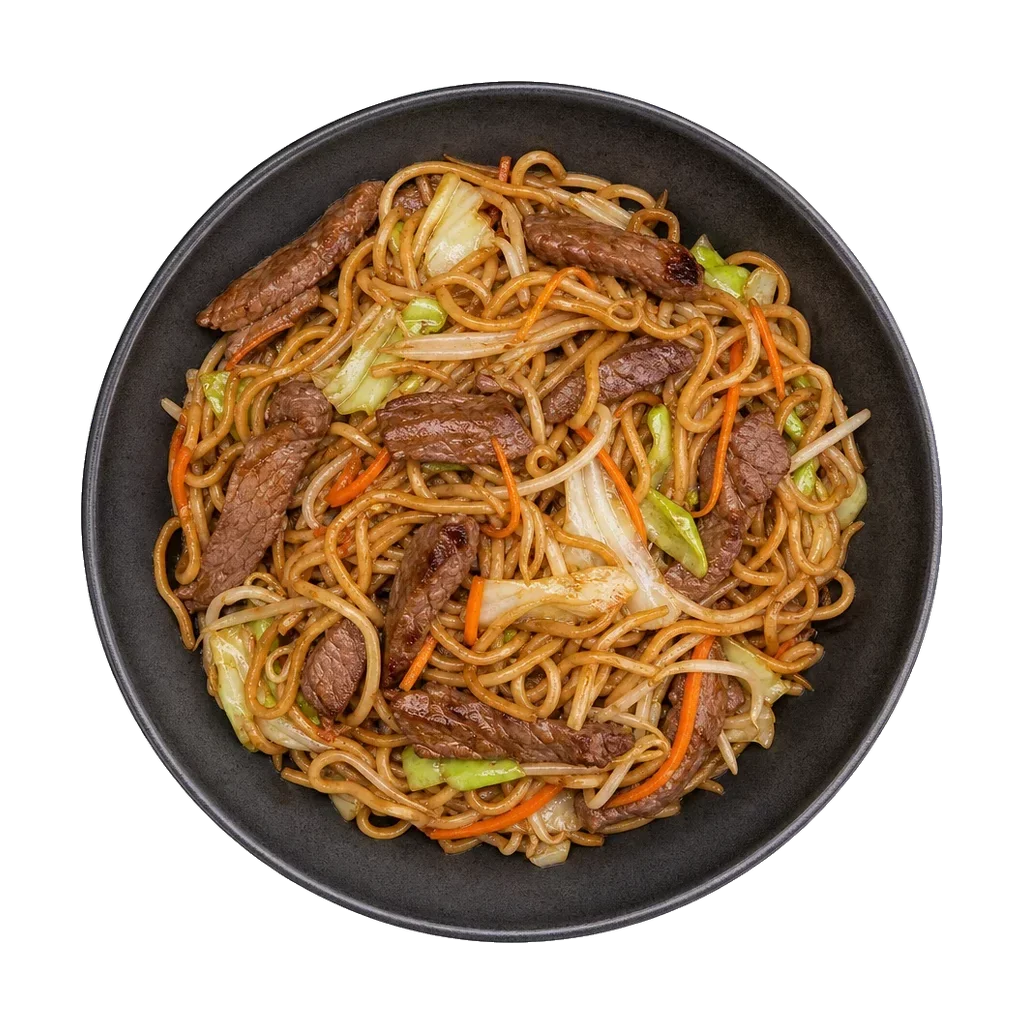
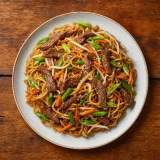
Beef Chow Mein is a popular Chinese noodle dish consisting of stir-fried noodles with beef, vegetables (like cabbage, carrots, and bean sprouts), and a savory sauce made from soy sauce, oyster sauce, and various seasonings. The dish is known for its hearty and satisfying nature, combining the tender chewiness of the noodles with the umami-rich flavors of the beef and sauce.
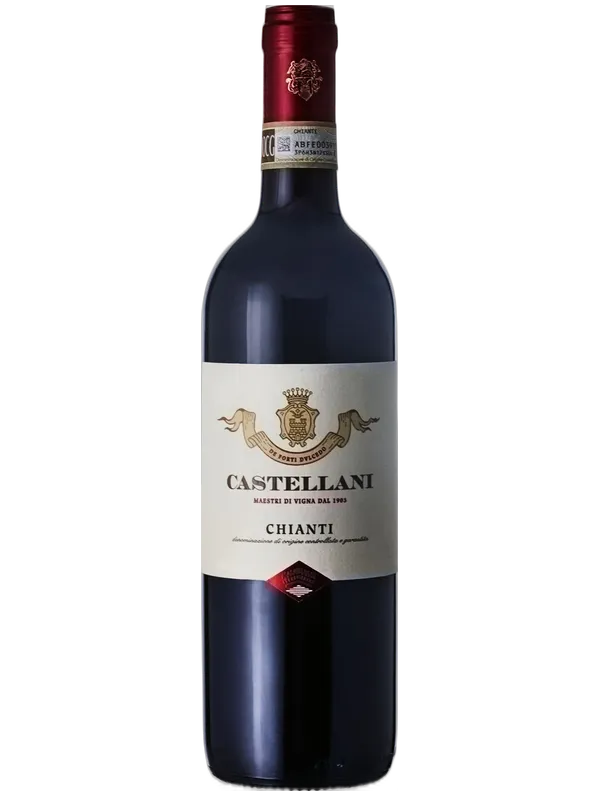
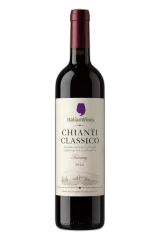
For a dish like Beef Chow Mein, with its savory and umami-rich flavors from the beef and stir-fried vegetables, a wine that's medium to full-bodied would be more appropriate. Tannins should be present but not overwhelming to avoid clashing with the savory flavors of the dish. A good level of acidity is still important to cut through the richness and refresh the palate.
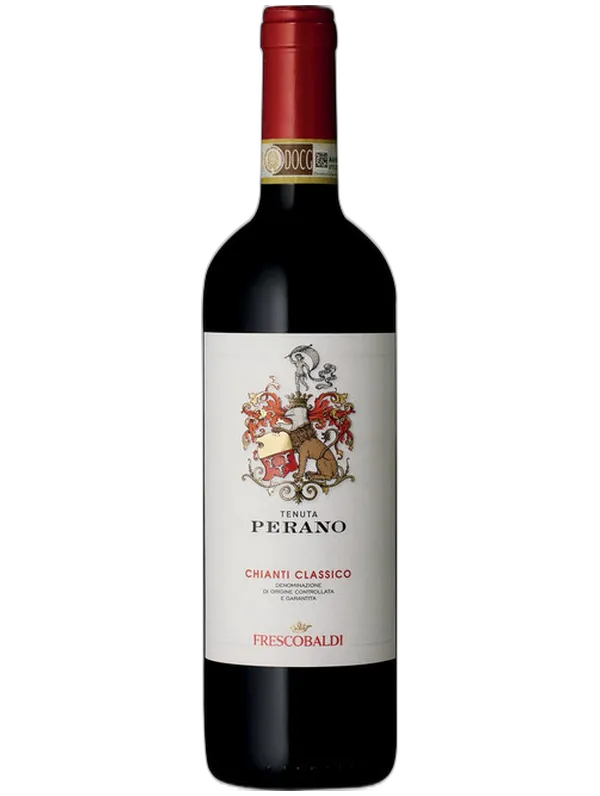
The alcohol content should be moderate to high to complement the dish's robustness. A Chianti Classico, which offers a balance of body, tannins, and acidity, could be a fitting choice. It has the structure to stand up to the beef while maintaining enough acidity to interact well with the overall savoriness of the dish.