Italian Islands

Sardinia Granite shores, salt-lit reds

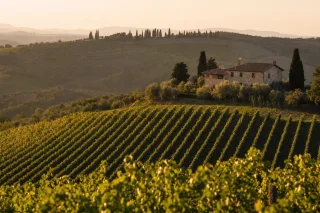
Granite-soil Vermentino in Gallura, schist-grown Cannonau in Ogliastra and bush-vine Carignano on the Sulcis sands: Sardinia bottles a Mediterranean profile no mainland region matches.

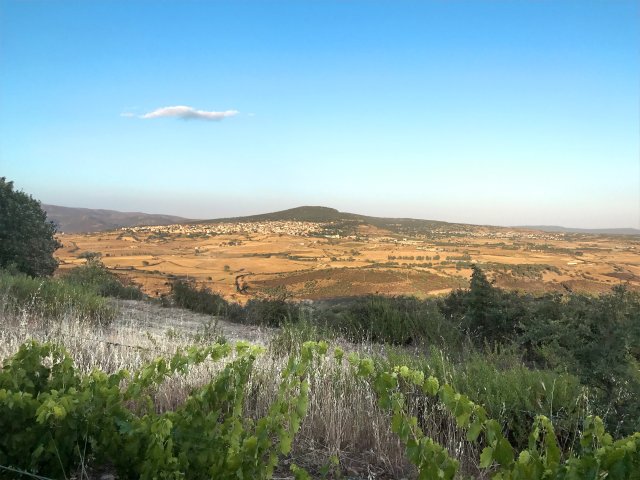
Sardinia stands apart from mainland Italian wine. The island's granite, schist and iron-red sands carry no limestone, the Mediterranean reaches almost every vineyard, and the grapes themselves arrived through Phoenician, Aragonese and Catalan trade rather than Roman expansion. The result is a portfolio that does not slot neatly into north or south. Cannonau, the local Grenache, is the most planted red. Vermentino di Gallura earned the island's only DOCG in 1996 and remains the benchmark Mediterranean white.

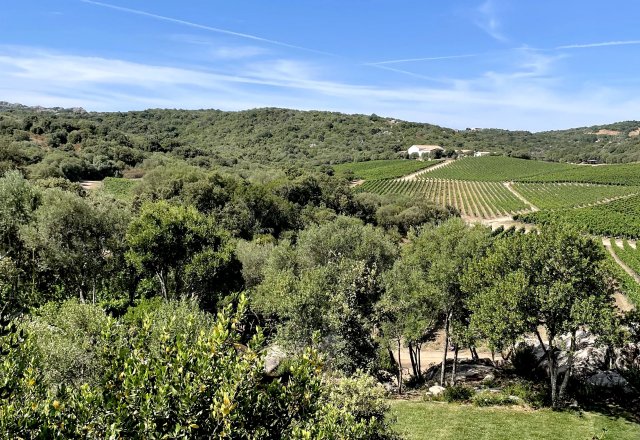
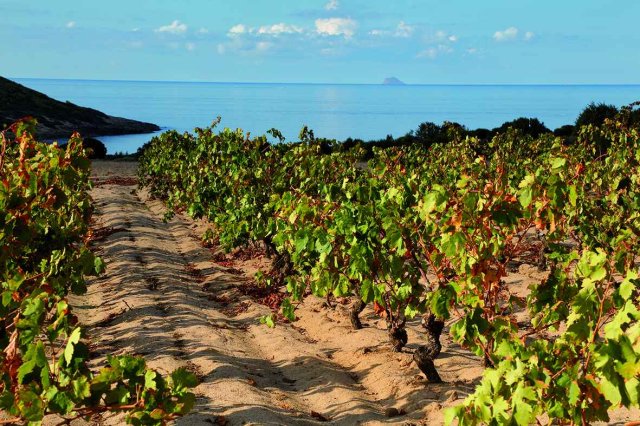
The wine map is shaped by geography. Granite Gallura in the north-east turns out the saline Vermentino. The schist-built Ogliastra and Mamoiada highlands hold the most serious old-vine Cannonau. The iron-sand Sulcis in the south-west grew Carignano on bush vines that escaped phylloxera. The Campidano plain frames the everyday whites and reds around Cagliari, while Oristano's Tirso valley keeps the flor-aged Vernaccia di Oristano alive.

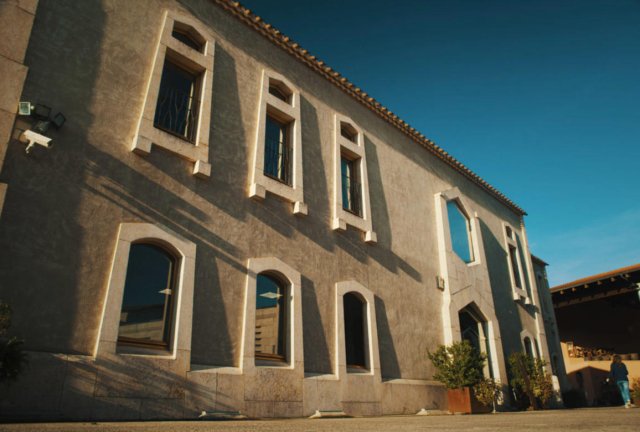
Anchor producers like Argiolas, Cantina Santadi, Capichera, Agricola Punica, Sella e Mosca and Contini define the modern reference points. Smaller artisans in Mamoiada, Atzara and Usini are pushing the next wave. Across all of them, the through-line is salinity: even the most powerful Cannonau finishes with a bracing sea-air lift that no other Italian region quite duplicates.
57
Wines in stock
36
Denominations
13
Heritage grapes
£10 +
Starting price
01 · Wine Areas7

Where Sardinia wine takes shape

The named places that explain the region's grapes, styles, and labels, plotted across the map.

01

Gallura

Granite-soil north-east, home of Italy's only island DOCG: Vermentino di Gallura.

Gallura sits in the north-east corner of Sardinia, between Olbia, Tempio Pausania and the Costa Smeralda hinterland. Decomposed granite soils plus Mediterranean breezes give the local Vermentino its signature taut citrus and saline lift. The DOCG was promoted in 1996 and remains the only one on the island. Anchor producers include Capichera, Cantina Sociale Gallura and Vigne Surrau.

02

Ogliastra and Baronia

Cannonau heartland on the wild Tyrrhenian coast east of the Gennargentu massif.

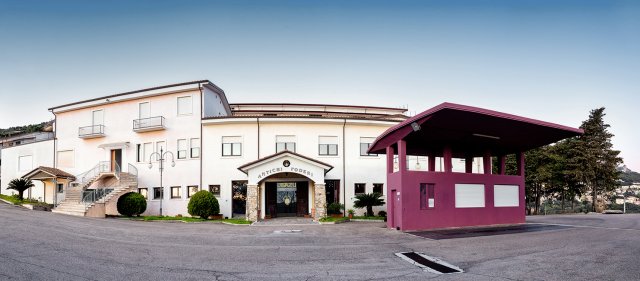
Ogliastra and the Baronia coast face the Tyrrhenian sea between Dorgali and Tortoli. Steep schist and granite hills shelter old-vine Cannonau, often head-trained and dry-farmed. Jerzu and Oliena are the reference towns; Antichi Poderi di Jerzu and Cantina Sociale Oliena define the regional style. Robust, perfumed, sometimes fortified.

03

Sulcis

Iron-red sands and bush-vine Carignano on Sardinia's deep south-west.

The Sulcis area, anchored on Carbonia, Santadi and the islands of Sant'Antioco and San Pietro, is built on sandy iron-rich coastal soils that escaped phylloxera. Many Carignano vines are over 80 years old and trained as alberello. Cantina Santadi and Agricola Punica produce the benchmark Carignano del Sulcis bottlings, including Terre Brune and Barrua.

04

Campidano

Wide central plain north of Cagliari, base for Nuragus, Monica and Nasco.

The Campidano runs from Cagliari up to Oristano, the largest stretch of flat farmland in Sardinia. Volcanic and alluvial soils suit the high-yielding Nuragus, the everyday Monica di Sardegna and the rare sweet Nasco di Cagliari and Moscato di Cagliari. Argiolas in Serdiana and Cantina di Mogoro lead the area.

05

Oristano and the Tirso valley

Coastal lagoons and sandy soils that ripen the oxidative Vernaccia di Oristano.

Around the Tirso river mouth and the Sinis peninsula, white Vernaccia is barrel-aged under flor in the same biological style that defines fino sherry. Contini's Antico Gregori is the cult bottle. The IGT Valle del Tirso and Tharros zones cover the surrounding hill country.

06

Mandrolisai and Barbagia

Mountain centre, where Cannonau, Bovale and Monica are co-fermented.

Mandrolisai DOC, in the inland villages of Sorgono, Atzara and Desulo, is one of Italy's few zones built on a mandatory red blend: Bovale Sardo, Cannonau and Monica together. Cool altitudes give floral, savoury reds that drink more like northern Italian field blends than southern monovarietals. Cantina del Mandrolisai is the cooperative anchor.

07

Alghero and Romangia

North-west coast where Catalan and modern producers share Torbato and Cagnulari.

Alghero and the Romangia hills above Sassari host both the historic estate of Sella e Mosca, replanting Torbato as a regional speciality, and small Usini growers championing Cagnulari. The Alghero DOC also covers fresh Cabernet and Chardonnay bottlings, a legacy of the area's nineteenth-century international plantings.

02 · Regional Guide6

Understanding Sardinia

Layered notes on terroir, history, label rules, taste, drinking window and where to start.

03 · Wines To Know6

What to drink from Sardinia

A short shortlist that maps the region: benchmark reds, signature whites and the labels worth a step-up.

04 · Heritage Grapes3

The grapes behind the bottle

3 curated guides with editorial content. Pronunciations, traits and the regional footprint of each variety.

Browse all grape guides

05 · Editor's Picks57

Wines from Sardinia

A starter selection from the catalogue. Pour them as a regional flight.

View all 57 wines

06 · La Tavola6

The table of Sardinia

Mountain, pasture and coast on one plate. Pour the regional wine alongside.

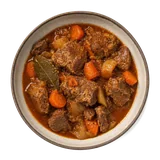
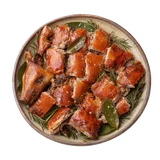
Sardinian food and wine were built for one another. Cannonau di Sardegna is the natural pour for porceddu, the spit-roast suckling pig that defines a Barbagia feast, and for aged pecorino sardo. Vermentino di Gallura, with its bitter-almond finish, lifts bottarga shavings over spaghetti and the sea-urchin pasta of the Sinis coast. Carignano del Sulcis, denser and graphite-edged, pairs with malloreddus alla campidanese or wild boar ragu. Sweet Moscato and Nasco bottlings from Cagliari close the meal alongside seadas, the honey-drizzled cheese pastry that finishes nearly every Sardinian table.

07 · On The Ground15

Explore Sardinia by place

Wine routes, towns and wineries to follow when you go.

Wine routes

Wine towns

Wineries to follow

08 · Common Questions9

Ask the sommelier

Quick answers about Sardinia. Numbers, denominations, food and what to start with.

Cannonau di Sardegna, the local face of Grenache, is the most planted red and the wine most international drinkers associate with the island. Vermentino di Gallura DOCG is the equivalent flag for whites, and the only DOCG on Sardinia.

Yes. Cannonau is the Sardinian name for Grenache, planted on the island for at least four centuries and quite likely longer. Locally it produces medium-bodied reds with cherry, dried herb and savoury depth, often higher in tannin than Spanish or Rhone versions.

Sardinia has one DOCG, Vermentino di Gallura, plus seventeen DOCs and fifteen IGTs. The DOCG was promoted in 1996 and remains the only one on the island.

Vermentino di Gallura works with bottarga, sea-urchin pasta and grilled fish. Cannonau is the natural pour for porceddu, the spit-roast suckling pig, and for pecorino sardo. Carignano del Sulcis pairs with malloreddus alla campidanese or game stews.

Late May through early October. September brings the harvest in Gallura and the Sulcis, October the cooler Mandrolisai. Many cellars close mid-July to mid-August or shift to short tasting hours, so book ahead.

An oxidative dry white aged under flor in chestnut and oak barrels, sometimes for decades. The closest Italian relative to fino sherry. Walnut, sea-spray and bruised apple notes; it is one of Italy's most singular wines.
We currently list 57 wines from Sardinia, starting from £9.90. Browse them all on our wines page.
We currently curate 3 active Sardinia grape guides, including Vermentino, Cannonau, Moscato. This is an editorial selection, not the complete regional grape list.

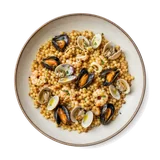
Sardinia is renowned for dishes including Fregula ai frutti di mare, Malloreddus alla Campidanese, Pecorino sardo e pan carasau, Porceddu.

09 · Keep Exploring

Your next pour

More of Italian Islands, with similar terroir and table.

Wine styles made in Sardinia

Italian Red wine

Red

Italy's boldest expression, structured, complex, built for food

20 wines 13 grapes 1 denominations From £10.80
Explore red
Italian White wine

White

Crisp and versatile, from alpine freshness to Mediterranean warmth

34 wines 13 grapes 1 denominations From £9.90
Explore white