Red Grape · Sardinia

Cannonau

Cannonau is Sardinia's flagship red, and it is Grenache: Spain's Garnacha, France's Grenache Noir, sun-warmed on the island into a herb-scented, wild-strawberry red of moderate tannin and high alcohol, and bound up with the Blue Zone longevity of its mountain heartland.

Grenache is a thin-skinned red grape grown across the Mediterranean, but in Italy it goes by the name Cannonau and rules the reds of Sardinia. Cannonau di Sardegna DOC is its hero appellation, producing warm, savoury reds with red-cherry fruit, Mediterranean herbs, and the sun-drenched alcohol of an island climate.

14
Bottles live now
9
UK retailers

Also known as

Same grape, many labels

Spain

Garnacha

The Spanish name, powerhouse of Priorat and a mainstay of Rioja. The textbook story has the Crown of Aragon carrying Garnacha to Sardinia during its long medieval rule of the island, though Sardinia disputes who planted it first.

France and the Rhone

Grenache Noir

The French name: the dominant grape of Chateauneuf-du-Pape and the southern Rhone, the G in a GSM blend and the red behind pale Provence rose. The same warm, red-fruited, high-alcohol vine as Cannonau, grown a sea away.

Sardinia

Cannonau

The Sardinian name, and the island's claim to the grape's origin: rather than a Spanish import, some argue Cannonau is native, pointing to charred grape seeds at Nuragic sites dated well over three thousand years old, long before Aragon arrived. The debate is unsettled.

The anchor fact: Cannonau, Spain's Garnacha and France's Grenache Noir are one and the same grape, one of the most widely planted red varieties on earth and the backbone of Chateauneuf-du-Pape and Priorat. On Sardinia it simply wears a Sardinian name, and Sardinians argue it wore one here first.

Taste · Where it sits

What it’s actually like in the glass

Forget scores out of five. Here’s Cannonau described against grapes you already know.

BodyWarm and full
LightFull

Full and warm rather than heavy, its weight coming from ripe Grenache fruit and 14-per-cent-plus alcohol, not from tannic muscle; richer than a Chianti Sangiovese but more supple than a brooding Aglianico.

TanninModerate and supple
SoftGrippy

Medium and rounded, the gentle Grenache grip: firmer than a plush Primitivo, yet a world away from the fierce, mouth-drying tannin of Nebbiolo or Aglianico, which is why Cannonau drinks so easily young.

AcidityFresher than it looks
SoftZippy

Medium acidity that keeps a warm, high-alcohol red surprisingly lifted, helped by the cold nights of the mountain interior; more freshness than a flat southern jug red, less nerve than an Etna Nerello.

Fruit & sweetnessBone-dry, red-fruited
DrySweet

Fully dry, and unmistakably red-fruited: wild strawberry and red cherry lifted by scrubby herbs, the fragrant Grenache signature rather than the dark, jammy sweetness of Primitivo or Nero d'Avola.

Key flavours

Cherry
Ripe red cherry rather than dark, plump and sun-warmed but kept dry, the plush fruit core that sets Cannonau apart from the black-fruited reds of the Italian mainland south.
Strawberry
The Grenache signature, and Cannonau's calling card: fragrant wild strawberry, red and open, the fruit that tells you this is Garnacha grown under a Sardinian sun.
Leather
A rustic, saddle-leather note from the old bush vines and the warm interior, growing with age in the Riserva bottlings as the young fruit turns savoury and Sardinian-wild.
Tobacco
Sun-cured pipe tobacco threaded with myrtle and macchia scrub, the savoury Sardinian-herb edge that keeps all that ripe red fruit honest.
Orange peel
A lift of dried blood-orange peel, the citrus-tinged high note Grenache throws in warm years, brightening the strawberry and stopping the wine from sitting heavy in the glass.
Black pepper
The warm-climate spice of Grenache: a rounded black-and-white pepper that rides over the red fruit, closer to the sun-baked pepperiness of a southern Rhone than to any northern Italian bite.
Structured · Tannic Soft · Approachable Light-bodied Bold · Full Sangiovese Nebbiolo Merlot Cabernet Sauvignon Corvina Cabernet Franc
Cannonau

The map

Cannonau is full-bodied, moderate grip, mapped against other red grapes you can buy. The closer a grape sits, the more its weight and grip resemble Cannonau.

Cannonaufull-bodied, moderate grip
Nebbiolofirmer
Merlotfirmer
Cabernet Sauvignonfuller, far more tannic
Corvinalighter

Is this for you?

An honest gut-check

Reach for it when…

A bold red that just works

  • You want Grenache with an Italian passport: the warm, red-fruited, high-alcohol charm of a southern Rhone or a Garnacha, but grown on Sardinian granite and scented with the island's wild herbs.
  • There is Sardinian food on the table, above all myrtle-scented roast porceddu or a pecorino-and-pane-carasau shepherd's plate, the flavours Cannonau was raised alongside.
  • You like a gently tannic, herb-and-strawberry red you can pour young and slightly cool, easier-going than a gripping Nebbiolo but with more spine than a plush Primitivo.

Maybe skip it if…

You’re after something else tonight

  • You want firm, age-for-decades grip: Grenache is supple by nature, so reach for Sardinia's own tannic Carignano-based Sulcis reds or a young Aglianico instead.
  • Alcohol warmth is not for you: Cannonau routinely reaches 14 per cent and beyond, and a Nepente di Oliena can hit 14.5, which you will feel.
  • You are chasing dark, jammy, black-fruited weight: that is Puglia's Primitivo or Sicily's Nero d'Avola, where Cannonau stays paler, red-fruited and lifted by herbs.

Serving guide

Pour it at its best

Serve at

16-18°C

Serve it slightly cool, 16 to 18C, so the 14-per-cent-plus warmth reads as generosity rather than heat and the wild-strawberry and myrtle aromatics stay lifted.

Decant

30 minutes

A short thirty minutes of air is plenty: Cannonau's tannin is supple, so a long decant is wasted, but a brief one blows off any warm-climate reduction and opens the red fruit.

Glass

Bordeaux Glass

A wide Bordeaux bowl gives the high alcohol somewhere to go and lets the herb-and-red-berry perfume spread rather than bunch up hot at the rim.

Drink within

3-4 days

Everyday Cannonau di Sardegna is at its best young, inside about three to four years, while the strawberry and red-cherry fruit is still vivid.

Cellar

5-10 years

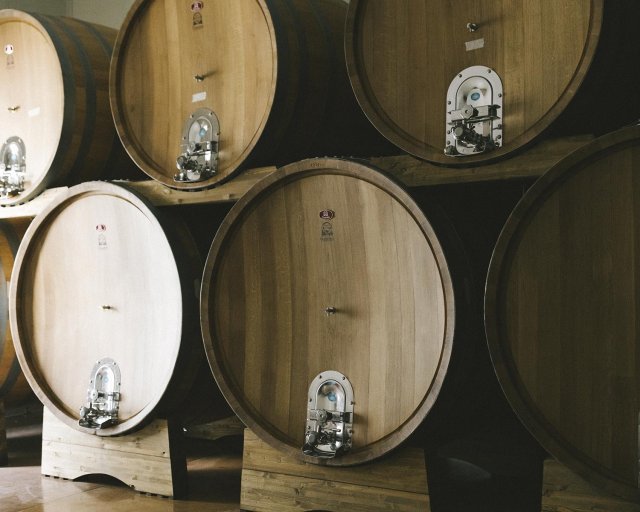
The Riserva and old-vine mountain bottlings, thicker-skinned and more structured, reward five to ten years, deepening into leather, tobacco and dried myrtle.

Buy it · three to start with

Not sure which bottle? Start here

A curated trio across the price range, then every Cannonau on sale in the UK right now.

Entry · everyday

Cannonau di Sardegna DOC 'Costera'

Cannonau di Sardegna DOC 'Costera'

Cannonau di Sardegna

1 retailer

£13.90

View Wine

Why this one: Argiolas, the Serdiana family estate that did more than anyone to drag Sardinian wine into the modern era, makes Costera as the honest island introduction to Cannonau: bright red cherry, a warm herbal lift and supple tannin, everything the grape is about for around fourteen pounds.

Special occasion

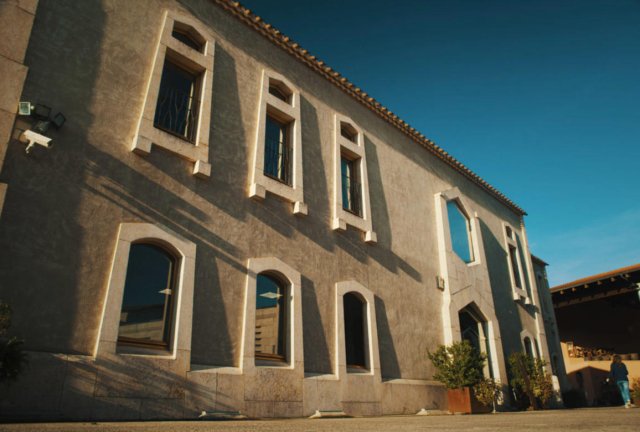
Tenute Sella & Mosca Cannonau di Sardegna Riserva

Tenute Sella & Mosca Cannonau di Sardegna Riserva

Cannonau di Sardegna

2 retailers

£18.00

View Wine

Why this one: Sella and Mosca, the grand historic estate outside Alghero, holds its Cannonau back as a Riserva: two years of ageing and a warmer, deeper build that trades some of the young strawberry for leather, tobacco and dried myrtle, the cellar-leaning face of the grape for a few pounds more.

10 bottles

Where it grows

Where Cannonau grows in Sardinia

Sardinia wine region

Sardinia

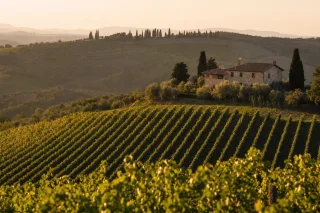
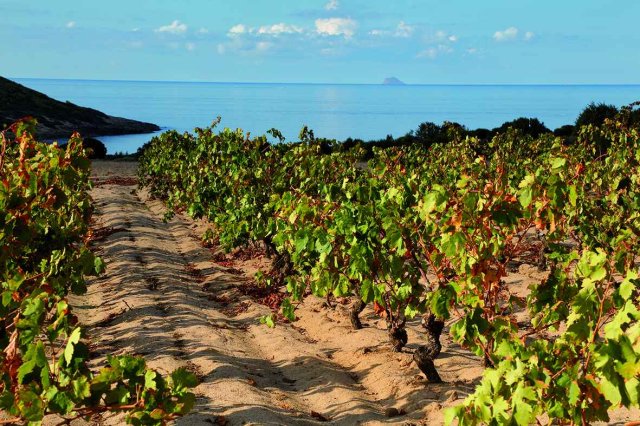
Granite-soil Vermentino in Gallura, schist-grown Cannonau in Ogliastra and bush-vine Carignano on the Sulcis sands: Sardinia bottles a Mediterranean profile no mainland region matches.

129 wines · 36 denominations
Explore the Sardinia guide

Editorial

About Cannonau

The history of Grenache has long been contested between Spain and Italy. Most ampelographers still place its origin in Aragon, where it spread south as Garnacha, but a strong case has been made for Sardinia: a Spanish viceroy may have carried Cannonau cuttings home rather than the other way around. What is certain is that the grape thrived on the island, and Sardinian Cannonau records reach back to at least the 14th century.

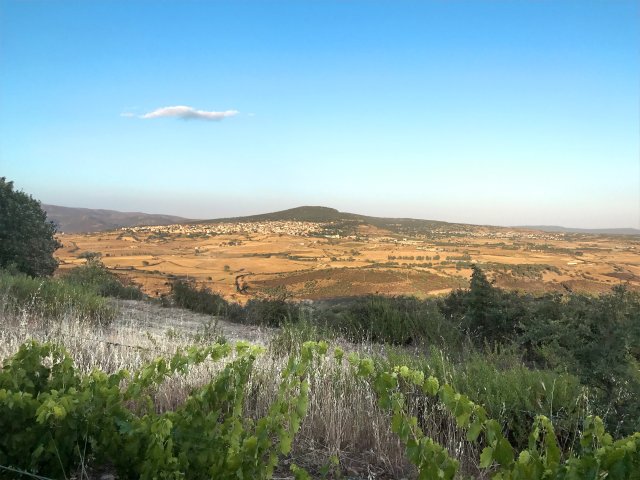
Cannonau is the everyday red of the Nuoro mountains, one of the original Blue Zones and home to one of the densest clusters of hundred-year-olds on earth; its thick-skinned, high-altitude grapes are widely credited with carrying two to three times the polyphenols of an ordinary red.

Sardinia's Blue Zone, Nuoro province

In Italy, Grenache is almost entirely a Sardinian story. Cannonau di Sardegna DOC covers the whole island, with the most concentrated wines coming from inland Nuoro and Ogliastra, where bush-trained old vines on granite and schist soils give wines of unusual depth. Lighter, fresher styles emerge from the Cagliari hinterland, while Mandrolisai DOC blends Cannonau with Bovale and Monica for a more savoury, herbal cuvée.

Stylistically, Grenache is thin-skinned and produces wines that are deeply coloured but only moderately tannic, with red-cherry and macerated strawberry fruit, Mediterranean scrubland, and warm spice. Alcohol routinely reaches 14.5 to 15.5 percent because the grape ripens slowly and accumulates sugar without losing its lift. Riserva bottlings of Cannonau di Sardegna spend at least two years in cask and gain notes of leather, tobacco, and dried herbs, while Cannonau Rosato turns the same fruit into a deeper-coloured rosé than most Provençal benchmarks.

Good to know

Frequently asked

Yes. Cannonau is the Sardinian name for Grenache, and they are genetically the same variety. The grape also goes by Garnacha in Spain. Cannonau di Sardegna DOC is the principal Italian appellation for the variety.

Cannonau pours a deep ruby and shows red cherry, macerated strawberry, and Mediterranean herbs on the nose, often with notes of leather and tobacco when aged. The palate is warm and savoury with moderate tannins, low to medium acidity, and alcohol that frequently reaches 14.5 to 15 percent.

There is no difference in the grape itself. Garnacha is the Spanish name, Grenache is the French and English name, and Cannonau is the Sardinian name. Local growing conditions and winemaking traditions create stylistic differences, but the variety is the same.

Cannonau matches slow-roasted and grilled meats, particularly Sardinian porceddu and lamb dishes. It also handles wild boar ragù, mature pecorino sardo, and stews seasoned with myrtle or rosemary. Lighter Cannonau Rosato pairs well with bottarga pasta and seafood couscous.

Yes. Grenache Blanc is a pale-skinned mutation grown mostly in southern France and Spain, and Grenache Gris is a pink-skinned mutation. Neither is significantly planted in Italy. The Italian story remains red Grenache, vinified almost entirely as Cannonau.

Explore by style

Wine styles made from Cannonau

Jump to the editorial guide for each style this grape turns up in.

Keep exploring

More red grapes

Sangiovese

Sangiovese (san-jo-vay-zeh) is the undisputed king of red wines in central Italy, virtually present in every area of the country Thanks to its many clones and surprising versatility, Sangiovese can create a wide range of wines: from young and fresh Chiantis to complex and full-bodied Brunellos.

Wines 438
Tannin
Body

Explore Sangiovese

Nebbiolo

Nebbiolo (Nay-bee-OH-lo) is a native Italian variety cultivated in the northern regions, whose name derives from the word “Nebbia” which is Italian for fog.

Wines 379
Tannin
Body

Explore Nebbiolo

Merlot

Merlot is a red grape with a serious Italian footprint: Bolgheri DOC, Bolgheri Rosso, Cortona DOC, Suvereto DOCG, Rubicone IGT and Montello Rosso DOCG form its Italian map.

Wines 205
Tannin
Body

Explore Merlot

Corvina

Corvina is the principal red grape of Verona's wine country, forming the backbone of Valpolicella DOC, Amarone della Valpolicella DOCG, and Recioto della Valpolicella DOCG.

Wines 96
Tannin
Body

Explore Corvina