





Ficulle
Castello della Sala
0.6 km off the line
View wineryYour cellar, your trips, and the wines you've been tracking are right where you left them.
New here?
Free, always. Education first, we'll never sell you anything you didn't ask to see.
Already have an account?
Enter the email you signed up with and we'll send a link to choose a new password.
Umbria · Wine route · 2 days
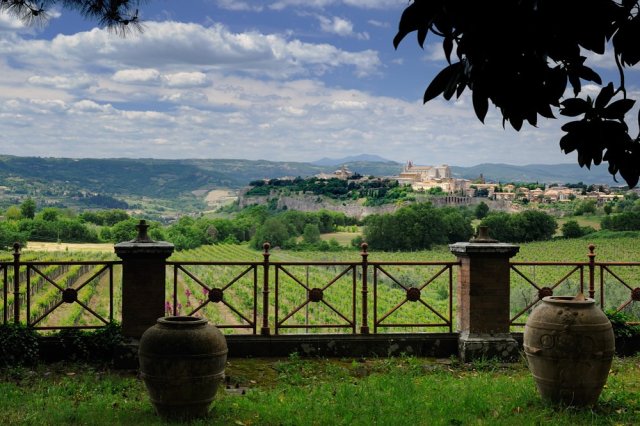
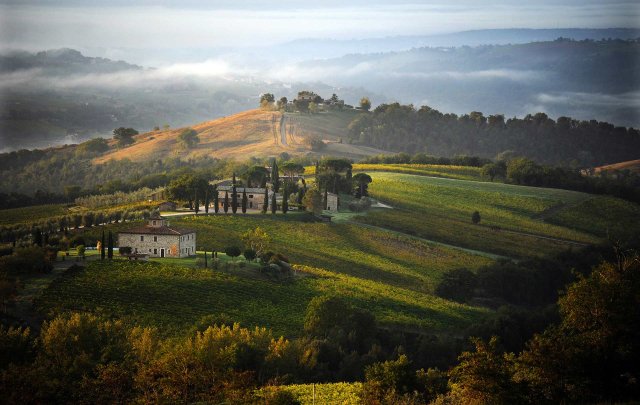
Why this drive: Orvieto is one of Umbria's best-known wines and the biggest in its province. The DOC dates from 1971. Its Procanico and Grechetto whites are 70 percent of everything the province of Terni bottles under a DOC. The Etruscans already called the city Oinarea, the place where wine flows. This loop is the wine road association's own itinerary through the hills that grow it, published as Nell'Eden del Vino and numbered from Castel Viscardo to Orvieto. In 104 kilometres it passes a cooperative of 400 growers, an estate in the clay badlands and a truffle town. Then a castle with cellars from the 1500s, and Antinori's Castello della Sala. It ends on the tufa rock, with two wells, an underground city and the regional enoteca.
The route, drawn
Tap a day in the legend to bring its legs forward. The map follows as you scroll the stops, and a press on any marker jumps to it.
Stop 1 · Bricks, a castle and the growers' cellar
Brick-making village 14 kilometres north-west of Orvieto, near the Alfina plateau, with the Monaldeschi castle of the Dukes of Montevecchio and the wine hamlet of Monterubiaglio.
What to taste here
Leave Orvieto on the SP 99 and SP 107, then the SP 45 climbs to the village: 14 kilometres, a quarter of an hour. The castle was a Monaldeschi stronghold until the 1500s. The village still fires bricks by hand in its old kilns, and the Museo del Cotto tells that story; the bricks go to restore monuments. At Caldane, just outside, about thirty Etruscan tombs from the 500s BC lie open to the air. Monterubiaglio, one of the comune's four hamlets, is the wine village. Cantine Monrubio, the growers' cooperative founded there in 1957, has over 400 members and 1,300 hectares of vines across Umbria and upper Lazio. It bottles Dieci Gradi Orvieto Classico and the Soana and Coriglia Classico Superiore. On the night of San Lorenzo, 10 August, the hamlet pours its wine under the shooting stars. Phone the cooperative on 0763 626064 before you count on the shop being open.
Where to taste
 Tastings from €28 · 90 minutes
 Booking required
1 more estate within reach of Castel Viscardo, all of them on the map.
Stop 2 · Clay badlands and an Art Nouveau villa
Walled village of 1275 in beech and holm oak woods, one of Italy's listed most beautiful villages. Villa Cahen sits in the state forest nearby, and the Argillae estate in the clay badlands towards Ficulle.
What to taste here
The SP 45, SP 48 and SP 49 run north through the woods, 16 kilometres. The Monaldeschi and Filippeschi families walled Allerona in 1275, and two gates survive, the Porta del Sole and the Porta della Luna. Villa Cahen is the Art Nouveau villa the Antwerp financier Edouard Cahen built in the Selva di Meana forest in the late 1800s. The culture ministry lists it as closed, with visits on request through the forestry office on 0763 628237. The Pugnaloni, small allegorical carts of farm life, parade on 15 May and sit in a permanent exhibition the rest of the year. Argillae, at Vocabolo Pomarro 45, farms 220 hectares of clay and sand between Allerona and Ficulle, cut by the gullies the locals call calanchi. It opens Monday to Saturday 9 to 7, Sundays by reservation, sells its tastings online or by phone, and will send a shuttle from Orvieto if you ask. Vineando, the village wine fair, was held on 26 and 27 September 2026.
Stop 3 · The truffle stop
Hill village with a castle above the motorway exit of the same name. It is the truffle town of the loop: black and white truffles from November, and the national truffle fair at Fabro Scalo.
What to taste here
The SP 49, SP 50 and SP 108 take 25 minutes for 20 kilometres of ridge. Fabro is one of the thirteen Umbrian towns allowed to label Orvieto DOC, but you stop for what grows under the oaks. In November the black and the white truffle take over the tables, with mushrooms, asparagus and woodland berries through the season. The national truffle fair fills Fabro Scalo in the valley for a weekend, 8 to 10 November in 2024. The Fabro motorway exit is the quickest way onto this loop from Florence; the Orvieto exit serves it from Rome.
Stop 4 · Castle cellars and the ideal city
The loop's northern point. The Misciattelli family's Castello di Montegiove has cellars from the 1500s and three apartments to sleep in. La Scarzuola is the Franciscan convent with Tomaso Buzzi's ideal city built beside it.
What to taste here
Down to the SS 71 and up again on the SP 15, SP 60 and SP 59, 17 kilometres. Castello di Montegiove is at Via Beata Angelina 1 in the hamlet of Montegiove. The Misciattelli family has owned it since 1780, and it farms nearly 1,200 hectares. The cellar tour lasts about two hours and ends with the castle's reds beside local cheese, salame and bread. It runs for groups of about eight, on reservation only, phone 0763 837473. The castle grows Montepulciano, Sagrantino, Sangiovese and Merlot. It lets three restored apartments in its 13th-century guest house, which makes this the natural night stop. La Scarzuola is the Franciscan convent tied to the saint himself, with the architect Tomaso Buzzi's theatrical ideal city built beside it. The Buzzi foundation runs it, so write to [email protected] before you go. Agriturismo Il Colombaio, on the Parrano road, is the table.
Where to taste
Booking required
Where to eat
Ristorante Il Colombaio. Località Colombaiolo, Via di Parrano, the agriturismo's own restaurant; antipasti 14 euro, first courses 10 to 18; book on 0763 960100
Stop 5 · Warm springs, no cellar
Tiny hill village above the Chiani valley, with warm springs in the Tane del Diavolo caves and a documentation centre on the territory. It is the one stop on the loop without a cellar door.
What to taste here
Day two starts south on the SP 58 and SP 52, 15 kilometres of empty road. Parrano sits outside the Orvieto DOC boundary, so what you drink here is labelled Umbria IGT or comes from the hills either side. The Tane del Diavolo, the Devil's Dens, are caves below the village where warm thermal water runs. The Centro di Documentazione Territoriale explains the rock. The vineyards up here are high and stony, planted where the microclimate allows.
Stop 6 · Potters' village and Antinori's castle
Medieval ridge village of potters above the motorway valley. The Castello della Sala, Antinori's 1350 castle estate, is seven kilometres away, and the organic Vitalonga estate is at Montiano.
What to taste here
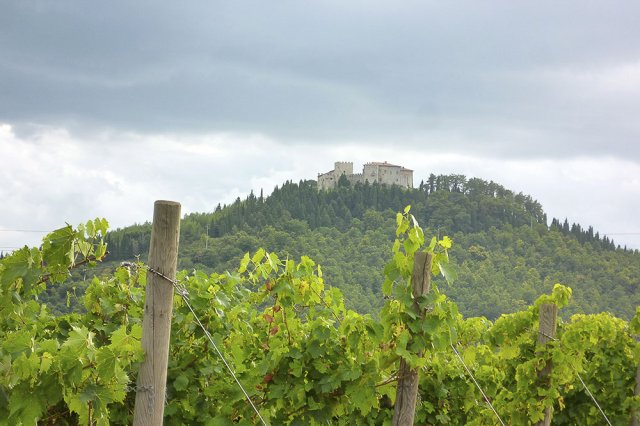
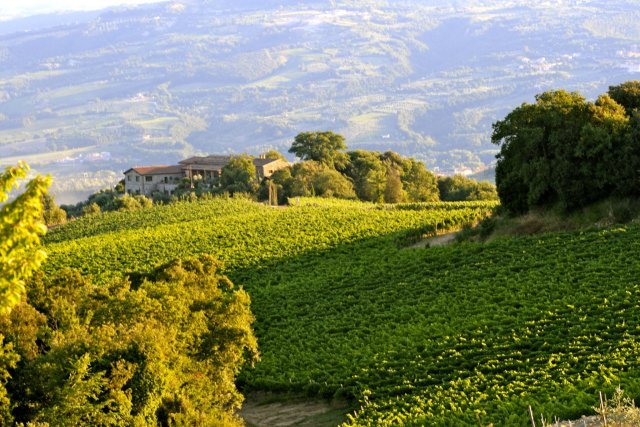
The SS 71 south from Parrano is 12 kilometres of bends that take half an hour. Ficulle keeps two fortresses, the church of Santa Maria Vecchia and the Castel Maggiore complex inside its walls. It still turns terracotta on the wheel: plates, cooking pots and the panata, the old measure for wine in the cellars. The Castello della Sala, 7 kilometres south on the SP 51, was built in 1350 by Angelo Monaldeschi della Vipera. Marchese Niccolò Antinori bought it with 29 farms and 483 hectares. It stands at 400 metres, looking down on the river Paglia. Its wine shop, beside the medieval cellars, opens Monday to Friday 9 to 1 and 2 to 5, and Saturday 10 to 1. Reserve in advance at [email protected] or on 0763 86051. Vitalonga, at Strada Montiano 8, is organic, offers cellar visits and tastings and lets the Casale Vigneria guest house, phone 0763 836722.
Where to taste
Tastings from €40 · About 30 minutes
Booking required
Booking required
1 more estate within reach of Ficulle, all of them on the map.
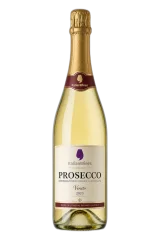
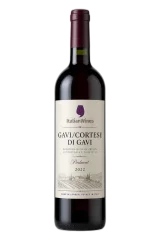
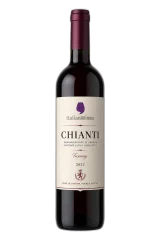
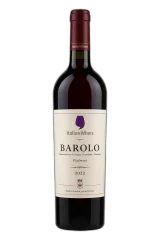
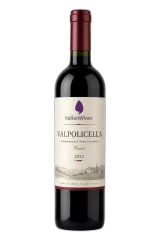
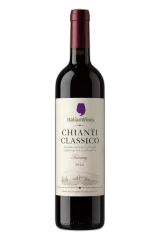
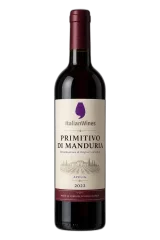
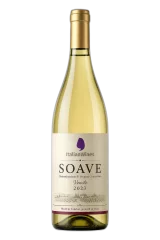
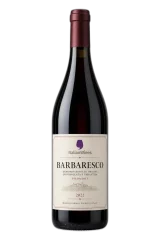
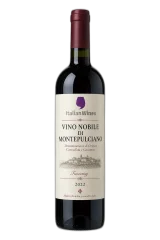
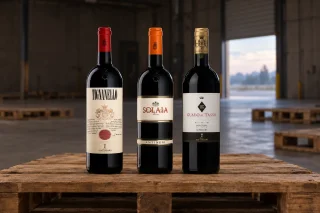
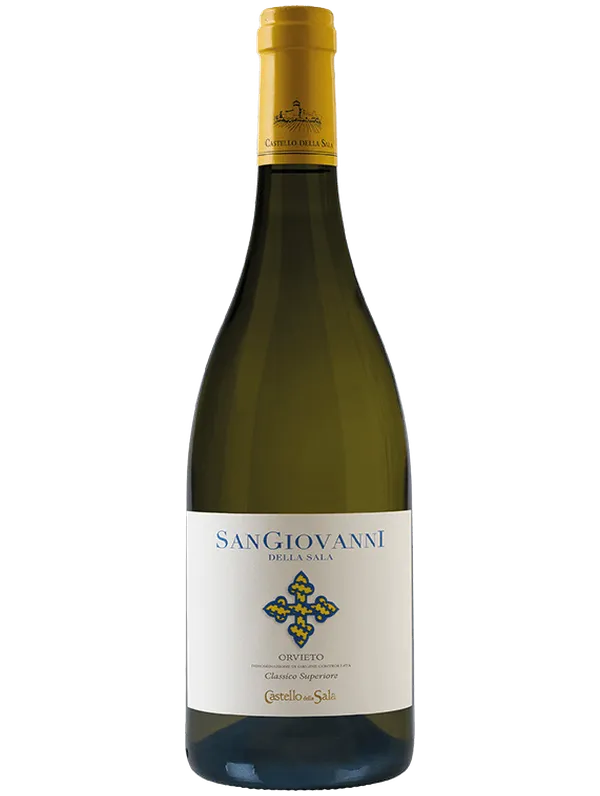
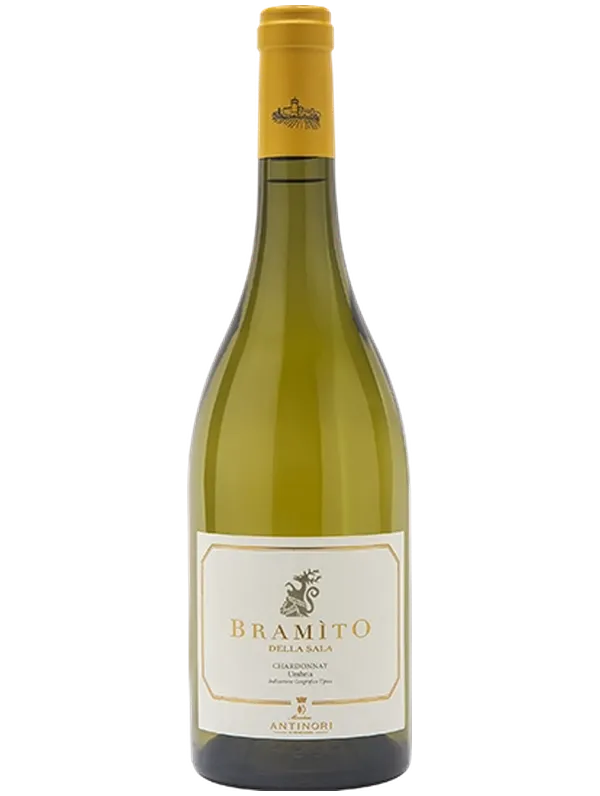
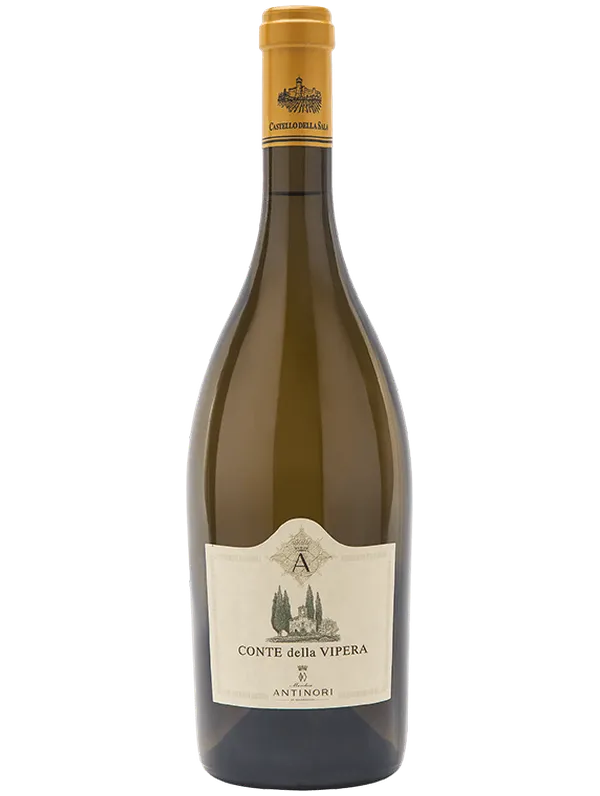
Wines to Try
A few wines from the estates above.
Stop 7 · The end, on the rock
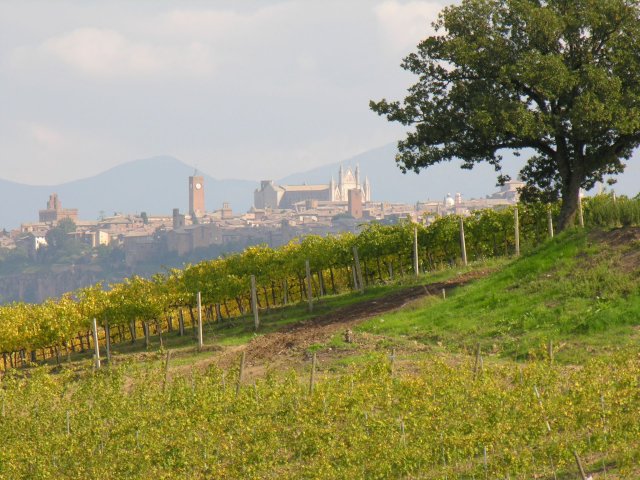
The end of the loop, on the tufa rock. The Duomo, two wells, the Etruscan caves under the streets, the regional enoteca in a convent, and the Orvieto Classico the whole road is named for.
What to taste here
The SS 71 and SP 56 drop 23 kilometres to the rock in 25 minutes. Park at Campo della Fiera, 1.50 euro an hour, and ride the free Ripa Medici lift or the escalators up. Five camera gates guard the centre. The Etruscans called the city Oinarea, the place where wine flows. They cut three levels of cellar into the tufa for pressing, ageing and storing it. Orvieto Underground leaves Piazza Duomo 23 at 11, 12.15, 4 and 5.15 every day but 25 December, 10 euro. The Pozzo della Cava at Via della Cava 28 shows an Etruscan well, medieval kilns and the big cave for 5 euro. The Pozzo di San Patrizio on Viale San Gallo costs 6 euro and opens 9 to 6.45 in spring and autumn. Luca Signorelli's contract for the San Brizio chapel frescoes in the Duomo gave him as much Orvieto wine as he wanted. The Enoteca Regionale dell'Umbria sits in the cellars of the Convento di San Giovanni. Barberani's own shop is at Via Maitani 1, by the Duomo, open daily 10 to 7. Umbria Jazz Winter runs from 30 December 2026 to 3 January 2027.
Where to taste
3 hours
Booking required
Booking required
3 more estates within reach of Orvieto, all of them on the map.
Where to eat
Trattoria del Moro Aronne. Via San Leonardo 7; pasta and puddings made in house; closed Tuesday; bookings by phone only, 0763 342763
Before you go
Visit prices are set by the winery and availability should be checked before travelling. Bookings open on the estate page or the provider's site.
When to go
At Barberani the Orvieto whites are picked from late August to October: Castagnolo in August and September, Luigi e Giovanna in September and October. The noble-rot grapes for its Calcaia take five or six passes through November and December, after the valley fogs have done their work. Vineando, Allerona's wine fair, falls at the end of September, 26 and 27 September in 2026. November brings the black and white truffles, and the national truffle fair at Fabro Scalo, 8 to 10 November in 2024. Earlier in the year, Allerona's Pugnaloni carts parade on 15 May. Orvieto carries the Bolsena corporal through the streets at Corpus Domini in June. Monterubiaglio pours wine under the shooting stars on 10 August, the night of San Lorenzo. Orvieto joined Le Notti del Vino for the second year on 22 August 2026, and Umbria Jazz Winter fills the town from 30 December 2026 to 3 January 2027. The Castello della Sala shop keeps office hours and shuts on Saturday afternoons and Sundays.
Booking reality
One estate on this loop has visit data in our records: the Castello della Sala lists its wine shop tasting, and it is not bookable online. Read on the estates' own sites for this page: the Sala shop opens Monday to Friday 9 to 1 and 2 to 5, and Saturday 10 to 1. It asks for an advance reservation at [email protected] or on 0763 86051. Argillae at Allerona opens Monday to Saturday 9 to 7, Sundays by reservation, and sells its tastings online or books them by phone and email. Castello di Montegiove runs a two-hour cellar tour for groups of about eight, on reservation only. Vitalonga at Ficulle takes cellar visits and tastings on request. In Orvieto, Barberani's shop at Via Maitani 1, by the Duomo, tastes and sells over the counter daily from 10 to 7, no booking needed. The twelve partner tours in our data that start from Orvieto do book online, Tenuta Le Velette's tasting among them.
Driving notes
The loop starts and ends in Orvieto. The SP 99, SP 107 and SP 45 reach Castel Viscardo in 14 kilometres and a quarter of an hour. From there the SP 45, SP 48 and SP 49 go north to Allerona. The SP 49, SP 50 and SP 108 follow the ridge to Fabro. A dip to the SS 71 and the SP 15, SP 60 and SP 59 climb to Montegabbione. Day one is 53 kilometres. Day two takes the SP 58 and SP 52 south to Parrano. The SS 71 on to Ficulle is 12 kilometres of bends that take half an hour. The SS 71 and SP 56 then drop to Orvieto: just over 50 kilometres in all. The A1 exits at Orvieto and Fabro bracket the whole loop. Fill the tank in the valley before you climb: all seven stops are hill villages. Orvieto's centre has five camera gates, so park at Campo della Fiera or Via Roma. Or leave the car at Piazza della Pace by the station and take the funicular up. In the villages, leave the car below the walls.
ZTL
Orvieto's centre has two zones with five camera gates. Three run around the clock: Corso Cavour at the Teatro Mancinelli, Corso Cavour at Piazza della Repubblica, and Piazza del Popolo. The Corso Cavour and Piazza Cahen gate runs 10 to 4 and 5 to 10.30 in the evening. It works every day from 1 April to 30 September, and from October to March on holidays and on Umbria Jazz Winter days. The Via Maitani gate by Piazza Febei works on holidays only: 10 to 6 from mid-September to mid-June, and 10 to 7 plus 9 in the evening to 1 at night in summer. Park at Campo della Fiera, 1.50 euro an hour on three levels. The free Ripa Medici lift runs from 7 in the morning to 2 at night, and the escalators until 9 in the evening. The covered Via Roma car park costs the same. Piazza della Pace in Orvieto Scalo is free, with the funicular up to Piazza Cahen every 10 to 15 minutes. Piazza del Popolo closes to parking on Thursday and Saturday mornings for the market. The six villages have no cameras: leave the car below the walls. A camera fine on a hire car follows you home months after the trip.
Getting a car
Orvieto's station is on the Rome to Florence railway, and a funicular runs from the station square to Piazza Cahen. The town itself needs no car. For the loop, drive up the A1 from Rome and leave it at the Orvieto exit, 14 kilometres from the first stop. From Florence, use the Fabro exit. Argillae will send a shuttle from Orvieto for its tasting if you ask, which covers one estate without a car. Twelve bookable tours in our data start in or near Orvieto. One is a day trip from Rome with the underground city and a winery. Another is a tasting at Tenuta Le Velette, a member estate. Inside Orvieto the car is a liability: leave it at Campo della Fiera or at the station and walk.
Leave the driving out
Some booking links earn italianwines.co.uk a commission. This never affects price or what we recommend.
Tours in this wine area
Nearby, not the route itself
10:45 AM - Free pickup 11:00 AM - Tour of the winery and the Etruscan caves 11:30 a.m.: Tasting of 4 wines, Orvietana lumachella cheese, pizza, and local cured meats a...
Explore a historic tufa cellar in Orvieto and enjoy a wine tasting experience. Sample 3 wines, including a sweet Vin Santo, and pair local food, like cured meats, chee...
A few kilometers from the charming historic center of Orvieto, a fascinating guided tour awaits you to discover the most iconic and refined wines of our winery. Guided...
Where to sleep on the route
5 estates on this road have rooms.
Before you ask
No. It is an association that publishes four itineraries, and this page follows its wine one. The association was founded under the regional wine road law, number 38 of 22 December 1999, and its 2001 regulation, with offices at Via Cipriano Manente 7 in Orvieto. Its members include the towns of Ficulle, Castel Viscardo and Narni and 17 wineries, from Antinori's Castello della Sala to Zanchi at Amelia. Nell'Eden del Vino, the wine itinerary, has seven numbered stops from Castel Viscardo to Orvieto. The other three cover the Tiber and Lake Corbara, the hidden country between Amelia and Todi, and the river valleys from Attigliano to Acquasparta.
About 104 kilometres and two and a half hours of driving, over two days. Day one is 53 kilometres from Castel Viscardo to Montegabbione, day two 50 kilometres from Parrano down to Orvieto. Orvieto to the first stop is another 14 kilometres, a quarter of an hour. In one day, do Castel Viscardo, Allerona, Ficulle and the Castello della Sala, then Orvieto.
Yes, at Barberani's shop at Via Maitani 1 in Orvieto, by the Duomo, open daily 10 to 7. Every estate on the loop wants notice. Argillae opens Monday to Saturday 9 to 7 and sells its tastings online or by phone; Sundays need a reservation. The Castello della Sala shop opens Monday to Friday 9 to 1 and 2 to 5, and Saturday 10 to 1. It asks for an advance reservation by email or on 0763 86051. Castello di Montegiove runs its two-hour cellar tour for groups of about eight, on reservation only. Vitalonga at Ficulle takes visits and tastings on request.
In Orvieto, at Campo della Fiera, 1.50 euro an hour, with a free lift and escalators up to the town. The covered Via Roma car park costs the same. Piazza della Pace by the station in Orvieto Scalo is free, and the funicular runs up to Piazza Cahen every 10 to 15 minutes. Five camera gates watch the centre. The six villages have no cameras, so park outside the walls.
From late August to October for the whites: Barberani picks its Castagnolo in August and September and its Luigi e Giovanna in September and October. The noble-rot grapes stay on the vine into November and December. Vineando, Allerona's wine fair, was on 26 and 27 September 2026. November is truffle season, with the national fair at Fabro Scalo, held on 8 to 10 November in 2024. Umbria Jazz Winter fills Orvieto from 30 December 2026 to 3 January 2027.
A white from Procanico and Grechetto grapes, at least 60 percent of the blend, grown in 13 Umbrian towns and five in Lazio. The DOC dates from 1971 and makes up 70 percent of the province of Terni's DOC wine. Classico comes from the historic zone round the rock, and Superiore needs 12 degrees of alcohol and three months' rest. It is made dry, abboccato, amabile and sweet, as a late harvest, and as Muffa Nobile from grapes attacked by noble rot.
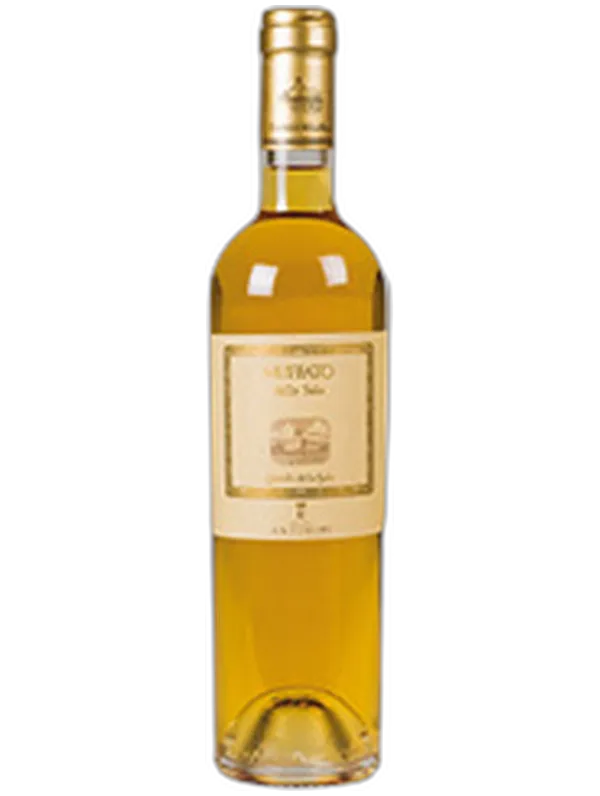
A sweet Orvieto from grapes left on the vine for Botrytis, the noble rot the autumn fogs bring. They are picked late: Barberani needs five or six passes through November and December for its Calcaia. The Orvieto DOC is the only one in Italy that writes the style into its rules, and Calcaia is its best-known example. Antinori makes the same kind of wine at the Castello della Sala, the Muffato della Sala, and bottles it as Umbria IGT. Both pour gold turning amber and go with aged pecorino and honey.
East, on the association's Tiber itinerary: Corbara, Baschi with the Barberani estate, Montecchio, Alviano, Guardea and Lugnano in Teverina, round Lake Corbara. South lie Amelia and Narni, the Ciliegiolo country of the Amelia DOC. The Strada del Sagrantino at Montefalco, 66 kilometres east, is the region's other drive on this site. The Cantico road runs from Torgiano towards Perugia.
2 days
Two days from Foligno to Spoleto through the four towns of the Sagrantino wine road association, with a night in Montefalco between the copper Cara...
Take it with you
They land in a trip named after the route, in drive order. Reorder them, drop one, add a night, before you book anything.
You'll need to sign in, and we bring you straight back to this route.



 0
0