






 51
51




€39
Median starting price
Across 138 priced experiences. The cheapest opens at €5, the most expensive at €310.
Your cellar, your trips, and the wines you've been tracking are right where you left them.
New here?
Free, always. Education first, we'll never sell you anything you didn't ask to see.
Already have an account?
Enter the email you signed up with and we'll send a link to choose a new password.
Plan wine tours in Italy with 207 winery profiles. Compare regions, tasting rooms, cellar tours, restaurants, stays, booking details, and wines from notable Italian estates.
 Veneto
Fossalta di Piave
Veneto
Fossalta di Piave
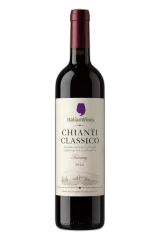
A wine house near Venice, founded 1928, that buys and blends across Italy. Home of Doppio Passo and Gran Passione.
 Primitivo
 Glera
Pinot Grigio
Glera
Pinot Grigio
 Est. 1925
Veneto
Verona
Est. 1925
Veneto
Verona
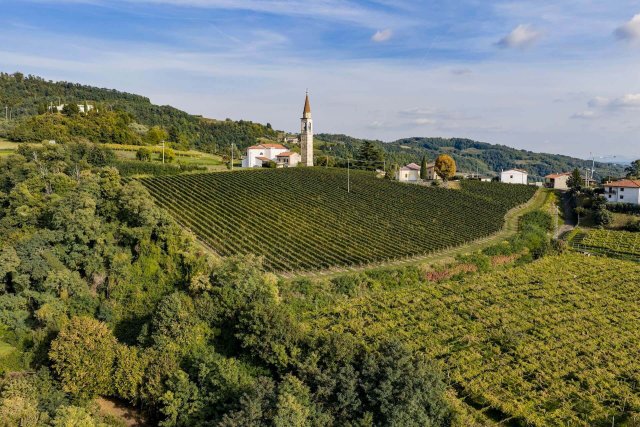
Founded in 1925 by four brothers from Puglia, Pasqua is Verona's self-styled house of the unconventional. The range pairs Amarone della Valpolicella with the Hey French multivintage white and the 11 Minutes rose. Tastings can be booked at its art-filled headquarters.
Corvina
Corvinone
Rondinella
 Est. 1995
 Sicily
Menfi
Sicily
Menfi
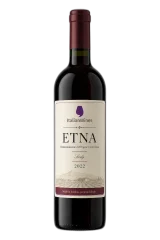
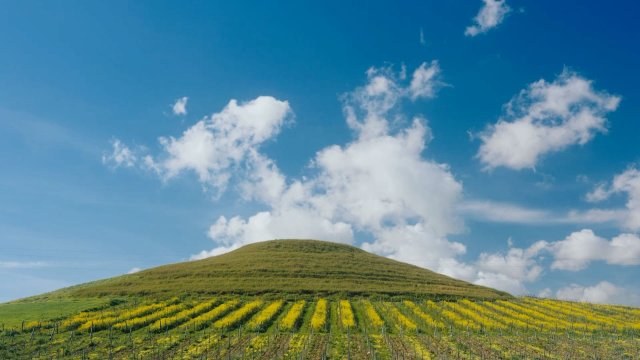
Planeta is one of Sicily's most influential wine families. Farm records place the family on the island from 1694, and the modern wine project began at the Ulmo estate near Menfi in 1995. The linked bottle range currently centres on Sicilia DOC, Etna DOC and Menfi DOC, with grapes such as Nero d'Avola, Carricante and Chardonnay.
Nero d'Avola
Cabernet Franc
Carricante
 Tuscany
Firenze
Tuscany
Firenze
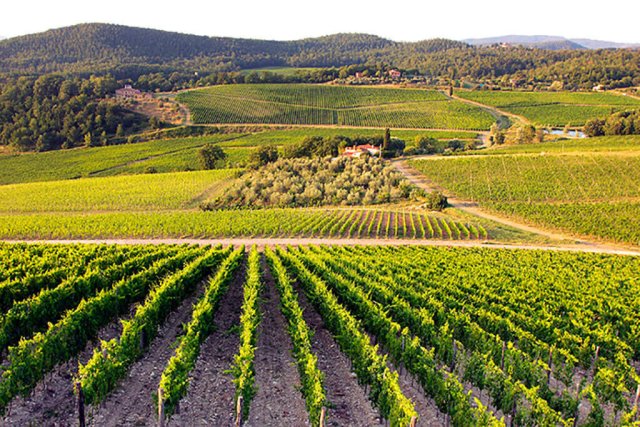
A 30th-generation wine family with nine estates across Tuscany, from the Chianti Rufina hills to the Maremma coast. Its bottles run from Chianti DOCG and Pomino DOC to Brunello di Montalcino DOCG, with grapes such as Sangiovese, Chardonnay and Canaiolo.
Sangiovese
Merlot
Pinot Nero
 Est. 2008
Sicily
Gibellina
Est. 2008
Sicily
Gibellina
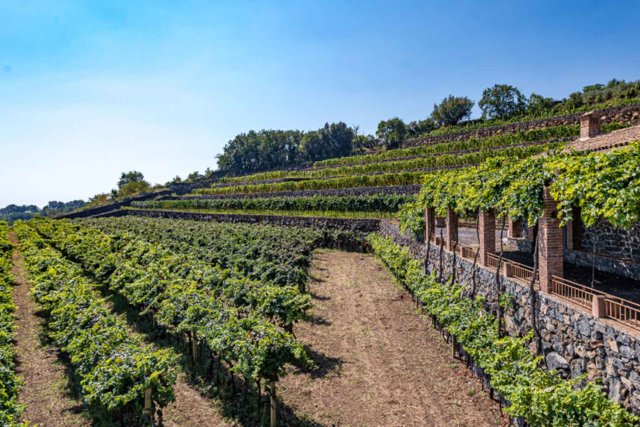
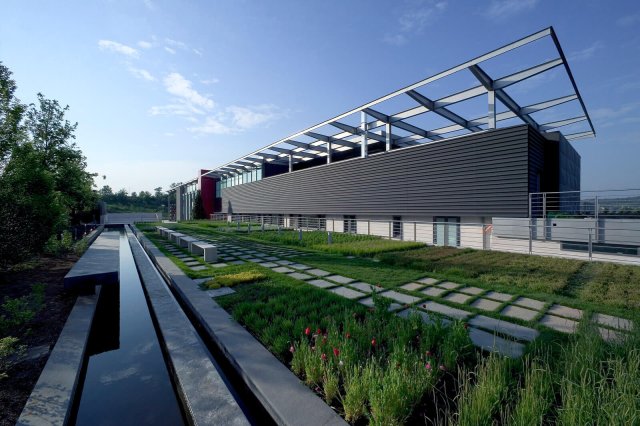
Wine and art share a cellar in Gibellina: tastings run beside artist-painted barrels, and a share of every bottle funds the town's art foundation.
Nerello Mascalese
Nero d'Avola
Zibibbo
 Est. 1986
 Campania
Sorbo Serpico
Campania
Sorbo Serpico
Feudi di San Gregorio is the largest family-owned winery in southern Italy, set above the hills of Irpinia at Sorbo Serpico near Avellino. The bottle range here centres on Fiano di Avellino DOCG, Campania IGT and Falanghina del Sannio DOC, with grapes such as Aglianico, Falanghina and Fiano.
Aglianico
Greco
Fiano
 Est. 1962
 Puglia
San Marzano S. G.
Puglia
San Marzano S. G.
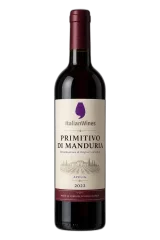
A co-operative in the centre of the Primitivo di Manduria zone, between Salento's two coasts. Nineteen growers started it in 1962, and the first bottling line arrived in 1996. Its Sessantanni, from bush-vines over sixty years old, put Puglian red wine on the world map.
Primitivo
Negroamaro
Chardonnay
 Est. 1385
Tuscany
Firenze
Est. 1385
Tuscany
Firenze
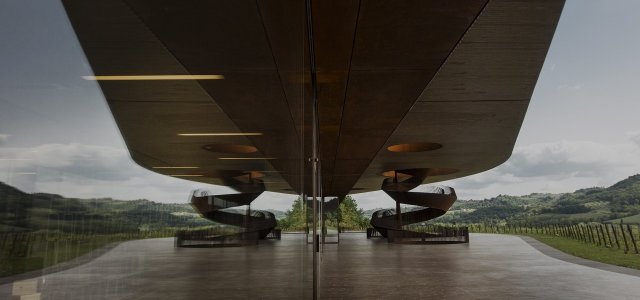
Spanning 26 generations since 1385, Marchesi Antinori is the oldest continuously family-run wine business in Italy. Its nine estates make Chianti Classico, Bolgheri reds and the Super Tuscans Tignanello and Solaia.
Sangiovese
Merlot
Syrah
 Est. 1830
Sicily
Sclafani Bagni
Est. 1830
Sicily
Sclafani Bagni
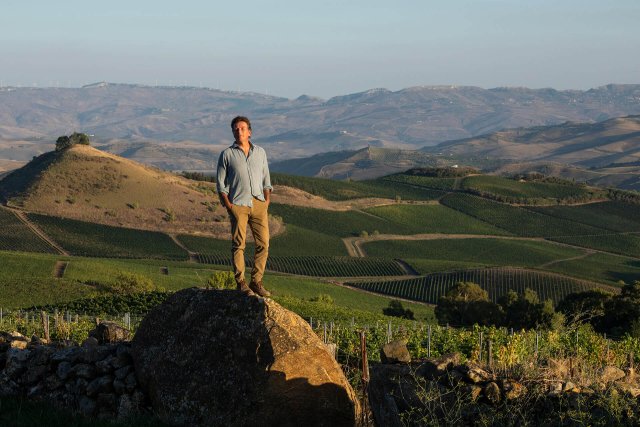
Eight generations at the 550 hectare Tenuta Regaleali since 1830, plus Etna contrada wines, Capofaro's Salina Malvasia and B Corp certified farming. Visits at Regaleali and Tascante, rooms and dining at the Capofaro resort.
Nerello Mascalese
Nero d'Avola
Perricone
 Trentino-Alto Adige
Termeno
Trentino-Alto Adige
Termeno
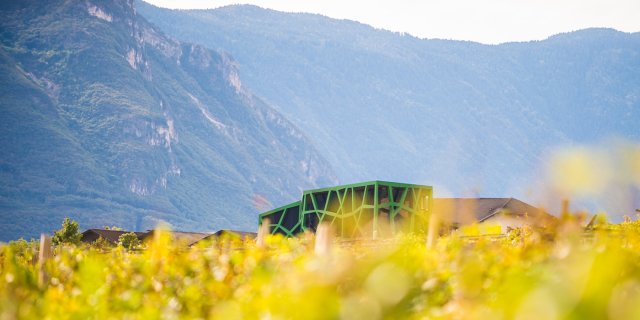
A 160-family cooperative founded in 1898 in Termeno, the Alto Adige village that gave Gewürztraminer its name. Long-time winemaker Willi Stürz leads a range topped by Nussbaumer, Stoan, Troy Chardonnay Riserva and Epokale, the Gewürztraminer that earned 100 Wine Advocate points with its 2009 vintage.
Gewürztraminer
Lagrein
Pinot Nero
 Veneto
Negrar di Valpolicella
Veneto
Negrar di Valpolicella
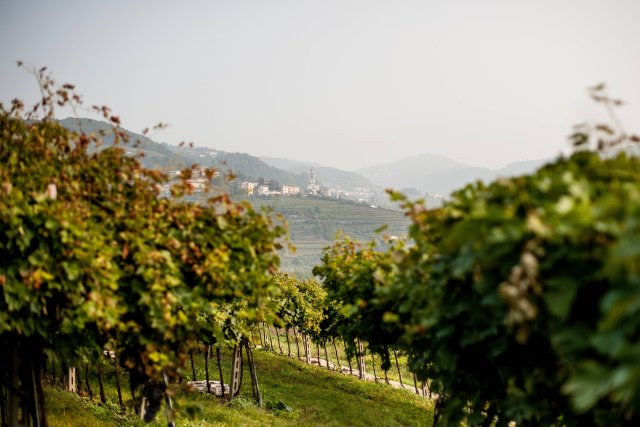
A 1933 growers' cooperative at Negrar, 240 families farming the Valpolicella Classica hills, best known for Amarone under the Domìni Veneti name.
Corvina
Rondinella
Corvinone
 Est. 1983
Sicily
Marsala
Est. 1983
Sicily
Marsala
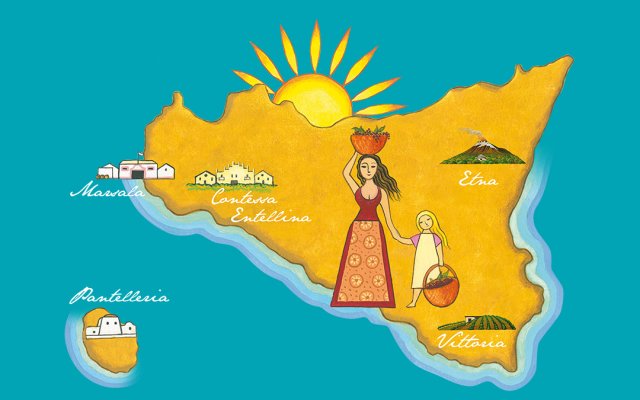
Founded in 1983 in Marsala by the Rallo family, Donnafugata works five Sicilian estates from the Belice valley to Pantelleria, Etna and the Cerasuolo di Vittoria zone. Ben Ryè Passito di Pantelleria and Mille e una Notte are its international reference wines. SOStain Sicilia member since 2021 and a leader in sustainable viticulture across the island.
Nero d'Avola
Nerello Mascalese
Cabernet Sauvignon
 Trentino-Alto Adige
Magrè
Trentino-Alto Adige
Magrè
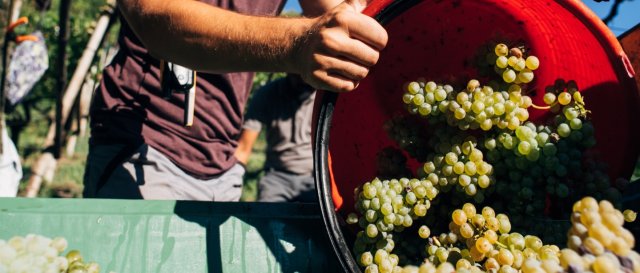
Family estate at the southern tip of Alto Adige, farmed biodynamically since 2004, with about sixty partner growers now farming organically too. The cellars at Magrè run the Vineria wine shop, the organic Osteria Paradeis and the SUMMA wine fair each spring.
Pinot Grigio
Lagrein
Pinot Nero
 Est. 1961
Tuscany
Vinci
Est. 1961
Tuscany
Vinci
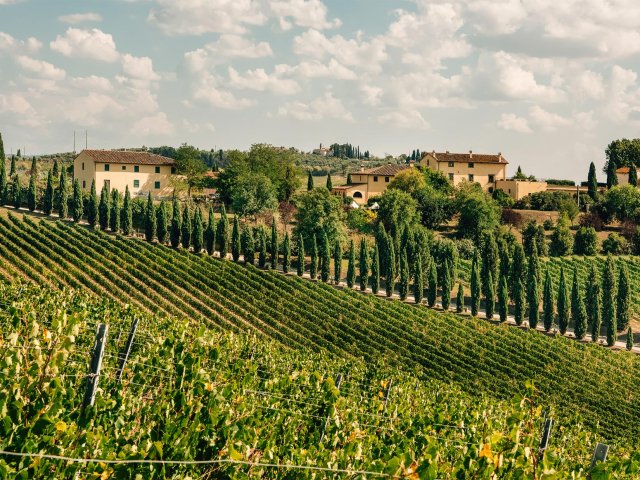
Founded at Vinci in 1961 by thirty growers and built around Sangiovese from the Montalbano hills. A Montalcino cellar was added in 1990. The cooperative entered liquidation in 2026, and the wines are now made for Leonardo da Vinci S.p.A. by Vecchia Cantina di Montepulciano.
Sangiovese
Merlot
Syrah
 Piedmont
Castiglione Falletto
Piedmont
Castiglione Falletto
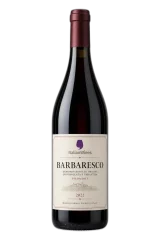
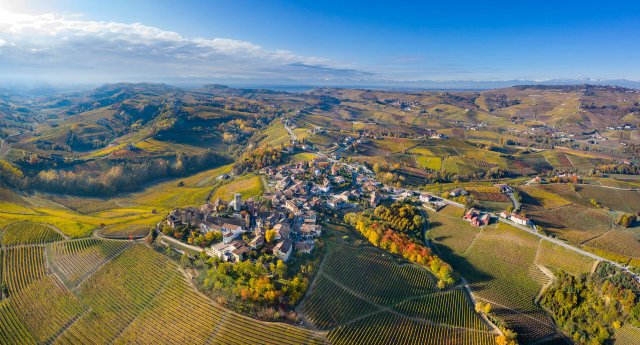
Castiglione Falletto estate farming around 75 hectares across the Langhe, Roero, Asti and the Colli Tortonesi. One of the Langhe's most recognised producers of single-vineyard Barolo, Barbaresco and Vigna Scarrone Barbera. Herbicide-free since 2007 and Equalitas certified, with structured tastings and a vineyard Trekking Experience through Rocche di Castiglione and Villero.
Nebbiolo
Barbera
Timorasso
 Est. 1978
Tuscany
Montalcino
Est. 1978
Tuscany
Montalcino
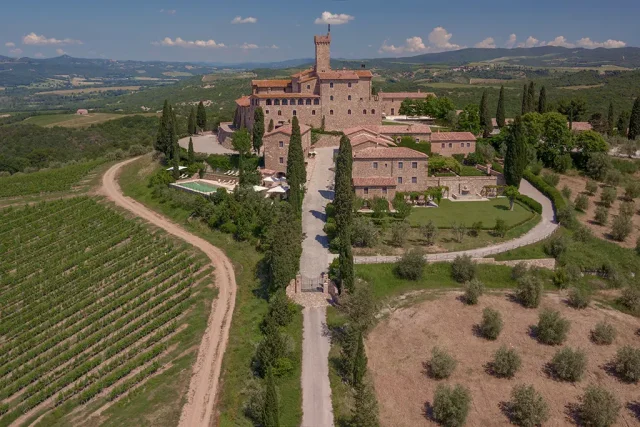
Castello Banfi farms around 800 hectares of vines on the southern slopes of Montalcino. At the centre stands the restored Castello di Poggio alle Mura. Brunello di Montalcino leads the range, backed by Rosso di Montalcino, Tuscan IGT reds and a separate Chianti Classico. The estate is family-owned and certified under Equalitas. Visitors get tastings, tours, two restaurants and rooms inside the castle.
Sangiovese
Cabernet Sauvignon
Merlot
 Est. 2000
Tuscany
Greve in Chianti
Est. 2000
Tuscany
Greve in Chianti
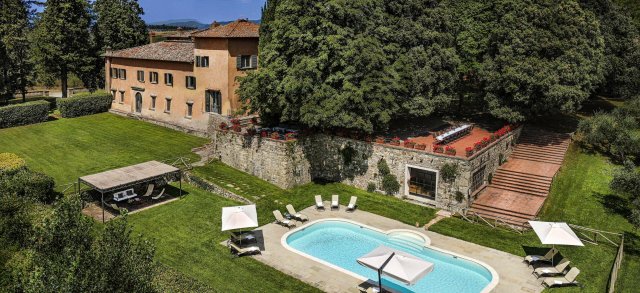
Ambrogio and Giovanni Folonari's estate group, founded in 2000 around Tenuta di Nozzole at Greve in Chianti. Sangiovese for Chianti Classico and Brunello, Bordeaux grapes for the Cabreo Supertuscans and the Bolgheri reds of Campo al Mare.
Sangiovese
Cabernet Sauvignon
Merlot
 Veneto
Bibano di Godega di Sant'Urbano
Veneto
Bibano di Godega di Sant'Urbano
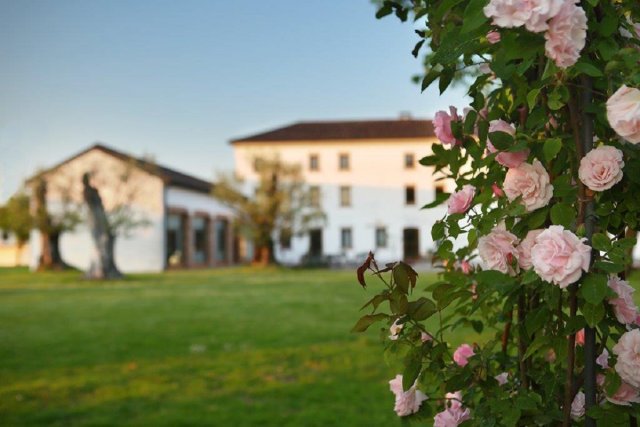
Family producer of Prosecco and grappa based at Villa Rosina in Bibano, in the Veneto. Gold Prosecco, in its mirrored bottle, is the signature. Sister estates cover Valpolicella, Montalcino and Chianti, with a distillery and glassworks in the group. Tours run by appointment.
Glera
Pinot Grigio
Chardonnay
 Est. 2001
Sicily
Partinico
Est. 2001
Sicily
Partinico
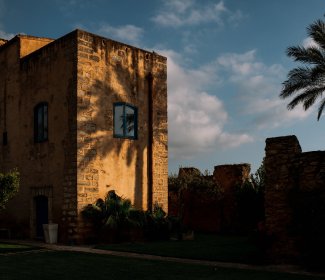
Founded in 2001 by brothers Diego and Alberto Cusumano, this Partinico family winery farms more than 500 hectares across western Sicily and, under the Alta Mora label, the northern slopes of Etna. Sàgana from Butera and Alta Mora Guardiola are the bottles to know, and SOStain Sicilia certification covers the whole range.
Nero d'Avola
Chardonnay
Ansonica
 Veneto
Fumane di Valpolicella
Veneto
Fumane di Valpolicella
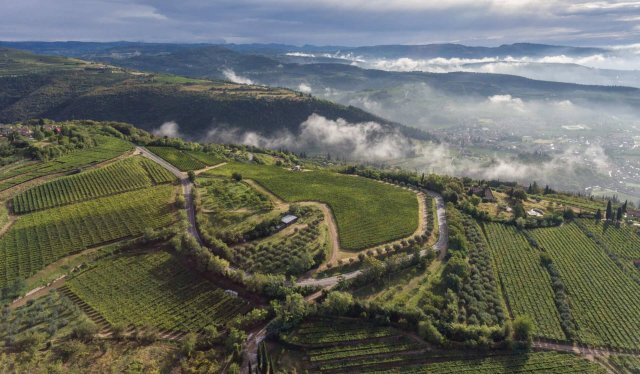
Family estate at Fumane di Valpolicella farming around 150 hectares, including La Grola, La Poja and Palazzo della Torre, plus a Lugana vineyard at Oasi Mantellina. The heirs of Walter and Franco Allegrini run it, with Amarone della Valpolicella Classico at the top of the range.
Corvina
Rondinella
Corvinone
 Est. 1938
 Sardinia
Serdiana
Sardinia
Serdiana
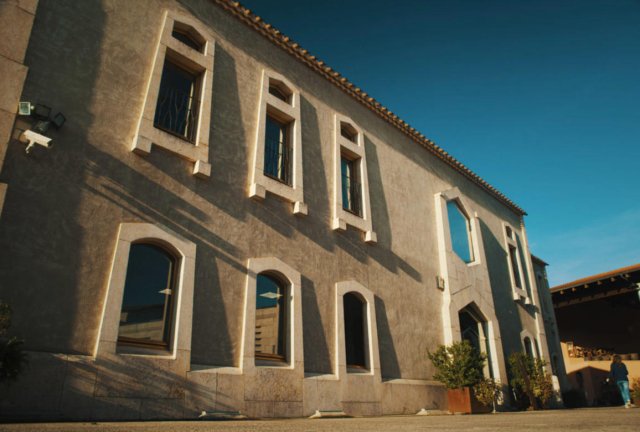
Family winery in Serdiana, twenty kilometres inland from Cagliari, with estates across Trexenta, Sulcis and the Parteolla. Founded in 1938 by Antonio Argiolas, it bottles Cannonau, Carignano, Bovale Sardo, Vermentino and Nuragus as Isola dei Nuraghi IGT and Vermentino di Sardegna DOC. Best known for Turriga, the Cannonau-led red made with winemaker Giacomo Tachis.
Carignano
Bovale
Cannonau
 Trentino-Alto Adige
Termeno
Trentino-Alto Adige
Termeno
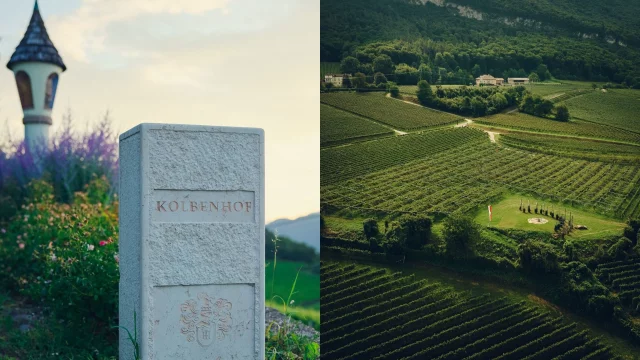
Founded in 1907 in Tramin and run today by the fifth generation of the Foradori Hofstätter family. J. Hofstätter gave Alto Adige its first single-vineyard wine: Barthenau Vigna S. Urbano Pinot Nero, from the Mazon plateau. The cellar on Piazza Municipio still makes its wines parcel by parcel, across single vineyards in Alto Adige, Trentino and the Saar.
Lagrein
Merlot
Sauvignon Blanc
 Est. 2005
Sicily
Marsala
Est. 2005
Sicily
Marsala
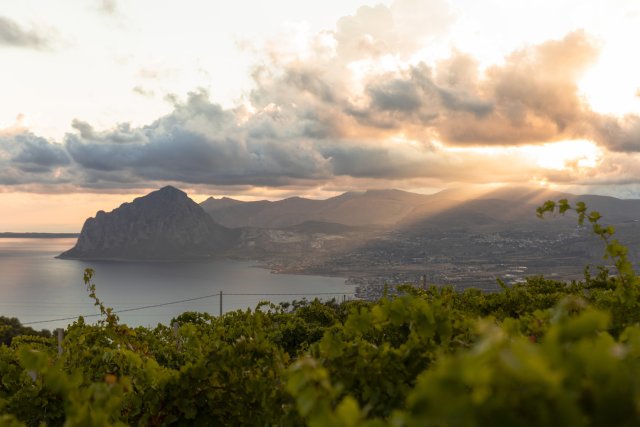
Bruno Fina and his family have bottled at Contrada Bausa, outside Marsala, since 2005. Grillo, Nero d'Avola and Zibibbo lead a range split between Sicilia DOC and Terre Siciliane IGT. The cellar takes visitors on weekdays by appointment.
Grillo
Nero d'Avola
Sauvignon Blanc
 Sicily
Niscemi
Sicily
Niscemi
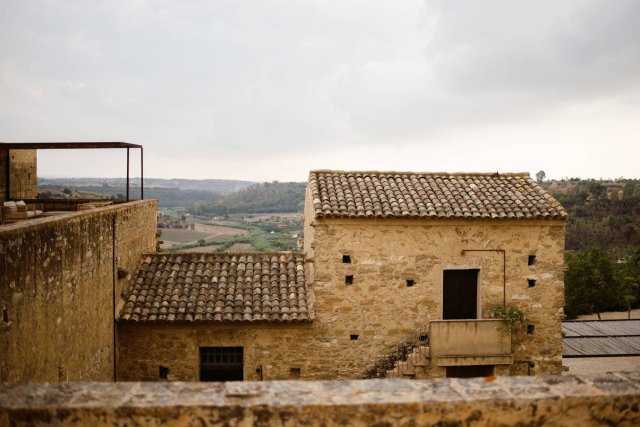
A restored 18th-century Sicilian farm in the Cerasuolo di Vittoria zone: designer-label wines, a glass-floored cellar restaurant and fifteen rooms among the vines.
Grillo
Nero d'Avola
Catarratto
The strongest wine tours in Italy usually start with a region, then narrow by town and visit style. Tuscany and Piedmont lead classic red-wine trips, while Sicily, Sardinia, Campania, Veneto, Puglia, and Lombardy give different routes for coastal, volcanic, southern, and sparkling wine visits.
Estates set their own prices. Of the 365 experiences listed across this directory, 138 carry a starting price: the median is €39 a head, and 90 of those sit between €25 and €60. The others are listed without one.
€39
Across 138 priced experiences. The cheapest opens at €5, the most expensive at €310.
90 minutes
The most common length among 140 timed experiences, which run from 15 minutes to 7 hours.
274
142 of the 207 estates listed ask you to book ahead, so the estate page is where the booking route lives.
365
Across 166 estates. 260 include a tasting, 182 include a tour, 28 are food pairings, 25 are stays.
A tour puts the cellar or the vineyard around the tasting. 146 of the listed experiences pair the two, 10 go into the cellar, and 12 walk the vines. 157 estates run at least one. These regions have the most.
Route notes and planning detail for the regions worth building a trip around.
Tuscany, Piedmont, Veneto, Sicily, Sardinia, Campania, and Lombardy are strong starting points. The best choice depends on whether you want cellar tours, coastal routes, classic reds, sparkling wine, or easy day trips from major cities.
Of the 138 experiences listed here that publish a starting price, the median is €39 a head, and 90 of them fall between €25 and €60. The full range runs from €5 to €310 per person.
Usually, yes. 142 of the 207 estates listed here ask visitors to book ahead, and 274 of the 365 listed experiences can be booked online. Booking rules are set by each estate, so the winery page carries the route where one is published.
90 minutes is the most common slot among the 140 experiences that publish a duration. The full range runs from 15 minutes to 7 hours.
49 of the 207 estates listed here offer accommodation, and 28 have a restaurant on site. Use the stays filter to see them, then check the estate page for how to book.
April to June and September to October are usually the most comfortable periods for winery visits. Harvest season is busy, so book earlier and expect tighter opening hours.
Prices, durations, booking links, and opening details vary by estate. ItalianWines.co.uk shows structured visit information when it is available, and individual winery pages should be checked before making a trip.