




Italian winery listings
Page 6 of 9 in the Italian winery directory, with estate profiles, tasting options, cellar tours, booking details, and wine availability.


 Est. 1965
 Tuscany
Panzano in Chianti
Tuscany
Panzano in Chianti
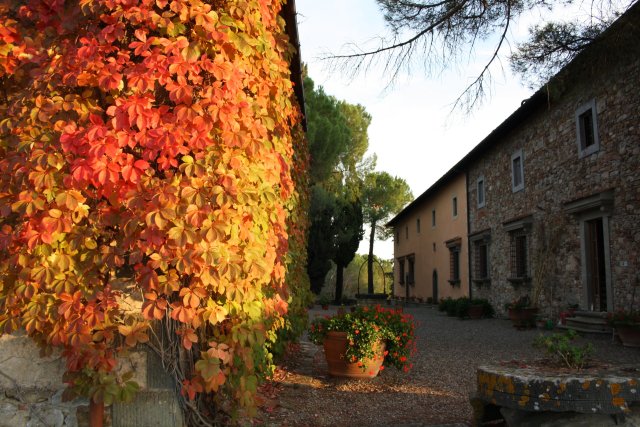
Castello dei Rampolla
Family land since 1739 in Panzano's Conca d'Oro, farmed biodynamically since 1994: home of Sammarco and d'Alceo, with small appointment-only visits.
 Cabernet Sauvignon
Merlot
Petit Verdot
Cabernet Sauvignon
Merlot
Petit Verdot
 5
5

 Est. 1994
 Friuli Venezia Giulia
Buttrio
Friuli Venezia Giulia
Buttrio
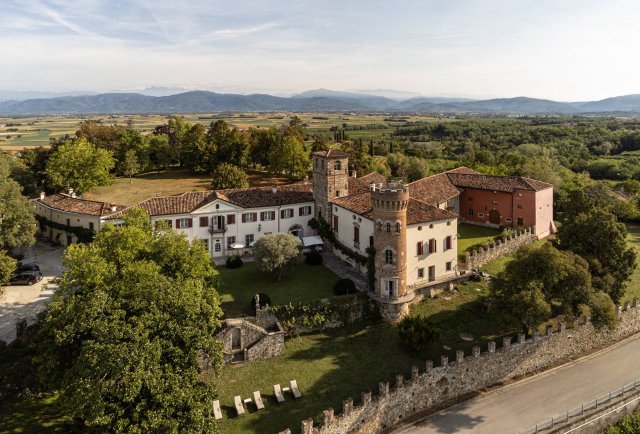
Castello di Buttrio
A castle rebuilt in 1600 on a hill of vines planted around 1940, bought by Marco Felluga in 1994 and run by his daughter Alessandra. Four tastings to book online, rooms in the castle and the farmhouse below, and an osteria.
 Friulano
Pinot Grigio
Friulano
Pinot Grigio
 Est. 1500
Tuscany
Rufina
Est. 1500
Tuscany
Rufina
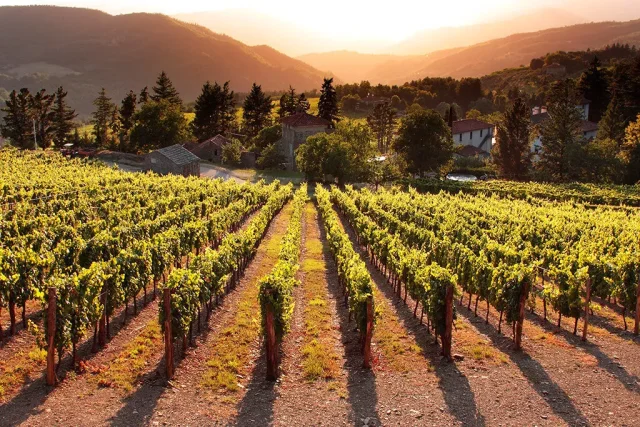
Castello Pomino - Marchesi Frescobaldi
Pomino has been on Tuscany's fine-wine list since Cosimo III named it in 1716. At Frescobaldi's high, forest-ringed castle estate the wines turn white and sparkling, and you can taste, lunch, or stay the night in one of five castle rooms.
Pinot Nero
Chardonnay
Pinot Bianco
 Est. 1983
 Veneto
Illasi
Veneto
Illasi
Dal Forno Romano
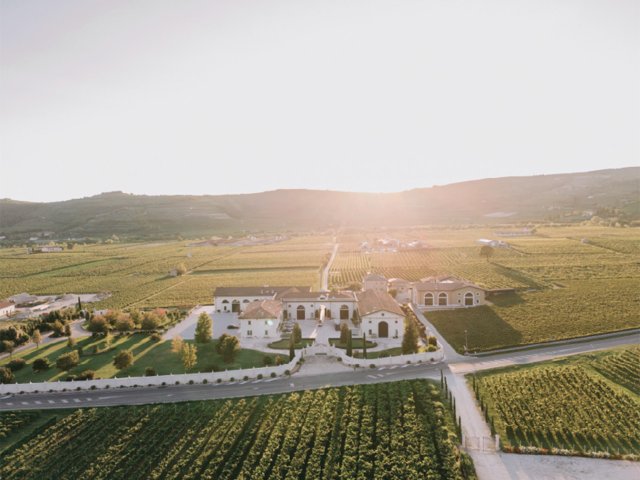
Founded in 1983 by Romano Dal Forno in Val d'Illasi, the eastern arm of Valpolicella, and family-run today by his son Marco. The 34 hectare estate is planted at almost 13,000 vines per hectare and makes three wines: Valpolicella Superiore Monte Lodoletta, Amarone della Valpolicella DOCG Monte Lodoletta and the rare Vigna Seré passito.
Corvina
Rondinella
Croatina
 Est. 2000
 Basilicata
Barile
Basilicata
Barile
Elena Fucci
Six hectares of 55 to 70 year old Aglianico above Barile, farmed by Elena Fucci on volcanic soils at 600 metres. Her one wine, Titolo, in DOC and DOCG Superiore form, has placed the estate among the international references for Aglianico del Vulture.
Aglianico
 Est. 1990
 Abruzzo
Spoltore
Abruzzo
Spoltore
Fattoria La Valentina
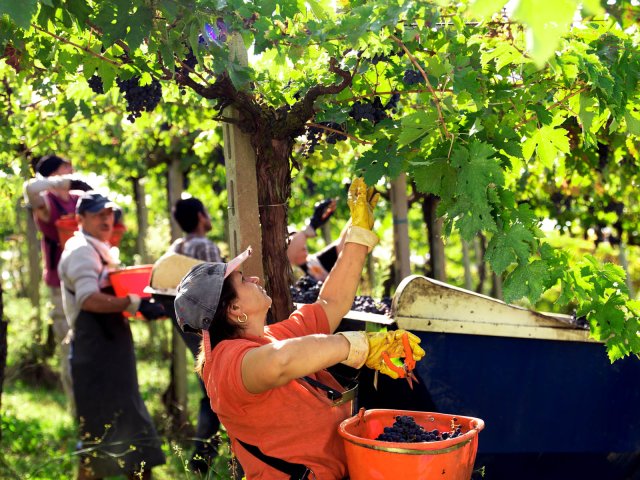
Three Di Properzio brothers have farmed the hills above Spoltore since 1990. The range spans single-vineyard Montepulciano d'Abruzzo (Bellovedere, Spelt Riserva), an amphora project (Docheio), a Pecorino Terre d'Abruzzo IGT and a Trebbiano d'Abruzzo Spelt 'Oro'. Vinous, Wine Spectator and Decanter cover most vintages.
Montepulciano
 Puglia
Leporano
Puglia
Leporano
Feudi Salentini
Salento winery based in Leporano, just south of Taranto. Its flagship is Collezione 53, an old-vine Primitivo di Manduria, backed by Negroamaro, Verdeca and Malvasia bianca lines.
Primitivo
 Est. 1969
 Aosta Valley
Quart
Aosta Valley
Quart
Grosjean
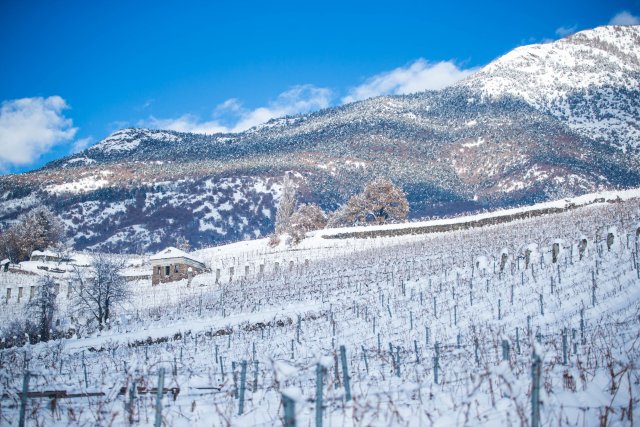
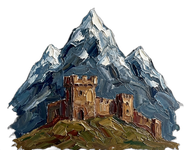
Three-generation family estate at Ollignan, on the border of Quart and Saint-Christophe. It was the first winery in Valle d'Aosta to be certified organic, in 2011. The range is led by Petite Arvine, Cornalin, Fumin and Torrette Superieur.
Chardonnay
Pinot Nero
 Aosta Valley
Chambave
Aosta Valley
Chambave
La Crotta di Vegneron
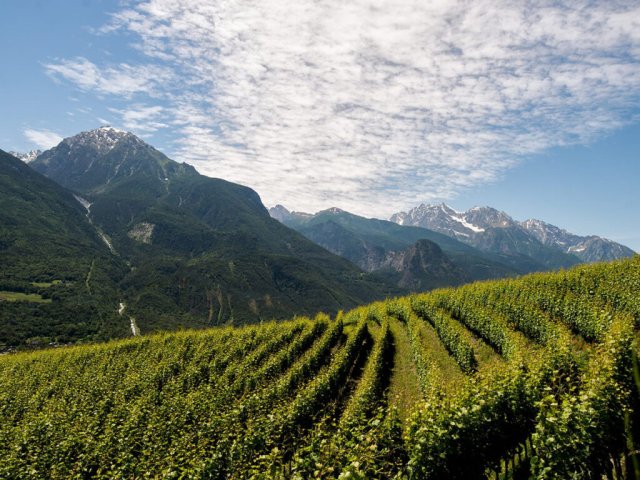
A 53-family cooperative in central Aosta Valley, anchoring the Chambave and Nus sub-zones of Valle d'Aosta DOC. Best known for Moscato di Chambave (dry and flétri), Nus Malvoisie and the Quatremillemètres metodo classico mountain sparklers.
Moscato Bianco
Fumin
 Est. 1830
Tuscany
Bagno a Ripoli
Est. 1830
Tuscany
Bagno a Ripoli
Malenchini Wine Estate
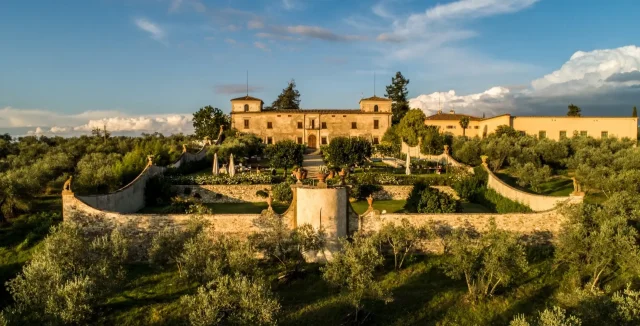
The Malenchini family has owned the Villa Medicea di Lilliano since 1830 and farms 18 hectares of organic vines and 12,000 olive trees around it. Chianti Colli Fiorentini, Chianti Superiore and a pure Canaiolo, with five bookable tours and tastings, one of them a vineyard picnic, and villas to stay in.
Sangiovese
Cabernet Sauvignon
 Est. 1978
 Emilia Romagna
Coriano
Emilia Romagna
Coriano
San Patrignano
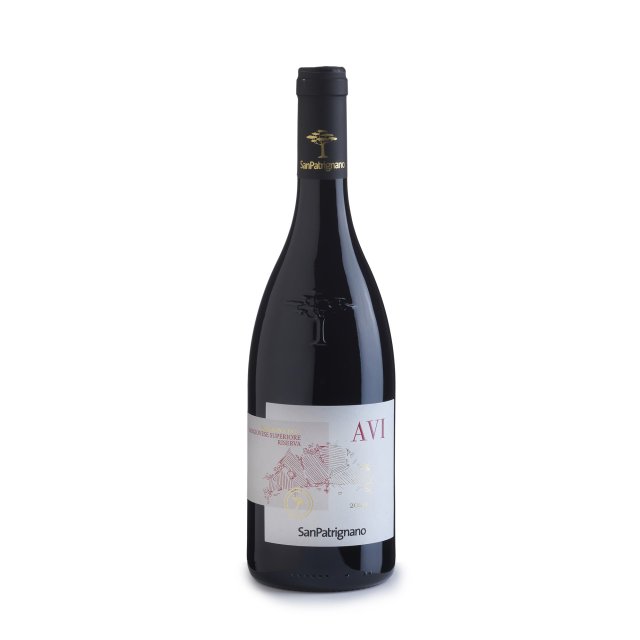
A drug-recovery community on the Rimini hills whose residents learn winemaking: Sangiovese, Cabernet and a classic-method sparkling that fund help given free.
 Tuscany
Sovana
Tuscany
Sovana
Sassotondo
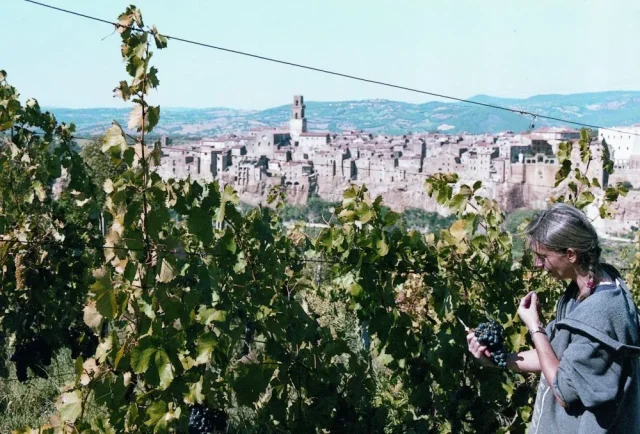
In the volcanic hills between Pitigliano and Sovana, where the soft tufo rock makes the vineyards, the houses and the cellars. Carla Benini and Edoardo Ventimiglia left Rome for a ruined farm here in 1990 and made their first wine in 1997. Certified organic since 1994, biodynamic since 2007, and known above all for Ciliegiolo.
Ciliegiolo
Teroldego
Greco
 Est. 1975
Tuscany
Montalcino
Est. 1975
Tuscany
Montalcino
Sesti
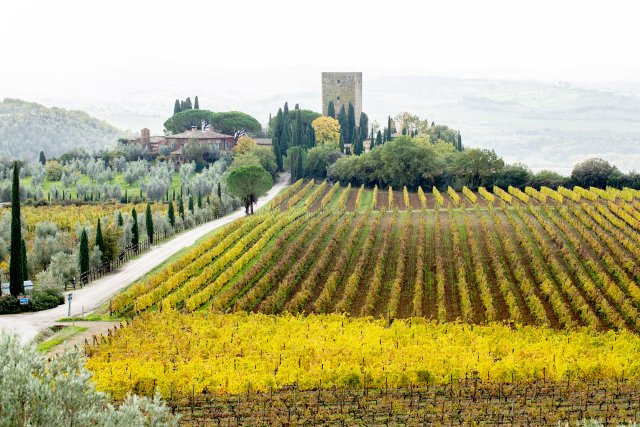
Giuseppe Sesti, a historian of astronomy, bought the ruined Castello di Argiano in 1975 and planted Brunello vines in 1990. Thirteen hectares of vines, large Slavonian casks, and a Riserva named Phenomena with a new astronomical label each release.
Sangiovese
 Tuscany
Castiglion Fibocchi
Tuscany
Castiglion Fibocchi
Tenuta Sette Ponti
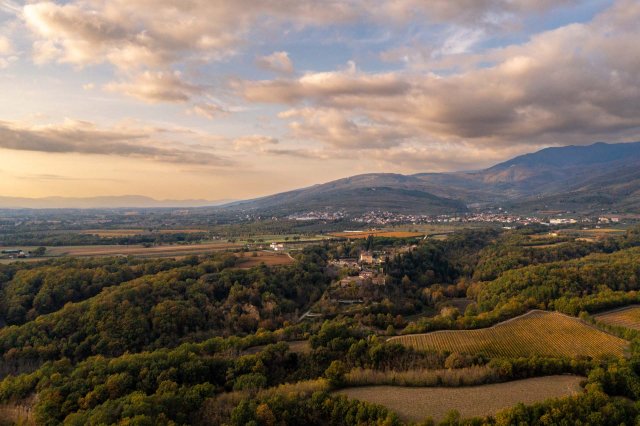
Between Florence and Arezzo, on the old road of seven bridges. The Moretti Cuseri family has farmed here since the 1950s and bottled its first wine in 1998. The vineyards are organic, and the oldest of them was planted in 1935 by a prince of the House of Savoy. Visits run Monday to Saturday and most start in the vines.
Merlot
Sangiovese
Cabernet
 Sicily
Rovittello
Sicily
Rovittello
Torre Mora
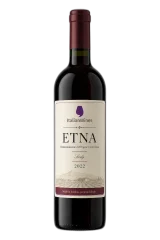
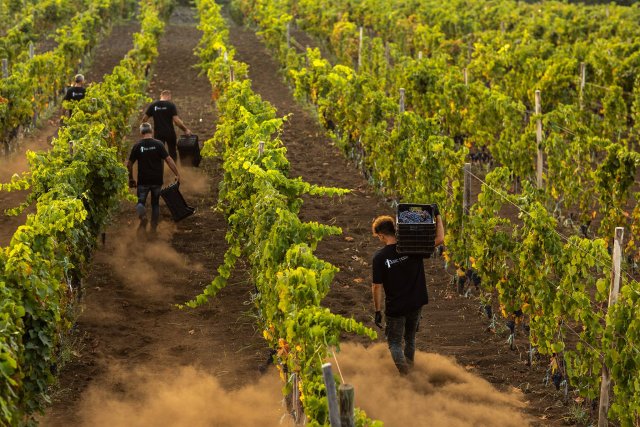
Thirteen organic hectares at 600 to 750 metres on Etna's north slope, in the contrade of Dafara Galluzzo and Alboretto Chiuse del Signore. Nerello Mascalese leads an Etna DOC range through the Cauru and Scalunera lines. The lava-stone palmento hosts bookable four-wine tastings.
Nerello Cappuccio
Nerello Mascalese
 Est. 2002
 Sardinia
Santadi
Sardinia
Santadi
Agricola Punica
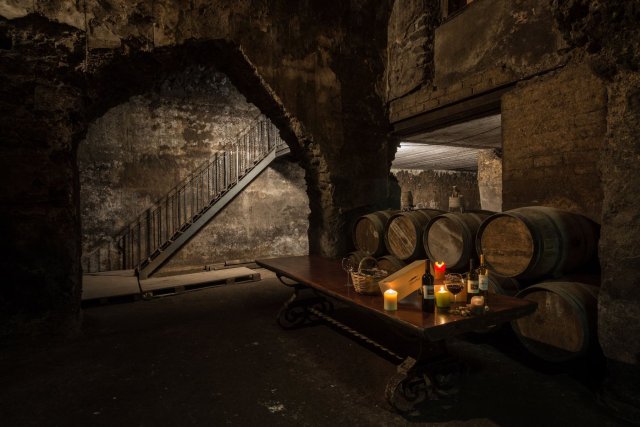
A joint project of Tenuta San Guido and Cantina di Santadi in Basso Sulcis, southwest Sardinia. Carignano leads the blends, joined by Cabernet Sauvignon and Merlot, and the wines carry the Isola dei Nuraghi IGT label. Barrua is the flagship red, Montessu the earlier-drinking red, Samas the white.
Cabernet Sauvignon
Carignano
Merlot
 Est. 1985
 Lazio
Grottaferrata
Lazio
Grottaferrata
Azienda Agricola Castel de Paolis
The Santarelli family has run this Grottaferrata estate since the first vines went in during 1974. Frascati Superiore DOCG, the Viognier-led Donna Adriana and the Syrah-led I Quattro Mori show what the Castelli Romani can do at low yields. Guided tastings tour the vines and a cellar where Roman-age water cisterns still hold the barrels.
Cesanese
Malvasia di Candia
Malvasia Puntinata
 Est. 1836
 Lombardy
Camignone di Passirano
Lombardy
Camignone di Passirano
Azienda Agricola Il Mosnel
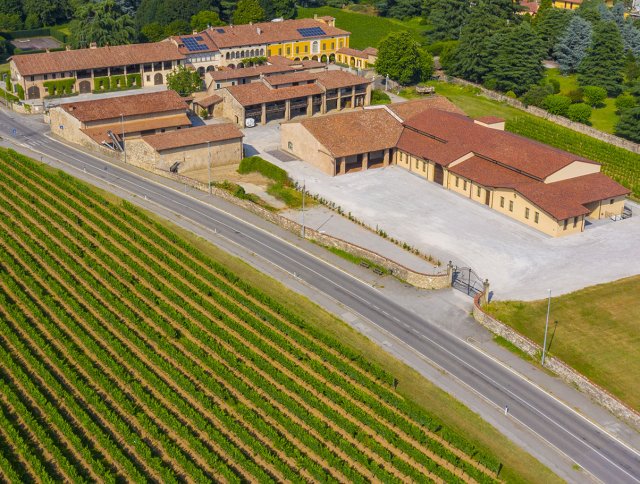
Il Mosnel is a five-generation Franciacorta estate in Camignone di Passirano, at the heart of the zone. Organic vineyards ring the old borgo, and the sparkling range climbs from the entry Brut to the single-year Satèn, EBB and Parosé and a long-aged Riserva. The Barboglio family has farmed the property since 1836.
Chardonnay
Pinot Bianco
Pinot Nero
 Basilicata
Barile
Basilicata
Barile
Azienda Vinicola Paternoster
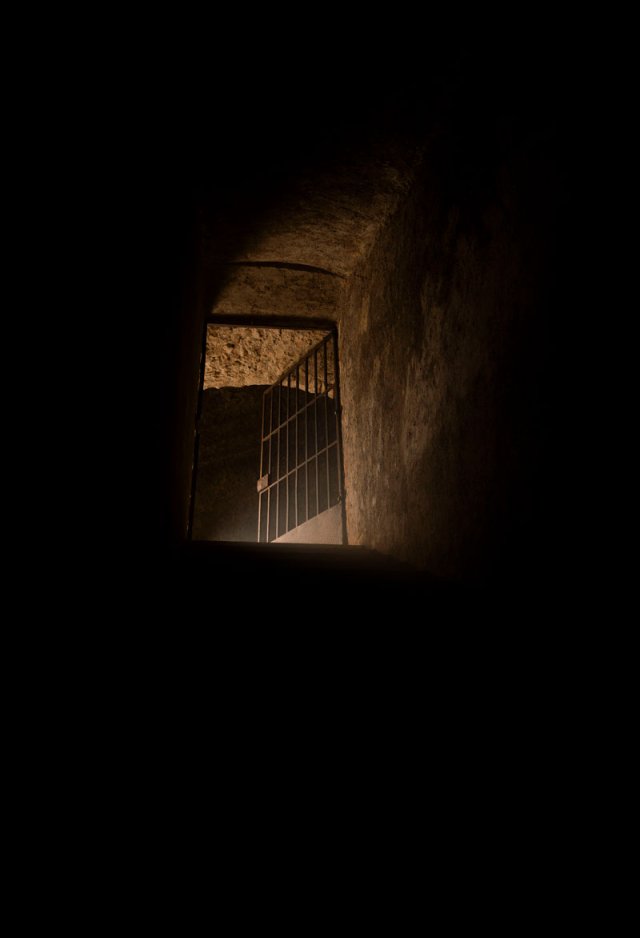
Founded in 1925 in Barile, Paternoster built its name on one grape, Aglianico, grown on the volcanic slopes of Monte Vulture. Don Anselmo and Barone Rotondo lead the range, with Synthesi the approachable partner and Vulcanico the volcanic-soil Falanghina white. Part of Tommasi Family Estates since 2016, with Fabio Mecca, fourth generation of the family, leading the winemaking.
Aglianico
 Puglia
San Pancrazio Salentino
Puglia
San Pancrazio Salentino
Castello Monaci
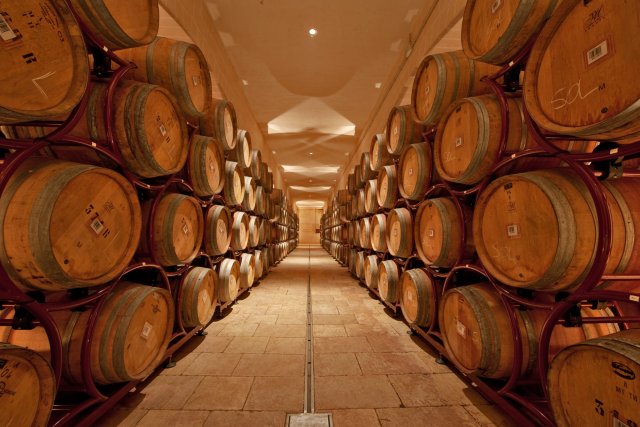
Salento estate near San Pancrazio Salentino with a 16th-century castle and a white tuff cellar built by the Memmo family in the 1970s. Around it grow 200 hectares of Primitivo, Negroamaro and Malvasia Nera di Lecce vines. Open daily for cellar tours, the on-site Merum wine museum, and tastings of Piluna, Maru, Liante and Kreos.
Primitivo
 Est. 1933
Lazio
Civitella D'Agliano
Est. 1933
Lazio
Civitella D'Agliano
Mottura Sergio
An organic estate in the Tuscia hills above Civitella d'Agliano, on the Lazio slopes that face Lake Bolsena and the Umbrian border. The Mottura family has farmed the land since 1933 and is the producer that turned Grechetto into a serious, age-worthy white. Tastings run from a seventeenth-century tuff cellar beneath the medieval village. Giuseppe Mottura, who now leads the winery, also serves as mayor of nearby Orvieto.
Grechetto
Verdello
 Tuscany
Montalcino
Tuscany
Montalcino
Ridolfi
Ridolfi farms the cool north-east side of the Montalcino hill at Mercatali, and the farming is certified organic. Gianni Maccari, who spent fourteen years at Poggio di Sotto before this, makes the wine. Gambero Rosso gave it its Emerging Winery award in the 2021 guide.
Sangiovese
 Est. 1999
 Umbria
Todi
Umbria
Todi
Roccafiore
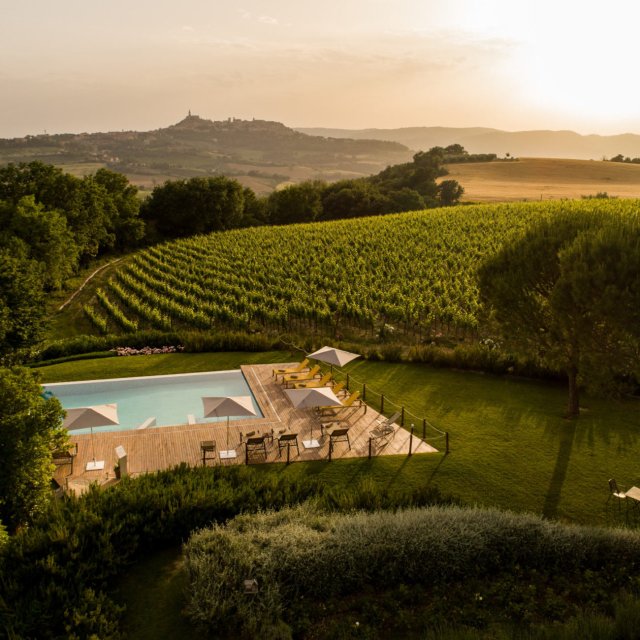
Roccafiore is a 15-hectare Baccarelli family estate above Todi, built on Grechetto di Todi clone G5 and Sangiovese on south-east-facing clay and marl slopes. With the Wine Resort and Spa, the Wine Chalet and Ristorante Fiorfiore, it is one of Umbria's easiest cellars to visit. It is certified under VIVA for sustainability and belongs to FIVI.
Grechetto
Sagrantino
Trebbiano
 Est. 1973
Lombardy
San Giacomo di Teglio
Est. 1973
Lombardy
San Giacomo di Teglio
Sandro Fay
A family estate in San Giacomo di Teglio, the home municipality of Valgella. Sandro Fay and his children Marco and Elena bottle Chiavennasca parcel by parcel from terraced slopes. The wines include the Valgella Carterìa Riserva and the Sforzato Ronco del Picchio.
Nebbiolo