









 Tuscany
 Est. 1965
  3 wines
  Tastings
 Tours
Tours
 Booking required



Wine area
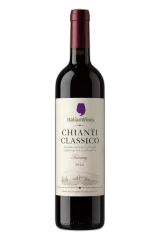
Chianti Classico
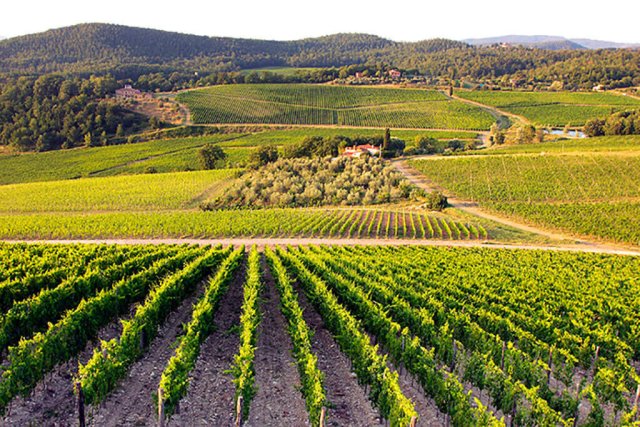
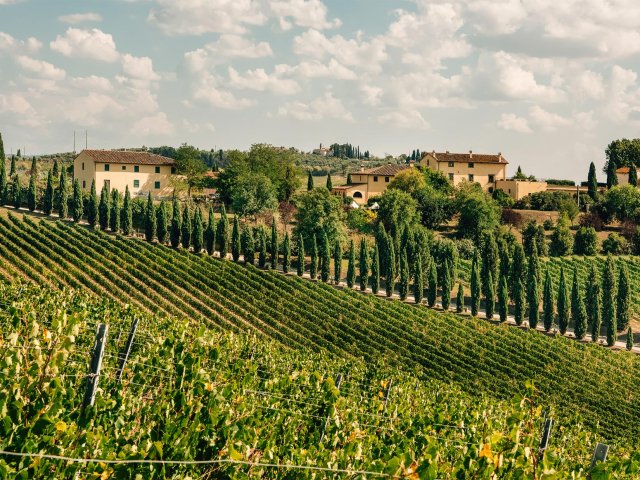
The galestro and alberese hills between Florence and Siena, where Sangiovese became Italy's most quoted red.
Your cellar, your trips, and the wines you've been tracking are right where you left them.
New here?
Free, always. Education first, we'll never sell you anything you didn't ask to see.
Already have an account?
Enter the email you signed up with and we'll send a link to choose a new password.
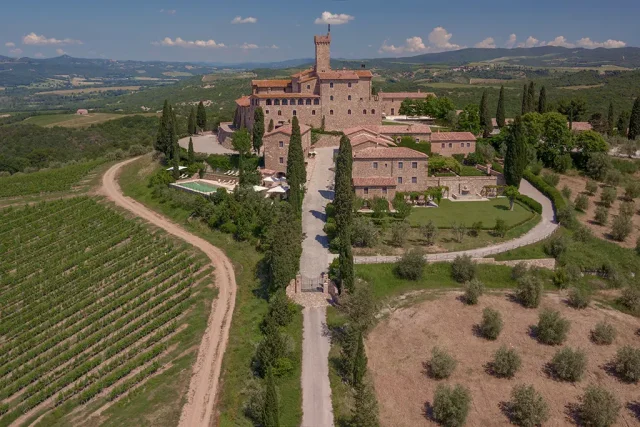
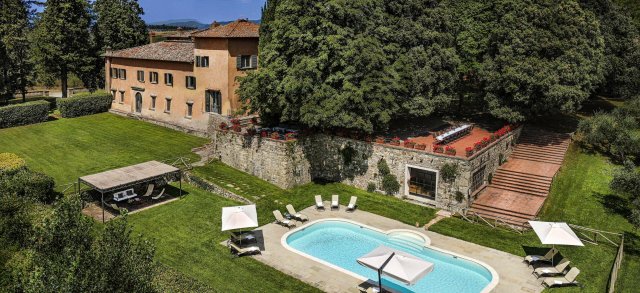
Castello dei Rampolla is a family estate in the Conca d'Oro, the golden bowl of vines south of Panzano in Chianti. Its land has belonged to the di Napoli Rampolla family since 1739. Alceo di Napoli Rampolla planted the first vineyard in 1968 and was the first here to blend Cabernet Sauvignon with Sangiovese. Sammarco, first made in 1980, came out of that idea. Since 1994 the vines have been treated with nothing more than copper, sulphur and propolis, and his children Luca and Maurizia run the estate today.
Book a visit
For two centuries the estate produced wine, wheat and cattle under sharecroppers. The modern story starts in 1965, when Alceo di Napoli Rampolla inherited the Santa Lucia in Faulle farm from his father. With his wife Livia Borgia and their four children he set out to build a proper wine estate, planting the first vineyard in 1968.
The first bottle came in 1975, a Chianti Classico, in years when Chianti Classico struggled for respect. Alceo loved Cabernet Sauvignon. With the help of his great friend, the winemaker Giacomo Tachis, he became the first in the area to plant it and blend it with Sangiovese. Sammarco, born in 1980, was the result. In 1991 he planted the vineyard that now carries his name: dense rows of south-facing Cabernet, bush-trained no higher than fifty centimetres.
In 1994 the family began converting the farm to biodynamics, in the belief that people are custodians of the land, not its masters. The vines are treated only with copper, sulphur and propolis. Water for the field preparations is swirled through basins called flowforms, cover crops feed the soil, and the light farm machines are partly electric. Even the cellar runs on solar panels, and its work follows the lunar calendar.
Harvest is by hand, and whole berries ferment in vats of cement and crushed brick and in terracotta amphorae. The wines rest in barrel for twelve to eighteen months. In 2010 Alceo's children Luca and Maurizia, who run the estate today, made its first wine with no added sulphites.
Alongside Sammarco stands d'Alceo, from Cabernet Sauvignon with Petit Verdot, grown in the vineyard Alceo planted. The rest of the range is the Chianti Classico, Liu, a pure Merlot, the red Sangiovese di Santa Lucia, the white Bianco di Santa Lucia, and a Vinsanto. Guided visits run Monday to Saturday by appointment, for groups of eight to ten at most: a walk in the vines, the cellar, then a tasting. The estate shop also pours tastings on weekday mornings, free and unbooked.
Plate I · TUSCANY
Wine area
The galestro and alberese hills between Florence and Siena, where Sangiovese became Italy's most quoted red.

Winery
Panzano in Chianti, FI · Chianti Classico
1 tasting, checked by our editors.
 Tasting & Tour
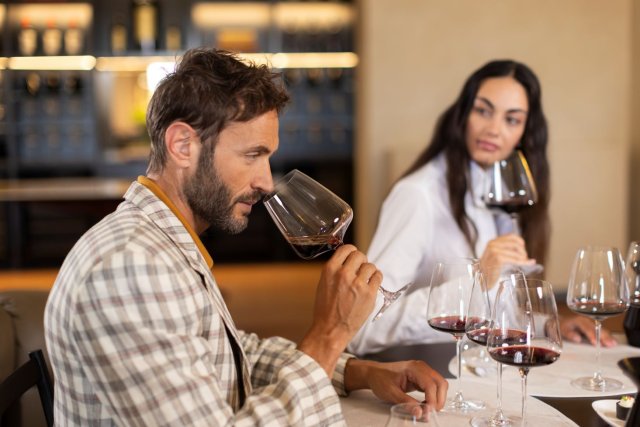
A walk in the biodynamic vineyards, then the cellar with its cement vats and terracotta amphorae, ending in a tasting. Groups of eight to ten at most, Monday to Saturday, by appointment.
on castellodeirampolla.it
 Tasting
The estate shop pours free tastings of some of the wines on weekday mornings, 9:00 to 13:00, no booking needed. From 1 November to 15 March the shop sells wine without tastings.
Not bookable online yet
Not seeing the estate you want? Estates without an online listing are reachable directly, and their phone and email are in Plan your visit.
Castello dei Rampolla's current bottle selection is led by Toscana IGT. The clearest grape signal comes from Cabernet Sauvignon and Merlot.
This form reaches the ItalianWines.co.uk team, not the winery. Tell us when you would like to come and how many you are: we contact Castello dei Rampolla for you and come back with availability and prices, usually within two working days.