





An Atlas of Italian Wine

Italian Wine Regions

From alpine vineyards in Aosta to the volcanic slopes of Etna. Twenty regions, each with its own dialect of wine, grape and table.

20
Regions
575
Denominations
3579
Wines
Hover any region to explore, click to see wines

Browse all 20 regions

Grouped by geography

Northern Italy

8 regions
Aosta Valley Emilia Romagna Friuli Venezia Giulia Liguria Lombardy Piedmont Trentino-South Tyrol Veneto

Common Questions

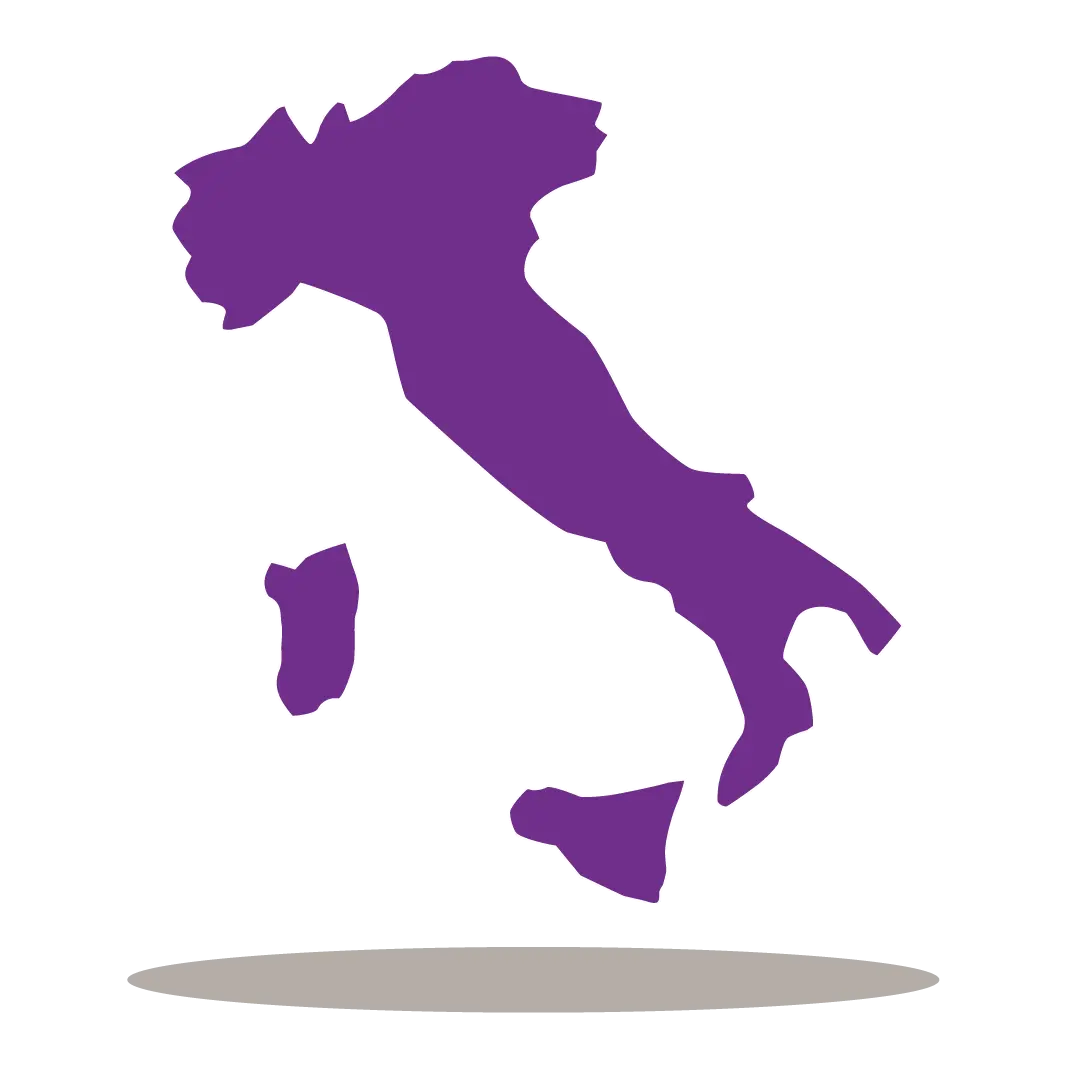
Italy has 20 administrative regions, each producing wine. They group into four zones: Northern Italy, Central Italy, Southern Italy, and the Islands (Sicily and Sardinia).

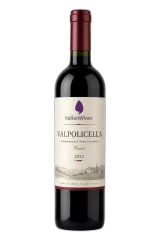
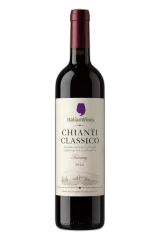
Veneto consistently produces the largest volume of Italian wine by hectolitre, followed by Puglia and Emilia-Romagna. For prestige, Tuscany and Piedmont carry the most international recognition.

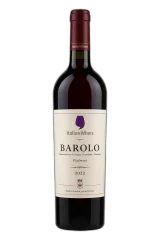
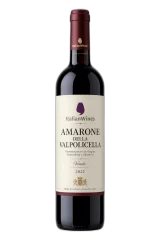
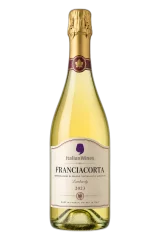
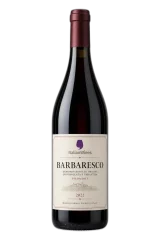
Northern Italy centres on Piedmont (Barolo, Barbaresco), Veneto (Prosecco, Amarone), Lombardy (Franciacorta), Trentino-Alto Adige, Friuli-Venezia Giulia, and Emilia-Romagna (Lambrusco).

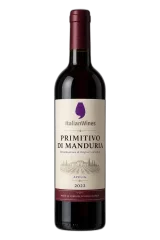
Southern Italy specialises in structured reds: Aglianico from Basilicata and Campania, Primitivo and Nero di Troia from Puglia, and Nero d'Avola from Sicily. The south also produces distinctive whites such as Fiano, Greco di Tufo, and Sardinian Vermentino.

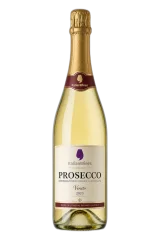
Veneto (Prosecco DOC and DOCG, Asolo), Lombardy (Franciacorta DOCG), and Piedmont (Alta Langa, Asti Spumante) lead the Italian sparkling production. Trentino also produces high-quality traditional-method sparkling under Trentodoc.