







Why Montepulciano d'Abruzzo and Vino Nobile Are Completely Different Wines
TL;DR
- Montepulciano d'Abruzzo is made from the Montepulciano grape on Abruzzo's Adriatic hills, while Vino Nobile di Montepulciano is a Sangiovese wine from a Tuscan hilltop town, and the two share nothing but the name.
- Check the word after Montepulciano: d'Abruzzo signals the softer, plum-scented DOC red that starts near £10, while Vino Nobile signals a firmer Tuscan DOCG that usually costs £25 or more.
- Zaccagnini's Tralcetto shows the Abruzzo style at its friendliest; Poliziano's Asinone shows why the Tuscan wine earned the word Nobile.
Ask ten UK drinkers what Montepulciano is and most will describe the soft, dark red that anchors the supermarket Italian aisle. Ask the same question in Montepulciano itself, a hill town in southern Tuscany, and the answer is a Sangiovese that earned one of Italy's first DOCGs. This guide untangles the two, label by label.

The five-second label test
The word to find is the one that follows Montepulciano. If the label reads Montepulciano d'Abruzzo, the name gives you the grape first and the place second: Montepulciano vines grown in Abruzzo, the mountainous region east of Rome that falls to the Adriatic. If it reads Vino Nobile di Montepulciano, the name works the other way round: a wine from the town of Montepulciano in southern Tuscany, made mostly from Sangiovese and containing no Montepulciano grape at all.
The classification gives you a second clue. Montepulciano d'Abruzzo is a DOC, while Vino Nobile has carried the numbered DOCG band since 1980. If those acronyms still blur together, our guides to DOC, DOCG and IGT and reading an Italian wine label cover every term on the bottle.
One more trap sits on the same shelf: Rosso di Montepulciano. That is the Tuscan town's junior DOC, again Sangiovese-led, released younger and priced lower. It has nothing to do with Abruzzo either. In every case the preposition is doing the work: d'Abruzzo names the region the grape grows in, di Montepulciano names the town the wine comes from.
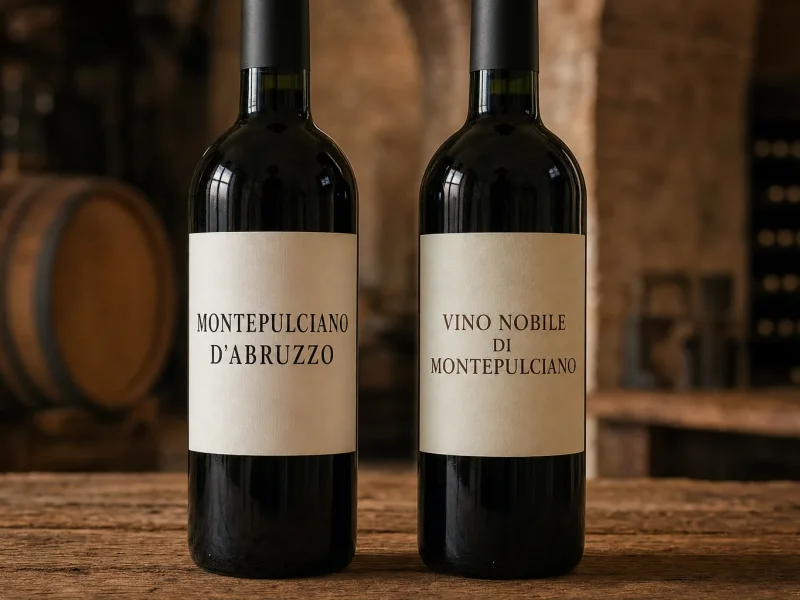
Montepulciano the grape: Abruzzo's Adriatic red
Montepulciano is Italy's second most planted red grape after Sangiovese, and Abruzzo is its heartland. The DOC dates from 1968 and requires at least 85% Montepulciano, with up to 15% Sangiovese allowed to fill out the blend. Vineyards run from the Apennine foothills down to the Adriatic on calcareous clay, across all four provinces of the region; Chieti alone accounts for roughly two thirds of production. With around 8,700 hectares under vine, it has become one of Italy's most exported DOC reds.
The rules stay generous by Tuscan standards. Yields may reach 14 tonnes per hectare, the wine can be released after five months, and alcohol starts at 12%. A Riserva must age two years, nine months of that in wood, at a minimum of 12.5%. Five subzones tighten those numbers, and the best known, Colline Teramane in the province of Teramo, was promoted to its own DOCG in 2003.
In the glass this is a generous, dark-fruited red: plum and black cherry with a touch of baking spice, the tannins present but rounded. Quality scales with ambition rather than age; co-operative bottlings drink well on release, while growers such as Tiberio and Masciarelli have shown how seriously the grape can take oak, altitude and time. The same grape also makes Cerasuolo d'Abruzzo, a cherry-pink rosato with its own DOC, and shares the region with the white Trebbiano Abruzzese.
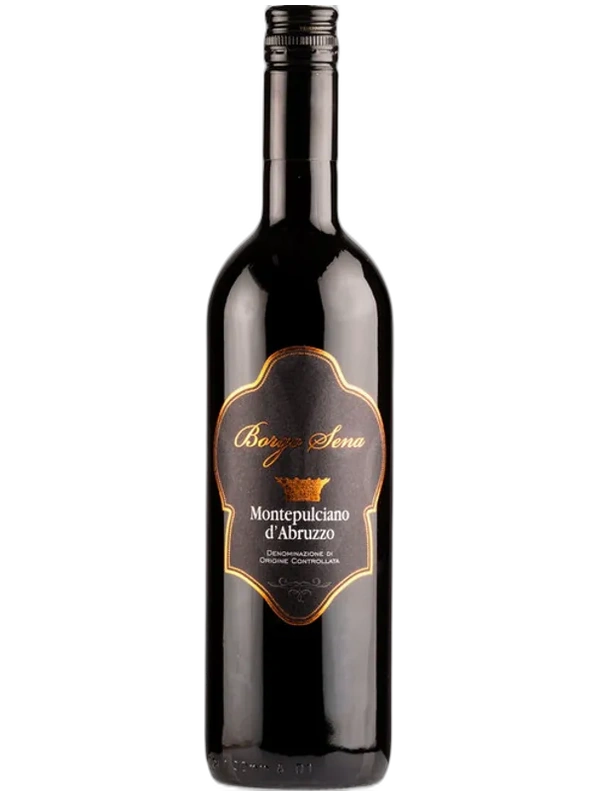
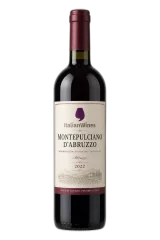
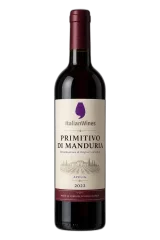
Montepulciano d’Abruzzo 2024
An everyday Montepulciano d'Abruzzo DOC: soft, juicy and fruit-forward, with plum, black cherry and a violet lift over gentle tannins. Solid value near 10 pounds, and an easy weeknight red for pasta, pizza and lamb.
View Wine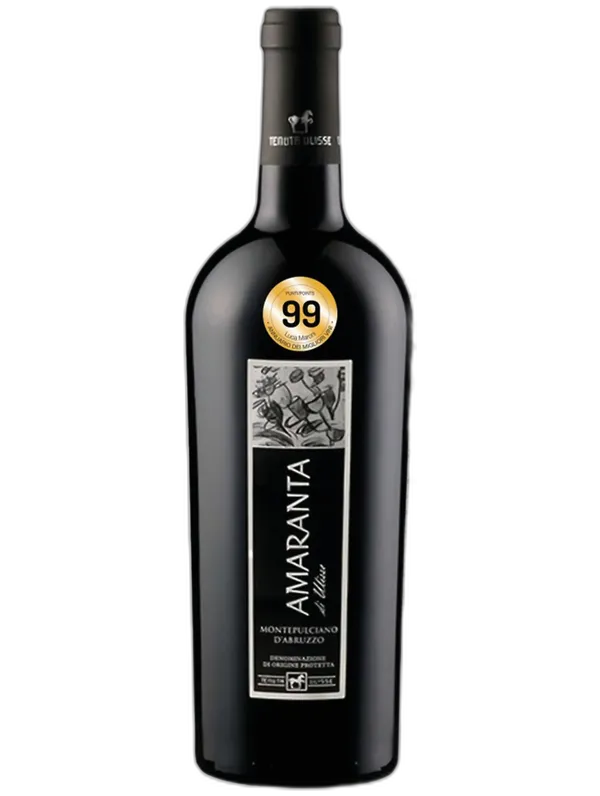
Montepulciano d'Abruzzo DOC Amaranta Tenuta Ulisse 2023
View Wine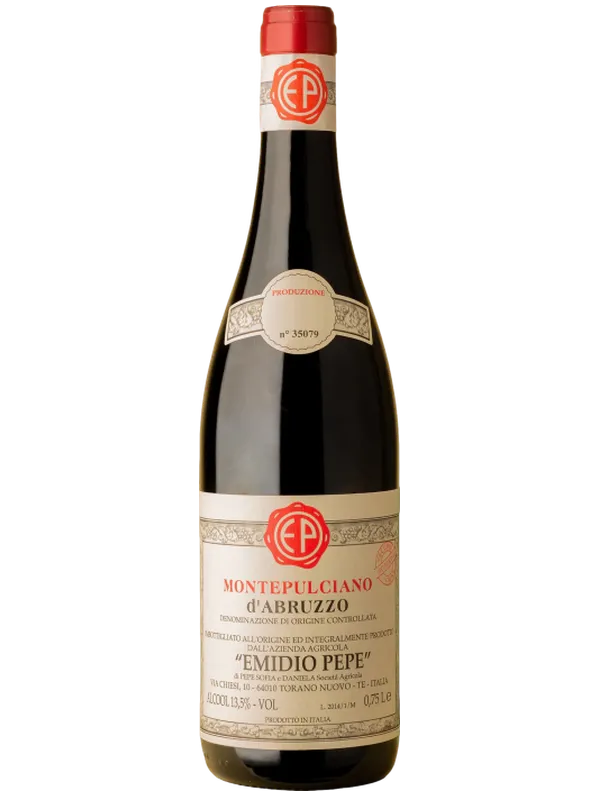
Emidio Pepe Montepulciano d'Abruzzo 2023
Hand-made Montepulciano from Torano Nuovo: destemmed by hand, aged in concrete, never filtered. Earthy, cherry-deep and built for decades. Current vintages start near £60; the 1979 library vintage costs £560.
View Wine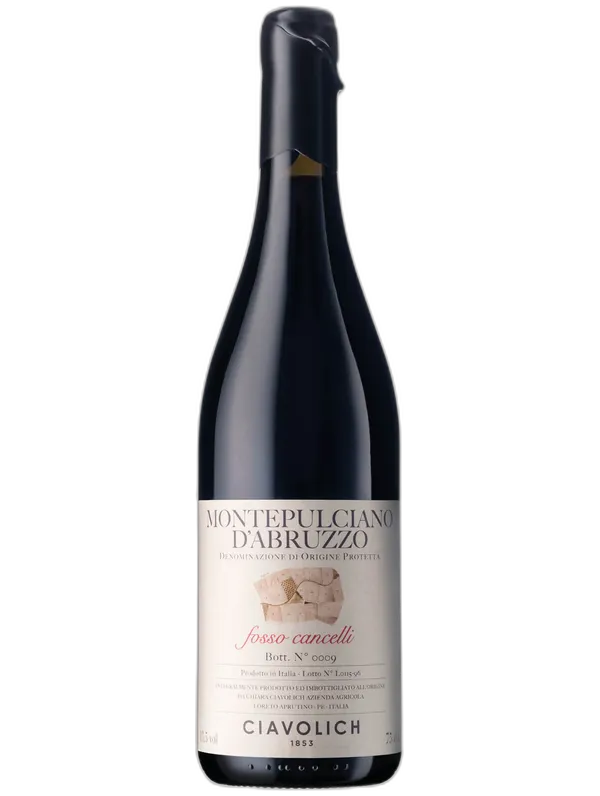
Montepulciano d'Abruzzo DOC Fosso Cancelli Ciavolich 2019
View Wine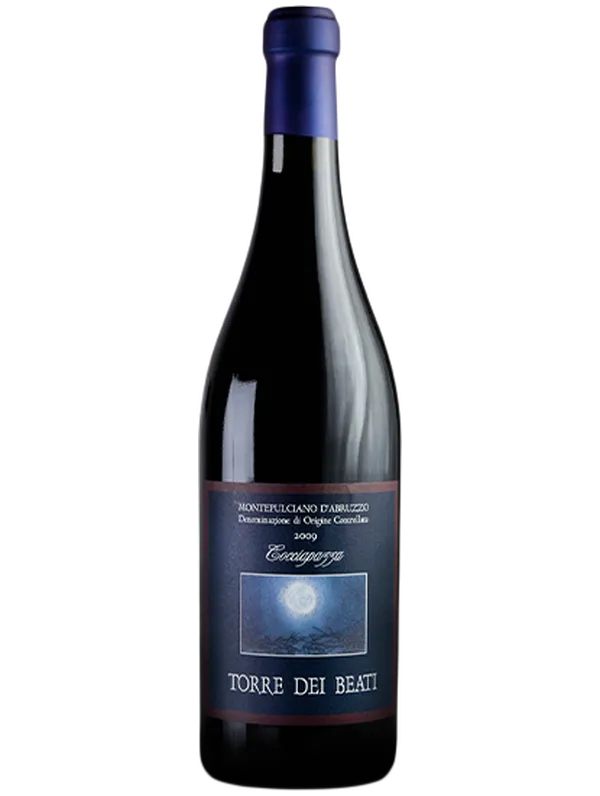
Torre dei Beati Cocciapazza 2021
View Wine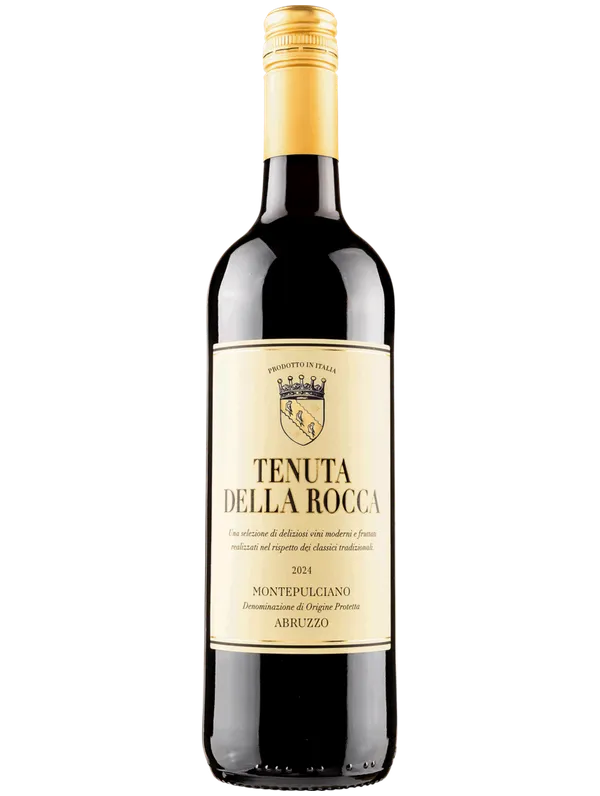
Tenuta della Rocca Montepulciano d'Abruzzo DOC 2024
A Virgin Wines exclusive Montepulciano d'Abruzzo DOC from the 2024 harvest, made by winemaker Ivano Emiliani with fruit from small Abruzzo growers. Black cherry, plum and violet, soft tannins and 12.6% alcohol: a pizza and pasta red at £11.99.
View Wine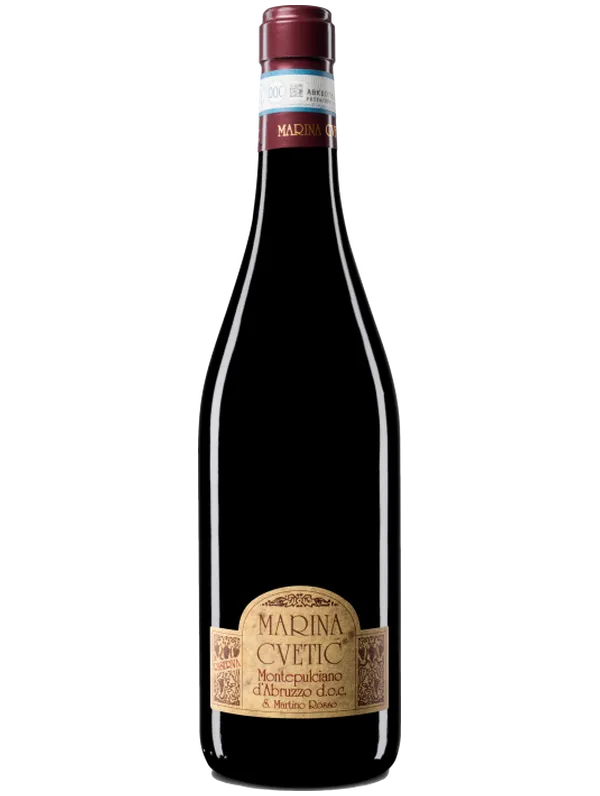
Masciarelli Marina Cvetic Montepulciano d'Abruzzo Riserva 2021
View Wine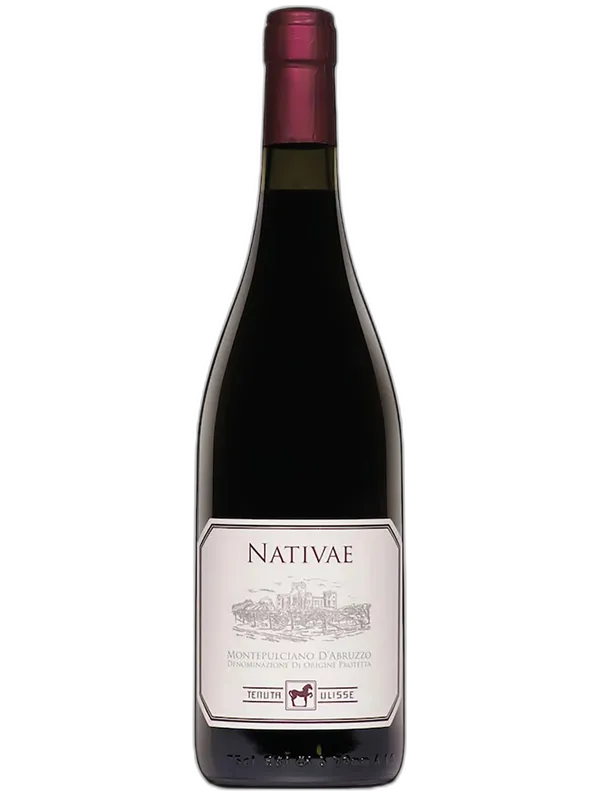
Montepulciano d'Abruzzo DOC Nativae Tenuta Ulisse 2020
View Wine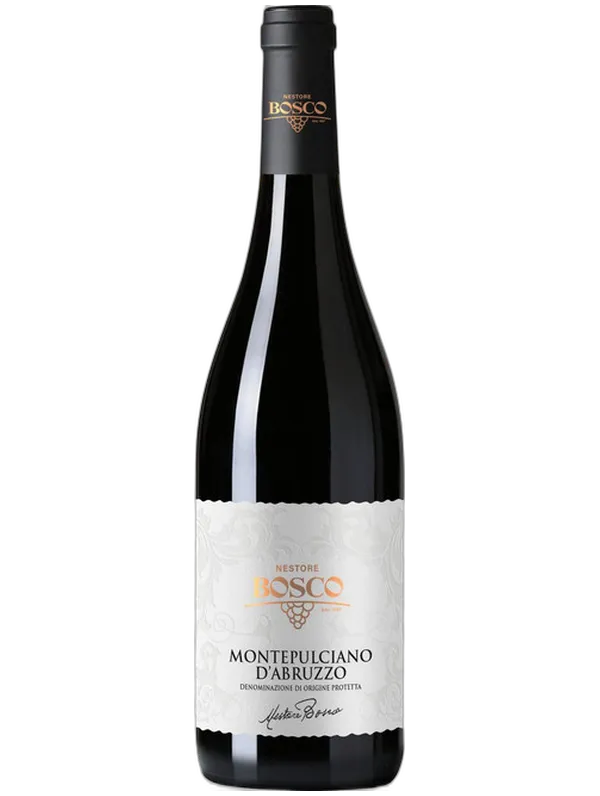
Linea Classica Montepulciano d'Abruzzo DOC 2025
View WineVino Nobile: the town on the hill and its Sangiovese
Montepulciano the town sits on a ridge in south-eastern Tuscany, its vineyards planted between 250 and 600 metres. The wine that carries its name is built on Sangiovese, known locally as Prugnolo Gentile, at a minimum of 70%, with other approved Tuscan varieties permitted up to 30%. There is no Montepulciano grape in the blend; the shared name is an accident of geography, not ampelography. The Nobile itself is centuries old, a nod to the noble households that drank it long before the modern rules existed.
The pedigree is real. Vino Nobile was recognised by presidential decree on 1 July 1980, in the first wave of DOCGs ever awarded, alongside Brunello di Montalcino. The rules remain among Tuscany's stricter: yields capped at 8 tonnes per hectare, barely more than half what Abruzzo allows; vinification and ageing confined to the commune itself; two years of maturation before release; three years including six months in bottle for a Riserva, at 13% minimum alcohol.
Since the 2021 harvest a new tier, Pieve, has been permitted on labels: wines from a single named parish (UGA), vines at least 15 years old, yields cut to 7 tonnes per hectare and three years of ageing. Tuscany likes a tiered family; the pattern will feel familiar from Chianti and its Riserva, a pairing we have untangled before. Poliziano, Boscarelli, Avignonesi and Antinori's La Braccesca are the producers you will most often meet in the UK, alongside the junior Rosso di Montepulciano DOC for earlier drinking.
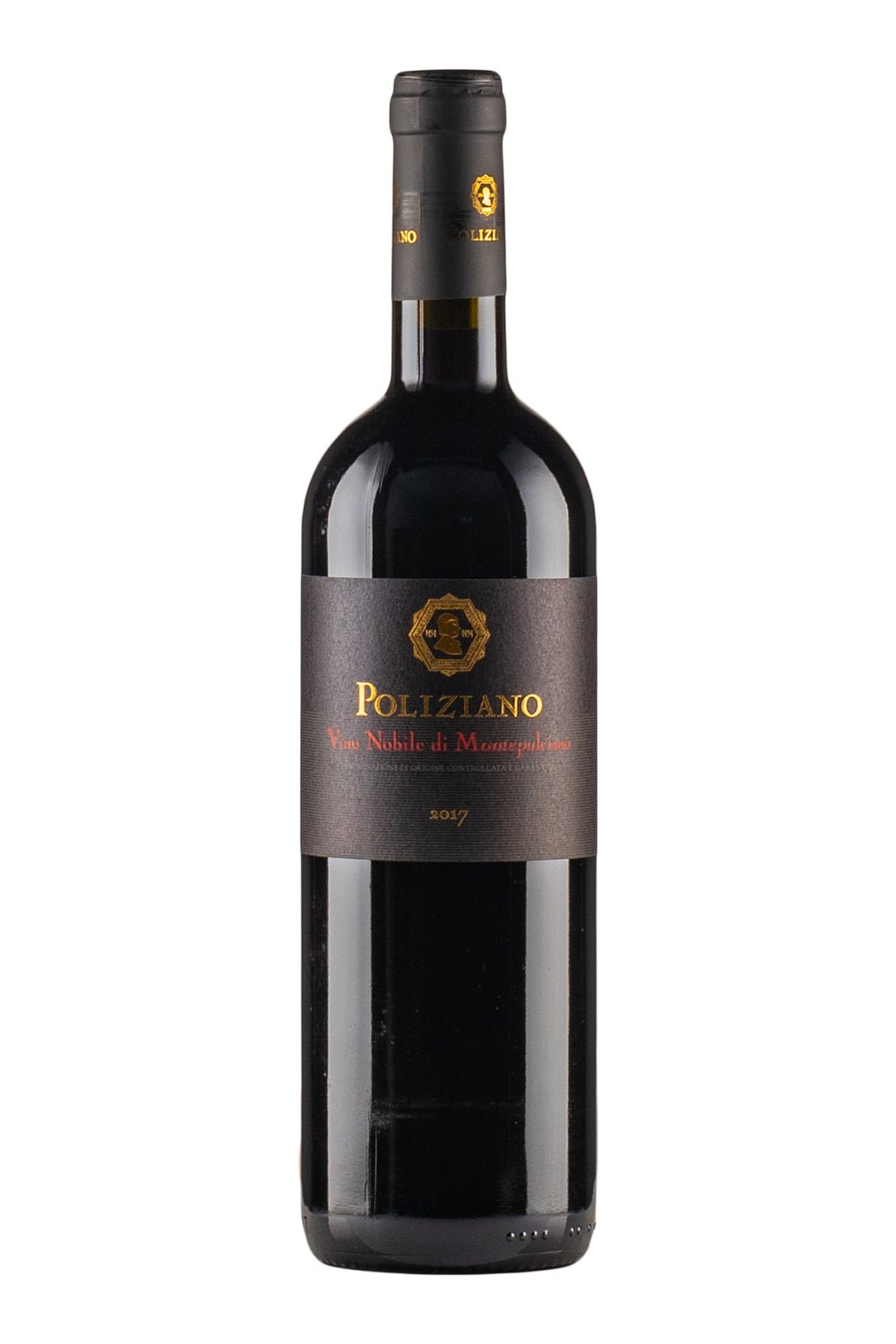
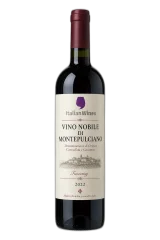
Azienda Agricola Poliziano Vino Nobile di Montepulciano 2022
Poliziano's Vino Nobile di Montepulciano: roughly 90% Prugnolo Gentile (Sangiovese), aged 14 to 16 months in French oak and traditional large casks. Sour cherry, leather and sweet spice over firm Tuscan tannin in a structured, food-friendly red.
View Wine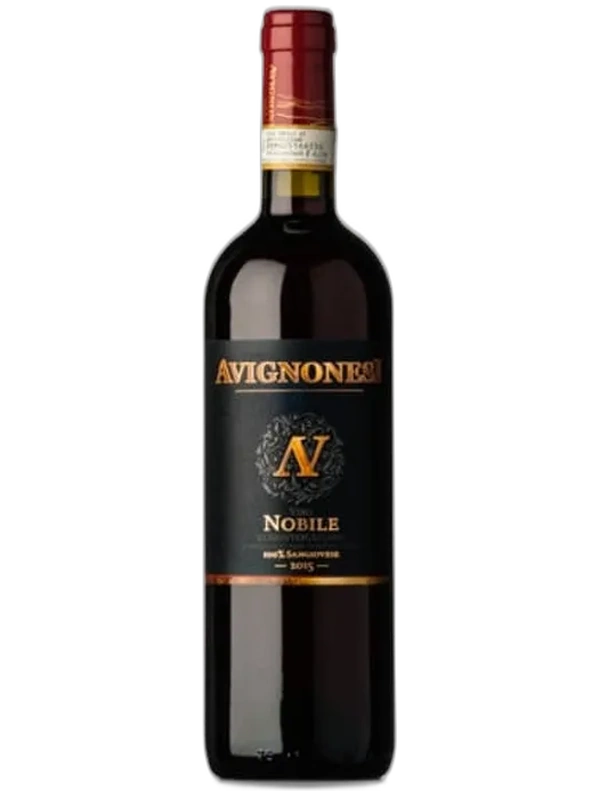
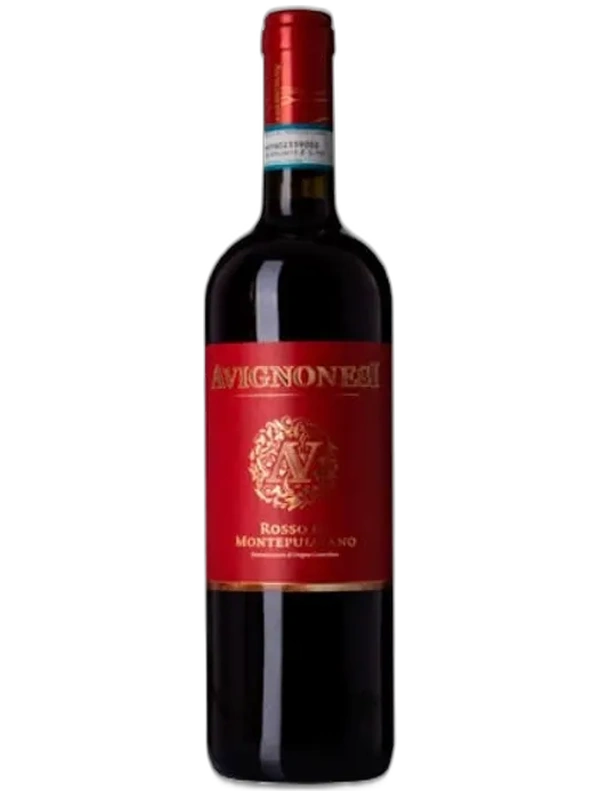
Avignonesi Vino Nobile di Montepulciano 2022
View Wine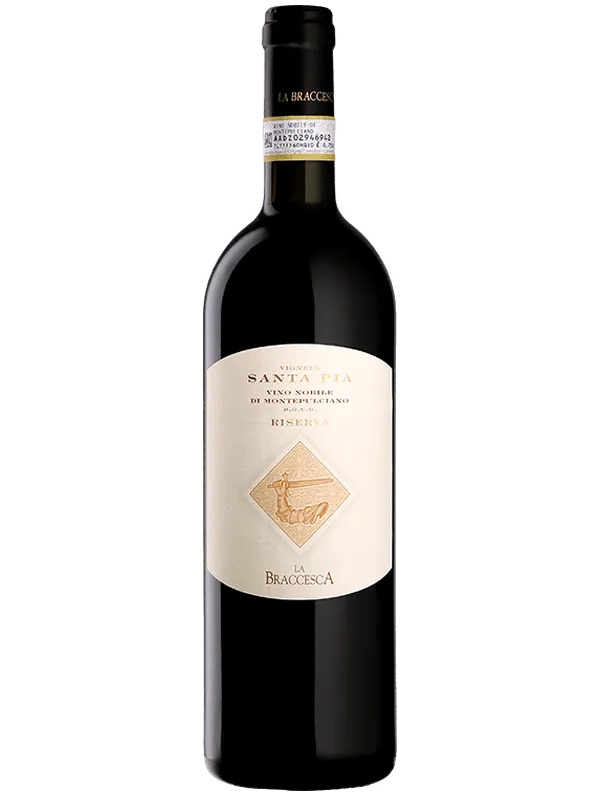
Antinori - La Braccesca Vigneto Santa Pia 2021
View Wine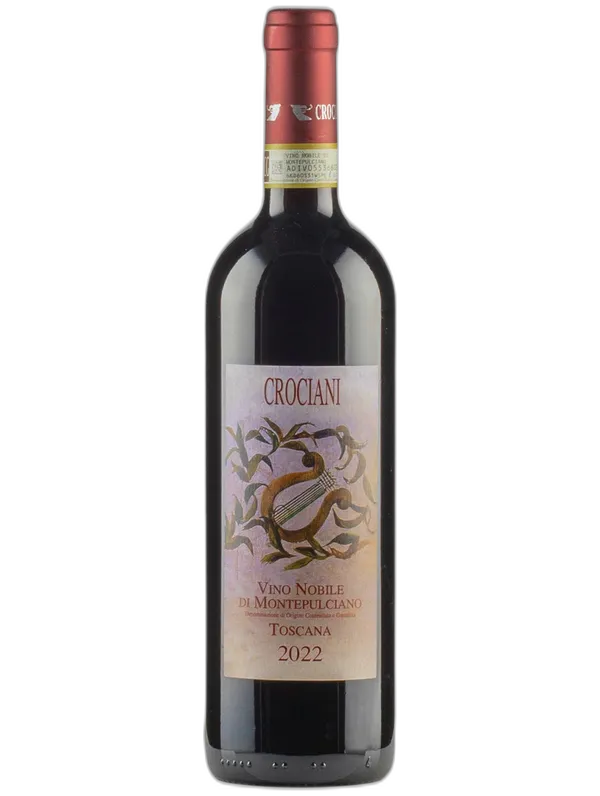
Vino Nobile di Montepulciano DOCG Crociani 2022
View Wine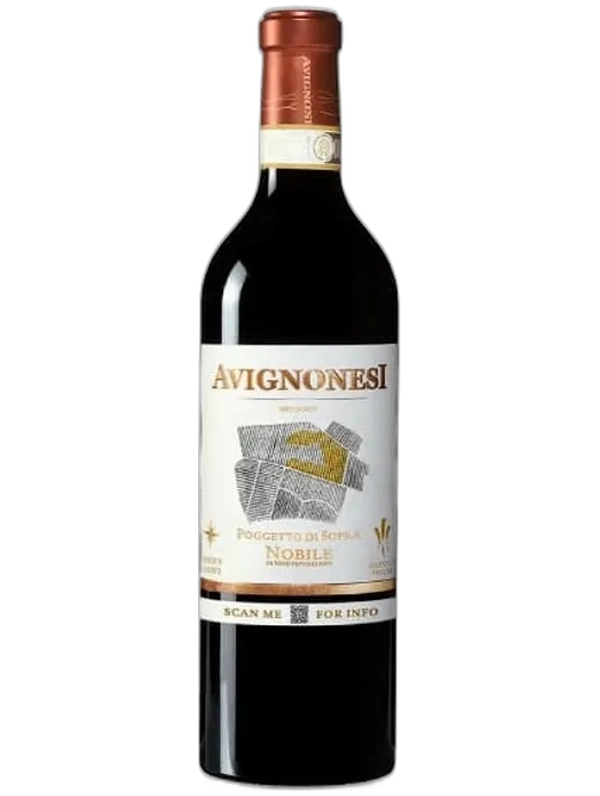
Avignonesi Poggetto di Sopra Nobile di Montepulciano 2022
View Wine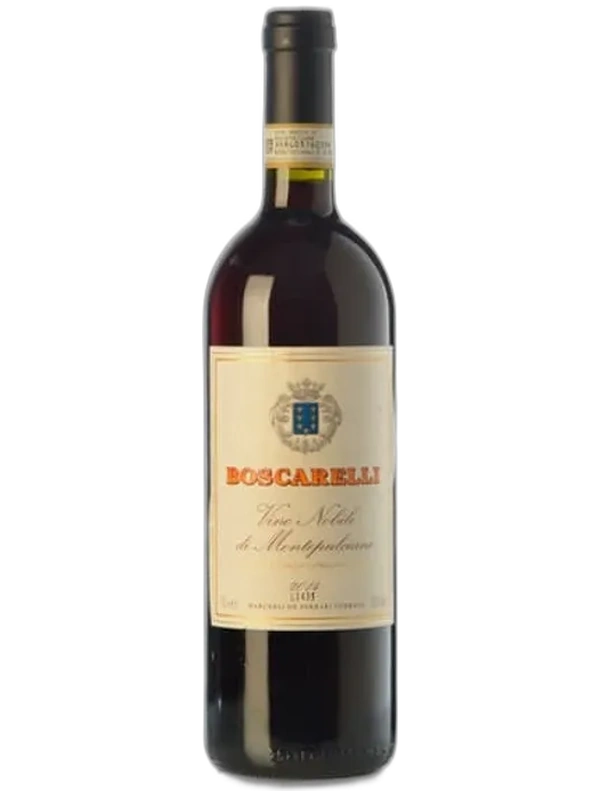
Boscarelli Vino Nobile di Montepulciano 2023
View Wine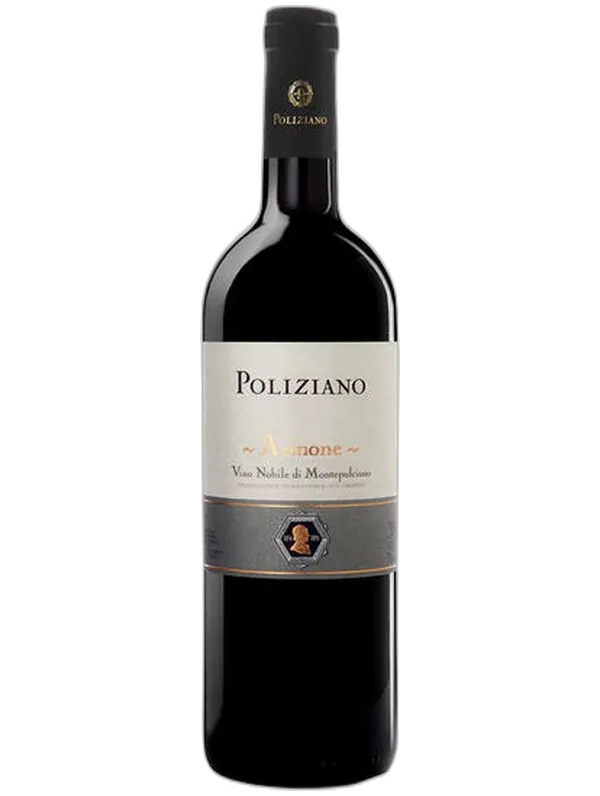
Poliziano Vino Nobile di Montepulciano Asinone 2022
View Wine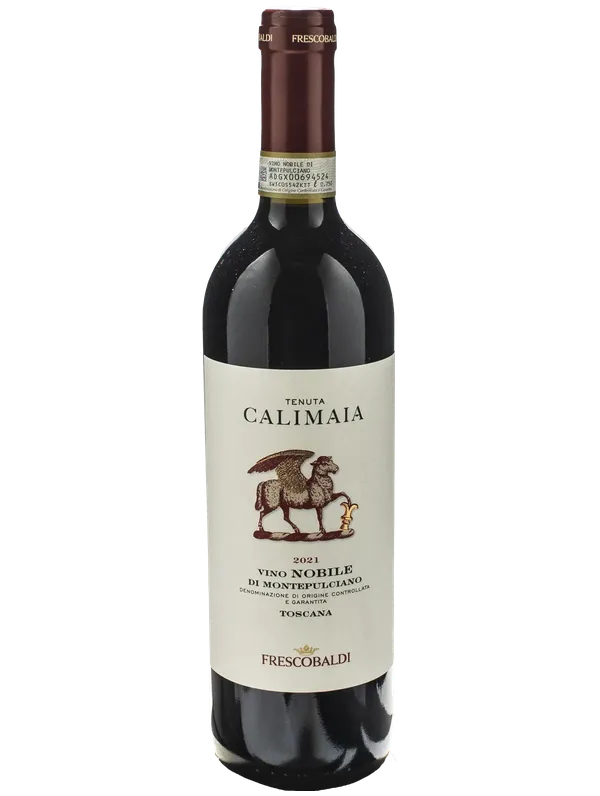
Nobile di Montepulciano Tenuta Calimaia - Frescobaldi 2021
View WineSide by side in the glass
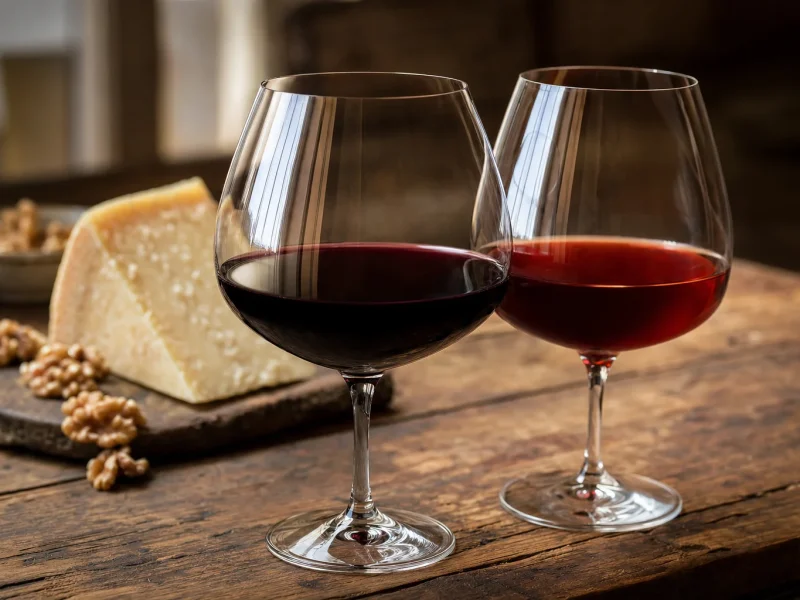
Pour them together and the family resemblance vanishes. Montepulciano d'Abruzzo leads with ripe plum and black cherry, medium-full body and tannins that settle quickly; most straight DOC bottlings drink best within their first three or four years. Vino Nobile is paler at the rim and firmer at the core: sour cherry, dried herbs and leather over the brisk acidity and grip that Sangiovese always brings. If your benchmark is Chianti Classico, think of Vino Nobile as the same grape a shade fuller and darker. Age tells too: at five years a straight Abruzzo bottling is usually past its best fruit, while a Vino Nobile Riserva is barely into its drinking window.
The table tells the same story. The Abruzzese is the midweek ragu and pizza red, happy alongside Italian sausages or aubergine parmigiana. Vino Nobile wants proper cooking: roast lamb, pappardelle with wild boar, a wedge of aged pecorino. To place them on Italy's tannin scale, Nebbiolo, the grape behind Barolo, sits above both, while Etna's volcanic reds run lighter and brighter than either.
What they cost in the UK
On current UK listings, straight Montepulciano d'Abruzzo starts at around £10 and clusters between £12 and £22; Zaccagnini's Tralcetto, the bottle with the vine sprig tied to its neck, sits near £21. Riserva wines from Castorani or Masciarelli's Villa Gemma push £29 to £60, which is where Abruzzo starts arguing with Tuscany. Every big supermarket also keeps an own-label version on the shelf; Tesco's Finest bottling is a fixture of the aisle.
Vino Nobile opens around £16 for a straight DOCG such as Filicheto and settles between £25 and £55: Poliziano's estate wine near £29, its single-vineyard Asinone at £53. Cru and Riserva bottlings from Boscarelli or Poliziano's Le Caggiole reach £70 to £90. The gap is structural, not snobbery: half the permitted yield, a minimum of two to three years in the cellar before sale, and Tuscan land prices all sit inside the bottle.
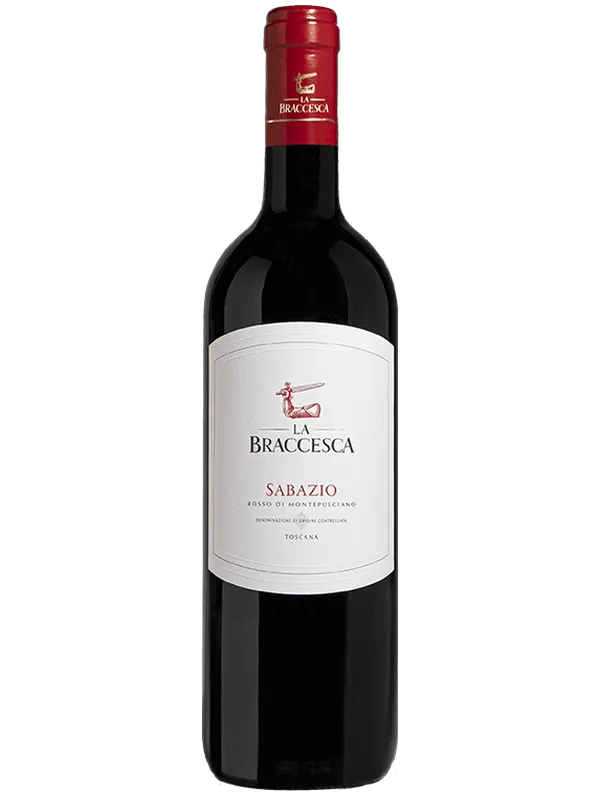
Rosso di Montepulciano is the bridge: £14 to £25 for wines such as Antinori's Sabazio, offering the town's Sangiovese profile without the wait.
Which one should you buy?
For a weeknight bottle to open without ceremony, Montepulciano d'Abruzzo between £10 and £15 is one of the most reliable spends in the Italian aisle. For a Sunday roast or anything that rewards structure, step up to Vino Nobile, and give a young one an hour in a decanter.
If you are buying to keep, the arithmetic favours the Tuscan: Riserva and Pieve bottlings are built around a decade, while most Abruzzo reds prefer their youth, with Villa Gemma and the top Colline Teramane wines the honourable exceptions. A £30 bottle from the town will still be improving when a £30 bottle from the coast is at full stretch. If you want the town's style without the price, Rosso di Montepulciano covers the gap.
And if you take one pairing away from this piece, make it Zaccagnini's Tralcetto against Poliziano's Asinone: the same word on the label, and not a single grape in common.
Frequently asked questions
Because the wine is named after the Tuscan town of Montepulciano, not the grape. The town's growers have always worked with Sangiovese, which they call Prugnolo Gentile, and the current rules require at least 70% of it. The Montepulciano grape is a separate variety at home in Abruzzo; for centuries it was even confused with Sangiovese, until 19th-century ampelographers told the two apart. The shared name survives as Italy's most persistent wine misunderstanding.
No. Rosso di Montepulciano is the junior DOC of the Tuscan town: Sangiovese-led, grown on the same slopes as Vino Nobile, released younger and usually priced between £14 and £25. Montepulciano d'Abruzzo is a different wine, built on a different grape in a different region, east across the Apennines. If you want a lighter Tuscan red for the price of a good Abruzzese, the Rosso is exactly that wine.
Straight DOC bottlings start at around £10, and £12 to £22 buys most of the region's best-known names, including Zaccagnini's Tralcetto at about £21. Riserva wines, which must spend two years ageing with nine months in wood, run £29 to £60 for bottles such as Castorani Riserva or Masciarelli's Villa Gemma. Browse the current range on our Montepulciano d'Abruzzo page to see what each price band actually buys.
Pieve is Vino Nobile's new top tier, permitted since the 2021 harvest. The word must be followed by the name of one of the parishes (additional geographic units, or UGA) around the town, and the wine must come from vines at least 15 years old, yield no more than 7 tonnes per hectare and age for three years before release. It is the denomination's answer to village-level labelling, part of the wider trend of Italian wine names getting more precise.
Vino Nobile, in most cases. Sangiovese's acidity and tannin carry Riserva and Pieve bottlings comfortably past ten years, which makes them the safer cellar buy. Most Montepulciano d'Abruzzo is made for its first three or four years, though Riserva and Colline Teramane DOCG wines from producers such as Masciarelli age seriously too. If you are filling a cellar shelf, weight it toward the Tuscan and keep the Abruzzese for drinking now.