






Italian Grape Varieties: How to Choose by Grape Family
TL;DR
- Italian grape varieties are easiest to understand as practical flavour families, grouping grapes by structure, aroma and drinking style rather than ancestry.
- Start with a grape you already enjoy, identify its acidity, tannin, body and fruit character, then explore Italian alternatives with a similar balance.
- A Sangiovese drinker might enjoy Barbera for brighter fruit or Nebbiolo for firmer tannin, while a Pinot Grigio drinker can move towards Verdicchio or Fiano.

A taste map, not a memory test
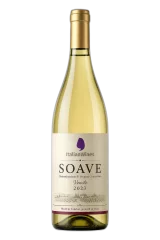
A glass of Soave can show lemon peel, almond and a quiet stony edge, yet the label may never place Garganega in large type. That single bottle explains why learning Italy grape by grape can feel needlessly hard: the name in the glass, the name on the bottle and the place of origin do not always line up neatly. A better first move is to ask how the wine feels.
In this guide, a family is a practical taste group, not a claim of shared ancestry. Acidity sets the pace, tannin supplies grip, body gives weight and aroma points towards floral, herbal, earthy or fruit-led character. Those cues let you move from a familiar bottle towards unfamiliar Italian white-wine styles or Italian red-wine styles without turning the experience into an A-to-Z memory test.
Treat each family as a doorway rather than a rigid box. Site, vintage, yield and cellar choices can pull one grape in several directions, while a blend may borrow traits from more than one group. If classification language gets in the way, keep the guide to Italian classification terms nearby. Here, the focus stays on the drinking clues that help you choose.
Fresh, saline whites: acidity comes first
The freshest white family leads with acidity and finishes clean. Verdicchio often brings citrus, green orchard fruit, fennel and an almond-like finish. Vermentino tends towards lemon, herbs and a coastal savouriness. Both can feel brisk, but Verdicchio commonly has more inner weight while Vermentino can seem more immediately breezy and aromatic.
Move south and Greco keeps the acidity while adding firmer stone-fruit and mineral tones. This is where a family map becomes more useful than colour alone: three pale wines can differ sharply in texture and aromatic force. A region-first route through Campania may lead you to Greco, Falanghina and Fiano together, while a family-first route separates the briskest examples from the broader, more textured ones.
Choose this group when you want refreshment with enough flavour for food. Verdicchio suits seafood risotto and grilled Adriatic fish; Vermentino works with Ligurian pesto or Sardinian shellfish; Greco has the cut for mozzarella di bufala and vegetable antipasti. If Pinot Grigio is your usual reference, begin with Vermentino, then move to Verdicchio and Greco as you want more savoury detail and structure.
Textured and aromatic whites
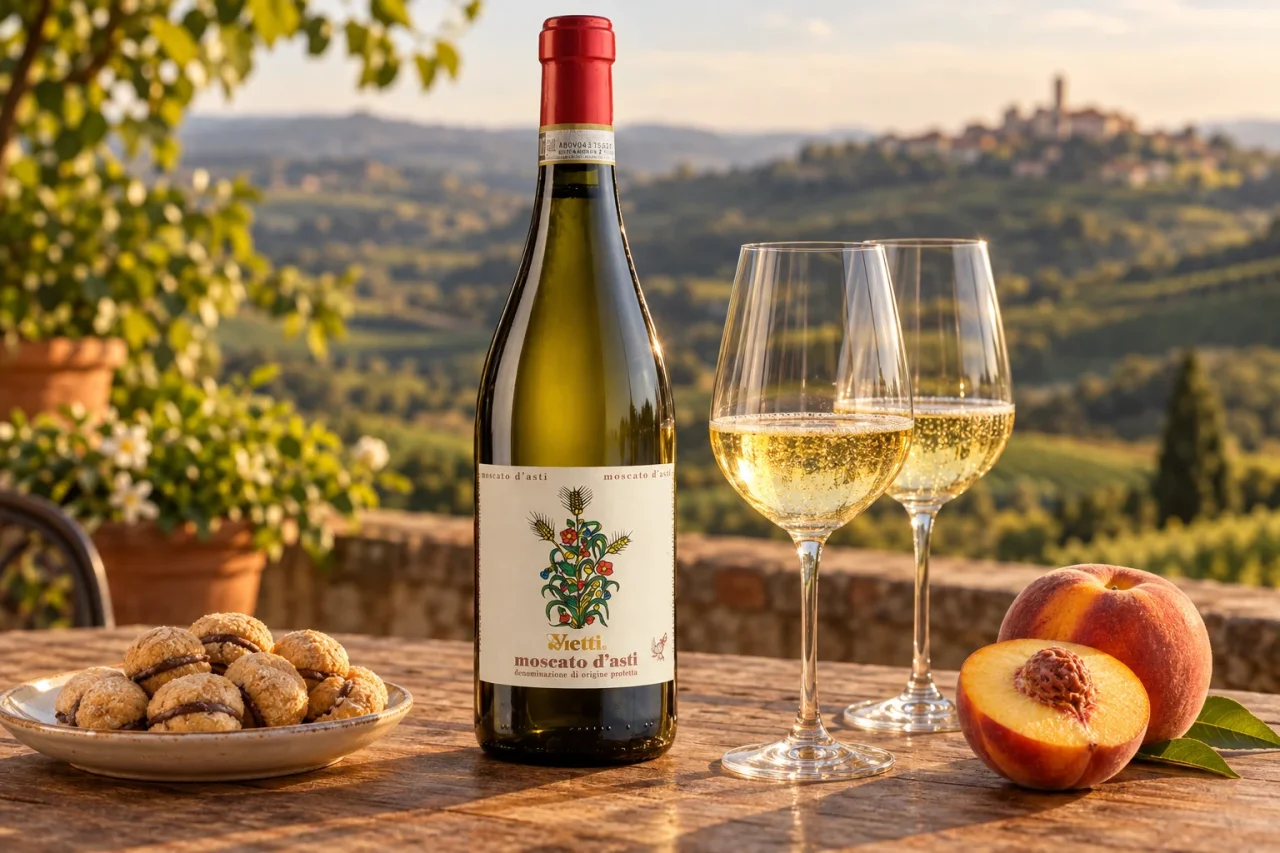
A second white family is less about a sharp opening sip and more about perfume, texture and length. Fiano can combine ripe pear, flowers, herbs and a gently waxy or nutty depth, especially when it has time in bottle. Moscato is more openly aromatic, with grape, blossom and citrus scents that remain recognisable whether the wine is lightly sparkling, still or sweet.
Familiar names can hide the same distinction. Prosecco usually gives a direct, fruit-led route to the Glera grape, while a textured Fiano asks for slower attention. Orange wine sits across the neat family lines because skin contact changes grip, aroma and texture. Production method can therefore alter the family resemblance as much as the grape itself.
Start with the drinking occasion. Fiano has the breadth for roast fish, aged provolone or mushroom pasta. Moscato belongs to a different aromatic branch and can meet fruit-based desserts or hazelnut pastries when sweetness is present. The wider story of Italy's sweet-wine traditions shows why aroma alone never tells you whether a wine will finish dry, off-dry or sweet.
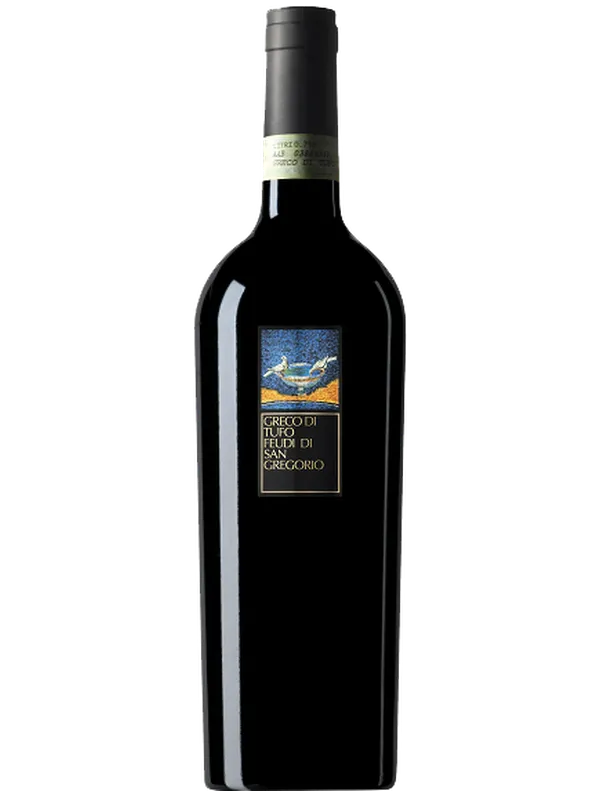
Aziende Agricole Feudi di San Gregorio Greco di Tufo 2025
A benchmark Campanian white from Feudi di San Gregorio, grown on the chalky tuff soils of Irpinia and rested four months on its yeast. Greco di Tufo DOCG with white peach, lemon and a stony, salty drive built for shellfish and bufala mozzarella.
View Wine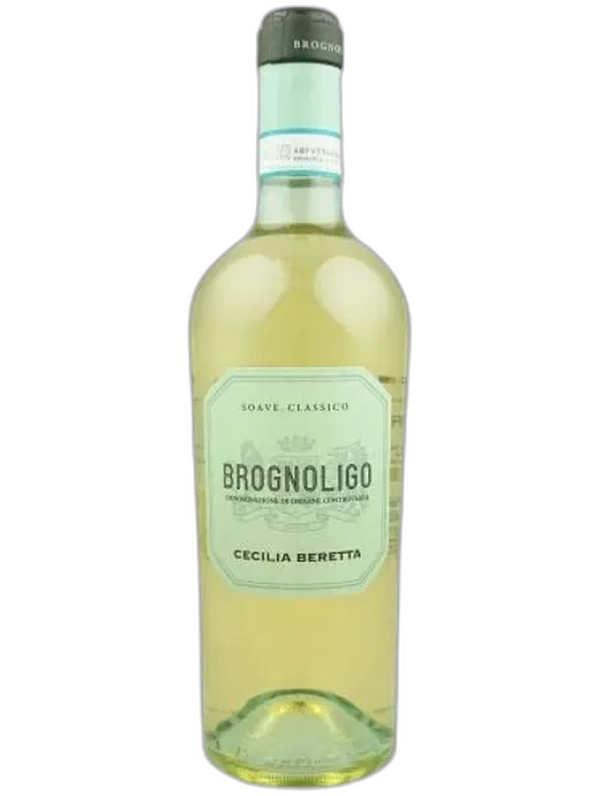
Soave Classico DOC Brognoligo Cecilia Beretta 2024
Cecilia Beretta's single-vineyard Soave Classico from the Brognoligo hill: 100% organic Garganega off 45-year-old pergola vines, late-ripened on the cane and finished with a little French oak. Chamomile, orchard fruit and a savoury almond close.
View Wine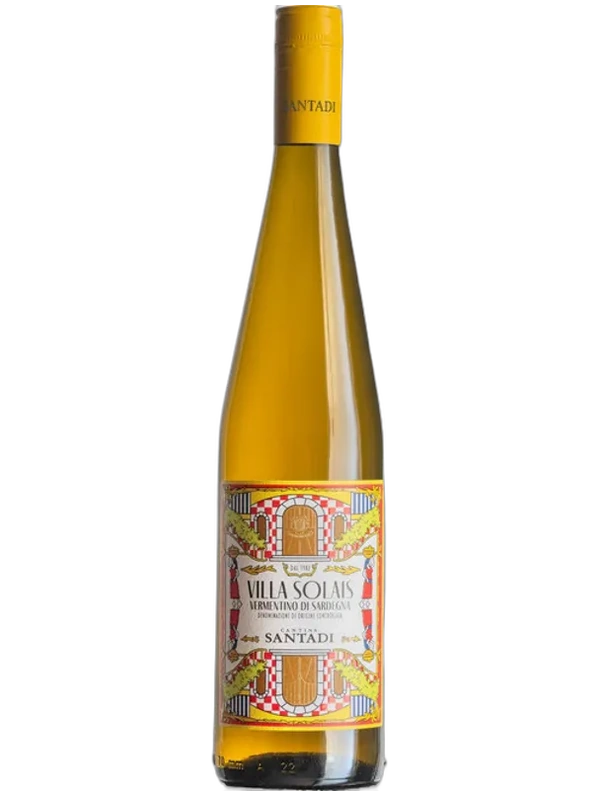
Vermentino di Sardegna, Villa Solais 2025
A Sardinian seafood white from Santadi, the Sulcis co-op advised by Giacomo Tachis: 85% Vermentino with Nuragus, steel-made and never oaked. Pear, lemon and wet stone with a salty edge. About £12 to £16 in the UK; James Suckling gave the 2024 92.
View Wine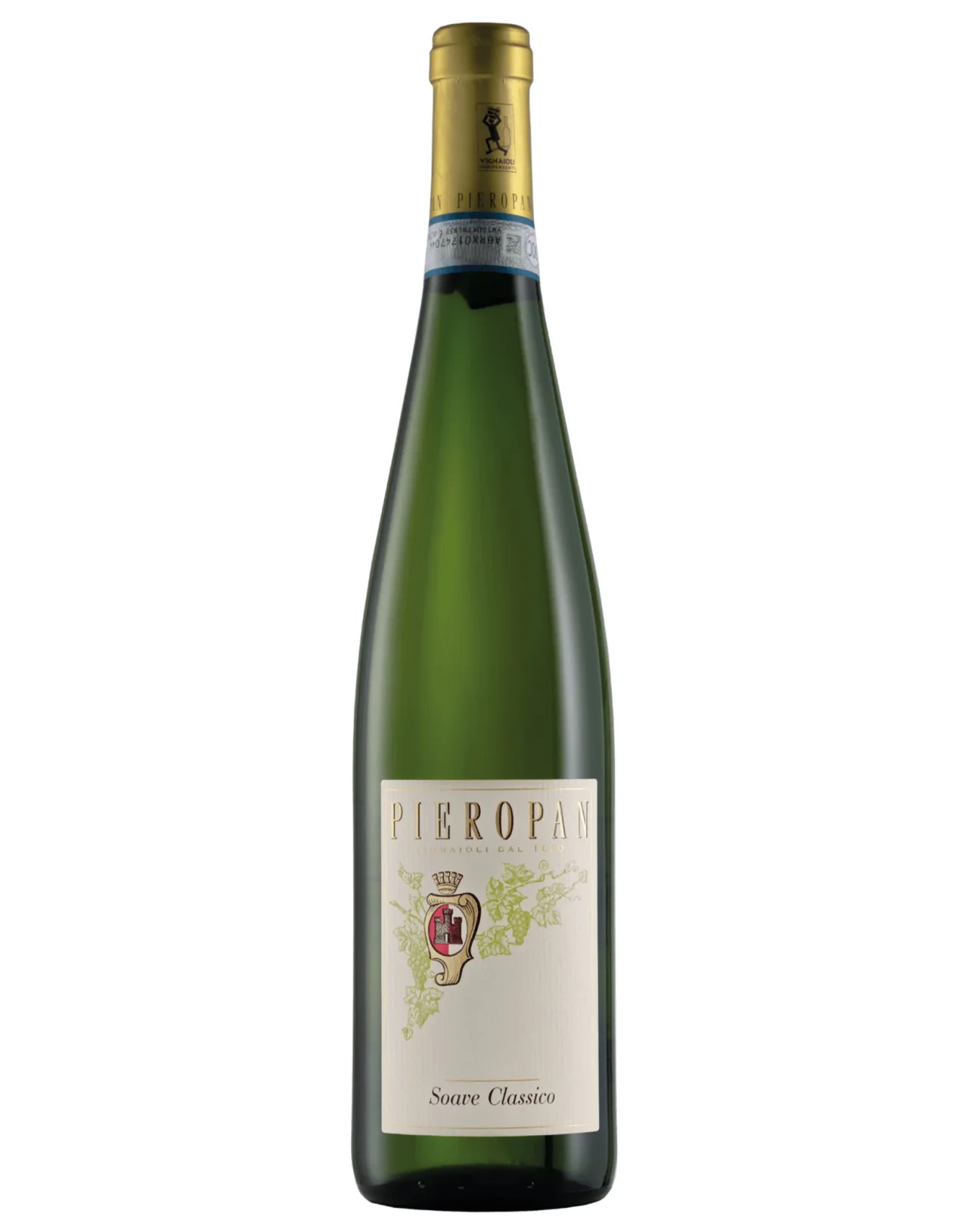
Pieropan, Soave, Classico 2025
Pieropan's Soave Classico is Veneto's Garganega benchmark: estate-grown on volcanic hills, fermented in glass-lined concrete and aged on its spent yeast. Pear, white peach and lemon meet a salty, stony core and the trademark bitter-almond finish.
View Wine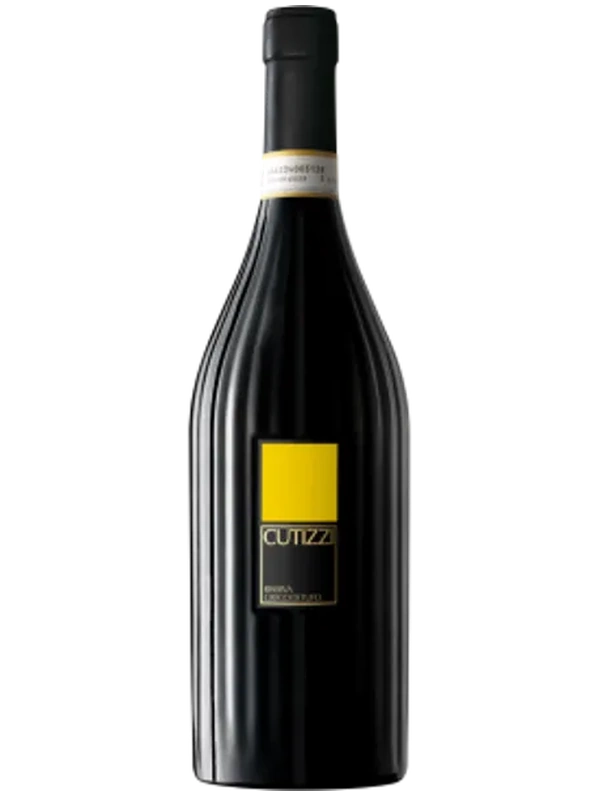
Cutizzi Greco di Tufo Riserva - Feudi di San Gregorio 2024
Feudi di San Gregorio's Cutizzi is single-vineyard Greco di Tufo DOCG from Santa Paolina in Irpinia, bottled as a Riserva since 2022 after 12 months in steel on the lees. Volcanic, sulphur-rich soils drive its pear, citrus and saline minerality.
View Wine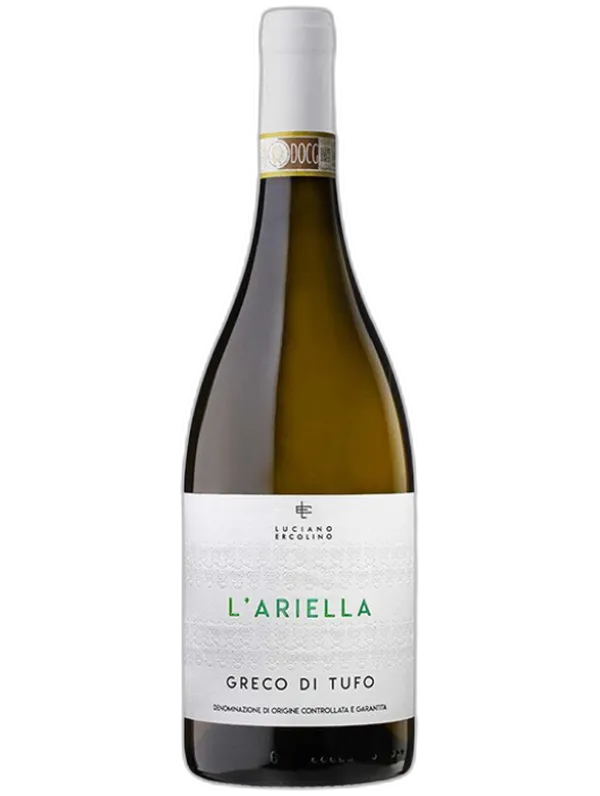
Greco di Tufo DOCG 'L'Ariella' 2025
Vinosia's L'Ariella is 100% Greco from tufo soils at Santa Paolina, fermented and aged three months in steel. Green apple, acacia and a salty, stony line built for shellfish; James Suckling gave the 2019 a 92.
View Wine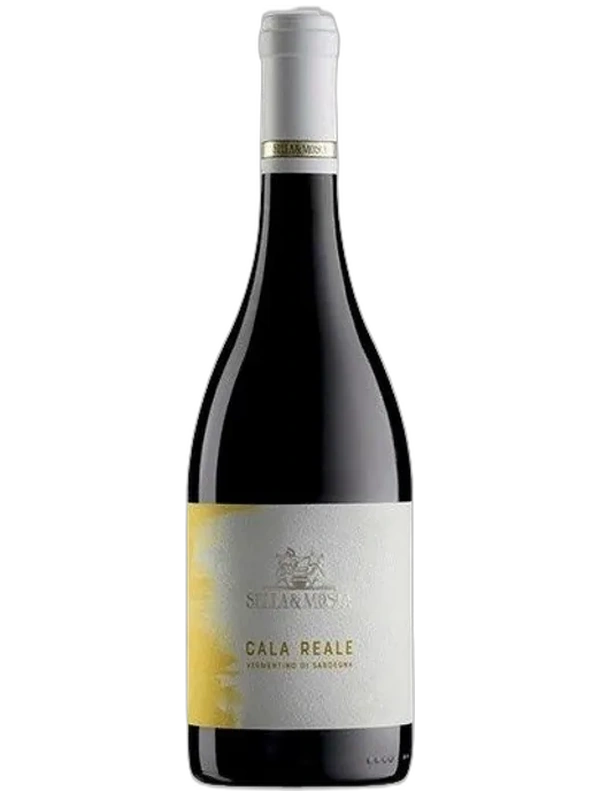
Sella and Mosca, Cala Reale, Vermentino di Sardegna 2025
Sella & Mosca's top Vermentino selection, grown on marine soils near Alghero, aged briefly in steel on its lees. Dry, citrus-fresh and salty, with white peach and a long stony finish. A Sardinian seafood white, best drunk young, around £15.
View Wine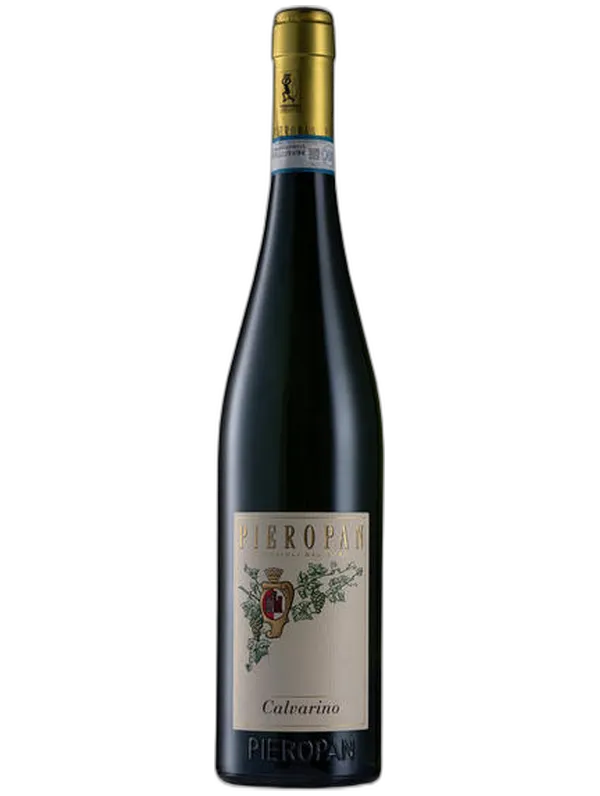
Soave Classico Calvarino Pieropan 2024
Pieropan's Calvarino proved Soave can age. Garganega and Trebbiano di Soave on basalt give a saline, almond-scented white with citrus drive and a stony finish. A benchmark single-vineyard Soave Classico, fine young and better at five years.
View Wine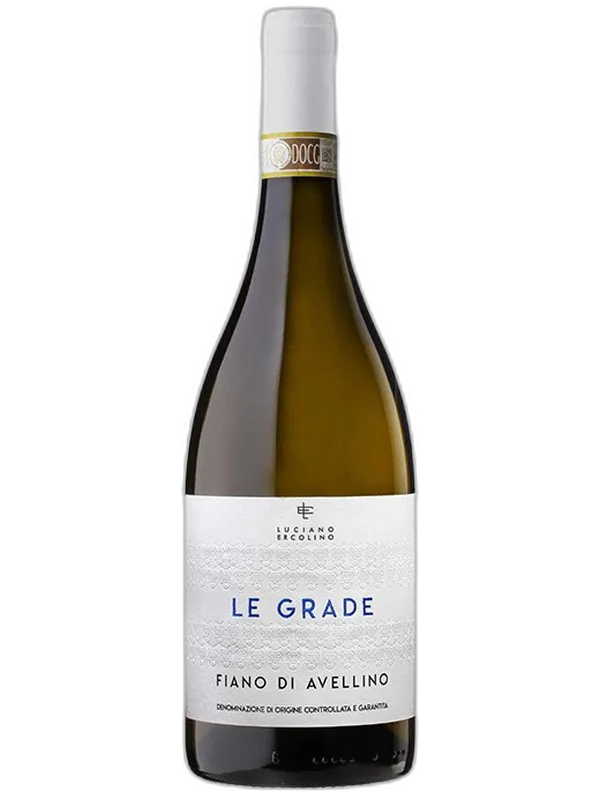
Fiano di Avellino DOCG 'Le Grade' 2025
Vinosia's single-site Fiano from San Potito Ultra, grown at around 500 metres on clay threaded with volcanic tuff. Steel-raised, dry and salty, it layers Williams pear, apricot and toasted almond over a stony spine. About £17 in the UK.
View Wine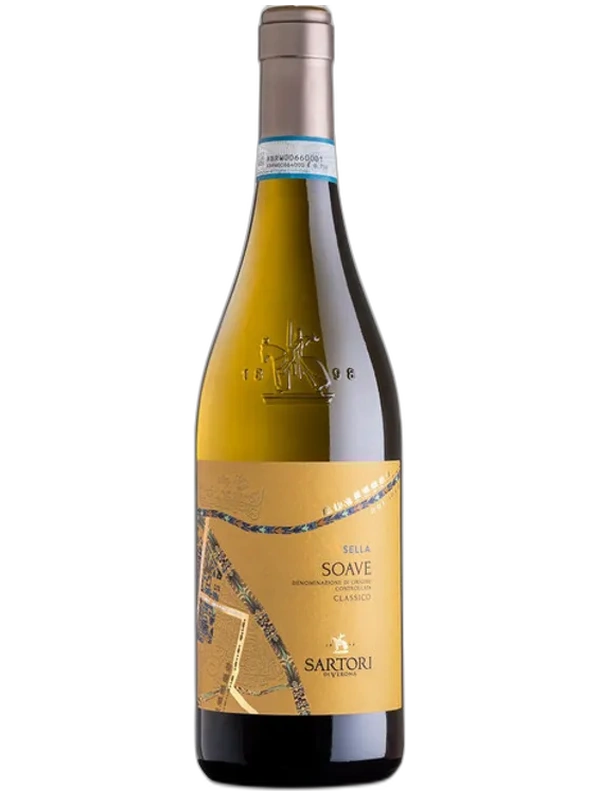
Soave Classico DOC Sella 2025
Sartori's Sella is a Soave Classico off the volcanic-basaltic hills east of Verona, 90% Garganega with Trebbiano di Soave. Steel and concrete ageing keeps it dry, mineral and saline, with pear, white peach and a bitter-almond finish at 12.5%.
View WineBright, savoury reds for the table
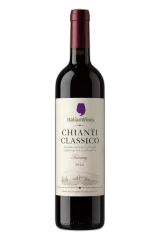
The most useful red starting point is the bright, savoury family: lively acidity, moderate body and enough tannin to shape the wine without dominating it. Sangiovese is the familiar reference. In Chianti, its sour-cherry fruit, dried herbs and savoury edge make sense beside tomato-based pasta, bistecca or pecorino. Across Tuscany, the same grape changes with altitude, blending choices and time in oak.
Barbera offers another route, usually with generous acidity and softer tannin. For a more perfumed, stony expression, Nerello Mascalese brings red fruit, herbs and fine grip from Sicily. It may sit near Sangiovese in a practical family, yet its volcanic settings and delicate colour give it a distinct voice.
Choose among them by grip. Barbera is the gentlest bridge for someone who dislikes drying tannin. Chianti adds a firmer savoury frame. Nerello Mascalese brings perfume and mineral tension. The story of Etna's volcanic, place-first character is a useful counterpoint: sometimes the landscape explains the bottle more clearly than a grape family can.
Perfumed, tannic reds that reward time
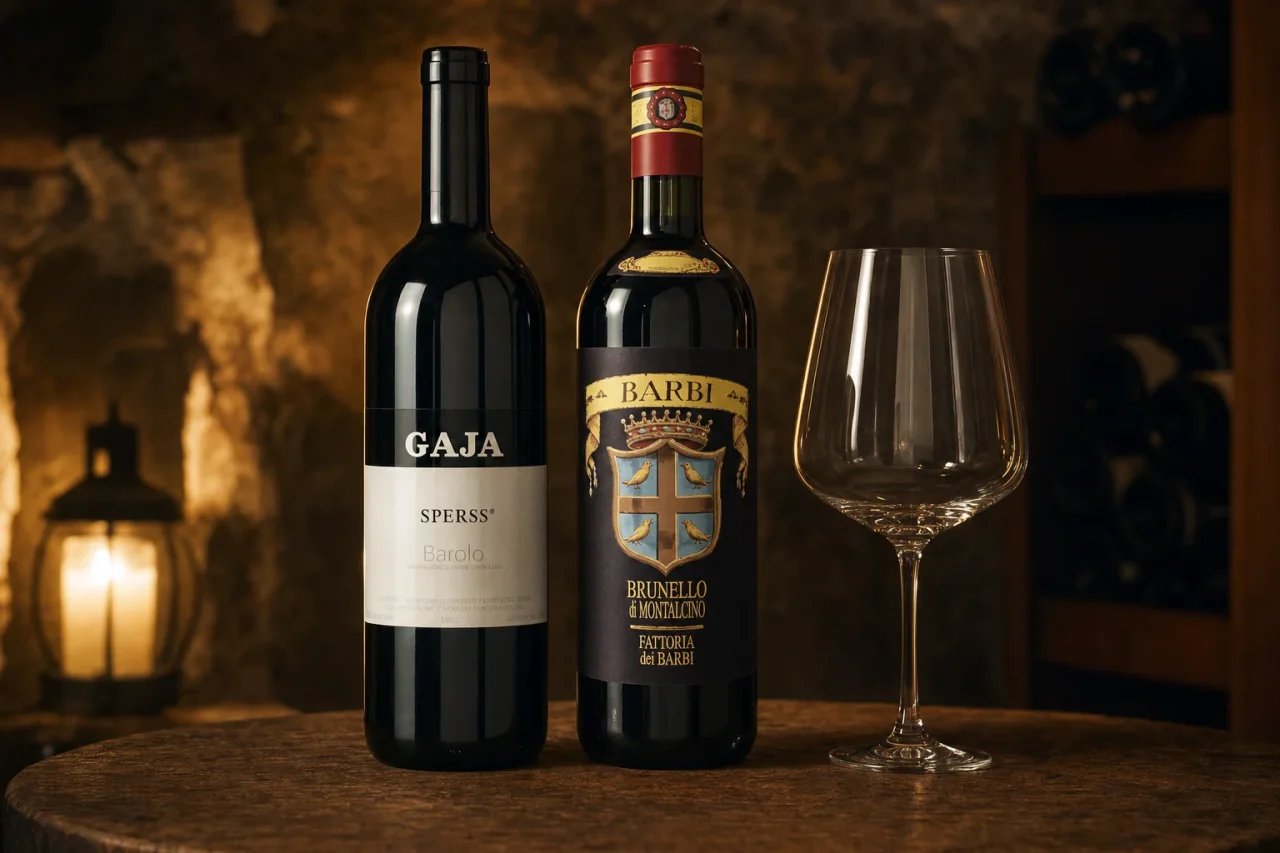
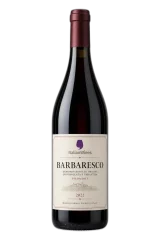
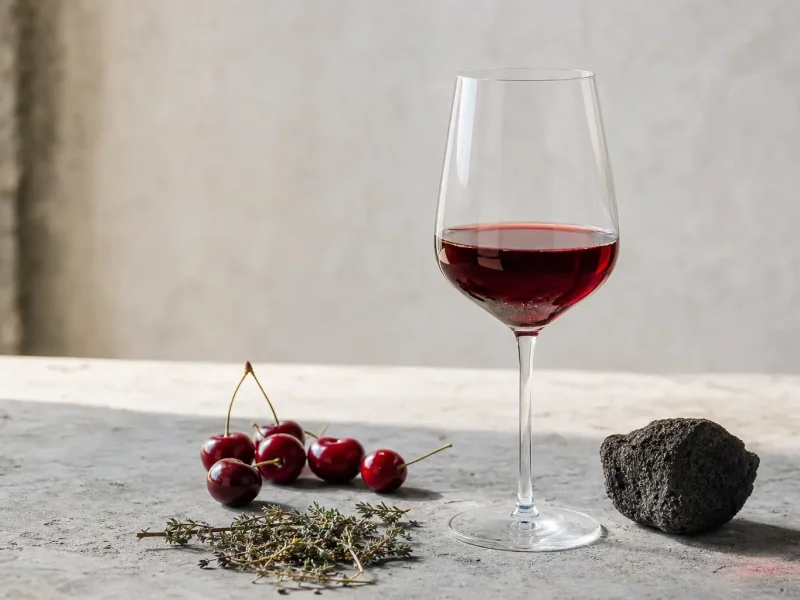
Some Italian reds combine high acidity, pronounced tannin and haunting perfume. Nebbiolo is the northern reference, with rose, red cherry, spice and a pale colour that can disguise its grip. The Langhe wine consortium describes its late ripening, tannin-rich skins and marked sensitivity to site and climate. That sensitivity helps explain why neighbouring hills can yield notably different wines across Piedmont.
Aglianico belongs in the same practical family because it also carries acidity, tannin and ageing potential, not because it is related to Nebbiolo. Its darker fruit, smoke, earth and southern warmth point towards Taurasi and Aglianico del Vulture rather than Barolo or Barbaresco. The structural resemblance gives a Nebbiolo drinker a credible route south without pretending the two grapes taste identical.
These wines reward patience at the table and in the cellar. Tannin softens with protein-rich dishes such as brasato, lamb or aged hard cheese, while acidity keeps the pairing awake. If grip is the quality you are trying to understand, the guide to how tannin changes an Italian wine gives the technical foundation. Choose Nebbiolo for perfume and precision, Aglianico for darker fruit and a broader, earthier frame.
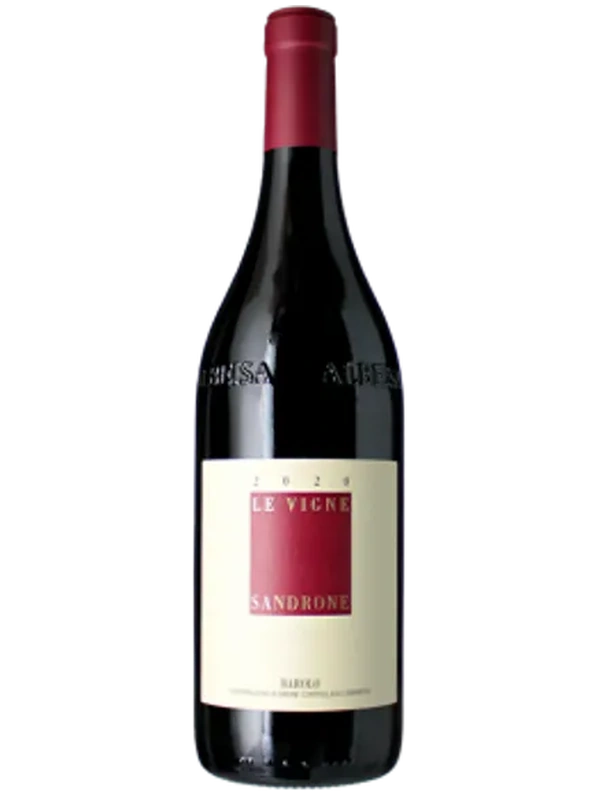
Barolo le Vigne - Sandrone 2022
Luciano Sandrone's Le Vigne blends Nebbiolo from five Barolo vineyards, Vignane, Merli, Baudana, Villero and Le Coste di Monforte, each made apart and joined only at the end. Tar, dried rose and black cherry over firm tannin. A Barolo to cellar.
View Wine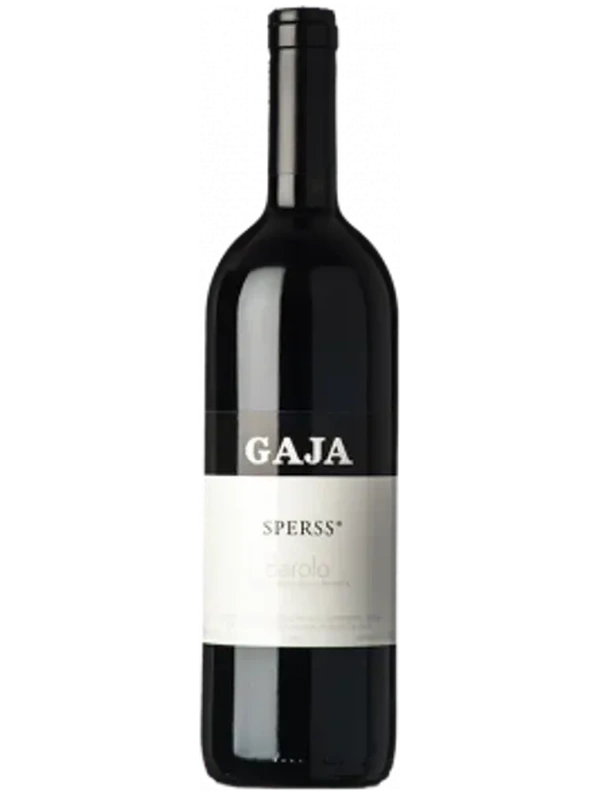
Barolo Sperss - Gaja 2021
Angelo Gaja's return to Barolo: Sperss, from the Marenca-Rivette amphitheatre in Serralunga d'Alba. Tar, dried rose and truffle over an austere, full frame. The 1988 debut ships as a gift-boxed double magnum; the 2019 is a 98-point keeper.
View Wine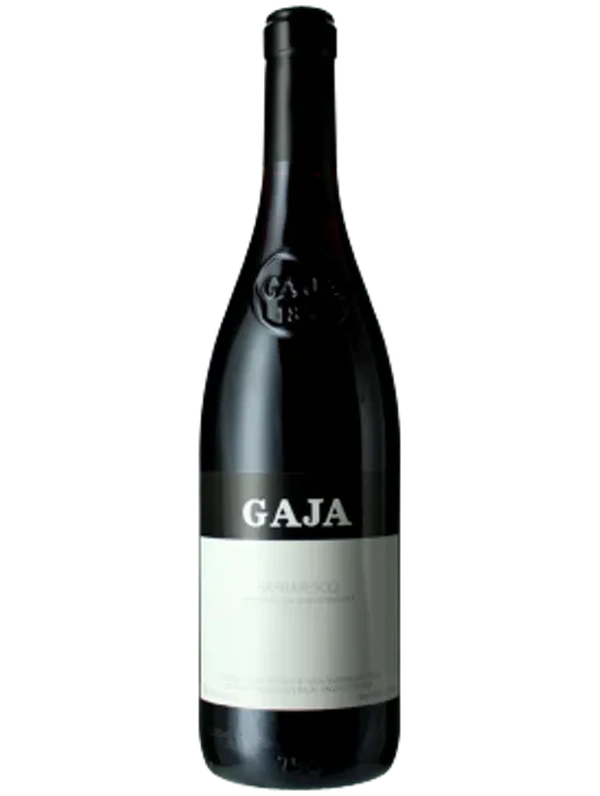
Barbaresco - Gaja 2023
Gaja's flagship Barbaresco is 100% Nebbiolo from fourteen family plots above the village, aged two years in oak. Violet, red cherry, tar and leather over high acid and firm tannin. A benchmark Piedmont red for braised beef, truffle and the cellar.
View Wine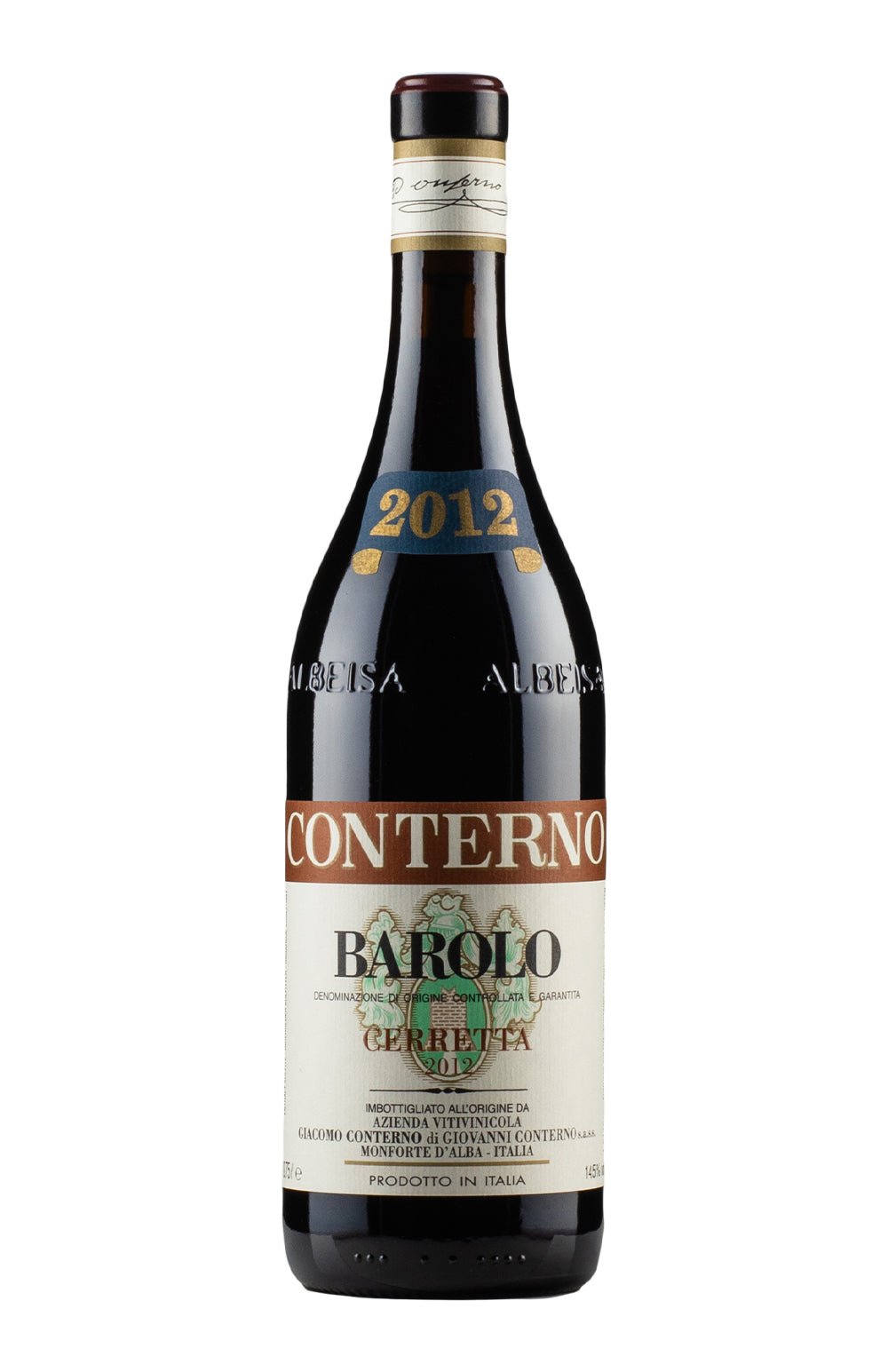
Barolo Cerretta Giacomo Conterno 2021
Roberto Conterno's Barolo from Cerretta, the clay-rich Serralunga cru he bought in 2008, aged four years in big botti. Fleshier than his Francia, still austere Serralunga Nebbiolo: leather, truffle and red fruit. UK stock runs 2012 to 2021.
View Wine
Barolo Bartolo Mascarello 2021
The cult traditionalist Barolo from Bartolo Mascarello, co-fermented from four historic vineyards (Cannubi, San Lorenzo, Rué and Rocche dell'Annunziata) and aged three years in large Slavonian oak casks. Austere, floral and built for decades.
View Wine
Barolo Riserva DOCG Monfortino Giacomo Conterno 2019
Barolo's benchmark, made only in years the Conterno family thinks deserve it, so there is no 1989, 2003 or 2007. Nebbiolo from the Cascina Francia hill in Serralunga. The 2019 spent four and a half years in big old casks. Firm, dry and savoury.
View Wine
Barolo Francia Giacomo Conterno 2021
Giacomo Conterno's benchmark Barolo: 100% Nebbiolo from the Cascina Francia monopole in Serralunga d'Alba, aged four years in large oak botti. Tar, dried rose and red cherry over a powerful, age-worthy frame to cellar.
View Wine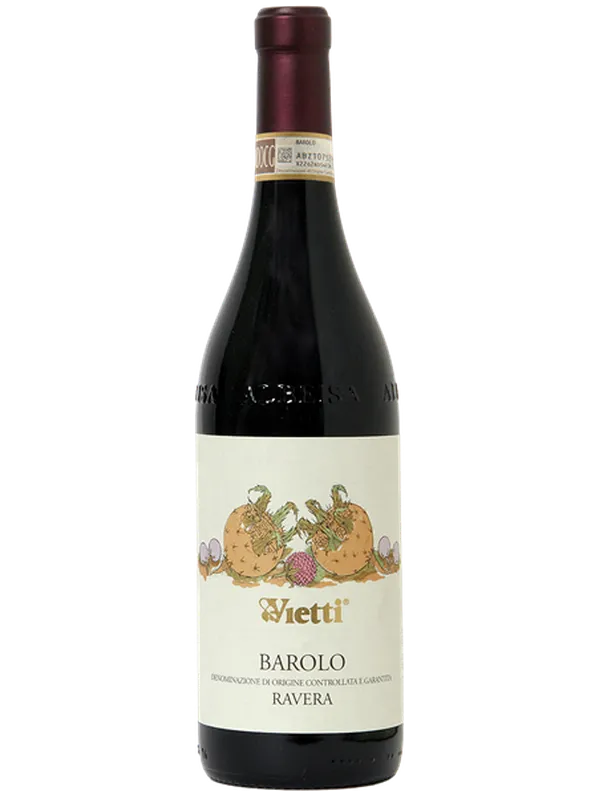
Vietti Barolo Ravera 2021
Vietti's classic Barolo: 100% Nebbiolo from crus across Castiglione Falletto, Monforte, Barolo and Novello, each parcel vinified apart then aged in large oak botti. Tar, rose and dried cherry over firm Langhe tannin, built to cellar a decade or more.
View Wine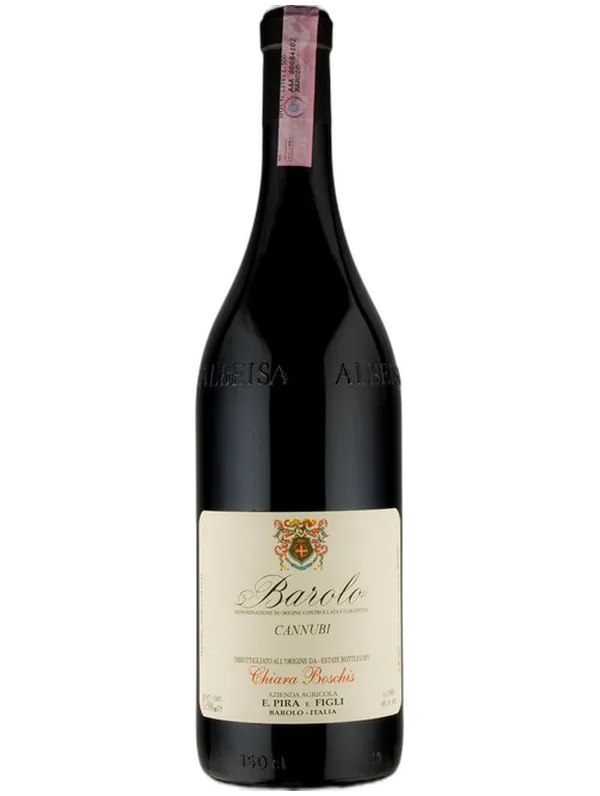
Barolo Cannubi Organic 2022
Cannubi, the hill the producer calls Barolo's most famous vineyard. Chiara Boschis farms it organically, ageing two years in casks then a year in bottle. Tar, cherry and a mint-eucalyptus edge; 14.5%, built for the cellar.
View Wine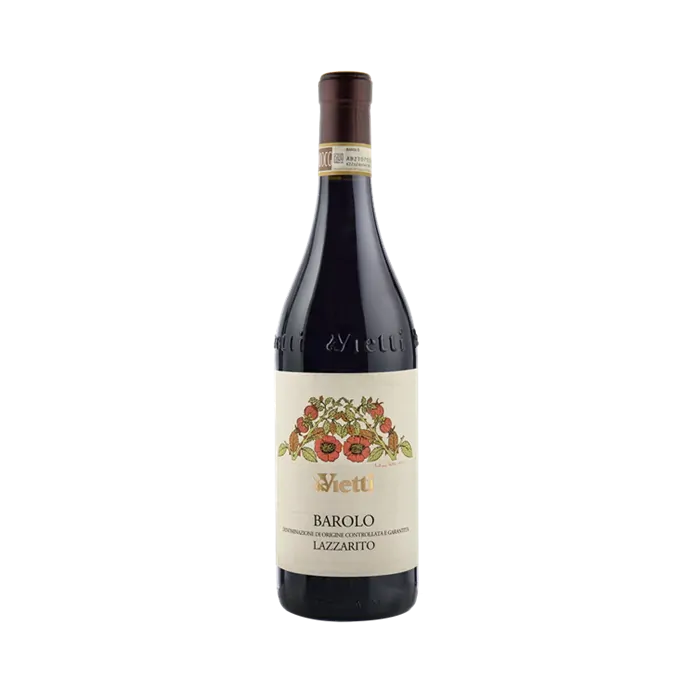
Barolo Lazzarito Vietti 2022
Vietti's single-vineyard Barolo from the Lazzarito vineyard in Serralunga d'Alba: 100% Nebbiolo aged around 30 months in large casks. Tar, dried rose and tobacco over a taut, stony, firmly tannic core. A structured, age-worthy Barolo for the cellar.
View WineDark-fruited southern reds and the identity trap
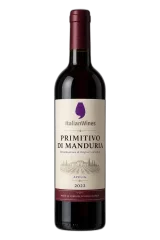
A warmer, dark-fruited family gathers grapes that feel generous early: plum, blackberry, spice and a broad mid-palate. Primitivo is the clearest starting point, especially in Primitivo di Manduria. Nero d'Avola can offer a Sicilian variation with black cherry, herbs and firmer freshness, while Negroamaro often turns darker and more savoury.
Primitivo also exposes the danger of treating names as separate identities. UC Davis Foundation Plant Services records that Primitivo and Zinfandel share the same DNA profile, while their separated clonal lines can behave differently. An Italian Primitivo and a Californian Zinfandel therefore share a variety but need not share ripeness, alcohol, oak or balance.
Use familiar Merlot as an international benchmark if you need one: a drinker who likes plush fruit may find Primitivo an easy Italian step, then move towards Negroamaro for more savoury bite or Aglianico for much firmer structure. The family gives direction, but origin and producer still decide whether the bottle feels supple, dense, fresh or heavy.
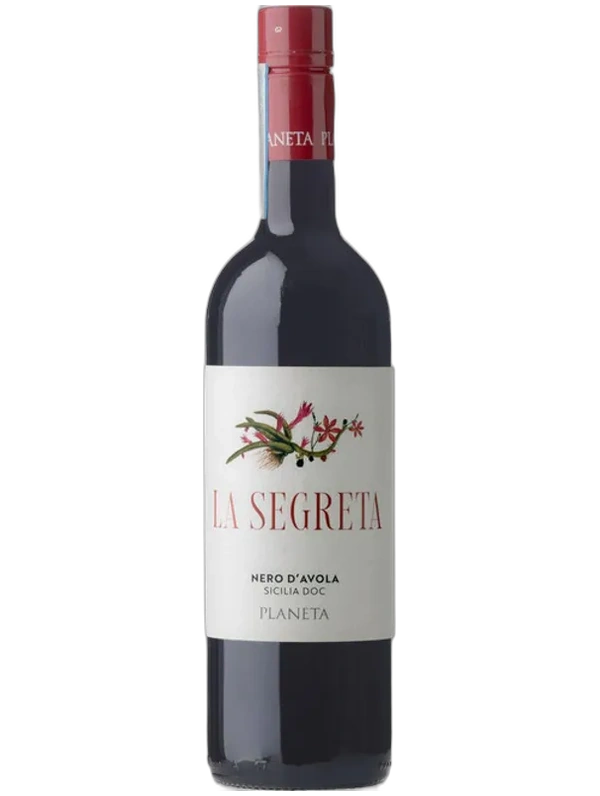
La Segreta Nero d'Avola 2024
Planeta's everyday Sicilian red, 100% Nero d'Avola from its organically farmed Dispensa vineyard at Menfi. Ripe plum, wild blackberry and cocoa with soft, easy tannins and a savoury, lightly spiced finish. A Sicilia DOC built for red meat.
View Wine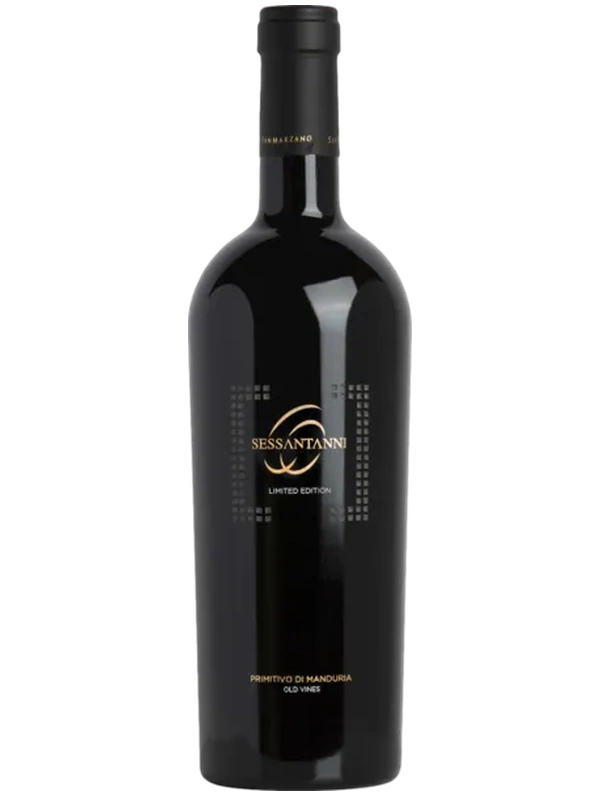
San Marzano 60 Sessantanni Limited Edition Old Vines Primitivo di Manduria 2020
San Marzano's flagship Primitivo, from bush vines at least sixty years old in the Valle del Sessantanni. A year in French and American oak leaves cocoa, coffee and vanilla over ripe plum. Big and soft at 14.5%.
View Wine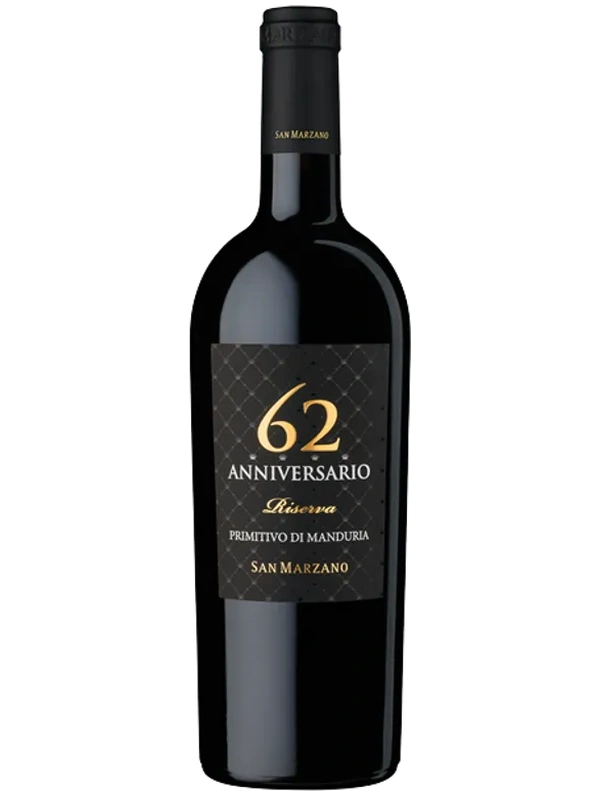
San Marzano, Anniversario 62, Primitivo di Manduria Riserva 2020
San Marzano's old-vine Primitivo, aged 18 months in French and American oak. Ripe plum and cherry jam, tobacco and sweet spice lead to cocoa, coffee and vanilla on a full, soft-tannined finish. A 14.5% Puglia riserva for red meat and game.
View Wine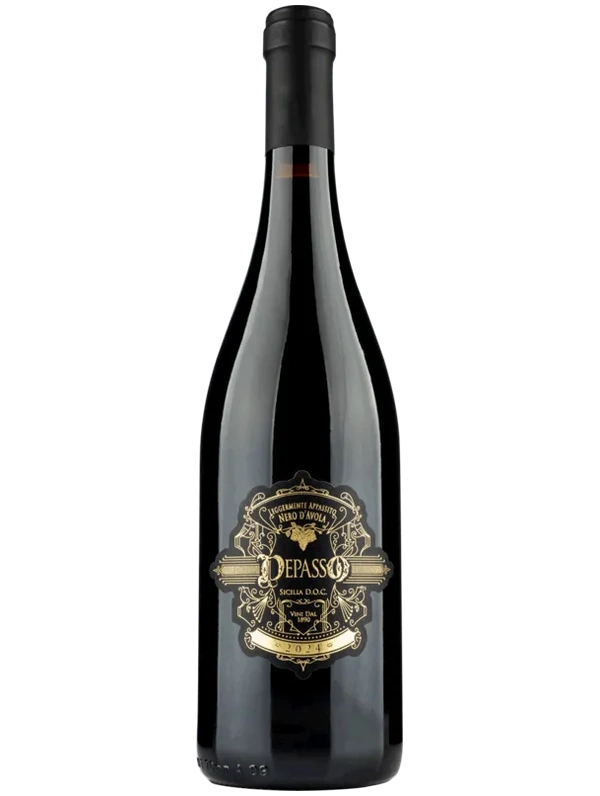
Depasso Nero d'Avola Leggermente Appassito 2025
Sicilian winemaker Fabrizio Vella blends fresh Nero d'Avola with a lightly dried passito parcel: a Terre Siciliane IGT red of bramble, black cherry and a raisin-and-liquorice richness. Full-bodied and soft at 13.6%, and well liked by drinkers.
View Wine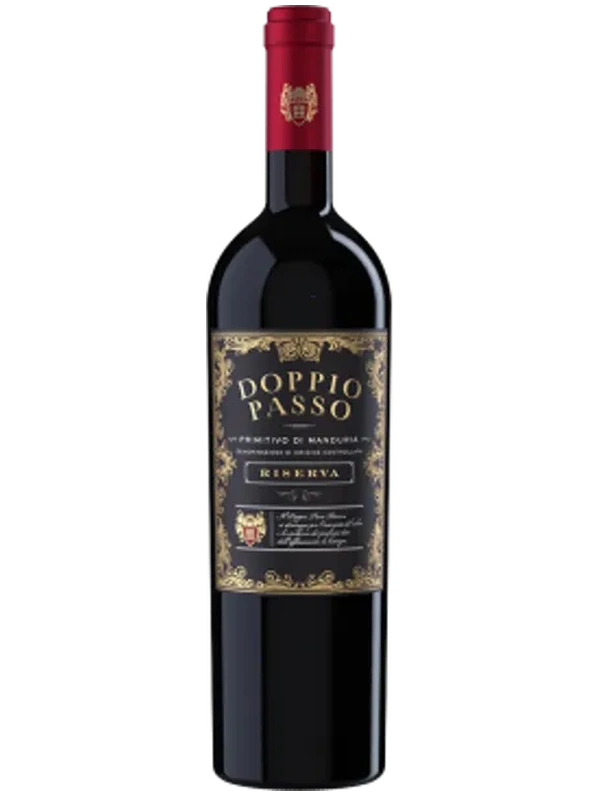
Primitivo di Manduria Riserva - Doppio Passo 2022
Doppio Passo's Riserva is a soft, ripe Primitivo di Manduria from the Botter family's brand. Two years' ageing with nine months in wood give blackberry, cherry, vanilla and toast at 14.5%. UK prices from £15 at Vinatis and Vino.com.
View Wine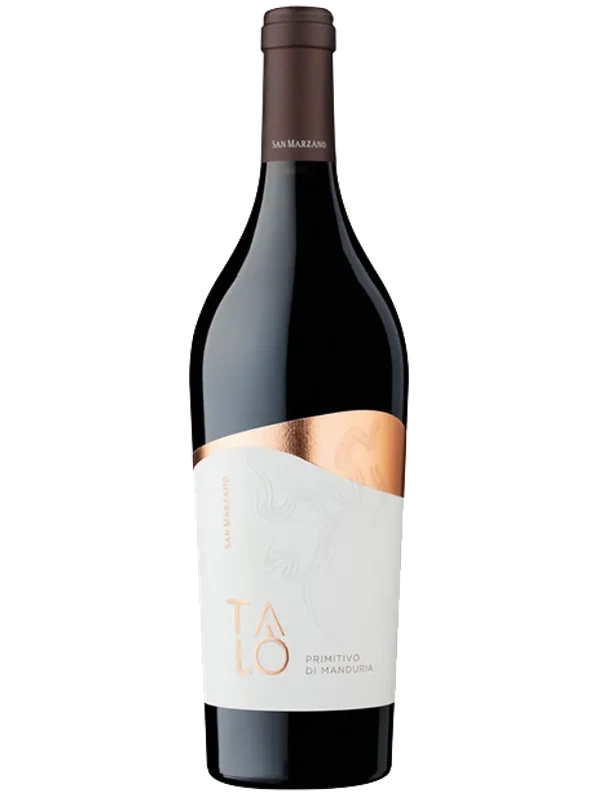
San Marzano, Talo, Primitivo di Manduria 2023
Puglia's big, warm Primitivo, grown on thin clay and stone near the Ionian sea. Six months in French and American oak add cocoa and vanilla over ripe cherry and plum. A well-liked everyday red, about £17 to £18.50.
View Wine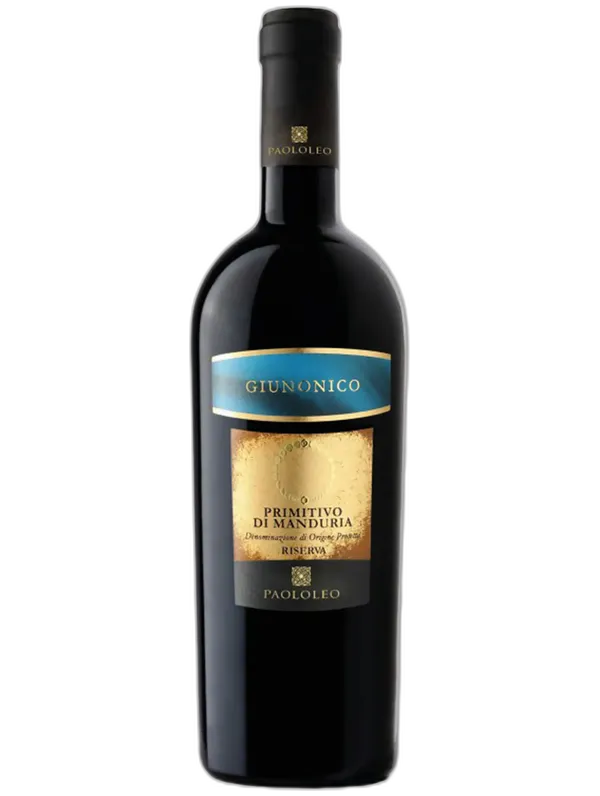
Primitivo di Manduria Riserva DOC Giunonico Paolo Leo 2018
Paolo Leo's top Primitivo, from bush vines over 70 years old near Sava. Twenty months in big oak casks leave it soft, warm and full, with blackberry, cocoa and sweet spice. A 15% Riserva built for game and roast lamb.
View Wine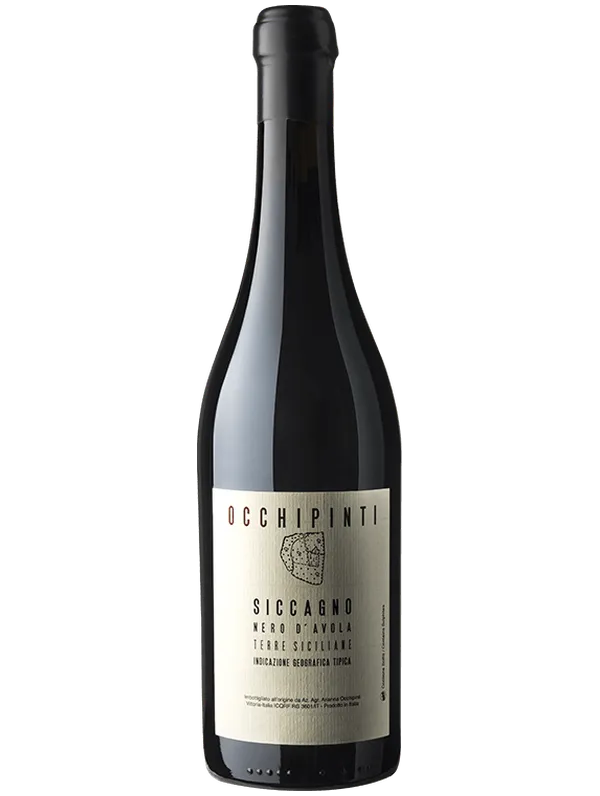
Azienda Agricola Arianna Occhipinti Siccagno Nero d'Avola 2023
View Wine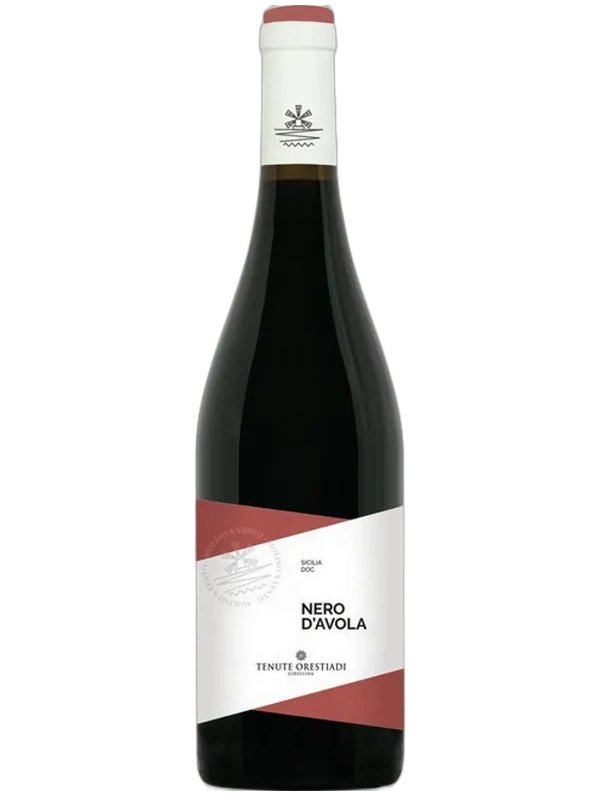
Nero d'Avola, IGT Terre Siciliane 2025
A juicy Sicilian red from Tenute Orestiadi, grown on the black earth around Gibellina in Trapani. Steel ageing and a short spell in wood give soft tannins, wild-berry and cherry fruit and a mineral edge. Honest Nero d'Avola at around £12 to £14.
View WineWhen place hides the grape
Italian bottles often foreground a place rather than a variety. Soave points to a wine and an area, while Garganega supplies its central grape identity. Chianti leads you to Sangiovese. Prosecco leads you to Glera. Learning these pairings is more useful than memorising every permitted variety, because it connects the label to a taste family you already understand.
Similar names need extra care. Trebbiano Toscano and Trebbiano Abruzzese are not interchangeable shorthand for one uniform taste. The same warning applies whenever a broad historical name covers distinct local material. Check the precise grape and origin before assuming two bottles will share weight, aroma or acidity.
Geography adds another layer. Italy's layered wine zones show why one grape can cross several cultural and administrative boundaries, while one denomination can depend on a blend. Keep the method simple: identify the likely grape, place it in a taste family, then use region and producer to refine the choice.
The reward is freedom, not mastery. A Verdicchio drinker can travel towards Vermentino for lighter coastal lift or Fiano for more texture. A Chianti drinker can move towards Barbera for softer tannin, Nerello Mascalese for perfume or Nebbiolo for greater grip. One familiar bottle becomes a bridge to the next, and Italy's many grape names begin to feel like connected possibilities rather than a test.
Frequently asked questions
Yes, Primitivo and Zinfandel are the same grape variety at DNA level. UC Davis Foundation Plant Services records their matching profile, while noting that clonal lines can develop differences over time. In the glass, wines such as Primitivo di Manduria often feel ripe, generous and sun-warmed, but site, yield, harvest date and winemaking can make two bottles taste quite different. Shared identity does not guarantee a single style.
No, the families in this guide describe how wines taste and feel, not a shared genetic ancestry. Putting Nebbiolo and Aglianico together helps you compare high acidity, firm tannin and savoury depth; it does not make them siblings. Genetic parentage is a separate scientific subject. Think of each family as a useful shelf in your mind, flexible enough to reflect producer, place, vintage and winemaking.
Start with the colour you drink most often, because familiar structure makes the first comparison easier. For reds, compare the acidity and savoury cherry often found in Chianti with the softer fruit of Barbera. For whites, contrast crisp Verdicchio with fuller, scented Fiano. Neither route is more serious or rewarding. Choose around the food, weather and texture you want, then cross into the other colour once the family idea feels natural.
Because the grape is only one part of the wine. Altitude, exposure, soil, climate and cellar choices all change ripeness and structure. The Langhe wine consortium notes that Nebbiolo is especially sensitive to site and climate, which helps explain its range across Piedmont. In Sicily, Nerello Mascalese offers another place-led contrast across Etna's slopes. Treat a family as a starting point, not a fixed flavour promise.
Match it to a wine you already enjoy, then check acidity, tannin, body, sweetness and region before buying. If you like juicy, medium-bodied reds, Barbera is a gentler leap than firmer Aglianico. For a textured white, try Fiano before moving towards more aromatic styles. Ask the merchant for a food match and serving temperature, and begin with a well-made regional bottle at a comfortable price.
Try Vermentino for citrus and herbs, Verdicchio for a firmer savoury finish, or Fiano for more perfume and texture. All three preserve enough freshness to feel familiar, but each opens a different part of Italy. If you value lightness, start with Vermentino; if you want more weight, choose Fiano; if you want mineral tension and almond-like length, try Verdicchio first.