









 1,428 wines
 41 denominations










Chardonnay is a white grape with a clear Italian role.
Wines
635
Acidity
Body
White Grape · Veneto
The ancient white grape behind Soave, capable of far more than its bargain-bin reputation: on the volcanic hills of the Veneto, Garganega turns mineral, almond-scented and age-worthy.
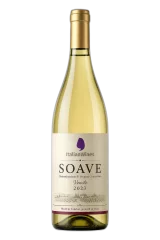
Garganega is the ancient white grape behind Soave. It grows across the volcanic hills east of Verona in the Veneto. It is at its best on the basalt slopes of Soave Classico and Gambellara. There it gives dry whites of white peach, almond and flint. The same grape also makes the honeyed passito of Recioto di Soave.
Your cellar, your trips, and the wines you've been tracking are right where you left them.
New here?
Free, always. Education first, we'll never sell you anything you didn't ask to see.
Already have an account?
Enter the email you signed up with and we'll send a link to choose a new password.
Setting it straight
The anchor fact: Soave was Italy's best-selling DOC white in the 1970s and 1980s, most of it mass-produced from over-cropped lowland vines, which buried Garganega's real quality under a sea of thin, neutral wine.
Taste · Where it sits
Forget scores out of five. Here’s Garganega described against grapes you already know.
Lighter-framed than Campania's Fiano and built on freshness rather than weight, though lees-aged Soave Classico from the volcanic hills gains a waxy, almost saline mid-palate.
Firm Veneto-hillside acidity keeps Soave alive for years, yet it reads rounder and less piercing than its old blending partner Verdicchio, with an almond bitterness doing the gripping where Verdicchio uses raw citrus.
A white with no real tannin, but Garganega's phenolic, almond-skin pull on the finish gives more textural grip than most Veneto whites, especially in the skin-contact wines of Gambellara.
Almost always vinified bone-dry as Soave, all white peach and apple rather than mango or pineapple, with the one lavish exception of the dried-grape Recioto di Soave passito.
Key flavours





The map
Garganega is light to medium, crisp, fresh acidity, mapped against other white grapes you can buy. The closer a grape sits, the more its weight and freshness resemble Garganega.
Is this for you?
Reach for it when…
Maybe skip it if…
Serving guide
Serve at
10-12°C
Serve at 10 to 12 degrees: colder than that mutes the almond and white-flower aromatics that separate hillside Soave from anonymous supermarket bottlings.
Decant
No
No decant needed for young Soave, though a mature Soave Classico or a Recioto can open up with twenty minutes of air.
Glass
Chardonnay Glass
A medium tulip such as a Chardonnay glass gathers Garganega's gentle stone fruit and blossom without thinning its texture.
Drink within
3-5 days
Most Soave is at its best in the first two to three years, but low-yield Classico crus reward five to ten.
Cellar
Up to 10 years
Recioto di Soave and top single-vineyard Soave can hold a decade or more, deepening toward honey and dried herbs.
On the table
Start with the home-table matches that made the grape, then browse the full cuisine library.

The Venetian classic
Whipped salt cod on grilled polenta is the definitive Soave match, its creamy salinity meeting Garganega's almond bite and brisk acidity.

Doge's spring dish
Venice's soupy rice and peas wants a fresh, low-alcohol white, and young Soave's orchard fruit slips around the sweet peas without overwhelming them.

Lagoon supper
Tiny grey lagoon shrimp on soft white polenta echo Garganega's saline, mineral side better than any oaky white could.

Treviso bitter edge
The bitterness of Treviso radicchio mirrors Garganega's almond-skin finish, while the wine's acidity cuts the risotto's butter.
Browse every pairing
Buy it · three to start with
A curated trio across the price range, then every Garganega on sale in the UK right now.
Special occasion
 3 retailers
Veneto
3 retailers
£25.20
Why this one: Anselmi's golden dried-grape I Capitelli is Garganega's sweet soul, the modern heir to Recioto di Soave.
12 of 78 bottles
 7 retailers
Soave
7 retailers
£18.24
 5 retailers
Soave
5 retailers
£15.50
 5 retailers
Soave
5 retailers
£27.19
 3 retailers
Soave
3 retailers
£9.40
 3 retailers
Veneto
3 retailers
£14.70
 3 retailers
Soave
3 retailers
£15.80
 3 retailers
Veneto
3 retailers
£19.14
 3 retailers
Soave
3 retailers
£19.99
 3 retailers
Veneto
3 retailers
£21.84
 3 retailers
Soave
3 retailers
£22.00
3 retailers
Veneto
3 retailers
£25.20
 2 retailers
Appellation TBD
2 retailers
£9.60
Denominations
The appellations where Garganega plays a starring role.
Where it grows

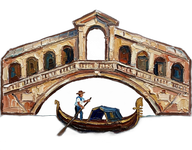
Italy's largest wine region by volume, where Prosecco hills, Valpolicella ridges, and Soave's volcanic plain shape three different Italian classics.
The terroir
Garganega is a mirror of Veneto geology: the same grape reads completely differently on volcanic rock and on valley clay.
Soave Classico
the basalt and tuff hills east of Verona
mineral, almond-scented and built to age
Gambellara
the volcanic slopes across the Chiampo valley
wilder and smokier, home to Garganega's natural-wine fringe
Recioto di Soave
the drying lofts of the Classico zone
grapes dried on mats to a honeyed golden passito
Editorial
Garganega is one of Italy's oldest white varieties. It has grown in the hills of the Veneto since at least the Middle Ages. Today it ranks among the country's most planted white grapes. DNA studies have shown it to be identical to Sicily's Grecanico Dorato. They also link it closely to a web of native vines, including Trebbiano Toscano. That is a sign of how deep its roots run in the Italian vineyard.
Soave's fall was a story of where Garganega was planted, never of what the grape could do.
On the volcanic hills of SoaveIts home is Soave. There Garganega makes up seventy to one hundred per cent of the blend. A little Trebbiano di Soave historically softened it. That is the local name for the grape this site catalogues as Verdicchio. The variety ripens late and crops generously, which gives it a double reputation. On fertile lowland it can give thin, neutral wine. On the volcanic basalt and tuff of the Soave Classico and Gambellara hills, with yields held down, it turns stony, structured and genuinely age-worthy.
Growers such as Pieropan, Pra, Inama, Suavia and Gini built the modern revival on single vineyards like Calvarino and La Rocca. Much of it is still trained on the traditional pergola veronese. Beyond the dry wines, appassimento drying gives Recioto di Soave. That golden sweet wine can age for a decade or more. From volcanic hillside Soave to honeyed passito, Garganega rewards the patient far more than its bargain-bin past ever suggested.
Good to know
Garganega is the white grape that makes Soave, the best-known dry white of the Veneto in north-east Italy. It gives light-bodied, brisk wines with white peach, almond and stony notes. It also gives the sweet passito Recioto di Soave.
No. Soave is the place and the wine. Garganega is the grape it is made from, usually seventy to one hundred per cent of the blend. The same grape also makes Gambellara, and Recioto di Soave when it is dried.
Expect white peach, green apple, elderflower and a struck-flint edge. Fresh acidity frames them, and the finish is dry with a signature bitter almond note. Hillside Soave Classico adds weight and ages toward honey and chamomile.
Almost always dry, as Soave and Gambellara. The great exception is Recioto di Soave. That golden sweet wine is made from grapes dried on mats, until they concentrate into honeyed, candied-fruit richness.
It is a natural match for Venetian and Veronese cooking. Think baccala mantecato, risi e bisi, lagoon shrimp with polenta, and pumpkin or radicchio risotto. Its acidity and almond bite also suit fried fish and fresh cheeses.
Yes. DNA testing found it is identical to Sicily's Grecanico Dorato. Its genes are close to grapes such as Trebbiano Toscano. In Soave it was traditionally blended with Trebbiano di Soave, which this site catalogues as Verdicchio.
Explore by style
Jump to the editorial guide for each style this grape turns up in.
Keep exploring