






Italian Orange Wine
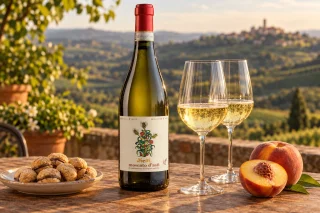
Italian orange wine is white wine fermented with its grape skins. The contact adds amber colour, tannin and flavours of citrus peel, dried fruit and herbs.
Choose by skin-contact intensity
Orange wine is a spectrum, not a single flavour. Time on the skins changes colour, texture and aroma, although grape variety, vessel and ageing matter too.
-
Brief skin contact
Usually daysThe gentlest bridge from white wine, with brighter fruit, paler amber colour and a lighter tannic grip.
-
Extended skin contact
Often weeksMore texture and savoury depth, with citrus peel, tea, dried fruit and a firmer finish.
-
Long maceration
Sometimes monthsThe most structured end of the spectrum, with deeper colour, pronounced tannin and nutty, herbal or earthy complexity.
Sommelier's Selection
 4 retailers
Damijan Podversic Kaplja Bianco
Venezia Giulia
4 retailers
£38.00
£42.00
 3 retailers
Orange Inzolia Organic
Terre Siciliane
3 retailers
£14.75
 2 retailers
Denavolo Dinavolino
2 retailers
£23.04
 2 retailers
Azienda Agricola COS RAMI
Terre Siciliane
2 retailers
£24.14
 2 retailers
Denavolo Dinavolo
2 retailers
£31.14
 2 retailers
In Pithos Zibibbo - Cos
Terre Siciliane
2 retailers
£31.57
 1 retailer
Trebbiano d Abruzzo DOC Trentanotti Contesa
Trebbiano d'Abruzzo
1 retailer
£13.95
 1 retailer
Santa Tresa Insieme Orange
Terre Siciliane
1 retailer
£14.13
Grapes Behind Italian Orange Wine
Friulano
 Almond
 Acacia
 Grapefruit
 Green Apple
Friulano is the benchmark dry white of Friuli Venezia Giulia, in Italy's far northeast. It grows on the ponca hills of Collio and Colli Orientali. The wine is pale straw with green glints. White fl...
Found in: Friuli Colli Orientali
Ribolla Gialla
Green Apple
 Lemon
Almond
Acacia
Lemon
Almond
Acacia
Ribolla Gialla is the ancient white grape of Friuli Venezia Giulia. It is native to the Collio and Colli Orientali hills around Gorizia and Udine. It gives two contrasting styles. One is a crisp, h...
Found in: Friuli Colli Orientali
The Craft of Italian Orange
Orange wine, often thought of as a modern trend, actually has ancient roots. It's a revival of a wine-making tradition that goes back thousands of years, primarily in the Caucasus region. Italy, with its rich winemaking history and receptivity to innovation, became one of the leading countries in the revival of orange wine production.
Orange wines offer a complex array of flavors and aromas that make them unique in the wine world. Because of their prolonged skin contact, they often present strong notes of dried fruit, nuts, and a tannic structure closer to red wines. The natural wine movement has given orange wines a significant boost, with minimal intervention in the winemaking process aligning well with organic and biodynamic farming practices.
Common Questions
Orange wine is a type of white wine made by leaving the grape skins and seeds in contact with the juice, creating a deep orange-hued finished product. The grapes are typically harvested manually, and after destemming, they are put into vats to ferment with their skins. The length of skin contact varies from a few days to several months, depending on the winemaker's goals. This skin contact imparts not just the distinctive color but also a complexity of flavor and texture that is more akin to red wines than to whites.
If you're venturing into the world of Italian orange wines for the first time, try Radikon Slatnik from Friuli-Venezia Giulia. It's a blend of Chardonnay and Friulano grapes, known for its well-balanced nature with notes of dried apricot, almond, and spices. It undergoes less skin contact time compared to more intense orange wines, making it more approachable.
Orange wines are generally dry or off-dry. Most of the sugar in the grape juice ferments out during the prolonged skin contact, leaving behind a wine that is rich in tannins and complexity but low in residual sugar. Their primary characteristic is their dryness and complexity, not sweetness.
Italian Orange wine is best served at 12–16°C.
Italian Orange wine pairs well with cured meats, aged cheeses, or spiced cuisine. Their tannic structure and complexity make them incredibly food-friendly.
Explore More Wine Styles
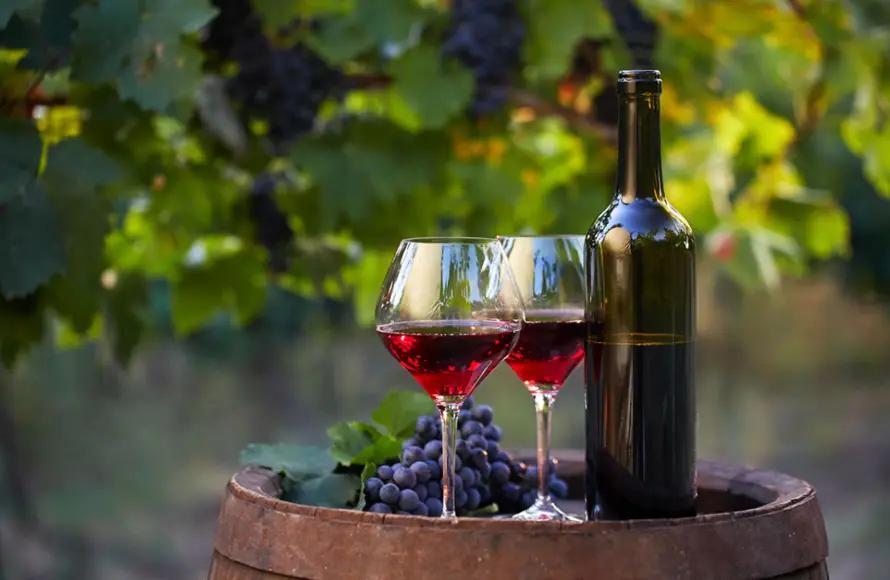
Red
Italy's boldest expression, structured, complex, built for food


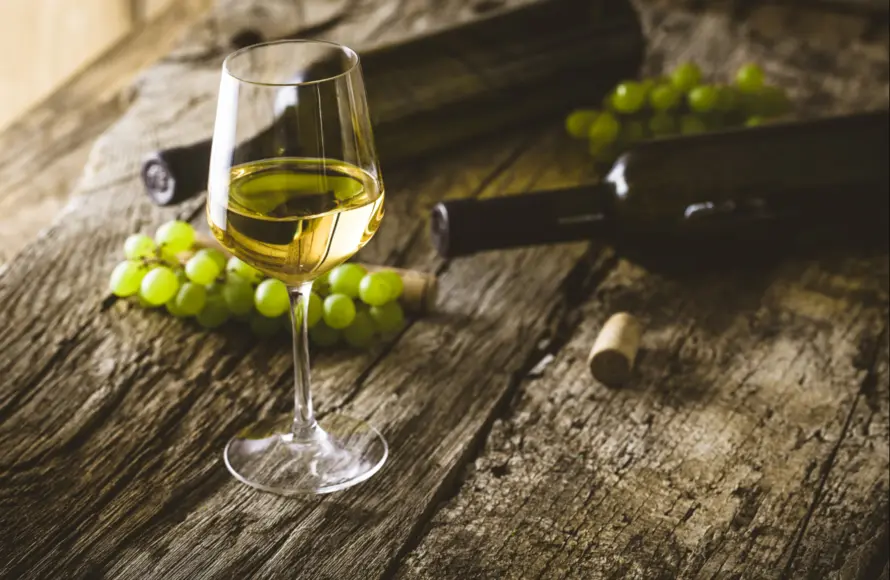
White
Crisp and versatile, from alpine freshness to Mediterranean warmth
Rosé
Summer in a glass, bright, delicate, endlessly drinkable

Sparkling
From Prosecco to Franciacorta, bubbles for every occasion
Sweet
Liquid gold, Italy's dessert wines are among the world's finest