









What the score is
The Wine Fit Score is a role score. It helps you understand whether a bottle is better suited to food, value, first steps into a style, cellaring, everyday drinking, or a special occasion.
Each role is scored on a 0 to 10 scale. A high score means the bottle is especially convincing for that use. A lower score does not mean the wine is bad, only that it is not the best fit for that specific job.
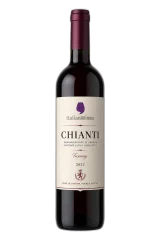
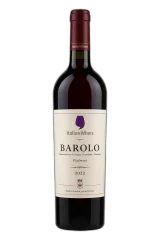
We use the same rule set across bottles, so a Chianti Classico, Verdicchio, Barolo, Etna Rosso, or Franciacorta is judged by consistent signals rather than by retailer preference.
Inputs
The score is rule-based. It does not learn from clicks, commissions, retailer preference, or user tracking. The inputs are the same wine facts you already see across the bottle page.

Bottle identity
Producer, cuvee, grape, appellation, region, colour, bottle size, and available vintages define the wine being scored.

Taste shape
Freshness, tannin, sweetness, body, aroma, and flavour tell us whether a bottle is better for dinner, ageing, or easy drinking.

Appellation rules
DOC, DOCG, IGT, required ageing, oak use, and local production rules help separate a fresh weeknight bottle from a serious cellar bottle.
Live market context
Value compares the best live price with similar Italian bottles, not with a retailer preference or paid placement.

Vintage and format
ABV, drinking window, vintage character, closure, and bottle size can change whether a wine is best opened now or kept back.
Plain-English reason
Every score gets a short explanation, so a Barbera d'Asti, Brunello, Verdicchio, or other Italian bottle earns its role in words, not just numbers.
Dimensions
We score six possible roles and show the strongest four on each bottle page. That keeps the page focused on what the wine is actually useful for.

Food
Rewards freshness, acidity, tannin balance, and body that works with food. A lively Barbera or structured Chianti Classico usually starts stronger here than a very soft, low-acid red.
Value
Compares the best live price with similar Italian bottles. A bottle can score well when it delivers more regional character, age, or producer reputation than its price suggests.
Beginner
Favours bottles that show their grape, place, or style clearly without demanding a taste for severe tannin, unusual sweetness, oxidative notes, or very niche flavours.

Cellar
Looks at structure, freshness, tannin, alcohol, drinking window, vintage character, and appellation ageing rules. Serious DOCG reds often score higher than fresh entry-level IGT bottles.

Everyday
Rewards bottles that are ready to drink, flexible with food, and not too expensive or precious to open on an ordinary evening.

Occasion
Favours bottles with presence: respected appellation, producer reputation, age potential, price band, and a sense that opening it feels like an event.
What appears on bottle pages
On a bottle page, each Fit Score card shows a role, an icon, a score out of 10, a progress bar, and one short reason. You should be able to understand the judgement without reading a technical note.
Guardrails
- No paid influence: affiliate commission and retailer relationships do not enter the score.
- No silent score: every visible score must have a human-readable reason.
- No generic winner: the score is role-specific, so a bottle can be excellent for food and poor for cellaring.
- No hidden retailer preference: the score does not change because a shop pays commission.
- No invented facts: bottle-specific claims must come from producer, appellation, vintage, market, or editorial source data.
Use the Fit Score as a shortcut, not a verdict. It tells you whether a bottle is likely to shine at the table, in the cellar, as a gift, as a value pick, or as an easy first step into an Italian style.
Browse Italian wines