
















Chardonnay is a white grape with a clear Italian role.
Wines
626
Acidity
Body
White Grape · Friuli Venezia Giulia
Friuli's ancient border white, called Rebula the moment you cross into Slovenia: so high-acid and quietly neutral that it lives two lives, crisp flinty Collio whites in steel and, in Oslavia's amphorae, the amber wines that launched modern orange wine.
Ribolla Gialla is the ancient white grape of Friuli Venezia Giulia. It is native to the Collio and Colli Orientali hills around Gorizia and Udine. It gives two contrasting styles. One is a crisp, high-acid white built on green apple, citrus and almond. The other is the amber orange wine, left on its skins, that made the village of Oslavia famous.
Your cellar, your trips, and the wines you've been tracking are right where you left them.
New here?
Free, always. Education first, we'll never sell you anything you didn't ask to see.
Already have an account?
Enter the email you signed up with and we'll send a link to choose a new password.
Setting it straight
The anchor fact: Both, and that is the whole story: the crisp, low-alcohol Ribolla poured as a Prosecco rival is the very grape Josko Gravner and Stanko Radikon macerated for months in Oslavia to father modern orange wine.
Taste · Where it sits
Forget scores out of five. Here’s Ribolla Gialla described against grapes you already know.
Light and taut in the fresh steel style, all nerve and little weight; skin-contact amber Ribolla from Oslavia gains real flesh and grip, drinking closer to a light red.
A crisp Collio Ribolla carries next to no tannin, but months on the skins in Oslavia's amphorae extract a genuine phenolic grip, the backbone that lets amber versions cellar and pair like reds.
High, mouth-watering acidity is Ribolla's non-negotiable signature: the spine behind its saline Collio whites and the reason it makes such a crunchy, low-alcohol sparkling.
Bone-dry, with deliberately restrained fruit (lemon, green apple and pear rather than anything tropical); it is exactly that neutrality that long skin contact transforms into honeyed, dried-apricot depth.
Key flavours

The map
Ribolla Gialla is light to medium, crisp, fresh acidity, mapped against other white grapes you can buy. The closer a grape sits, the more its weight and freshness resemble Ribolla Gialla.
Is this for you?
Reach for it when…
Maybe skip it if…
Serving guide
Serve at
8-10°C
Pour it cold at 8-10C to sharpen the citrus and struck-flint; the skin-contact amber styles show more with a few degrees extra warmth to unlock their tannin and dried fruit.
Decant
Not needed
No need: fresh Ribolla is all about immediacy and lift, and even a tight young Oslavia amber prefers a slow swirl in the glass over a decanter.
Glass
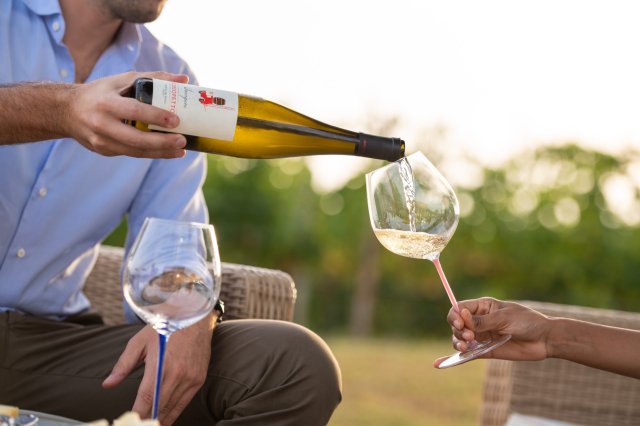
Standard White Wine Glass
A standard white-wine glass keeps the lemon, acacia and mineral tension focused; skip the wide bowl that would let its delicate aromatics scatter.
Drink within
3-5 days
Fresh, steel-made Collio Ribolla is at its brightest young, ideally within 3-5 years while the green-apple acidity is still taut.
Cellar
-5 years years
Steel styles hold 3-5 years, but this is producer-led: benchmark Oslavia amber Ribolla from Gravner or Radikon is built to age a decade or far longer.
On the table
Start with the home-table matches that made the grape, then browse the full cuisine library.

The hometown plate
Ribolla's home match: the crisped Montasio cheese-and-potato cake of Friuli is exactly what its saline, high-acid cut is built to slice through.

Sweet-savoury Carnia
Carnia's filled cjarsons play ricotta and herbs against raisin and cinnamon; Ribolla's acidity and faint acacia-honey lift bridge that sweet-savoury tension where a richer wine would cloy.

Where amber wins
This is the skin-contact face's moment: amber Ribolla's tannin and dried-apricot depth stand up to coconut, lemongrass and chilli where a crisp white would simply vanish.
Browse every pairing
Buy it · three to start with
A curated trio across the price range, then every Ribolla Gialla on sale in the UK right now.
Entry · everyday
 3 retailers
Collio Goriziano/Collio
3 retailers
£17.70
£21.07
+ delivery
Why this one: A varietal Collio Ribolla in the fresh camp, stainless-steel raised, all lemon, barely-ripe apple and struck-flint saline: the single clearest first taste of the grape's citrus-mineral face.
The sweet spot
 2 retailers
Collio Goriziano/Collio
2 retailers
£35.96
+ delivery
Why this one: Not a varietal but a lesson: Russiz Superiore's Collio Bianco (Pinot Bianco and Friulano led, with Ribolla in the blend) shows how the grape lends acacia lift and acidity to Friuli's benchmark whites, from Marco Felluga's hilltop estate.
12 of 64 bottles
 4 retailers
Venezia Giulia
4 retailers
£20.00
+ delivery
 4 retailers
Venezia Giulia
4 retailers
£48.41
£60.50
+ delivery
 4 retailers
Rosazzo
4 retailers
£68.50
+ delivery
3 retailers
Collio Goriziano/Collio
3 retailers
£17.70
£21.07
+ delivery
 3 retailers
Venezia Giulia
3 retailers
£51.00
+ delivery
 2 retailers
Trevenezie
2 retailers
£13.50
+ delivery
 2 retailers
Friuli/Friuli Venezia Giulia
2 retailers
£14.00
+ delivery
 2 retailers
Venezia Giulia
2 retailers
£14.50
+ delivery
 2 retailers
Venezia Giulia
2 retailers
£15.00
+ delivery
 2 retailers
Friuli Colli Orientali
2 retailers
£15.60
+ delivery
 2 retailers
Venezia Giulia
2 retailers
£16.50
+ delivery
 2 retailers
Venezia Giulia
2 retailers
£18.00
+ delivery
Denominations
The appellations where Ribolla Gialla plays a starring role.
Where it grows
Italy's white-wine heartland, where Friulano, Ribolla Gialla and skin-contact orange wines meet alpine air, Adriatic light and the cooking of San Daniele and Read more
Italy's largest wine region by volume, where Prosecco hills, Valpolicella ridges, and Soave's volcanic plain shape three different Italian classics. Read more
The terroir
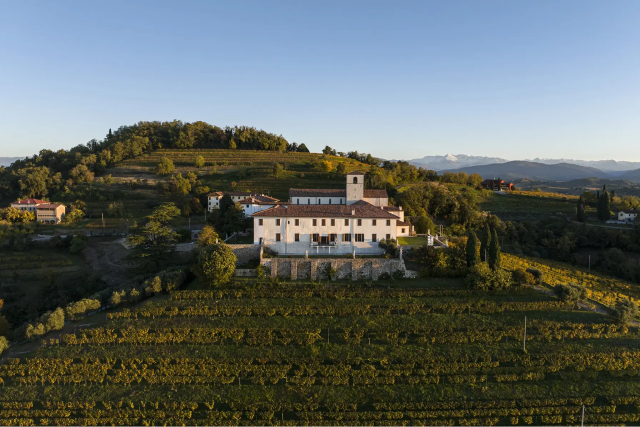
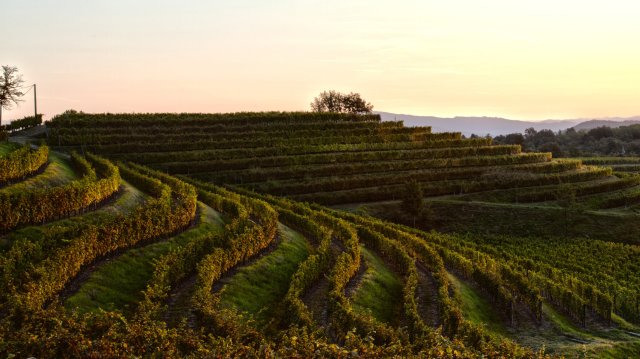
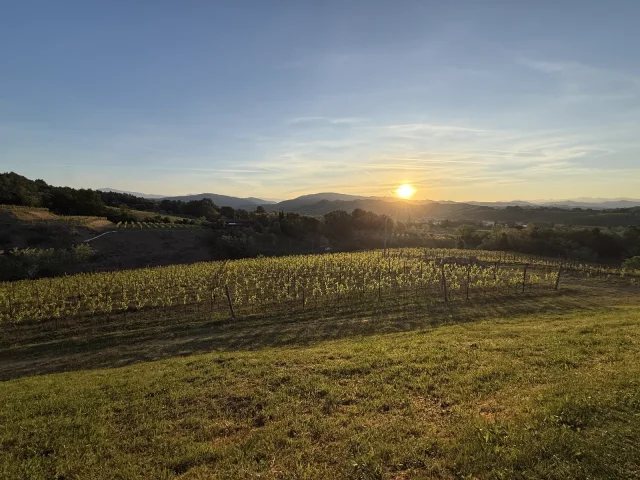
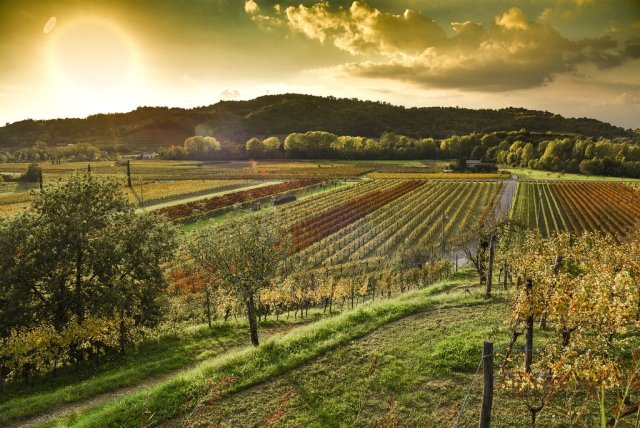
Ribolla Gialla belongs to one small, contested corner: the flysch (ponca) hills where Friuli Venezia Giulia runs into Slovenia, the same vine turning into Rebula the instant it crosses the border into Brda. Collio and the sibling slopes of Friuli Colli Orientali are its Italian heartland, while its crisp sparkling face is made across Friuli and into Veneto's Prosecco country.
Collio Goriziano
The border amphitheatre of hills above Gorizia, hard against Slovenia in Friuli Venezia Giulia.
Marl-and-sandstone ponca gives the fresh, flinty, saline, high-acid modern style its cut and lift.
Oslavia
A tiny cluster of vineyards inside the Collio, just north of Gorizia on the Slovenian line.
Italy's orange-wine cradle: Radikon's long macerations and Gravner's buried qvevri turn golden Ribolla into age-worthy amber.
Friuli Colli Orientali
The higher hill zone stretching north through the province of Udine.
Cooler, elevated ponca sites give taut, mineral, floral Ribolla in the fresh Friulian idiom.
Producers
Every estate on the site that works with Ribolla Gialla.
Editorial
Ribolla Gialla is one of the oldest white grapes of Friuli Venezia Giulia. It is at home in the Collio and Colli Orientali del Friuli hills, around Gorizia and Udine. The best sites share a soil that Friulians call ponca. It is a marl and sandstone, and it gives the wines a salty cut. Over the border in Slovenia the grape is known as Rebula, and it fills the Brda and Vipava valleys.
By 1402 Ribolla mattered enough that Udine passed a law against adulterating any wine made from it, a medieval anti-fraud statute for a grape most wine drinkers today still cannot name.
Udine city statute, 1402Its roots here run deep. A notarial contract from 1289 records Ribolla vines in Friuli. By 1402 the city of Udine had passed laws to protect the wine's authenticity. The 14th-century writer Giovanni Boccaccio counted indulgence in Ribolla among the sins of gluttony. DNA profiling in 2007 and 2008 set aside older theories of Greek origin. It placed the grape firmly in the Gorizia hills.
In its classic form Ribolla Gialla is fermented in steel, which keeps its nerve. The wine pours a bright pale straw. It smells of green apple, lemon, white acacia flowers and crushed almond. It finishes long, on a stony, almost salty note. Acidity is its backbone. That is why Collio estates bottle it as a taut, food-friendly white. They include Jermann, whose Vinnae blend carries Ribolla, plus Russiz Superiore and Marco Felluga.
The grape's thick skins also make it a benchmark for orange wine. Around Oslavia, Josko Gravner ferments and ages Ribolla in buried Georgian amphorae. Stanko Radikon helped define the style by leaving the wine on its skins for a long time. Left on its skins for weeks, Ribolla turns amber. It gains grip and aromas of black tea, dried apricot and honey. It also holds the acidity to age a decade or more.
Style follows place. Collio and Colli Orientali give the most structured whites. Friuli Isonzo gives lighter versions. Veneto houses make it sparkling. Fresh from steel or amber from the skins, it remains Friuli's signature white.
Good to know
Ribolla Gialla is a high-acid white. It tastes of green apple, lemon, white flowers and almond, and finishes on a salty, stony note. Orange versions, left on the skins, are deeper and more tannic, with black tea, dried apricot and honey.
Ribolla Gialla is almost always dry. Its appeal rests on bright acidity and on citrus and almond character, not on leftover sugar. That holds for both the fresh steel style and the amber orange-wine style.
Orange wine is white wine left on the grape skins for a long time. Ribolla Gialla is one of its benchmark grapes. Around Oslavia in Friuli, producers like Gravner and Radikon ferment Ribolla on its skins. They often use amphorae. The result is an amber colour, grip and aromas of tea, dried fruit and honey.
Ribolla Gialla is native to Friuli Venezia Giulia in northeast Italy. It grows above all in the Collio and Colli Orientali del Friuli hills, around Gorizia and Udine. The same grape is widely planted over the border in Slovenia's Brda. There it is called Rebula.
Its acidity makes Ribolla Gialla a fine match for Friulian and Adriatic dishes. Think frico, prosciutto di San Daniele, grilled trout and seafood brodetto. The richer orange-wine versions suit aged Montasio cheese and white meats.
Ribolla Gialla has clearly higher acidity than Pinot Grigio. Its character is more stony and almond-tinged, and its link to orange wine is much stronger. Both are Friulian whites, but Ribolla is the more nervy and age-worthy of the two.
Yes. Alongside its still and orange-wine styles, Ribolla Gialla is made into brisk sparkling wine. That happens above all in the neighbouring Veneto, where its high acidity suits a dry brut.
Explore by style
Jump to the editorial guide for each style this grape turns up in.
Keep exploring