Lombardy
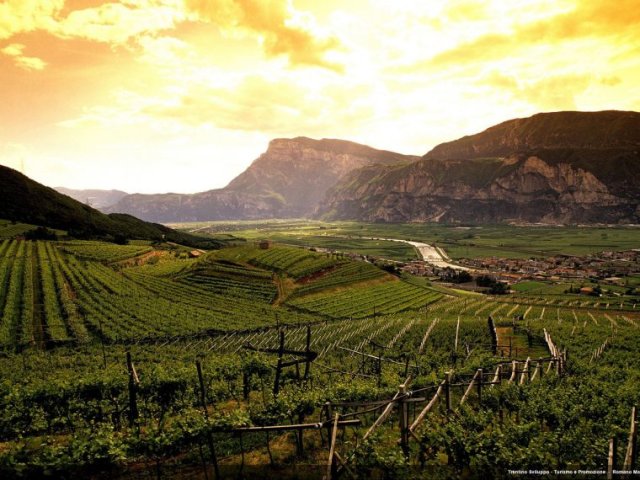
From Franciacorta classic-method bubbles to Valtellina mountain Nebbiolo and Lugana lake-cool whites, Lombardy spans 5 DOCGs across roughly 25,000 hectares of vineyards.
White Grape · Lombardy
Chardonnay is a white grape with a clear Italian role: Franciacorta DOCG and Alta Langa DOCG include it in metodo classico sparkling wines, while Sicilia DOC gives it a warmer still-wine voice.
In Italy it belongs with Lombardy, Piedmont, Friuli Venezia Giulia and Sicily rather than only Burgundy.
78
Bottles
From £8
Starting price
11
Retailers
7
Denominations
Serve
8–12°C
Decant
No
Glass
Chardonnay Glass
Drink Within
1–2 days
Cellar
2–5 years
Discover the Italian wine denominations where Chardonnay plays a starring role.
78 wines available
4 retailers
Umbria
4 retailers
£58.26
£69.77
3 retailers
Toscana
3 retailers
£7.90
3 retailers
Sicilia
3 retailers
£13.86
3 retailers
Curtefranca
3 retailers
£27.00
3 retailers
Menfi
3 retailers
£36.50
2 retailers
Veneto
2 retailers
£14.70
2 retailers
Pomino
2 retailers
£17.99
2 retailers
Montefalco
2 retailers
£18.46
2 retailers
Umbria
2 retailers
£18.47
2 retailers
Appellation TBD
2 retailers
£22.44
2 retailers
Appellation TBD
2 retailers
£31.00
2 retailers
Franciacorta
2 retailers
£32.75
Chardonnay is a French origin white grape, but Italian wine uses it in precise and useful ways. Quattrocalici records it as a natural cross of Pinot Nero and Gouais Blanc, and lists its Italian registration in the national vine catalogue from 1978 with 19,709 hectares under vine. That scale matters because Chardonnay is not a curiosity in Italy: it is a working grape for classic method sparkling wine, still white wine and carefully oaked regional bottlings.
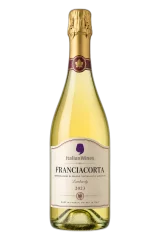
Lombardy gives Chardonnay its most important Italian sparkling role. The Franciacorta DOCG rules allow Chardonnay and Pinot Nero as the core grapes, with Pinot Bianco and Erbamat in limited roles, while Satèn must include at least half Chardonnay. In Piedmont, Alta Langa DOCG also relies on Pinot Nero and Chardonnay, with vintage wines aged on lees for at least 30 months. These wines explain why Italian Chardonnay is not just a still white grape.
For still Italian Chardonnay, Sicily gives one of the clearest southern examples. Sicilia DOC Chardonnay requires at least 85 percent Chardonnay and gives a dry, straw coloured wine with fruit-led character. Friuli Venezia Giulia and Veneto also matter through denomination links and bottle data, especially where Chardonnay is used in blends or regional white wines. In the glass, Italian Chardonnay ranges from citrus, green apple and white flowers in cooler sites to peach, pineapple, honey, vanilla and hazelnut when warmer fruit, oak, malolactic conversion or lees ageing shape the wine.
Yes. Chardonnay is a white grape, and in Italy it appears in still white wines as well as metodo classico sparkling wines such as Franciacorta DOCG and Alta Langa DOCG.
No. Chardonnay originated in Burgundy, but it is officially registered and widely planted in Italy. Italian Chardonnay is especially relevant in Lombardy, Piedmont, Friuli Venezia Giulia and Sicily.
Franciacorta DOCG, Alta Langa DOCG and Sicilia DOC Chardonnay are the clearest Italian examples here. It also appears in several northern and island denominations as a blending or varietal grape.
Italian Chardonnay can taste of citrus, green apple, pear, white flowers, peach, pineapple, honey, vanilla and hazelnut. Cooler sparkling bases feel fresher, while Sicilian or oak aged examples are fuller and riper.
Italian Chardonnay pairs well with risotto alla Milanese, frittura di mare, vitello tonnato, pasta con le sarde, roast chicken and seafood risotto. Choose Franciacorta or Alta Langa for lift, Sicilia DOC Chardonnay for richer texture.
No. Buttery notes come mainly from malolactic conversion, oak and lees work. Italian Chardonnay can also be crisp, citrus led and sparkling, especially in Franciacorta and Alta Langa.
Curated cuisines, sections and dishes, from the home-country classics to global pairings that work.
Keep Exploring
Jump from Chardonnay to the matching editorial wine-style guides.