


Italian Wine Pairings for Korean Food
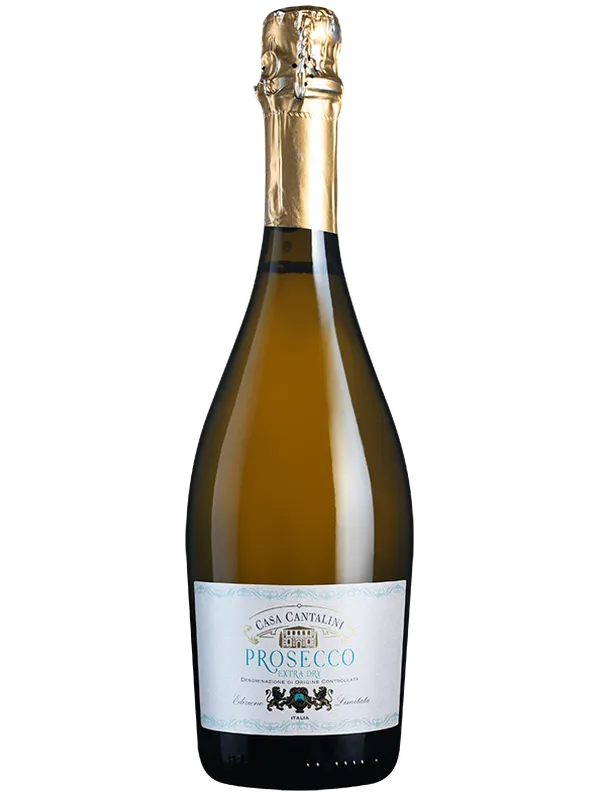
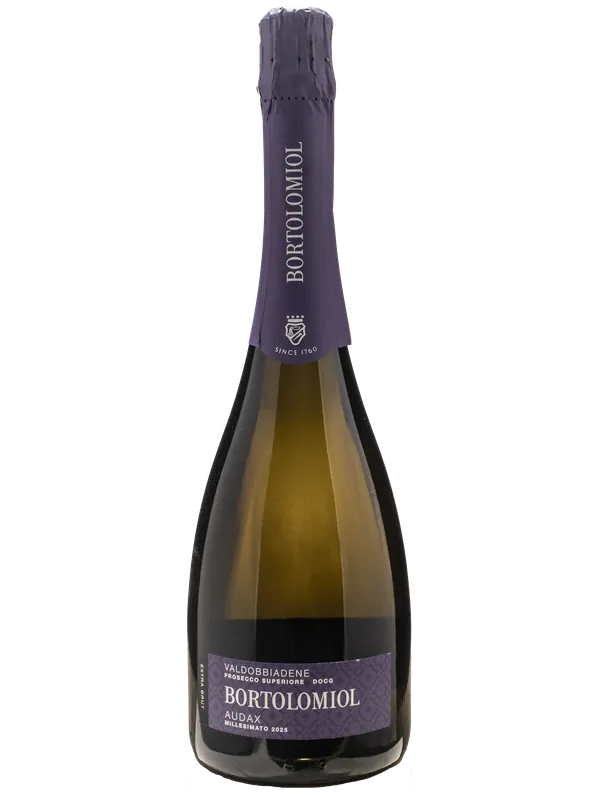
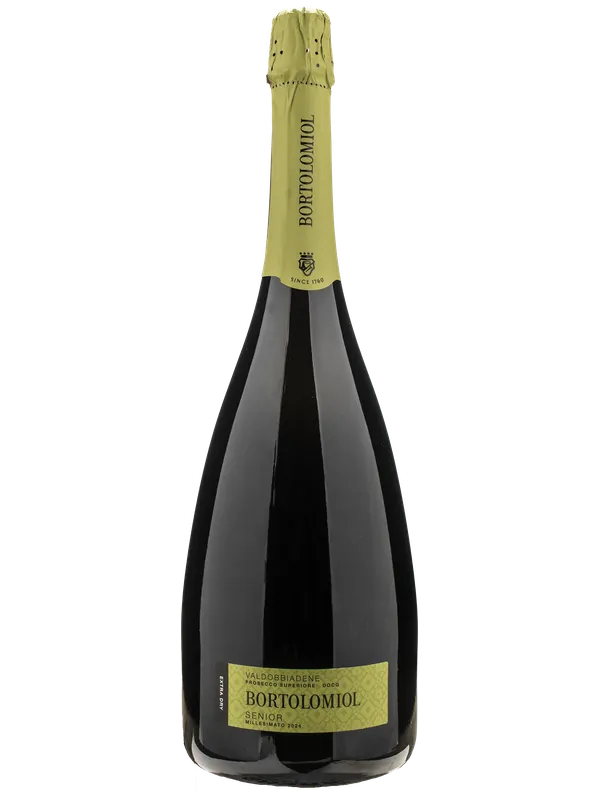
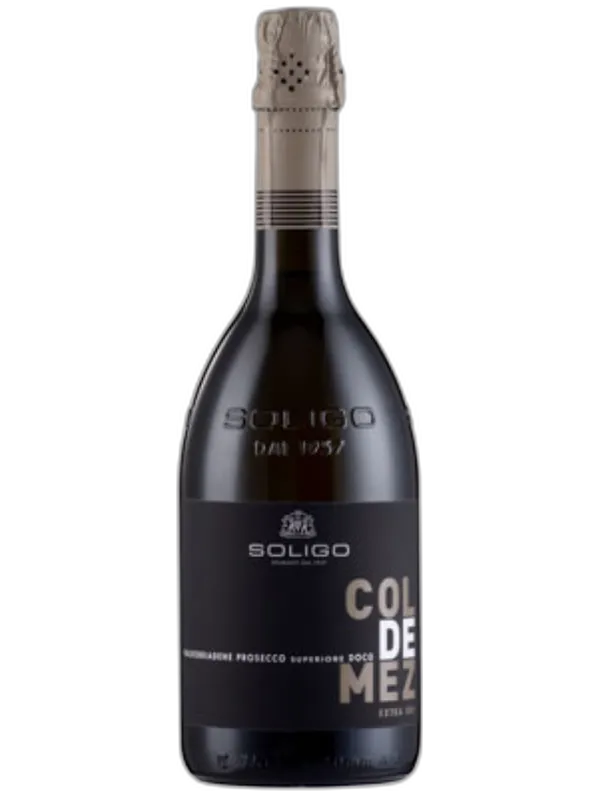
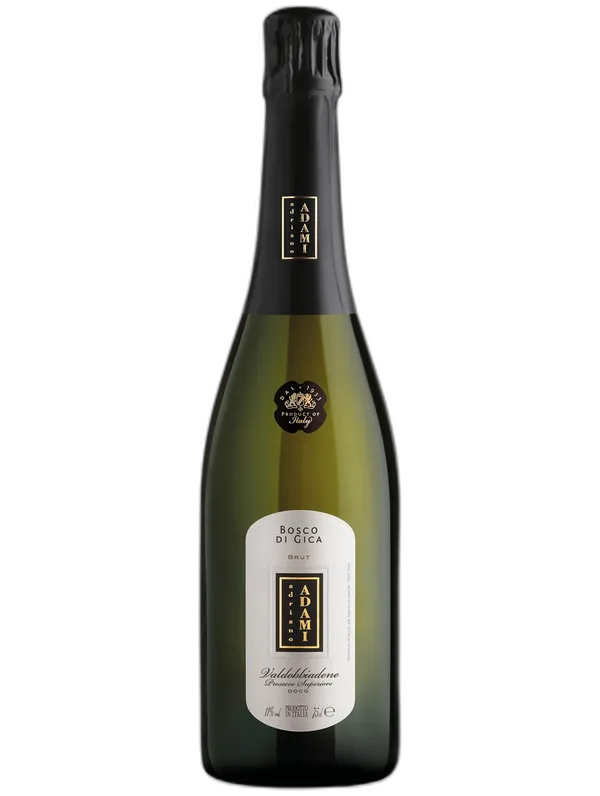
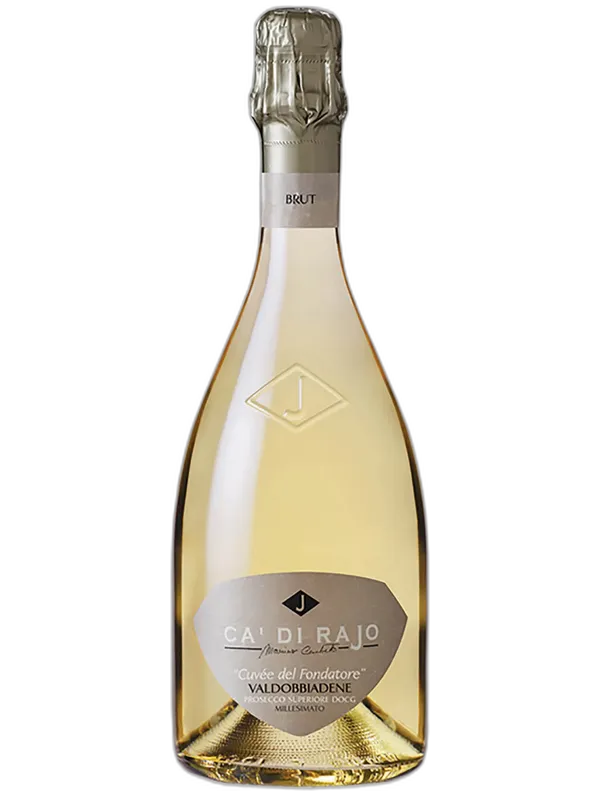
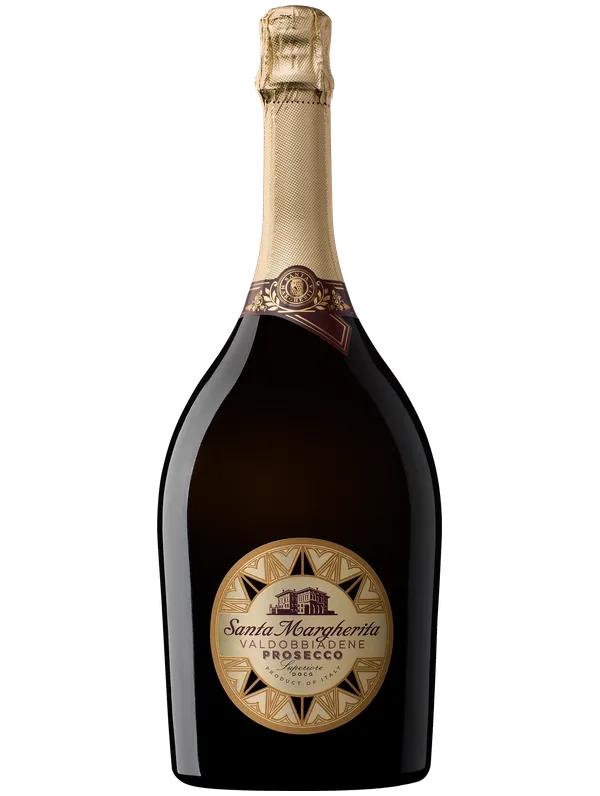
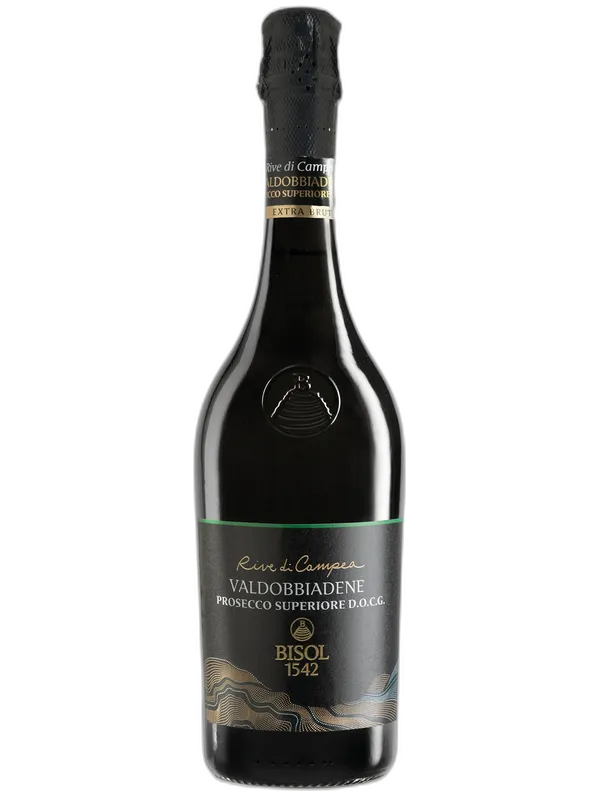
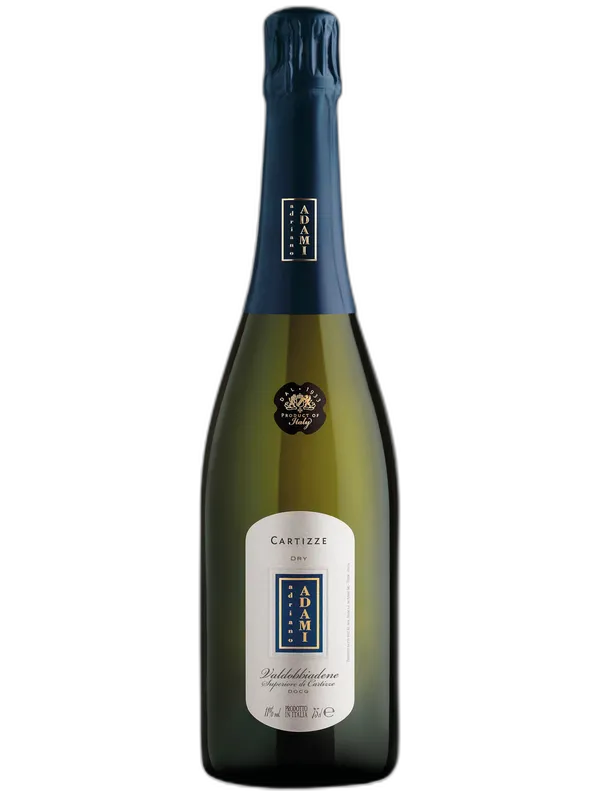
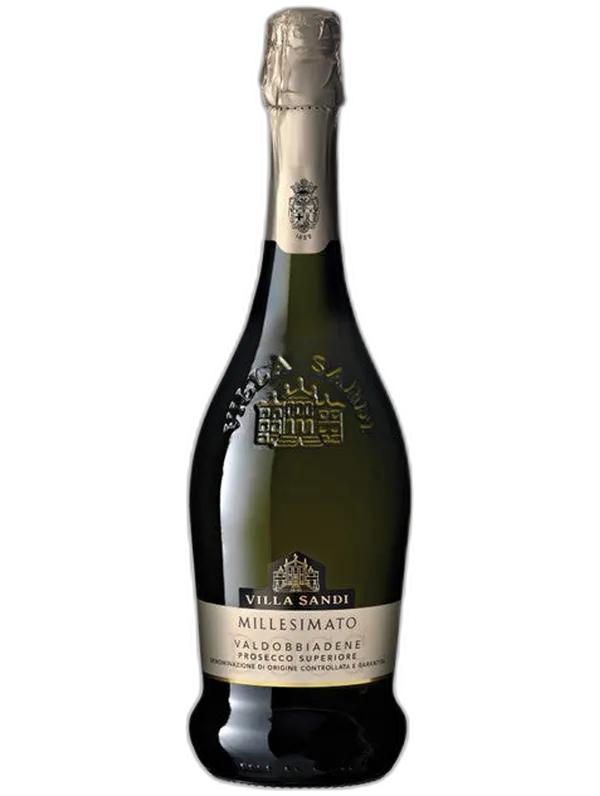
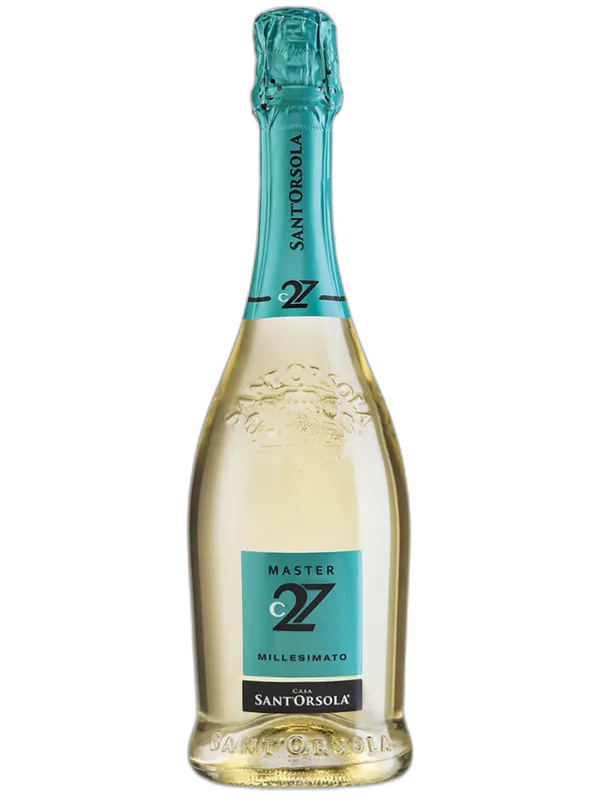
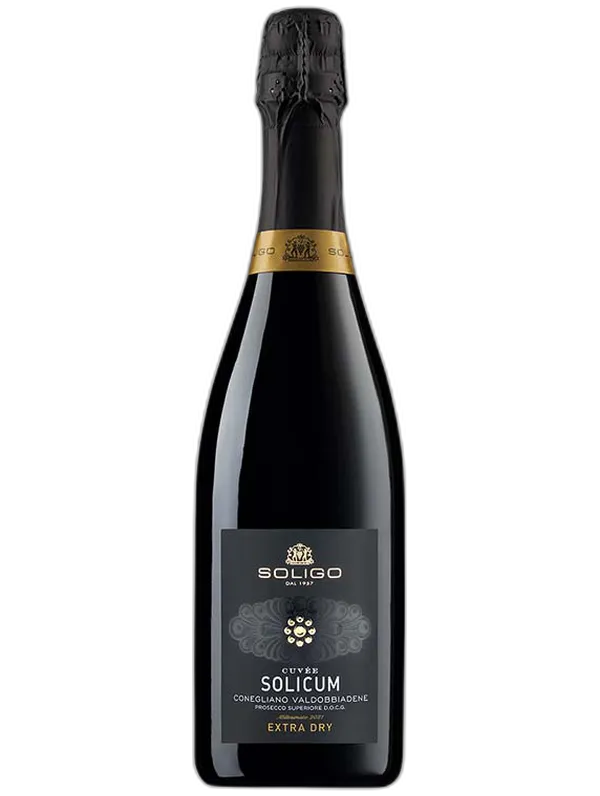
Kimchi, gochujang, sesame and grilled meat make Korean food one of the sharpest tests for Italian wine. Conegliano Valdobbiadene Prosecco, Lambrusco di Sorbara and Vermentino di Gallura give the acidity, fizz and salinity the table needs.
Korean dishes often combine chilli, fermentation, garlic, soy and sweetness in the same bite. Read more
Quick Facts
34
Wine matches
£0–6022
Price range
Grape colour mix
- Appellations
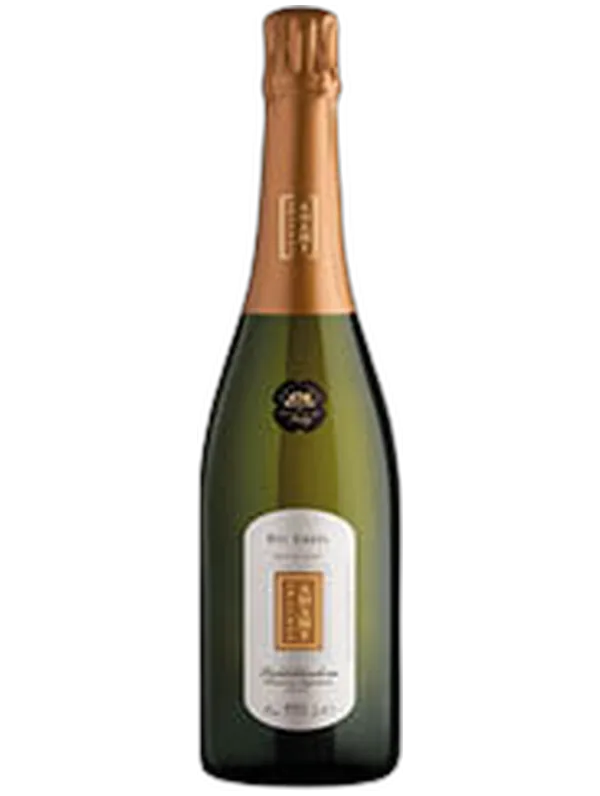
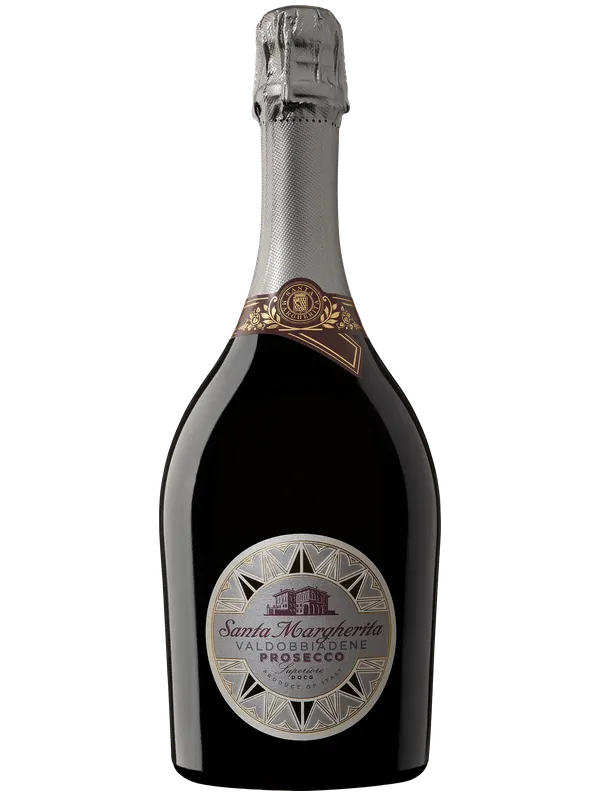
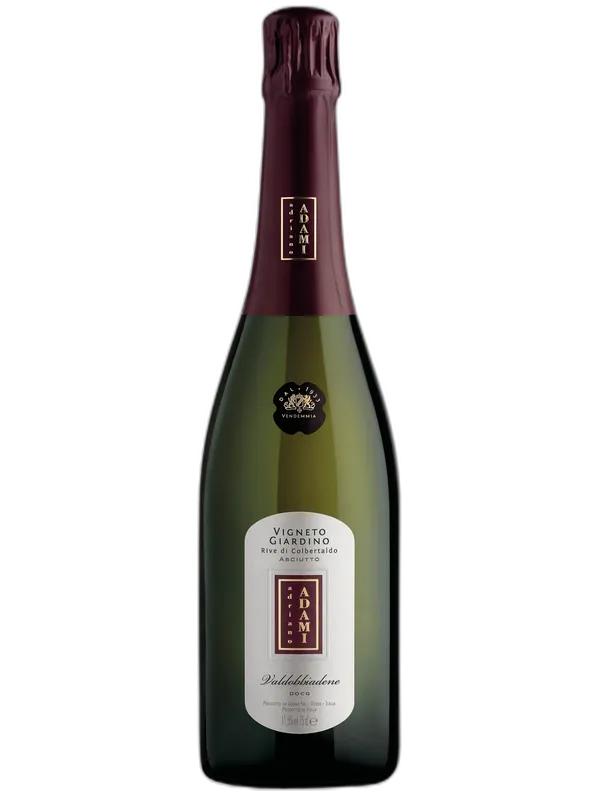
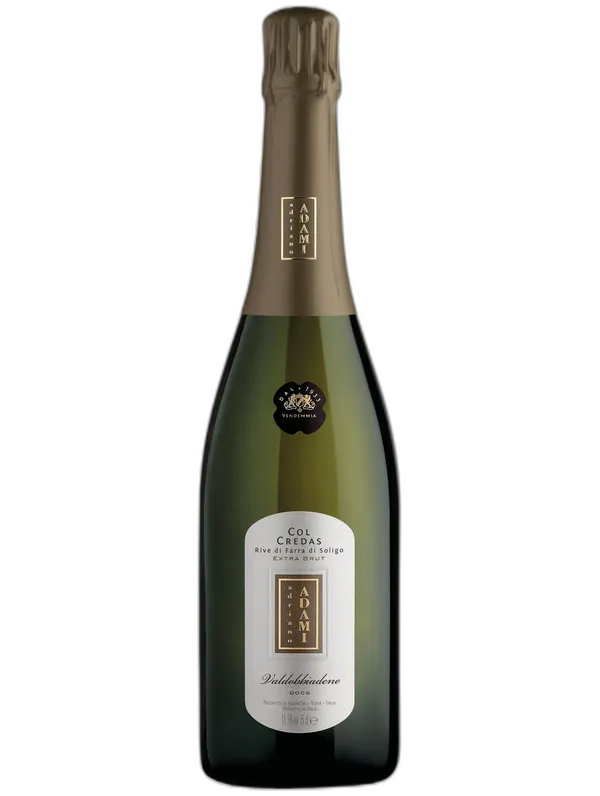
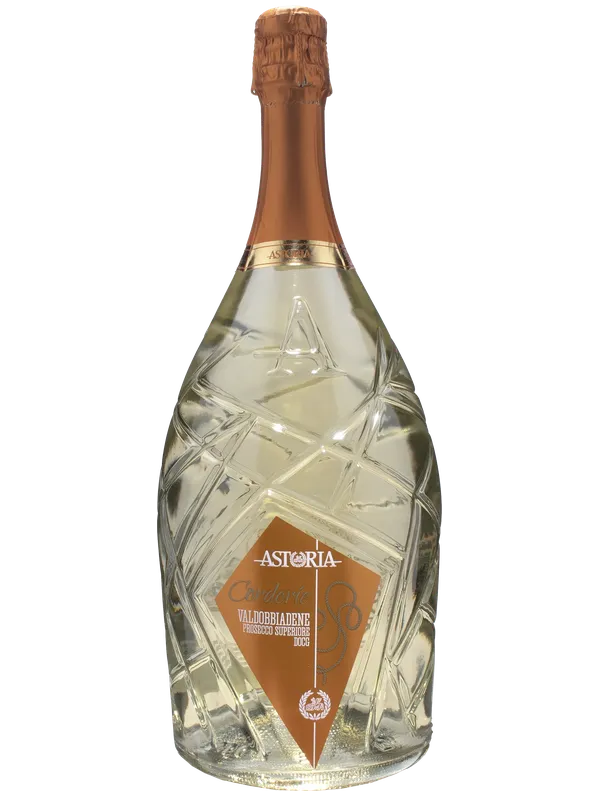
- Conegliano Valdobbiadene Prosecco , Trento , Soave , Verdicchio dei Castelli di Jesi , Etna , Bardolino , Lambrusco di Sorbara , Cerasuolo d'Abruzzo , Vermentino di Gallura , Gavi/Cortese di Gavi , Asti , Brachetto d'Acqui/Acqui
- Primary Goal
- Match chilli, kimchi and sesame with Italian acidity and fizz.
Rules of Engagement
The Do's
-
01
Start with fizz
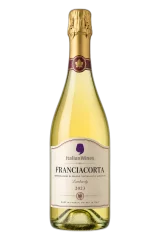
Pour Prosecco, Franciacorta or Trento when chilli, fried texture or kimchi leads the table.
-
02
Use fresh reds for grill
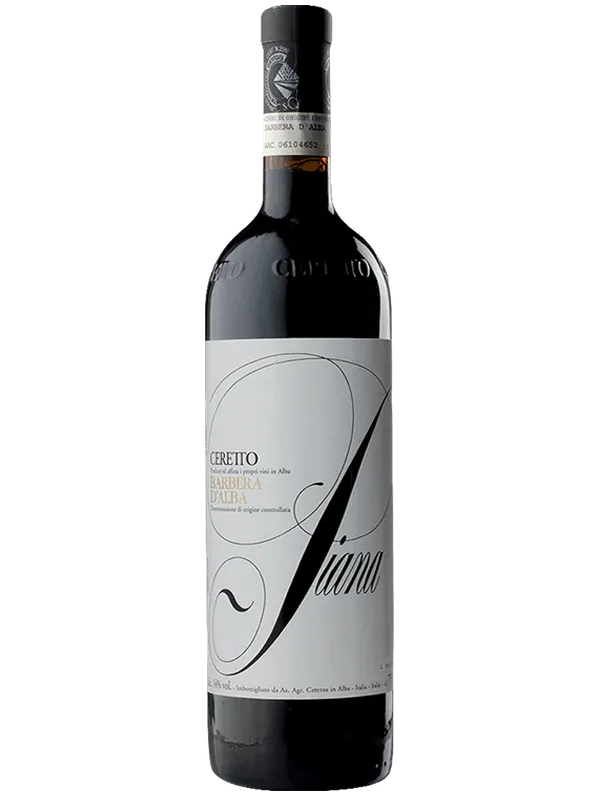
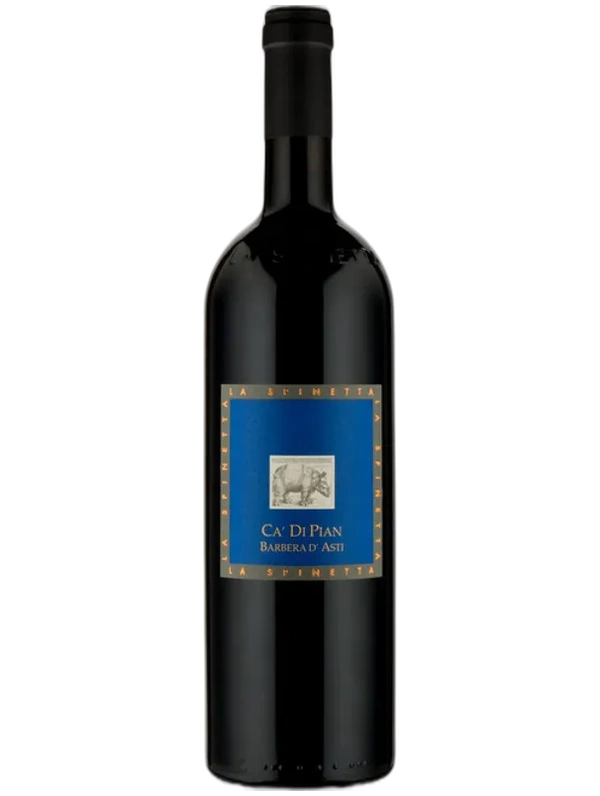
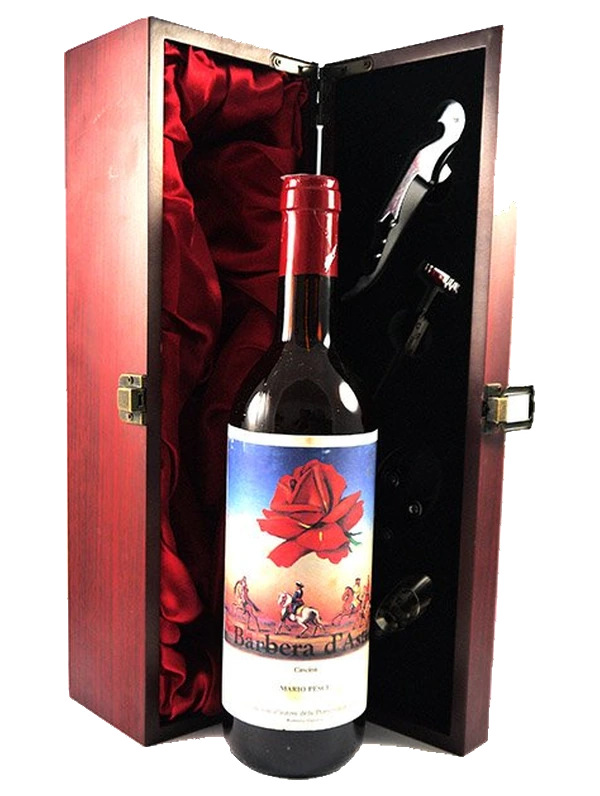
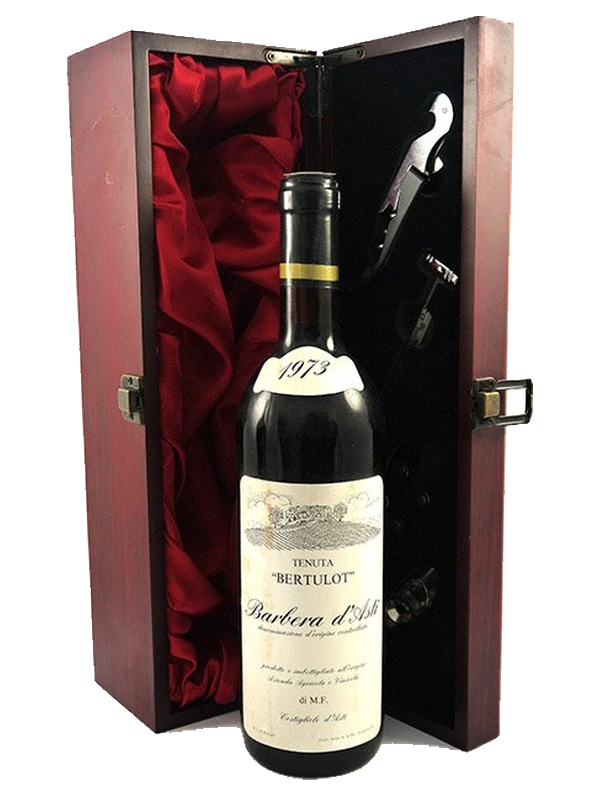
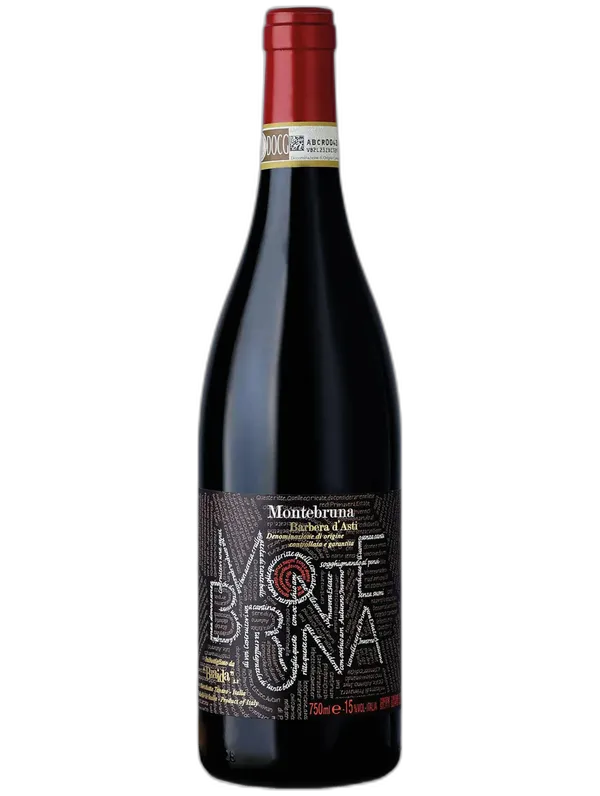
Choose Barbera d'Asti, Bardolino or Lambrusco di Sorbara for Korean barbecue and pork belly.
The Don'ts
-
01
Avoid heavy tannin
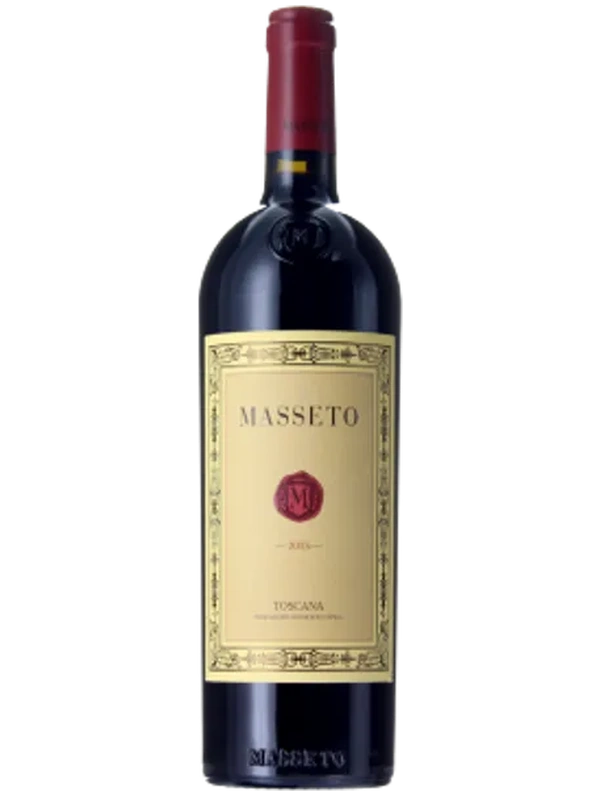
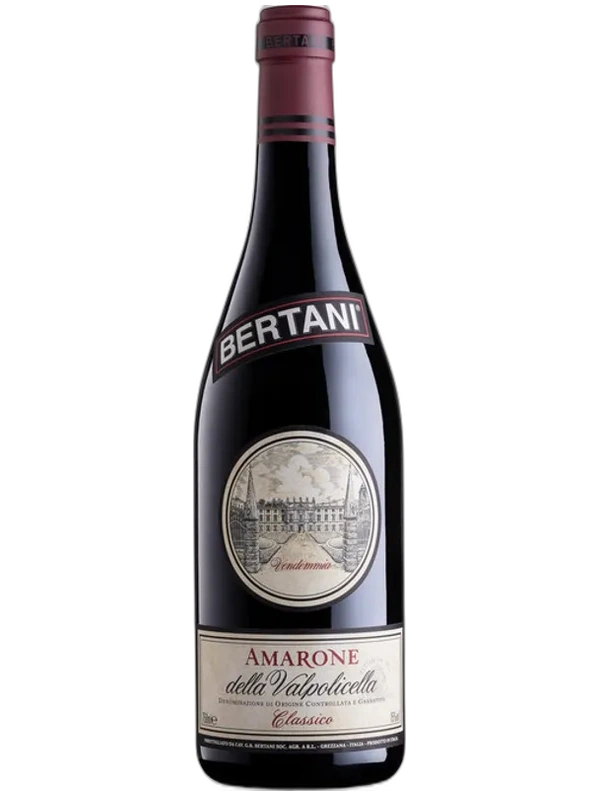
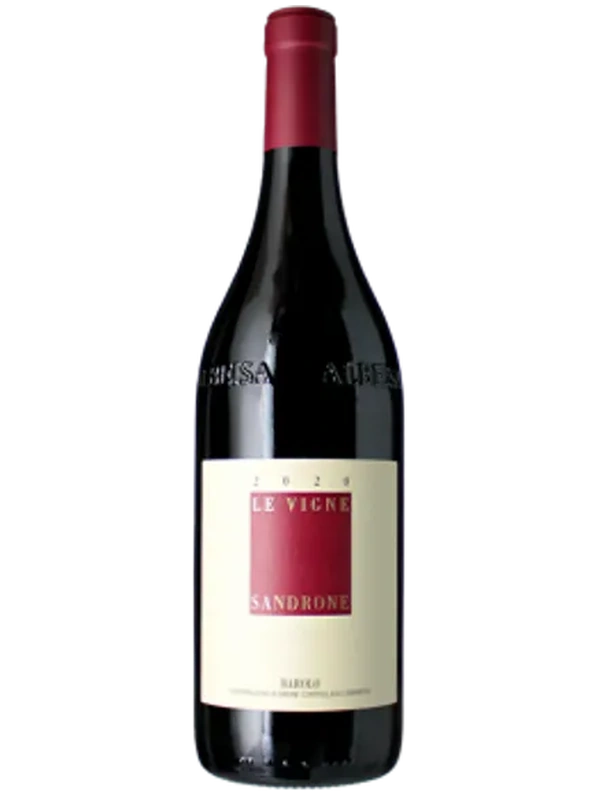
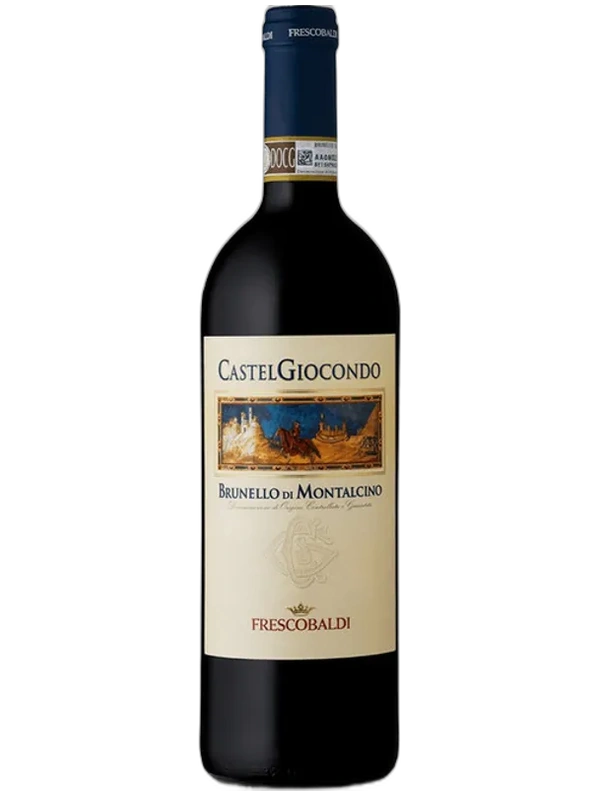
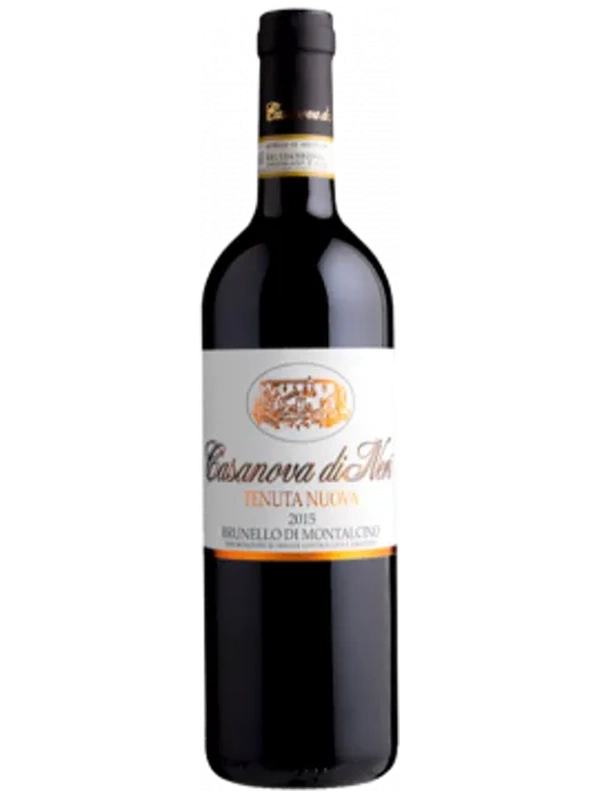
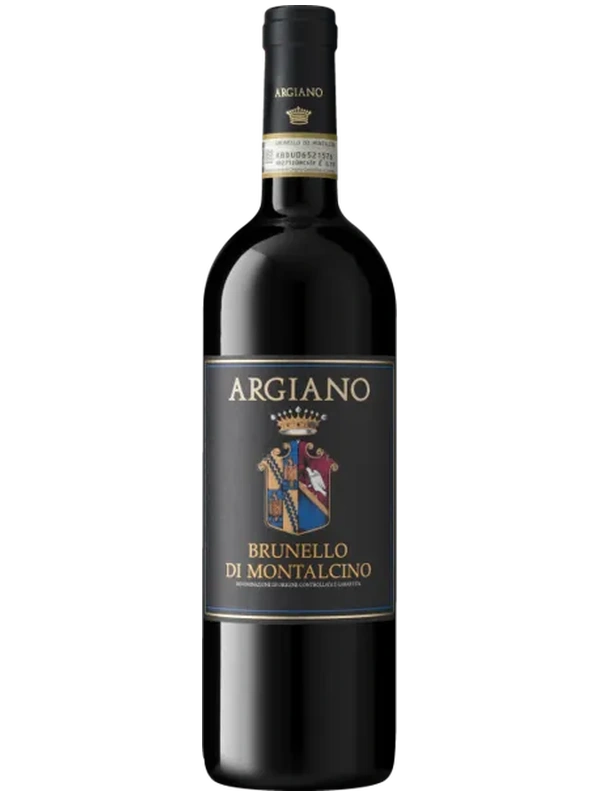
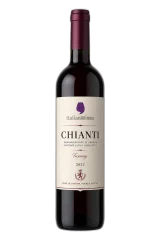
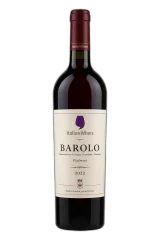
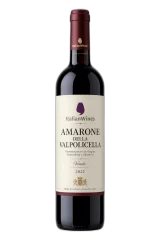
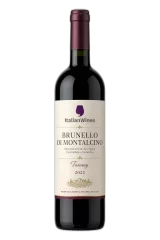
Keep Barolo, Amarone and Brunello away from gochujang, kimchi and fermented soybean paste.
-
02
Do not chase sweetness with oak
Use Asti or Brachetto d'Acqui for sweet street food, not oaky Chardonnay.
Pairings at a Glance
Showing 1–10 of 29 dishes
Bibimbap
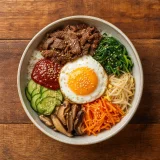
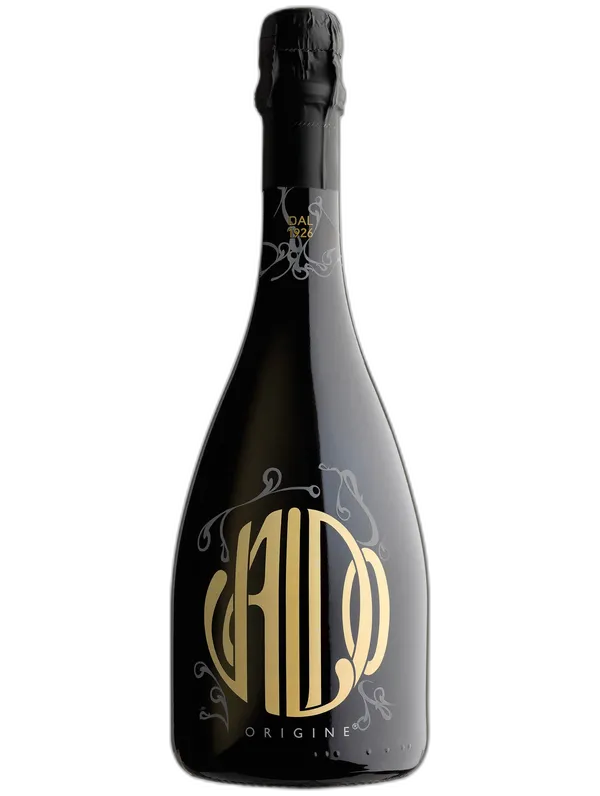
Bibimbap puts rice, egg, vegetables and gochujang at the centre of the Korean rice & bibimbap table. Bardolino gives light red fruit for sesame and egg while staying fresh around gochujang. Avoid Barolo, Amarone and Brunello here because dense tannin makes chilli, soy and garlic feel harder.
Perfect grape varieties
Also worth trying
Appellations to explore
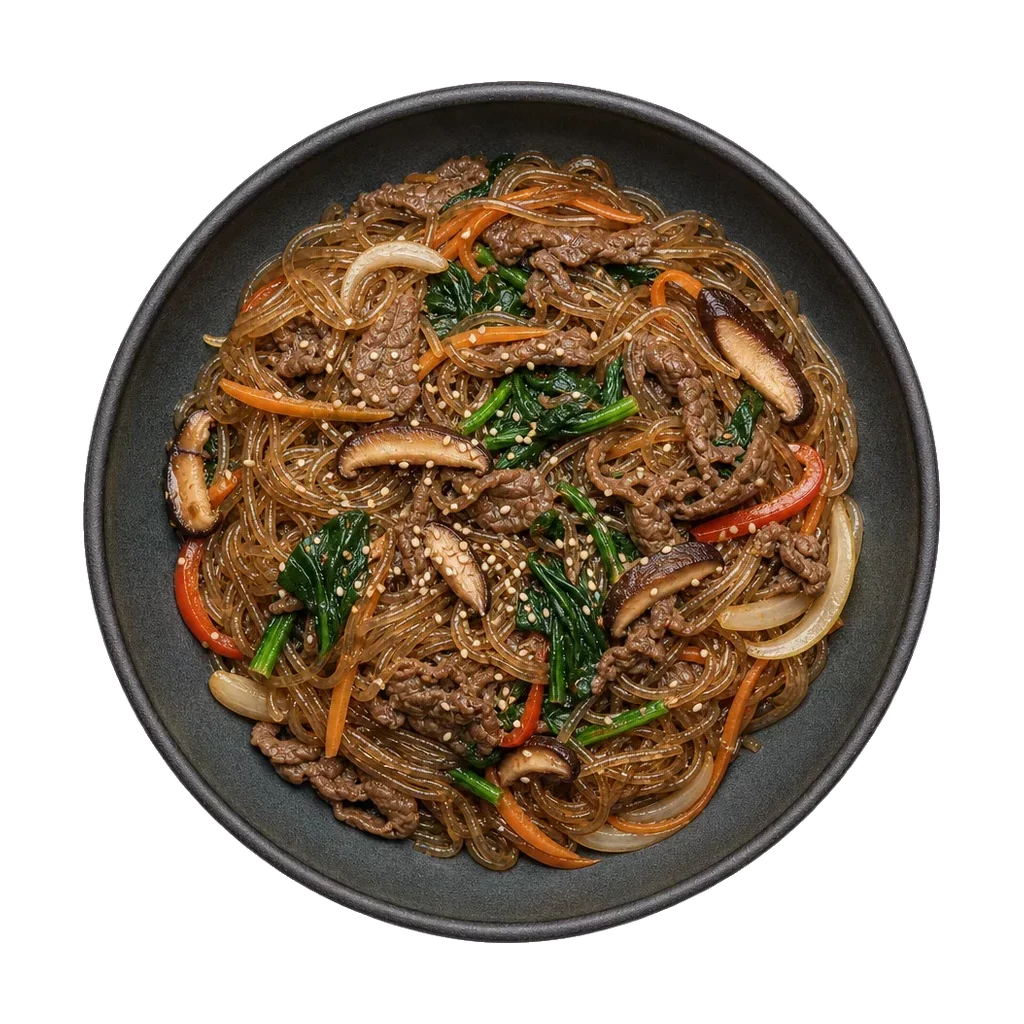
Japchae
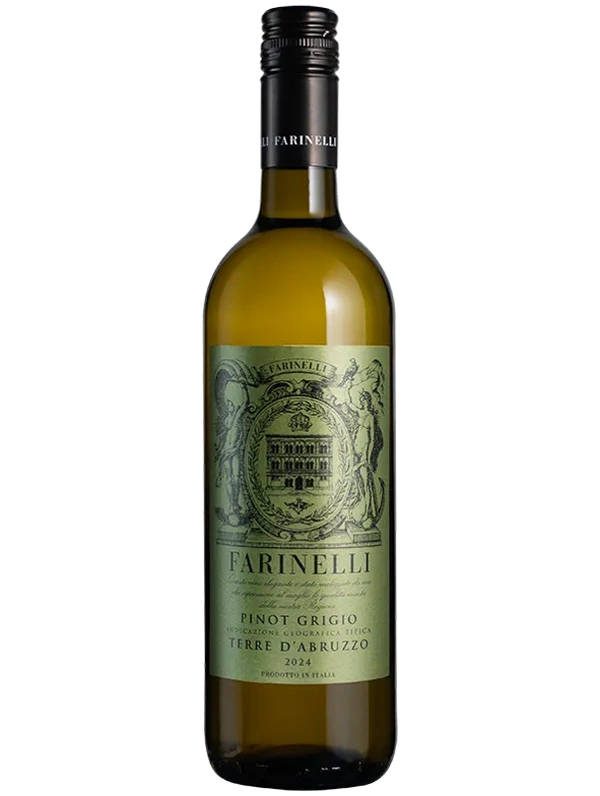
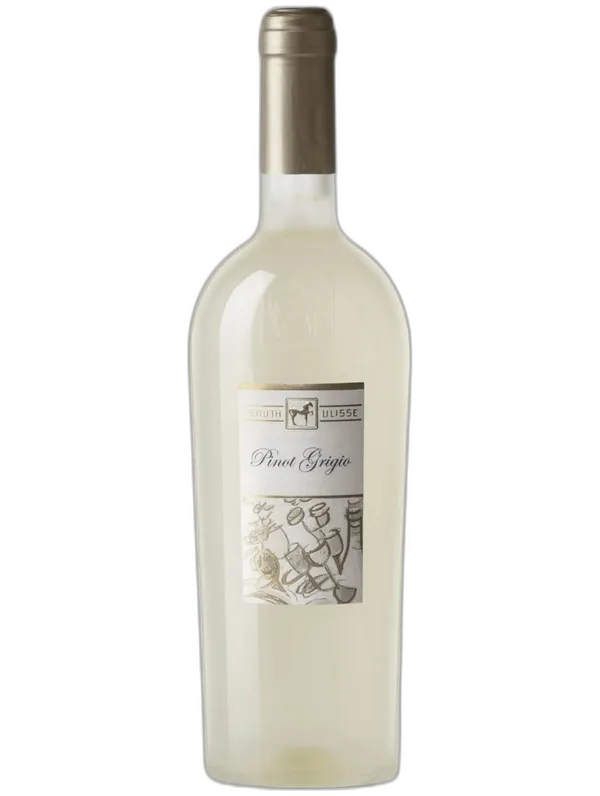
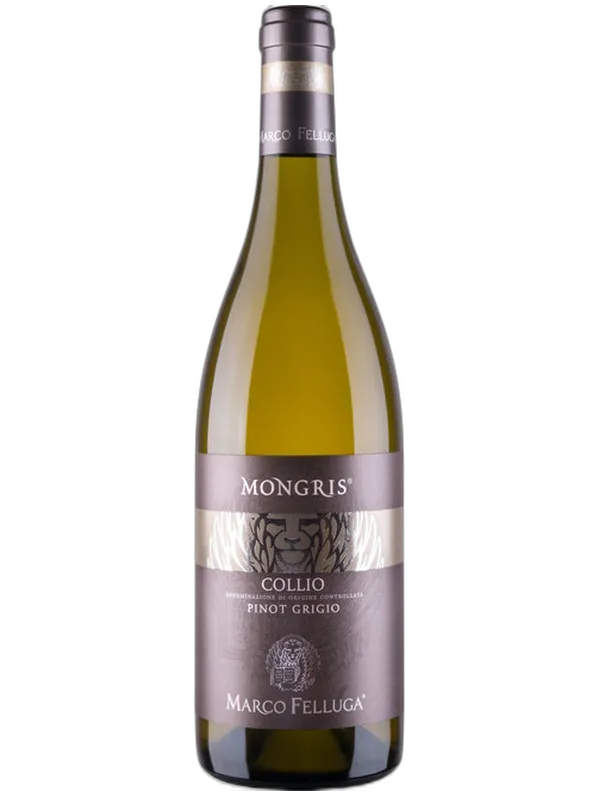
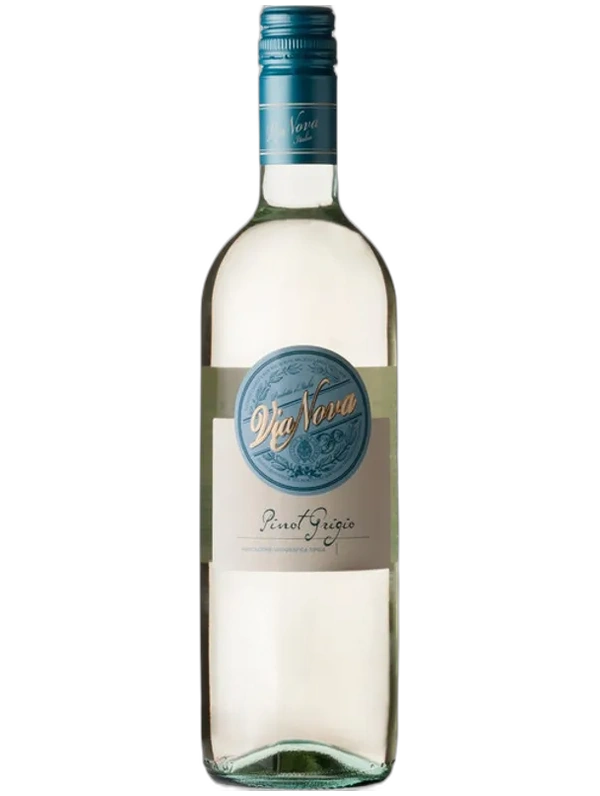
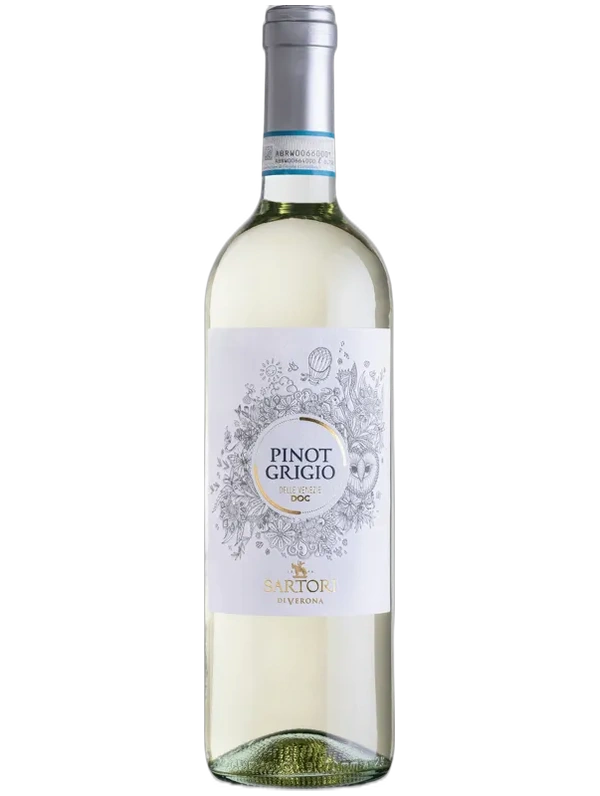
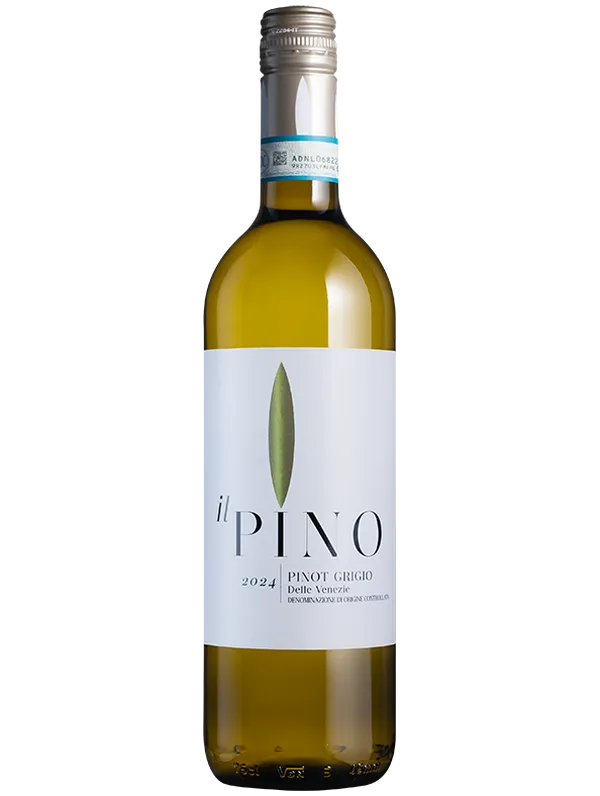
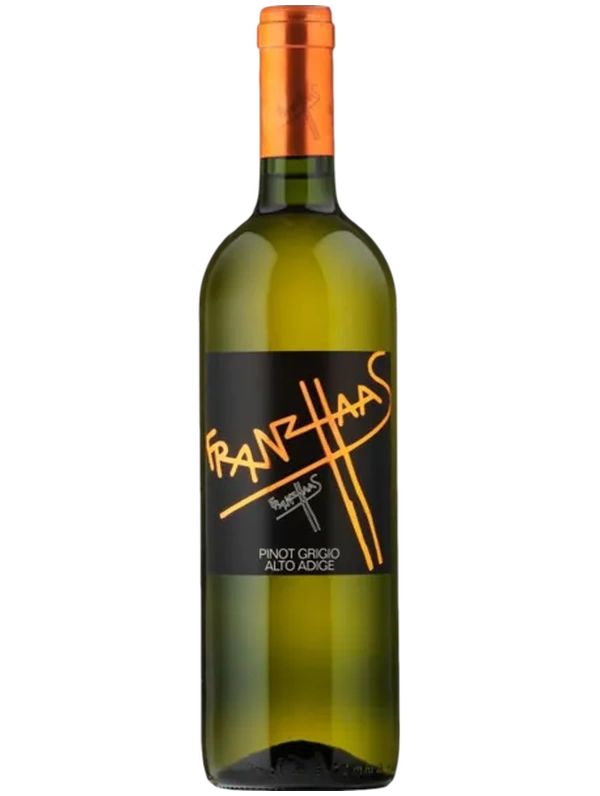
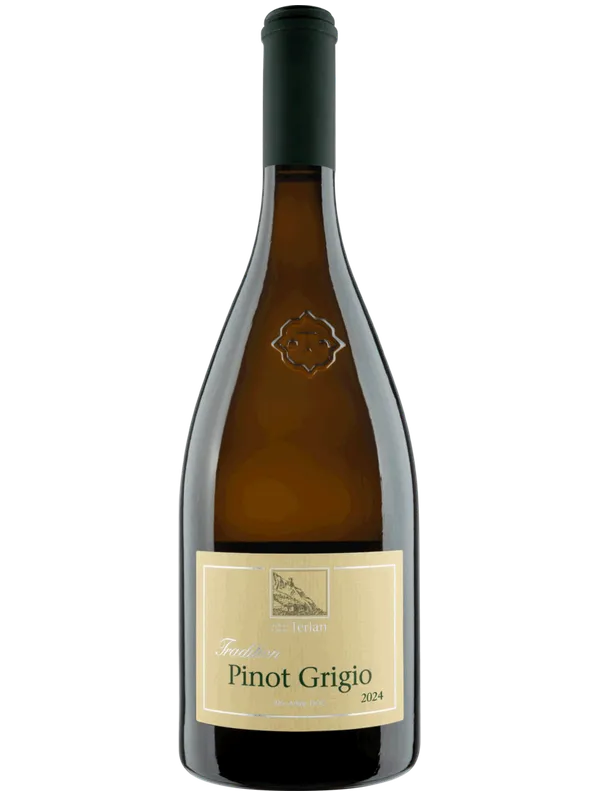
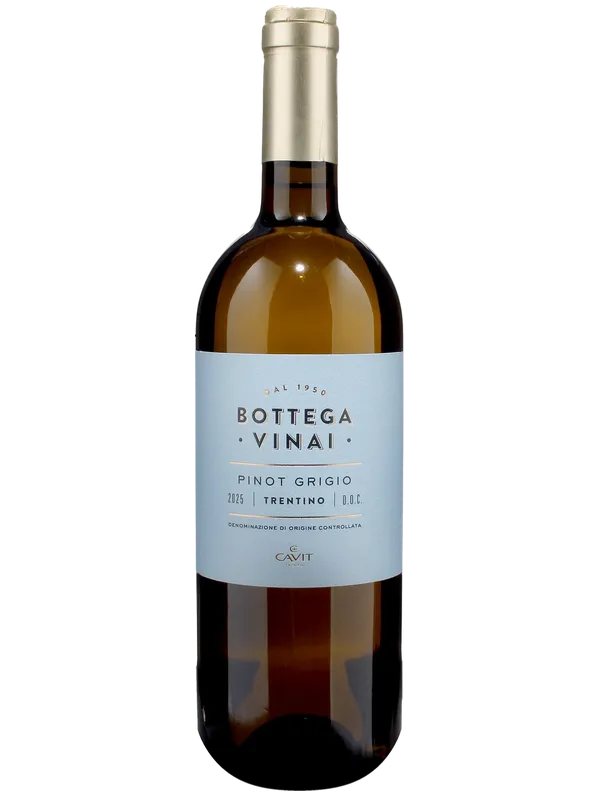
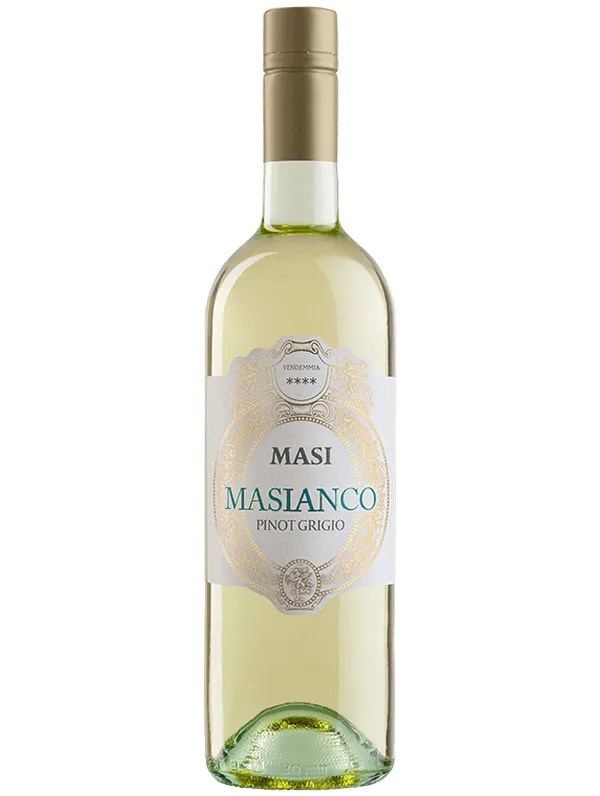
Japchae puts glass noodles, soy and sesame at the centre of the Korean noodles table. Alto Adige Pinot Grigio keeps the noodle sweetness clean and does not fight the sesame. Avoid Barolo, Amarone and Brunello here because dense tannin makes chilli, soy and garlic feel harder.
Perfect grape varieties
Appellations to explore
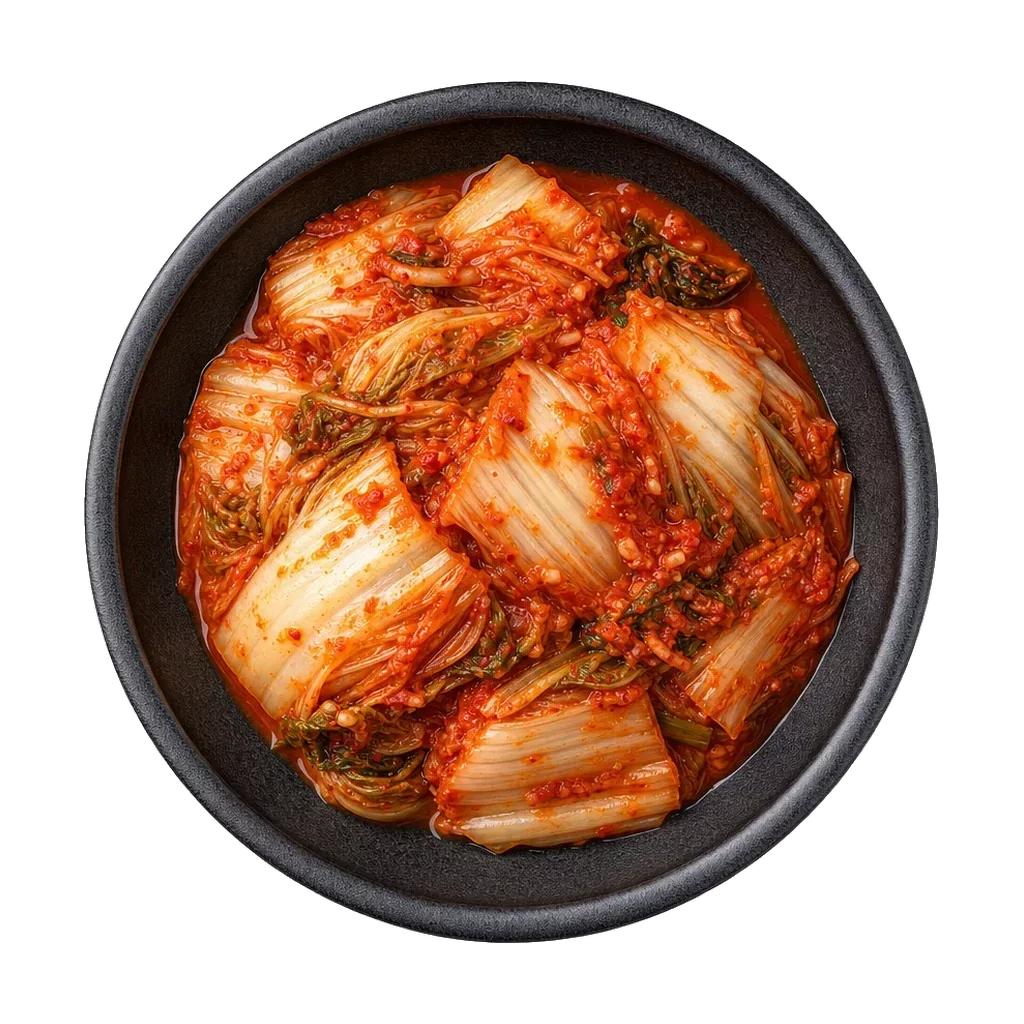
Kimchi
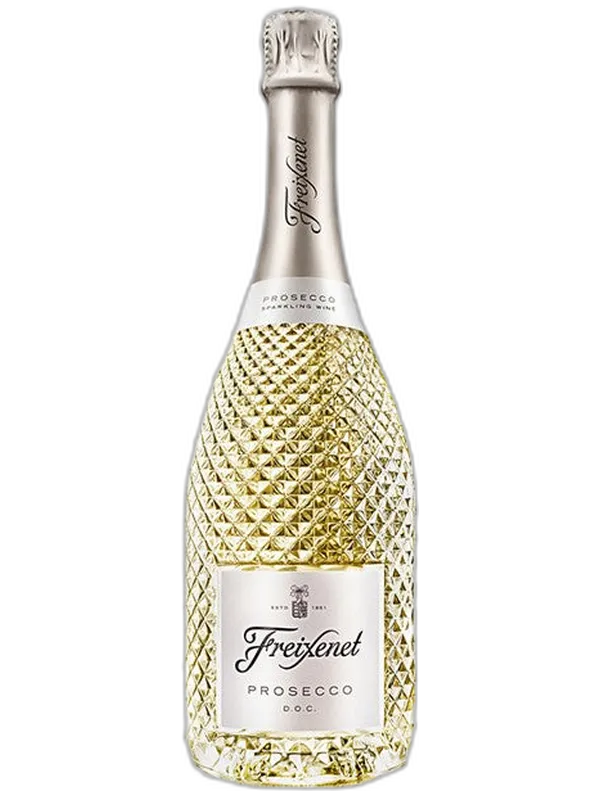
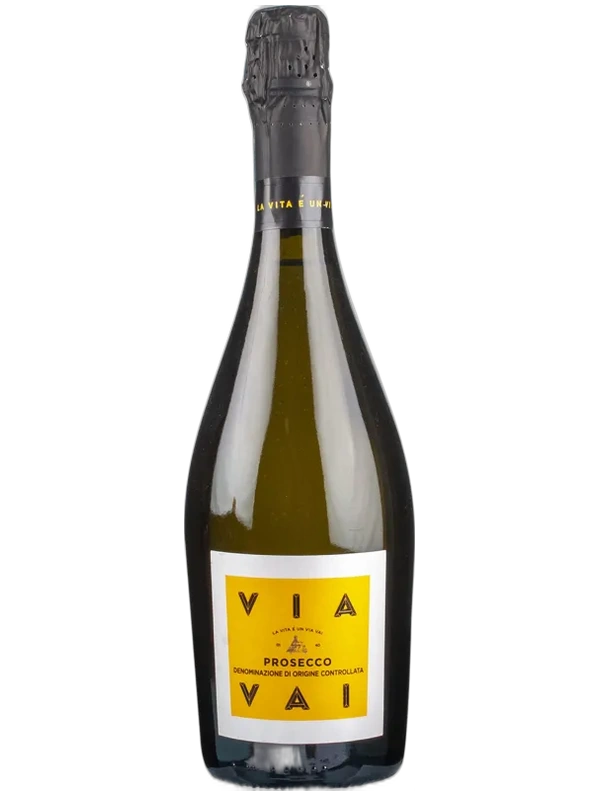
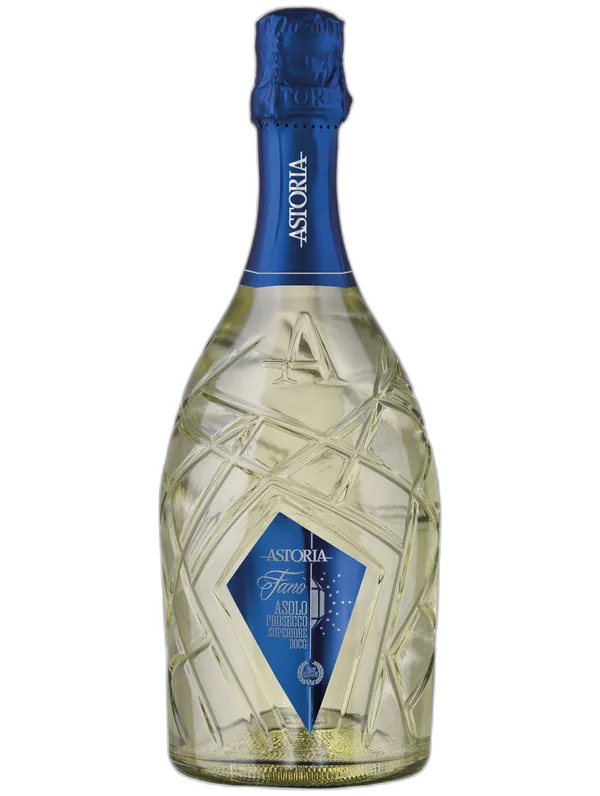
Kimchi puts fermented cabbage, chilli and garlic at the centre of the Korean banchan & fermented dishes table. Prosecco is the safest Italian match because fizz and acidity keep kimchi from tasting metallic. Avoid Barolo, Amarone and Brunello here because dense tannin makes chilli, soy and garlic feel harder.
Perfect grape varieties
Also worth trying
Appellations to explore
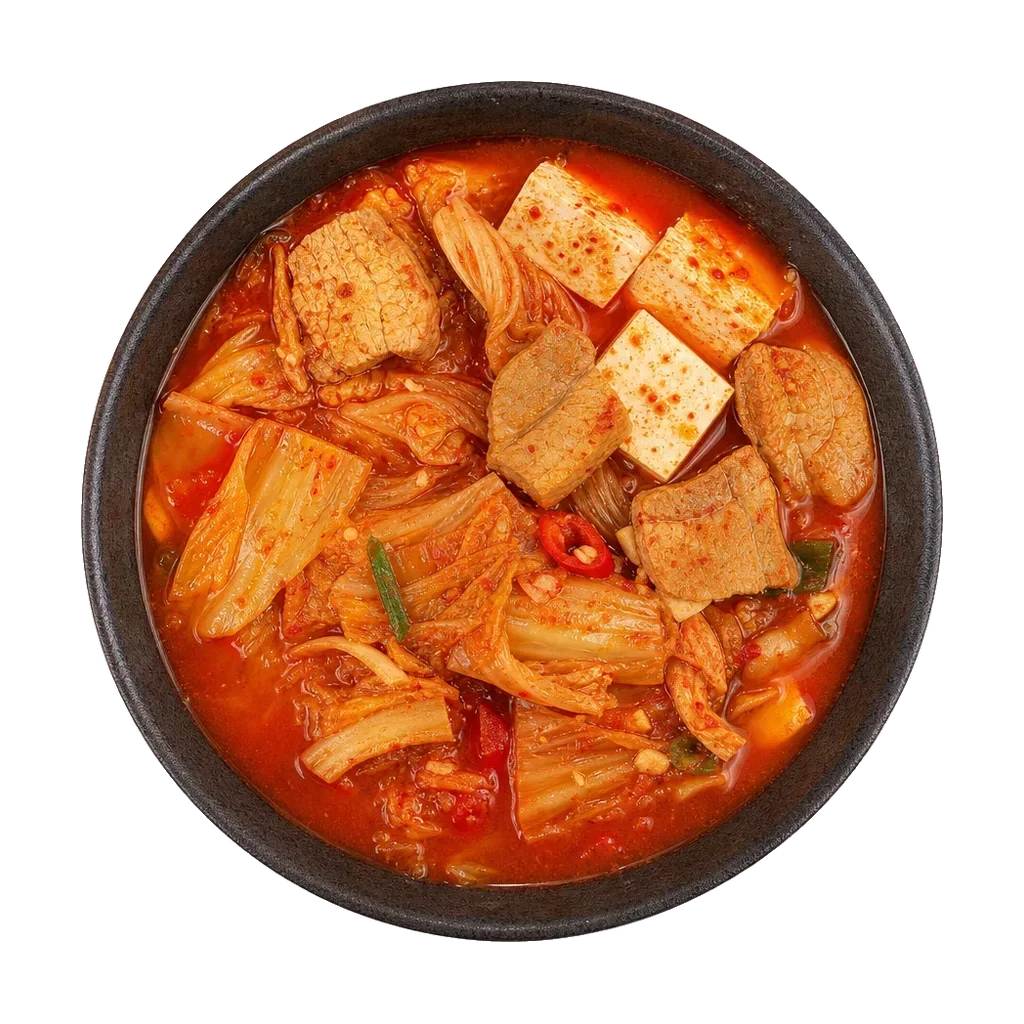
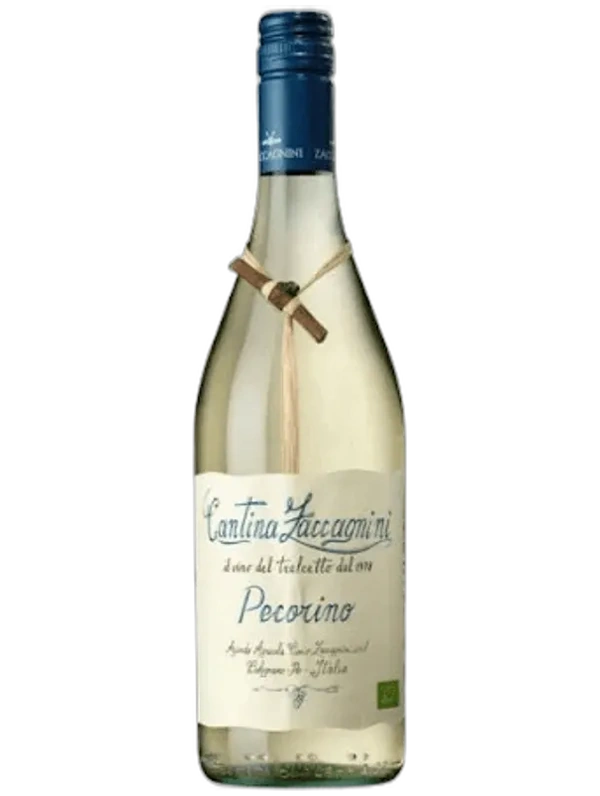
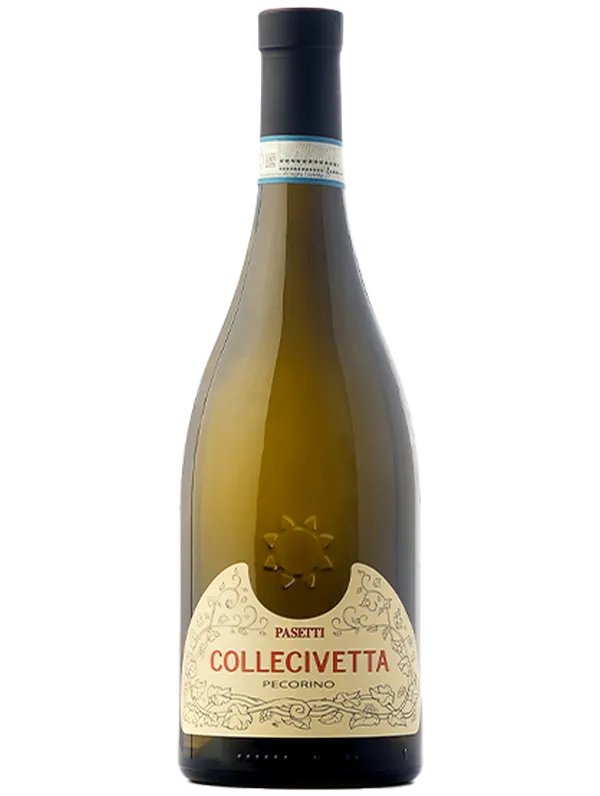
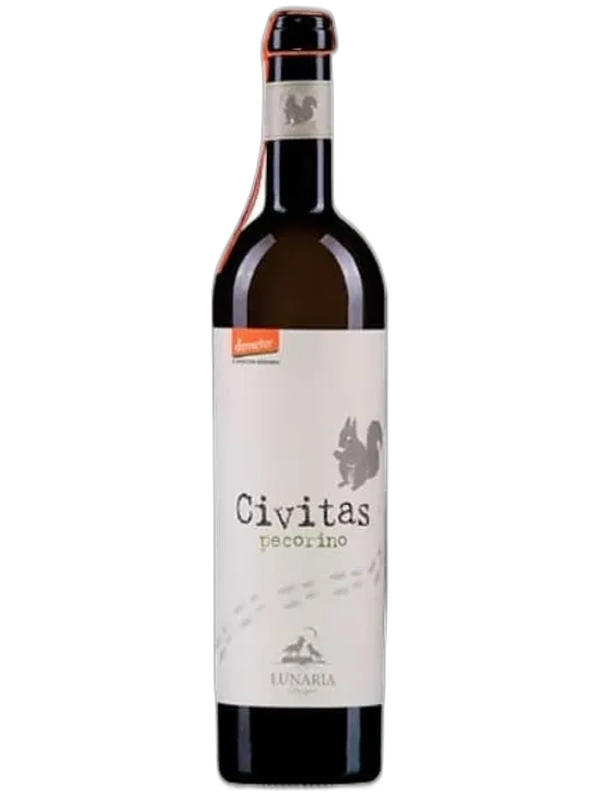
Kimchi jjigae
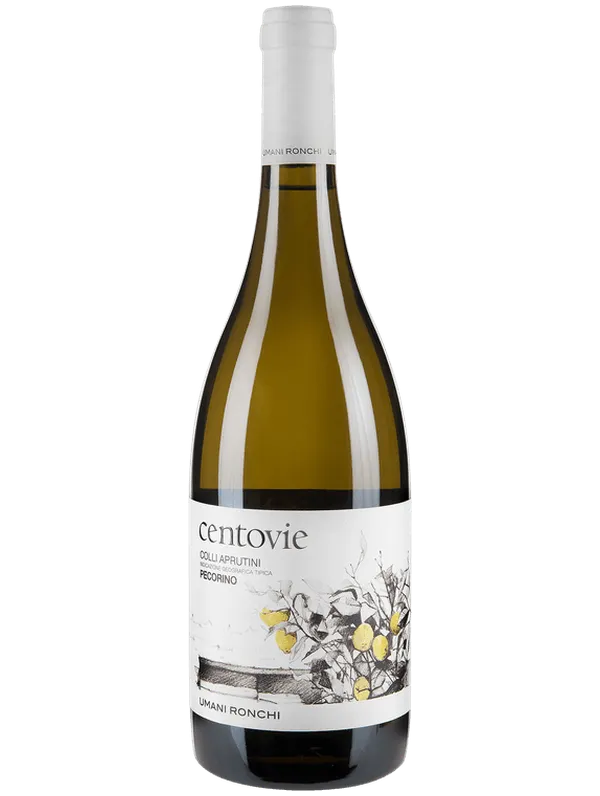
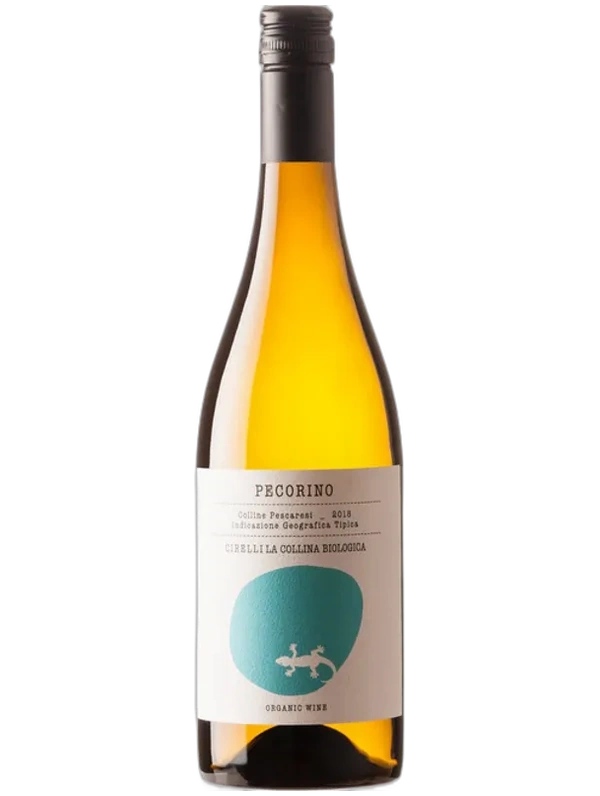
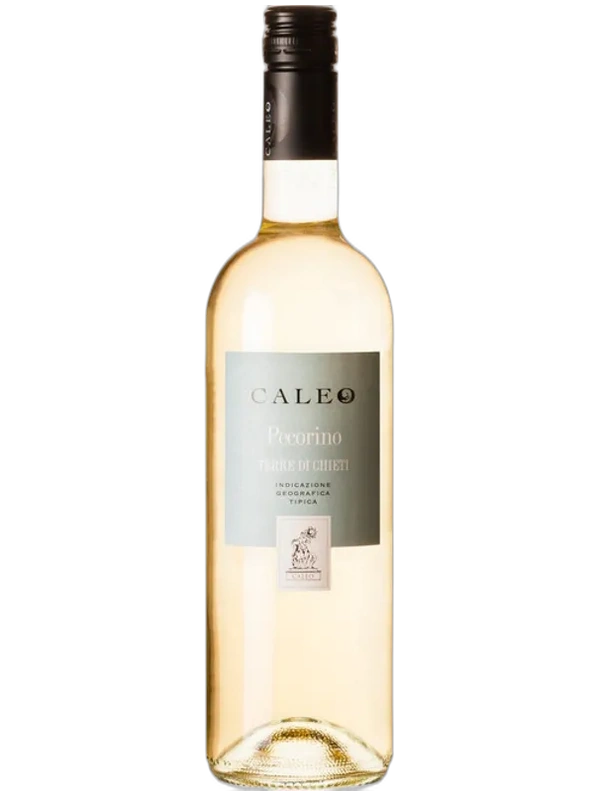
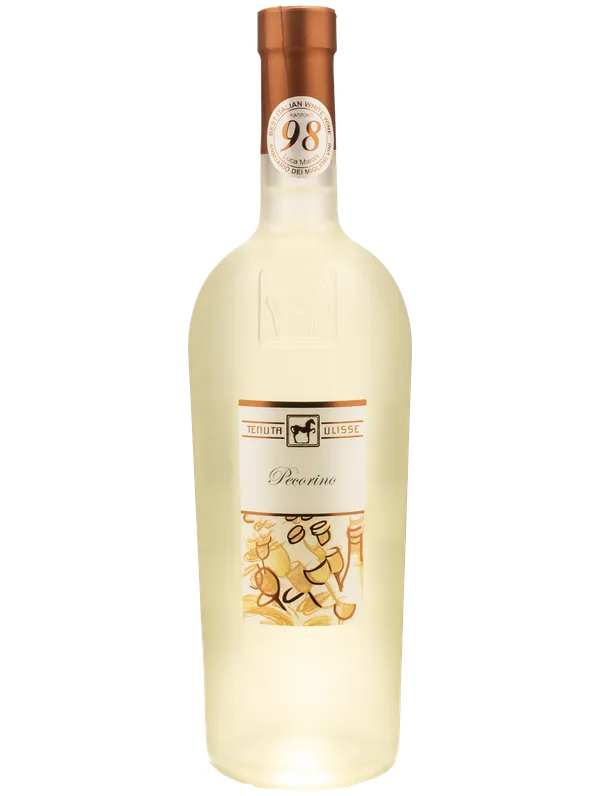
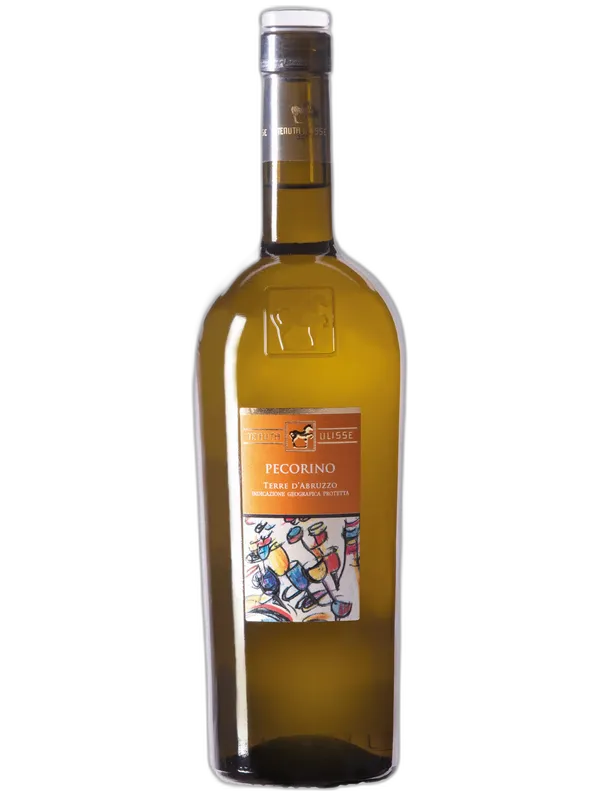
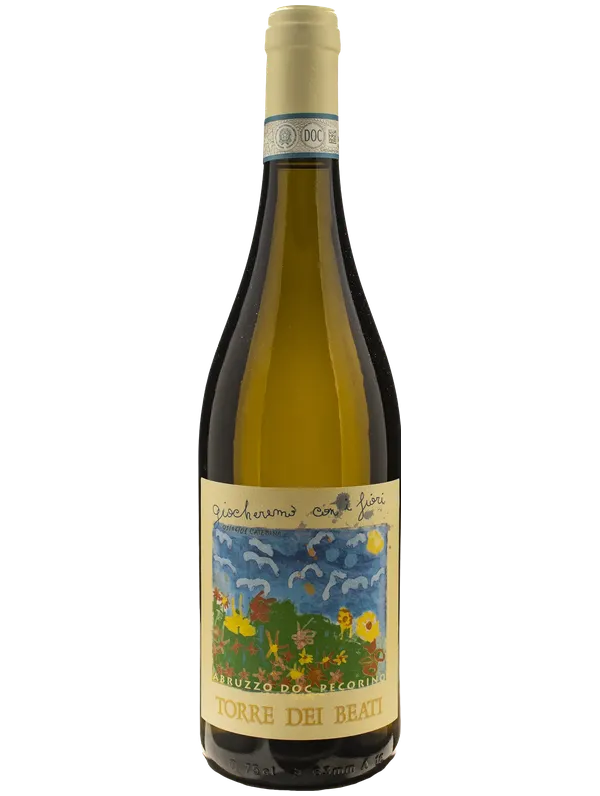
Kimchi jjigae puts kimchi acidity, pork and chilli broth at the centre of the Korean stews & hot pots table. Pecorino Offida has the acidity and savoury edge to meet kimchi without amplifying the heat. Avoid Barolo, Amarone and Brunello here because dense tannin makes chilli, soy and garlic feel harder.
Appellations to explore
Korean BBQ
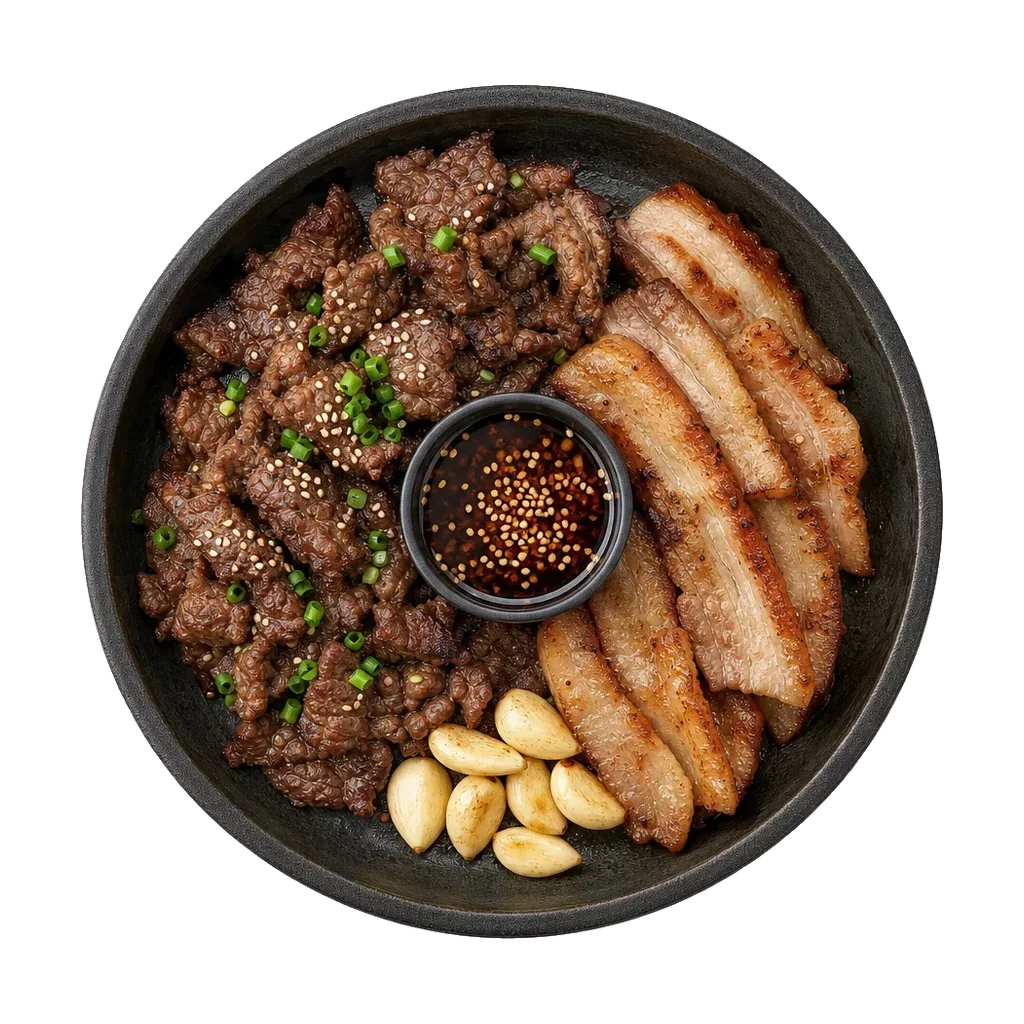
Korean BBQ puts smoke, soy and sesame fat at the centre of the Korean barbecue & grilled meats table. Barbera d'Asti has the acidity and red-fruit snap to handle the char while Lambrusco di Sorbara refreshes the salt and fat. Avoid Barolo, Amarone and Brunello here because dense tannin makes chilli, soy and garlic feel harder.
Appellations to explore
Mandu
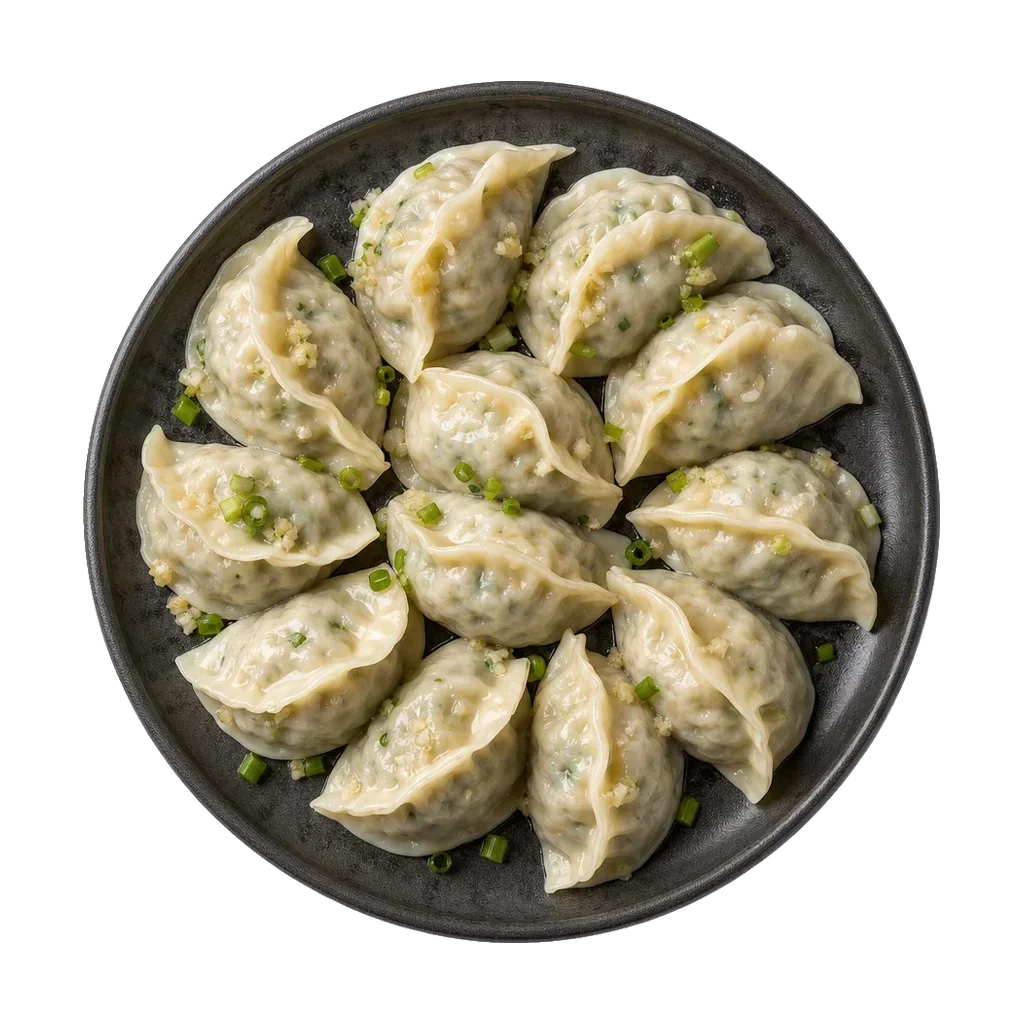
Mandu puts dumpling wrapper, pork and tofu at the centre of the Korean dumplings & pancakes table. Franciacorta clears the wrapper and pork fat while Falanghina keeps the filling fresh. Avoid Barolo, Amarone and Brunello here because dense tannin makes chilli, soy and garlic feel harder.
Perfect grape varieties
Also worth trying
Appellations to explore
Tteokbokki
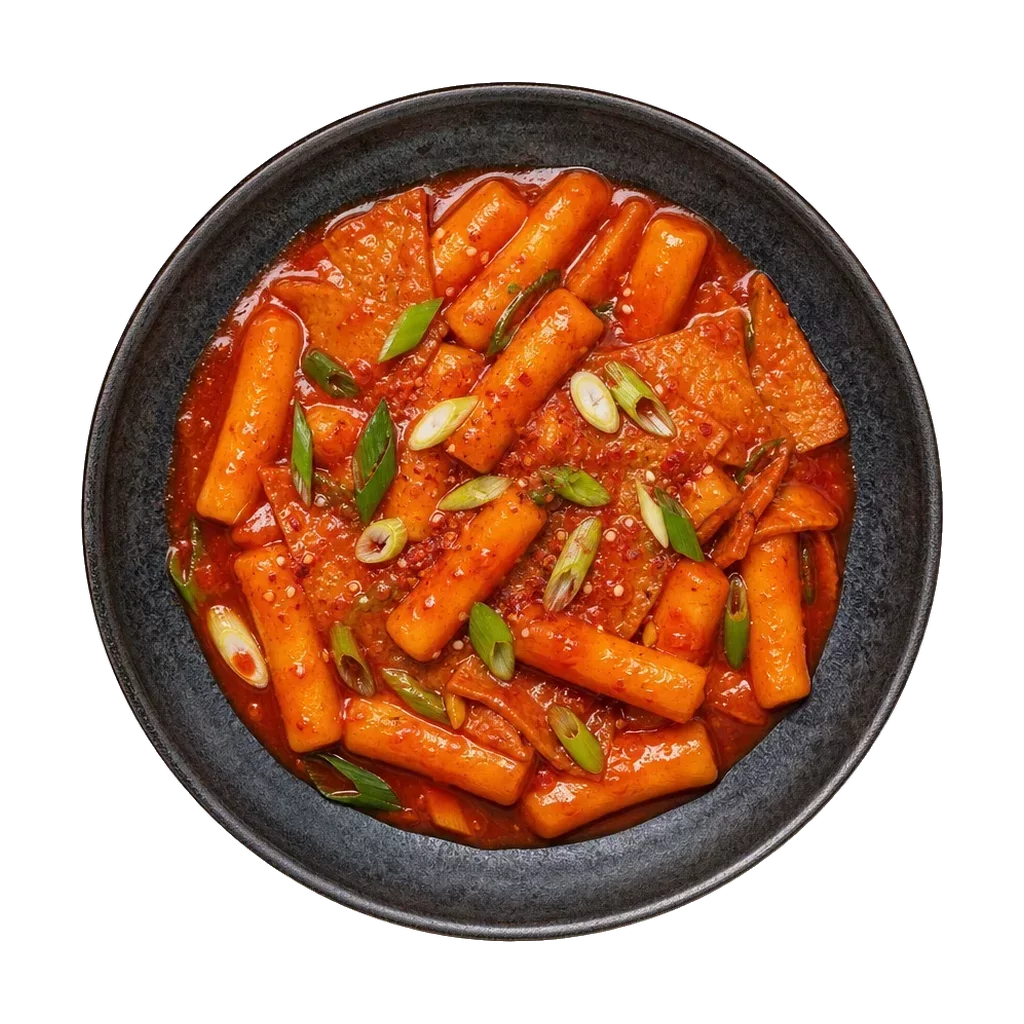
Tteokbokki puts sweet chilli rice cakes at the centre of the Korean fried chicken & street food table. Prosecco is the first choice because bubbles and acidity cool the gochujang sweetness. Avoid Barolo, Amarone and Brunello here because dense tannin makes chilli, soy and garlic feel harder.
Appellations to explore
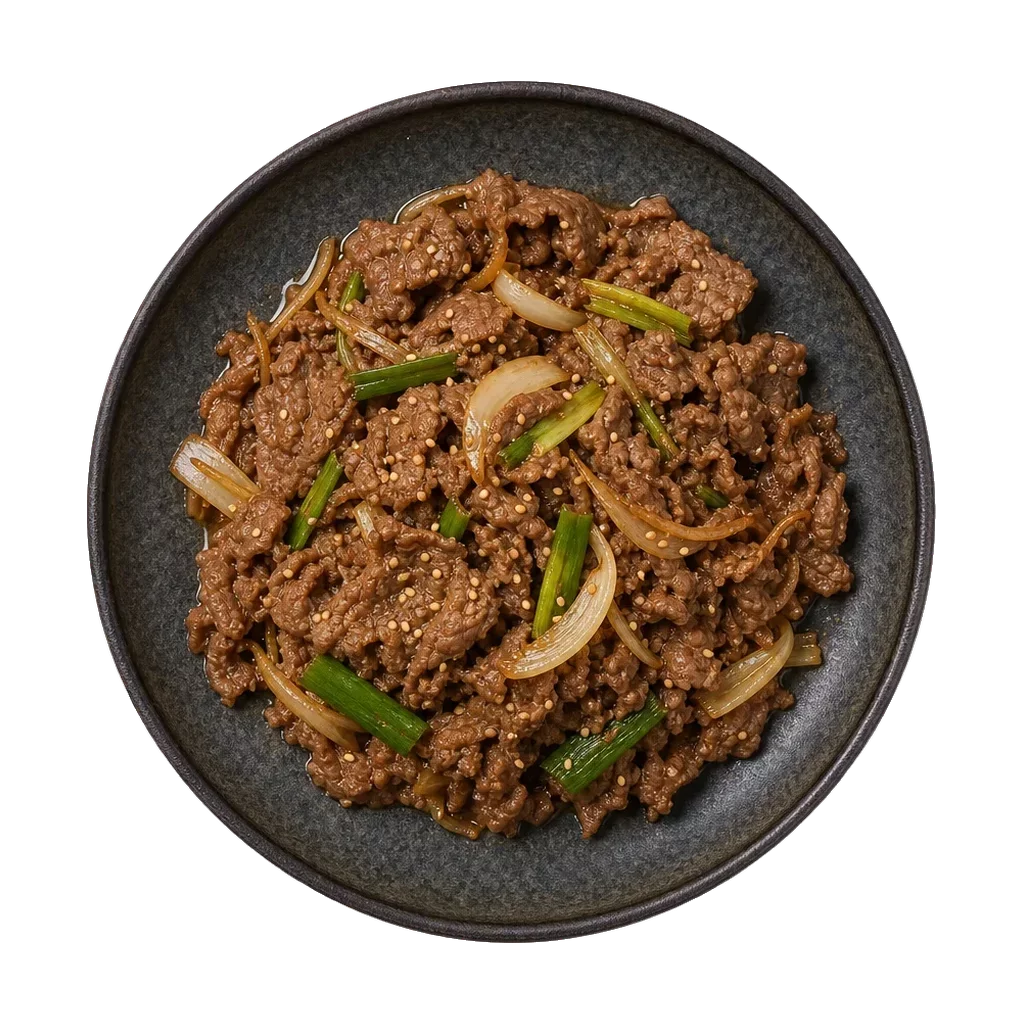
Bulgogi
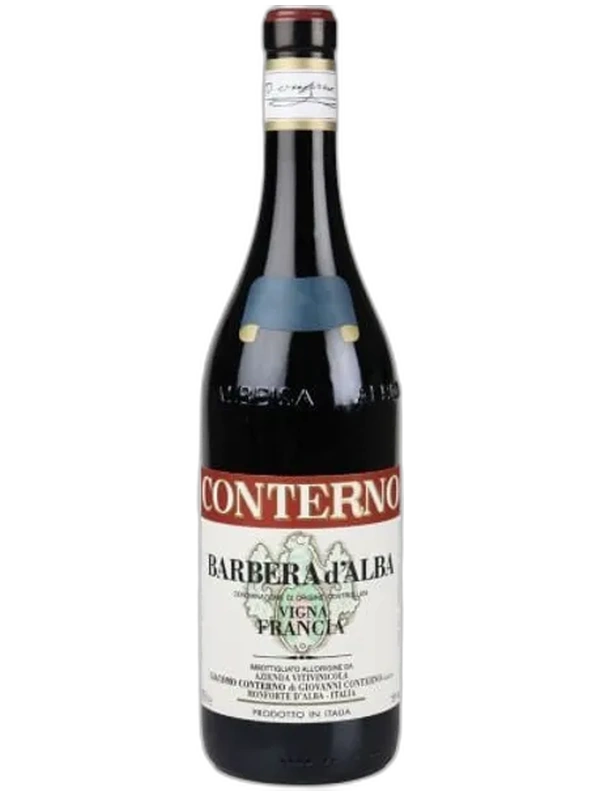
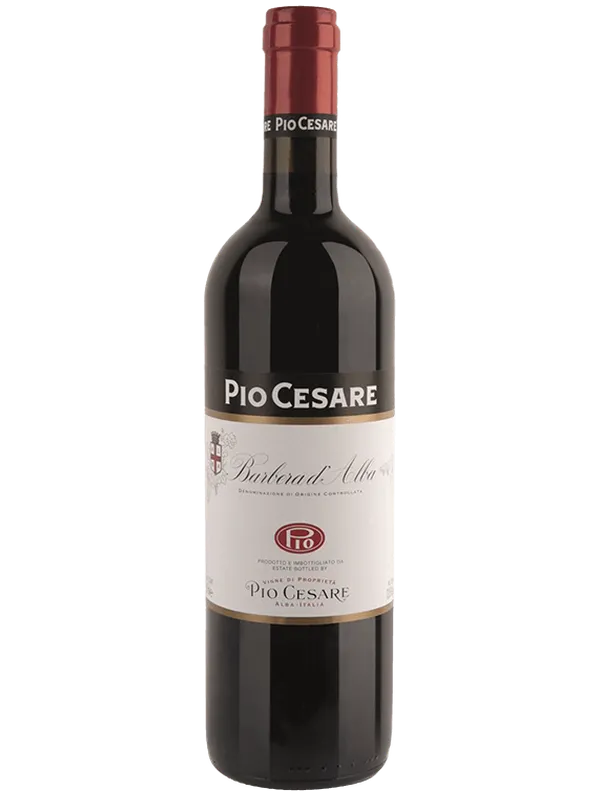
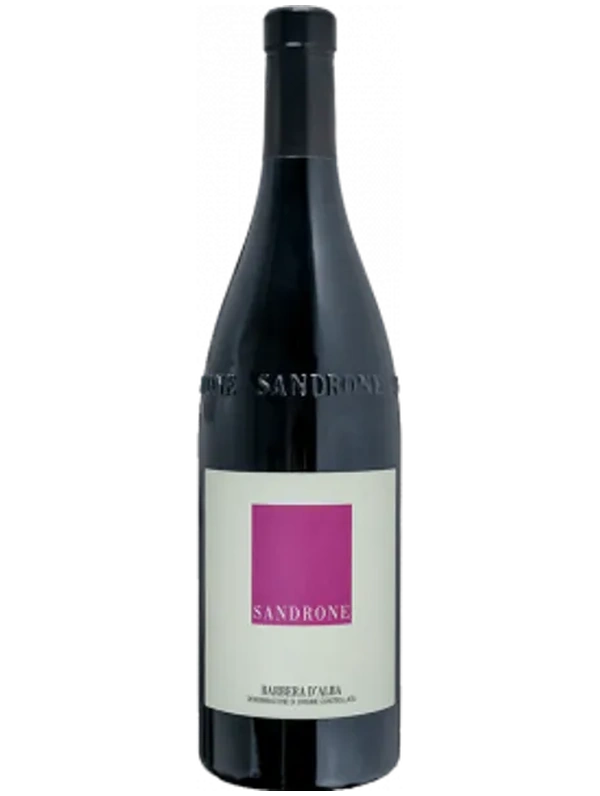
Bulgogi puts sweet soy, pear and sesame at the centre of the Korean barbecue & grilled meats table. Barbera d'Asti works because its sour-cherry acidity cuts the sweetness without adding hard tannin. Avoid Barolo, Amarone and Brunello here because dense tannin makes chilli, soy and garlic feel harder.
Perfect grape varieties
Also worth trying
Appellations to explore
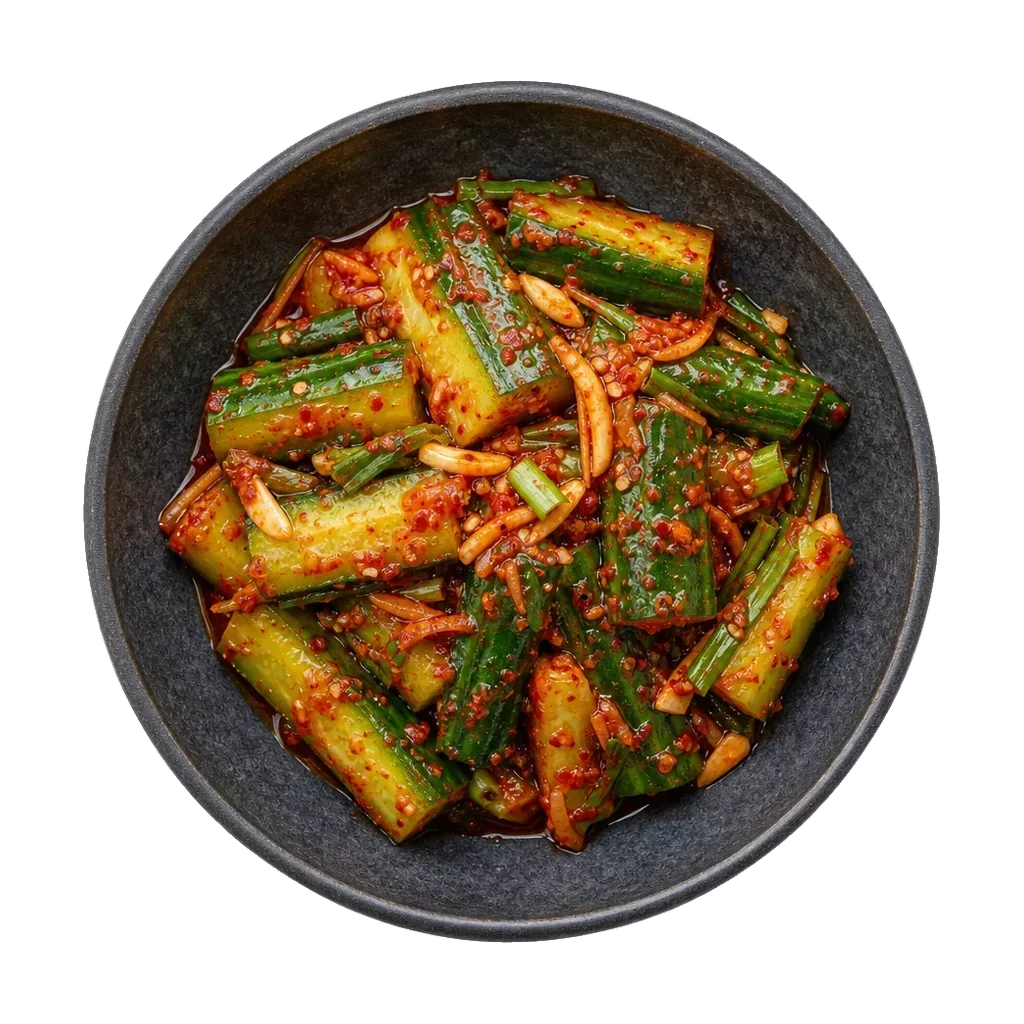
Cucumber kimchi
Cucumber kimchi puts cucumber crunch, chilli and garlic at the centre of the Korean banchan & fermented dishes table. Alto Adige Pinot Grigio keeps cucumber fresh while Prosecco softens the chilli edge. Avoid Barolo, Amarone and Brunello here because dense tannin makes chilli, soy and garlic feel harder.
Perfect grape varieties
Also worth trying
Appellations to explore
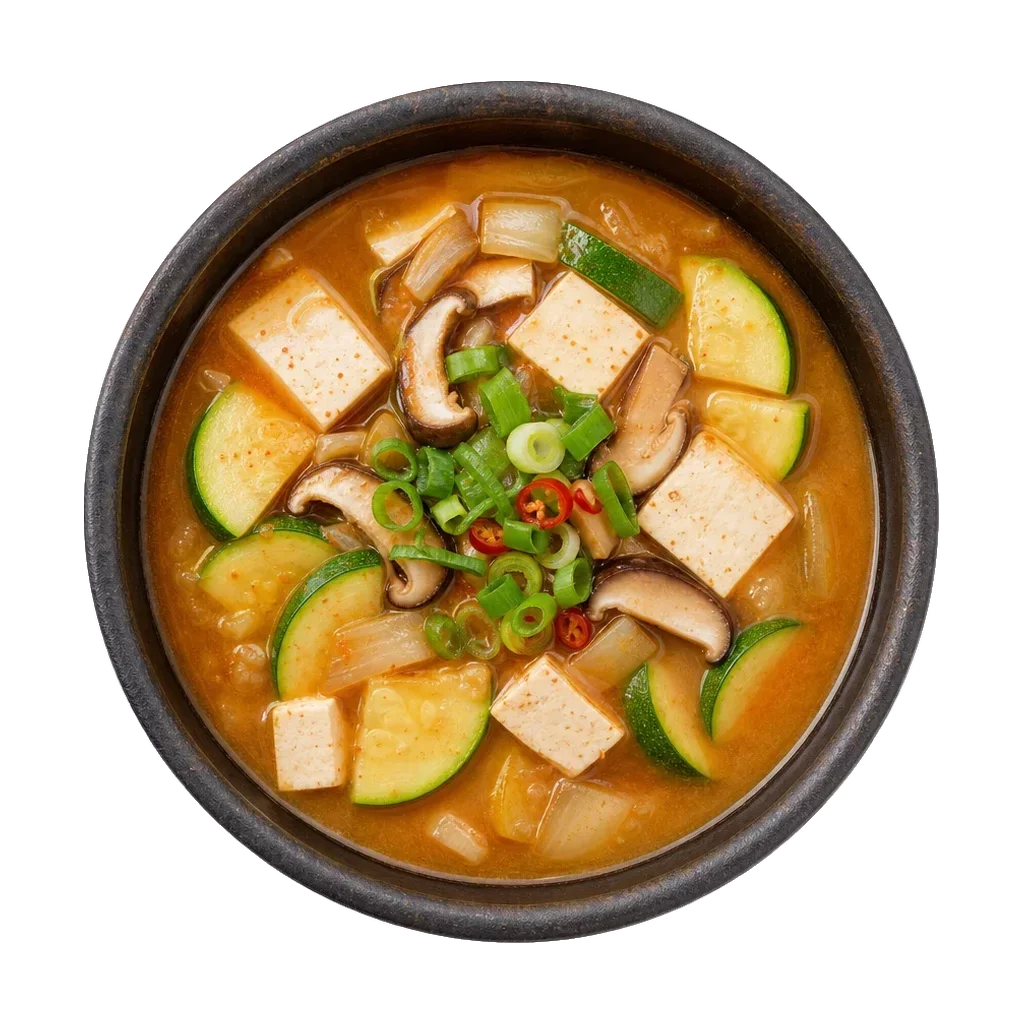
Doenjang jjigae
Doenjang jjigae puts fermented soybean, tofu and vegetables at the centre of the Korean stews & hot pots table. Verdicchio dei Castelli di Jesi brings almond bitterness and acidity that fit doenjang's savoury depth. Avoid Barolo, Amarone and Brunello here because dense tannin makes chilli, soy and garlic feel harder.
Perfect grape varieties
Also worth trying
Appellations to explore
Why These Pairings Work
Korean dishes often combine chilli, fermentation, garlic, soy and sweetness in the same bite. Italian wines work best when they bring high acidity, moderate alcohol and low tannin: Prosecco for heat, Vermentino for seafood and Lambrusco or Barbera for char and pork fat. Dense reds such as Amarone and Barolo are held back because tannin magnifies gochugaru and fermented soybean.
Wines for Korean
Explore More Pairings
Food Pairing Questions
Conegliano Valdobbiadene Prosecco is the safest first pour for Korean food because acidity and bubbles handle chilli, kimchi and fried texture. Barbera d'Asti and Lambrusco di Sorbara take over when grilled pork or beef is the centre of the meal.
Yes, but choose fresh Italian reds such as Barbera d'Asti, Bardolino or Lambrusco di Sorbara. Avoid Barolo and Amarone because high tannin can make soy, garlic and chilli taste harder.
Prosecco, Alto Adige Pinot Grigio and Pecorino Offida work best with kimchi. Their acidity keeps fermentation and chilli bright instead of metallic.
Prosecco is the best Italian starting point for tteokbokki. The bubbles and acidity cool gochujang sweetness and keep rice cakes from feeling heavy.
Franciacorta, Trento and Lambrusco di Sorbara all work with Korean fried chicken. They bring pressure, acidity and enough fruit for sweet-spicy glaze.
Usually no. Orange wine can turn bitter beside chilli, garlic and fermented soybean, so crisp whites, sparkling wines and low-tannin reds are more reliable.