







The Best Wine for Cooking Risotto, and How to Choose It

TL;DR
- Wine-infused risotto works when the wine supports the rice rather than turning the dish sharp or bitter.
- For UK kitchens, use Italian bottles with enough acidity and regional logic, then pour something related at the table.
- Barbera, Soave, Verdicchio and Chianti can each make sense when the risotto's cheese, stock, mushroom or meat base points that way.
Choosing a wine to cook with
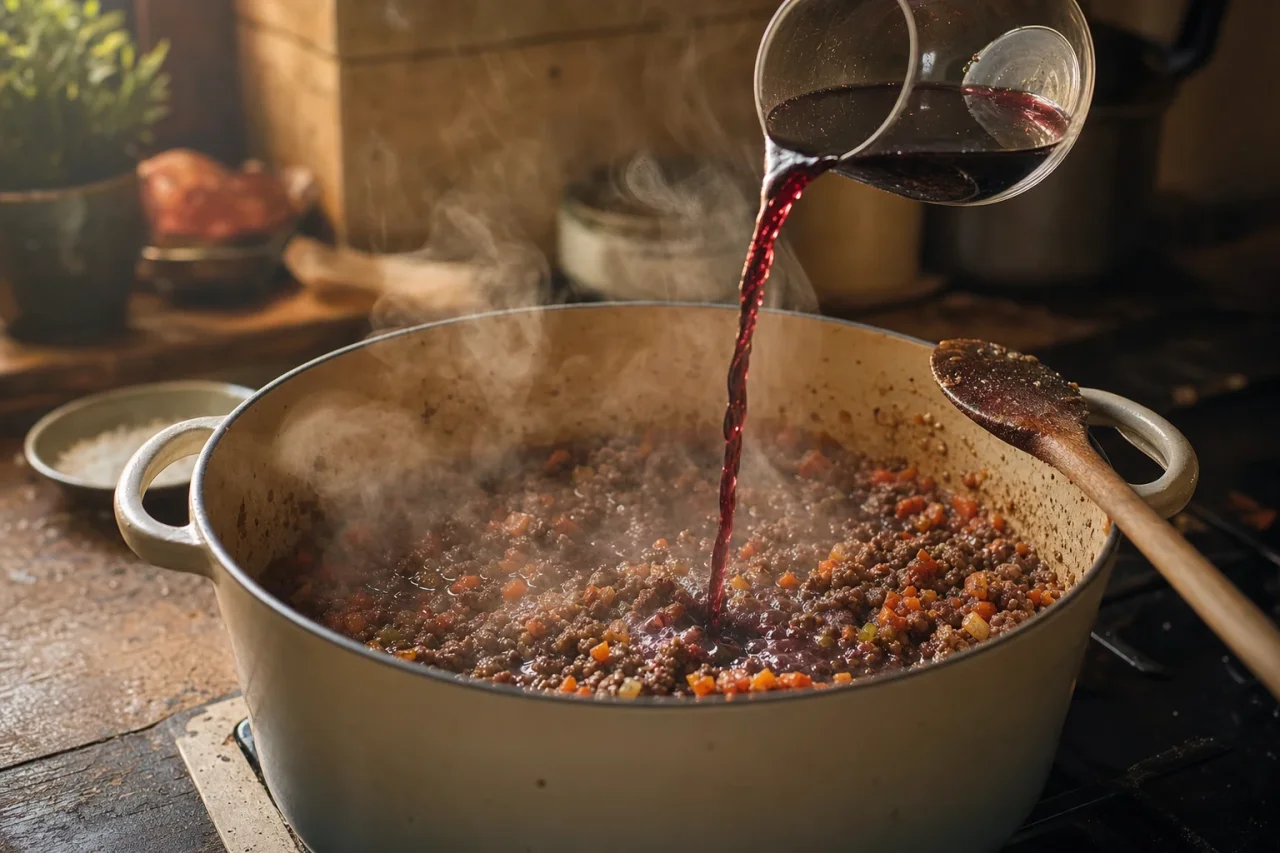
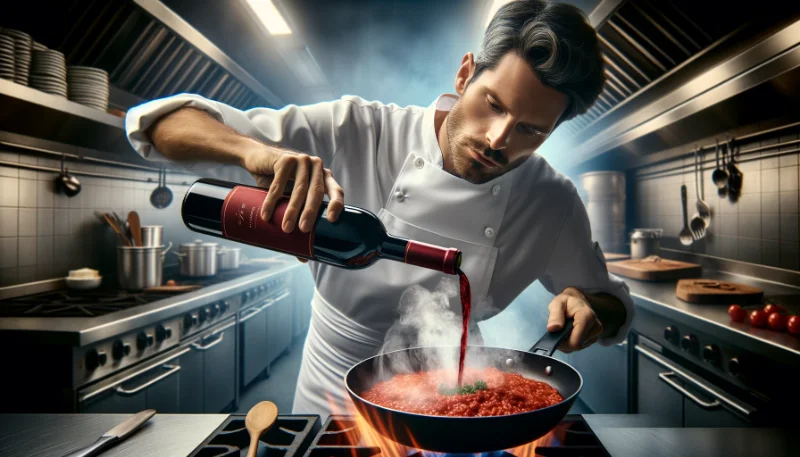
Wine going into a risotto is doing a different job from wine going into a glass. It deglazes the soffritto, it adds acidity, and it carries flavour into the rice as the stock reduces. What it does not do is arrive at the table tasting the way it did in the bottle.
That matters because heat destroys the very things you pay most for. The tertiary aromas of a mature bottle, the tar and dried rose of an aged Nebbiolo, are the first casualties of twenty minutes at a simmer. Cooking with something old and expensive wastes precisely the qualities that made it expensive.
The opposite mistake is worse. Faults concentrate as a risotto reduces rather than cooking off, so a tired, oxidised bottle or one with volatile acidity will taste sharper and nastier in the finished dish than it did in the glass. This is the real reason behind the old advice about never cooking with a wine you would not drink. Inexpensive is fine. Faulty is not.
So the target is a sound, fresh, high-acid wine at a sensible price, and the style should match what the dish is trying to become. A white for a delicate seafood or spring vegetable risotto, a firm red where the rice is going to take on colour and body. The four dishes below each show that choice being made, and each names bottles worth the money.
If you want the reverse question, which wine to drink alongside the finished plate, that is covered in our guide to the best wine for risotto.
Barolo Risotto
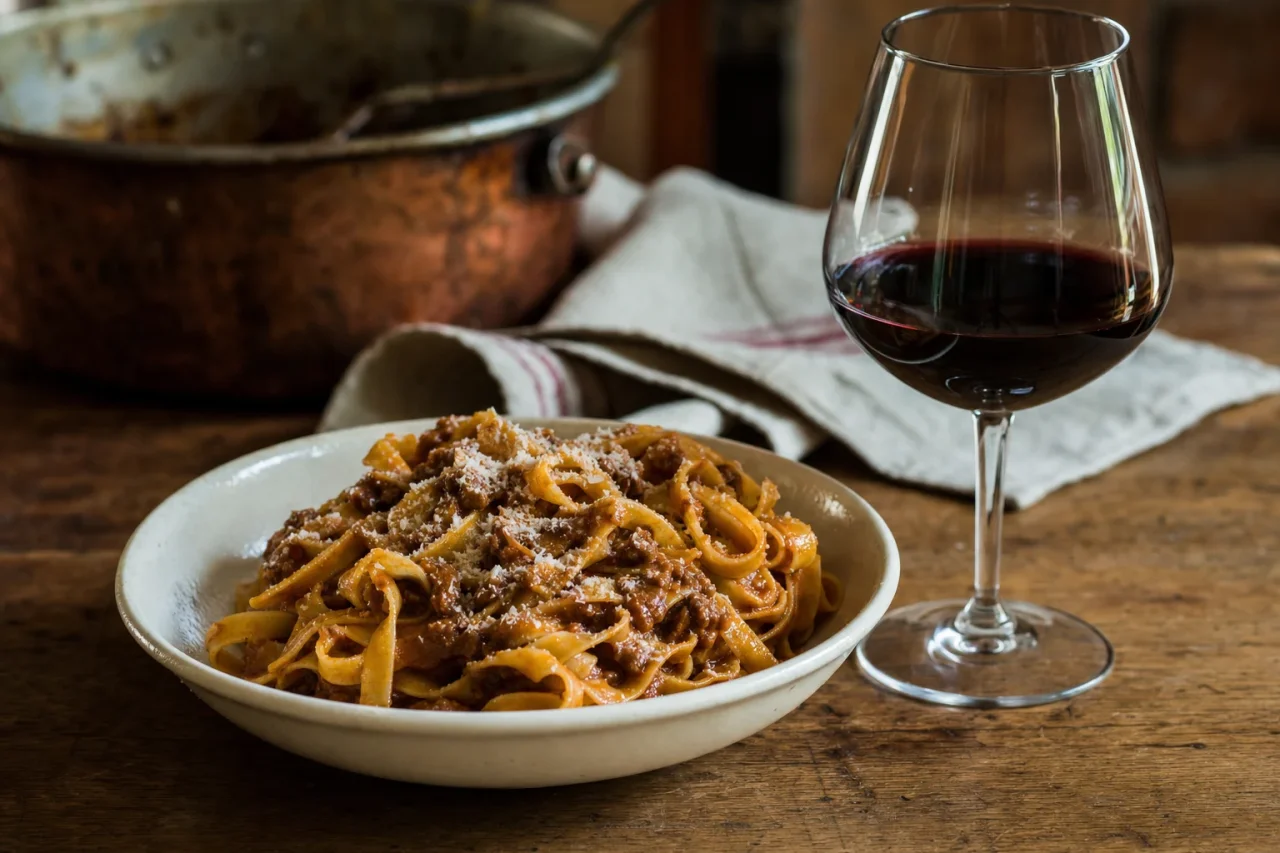
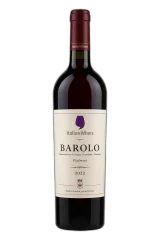
Barolo Risotto (or Risotto al Barolo in italian) stands out as a stellar example of how a revered Italian wine can elevate a humble risotto to a gastronomic masterpiece. Barolo, often referred to as the "King of Wines" in Italy, hails from the picturesque Langhe hills of Piedmont, a region renowned for its rich culinary and viniculture heritage. This wine is celebrated for its profound complexity, offering a robust and dry flavour profile, with an aromatic bouquet that includes hints of cherry, rose, truffle, and spices. In Risotto al Barolo, the wine's bold character infuses the rice with a deep, ruby-red hue and an intense flavour that is both earthy and elegant.
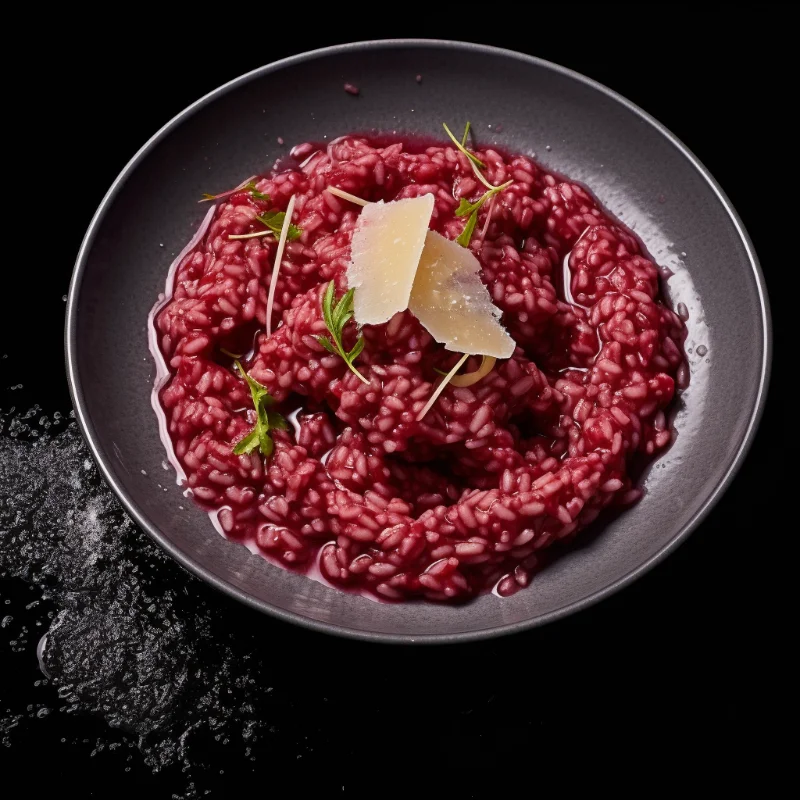
The process of cooking Risotto al Barolo is a delicate art. The Arborio rice, known for its creamy texture and ability to absorb flavours, slowly simmers in a mixture of rich broth and Barolo wine. As the rice cooks, it releases starch, which combines with the wine's tannins to create a creamy, yet firm texture, a hallmark of an expertly cooked risotto. The key to this dish lies in the balance – the wine's acidity and tannins must harmonize with the creamy starchiness of the rice, resulting in a dish that is rich yet not overpowering.
For enthusiasts wishing to recreate this classic at home, you can find the recipe and step-by-step guide here. Most importantly, selecting the right bottle of Barolo is crucial. To assist, we've curated a selection of Barolo wines that are not only excellent for cooking but also make a splendid accompaniment when served alongside the dish.
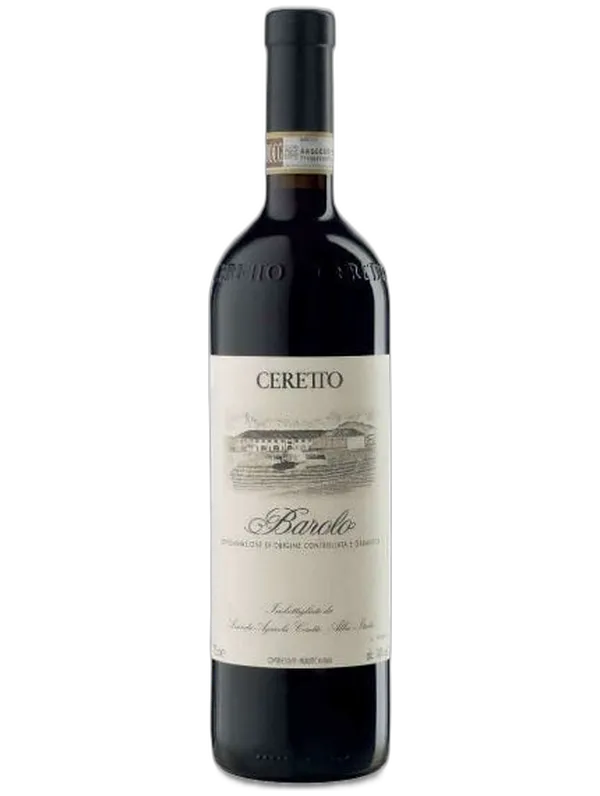
Ceretto Barolo 2022
Ceretto's classic Barolo: 100% Nebbiolo from estate parcels in La Morra, Barolo and Serralunga d'Alba, fermented in steel and matured in French oak tonneaux then large casks. Expect rose, morello cherry and tar over fine, approachable tannins, a poli
View Wine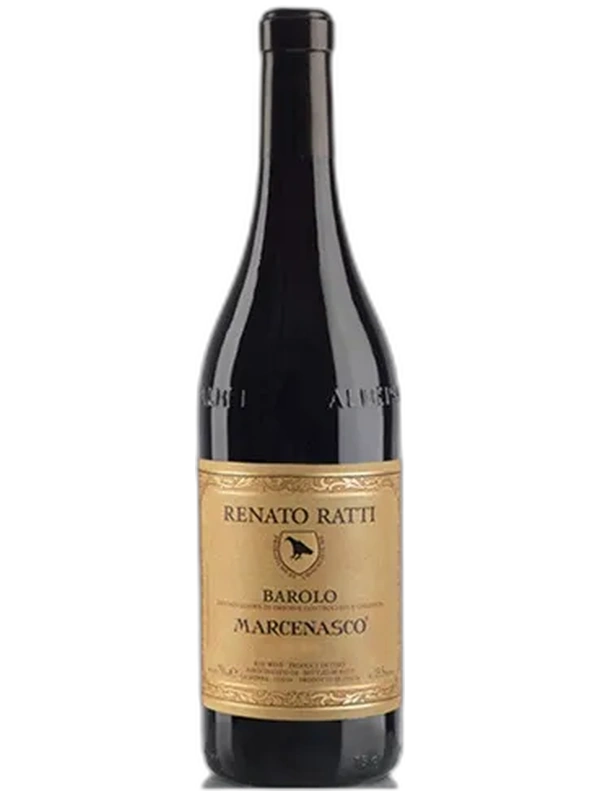
Renato Ratti Barolo Rocche Marcenasco 2021
Renato Ratti's single-vineyard Barolo from the Rocche dell'Annunziata cru in La Morra: 100% Nebbiolo on blue marl, with dried rose, violet, licorice and tar over fine, age-worthy tannins. A 1st-category Langhe cru, around £54 to £93.
View Wine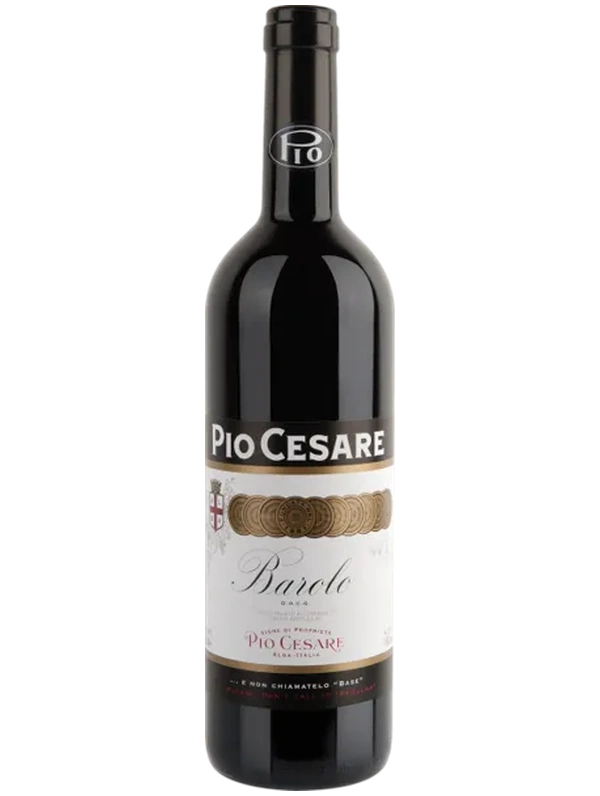
Pio Cesare Barolo 2022
Pio Cesare blends Nebbiolo from nine family vineyards across Serralunga, Monforte, La Morra, Novello and Grinzane Cavour into a single classic Barolo DOCG. Aged in large oak casks, it shows tar, dried rose, cherry and firm tannins. A benchmark Langhe
View Wine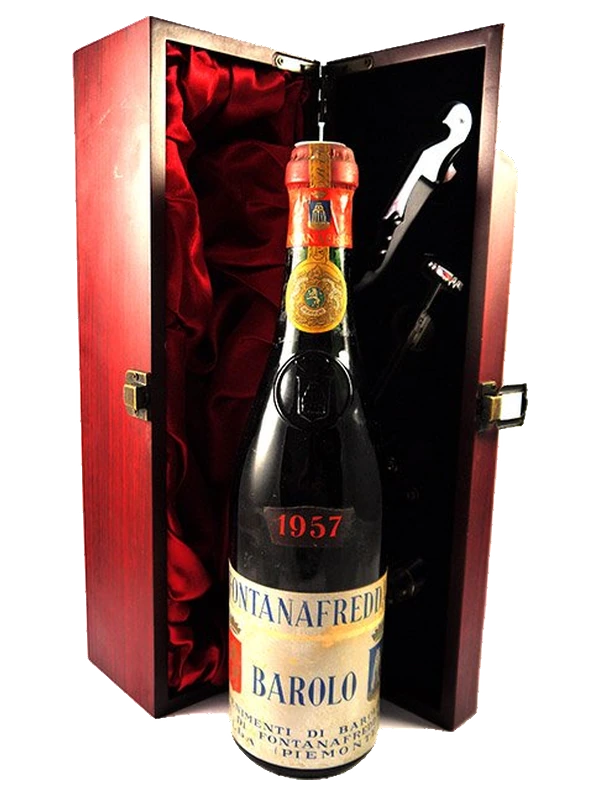
Fontanafredda Barolo 2022
Serralunga d'Alba Barolo from the royal-founded Fontanafredda estate, sold gift-boxed in rare 1957 and 1966 birth-year vintages. Expect fragile, fully tertiary Nebbiolo of dried rose, tar and leather: decant gently and open soon, not later.
View Wine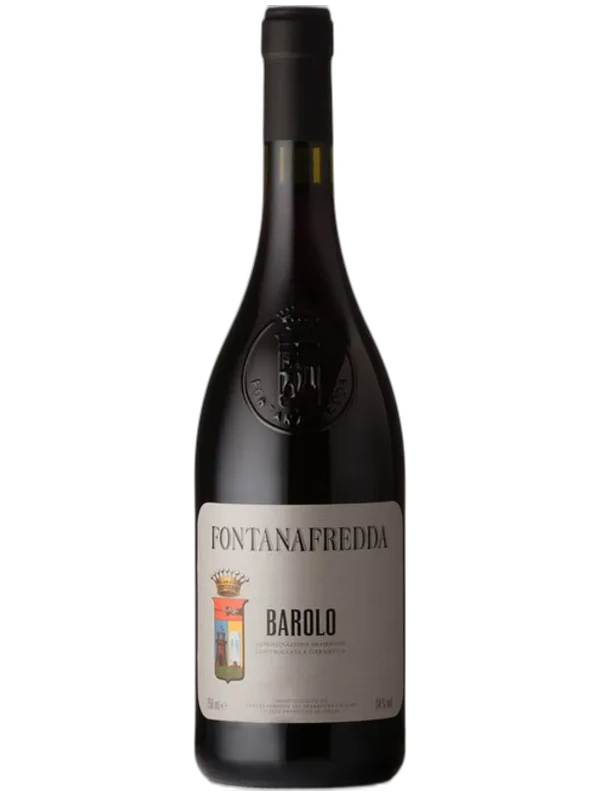
Fontanafredda Barolo Proprieta Fontanafredda 2021
View Wine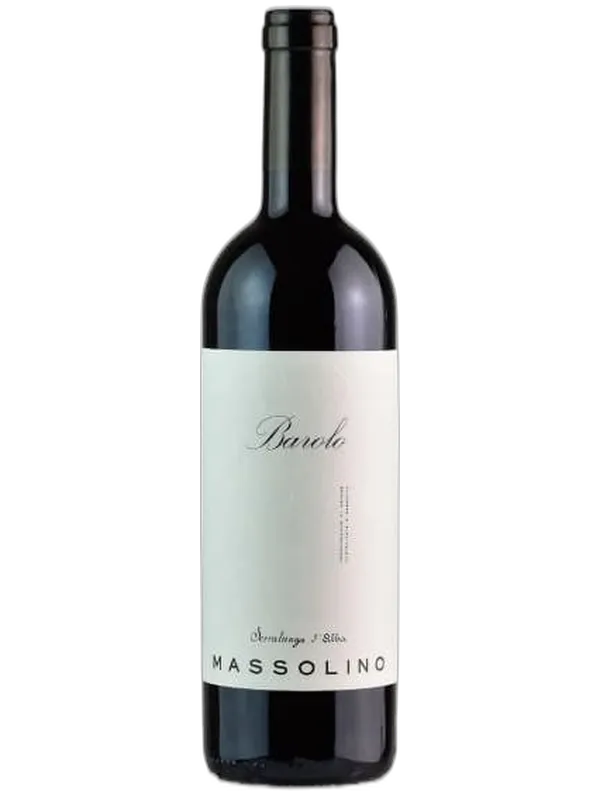
Massolino Barolo 2021
Massolino's classic Barolo, made since 1947 mainly from Serralunga d'Alba vines and aged up to 30 months in big Slavonian oak. Cherry, rose, tar and leather with firm tannin; James Suckling 93 for the 2021. From £34 in the UK.
View Wine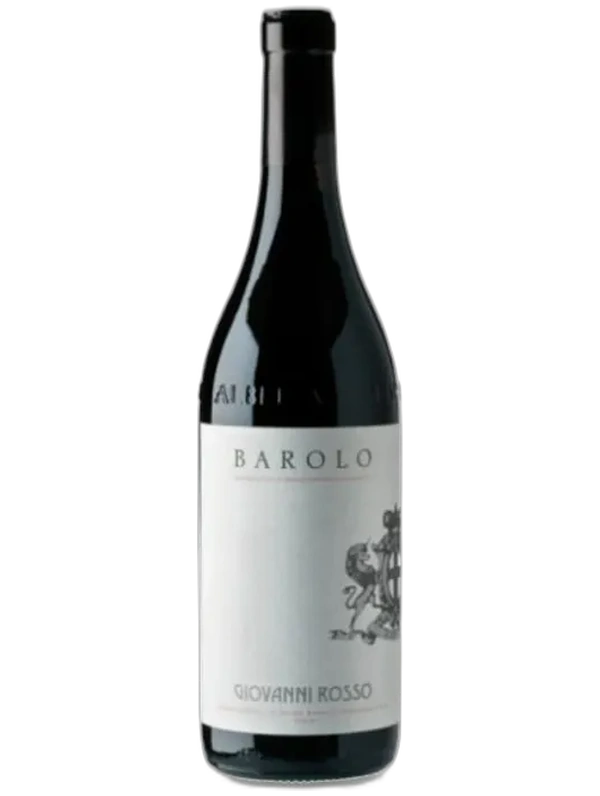
Giovanni Rosso Barolo 2021
Giovanni Rosso's classic Barolo blends Nebbiolo from Serralunga d'Alba, Castiglione Falletto and Barolo, aged 18 months in 50 hL French oak. Rose, red cherry and tar with fine-grained tannins: a benchmark Serralunga estate's most approachable Barolo.
View Wine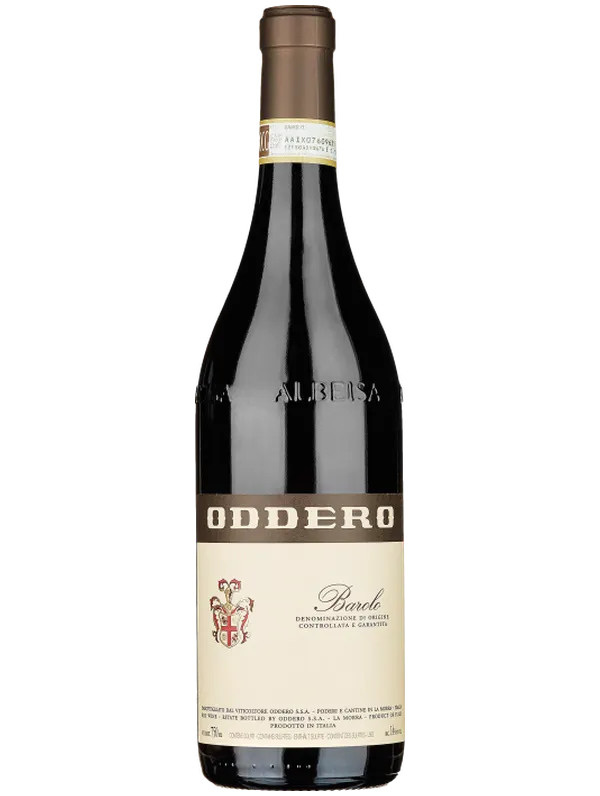
Oddero Barolo 2022
Oddero's house Barolo, blended from three old plots in La Morra and Castiglione Falletto. About 30,000 bottles a year, 30 months in big old casks. Dried rose, tar and cherry over firm tannin. Rated 4.1 by 8,965 Vivino drinkers.
View Wine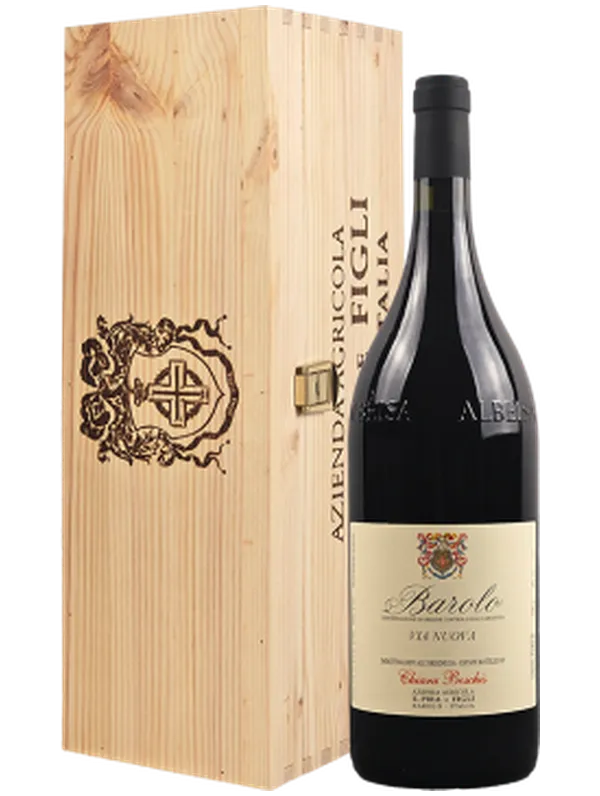
Chiara Boschis Barolo Via Nuova 2022
The traditional-leaning Barolo from Chiara Boschis at E. Pira & Figli, blended from six organic crus across Barolo, Monforte and Serralunga d'Alba. Pure Nebbiolo aged in barriques and large botti, it shows tar, rose and red cherry with firm Langhe ta
View Wine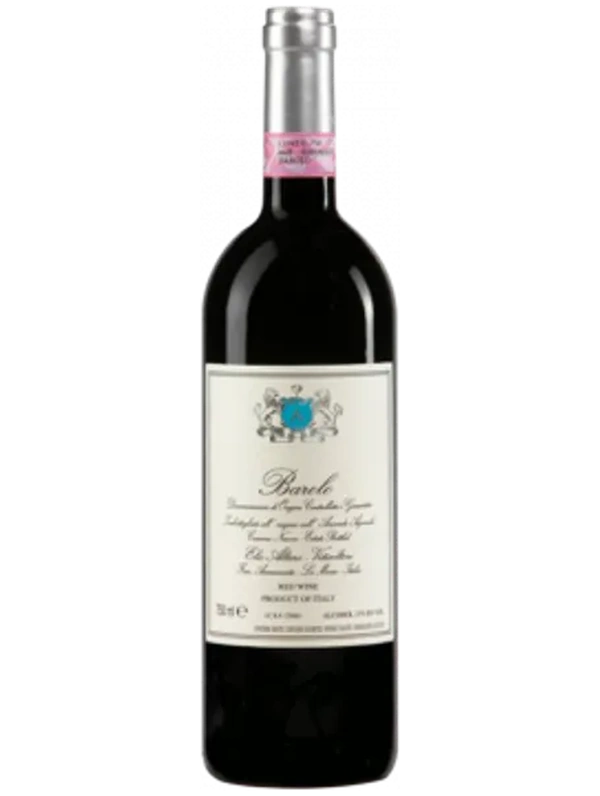
Barolo - Elio Altare 2022
Elio Altare's Barolo is a modern-style Nebbiolo from La Morra, fermented in rotary tanks and aged two years in French barrique. Expect raspberry, rose and licorice over soft tannins. Vivino drinkers rate it 4.3 across nearly 7,000 reviews.
View WineThese include the likes of Barolo DOCG from traditional producers like Fontanafredda and Pio Cesare, as well as more contemporary interpretations from wineries such as Paolo Scavino and Roberto Voerzio. Each of these wines brings its unique profile to the risotto, allowing for a personalised touch to this classic dish.
As you indulge in Risotto al Barolo, remember, it's not just a meal; it's an immersive experience into the heart of Italian wine and culinary tradition. For detailed recipes to bring this dish to life, follow the journey through the authentic Italian culinary sites linked here.
Sausage and Nebbiolo risotto
Moving from the regal Barolo to another Piedmontese gem, the "Risotto alla Salsiccia e Nebbiolo" (in italian) showcases a harmonious blend of rustic charm and refined taste. Nebbiolo, a grape renowned for its significant contribution to some of Italy's most prestigious wines, imparts a unique profile to this dish.
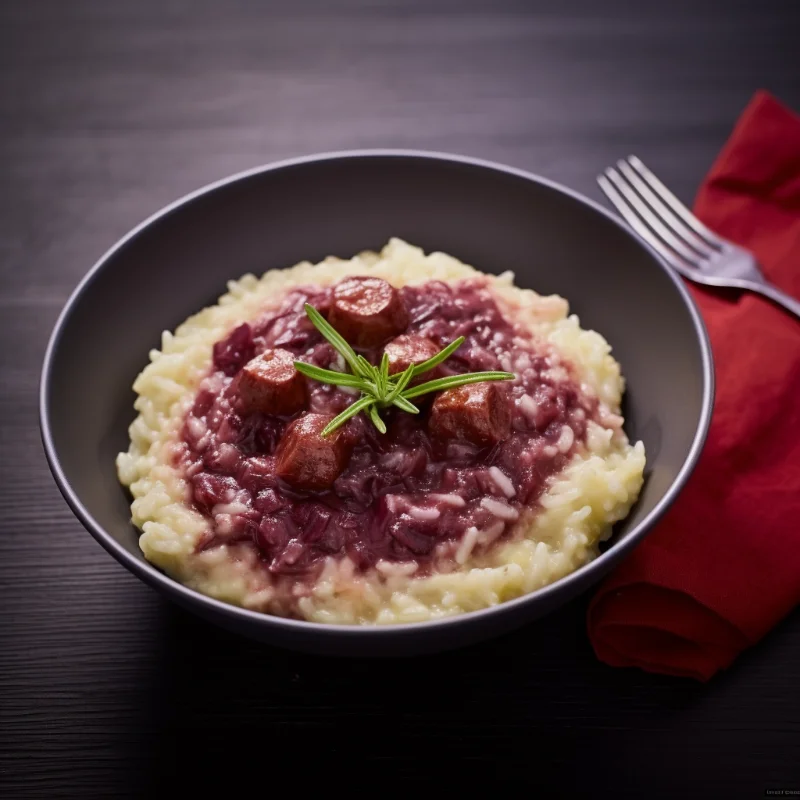
With its notable acidity and distinct tannins, Nebbiolo lends a rich depth to the risotto, complemented by its characteristic notes of cherry, rose, and anise. This wine's ability to pair beautifully with meat makes it an ideal choice for a risotto featuring salsiccia di Bra, a DOP certified sausage revered in Piedmontese cuisine. For British consumers, finding Bra sausage can be complicated so the Cumberland sausage or a plain, high-quality pork sausage can also work well.
In this dish, the Nebbiolo wine gracefully mingles with the natural juices of the salsiccia, enhancing the risotto with a complexity that is both aromatic and flavourful. The cooking process gently coaxes out the wine's subtle nuances, balancing the robust flavours of the sausage and creating a creamy texture that's typical of a well-made risotto. The addition of cipollotto, a type of sweet onion, introduces a subtle sweetness and texture, further elevating the dish's taste profile.
For those eager to experience the distinct blend of Nebbiolo wine and salsiccia in their risotto, the recipe can be found here. And to accompany your culinary creation, we've selected some exceptional Nebbiolo wines. Each bottle offers a different expression of this versatile grape, ensuring a delightful pairing with your Risotto alla Salsiccia e Nebbiolo.

Azienda Agricola Spinetta Barbaresco Gallina 2023
La Spinetta's single-vineyard Barbaresco from the Gallina cru at Neive: 100% Nebbiolo, organically farmed, around 22 months in French oak. Velvety tannins, wild-berry and rose-petal aromas, a long savoury finish. Suckling scored the 2021 96 points.
View Wine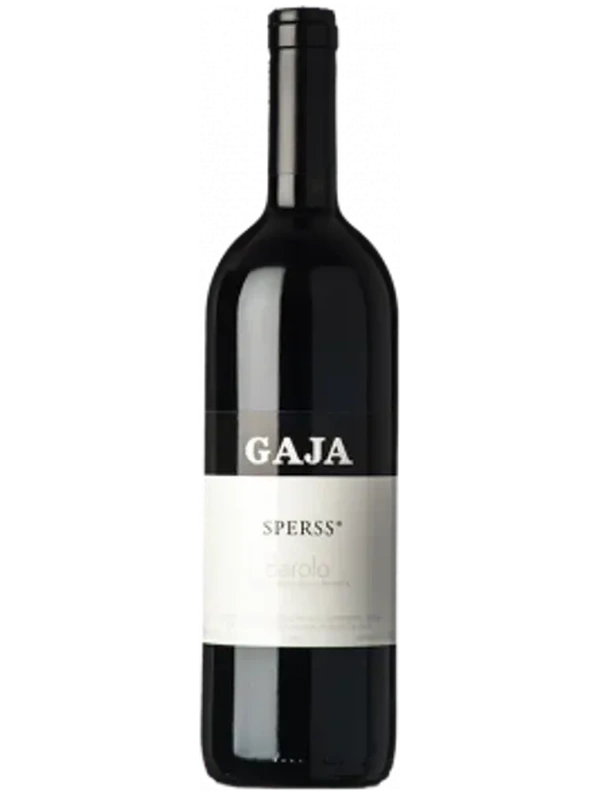
Barolo Sperss - Gaja 2021
Angelo Gaja's return to Barolo: Sperss, from the Marenca-Rivette amphitheatre in Serralunga d'Alba. Tar, dried rose and truffle over an austere, full frame. The 1988 debut ships as a gift-boxed double magnum; the 2019 is a 98-point keeper.
View Wine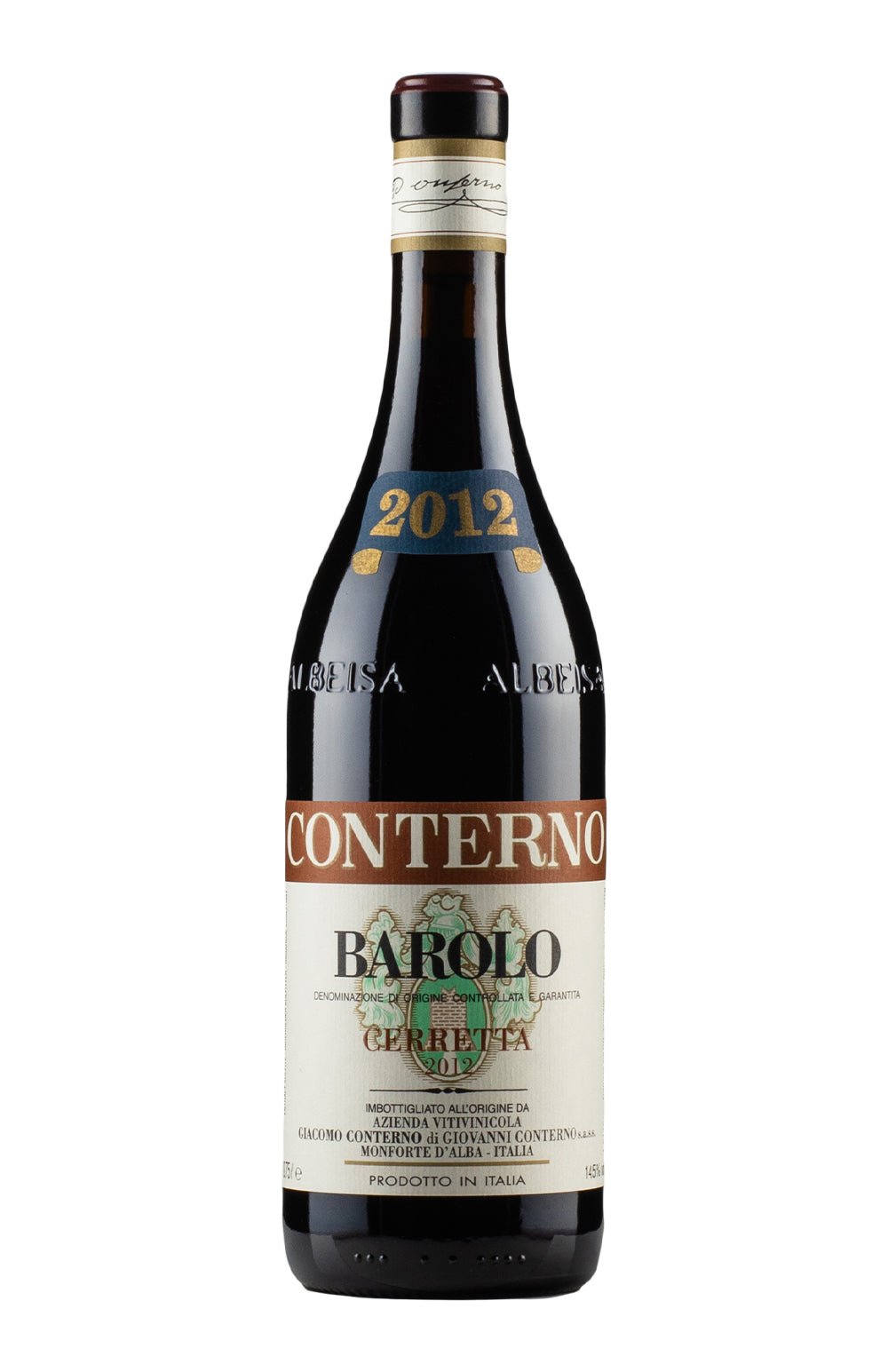
Barolo Cerretta Giacomo Conterno 2021
Roberto Conterno's Barolo from Cerretta, the clay-rich Serralunga cru he bought in 2008, aged four years in big botti. Fleshier than his Francia, still austere Serralunga Nebbiolo: leather, truffle and red fruit. UK stock runs 2012 to 2021.
View Wine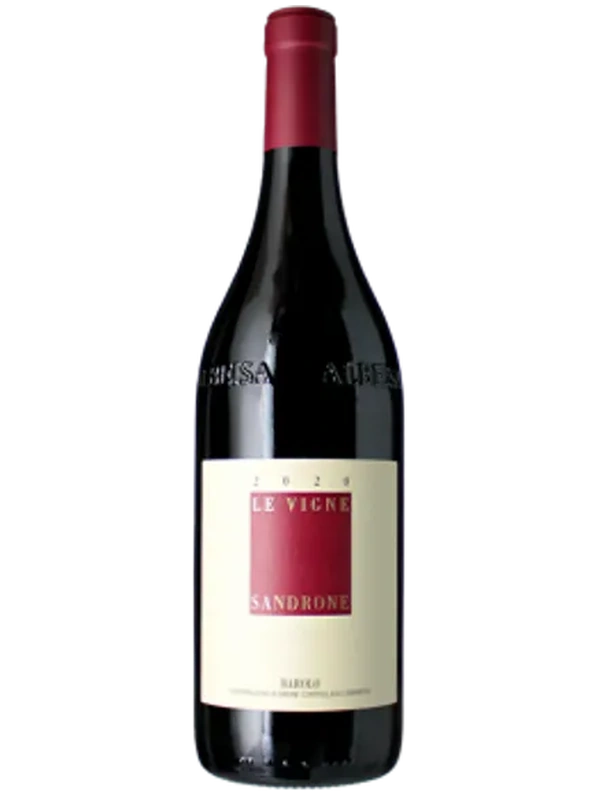
Barolo le Vigne - Sandrone 2021
Luciano Sandrone's Le Vigne blends Nebbiolo from five Barolo crus, Baudana, Villero, Vignane, Merli and Le Coste di Monforte, vinified apart then assembled. Tar, dried rose and black cherry over firm tannin and bright acidity. A cellar Barolo to hold
View Wine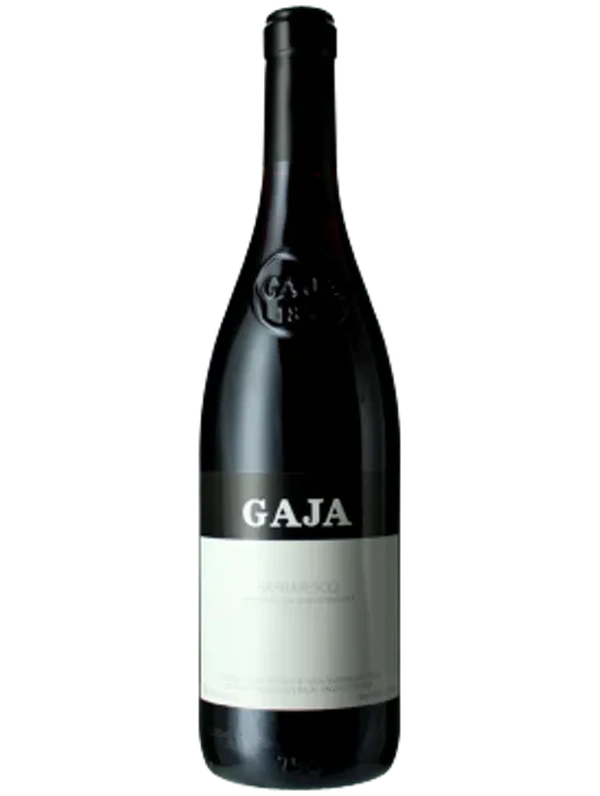
Barbaresco - Gaja 2023
Gaja's flagship Barbaresco is 100% Nebbiolo from fourteen family plots above the village, aged two years in oak. Violet, red cherry, tar and leather over high acid and firm tannin. A benchmark Piedmont red for braised beef, truffle and the cellar.
View Wine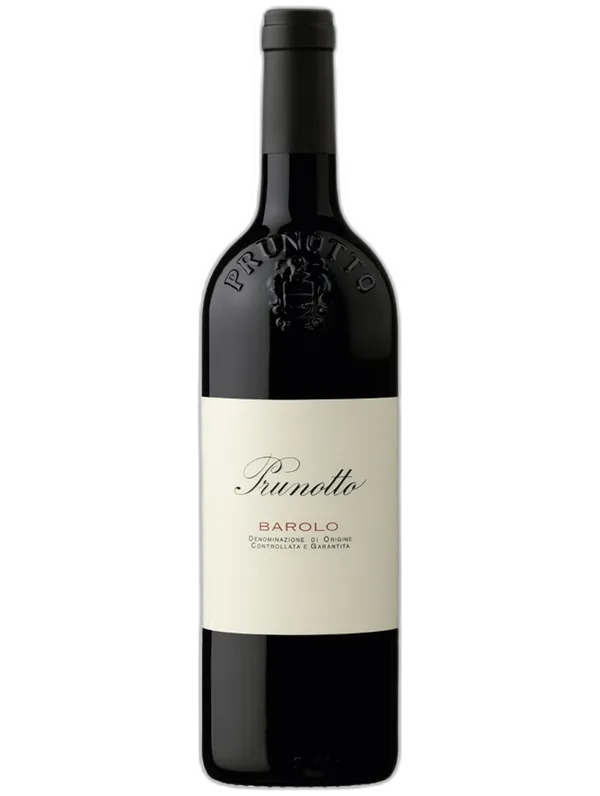
Prunotto Barolo 2022
Prunotto's traditional Barolo: 100% Nebbiolo, made since 1905 and aged at least 18 months in oak casks. Rose, red cherry and tar with silky tannin. Wine Spectator gave the 2021 93 points. UK prices start around £42.
View Wine
La Spinetta Barbaresco Bordini DOCG 2023
La Spinetta's single-vineyard Barbaresco from Bordini in Neive: 100% Nebbiolo off 40-year-old vines on calcareous marl, aged in used French oak. Fragrant raspberry and rose, fine silky tannins and elegance. Approachable from release across a decade.
View Wine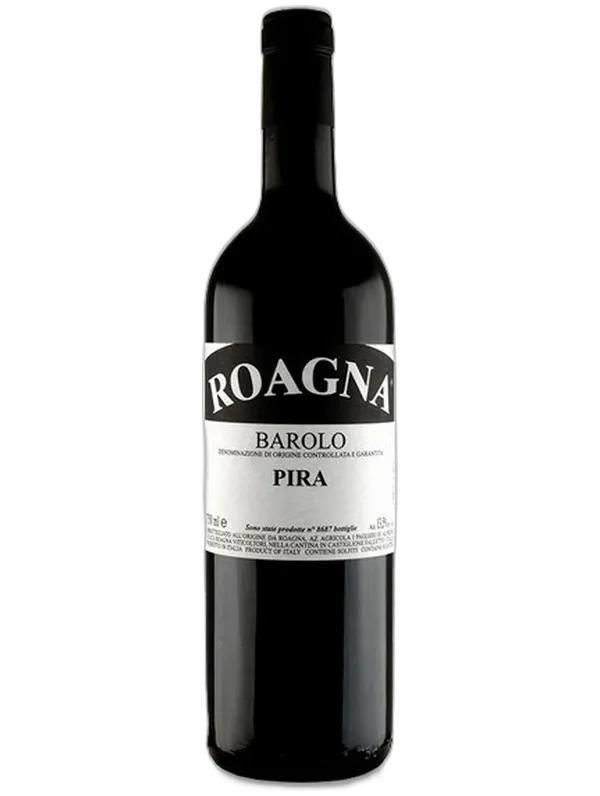
Roagna Barolo Pira 2020
Barolo from the Pira vineyard at Castiglione Falletto, which the Roagna family owns on its own. The grapes sit on their skins for over two months, then the wine rests about five years in old casks and concrete. This is the standard Pira.
View Wine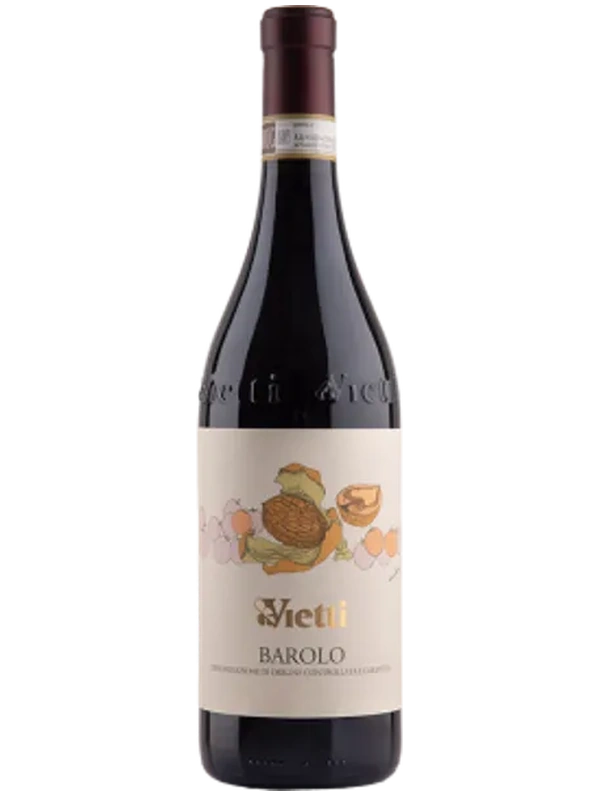
Barolo - Vietti 2022
Vietti's classic Barolo: 100% Nebbiolo from crus across Castiglione Falletto, Monforte, Barolo and Novello, each parcel vinified apart then aged in large oak botti. Tar, rose and dried cherry over firm Langhe tannin, built to cellar a decade or more.
View Wine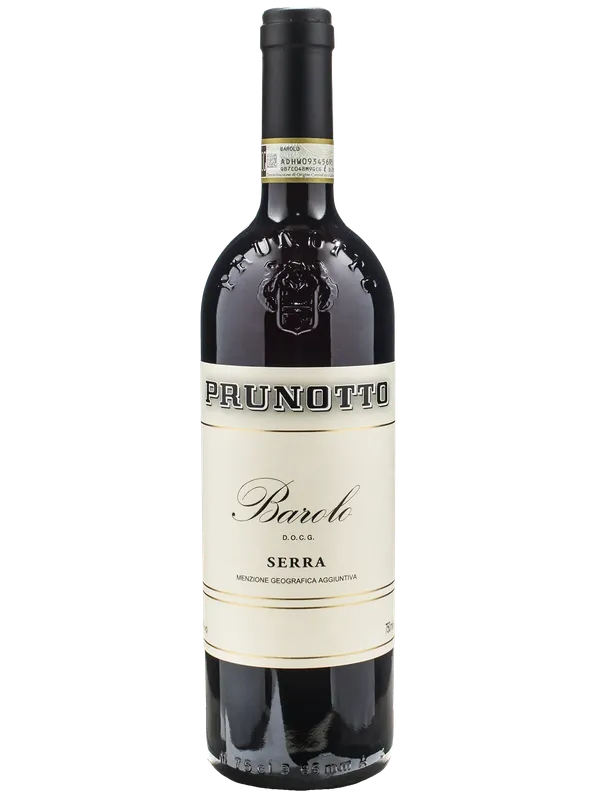
Prunotto Barolo Serra 2020
Prunotto's first Barolo from Serralunga d'Alba, made for the first time in 2020. Pure Nebbiolo, aged at least 18 months in 50-hectolitre oak casks, it is austere and floral: red fruit with sage and forest floor, roses and violets, over the firm tanni
View WineOur selection includes bottles like the Langhe Nebbiolo from Produttori del Barbaresco, known for its elegance and balance, and the robust Nebbiolo d'Alba from Bruno Giacosa, which promises a more intense flavour. For a modern twist, consider the Barbaresco from Gaja, a wine that beautifully captures the contemporary spirit of Piedmontese winemaking.
As you savour each bite of Risotto alla Salsiccia e Nebbiolo, let the wine dance on your palate, echoing the rich heritage of Italy's winemaking and culinary prowess. For detailed recipes and more information on how to bring this exquisite dish to your table, visit the authentic Italian culinary sites linked above.
Lambrusco Risotto
Our gastronomic tour now takes us to the charming region of Emilia-romagna, where Lambrusco, a sparkling red wine, brings life to an extraordinary risotto variant: Risotto al Lambrusco. Unlike the still and robust wines of Piedmont, Lambrusco is known for its effervescence and a delightful balance of sweetness and acidity, characteristics that make it a unique choice for risotto. The wine's fruity notes, with undercurrents of berry and a hint of violets, infuse the dish with a light yet complex flavour profile.
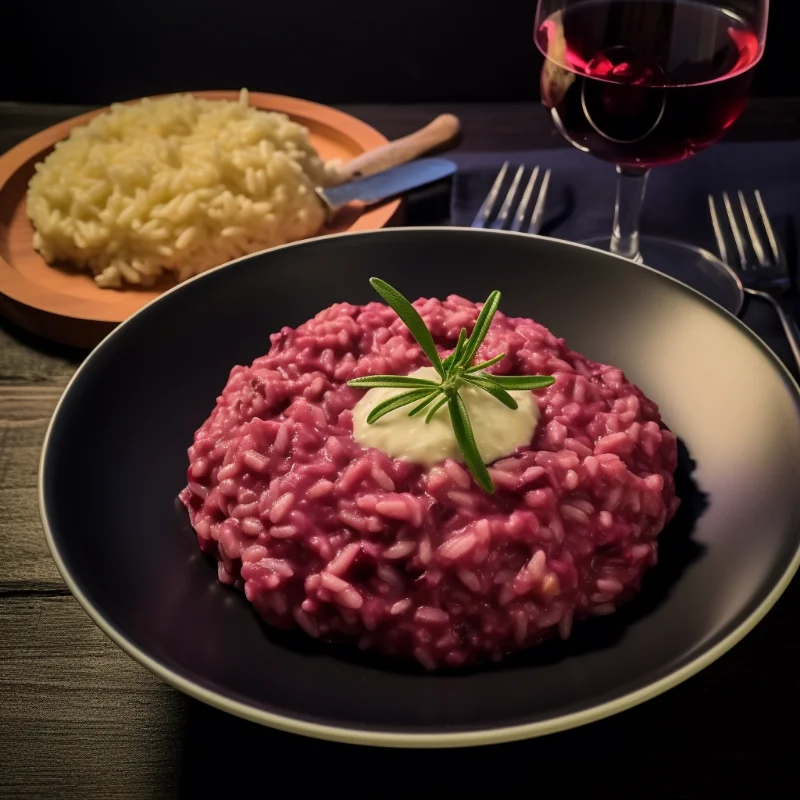
In preparing Risotto al Lambrusco, chefs often use Pozzoferrato, a variant of Lambrusco known for its vibrant sparkle and rich colour. The wine's playful effervescence and fruity tones complement the creamy texture of the risotto, creating a dish that is both comforting and sophisticated. The addition of seasonal ingredients like crispy pumpkin petals adds an autumnal touch, making it a perfect dish for cozy evenings.
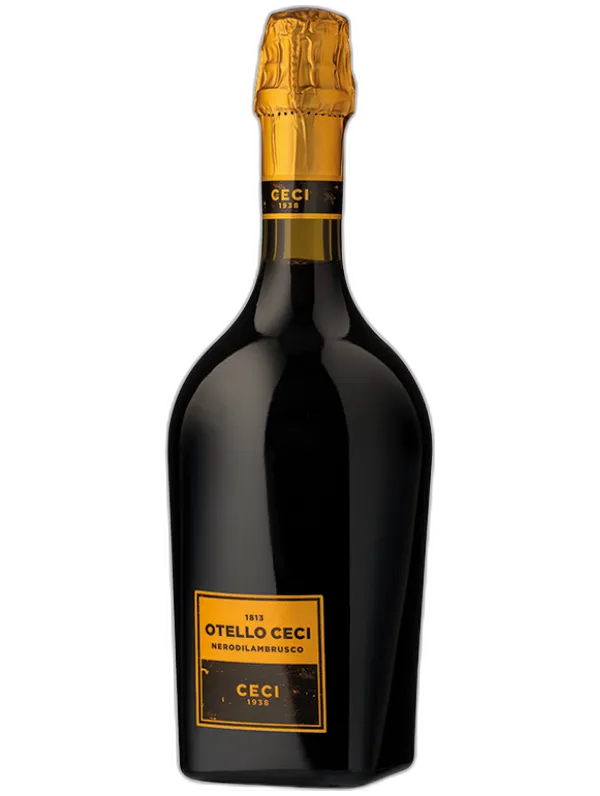
For those in the UK wishing to experiment with this delightful dish, the recipe is accessible here [LINK]. And to enhance your culinary experience, we have selected a range of Lambrusco wines that are sure to impress:
As you indulge in Risotto al Lambrusco, let each spoonful remind you of the effervescent spirit of Emilia-Romagna, where wine is not just a drink, but a joyful celebration of life. To create this dish at home, follow the recipe linked above and choose from our selected Lambrusco wines to find your perfect pairing.
Gorgonzola and Passito Risotto
Continuing our journey through Italy's wine-infused culinary treasures, we arrive at a dish that beautifully marries the boldness of Gorgonzola cheese with the sweetness of Passito wine: the Gorgonzola and Passito Risotto. This risotto stands out for its masterful blend of contrasting flavours, where the sharp, piquant taste of Gorgonzola dances with the rich, honeyed notes of Passito. Passito, a sweet dessert wine made from grapes dried to concentrate their sugar content, brings a unique depth and sweetness to the dish, balancing the intense flavours of the cheese.
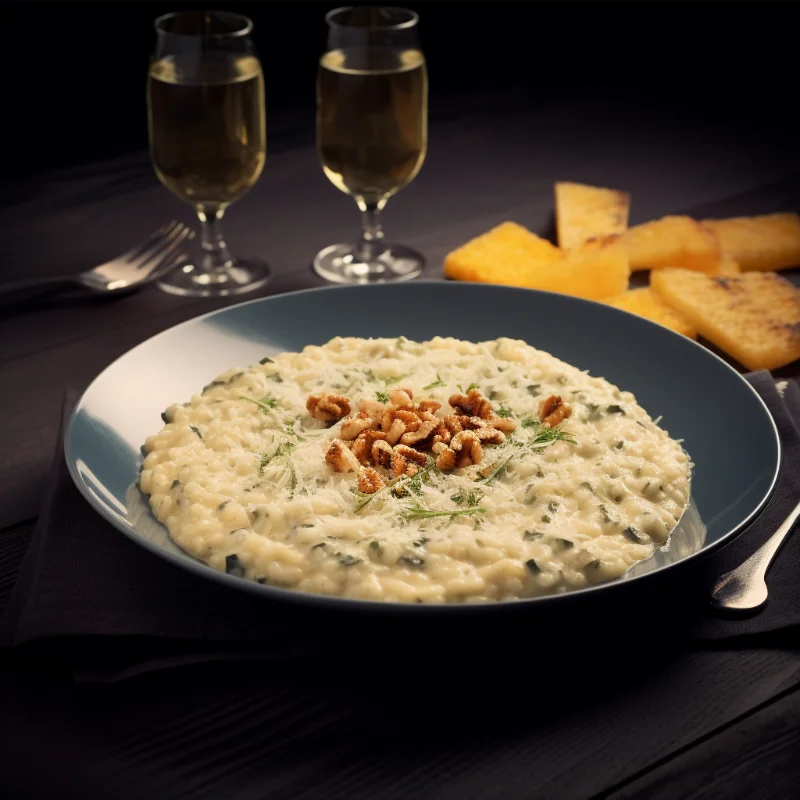
The process of crafting this risotto involves a careful balance of ingredients and techniques. The rice is initially toasted, then deglazed with Passito, allowing the wine's sweet and fruity essence to permeate the grains. As the risotto cooks, the Gorgonzola is added, melting into the rice and creating a creamy, rich texture. The result is a dish that perfectly encapsulates the essence of Italian culinary ingenuity – a harmonious blend of robust flavours and delicate sweetness.
For UK enthusiasts eager to bring this exquisite dish to their tables, the recipe is available here. And to complete the experience, we have curated a selection of Passito wines that will complement and enhance the flavours of the risotto:
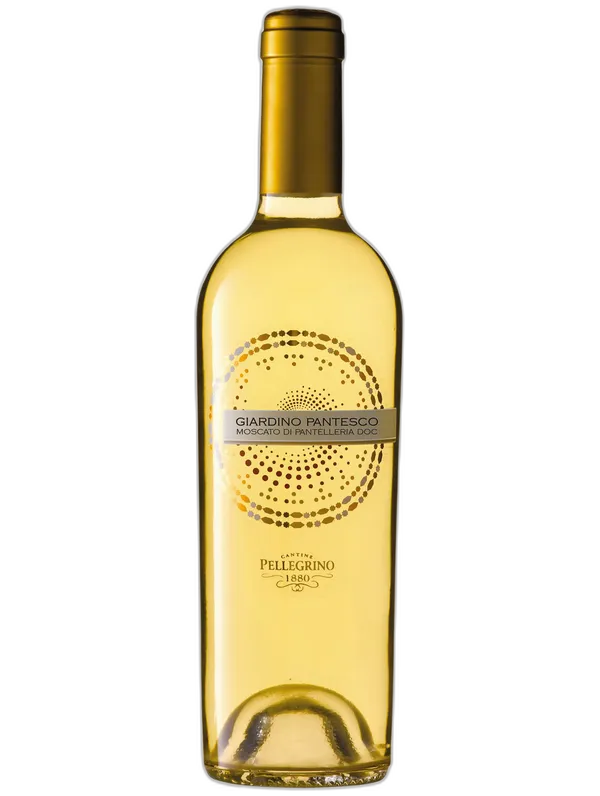
Moscato di Pantelleria DOC Giardino Pantesco Pellegrino 2024
View Wine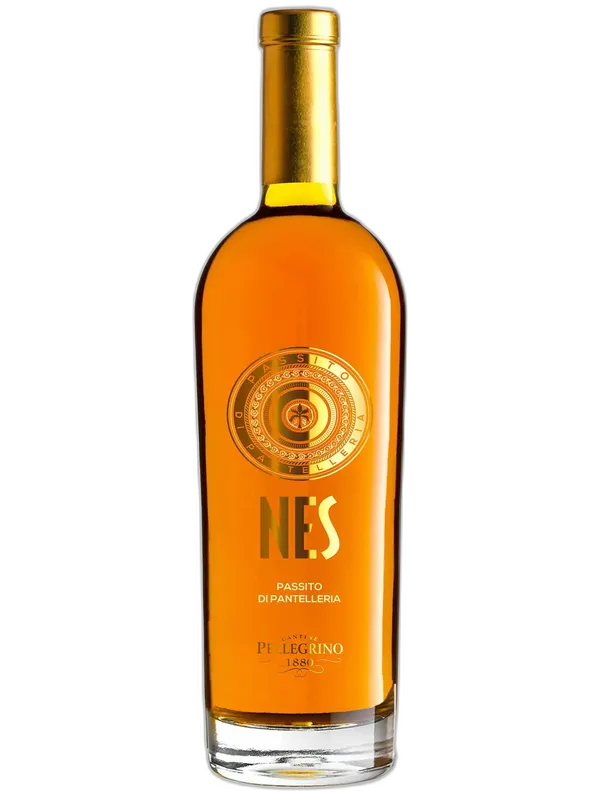
Passito di Pantelleria DOC Nes Pellegrino 2024
View Wine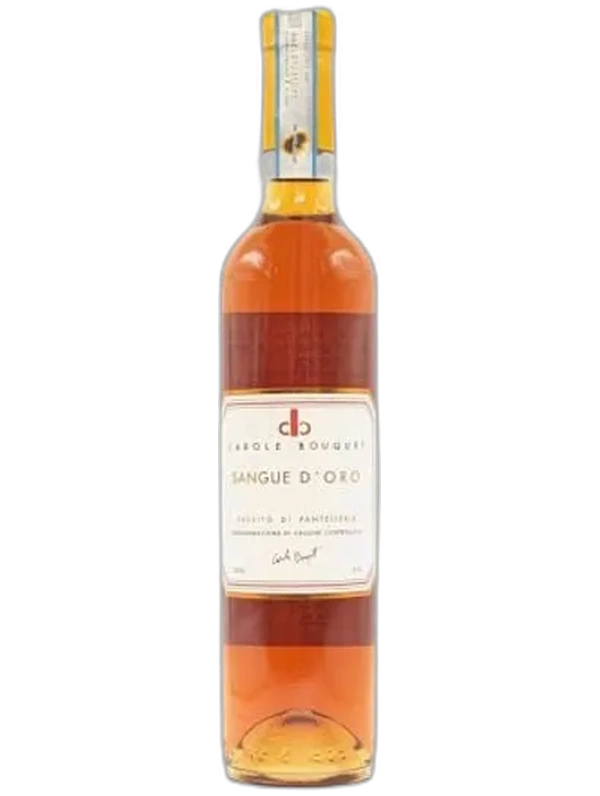
Sangue d'Oro Passito di Pantelleria DOC Carole Bouquet 2022
View Wine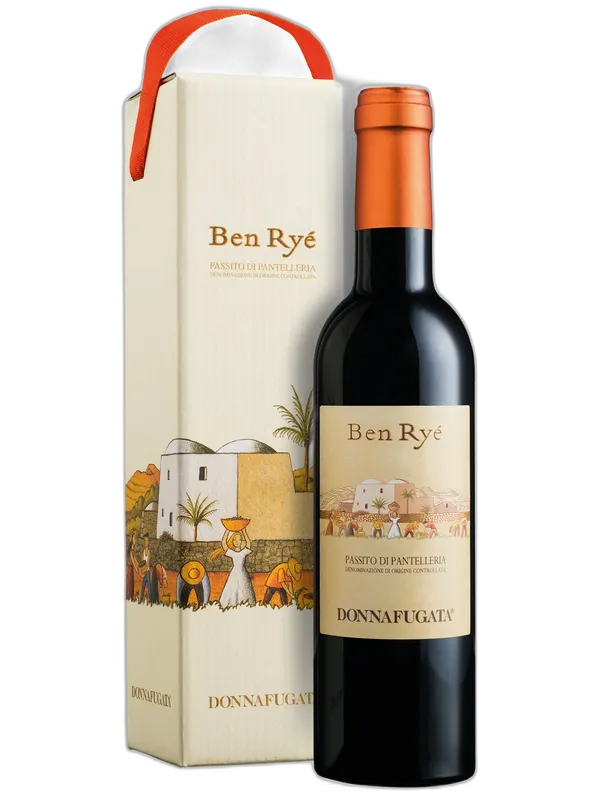
Passito di Pantelleria DOC Ben Rye Donnafugata 2023
View Wine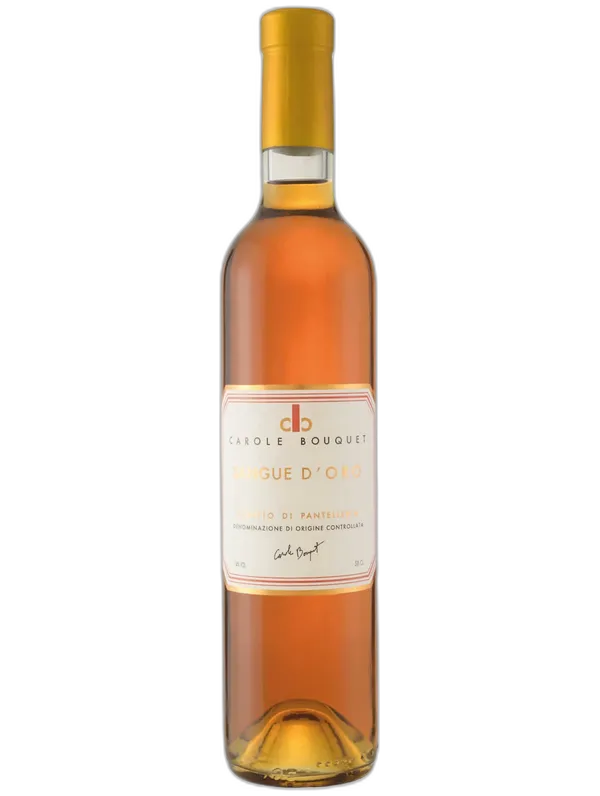
Passito di Pantelleria DOC Sangue d'Oro Carole Bouquet 2022
View Wine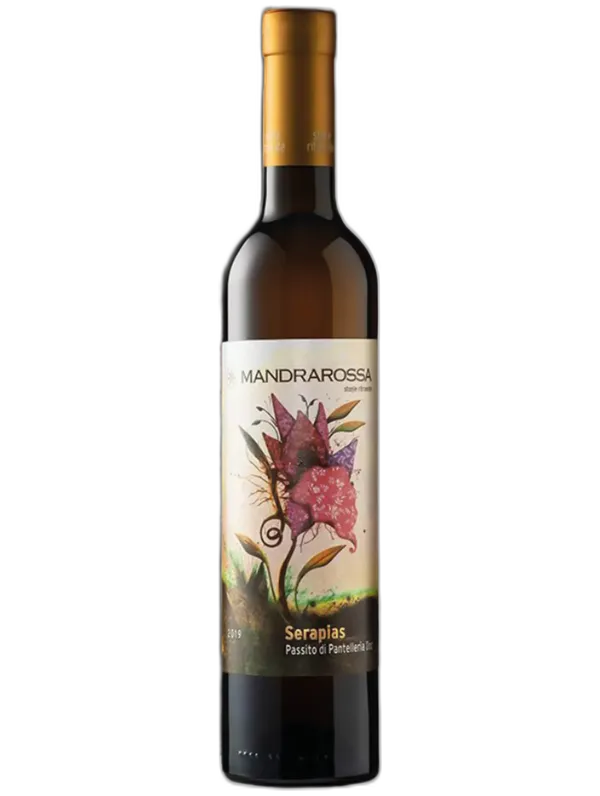
Passito di Pantelleria DOC Serapias Mandrarossa 2022
View Wine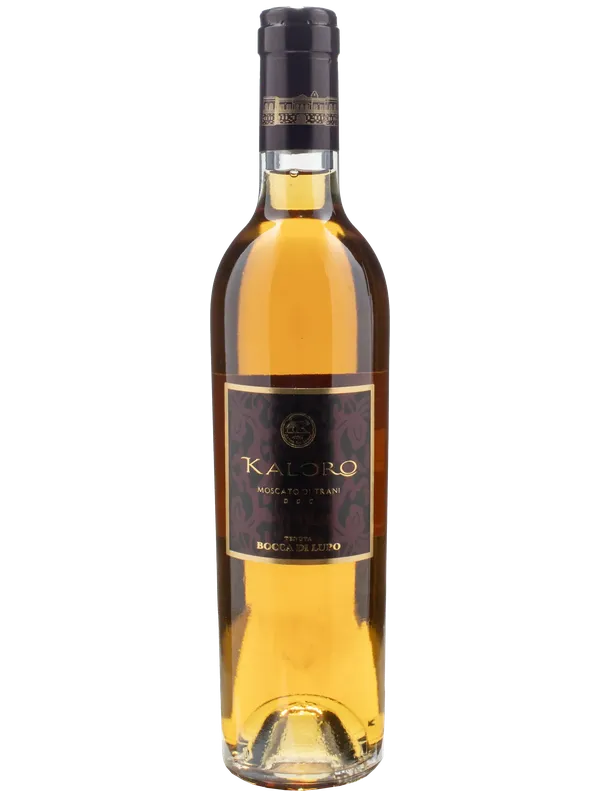
Moscato di Trani Dolce Naturale DOC Kaloro Tenuta Bocca di Lupo 2023
View Wine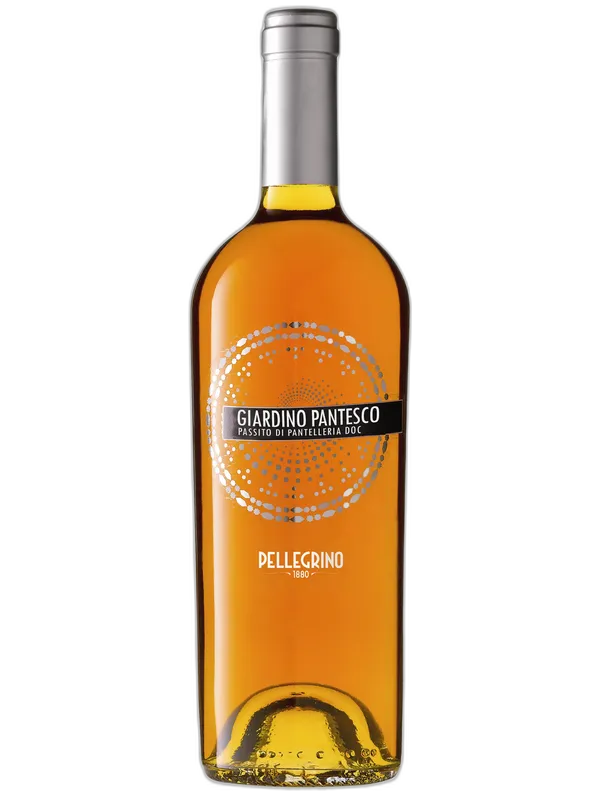
Passito di Pantelleria DOC Giardino Pantesco 2023 Pellegrino 2023
View Wine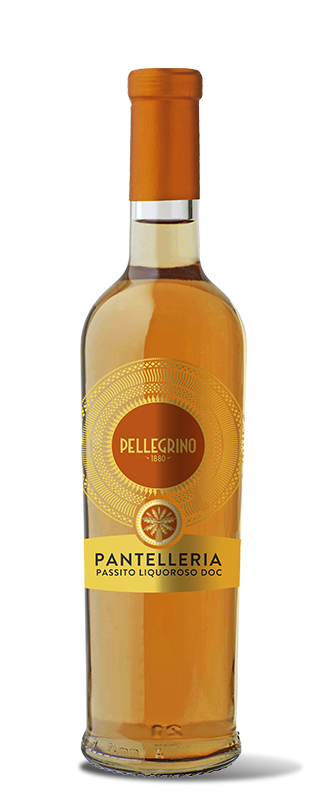
Pantelleria Sicily Passito Liquoroso Pellegrino
View Wine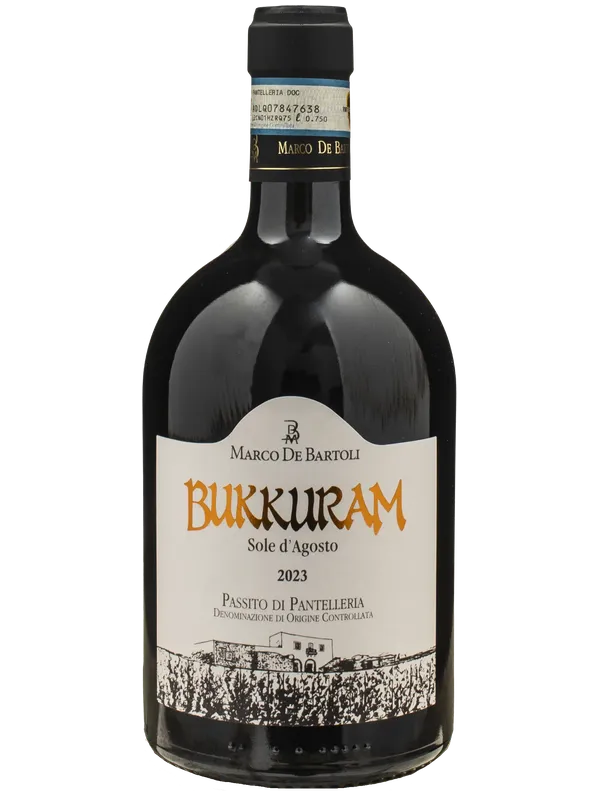
Marco De Bartoli Bukkuram Passito di Pantelleria Sole d'Agosto 2023
View WineOur selection includes the luscious Ben Ryé from Donnafugata, known for its aromatic complexity and the perfect balance of sweetness and acidity. For a more intense flavour profile, consider the Moscato Passito di Pantelleria, which offers a delightful bouquet of apricot and candied orange zest. Another excellent choice is the Saracco Moscato d'Asti, a lighter option that pairs beautifully with the richness of the Gorgonzola.
As you delve into the rich and sumptuous world of Gorgonzola and Passito Risotto, let each bite take you on a journey through the diverse and vibrant landscape of Italian cuisine. For those seeking to explore this dish further, detailed recipes can be found at the provided link, alongside our recommended selection of Passito wines to elevate your dining experience.
Frequently asked questions
A sound, fresh, high-acid wine at a modest price, matched in style to the dish. A crisp dry white suits seafood and spring vegetable risotti, while a firm red is right where the rice will take on colour, as in a risotto al Barolo. What matters far more than the label is that the wine is not tired or faulty, because those flaws concentrate as the dish reduces.
Inexpensive is fine, faulty is not. Most of what you pay for in a fine bottle is aroma and complexity, and heat destroys both within minutes, so an expensive wine is largely wasted in a pan. What you cannot get away with is a bottle that is oxidised or sharp with volatile acidity, since twenty minutes of reduction concentrates those faults rather than cooking them off.
Let the finished dish decide. White is the default because it adds acidity without changing the colour, which suits seafood, lemon and vegetable risotti. Red is the right choice when you want the rice stained and the flavour deepened, as with a Nebbiolo or a sausage risotto. Red also brings tannin, so it wants a dish with enough fat and body to absorb it.
Most of it does, but not all. Alcohol boils lower than water, so a good deal evaporates during the initial deglazing and the long simmer that follows. Traces remain in the finished dish, which is worth knowing if you are cooking for someone avoiding alcohol entirely. What disappears fastest is the aromatic detail, which is why cooking with a mature bottle makes so little sense.
No, and it is an expensive way to make the dish. Risotto al Barolo does need real Nebbiolo character, since the wine defines the finished plate rather than seasoning it, but a young Nebbiolo d'Alba delivers the same tar, dried rose and grip for a fraction of the price. Save the cru bottles for the glass beside it.