




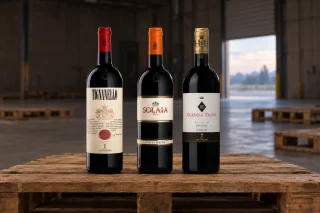


Italian Sweet Red Wine: the Fizzy Ones, the Still Ones and the Pretenders
TL;DR
- Most Italian sweet red wine is light and fizzy, led by Lambrusco and Brachetto d'Acqui, with a few rich still ones such as Recioto della Valpolicella.
- On a UK shelf, look for amabile or dolce on the label, because secco means dry whatever the fruit on the front promises.
- A ripe Primitivo or an Amarone tastes sweet but is dry, so if you want real sugar in the glass, buy by the label word rather than the grape.

Sweet red wine in Britain usually means Lambrusco
Ask for a sweet red wine in a British supermarket and the answer is nearly always a Lambrusco. It is fizzy, light, low in alcohol and often pink rather than red. That bottle shaped how a whole generation thinks of Italian sweet red wine. In the 1970s and 1980s sweet Lambrusco was the best-selling imported wine in the United States. More than 13 million cases crossed the Atlantic in 1985 alone, according to Wikipedia's count.
Lambrusco is a family of grapes rather than a single one. The consortium that protects it counts twelve varieties on about 10,000 hectares, roughly 14,000 football pitches. The vines sit on the flat land around Modena, Reggio Emilia and Parma, in Emilia-Romagna. Six DOCs around Modena and Reggio Emilia share the name. Three of them, Sorbara, Grasparossa di Castelvetro and Salamino di Santa Croce, date from 1970 (Consorzio Tutela Lambrusco).
Every one of those DOCs may be made dry or sweet. The Grasparossa rulebook lists the choices for the gently fizzy frizzante style in order: secco, abboccato, amabile, dolce. The sweetness is grape sugar the yeast never finished. The wine ferments a second time in a sealed tank or in the bottle, and the winemaker chills it to stop the yeast while sugar remains.
The four names you will meet most often differ in colour and weight more than in sweetness.
| Name | Colour and weight | What the sweet version is like |
|---|---|---|
| Lambrusco di Sorbara | Pale ruby to pink, the lightest and sharpest | Delicate and strawberry-scented, best very cold |
| Lambrusco Grasparossa di Castelvetro | Deep purple with a pink foam, the fullest, with some grip | Blackberry and cherry, and the amabile stands up to food |
| Lambrusco Salamino di Santa Croce | Ruby with violet tints, in the middle | Grapey and fruity, the all-rounder |
| Reggiano | Red, usually a blend of several Lambrusco grapes | Lively and fruity. Cheap bottles are often labelled Emilia IGT instead |
Today a new generation of producers makes it dry. A Lambrusco di Sorbara secco at 11 percent is one of the best things to drink with a plate of salumi. But the sweet versions never went away. Every DOC still makes them, and the amabile bottles are the ones to look for if sweet is the point. Our sparkling wine page lists the dry Italian fizz if you change your mind.
The four words on the label that tell you how sweet it is
Italian labels do not say sweet. They say one of four words, and the law fixes how much sugar each word allows. For still wines and for frizzante, the scale runs secco, abboccato, amabile, dolce. Secco allows up to 4 grams of residual sugar per litre, about a teaspoon in the whole bottle. Dolce starts at 45 grams, more than ten times that.
Fully sparkling spumante bottles use a second scale, and it catches people out. On a spumante, secco or dry means 17 to 32 grams per litre. That overlaps with the amabile range for a frizzante. So a Brachetto spumante marked secco tastes rounder than a Lambrusco frizzante marked secco. The label is honest. It just speaks two dialects. Both scales come from the EU wine rules that Britain kept after Brexit (Regulation 2019/33, Annex III).
One rule of thumb follows from that. Amabile never appears on a spumante, so if you see the word, the bottle is still or frizzante.
| Word on the label | Still or frizzante: grams of sugar per litre | Spumante: grams of sugar per litre |
|---|---|---|
| Brut, extra brut, extra dry | Not used | 0 to 17, the dry end where most Prosecco sits |
| Secco (dry) | Up to 4, or 9 when the acidity is high | 17 to 32 |
| Abboccato (semisecco, demi-sec) | Up to 12, or 18 when the acidity is high | 32 to 50 |
| Amabile (medium-sweet) | 12 to 45 | Not used |
| Dolce (sweet) | 45 and above | Above 50 |
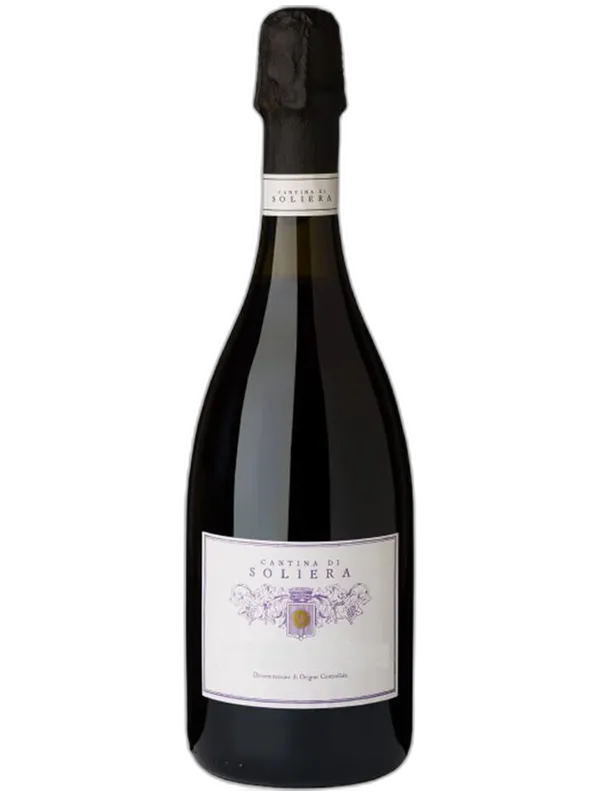
Lambrusco di Grasparossa Amabile Cantina di Soliera
View Wine
Lambrusco Grasparossa di Castelvetro - Tradizione Amabile - Cantina Settecani
View Wine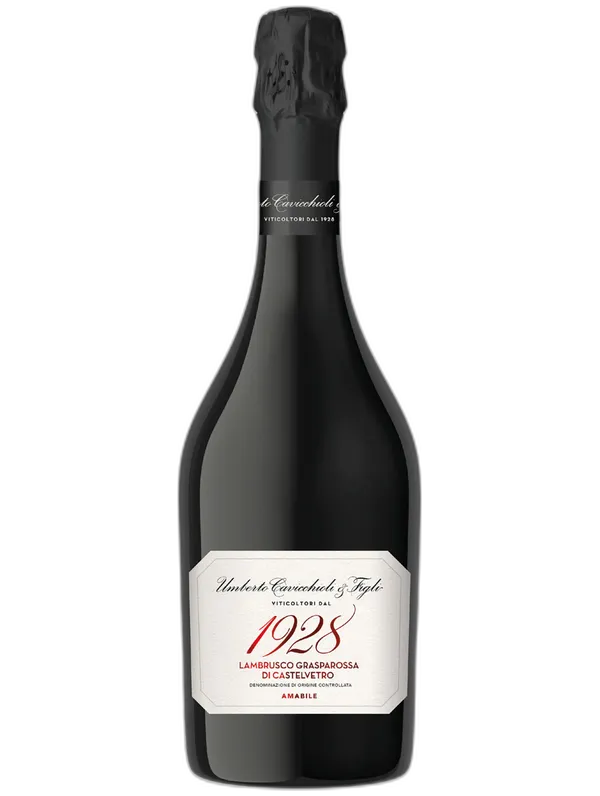
Lambrusco Grasparossa di Castelvetro Amabile DOC Cantine Cavicchioli 1928
View Wine
Lambrusco Grasparossa di Castelvetro Amabile DOC 2 Fruttato Giacobazzi
View Wine
Lambrusco Reggiano Dolce - Quercioli - Medici Ermete
View Wine
Lambrusco di Modena DOC Abboccato Cavicchioli 1928
View Wine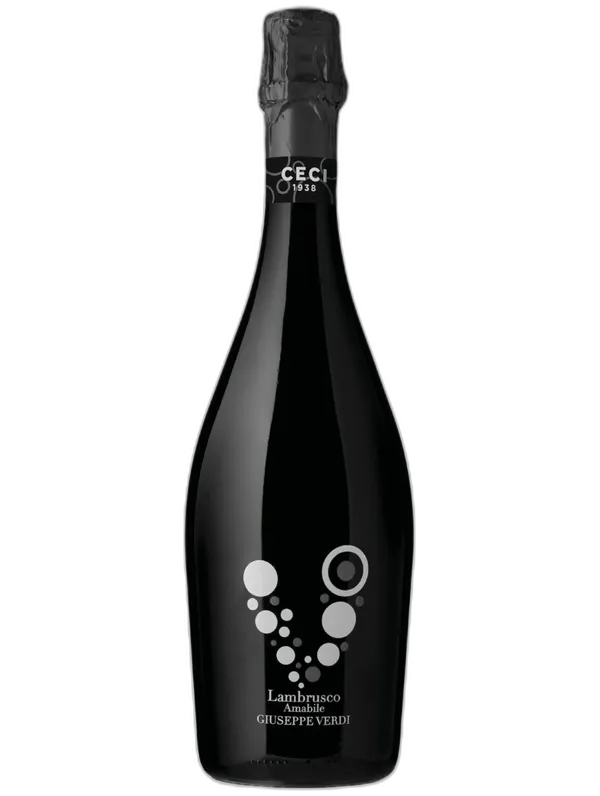
Emilia Lambrusco Amabile IGT Giuseppe Verdi Cantine Ceci
View Wine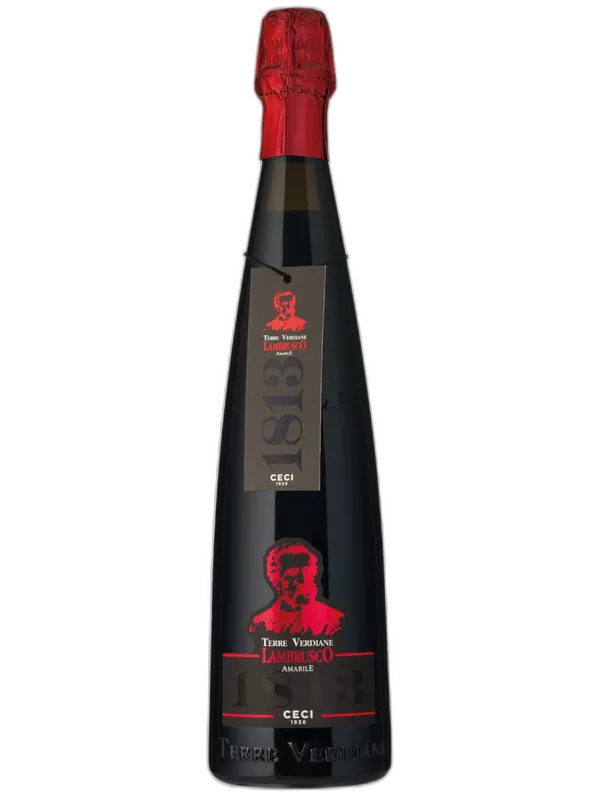
Emilia Lambrusco Amabile IGT Terre Verdiane Cantine Ceci
View Wine
Lambrusco Amabile IGT Emilia '27 Opere'
View Wine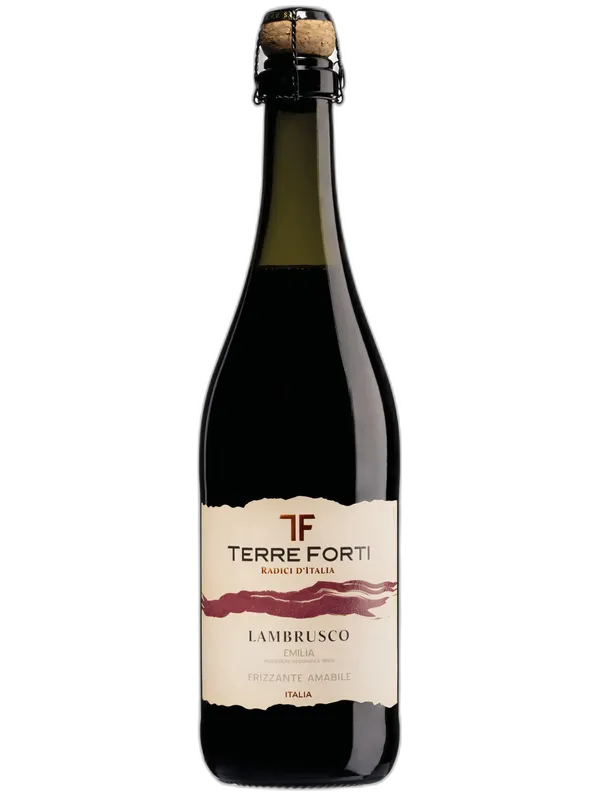
Emilia Lambrusco Frizzante Amabile IGT Radici Terre Forti
View WineTwo other words matter on a red. A red marked passito was made from grapes dried before pressing, which is how the richest still sweet reds get their sugar. Recioto on a Veneto label signals the same thing. For the rest of the small print, our guide to reading an Italian wine label covers the classification words.
Brachetto d'Acqui: Piedmont's rose-scented fizz
Brachetto d'Acqui is the sweet red that wine people recommend to each other. It comes from 26 villages in the Alto Monferrato hills between Asti and Alessandria, in Piedmont, and only the Brachetto grape may go in. The production rules describe its scent as muschiato, musky. The glass fills that out: rose petal, wild strawberry and a touch of spice (production rules, AIS).
The fizzy version needs only 6 percent alcohol, under half what a normal red carries, because the fermentation is stopped early to keep the sugar. The rules allow anything from bone dry to fully sweet, but every Brachetto d'Acqui we track in UK shops is the sweet one. The style owes its existence to Arturo Bersano, who in the 1950s worked out how to make it in a pressurised tank. That is the same method Prosecco uses.
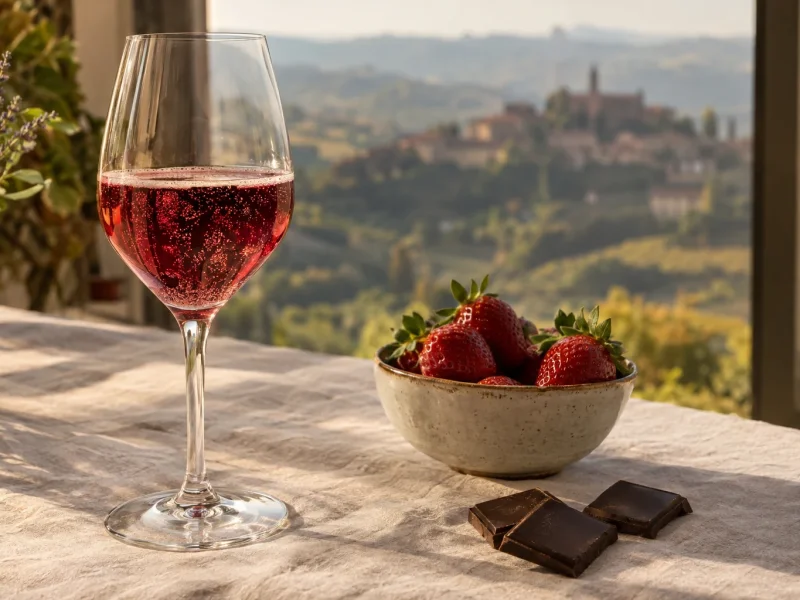
Its white cousin is Asti, made the same way from Moscato, and the two often sit side by side at Christmas. Our Moscato guide covers the white one. The pink one is the better match for chocolate.
Two smaller Piedmont DOCs do the same trick with red Malvasia grapes. Malvasia di Casorzo and Malvasia di Castelnuovo Don Bosco are sweet, pink-red, lightly fizzy and between 4.5 and 7 percent alcohol. Few bottles leave Piedmont, so the ones below are worth grabbing.
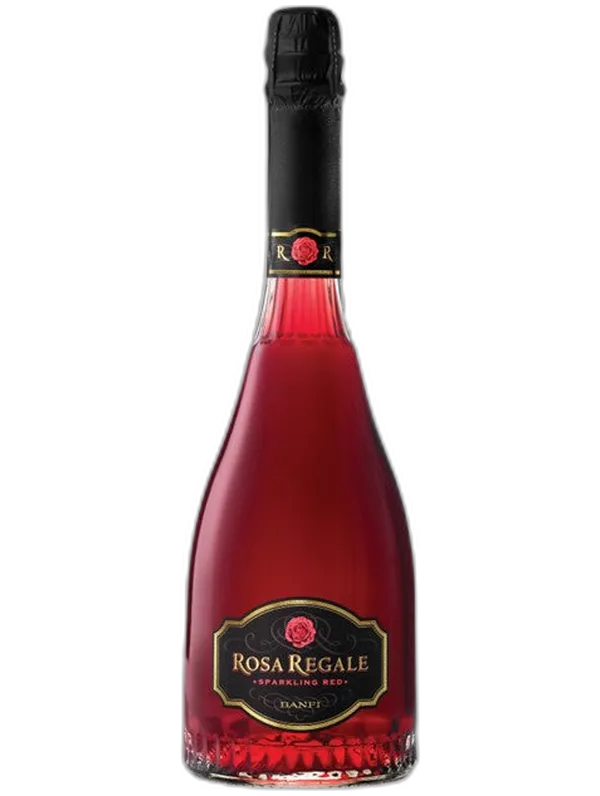
Banfi Rosa Regale Brachetto d'Acqui 2025
A sweet sparkling red from Banfi Piemonte, made from the Brachetto grape. The 2025 smells of strawberries and rose and has 7.1% alcohol. Serve it with fresh strawberries, fruit salad or a fruit tart.
View Wine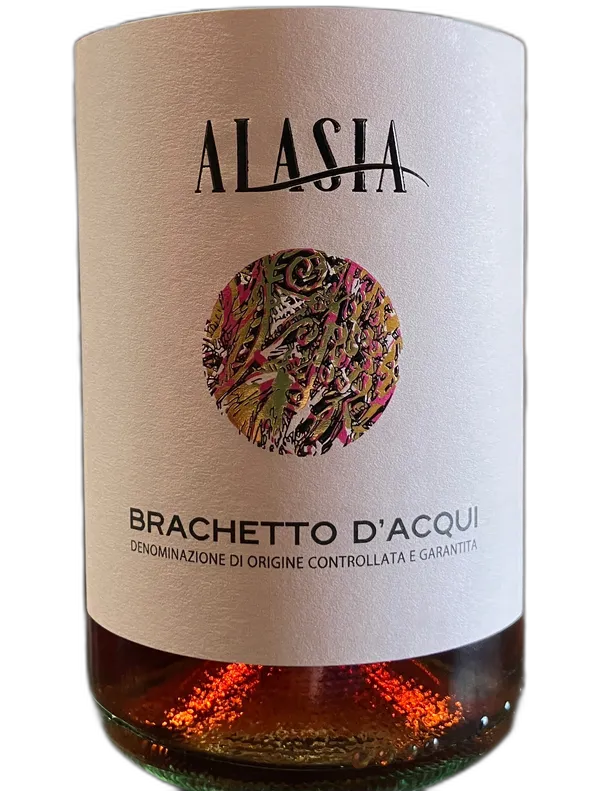
Brachetto d'Acqui Alasia 2024
View Wine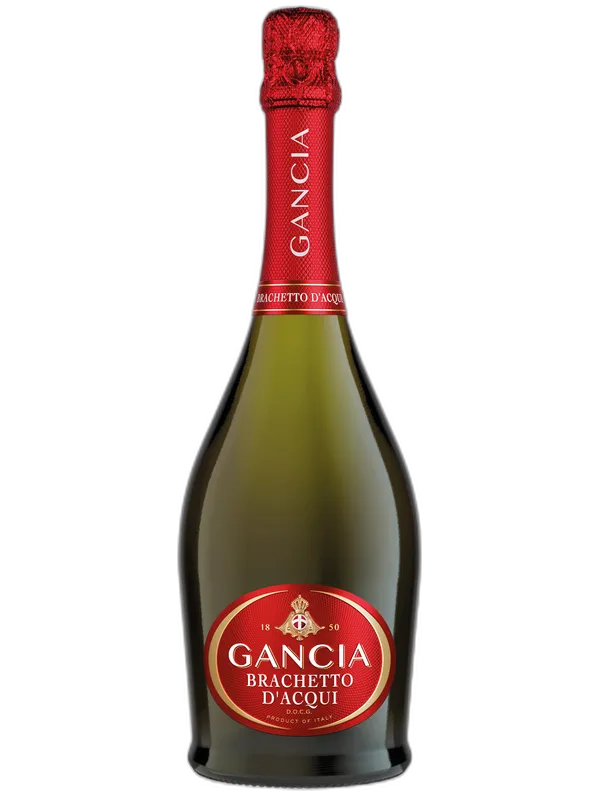
Brachetto d'Acqui DOCG Gancia F.lli
View Wine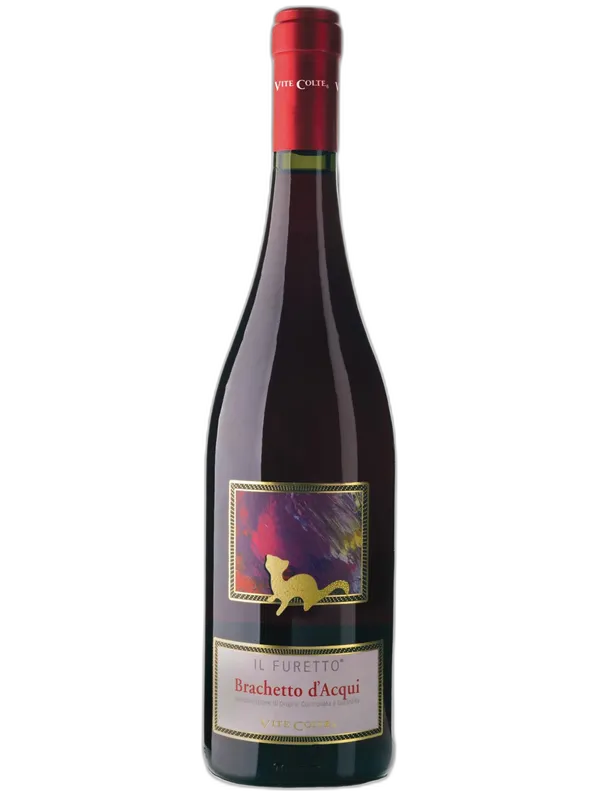
Brachetto d'Acqui DOCG Il Furetto Vite Colte 2025
A sweet, lightly sparkling red from Vite Colte, made from Brachetto grown in the Monferrato hills. Strawberry, cherry and rose petals lead to a hint of almond, at just 6% alcohol. Serve it cold with strawberry puddings.
View Wine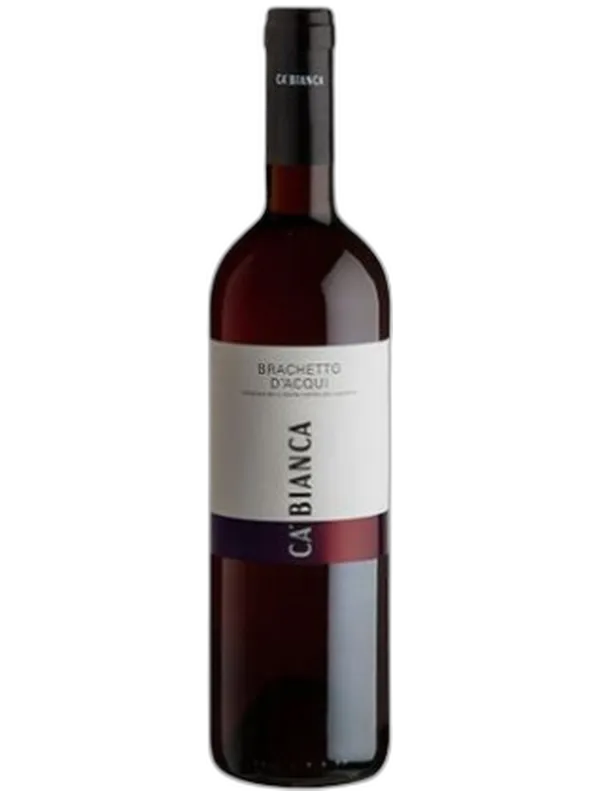
Ca' Bianca Brachetto D'Acqui 2025
View Wine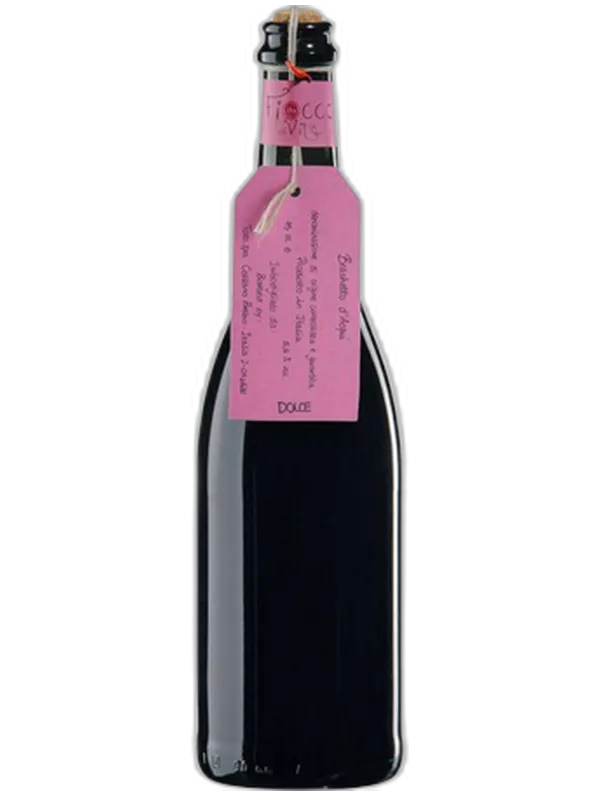
Toso Brachetto D`Acqui 2025
View Wine
Cantina Alice Bel Brachetto d'Acqui
View Wine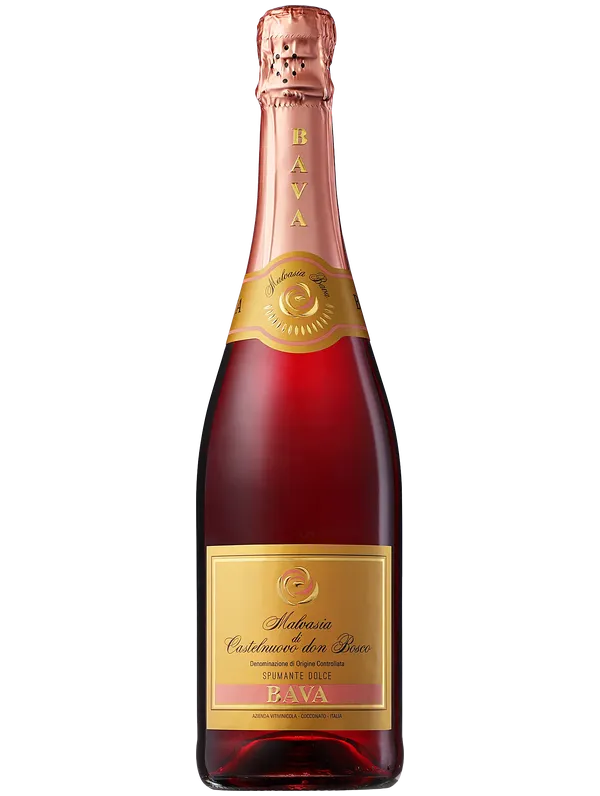
Malvasia di Castelnuovo Don Bosco Spumante DOC Dolce Bava
View Wine
Malvasia di Castelnuovo DOC 'Don Bosco' 2023
View Wine
"Brigantino" Malvasia di Casorzo DOC 2025
View WineThe fizzy sweet reds you have probably never met
Italy has a whole shelf of sweet fizzy reds that never reached Britain in volume. The Po valley and the hills on either side are full of them.
Sangue di Giuda, Judas's blood, comes from the Oltrepò Pavese hills south of Milan, in Lombardy. It blends Barbera and Croatina, it is fizzy, and it needs only 7 percent alcohol. The name comes from a local tale. Judas, having repented, came back to life in the village of Broni and saved its vines from disease, so the villagers named the wine after him. The rules describe it as dolce e carezzevole, sweet and caressing, and that is exactly how it drinks.
Vernaccia di Serrapetrona, from the Marche, is the strangest of the lot. At least 40 percent of its grapes are dried before pressing, the wine ferments three times, and it comes in both secco and dolce. It is dark, grapey and ends on the faint bitter note that is typical of the Vernaccia Nera grape. Only Serrapetrona and two neighbouring villages near Macerata may make it.
Cagnina di Romagna is the one to drink in October. Made from the Terrano grape around Forlì and Faenza, it must by law carry the word dolce, and it can be as light as 8.5 percent alcohol. It is the one still wine on this list. Romagna drinks it within weeks of the harvest, with roast chestnuts (Linkiesta).
Lambrusco has a Lombardy outpost too. Lambrusco Mantovano, from the plain around Mantua, comes dry or amabile but never fully sweet, so pick the amabile if sugar is the point.
Still and strong: the sweet reds made from dried grapes
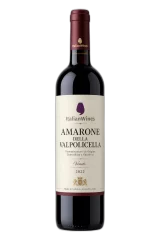
The still sweet reds are a different animal: dark, warm and usually 13 to 16 percent alcohol. Their grapes dry for weeks or months before pressing, the appassimento behind Amarone, and the fermentation is stopped before the yeast is done.
Recioto della Valpolicella is the original. The name comes from recia, the Veneto word for ear, because only the top wings of each bunch, the ripest part, were picked for drying. It uses the same Corvina and Corvinone grapes as Amarone and the same drying lofts. The difference is one decision: Amarone ferments until dry, Recioto is stopped while sweet. Expect cherry, dried fig and cocoa at 13 to 14 percent, and there is a rare fizzy spumante version too. For the whole family, dry and sweet, see our Valpolicella guide.
Puglia's answer is Primitivo di Manduria Dolce Naturale, a DOCG since 2011. The rules are strict. Primitivo only, grapes dried on the vine or on racks, and no added sugar or must. The wine must carry at least 13 percent alcohol and 50 grams of sugar per litre (production rules, AIS). It tastes of prune and black-cherry jam, and it is the bottle on this page that converts people who think they hate sweet wine. The plain Primitivo di Manduria most shops sell is its dry sibling.
Umbria does the same with one of the most tannic grapes in Italy. Montefalco Sagrantino Passito is sweet and grippy at once, and it loves blue cheese. Aleatico, a rose-scented relative of Moscato, makes small amounts of sweet still red in Puglia, in Lazio and on Elba. Alto Adige has Moscato Rosa, pink-red, perfumed and rare.
These are after-dinner wines, and our guide to Italian dessert wines walks through the whole dried-grape tradition. Here the point is simpler. When a red label says passito or Recioto, the wine is sweet, still and strong.
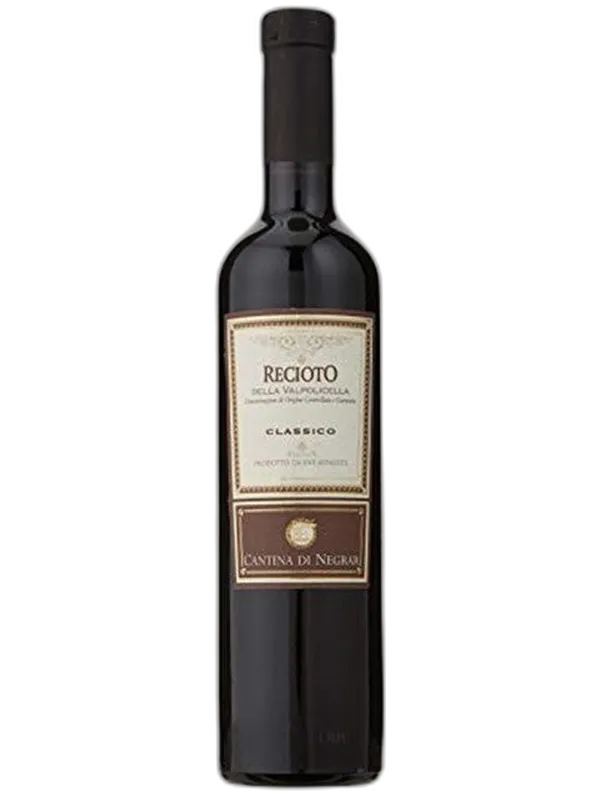
Cantina di Negrar Recioto della Valpolicella Classico 2024
View Wine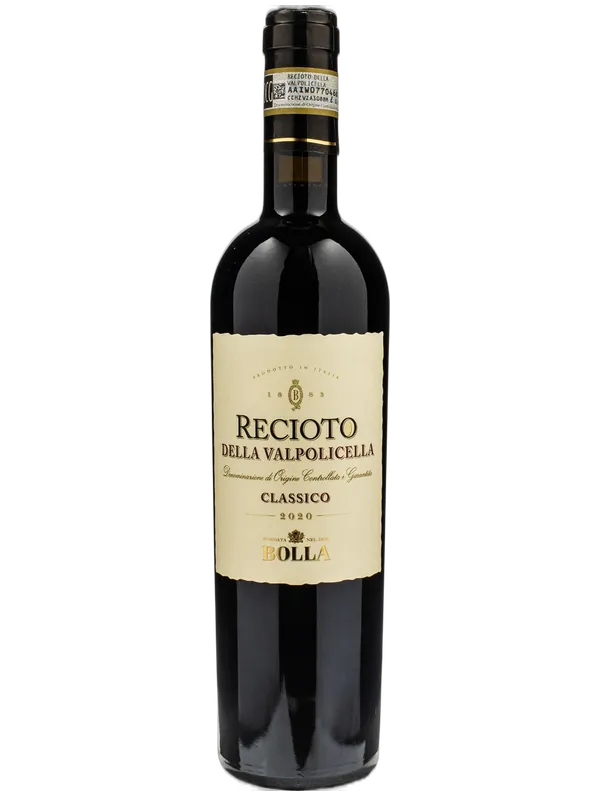
Recioto della Valpolicella Classico DOCG Bolla 2021
View Wine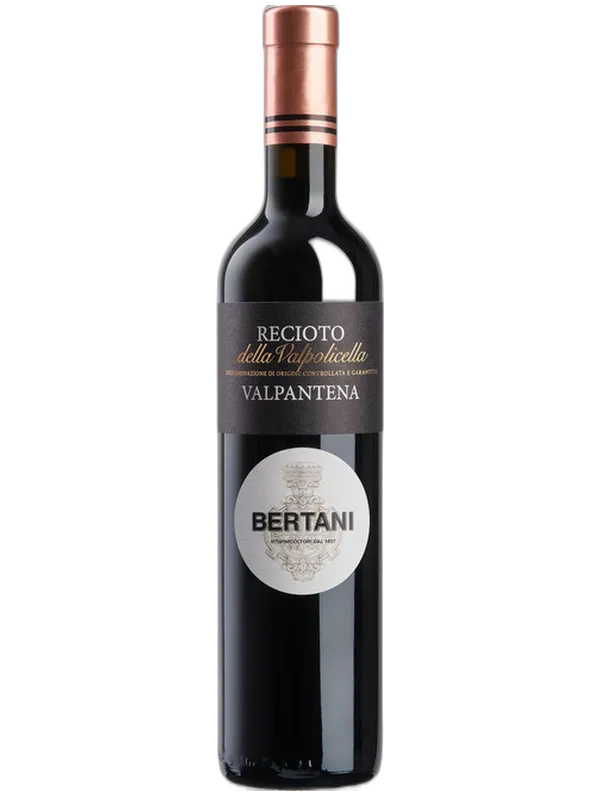
Bertani Recioto della Valpolicella Valpantena 2024
View Wine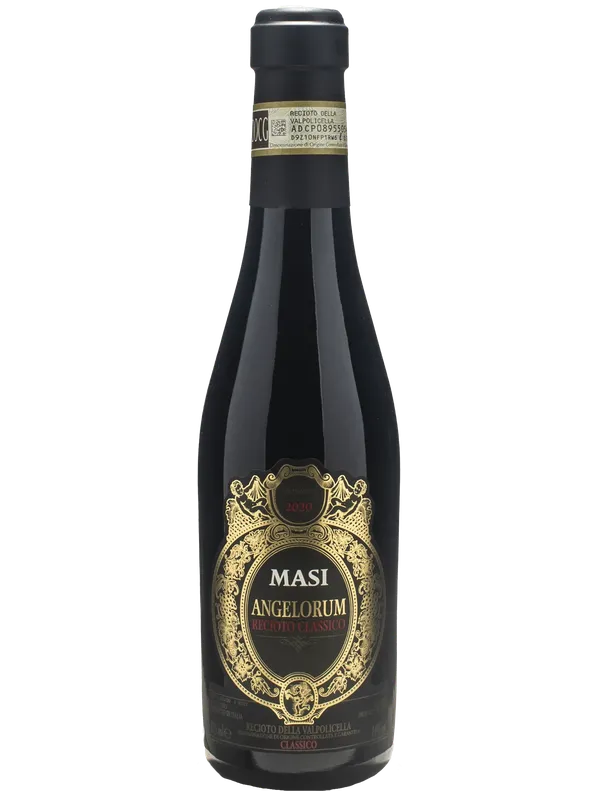
Masi Recioto della Valpolicella Classico Angelorum 2020
View Wine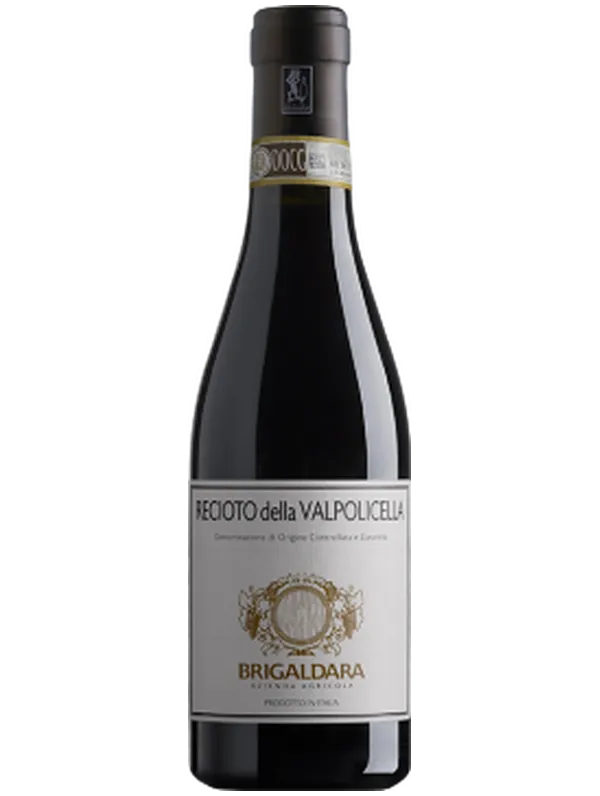
Recioto della Valpolicella Brigaldara 2021
View Wine
Recioto Della Valpolicella Classico la Roggia - Speri 2022
View Wine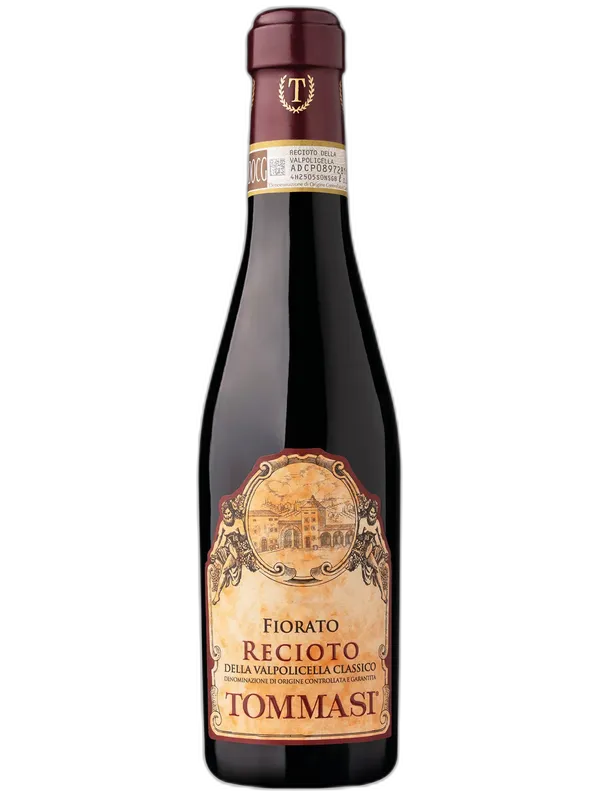
Recioto della Valpolicella DOCG Fiorato Tommasi 2022
View Wine
Attanasio Primitivo di Manduria Dolce Naturale 2019
View Wine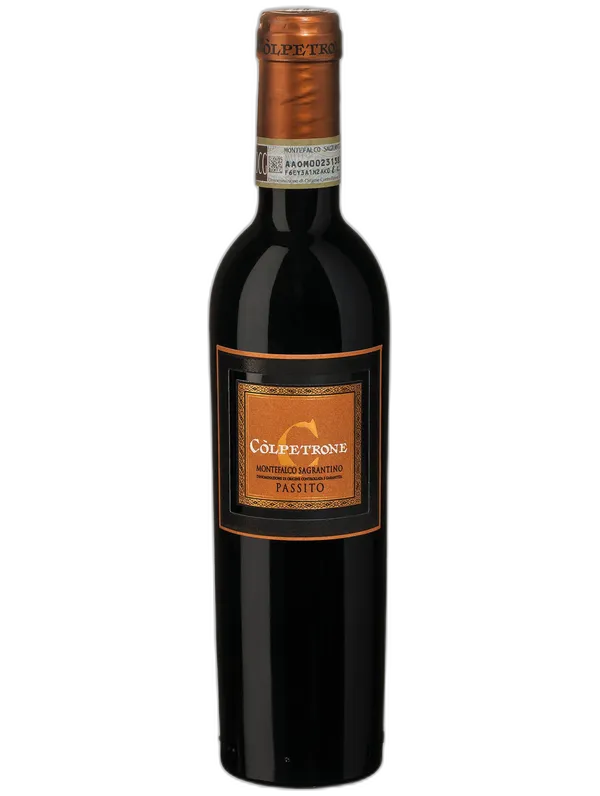
Montefalco Sagrantino Passito DOCG Tenuta Còlpetrone 2016
View WineFruity is not sweet: the reds that only taste it
Most people who ask for a sweet red do not want sugar. They want the soft, ripe, jammy taste of a warm-climate red with no bitter edge, which is what the big Australian and Californian brands sell. Italy makes that too, and it makes it dry.
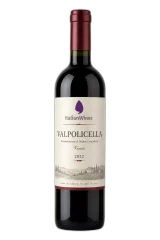
Primitivo from Puglia is the obvious one: black-cherry jam, 14 to 15 percent alcohol, a hint of vanilla from oak, and fruit so ripe it reads as sweet. Amarone is the grand version, made from dried grapes like Recioto but fermented until dry, so it is rich and raisined without being sugary. Valpolicella Ripasso sits between a plain Valpolicella and an Amarone, at about half an Amarone's price. Montepulciano d'Abruzzo and Sicily's Nero d'Avola are the softer, cheaper routes to the same plush fruit.
The test is the back label. If it says secco, or says nothing about sweetness, the wine is dry, however jammy the front looks. If you want the jam, buy the grape. If you want the sugar, buy the word. Our red wine page lists the dry Italian reds we track.
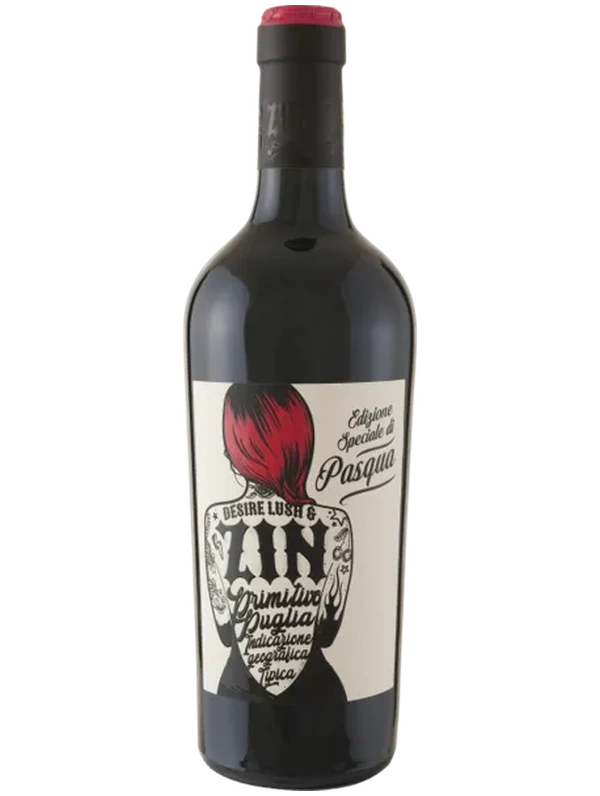
Pasqua Desire Lush & Zin Primitivo 2025
Pasqua's Puglia Primitivo, hand-picked and given six months in wood: ripe plum and black cherry with vanilla and chocolate, soft tannin, 13.5%. A red drinkers like, year after year. £13.50 at Majestic, less on offer.
View Wine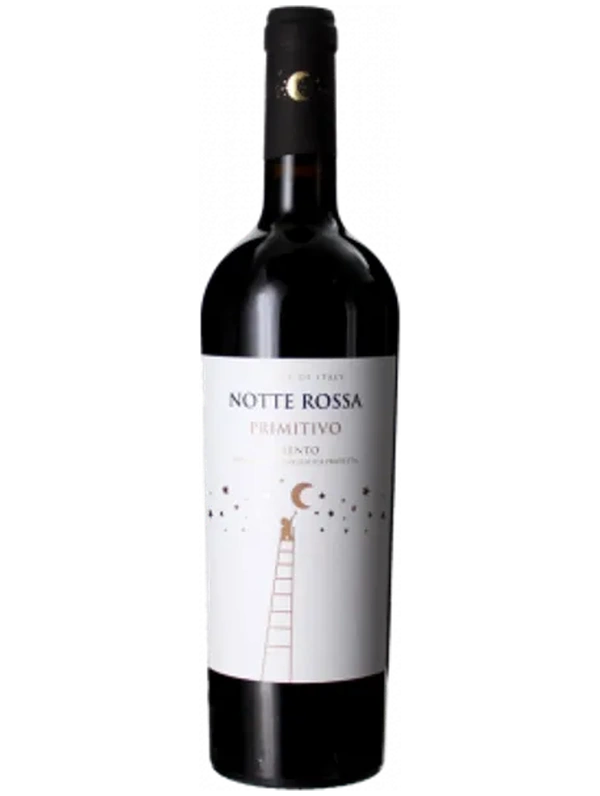
Primitivo Salento - Notte Rossa 2025
A soft, ripe Puglian red made only from Primitivo. Notte Rossa keeps it in steel tanks and never in barrel, so nothing woody gets in the way of the plum and cherry fruit. It took a silver medal at the 2026 International Wine Challenge.
View Wine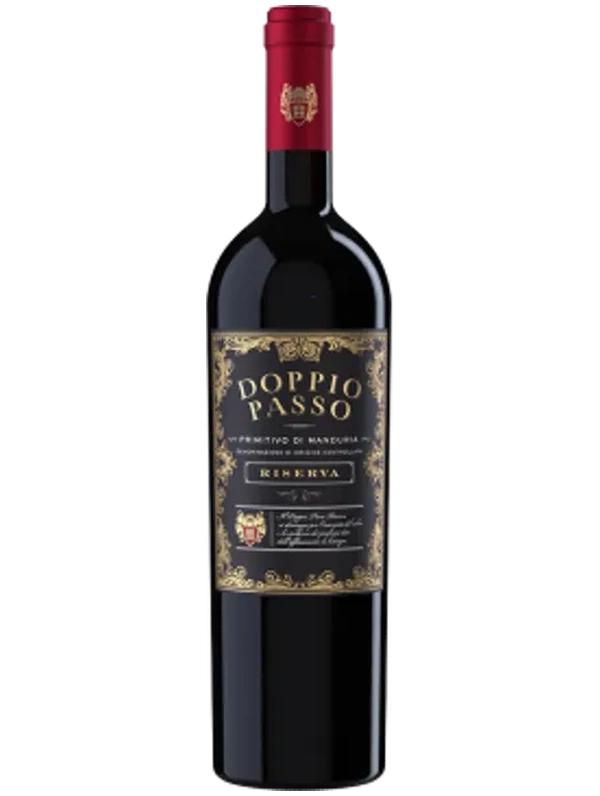
Primitivo di Manduria Riserva - Doppio Passo 2022
Doppio Passo's Riserva is a soft, ripe Primitivo di Manduria from the Botter family's brand. Two years' ageing with nine months in wood give blackberry, cherry, vanilla and toast at 14.5%. UK prices from £15 at Vinatis and Vino.com.
View Wine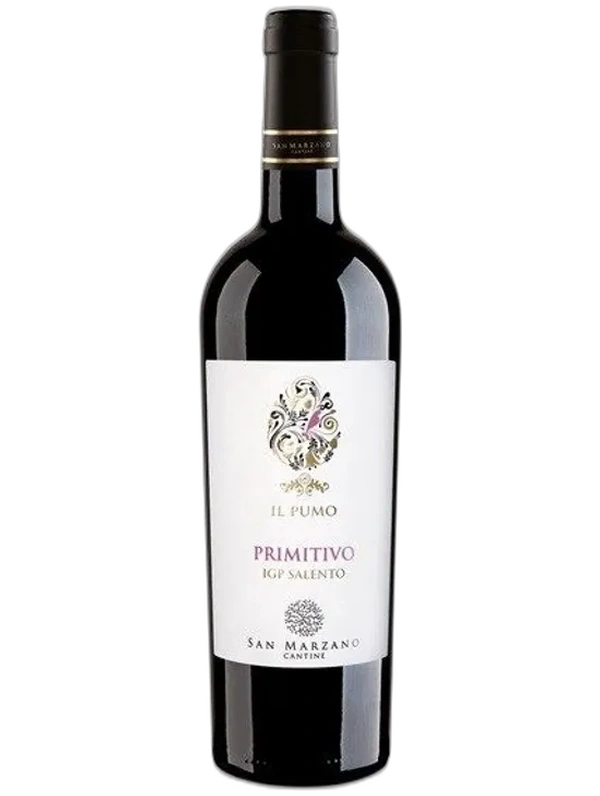
San Marzano Il Pumo Primitivo 2025
A soft, full-bodied Primitivo from San Marzano in Salento, aged in steel tanks. San Marzano describes plum, cherry and a hint of rosemary. From £13.30 in the UK, it suits hearty pasta dishes, red meat and hard cheese.
View Wine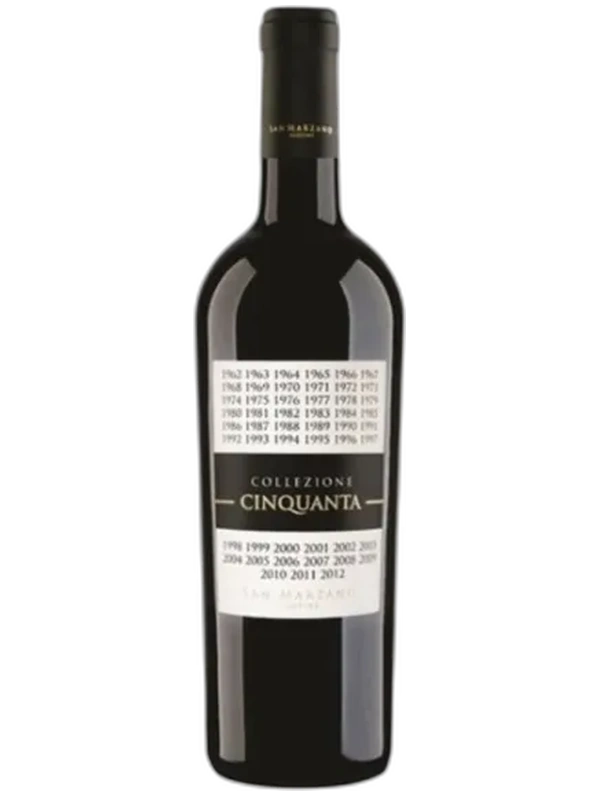
San Marzano Cinquanta Collezione N.V.
Primitivo and Negroamaro from Puglia, blended for Cantine San Marzano's 50th anniversary. Twelve months in French oak build a full-bodied, soft red of prune, vanilla and licorice. A southern Italian red that drinkers love, for braised meat and game.
View Wine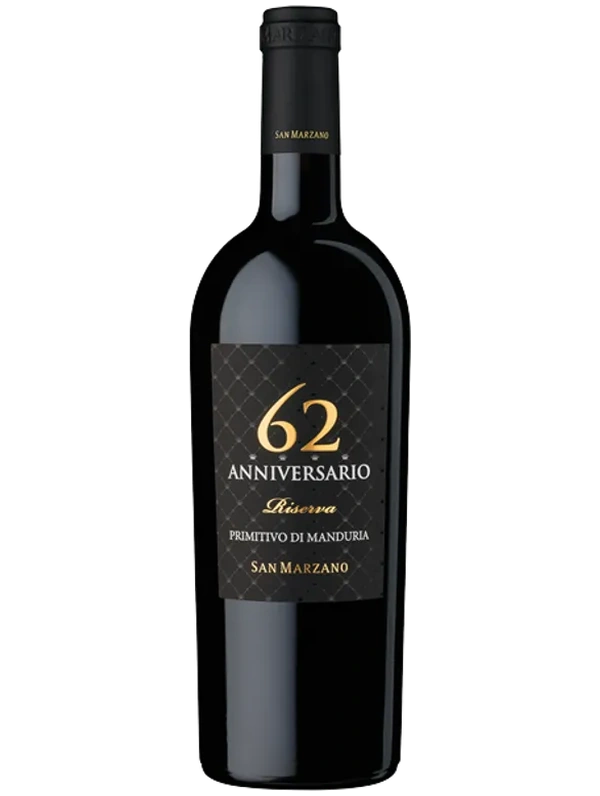
San Marzano, Anniversario 62, Primitivo di Manduria Riserva 2020
San Marzano's old-vine Primitivo, aged 18 months in French and American oak. Ripe plum and cherry jam, tobacco and sweet spice lead to cocoa, coffee and vanilla on a full, soft-tannined finish. A 14.5% Puglia riserva for red meat and game.
View Wine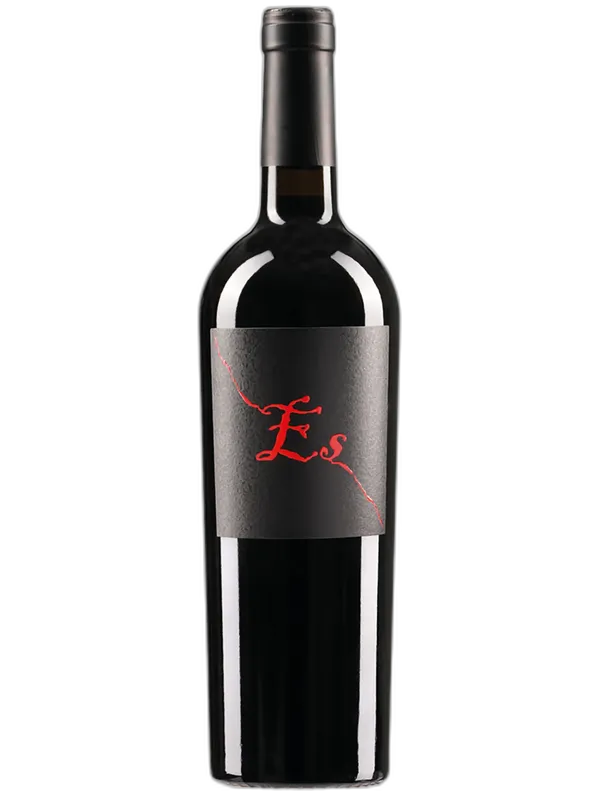
Salento Primitivo IGT Es Gianfranco Fino Viticoltore 2023
Gianfranco Fino's Es is a cult Primitivo from old alberello vines near Manduria, aged about nine months in French oak. Powerful near 16% vol, it shows blackberry, plum, cocoa and liquorice. A benchmark Puglian red built for rich meat and the cellar.
View Wine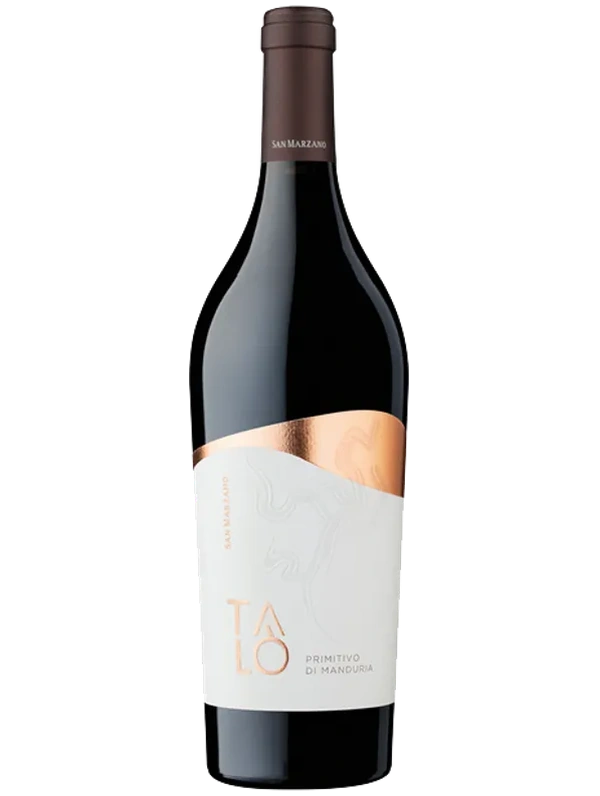
San Marzano, Talo, Primitivo di Manduria 2023
Puglia's big, warm Primitivo, grown on thin clay and stone near the Ionian sea. Six months in French and American oak add cocoa and vanilla over ripe cherry and plum. A well-liked everyday red, about £17 to £18.50.
View Wine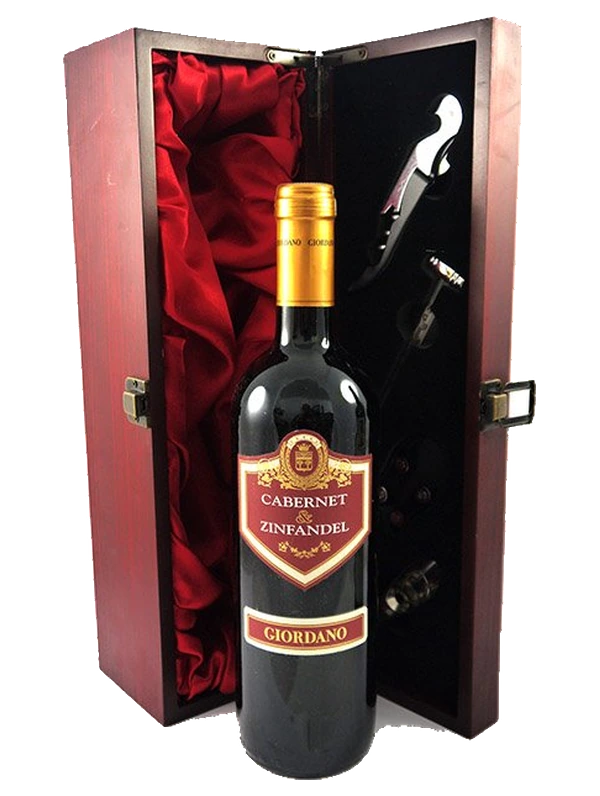
Cabernet Zinfandel Giordano Puglia IGT 2007
Giordano's Puglia IGT pairing of Cabernet Sauvignon with Zinfandel, the grape Puglia grows as Primitivo: soft, velvety black fruit, violet and spice, now fully mature. The 2007 ships gift-boxed, a birth-year bottle to open rather than cellar.
View Wine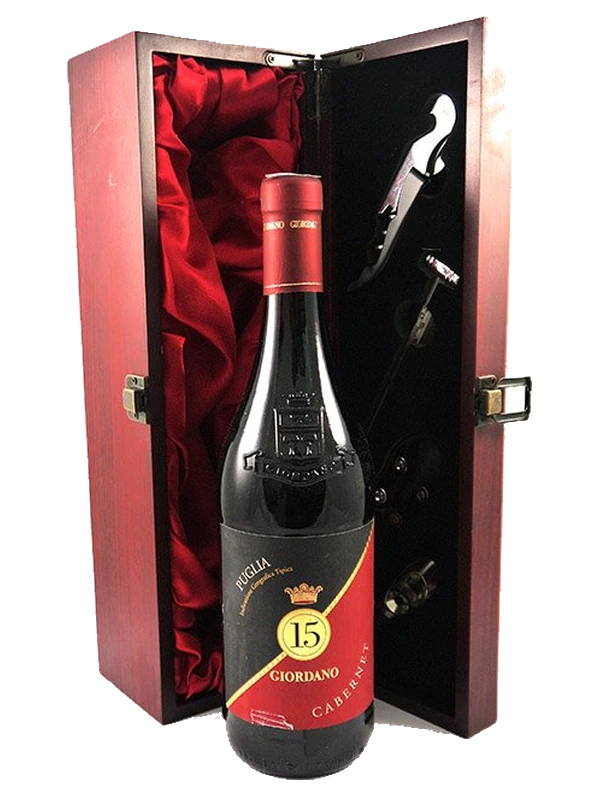
'15' Cabernet Giordano Puglia IGT 2006
A birth-year gift from Giordano, the Diano d'Alba house selling wine direct since the 1950s. Its numbered-label Puglia IGT Cabernet from 2006 is now fully mature: dried fruit, plum and gentle oak, shipped in a wooden gift box with a personal card.
View WineHow to serve them and what to eat
Serve every fizzy sweet red cold, at 8 to 10 degrees, straight from the fridge. Warm, the sugar turns flabby. Cold, the bubbles and the acidity keep it bright. Pour it into a normal wine glass rather than a flute, so the fruit can open up.
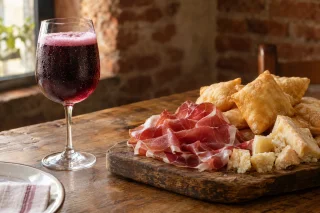
Lambrusco amabile was built for the food of its home: Parma ham, gnocco fritto, Parmigiano, salami and pizza. The sweetness also calms chilli, which is why a cold sweet Lambrusco works with a curry when a Barolo would not.
Brachetto wants strawberries, raspberries or dark chocolate, and it is the Italian bottle for a Christmas pudding or a panettone. Recioto and Primitivo Dolce Naturale go with aged cheese, blue or hard, or with a square of dark chocolate, or with nothing at all. Any of them makes a good gift for a sweet tooth.
Open the fizzy ones within a year or two of the vintage and finish the bottle within a couple of days. The still passito wines keep for a week or two once open and for years in the cupboard. If you are not sure a bottle is still good, our guide to spotting wine that has gone bad helps.
Frequently asked questions
Both. Every one of the six Lambrusco DOCs around Modena and Reggio Emilia allows the full range. The label tells you which you have: secco is dry, abboccato is just off-dry, amabile is medium-sweet and dolce is fully sweet. The sweet pink bottles of the 1980s gave the wine its reputation, but a new generation of producers now makes it dry. If the label says nothing, assume dry. Our Lambrusco grape page lists the main types.
The still ones made from dried grapes. Primitivo di Manduria Dolce Naturale and Brachetto d'Acqui Passito must carry at least 50 grams of sugar per litre. Recioto della Valpolicella, stopped while still sweet, lands in the same territory. Among the fizzy wines, anything marked dolce, Brachetto or Lambrusco, is the sweetest you will easily find in Britain. For the rest of the family, see our guide to Italian dessert wines.
Mostly, yes. Lambrusco amabile and dolce, Brachetto d'Acqui, Sangue di Giuda and Vernaccia di Serrapetrona are all fizzy, low in alcohol and meant to be served cold. Cagnina di Romagna is just as light but still. The still sweet reds are rarer and stronger. Recioto della Valpolicella, Primitivo di Manduria Dolce Naturale and Montefalco Sagrantino Passito are made from dried grapes and sit at 13 to 16 percent. Our sweet wine page shows both kinds.
Usually not. Primitivo is a dry red with such ripe, jammy fruit and high alcohol that it reads as sweet. The exception is Primitivo di Manduria Dolce Naturale DOCG, a genuinely sweet still wine from dried grapes with at least 50 grams of sugar per litre. The word dolce on the label is the giveaway. A plain Primitivo di Manduria is dry, and so is almost every Primitivo on a UK shelf.
Medium-sweet. On a still or frizzante wine, amabile means between 12 and 45 grams of sugar per litre, one step below dolce and one above abboccato, which is barely off-dry. You will never see amabile on a fully sparkling spumante, which uses the brut-to-dolce scale instead. Our guide to reading an Italian wine label covers the other words.
The Piedmont fizzes. Brachetto d'Acqui spumante needs only 6 percent alcohol, Malvasia di Casorzo can be as low as 4.5 and Malvasia di Castelnuovo Don Bosco sits between 5.5 and 7. Sangue di Giuda from Lombardy starts at 7 and Cagnina di Romagna at 8.5. Lambrusco is the strongest of these, at about 10 to 11 percent, which is still well below most reds.