
Antipasti

Italian Wine Pairings for Antipasti

Italian antipasti open the meal with cured, pickled, raw and oil-forward elements. The wine has to be lively enough to keep pace without overwhelming what the kitchen sends next.

Acidity and bubbles do the heavy lifting. Read more

Quick Facts

Grape colour mix

50% red 50% white

Rules of Engagement

The Do's

  1. 01

    Open with bubbles

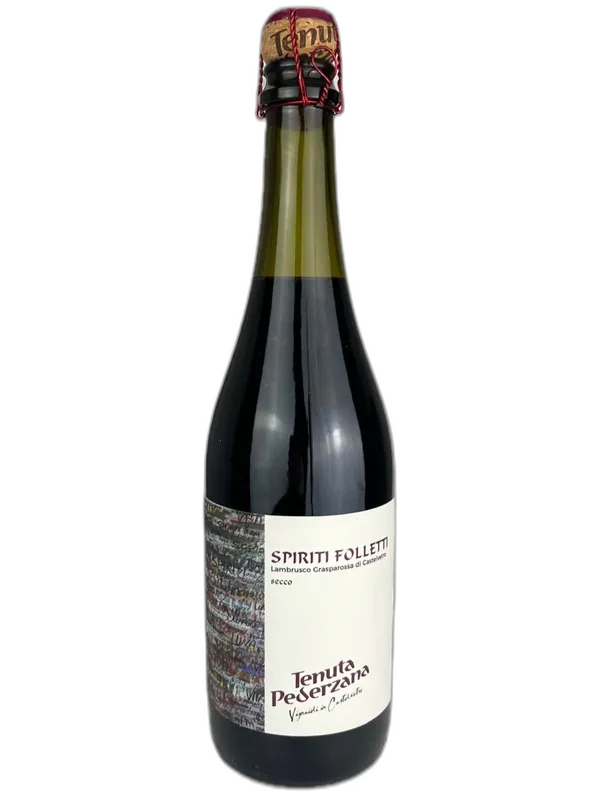
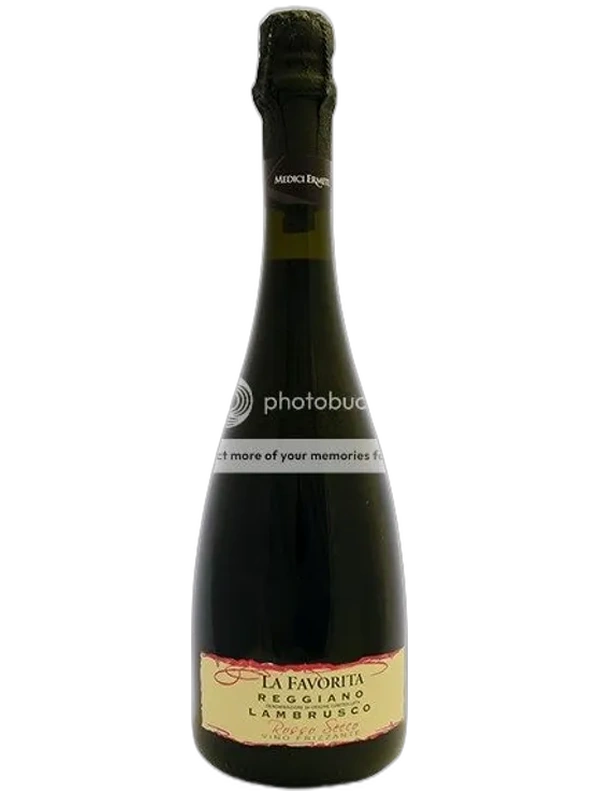
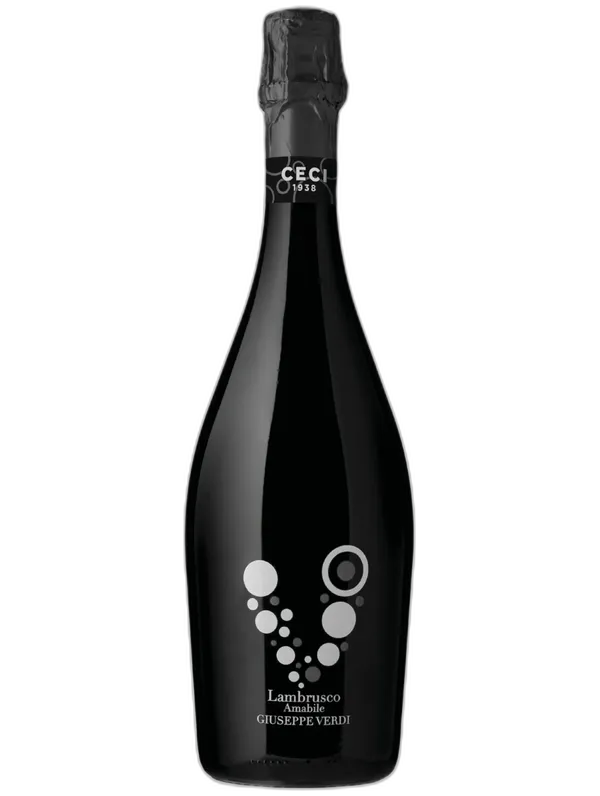
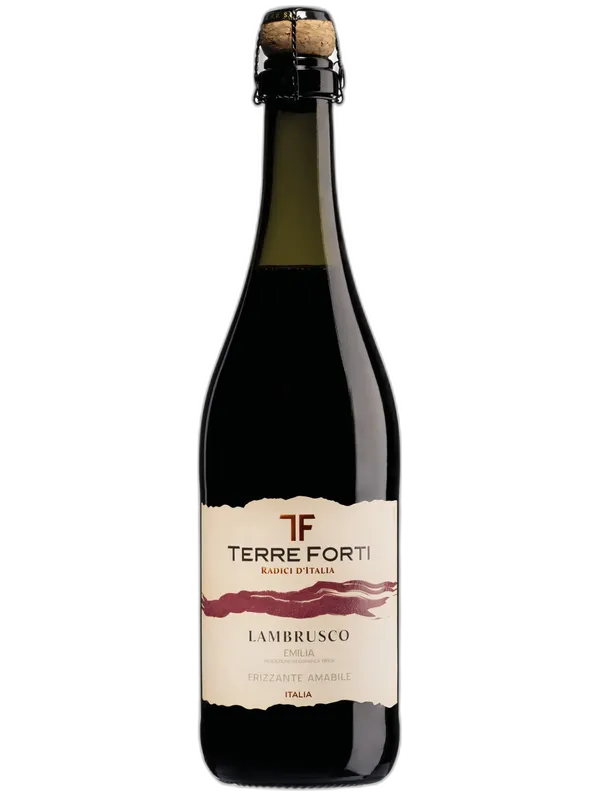
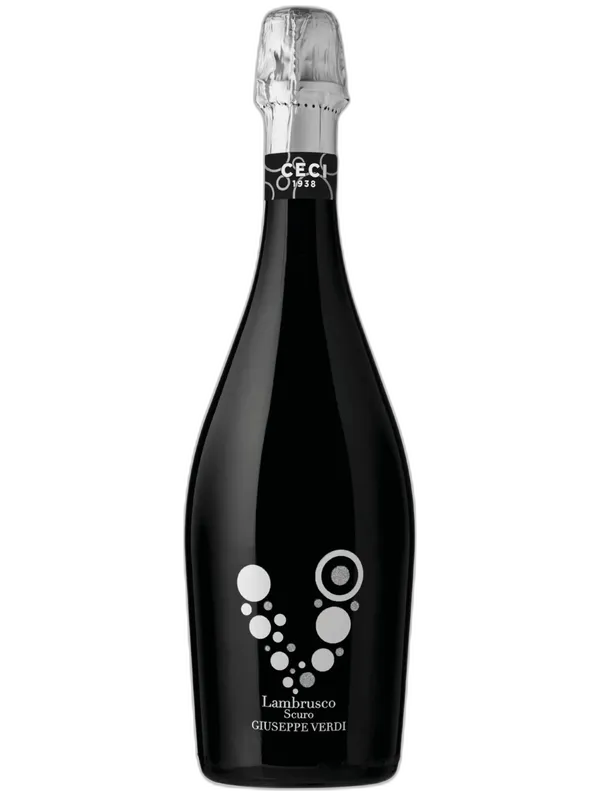
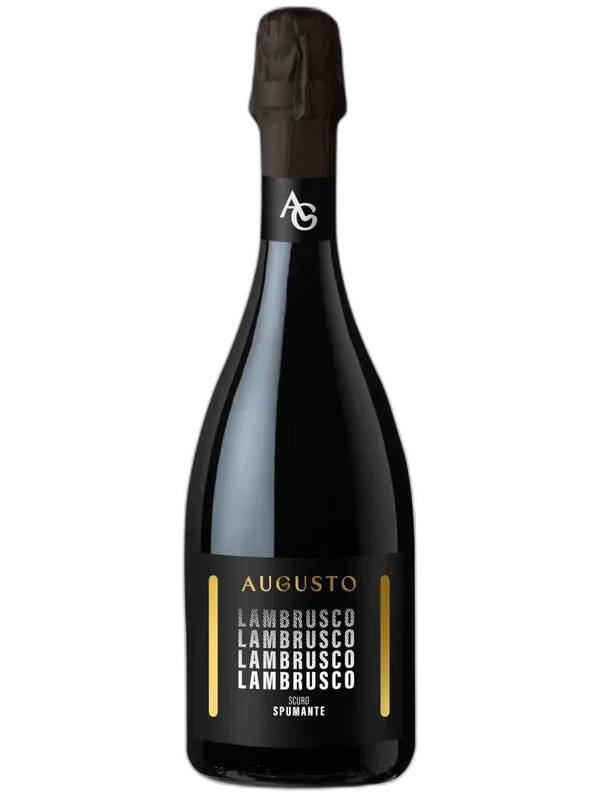
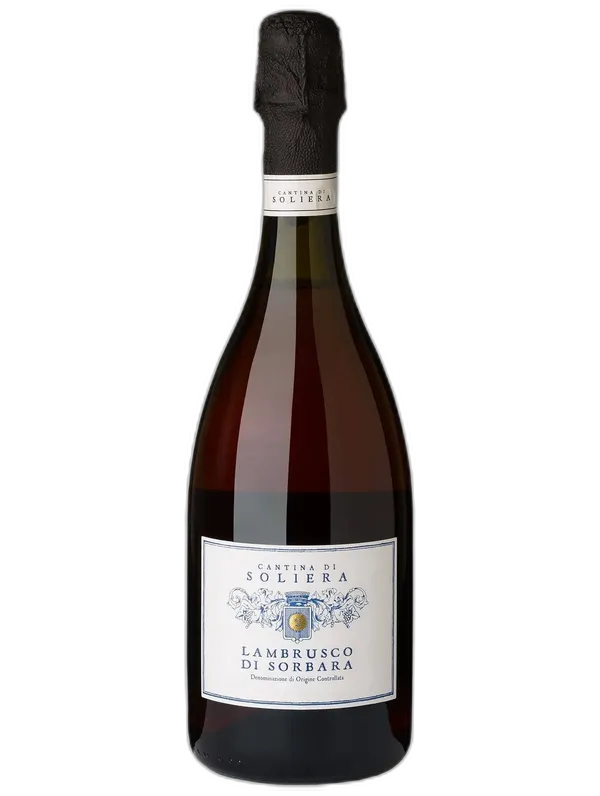
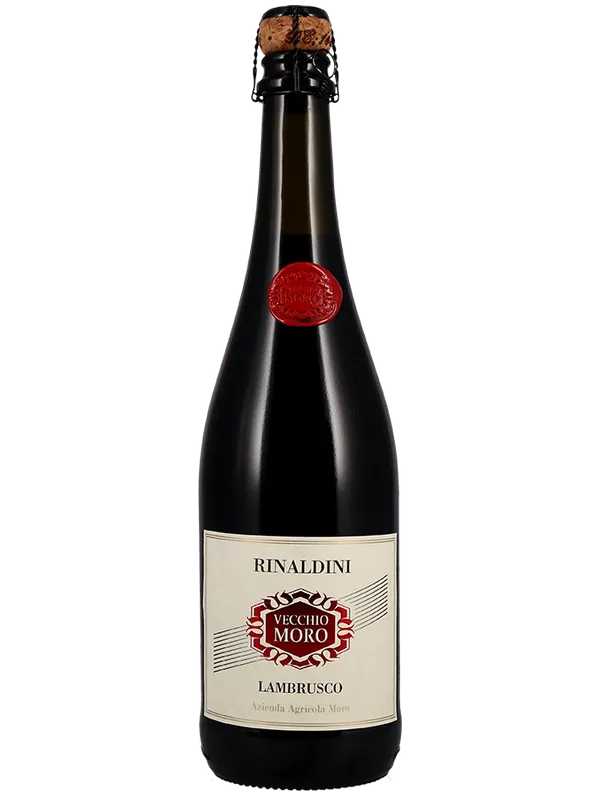
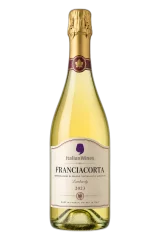
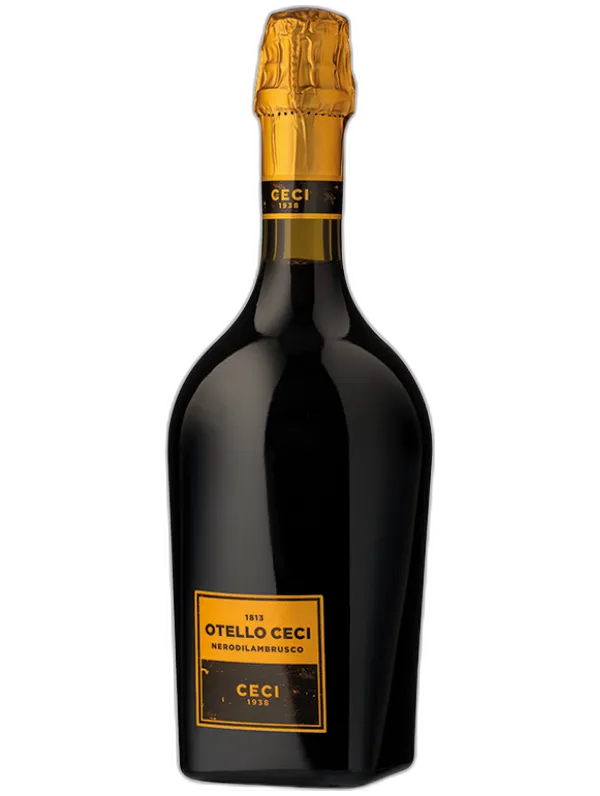
    Franciacorta, Prosecco Superiore or Lambrusco covers 90% of antipasti tables and warms the palate for what comes next.

  2. 02

    Change wine with the course tone

    Keep the antipasti bottle going only if the primo is in the same flavour family. Change bottle when the dish changes direction.
The Do's

  • 01

    Open with bubbles

    Franciacorta, Prosecco Superiore or Lambrusco covers 90% of antipasti tables and warms the palate for what comes next.

  • 02

    Change wine with the course tone

    Keep the antipasti bottle going only if the primo is in the same flavour family. Change bottle when the dish changes direction.
The Don'ts

  • 01

    No Barolo on the fried starter

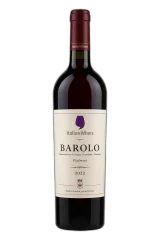
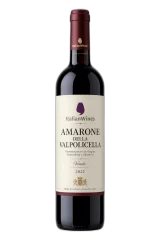
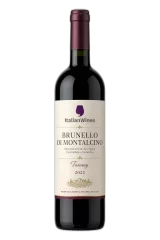
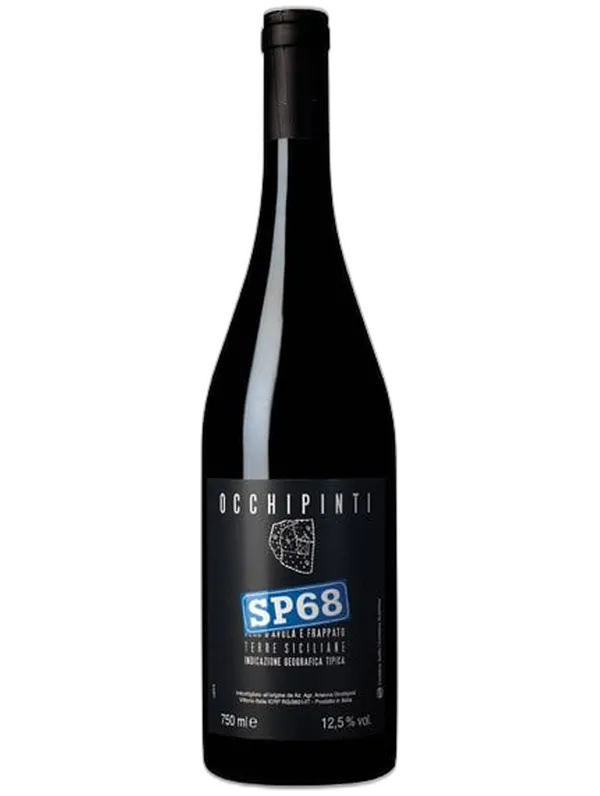
    A dense tannic red after fried olives tastes harsh. Save Barolo, Amarone and Brunello for the braised main.
  • 02

    Do not start too heavy

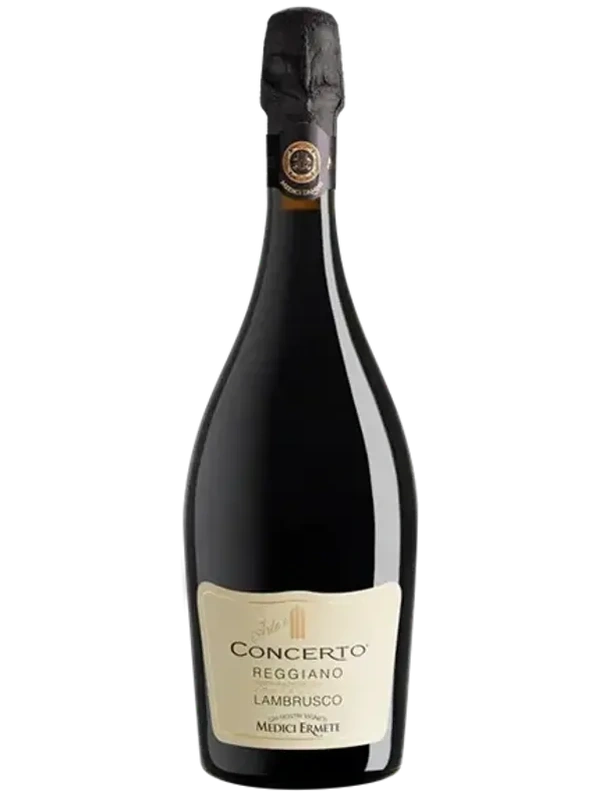
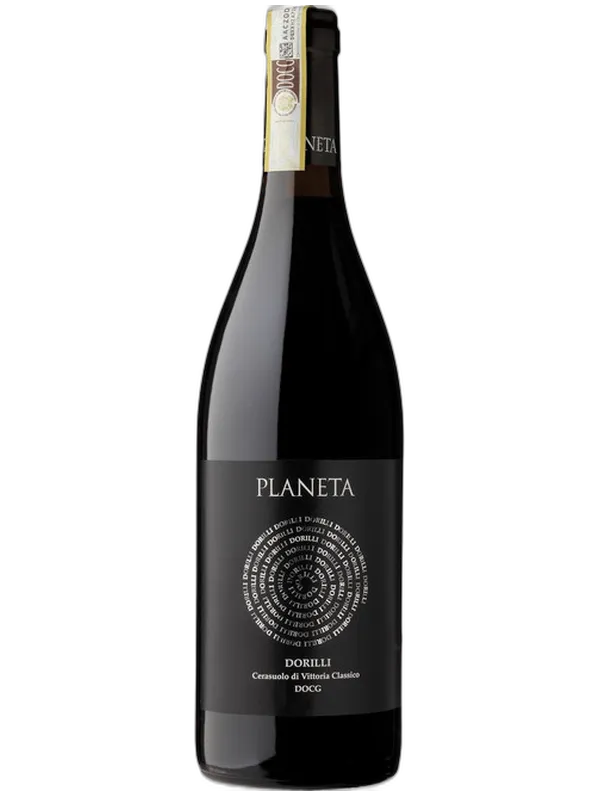
    Amarone and Barolo fatigue the palate early; use Franciacorta, Soave Classico or Lambrusco for antipasti.
Pairings at a Glance

Showing 1–2 of 2 dishes

Why These Pairings Work

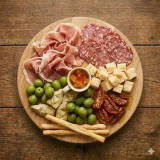
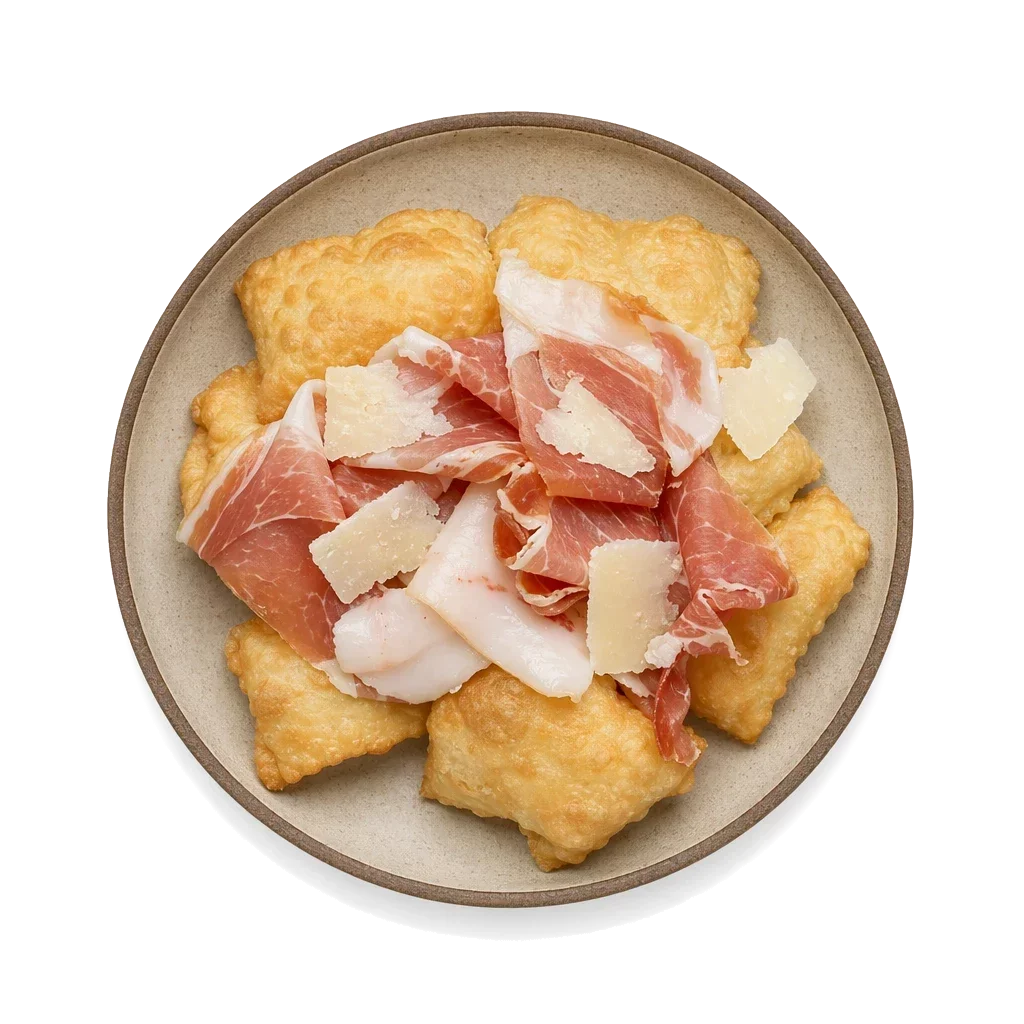
Acidity and bubbles do the heavy lifting. Franciacorta and Prosecco Superiore cut cured salumi fat and vinegar pickles without tiring; Verdicchio dei Castelli di Jesi handles bruschetta, lardo and carpaccio with the crisp restraint the course needs. Heavier reds stay in reserve until the antipasti have cleared.

Explore More Pairings

Food Pairing Questions

Sparkling is the automatic answer. Franciacorta DOCG for the formal opening; Prosecco Superiore di Valdobbiadene DOCG for the easy one; Lambrusco di Sorbara for Emilian tables with charcuterie.

Cured-pork fat needs acid. Lambrusco di Sorbara, Franciacorta DOCG or a young Barbera work for Emilia; Falanghina dei Campi Flegrei DOC is the Campanian answer; Rosato from Salento DOC handles Apulia.

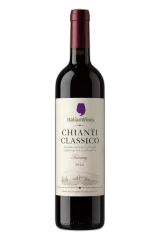
Match the topping. Tomato bruschetta wants Sangiovese (Chianti Classico DOCG) or Vermentino; lardo crostino wants bubbles; pate crostino wants structured whites or light reds.

Yes, excellent. Cerasuolo d'Abruzzo DOC, Bardolino Chiaretto DOC and Salento rosato from Negroamaro are antipasti-first wines, designed for oil, cure and tomato.