
Vegetarian

Italian Wine Pairings for Vegetarian Dishes

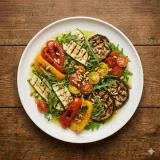
Veggies are an extremely versatile ingredient which is what makes them so fun to pair with wine. Roasted, grilled or braised, the same vegetable can have a multitude of different textures and flavours, and thus there are endless wine pairing combinations. Fresh, fruity reds are generally well paired with grilled and roasted vegetables. Try Pinot Nero, Nebbiolo or even Sangiovese. For more delicate recipes, try aromatic whites like Gewürtztraminer or Sauvignon. Read our tips below in order to learn the best wines to pair with your vegetable dishes.

Italian vegetarian dishes span acid-forward (lemon, tomato, vinegar) to earth-forward (legume, mushroom, root). Read more

Quick Facts

Grape colour mix

43% red 57% white

Rules of Engagement

The Do's

  1. 01

    Match vegetable technique to wine

    Raw vegetables want acidic whites; grilled or roasted vegetables take lighter reds. The Maillard browning shifts the pairing window.

  2. 02

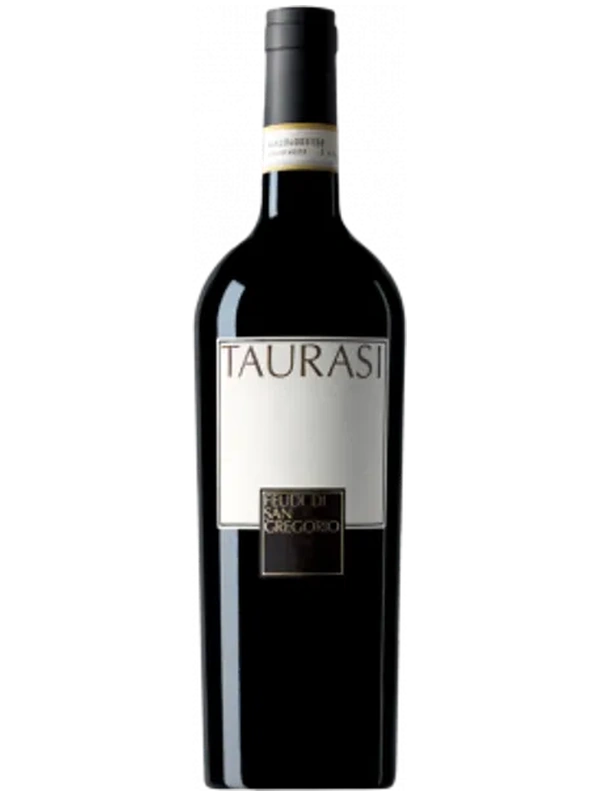
    Campanian whites for Mediterranean veg

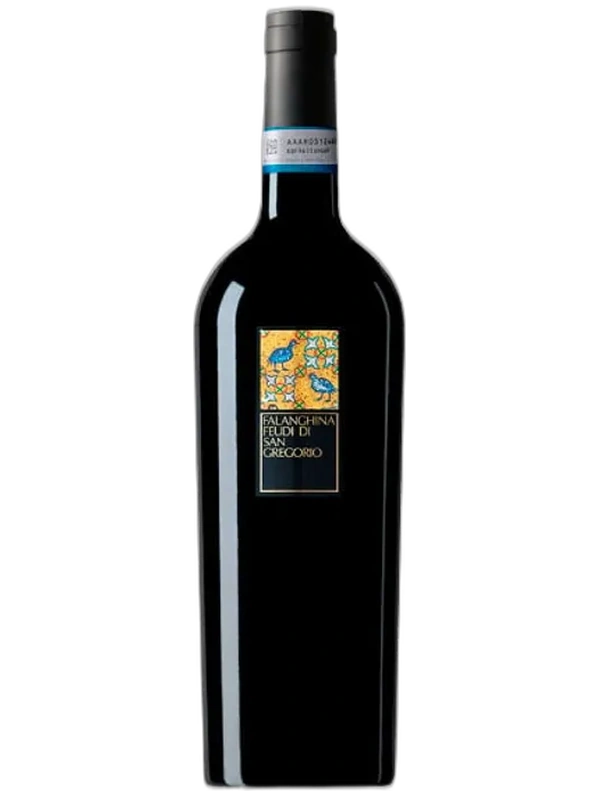
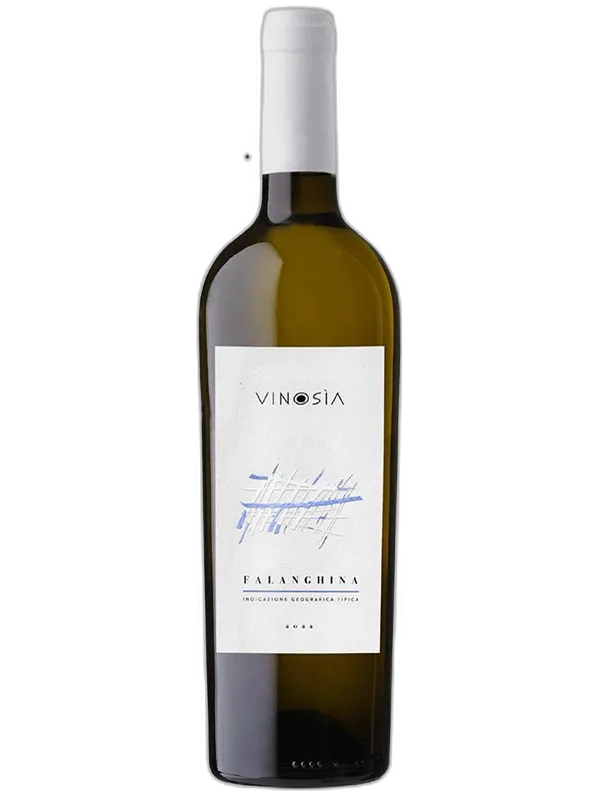
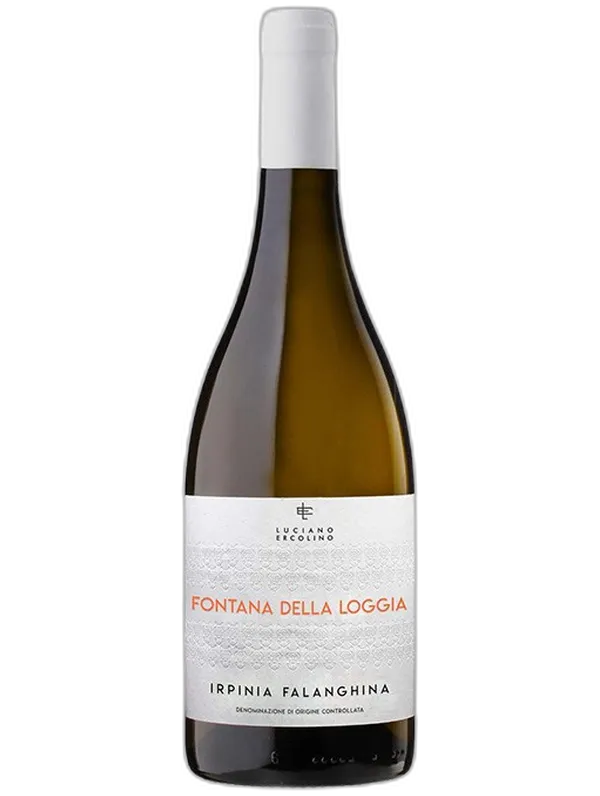
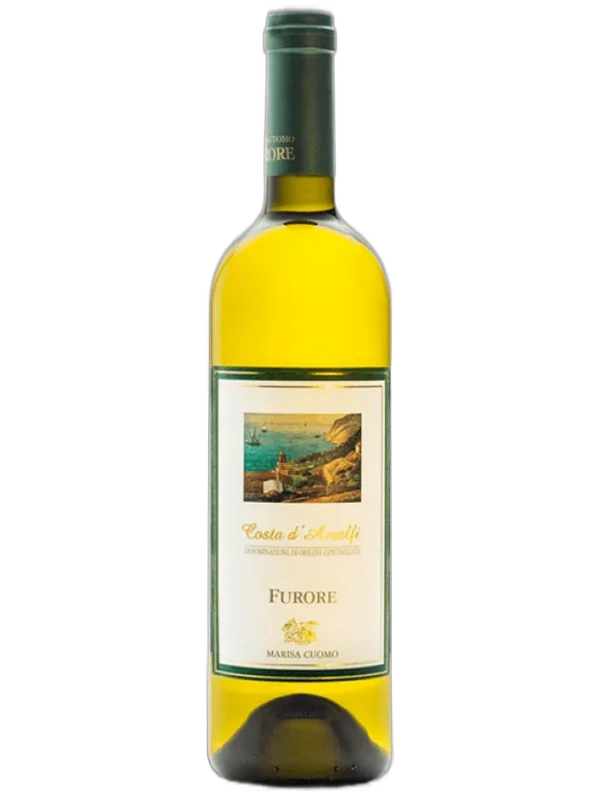
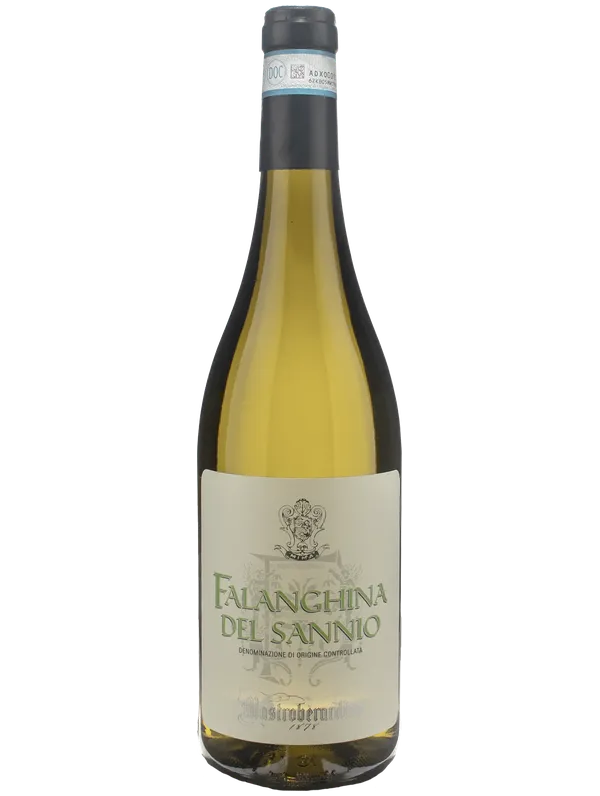
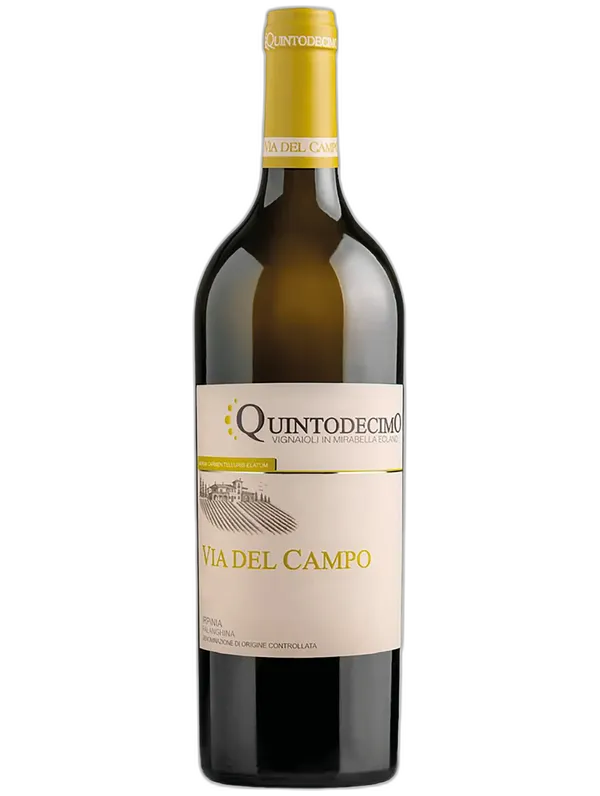
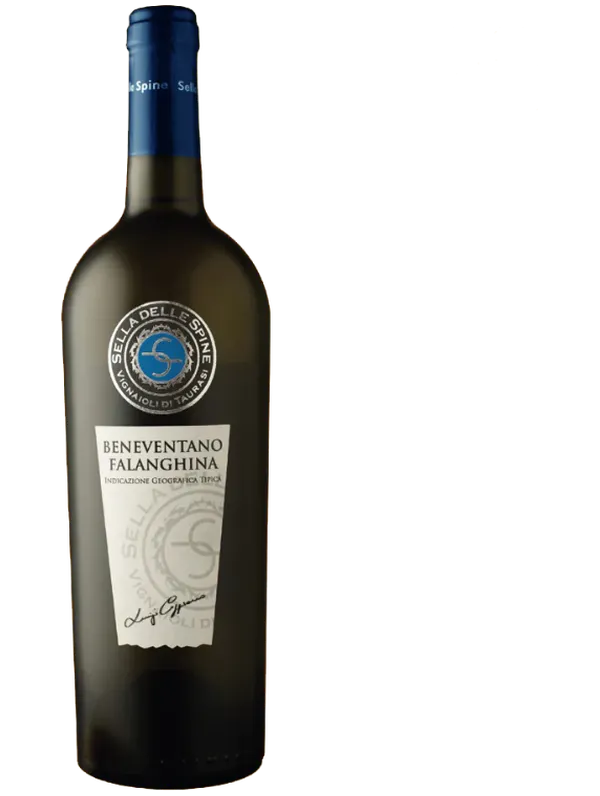
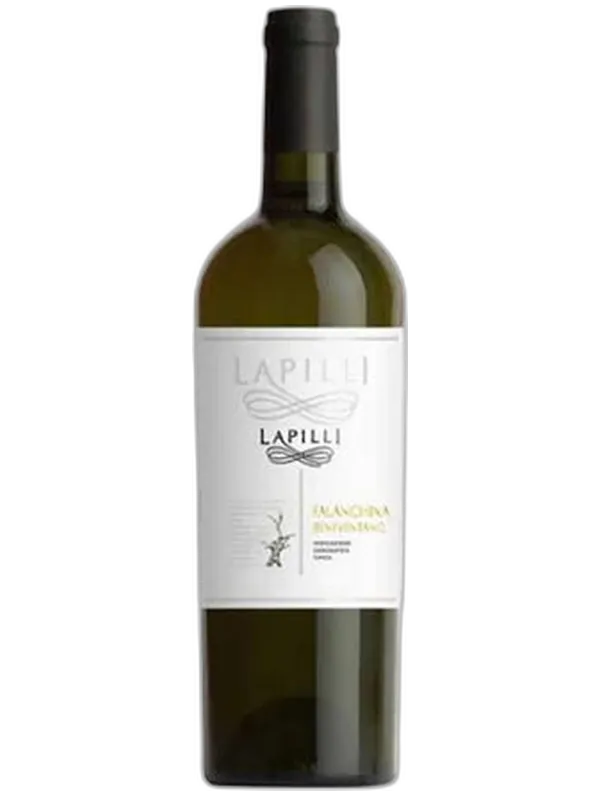
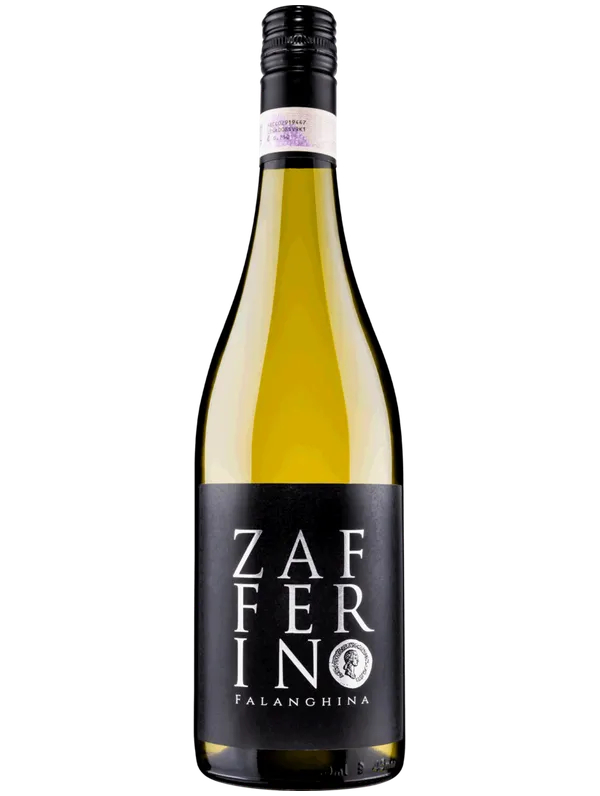
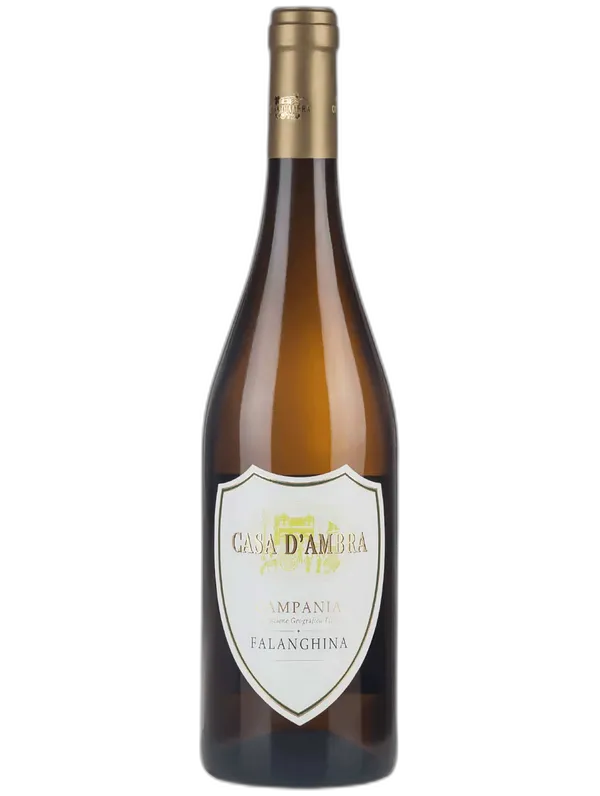
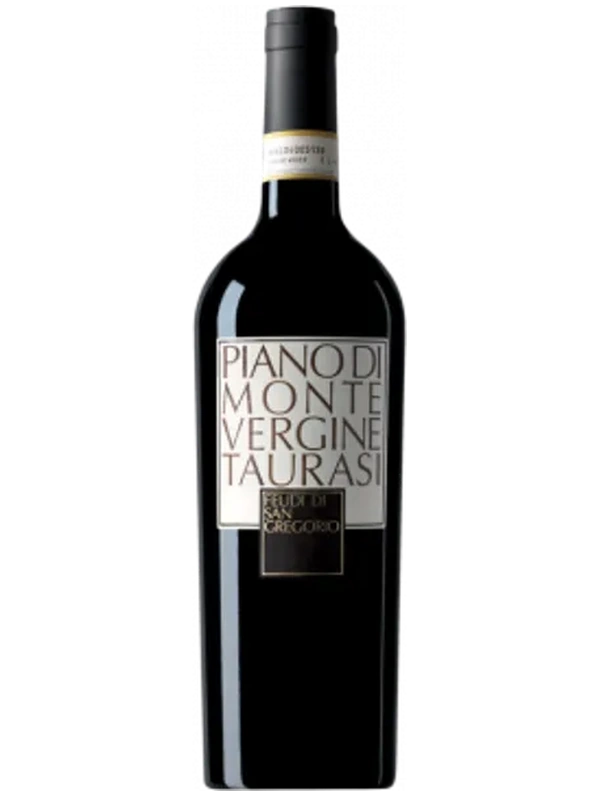
    Reach for Falanghina, Fiano di Avellino DOCG or Greco di Tufo DOCG for oil-and-herb vegetable plates. Salt-mineral lift handles the preparation.
The Do's

  • 01

    Match vegetable technique to wine

    Raw vegetables want acidic whites; grilled or roasted vegetables take lighter reds. The Maillard browning shifts the pairing window.

  • 02

    Campanian whites for Mediterranean veg

    Reach for Falanghina, Fiano di Avellino DOCG or Greco di Tufo DOCG for oil-and-herb vegetable plates. Salt-mineral lift handles the preparation.
The Don'ts

  • 01

    No oak or tannin with artichoke

    Artichoke cynarin wrecks oak-aged Chardonnay and tannic reds. Pecorino Offida DOCG or Vermentino di Gallura DOCG overrides the effect.
  • 02

    Do not ignore bitter greens

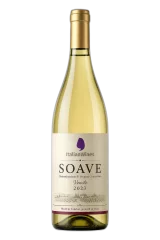
    Nebbiolo can sharpen greens; choose Soave Classico, Verdicchio or Bardolino Chiaretto for artichokes and herbs.

Pairings at a Glance

Showing 1–3 of 3 dishes

Why These Pairings Work

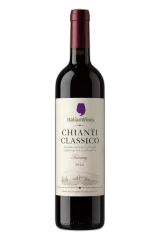
Italian vegetarian dishes span acid-forward (lemon, tomato, vinegar) to earth-forward (legume, mushroom, root). Vermentino, Falanghina and Fiano di Avellino cover the citrus-and-oil end; a lighter Sangiovese (Chianti Classico, Rosso di Montalcino) picks up lentil soups, farinata and grilled aubergine. Dense tannic reds stay out until the dish involves browned or grilled protein-rich components.

Explore More Pairings

Food Pairing Questions

Vegetable-forward dishes pair with acid-driven whites or lighter reds with green vegetal lift. Vermentino di Gallura, Falanghina or Fiano handle oil-and-herb dishes; young Sangiovese (Chianti Classico DOCG) or Barbera cover warm vegetable plates.

Artichoke contains cynarin, which makes wines taste sweeter and off-balance. High-acid Pecorino Offida DOCG or Vermentino di Gallura DOCG override the effect; avoid oak-aged wines.

Bitter greens need wines with matching herbal bitterness. Valpolicella Corvina for radicchio, Negroamaro rosato for broccoli rabe, Falanghina for escarole; sharp acidity helps.

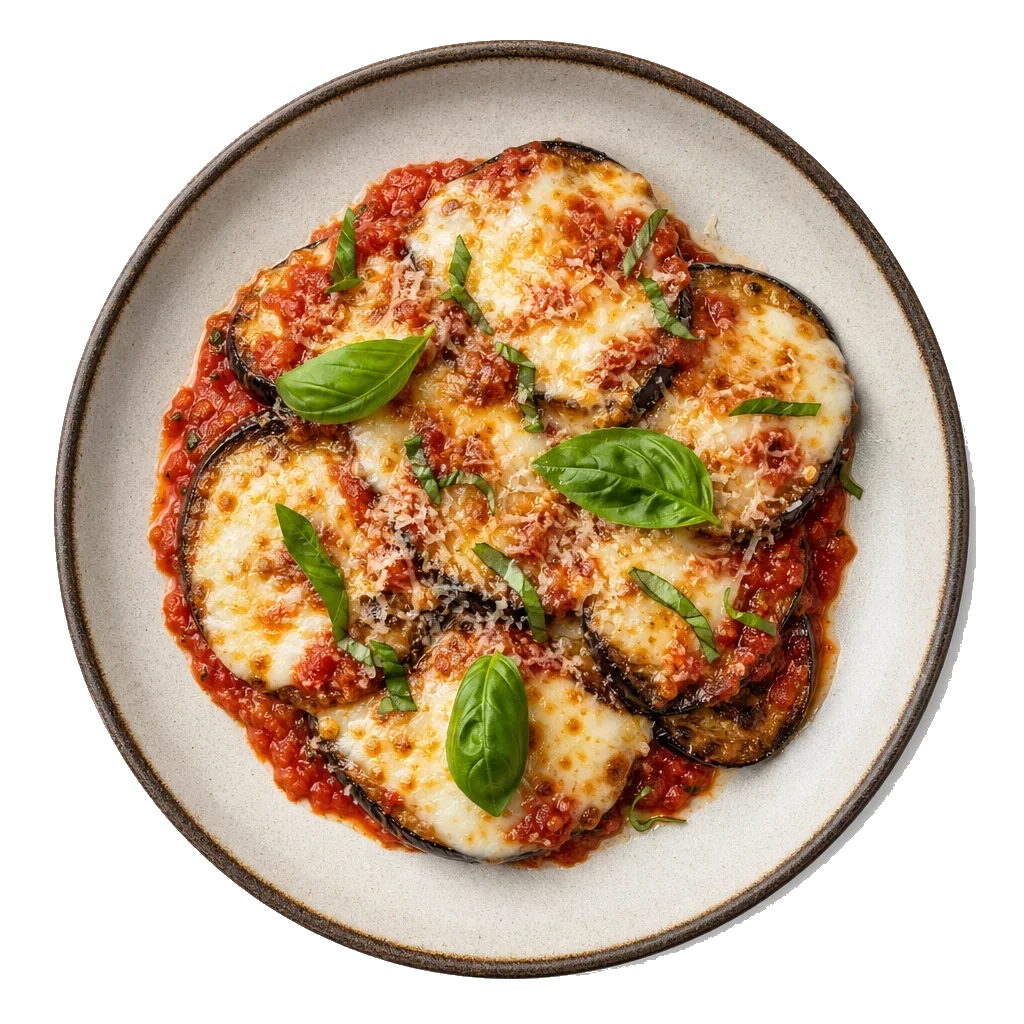
Yes, when the vegetable is warm, mushroomy or umami-forward. Porcini risotto, eggplant parmesan or radicchio risotto all take Italian reds. Raw salads and light antipasti prefer whites.