
Southern Italy

Campania Volcanic soil, Greek vines, Roman roots

From Vesuvian ash to Avellino's Tufo hills, Campania pours four DOCGs of Italy's deepest wine memory: Aglianico for thunder, Fiano and Greco for stone-cool light.

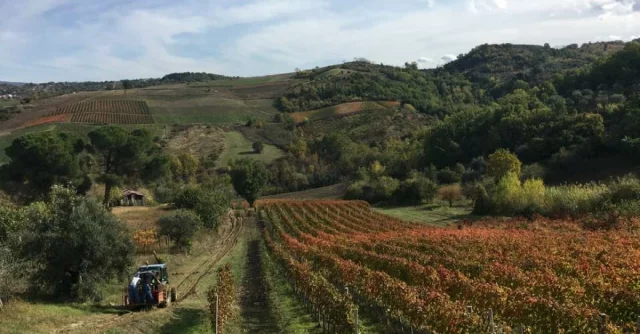
Campania is Italy's volcanic south on the Tyrrhenian coast: a region where Greek settlers planted Greco di Tufo before Rome existed, and where Vesuvius still feeds the vineyards above Naples with mineral ash. Four DOCGs anchor the modern map. Taurasi, the Aglianico stronghold of Avellino's Irpinia hills, is often called the Barolo of the South. Aglianico del Taburno covers the Sannio mountains around Benevento. The twin white DOCGs Fiano di Avellino and Greco di Tufo are sharp, mineral, and built to age longer than most Italian whites.

Beyond Irpinia the region spreads to the Campi Flegrei volcanic crater, the black lavas of Ischia, the terraced cliffs of Costa d'Amalfi, the Cilento coast and the Caserta plain of Falerno. Falanghina, Piedirosso, Coda di Volpe, Asprinio and Pallagrello fill out the native ladder, often grown on ungrafted, pre-phylloxera rootstock.

107
Wines in stock
33
Denominations
12
Heritage grapes
£10 +
Starting price
01 · Wine Areas6

Where Campania wine takes shape

The named places that explain the region's grapes, styles, and labels, plotted across the map.

01

Irpinia

Avellino's high green hills, the home of Campania's three DOCG whites and reds. Tufo limestone, sulphur springs, and altitudes above 400 metres give Fiano, Greco and Aglianico the bite they need.

Irpinia is the cool, mountainous interior of the province of Avellino. Three of Campania's four DOCGs are clustered here: Taurasi for Aglianico, Fiano di Avellino for Fiano, and Greco di Tufo for Greco. The umbrella Irpinia DOC catches everything else. Soils mix volcanic ash from prehistoric eruptions with clay-limestone and the namesake yellow tufo around the village of Tufo. Vineyards sit between 350 and 700 metres, often on slopes too steep for tractor work, and the temperature swing between day and night gives Irpinian whites their signature lift and aging potential.

TaurasiDOCG Fiano di AvellinoDOCG Greco di TufoDOCG Red grapeAglianico White grapeFiano White grapeGreco
02

Sannio

The Benevento highlands, Italy's largest production zone for Falanghina and the home of Aglianico del Taburno DOCG.

Sannio covers most of the province of Benevento and produces more bottles than any other corner of Campania. Aglianico del Taburno DOCG sits on the slopes of Monte Taburno; Falanghina del Sannio DOC is the volume engine, with sub-zones like Solopaca, Sant'Agata dei Goti, Guardiolo, Taburno and Sannio. Soils are calcareous and volcanic depending on the side of the massif. The wines tend to be a touch rounder and more accessible than Irpinia's, with cooperatives playing a much larger commercial role.

Aglianico del TaburnoDOCG Falanghina del SannioDOC SannioDOC Red grapeAglianico White grapeFalanghina Red grapeCoda di Volpe
03

Campi Flegrei

Naples' burning fields: a still-active volcanic caldera on the coast where vines grow on ungrafted, pre-phylloxera rootstock in pure black sand.

Campi Flegrei DOC sits west of Naples in a caldera that is still geologically active. The sandy volcanic soils were too inhospitable for phylloxera to establish, so a remarkable share of the vineyards are franc-de-pied (own-rooted, no American rootstock). Falanghina here is leaner and saltier than the Sannio version, while Piedirosso (locally per'e palummo, the dove's foot) delivers a light, peppery red profile. Vineyards include the rare pergola flegrea trained system that hangs grapes high above the volcanic ash.

Campi FlegreiDOC White grapeFalanghina Red grapePiedirosso Red grapeCoda di Volpe
04

Vesuvio and Lacryma Christi

The slopes above Pompeii and Ercolano, growing Lacryma Christi del Vesuvio in red, white and rose under the still-watching volcano.

Vesuvio DOC produces the legendary Lacryma Christi del Vesuvio (Tear of Christ) in white, red and rose. White Lacryma is a Coda di Volpe and Verdeca blend; red Lacryma leans on Piedirosso and Sciascinoso, with Aglianico permitted in some blends. Vines sit on weathered lapilli and pumice between 150 and 600 metres on the volcano's flanks. Most vineyards are inside Vesuvius National Park, which limits expansion and pushes producers toward dry-farmed, low-yield work.

VesuvioDOC Red grapeCoda di Volpe Red grapePiedirosso Red grapeAglianico
05

Costa d'Amalfi and Penisola Sorrentina

The cliff vineyards of the Amalfi Coast and the Sorrento peninsula, where Furore, Ravello and Tramonti pin Aglianico, Piedirosso and Tintore di Tramonti to terraces above the Tyrrhenian.

Costa d'Amalfi DOC has three named subzones (Furore, Ravello and Tramonti) for wines that have aged at least two years, with twelve months in barrel. Tramonti shelters the rare Tintore di Tramonti, a deep, ungrafted ancient red found almost nowhere else in Italy. Penisola Sorrentina DOC, just north, includes a frizzante red made from Piedirosso and Sciascinoso. Both zones depend on hand-worked dry-stone terraces (the macera amalfitana) that climb directly out of the sea.

Costa d'AmalfiDOC Penisola SorrentinaDOC Red grapePiedirosso Red grapeAglianico Red grapeSciascinoso
06

Cilento and the Caserta plain

Two flatter zones at the edges of Campania: Cilento for Aglianico-Piedirosso reds south of Salerno, and the Caserta plain for the Roman-era Falerno del Massico and the rare Asprinio of Aversa.

Cilento DOC and the surrounding Paestum IGT cover the southern coast and inland valleys around Salerno's Cilento national park, with Aglianico, Piedirosso and Fiano dominating. To the north, the Caserta plain hosts Falerno del Massico DOC (the modern descendant of the ancient Roman wine Falernum) and Aversa Asprinio DOC, where Asprinio is still trained on the alberata aversana, vines climbing live elm trees over twenty metres tall. Casavecchia di Pontelatone and Galluccio fill out the Caserta map.

CilentoDOC Falerno del MassicoDOC AversaDOC Red grapeAglianico Red grapeAsprinio Red grapePiedirosso
02 · Regional Guide6

Understanding Campania

Layered notes on terroir, history, label rules, taste, drinking window and where to start.

03 · Wines To Know6

What to drink from Campania

A short shortlist that maps the region: benchmark reds, signature whites and the labels worth a step-up.

04 · Heritage Grapes6

The grapes behind the bottle

6 curated guides with editorial content. Pronunciations, traits and the regional footprint of each variety.

Browse all grape guides

05 · Editor's Picks107

Wines from Campania

A starter selection from the catalogue. Pour them as a regional flight.

View all 107 wines

06 · La Tavola6

The table of Campania

Mountain, pasture and coast on one plate. Pour the regional wine alongside.

Campanian food sits on the same volcanic soil as the wine: San Marzano tomatoes from the Vesuvius plain, mozzarella di bufala from Caserta, Sorrento lemons, Cetara anchovies, Gragnano dried pasta. The pairings follow the geography.

Greco di Tufo cuts through pizza Margherita and the salt of fresh mozzarella. Fiano di Avellino, with its smoked-almond depth, partners ragu napoletano and the white-bean pasta e fagioli of the Avellino interior. Falanghina handles fritto misto and seafood crudo. Aglianico, especially Taurasi Riserva, is the table wine for braised lamb, slow ragu and aged Caciocavallo Podolico. For pastiera napoletana, reach for a passito of Fiano or a sweet Falanghina from the Sannio.

07 · On The Ground16

Explore Campania by place

Wine routes, towns and wineries to follow when you go.

Wine routes

Wine towns

Wineries to follow

08 · Common Questions9

Ask the sommelier

Quick answers about Campania. Numbers, denominations, food and what to start with.

Campania is most famous for Taurasi DOCG, a 100 percent Aglianico red from the Irpinia hills east of Avellino, often called the Barolo of the South for its tannin and aging potential. Alongside Taurasi, three other DOCGs anchor the region: Aglianico del Taburno in Sannio, and the white DOCGs Fiano di Avellino and Greco di Tufo, both of which are unusually age-worthy for southern Italian whites.

Campania has one of Italy's deepest native-grape catalogues. The four headline varieties are Aglianico (red), Fiano, Greco and Falanghina (whites). Below them sit Piedirosso, Coda di Volpe, Sciascinoso, Tintore di Tramonti, Casavecchia, Pallagrello Nero and Pallagrello Bianco for reds; Asprinio, Biancolella, Forastera and Caprettone for whites. International varieties play a minor role; almost everything in the bottle is indigenous.

Taurasi is a structured, tannic Aglianico with notes of black plum, sour cherry, leather, sweet tobacco, dried herbs and tar. Three years of legal aging (twelve months in wood) round the tannin without softening the wine. Most bottles open up at five to seven years from the vintage and the Riservas can drink well past fifteen.

Campania is split close to evenly: roughly 52 percent red and rose, 48 percent white by volume across the appellations. The reputation rests on both sides of the ledger: Aglianico for the reds (Taurasi, Aglianico del Taburno, Cilento) and the trio of Fiano, Greco and Falanghina for the whites. Volcanic and high-altitude terroir gives both colours unusual freshness for a southern Italian region.

The Avellino province is the densest tasting base, with Taurasi, Tufo and Lapio all within thirty minutes of the city. Benevento is the practical centre for Sannio and Aglianico del Taburno. From Naples, day trips reach the Vesuvius cellars (Sorrentino, Casa Setaro, Cantine Olivella) and the Campi Flegrei caldera producers (Agnanum, La Sibilla). The Amalfi Coast wineries (Marisa Cuomo at Furore, the Tramonti estates) ask for booking and a head for narrow roads.

Greco di Tufo cuts through pizza Margherita, fresh mozzarella di bufala and Cetara anchovies. Fiano di Avellino, with its smoked-almond depth, partners ragu napoletano and pasta e fagioli. Falanghina handles fritto misto and seafood crudo. Aglianico, especially Taurasi, is the wine for braised lamb, slow ragu and aged Caciocavallo Podolico. For dessert pastiera napoletana, look for a passito of Fiano or a sweet Falanghina from the Sannio.

We currently list 107 wines from Campania, starting from £9.90. Browse them all on our wines page.

We currently curate 6 active Campania grape guides, including Aglianico, Falanghina, Fiano, Greco, Malvasia di Candia, and more. This is an editorial selection, not the complete regional grape list.

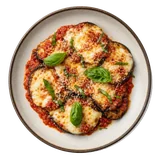
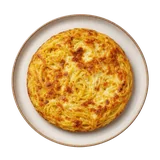
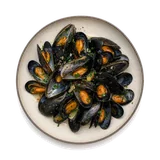
Campania is renowned for dishes including Calzone, Eggplant parmesan, Frittata di maccheroni, Impepata di cozze.

09 · Keep Exploring

Your next pour

More of Southern Italy, with similar terroir and table.

Wine styles made in Campania

Italian Red wine

Red

Italy's boldest expression, structured, complex, built for food

47 wines 12 grapes 1 denominations From £13.25
Explore red
Italian White wine

White

Crisp and versatile, from alpine freshness to Mediterranean warmth

56 wines 12 grapes 5 denominations From £9.90
Explore white