







How to Read an Italian Wine List in a UK Restaurant
TL;DR
- Read the shape of the Italian wine list first, separating wines by the glass from bottles and noticing whether the restaurant groups them by colour, region or style.
- Choose from the food outwards: name your budget, decide how much freshness or weight the table needs, then ask the sommelier to compare two plausible bottles.
- A seafood pasta may point towards Soave or Verdicchio, while ragù makes Sangiovese or Barbera a more useful starting point than the grandest name on the list.

Read the Shape of the List Before the Wine Names
Pieropan Soave, a Franciacorta rosé and a Barolo may sit within a few centimetres of one another, separated only by headings and prices. The useful first move is not to decode every bottle. It is to see how the restaurant has arranged the choice. A list built by colour asks you to choose a broad style first. A regional list asks you to choose a part of Italy. A shorter trattoria list may simply separate glasses from bottles.
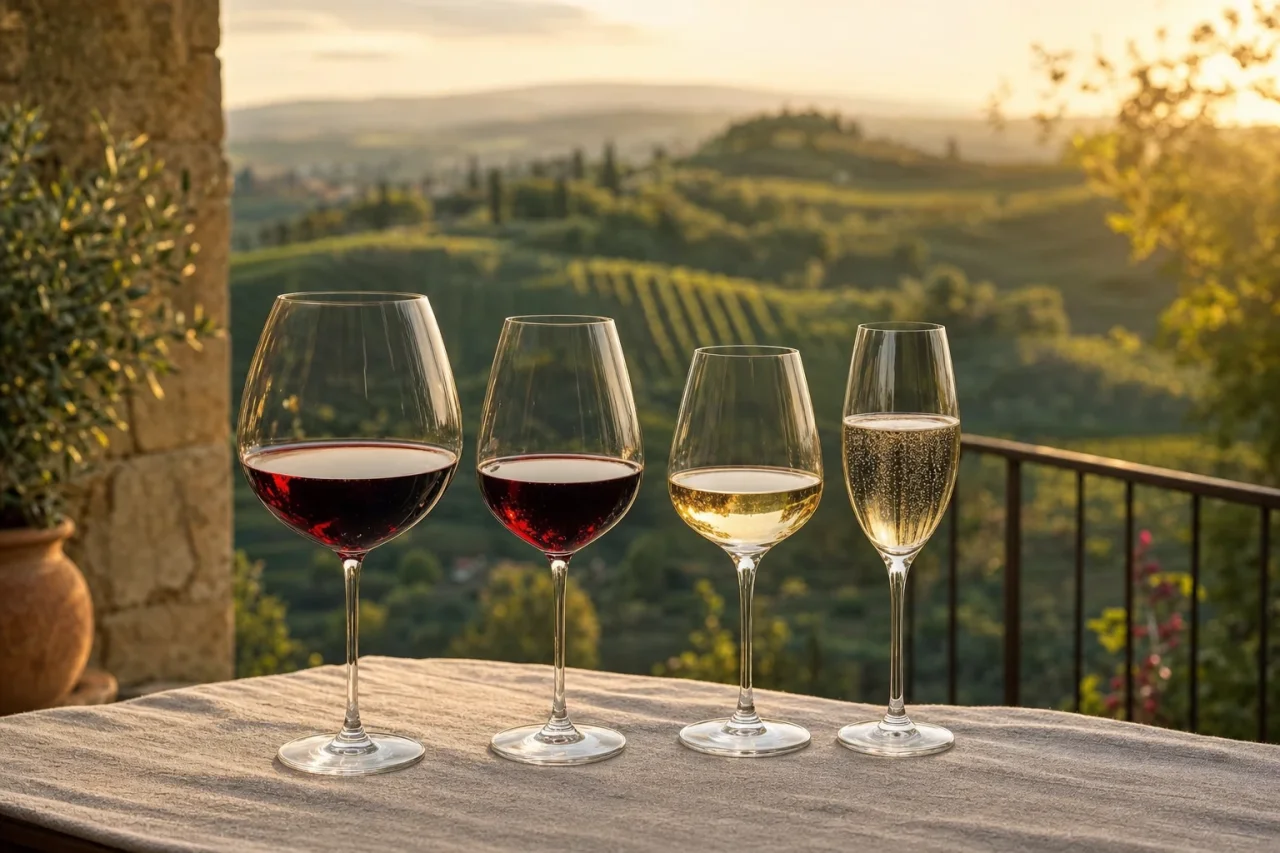
Start with the practical divisions. Find the wines available by the glass, then note where the white wines end and the reds begin. If fizz suits the opening dishes, a familiar Prosecco made from Glera gives you an immediate reference point. Do not assume colour tells the whole story: Lambrusco, the sparkling-red exception, is a useful reminder that an Italian red need not be still or heavy.
Read the small print around the prices. A column may mean glass, carafe and bottle rather than three vintages. UK specified-quantity rules list 125ml and 175ml measures for still wine by the glass, plus multiples of those measures, so check the heading before comparing value. Also look for a legend explaining organic, skin-contact or low-intervention bottles. If the symbols remain vague, ask what they mean in that restaurant.
Decode One Restaurant Wine Line in Ten Seconds
Take an illustrative entry: “Pieropan, Soave Classico, Veneto, 2023, £48.” Read it from left to right as producer, wine or denomination, place, vintage and bottle price. Another restaurant may put the vintage first or omit the region because the list already sits under a Veneto heading. The order changes, but the same clues usually remain. Your first task is simply to identify which word names the maker and which names the wine.
MAP THE LINE
See how four useful clues map from restaurant shorthand to a bottle label.
- Pieropan
- Soave Classico
- Veneto
- 2023
Pieropan
Soave Classico
Veneto
2023
-
Producer
Pieropan
The maker. Producer names often lead the line, but list order varies.
-
Denomination
Soave Classico
The wine denomination, not its grape. Classico points to the historic core zone.
-
Wider region
Veneto
The broader region. A list may omit it when Veneto is already the section heading.
-
Vintage
2023
The harvest year, not the bottling year.
A restaurant list compresses the bottle into one line. For the producer, place, grape and classification on the bottle itself, see our guide to reading an Italian wine label. You do not need to solve that whole system over dinner. On the list, recognise enough to ask one useful question: “Is Soave the place, the grape or the producer?” In this example it is the denomination, while Pieropan is the producer.
Italian names do not follow one universal pattern. Barolo is a place and denomination built around Nebbiolo; Glera is the grape behind most Prosecco; a proprietary cuvée may reveal neither place nor grape in its largest words. Our guide to Italian grape families helps when a variety is named directly. In the restaurant, though, fluency matters less than separating maker, wine, vintage, size and price.
Start with the Dish, Then Choose Weight and Freshness
Choosing the bottle before the food turns a manageable decision into guesswork. Begin with the dominant dish at the table, especially its richness, salt, acidity and heat, then decide whether the wine should refresh, soften or stand beside it. The Italian food-pairing guide is useful when the menu stays close to regional cooking, but the same reasoning works in any UK restaurant serving Italian bottles.
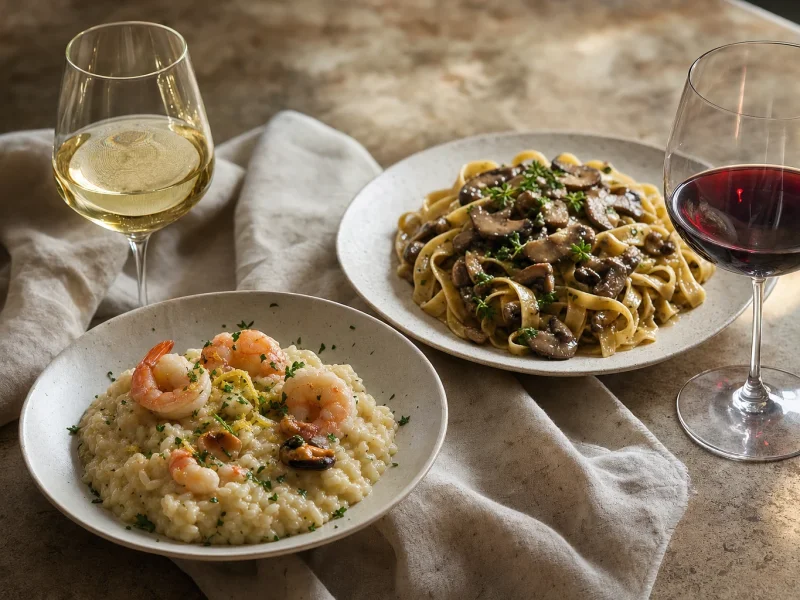
For seafood pasta or a lemon-led fish dish, the freshness of Verdicchio or the mineral, almond-edged character of Soave can keep the meal lively. The dedicated fish and seafood pairings narrow those choices further. With ragù or tomato-rich pasta, Sangiovese from Chianti Classico has the acidity to meet the sauce, while Barbera offers generous fruit with gentler tannin. The pasta pairings help when the sauce changes the answer.
One bottle for several dishes needs a middle path. Do not chase the most powerful red because one person ordered beef, or the lightest white because another chose fish. The meat pairings can show how much structure the richest plate truly needs; then step back towards a flexible Barbera, Verdicchio or young Sangiovese that will not dominate the rest of the table. Several glasses can be the better choice when the dishes pull in opposite directions.
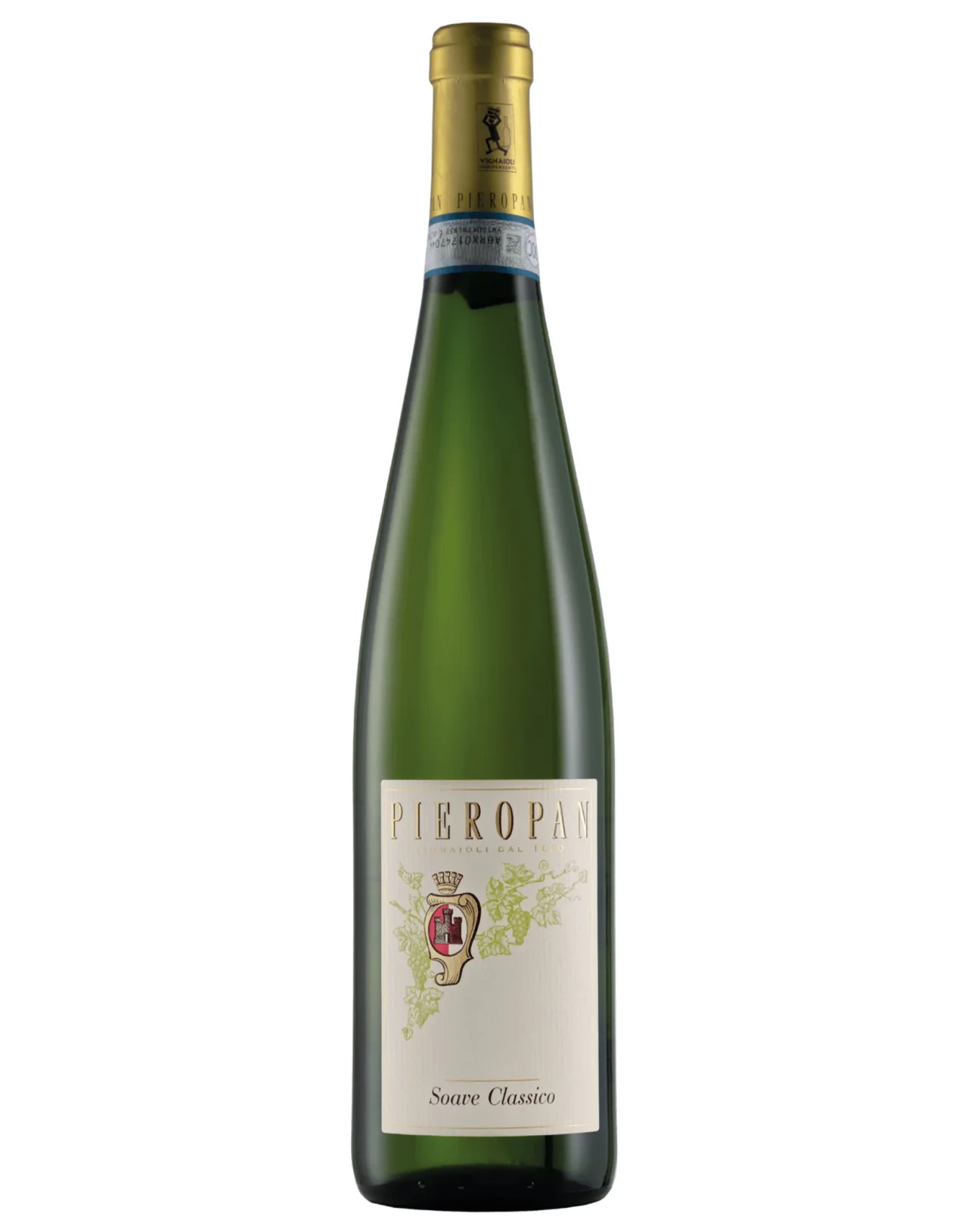
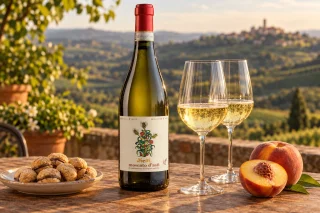
Pieropan, Soave, Classico 2025
Pieropan's Soave Classico is Veneto's Garganega benchmark: estate-grown on volcanic hills, fermented in glass-lined concrete and aged on its spent yeast. Pear, white peach and lemon meet a salty, stony core and the trademark bitter-almond finish.
View Wine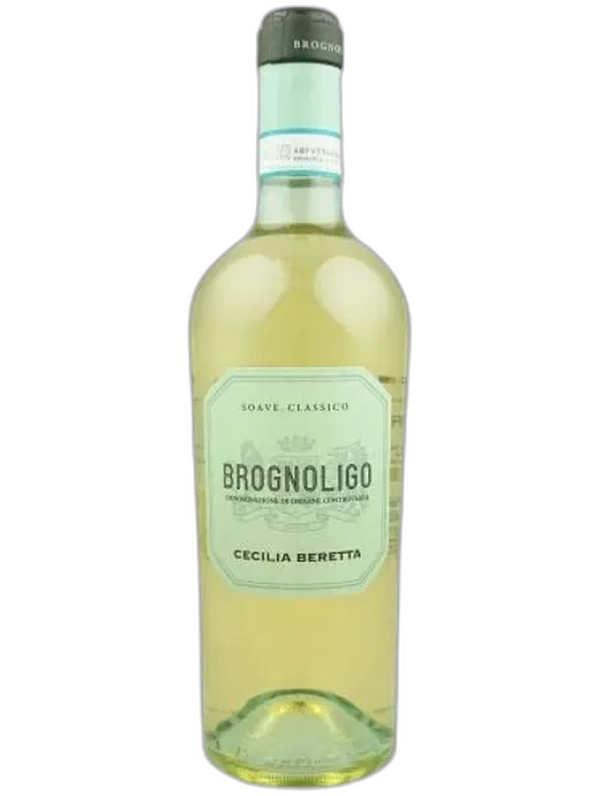
Soave Classico DOC Brognoligo Cecilia Beretta 2024
Cecilia Beretta's single-vineyard Soave Classico from the Brognoligo hill: 100% organic Garganega off 45-year-old pergola vines, late-ripened on the cane and finished with a little French oak. Chamomile, orchard fruit and a savoury almond close.
View Wine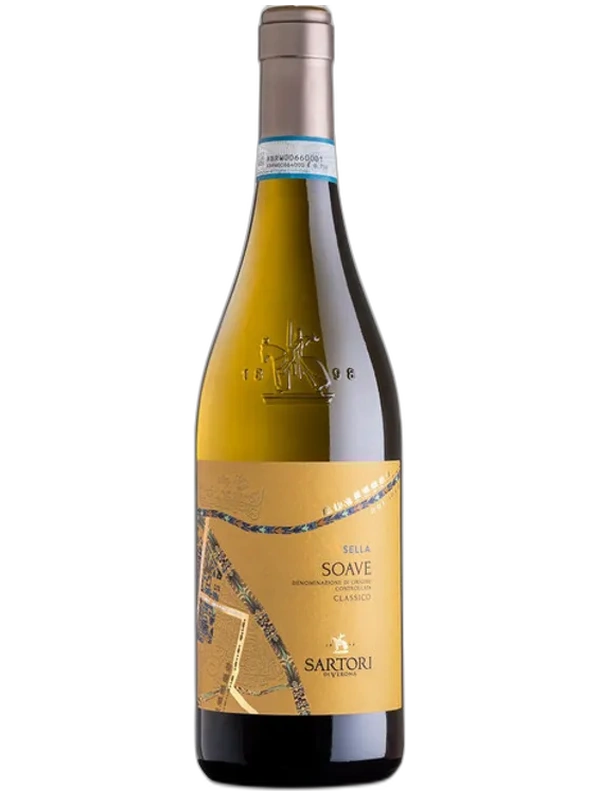
Soave Classico DOC Sella 2025
Sartori's Sella is a Soave Classico off the volcanic-basaltic hills east of Verona, 90% Garganega with Trebbiano di Soave. Steel and concrete ageing keeps it dry, mineral and saline, with pear, white peach and a bitter-almond finish at 12.5%.
View Wine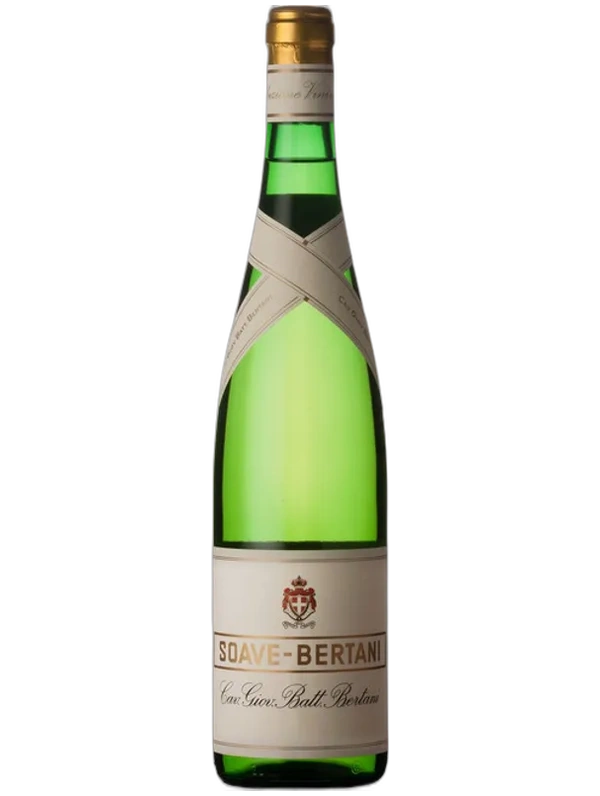
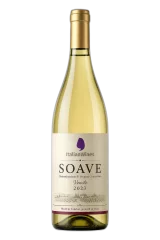
Soave Vintage 2023
View Wine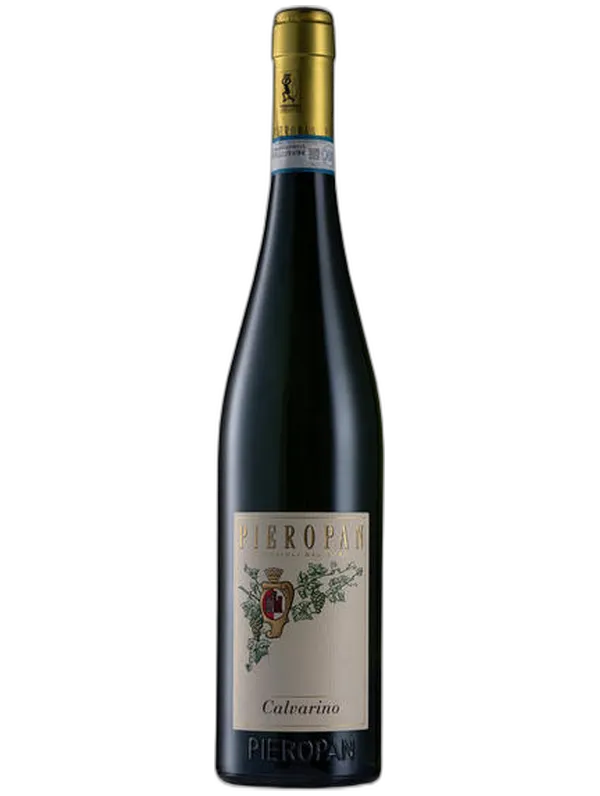
Soave Classico Calvarino Pieropan 2024
Pieropan's Calvarino proved Soave can age. Garganega and Trebbiano di Soave on basalt give a saline, almond-scented white with citrus drive and a stony finish. A benchmark single-vineyard Soave Classico, fine young and better at five years.
View Wine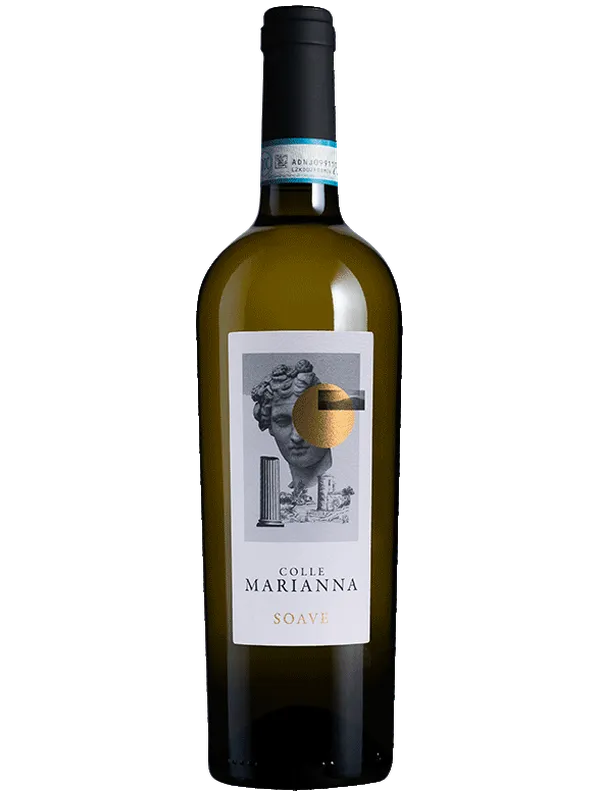
Colle Marianna Soave 2025
A dry Soave from Garganega, made by Antonio Fattori of Terrossa, in the province of Verona. Pear, apricot and lemon, with a creamy feel and a stony finish. At 11%, it suits fish and shellfish.
View WineUse Italian Geography as a Restaurant Shortcut
Regional headings are useful because they turn a long list into smaller conversations. In Piedmont, a choice between Barolo and Barbera is also a choice between Nebbiolo's firm structure and Barbera's brighter, more immediate fruit. A diner who says “Piedmont, but softer than Nebbiolo” has already given the sommelier a strong brief.
In Tuscany, Sangiovese provides a familiar centre of gravity, but producer and place still matter. Move to Sicily and the list may swing from taut Etna Bianco based on Carricante to the darker fruit of Nero d'Avola. Sardinia offers another direction through Vermentino and Cannonau. These are shortcuts, not flavour laws: altitude, coast, grape and cellar choices can overturn any simple north-versus-south rule.
If the map itself feels unfamiliar, Italy's wine zones give the deeper picture. At the table, keep the method lighter. Pick a region whose style you have enjoyed, name the dish, and ask for one familiar bottle plus one regional alternative. That gives the sommelier room to surprise you without ignoring what you already know you like.
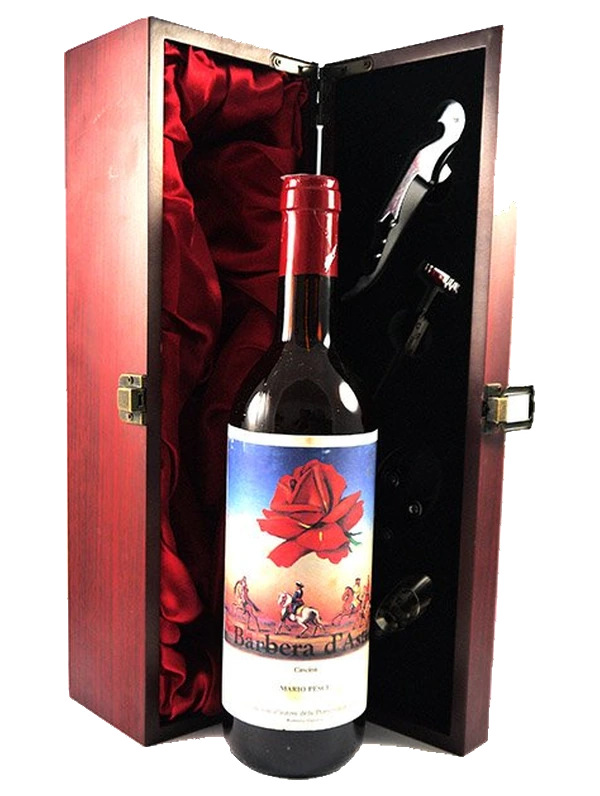
Mario Pesce Barbera d'Asti 1968
Barbera d'Asti from the 1968 harvest, carrying the name of Mario Pesce of Antica Casa Vinicola Scarpa, the Nizza Monferrato house that first took Barbera seriously. Fully mature and gently caramelised: a birth-year gift in a wooden gift box.
View Wine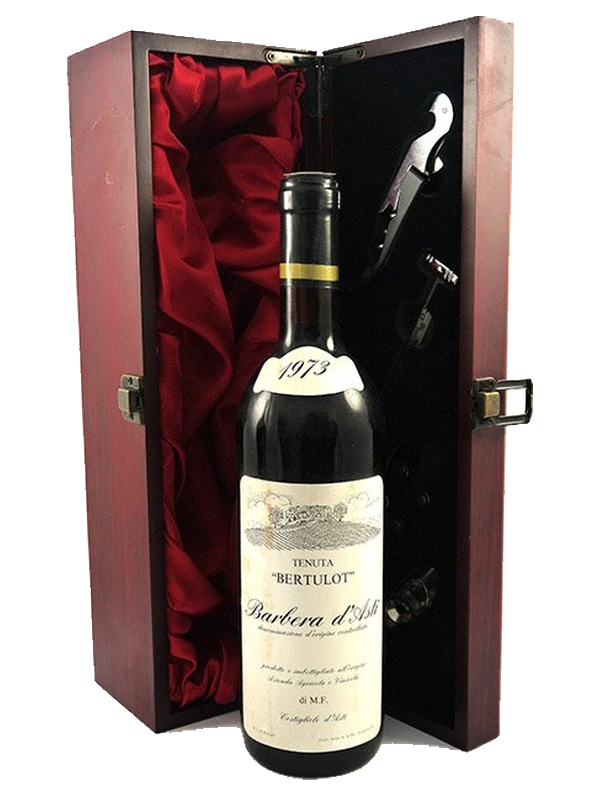
Tenuta Bertulot Barbera d'Asti 1973
Estate-bottled 1973 Barbera d'Asti from Tenuta Bertulot, a vanished Costigliole d'Asti grower. Fifty years on it is all dried cherry, leather and herbs on a gentle frame. Ships in a silk-lined wooden gift box: a ready-made 1973 birth-year present.
View Wine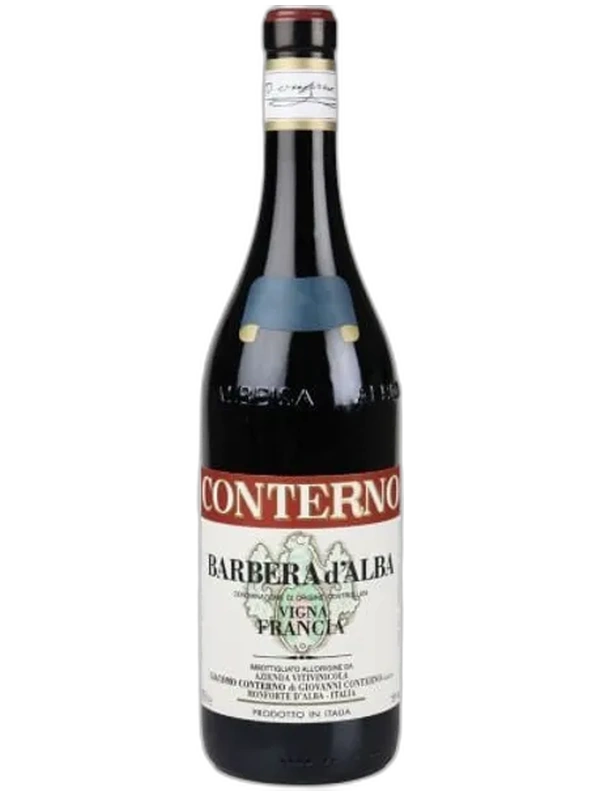
Barbera d'Alba Francia Giacomo Conterno 2023
Giacomo Conterno's Barbera comes from the Cascina Francia vineyard in Serralunga d'Alba, the limestone-rich, salty site behind Monfortino. About 20 months in large casks build a deep Barbera of dark cherry, violet and licorice over bright acidity.
View Wine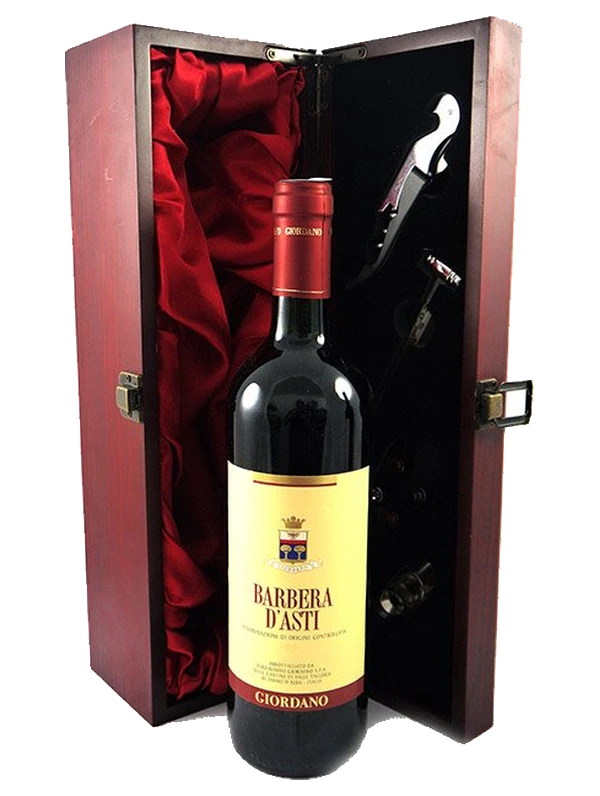
Giordano Barbera d'Asti 2006
A 2006 Barbera d'Asti from Giordano, the Diano d'Alba mail-order house founded in 1900. Twenty years on it is dried cherry, tar and leather over Barbera's fresh acidity, shipped in a silk-lined wooden gift box: a ready-made birth-year present.
View Wine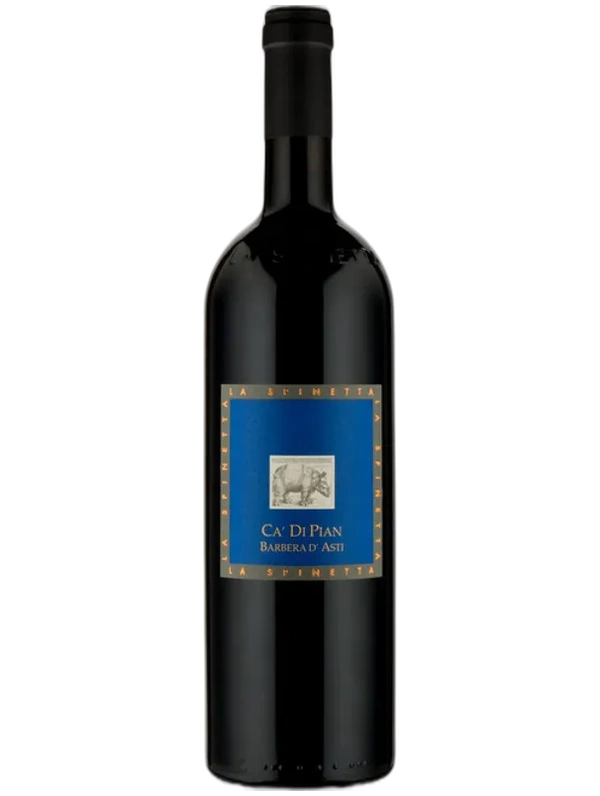
Barbera d'Asti Superiore DOCG Organic 2024
La Spinetta's organic Ca' di Pian comes from old Barbera vines near Castagnole delle Lanze: dark-fruited and supple, blackberry and cherry over gentle French-oak vanilla. Bright Piedmontese acidity suits tomato pasta, braised veal and hard cheese.
View Wine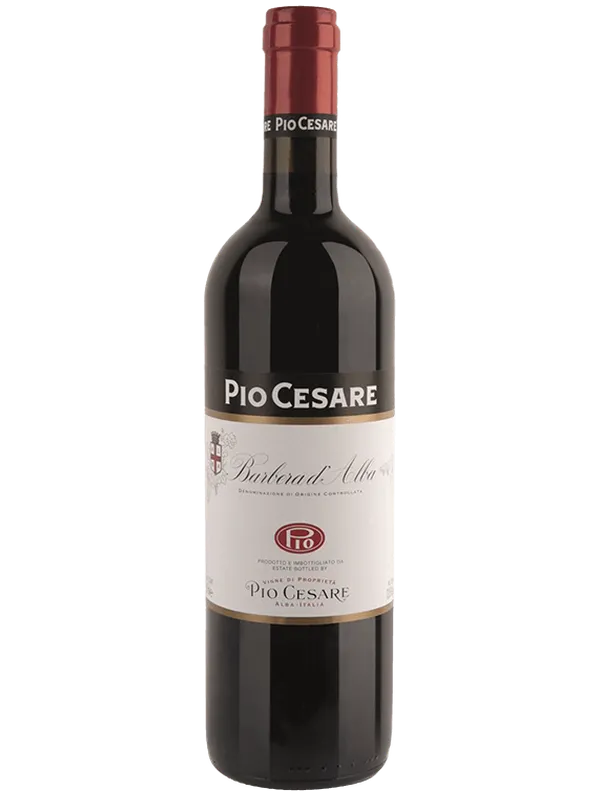
Barbera d'Alba 2024
A benchmark Barbera d'Alba from the historic Alba house Pio Cesare. Bright Langhe acidity and soft, oak-rounded tannins frame black cherry, plum and spice. A versatile, food-first red for tomato pasta, salumi and Alba truffle dishes near 20 pounds.
View WineAsk the Sommelier Questions That Narrow the Choice
“What do you recommend?” is generous but too open. A better question contains four pieces of information: the dishes, a price ceiling, a style preference and how adventurous the table feels. Try: “We are sharing sea bass and mushroom risotto, prefer freshness to obvious oak, and would like to stay near £55. Which two bottles would you compare?” The answer should become specific very quickly.
Use contrasts if wine vocabulary feels awkward. Say “closer to Soave than Chardonnay”, “more Barbera than Barolo”, or “savoury rather than sweet-fruited”. If you want to understand the structural difference, our guide to what firm tannins feel like explains why a young Nebbiolo may need food while a softer red works more easily across the table. A useful sommelier will translate your preference, not test your terminology.
Treat unfamiliar shorthand the same way. If the list marks orange wines, ask how long the skins stayed with the juice and whether the result is gently textured or firmly tannic. If a bottle is described as natural or low-intervention, ask what that means for its flavour and stability in this cellar. The term alone is not a tasting note.
Find Value Without Recognising Every Name
Price is a boundary, not a flavour description. State a comfortable range early and ask where the list is deepest within it. A restaurant that buys closely from one region may offer more interest in its lesser-known names than in famous bottles carried for reassurance. That is often where a specific producer, sensible vintage and attentive storage matter more than prestige.
Look for alternatives that preserve the part you actually want. If Barolo exceeds the budget, ask for a Nebbiolo-based wine with less ageing or a juicy Barbera from the same region. If a famous Super Tuscan exceeds the budget, compare it with other Toscana IGT bottles from producers the restaurant knows well. If you want southern depth without the most famous label, Aglianico can offer savoury structure from Campania or Basilicata.
By-the-glass choices reveal where the restaurant has confidence and turnover. They are useful for comparing two regions, matching different courses or avoiding a full bottle that only suits one dish. Ask when the bottle was opened and whether a smaller taste is possible before committing. Value is not simply the lowest bottle price; it is the wine that arrives in good condition, fits the food and leaves no one wishing the table had chosen differently.
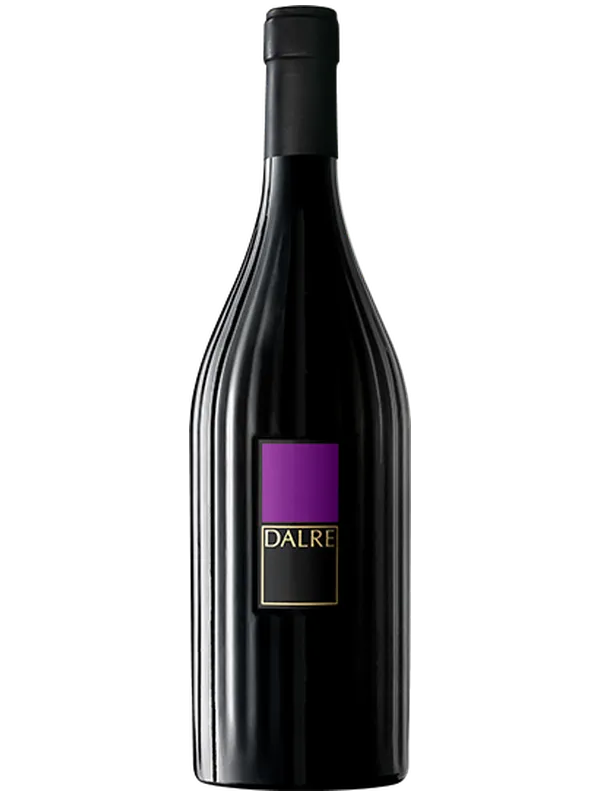
Aziende Agricole Feudi di San Gregorio Aglianico dal Re 2022
A pure Aglianico from Feudi di San Gregorio's 4-hectare Vigneto dal Re in Irpinia, aged six months in French barriques. Black cherry, liquorice and sweet spice frame unusually soft tannins: a characterful Campanian red for red meat and baked pasta.
View Wine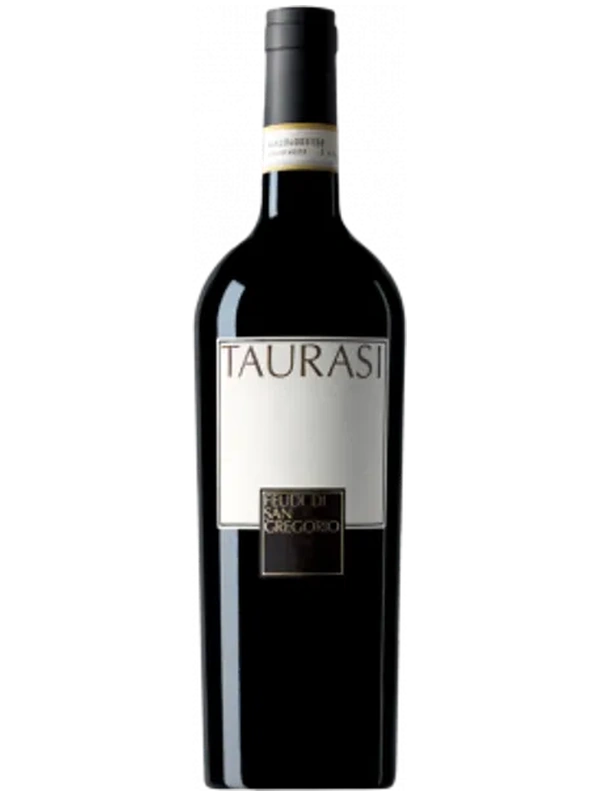
Taurasi - Feudi San Gregorio 2021
Taurasi DOCG from Feudi di San Gregorio, pure Aglianico off Irpinia's volcanic and clay soils. Aged 18 months in French oak: sour cherry, cinnamon and sweet tobacco over firm tannins. The Barolo of the South, built for red meat and the cellar.
View Wine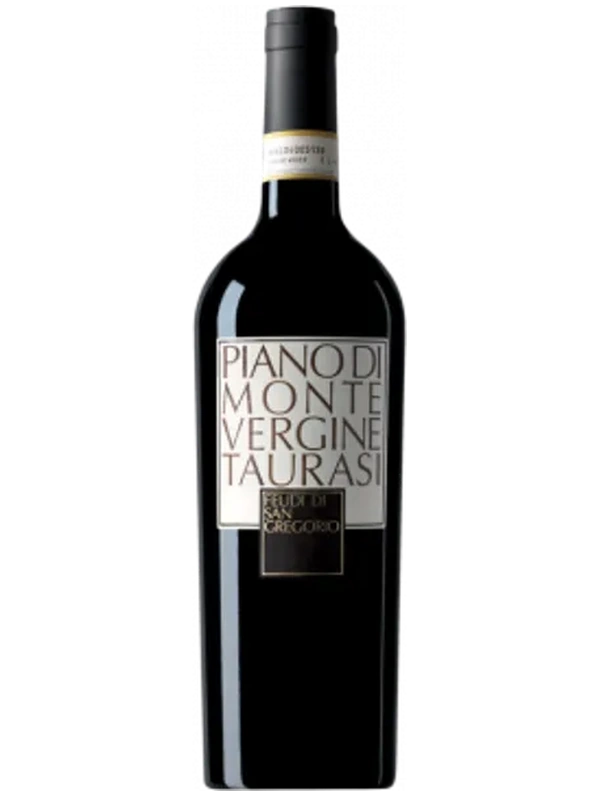
Piano di Montevergine - Taurasi Riserva - Feudi San Gregorio 2018
Feudi di San Gregorio's flagship Taurasi Riserva: 100% Aglianico from the Piano di Montevergine cru in Irpinia, aged in French oak and botti. Blackberry, plum and balsamic spice frame firm tannins built to cellar. From about £34.
View Wine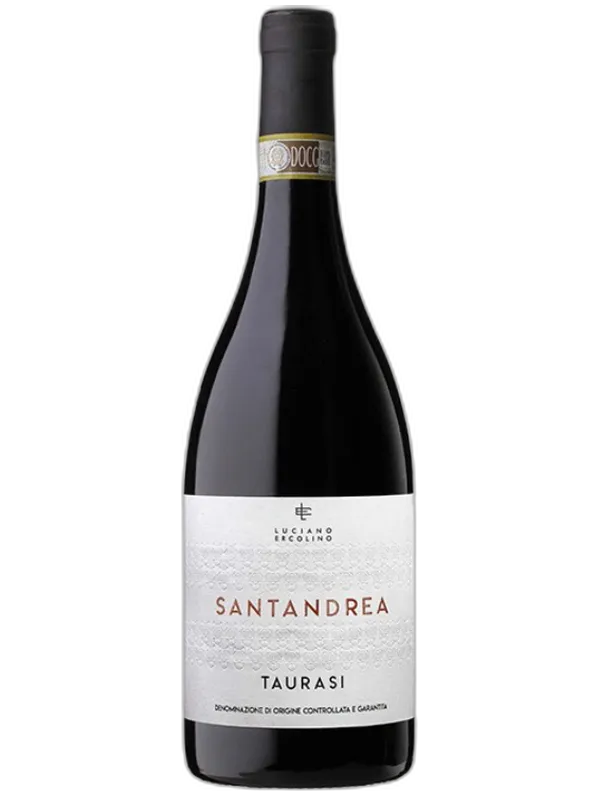
Taurasi DOCG 'Santandrea' 2020
Vinosia's Santandrea is pure Aglianico from Paternopoli, matured 14 months in first-use French oak then 20 more in bottle. Expect marasca cherry, black pepper and velvety tannin; the 2020 sells in the UK by the six-bottle case.
View Wine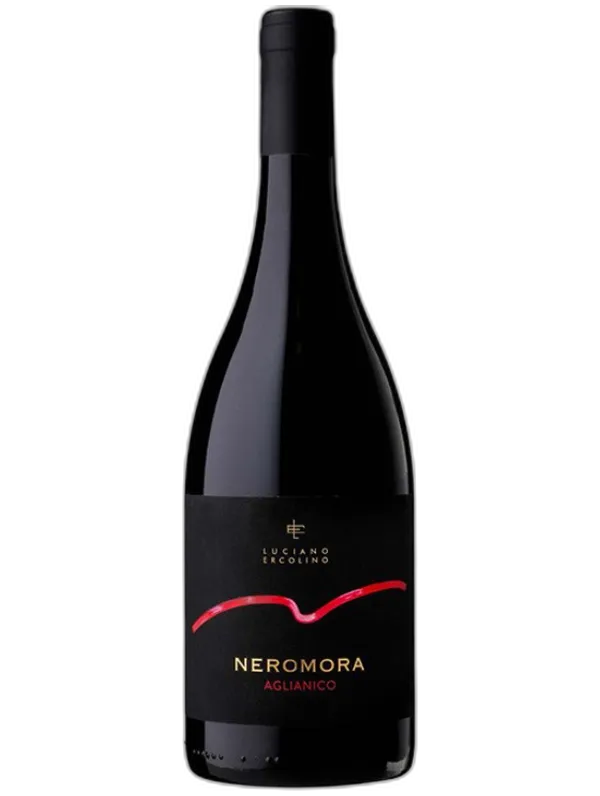
Irpinia Aglianico DOC 'Neromora' 2022
Vinosia's barrel-aged Irpinia Aglianico DOC from the hills around Paternopoli: blackberry, plum, vanilla and delicate liquorice over smooth, polished tannins. The Ercolino family's earlier-drinking southern red, about £16 in the UK.
View Wine
Irpinia Campi Taurasini DOC Aglianico Mattoda' Fonzone 2021
View WineAvoid the Traps and Make the Final Choice
The first trap is treating classification as a medal table. DOCG, DOC and IGT tell you about protected origin and production rules, not whether the wine will suit your plate or please your table. Riserva, Classico and Superiore can matter, but their rules vary between denominations. They are reasons to ask what changes in that particular wine, not commands to order the more expensive line.
The second trap is assuming familiar words guarantee a familiar style. A red can sparkle, as Lambrusco proves, and a sweet wine can range from lightly sparkling Moscato d'Asti to concentrated passito. If the final course deserves its own glass, the guide to Italian dessert wines sets out the main traditions without forcing the table into one answer.
For a final fallback, return to three decisions: glass or bottle, fresh or structured, familiar or adventurous. Name the dish and budget, then ask for two choices rather than one. If both sound right, choose the producer or region that makes you more curious. Confidence at the table does not come from recognising every Italian name. It comes from turning a long list into a short, honest conversation.
Frequently asked questions
Start with the headings, not a translation. Identify glasses versus bottles, then colour, region, producer, vintage and price. Place names such as Barolo or Soave may name the wine rather than the grape, so use Italy's wine zones for orientation, then open a regional guide such as Sardinia if the list is arranged geographically. Ask the server which word identifies the producer. You need enough information to compare two bottles, not a complete Italian vocabulary.
Tell the sommelier what the table is eating, the pound range you want to stay within, one style you enjoy and whether you want familiar or adventurous. “Fresh, little obvious oak, around £55, for seafood pasta” is more useful than asking for the best bottle. The beginner's food-and-wine pairing guide can help you identify which feature of the dish matters most. Mention a bottle you liked before if you know its name.
No. DOCG, DOC and IGT describe protected origin and production frameworks; they do not guarantee that one bottle tastes better or suits your dish. A well-made Soave DOC may be a better match for seafood than a powerful DOCG red, however prestigious. Producer, vintage, storage, serving and food fit still matter. Use the guide to DOC, DOCG and IGT for the formal distinctions, then ask what the designation changes in the specific wine you are considering.
Order by the glass when diners have very different dishes, you want to compare regions, or the meal moves from delicate to powerful flavours. A bottle suits a table sharing related dishes and usually creates a more settled pace. Check the listed measure and ask when the bottle was opened. Browse the range of sparkling wines if one opening glass can serve as a common starting point before everyone chooses separately.
Barbera or a young Sangiovese is often more flexible than a heavily structured red because both bring useful acidity to the table without demanding the richest dish. The right answer still depends on the food, so use the red wines guide to compare body and structure, then ask whether the restaurant's example is youthful and fresh or shaped by longer ageing. Avoid calling any bottle universally safe. When dishes clash, the meat pairings can show whether the richest plate truly needs more structure; glasses may still be wiser.