

Italian Wine Pairings for Pasta
Pasta is the perfect blank canvas for a multitude of sauces and hundreds of wine pairings. There are so many colours, flavours and textures in pasta, each calling for its vinous twin! The sauce is the key element in every pasta recipe. It determines the wine pairing. For example, with tomato-based recipes, light-to-medium bodied reds with good fruit and bright flavours are a fantastic choice. With more delicate recipes, such as dishes involving seafood or shellfish, pick crisp whites with tension and finesse. There is no need to guess anymore what wine goes with what pasta: follow our tips below and learn the best matches to any pasta dish!
The secret to pairing wine with pasta lies not in the pasta shape itself, but in the sauce. Read more
Quick Facts
Grape colour mix
Rules of Engagement
The Do's
-
01
Match Sauce to Wine
A rich ragù needs a structured red, while a light aglio e olio pairs beautifully with crisp whites.
-
02
Consider the Cheese
Pecorino-heavy dishes love Sangiovese; cream-based sauces work with lighter whites.
-
03
Think Regional
Pair Ligurian trofie al pesto with Vermentino, Roman cacio e pepe with a Frascati.
The Don'ts
-
01
Avoid Heavy Reds with Seafood Pasta
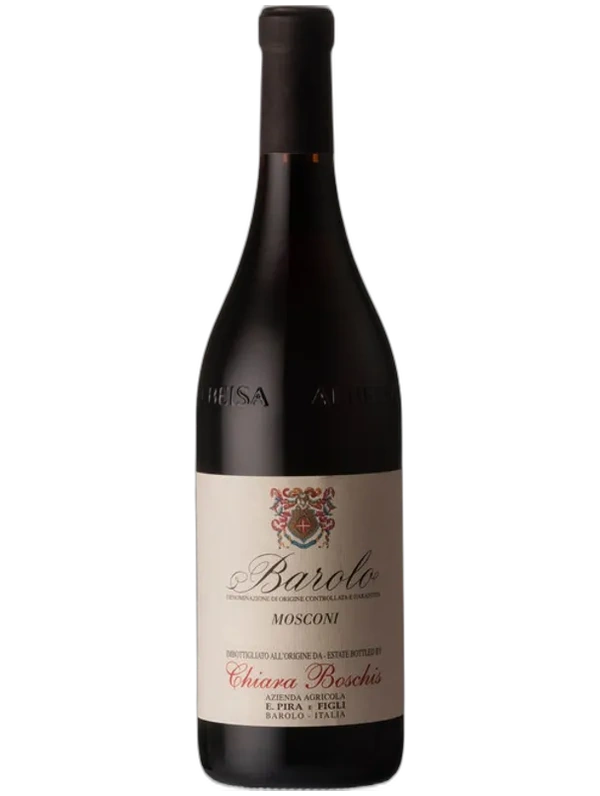
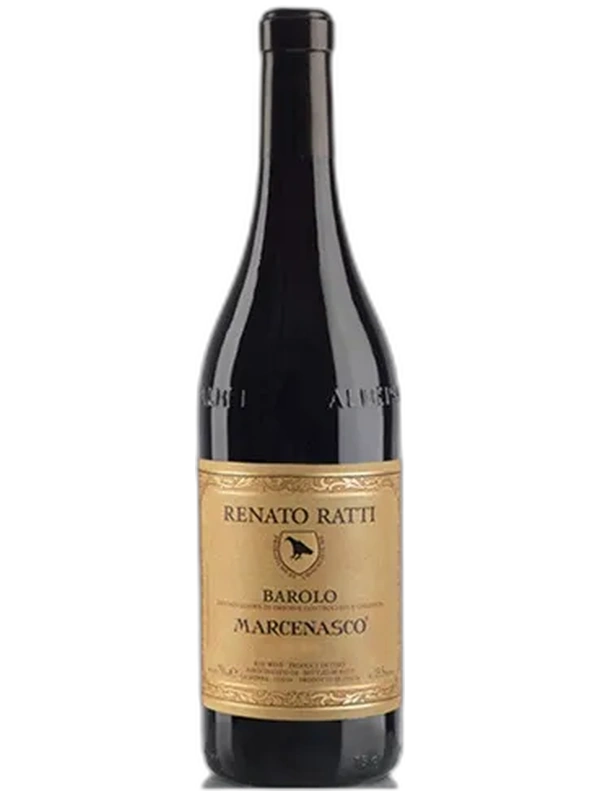
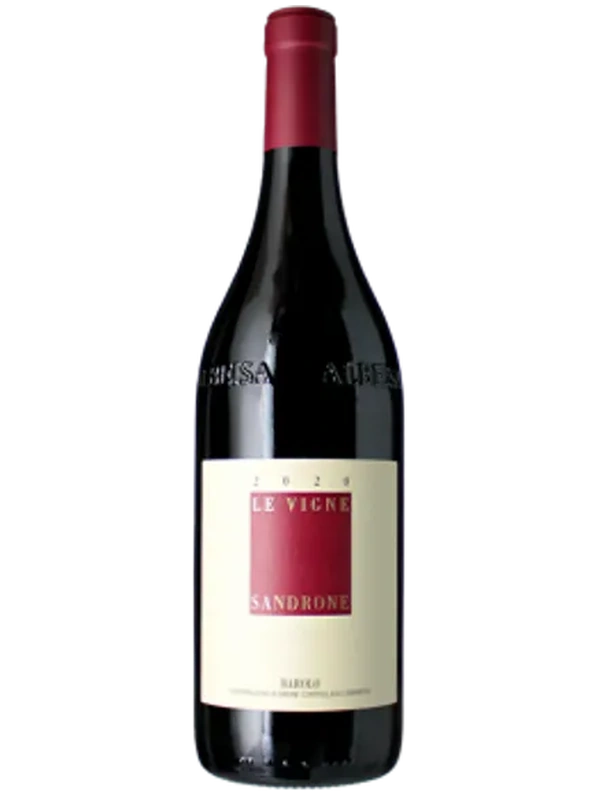
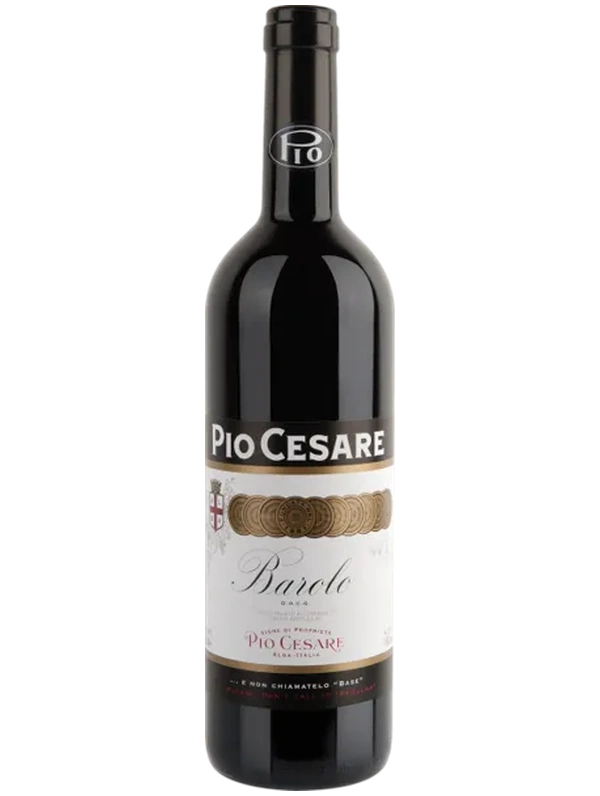
A spaghetti alle vongole will clash with a tannic Barolo; keep it light and crisp.
-
02
Skip Oaked Whites with Tomato
Oak and tomato acidity fight each other. Unoaked whites or reds work better.
-
03
Do Not Overcomplicate It
Simple pasta shapes with simple sauces need simple, honest wines.
Pairings for Italian Pasta
Showing 1–10 of 29 dishes
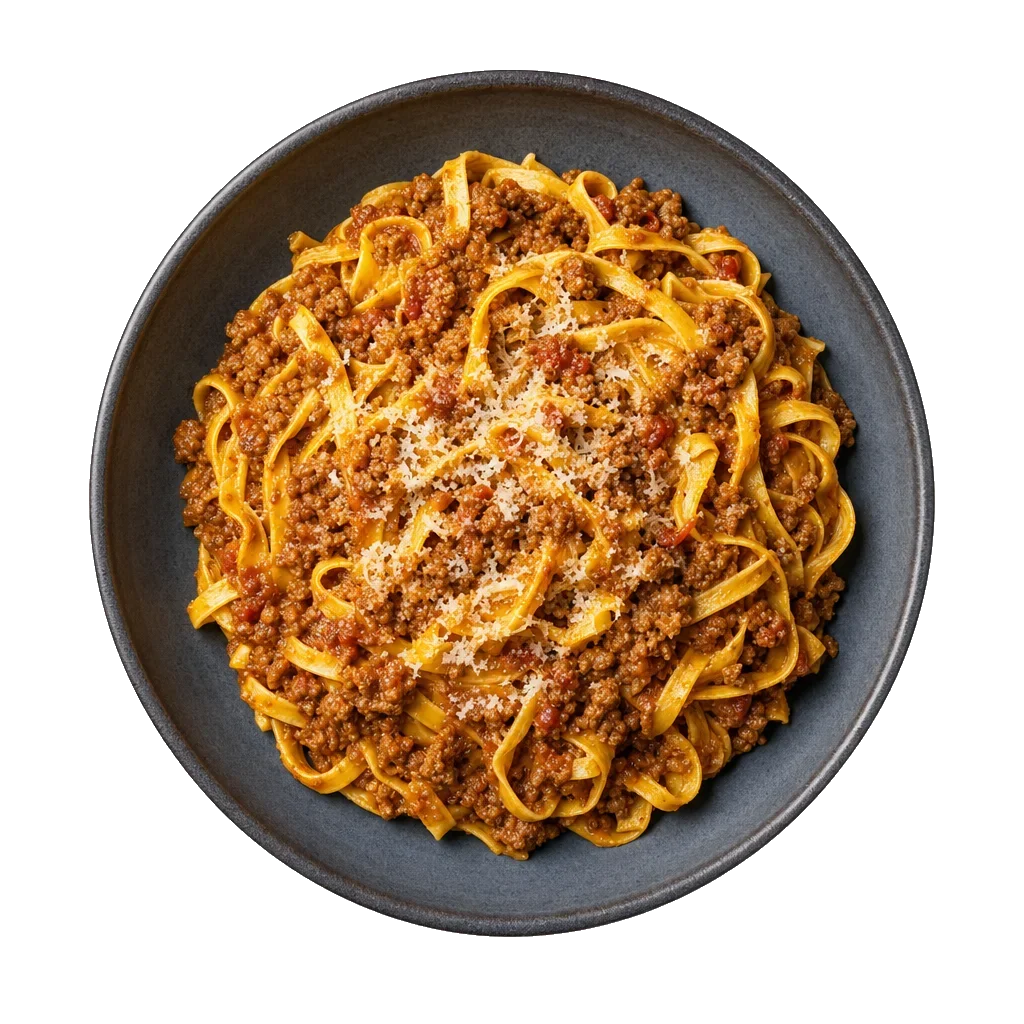
Ragu alla bolognese (Ragu alla bolognese)
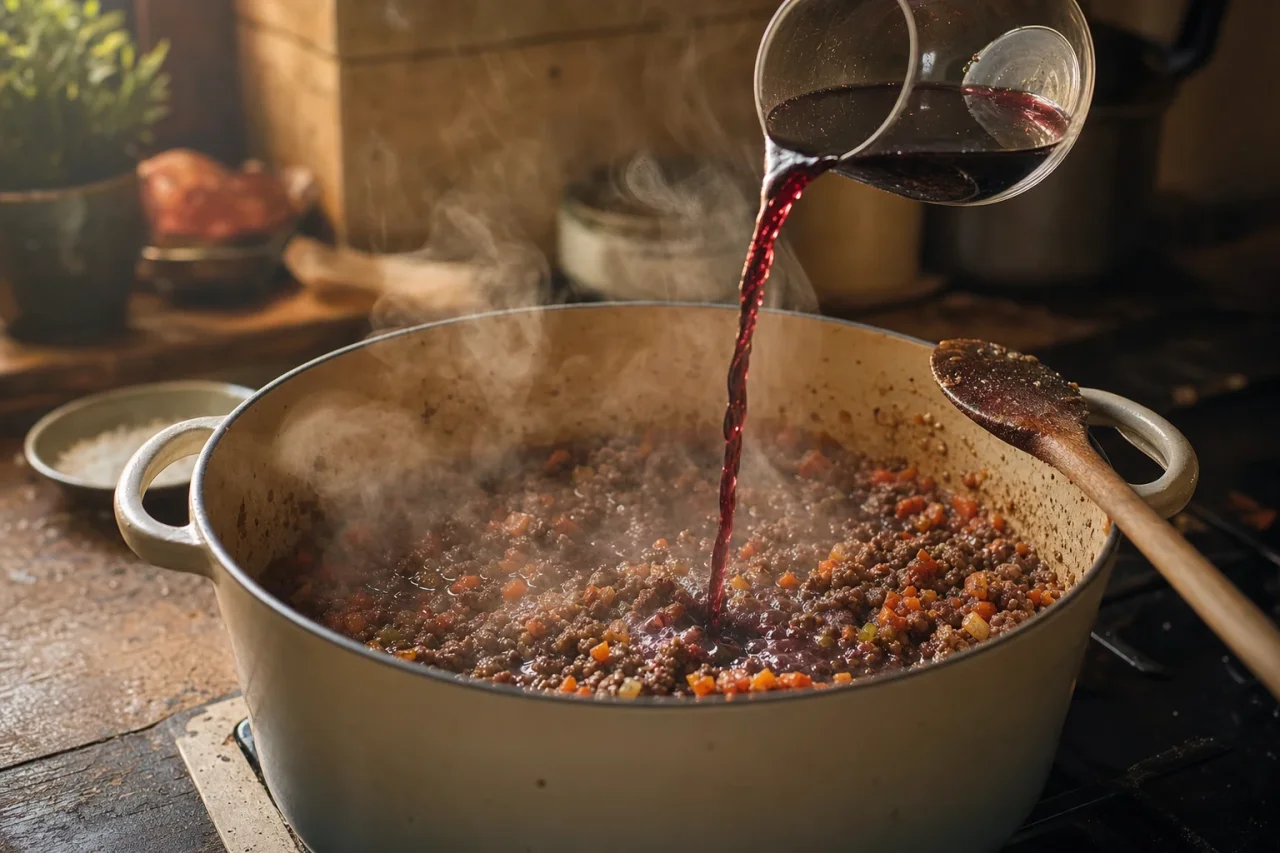
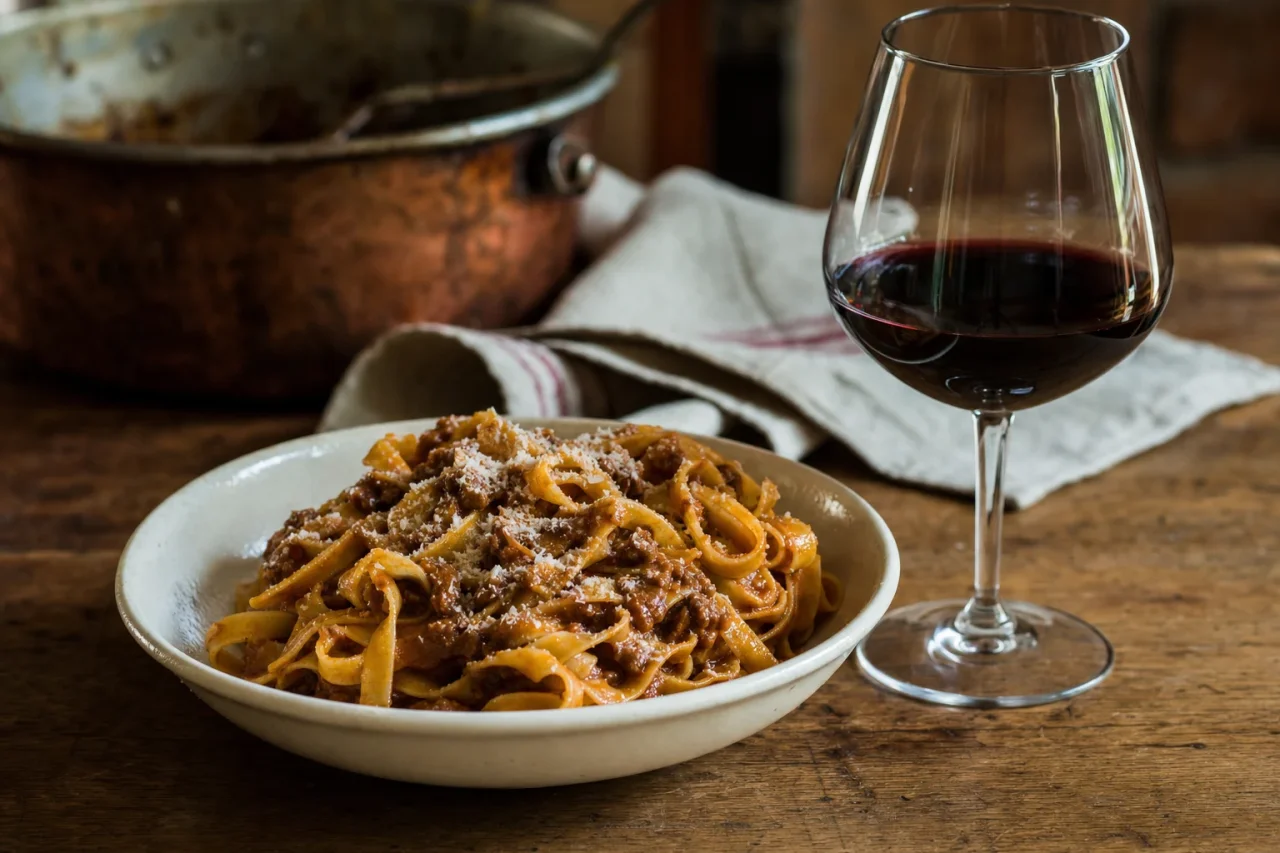
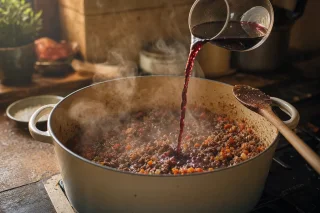
Bologna's ragu is a slow braise, not a tomato sauce. Beef and fresh pork pancetta soften into onion, carrot and celery, a glass of wine cooks away completely, a little tomato follows, and optional milk goes in halfway. Two to three hours, served with tagliatelle. Spaghetti is a foreign habit. The sauce sets three demands at once: acidity to cut the pork fat, weight to meet the meat, and gentle tannin. A dry Lambrusco served cool is the local answer, Sangiovese the reliable one, Barbera the high-acid alternative. Full guide: the best red wine for bolognese, in the pan and in the glass.
Perfect grape varieties
Also worth trying
Appellations to explore
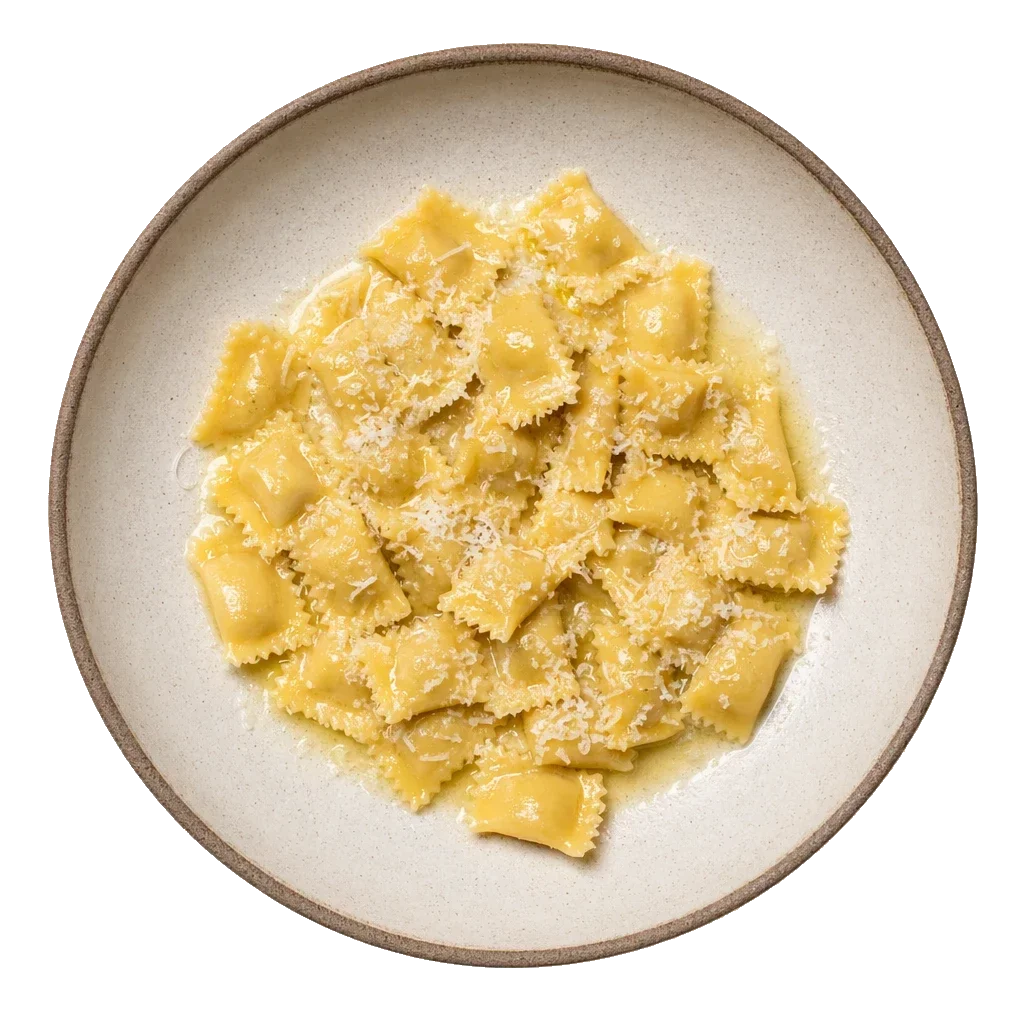
Agnolotti del Plin
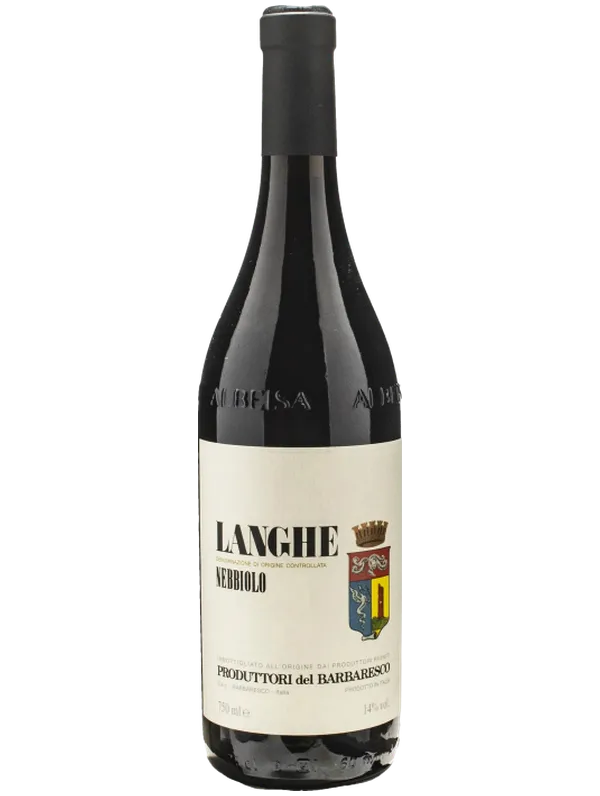
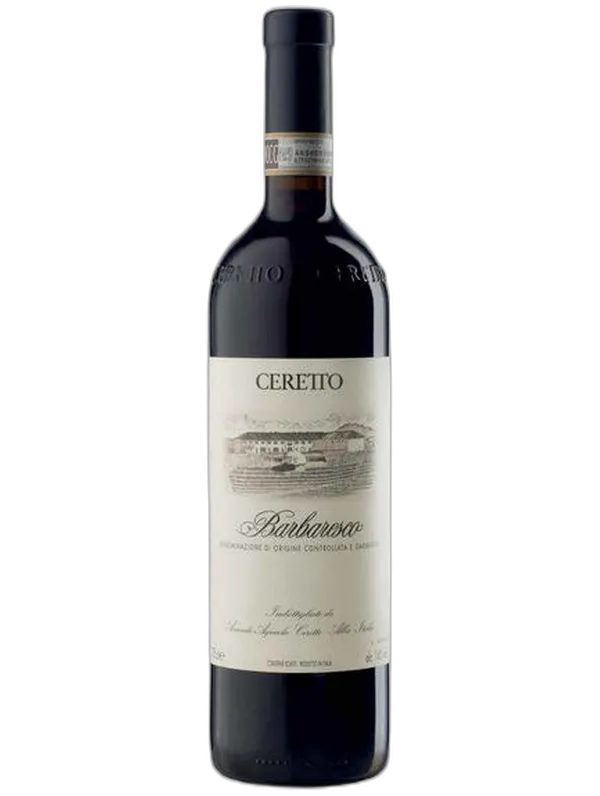
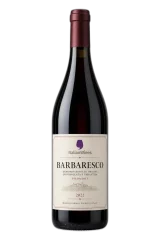
Agnolotti del Plin are the Piedmontese pinched ravioli, thimble-sized egg pasta parcels filled with roast veal, pork and cabbage. The plin is the pinch done by pinky and thumb; Langhe housewives still shape them by hand. A young Barbaresco DOCG or Barbera d'Alba DOCG answers the filling; Roero Arneis DOCG is the white alternative when served in broth.
Appellations to explore
Anelletti al forno
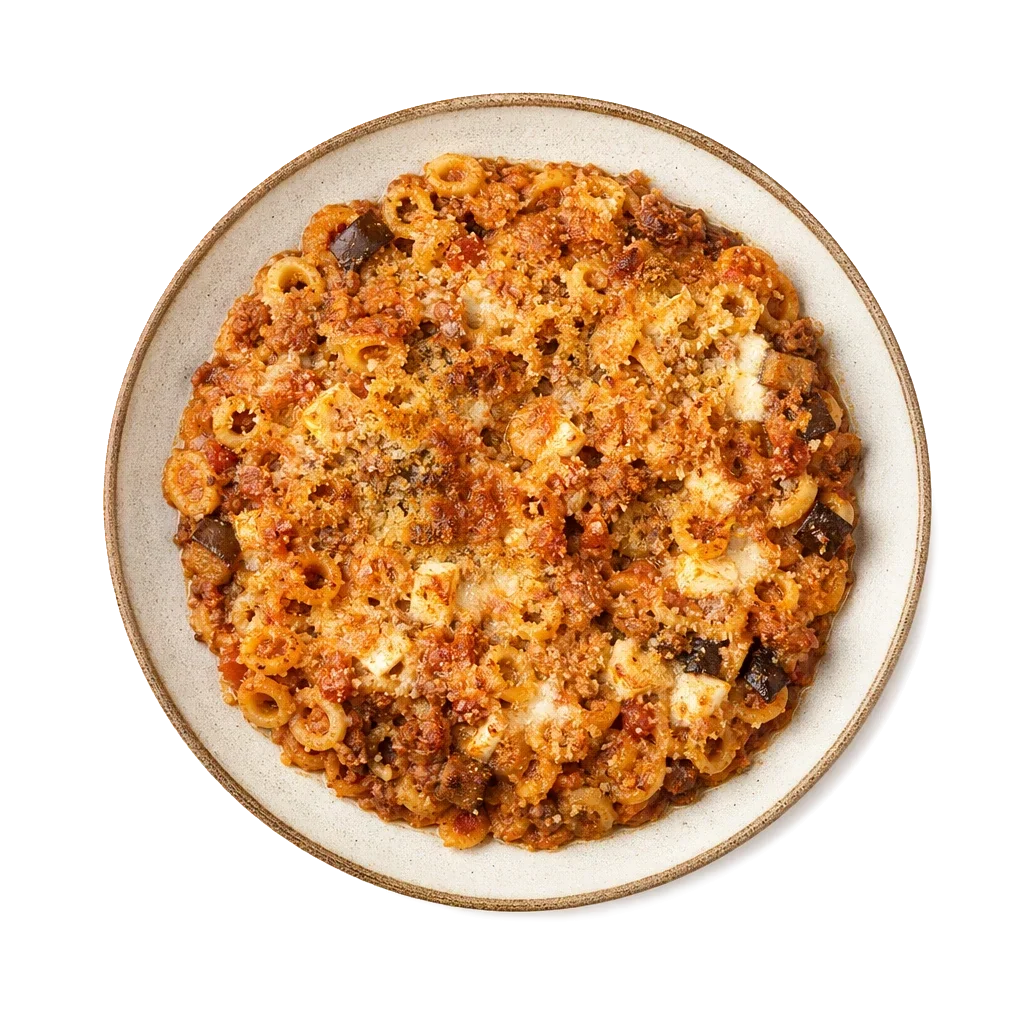
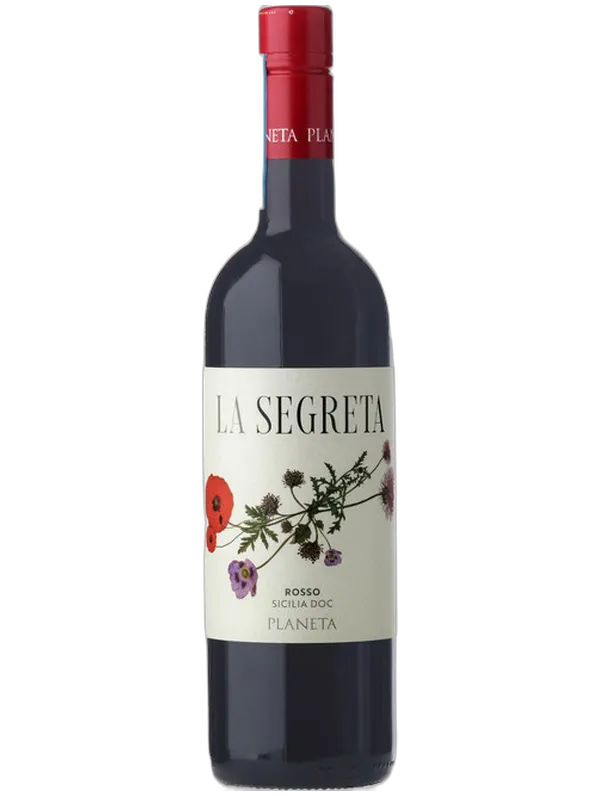
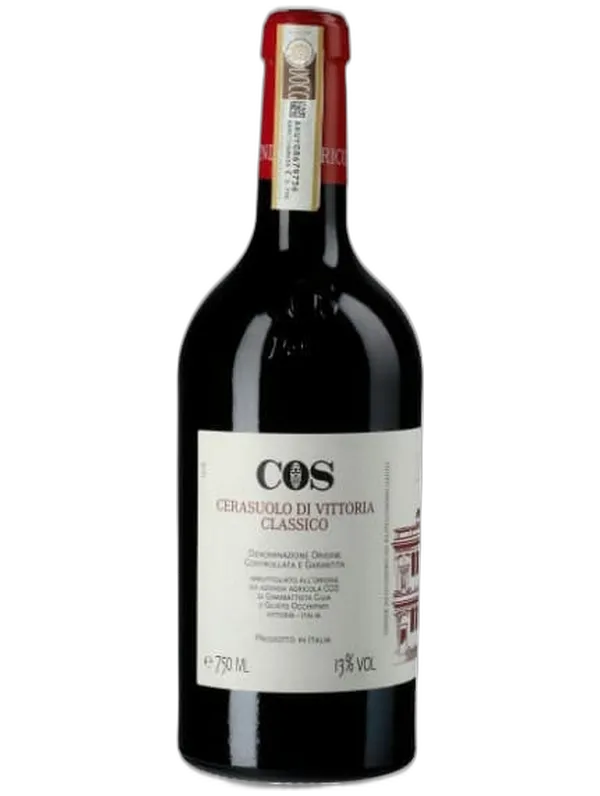
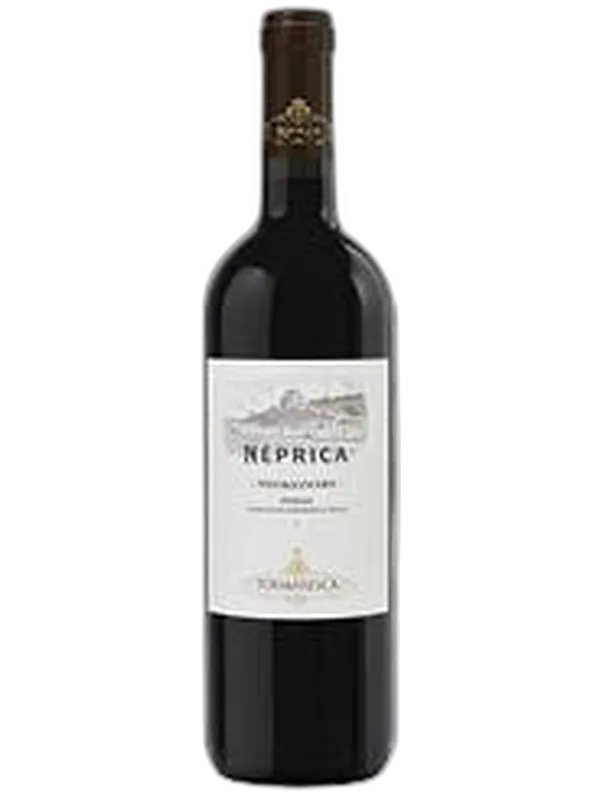
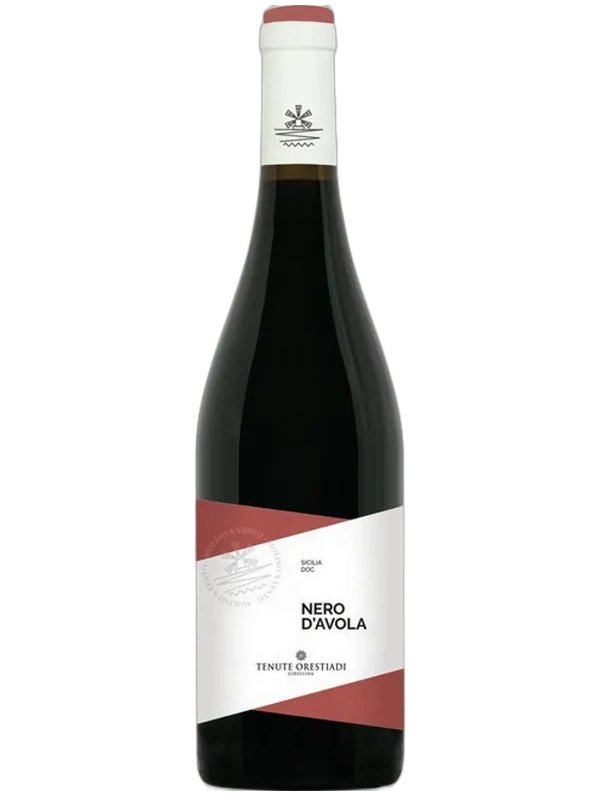
Anelletti al Forno is Sicily's ring-pasta bake, small pasta rings layered with meat ragù, aubergine, hard-boiled egg and caciocavallo. Palermitani make it; nonne guard the ratios. Nero d'Avola DOC from the southeast or Cerasuolo di Vittoria DOCG carries the ragù weight; Nerello Mascalese from Etna Rosso DOC lifts the dish when the aubergine is prominent.
Perfect grape varieties
Also worth trying
Appellations to explore
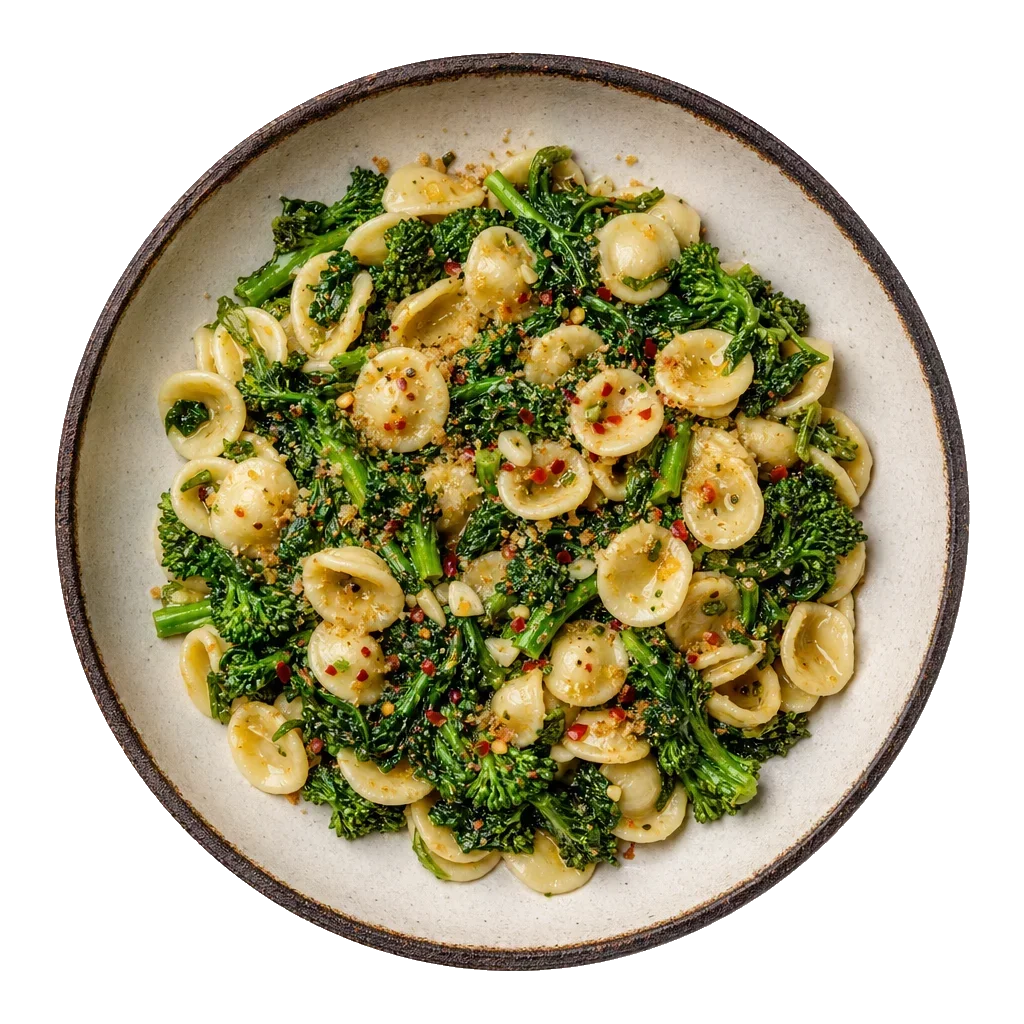
Apulian Orecchiette with Broccoli Rabe
Orecchiette con Cime di Rapa is a traditional dish from Puglia, featuring the slightly bitter taste of broccoli rabe paired with the starchy texture of orecchiette pasta. This dish is well-suited to light and crisp white wines that can complement the bitterness and enhance the flavors without dominating the palate. Italian white wines like Verdicchio, known for its mineral quality and crispness, Falanghina, with its pleasant floral and slightly spicy profile, or Fiano, with hints of nuts and herbs, are excellent choices. These wines offer a good balance of acidity, which is key to refreshing the palate when eating greens like broccoli rabe.These wines should be served chilled to enhance their refreshing qualities against the rich, green flavors of the dish. If you prefer a red wine, choosing a lighter, low-tannin red like Schiava or even a young Barbera could work, providing a fruity contrast without overwhelming the dish with heaviness or tannins.
Perfect grape varieties
Appellations to explore
Canederli
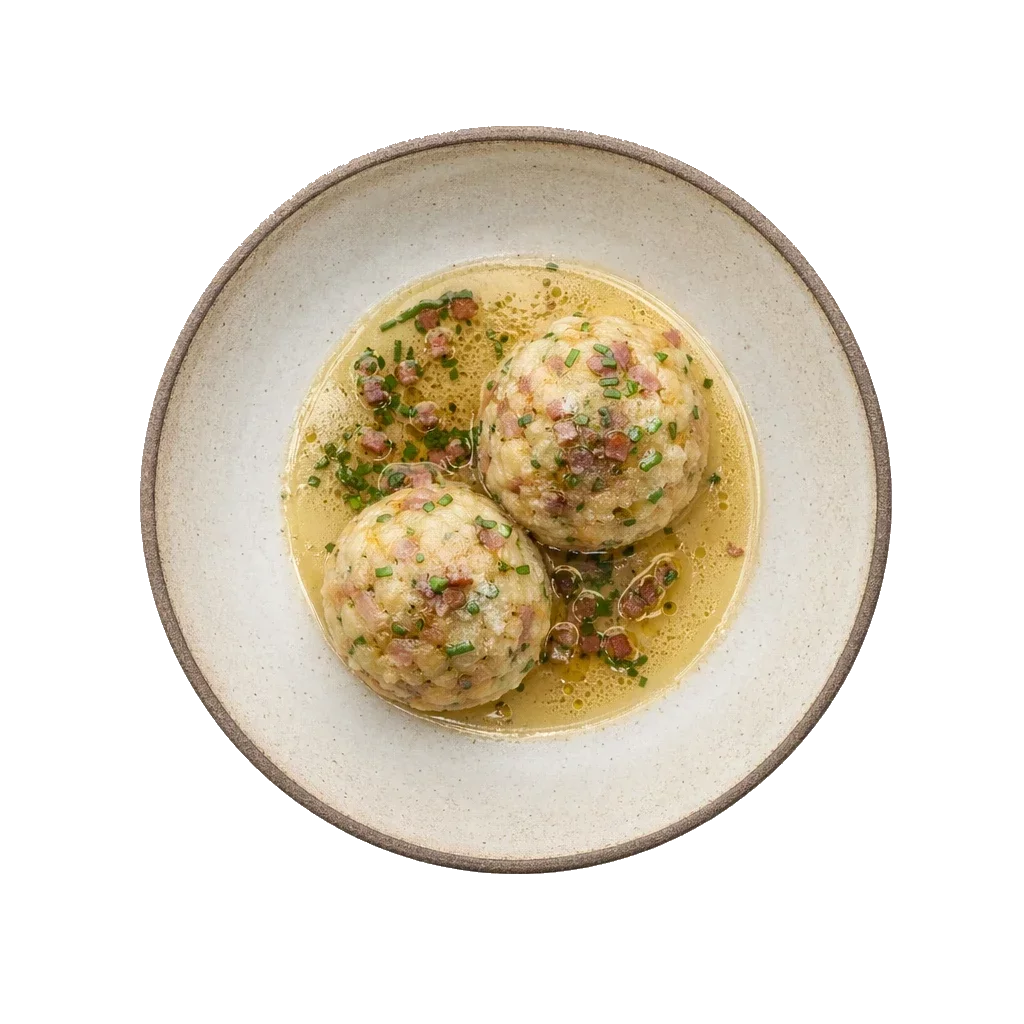
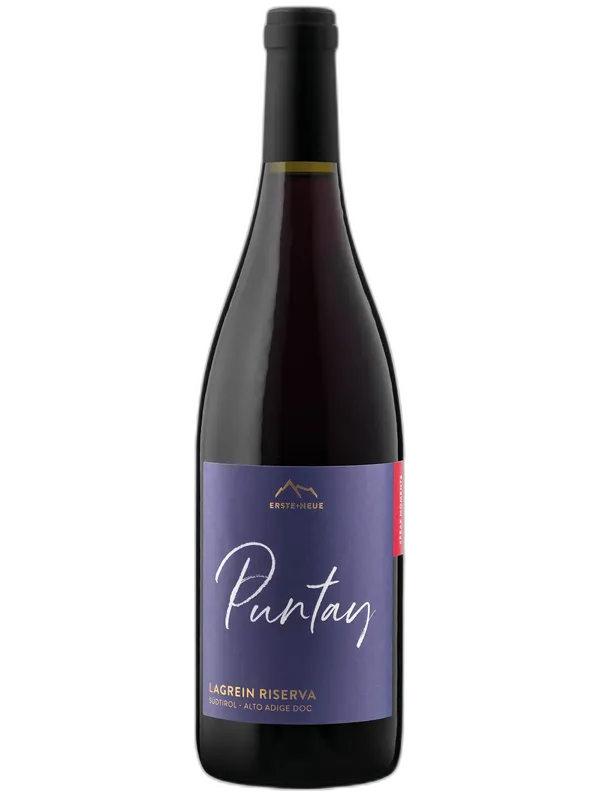
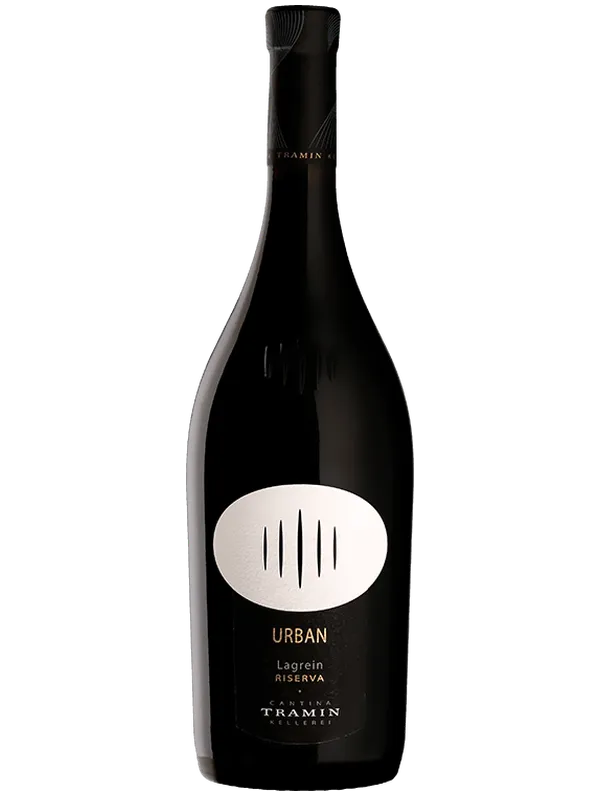
Canederli are the Trentino-Alto Adige bread dumplings, stale bread, speck and herbs bound with milk and egg, served in broth or browned butter. The dish is Sudtirol by formation, Austrian by ancestry. Lagrein from Alto Adige DOC or a St. Magdalener Schiava brings the local red; Pinot Bianco covers the broth version.
Perfect grape varieties
Also worth trying
Appellations to explore
Casoncelli (Casoncelli alla bergamasca)
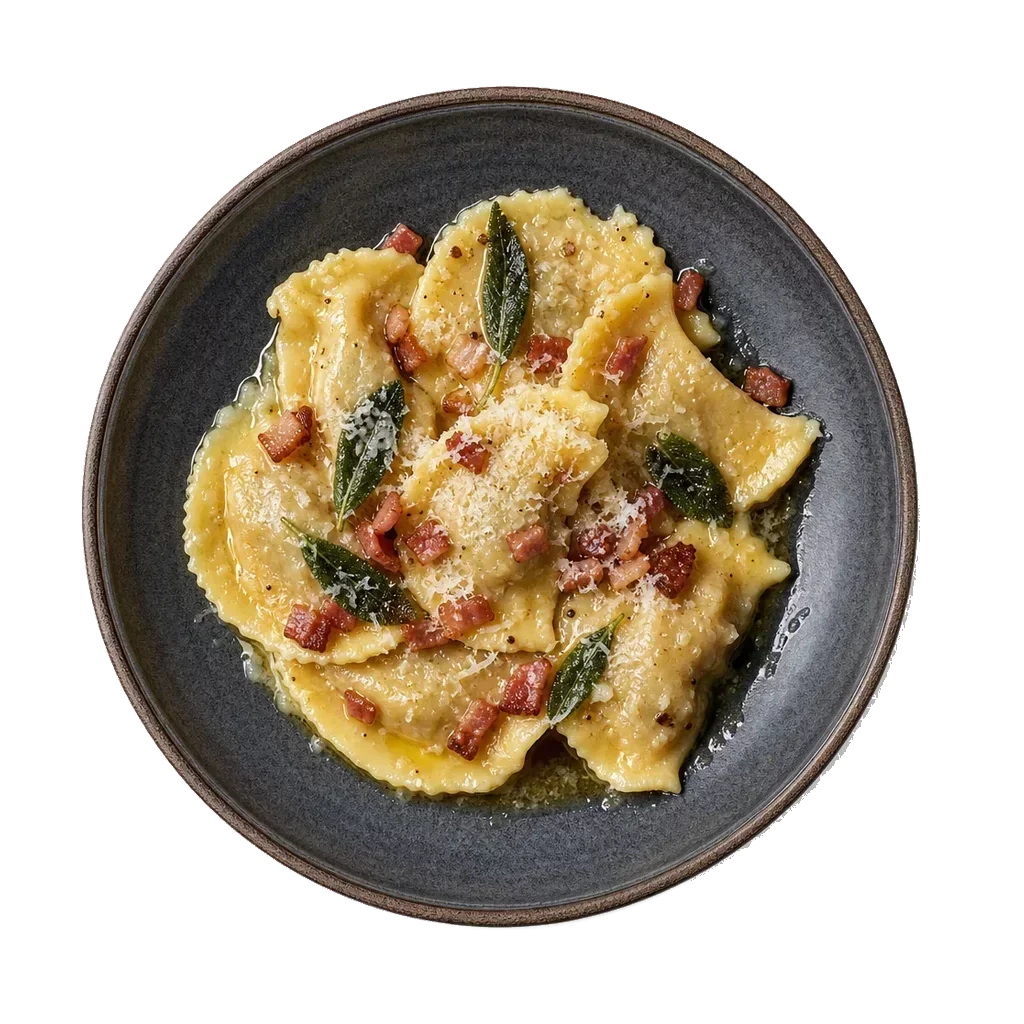
Crescent-shaped stuffed pasta from Bergamo, filled with beef, Grana Padano, amaretti biscuits, raisins, pear and breadcrumbs, dressed with butter, sage and pancetta. A Lombard Sunday primo. Pairs with Valcalepio Rosso or a structured Valtellina red.
Perfect grape varieties
Also worth trying
Appellations to explore
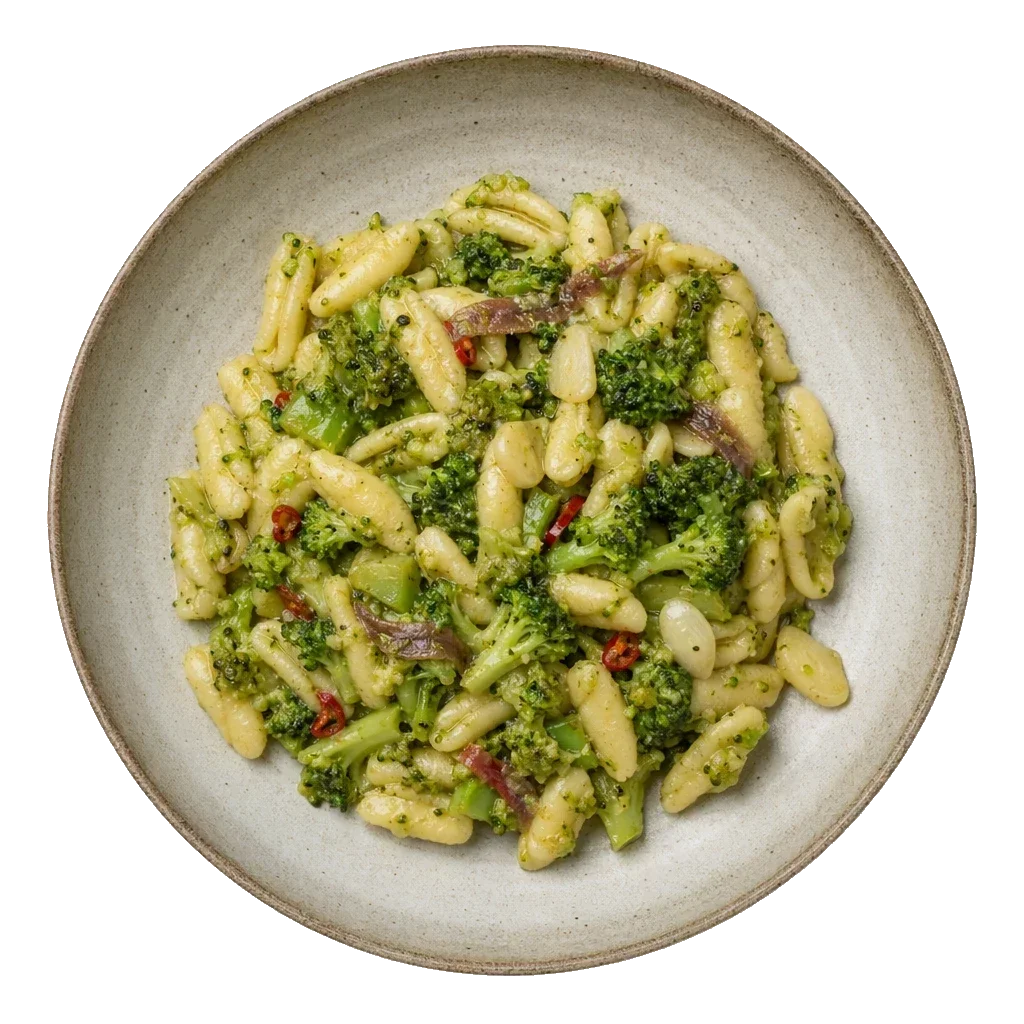
Cavatelli con broccoli
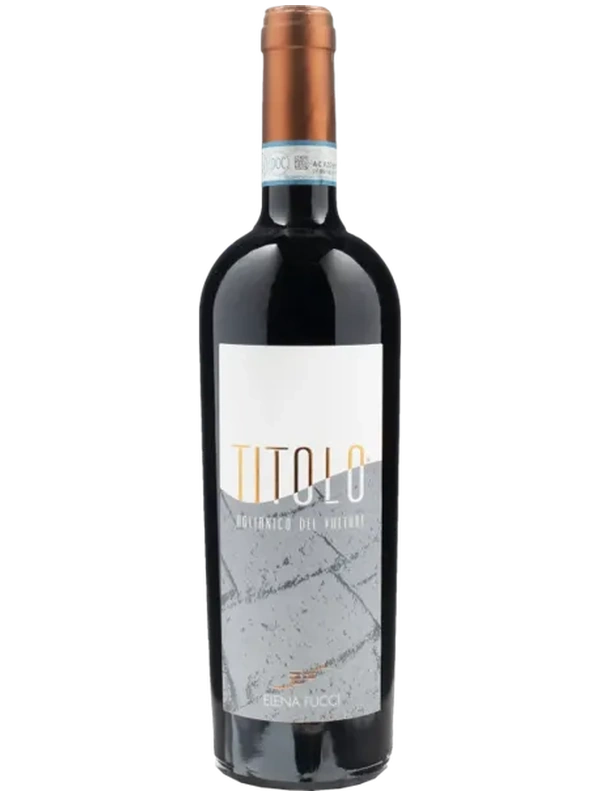
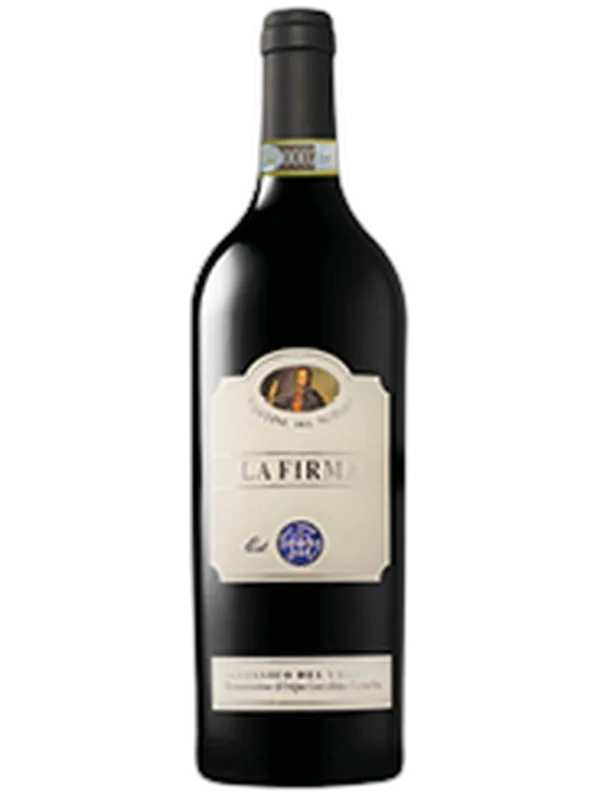
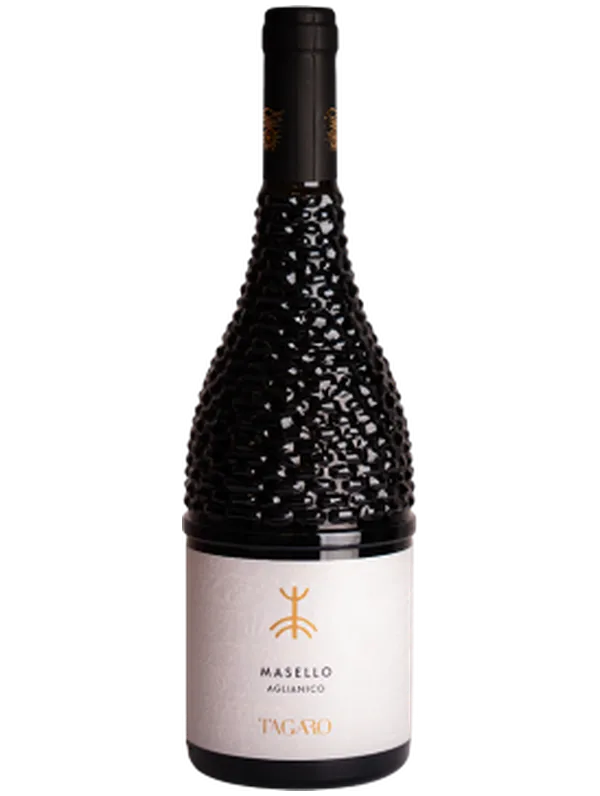
Cavatelli con Broccoli is the Basilicata-Puglia workers' pasta, hand-shaped cavatelli with broccoli florets, chilli, garlic and anchovy. The dish is monks' cooking from the Matera sassi. Aglianico del Vulture DOC brings the mountain backbone; Fiano di Avellino DOCG or Greco di Tufo DOCG hold the white line for lighter versions.
Appellations to explore
Cavatelli con Peperoni Cruschi (Cavatelli con peperoni cruschi)
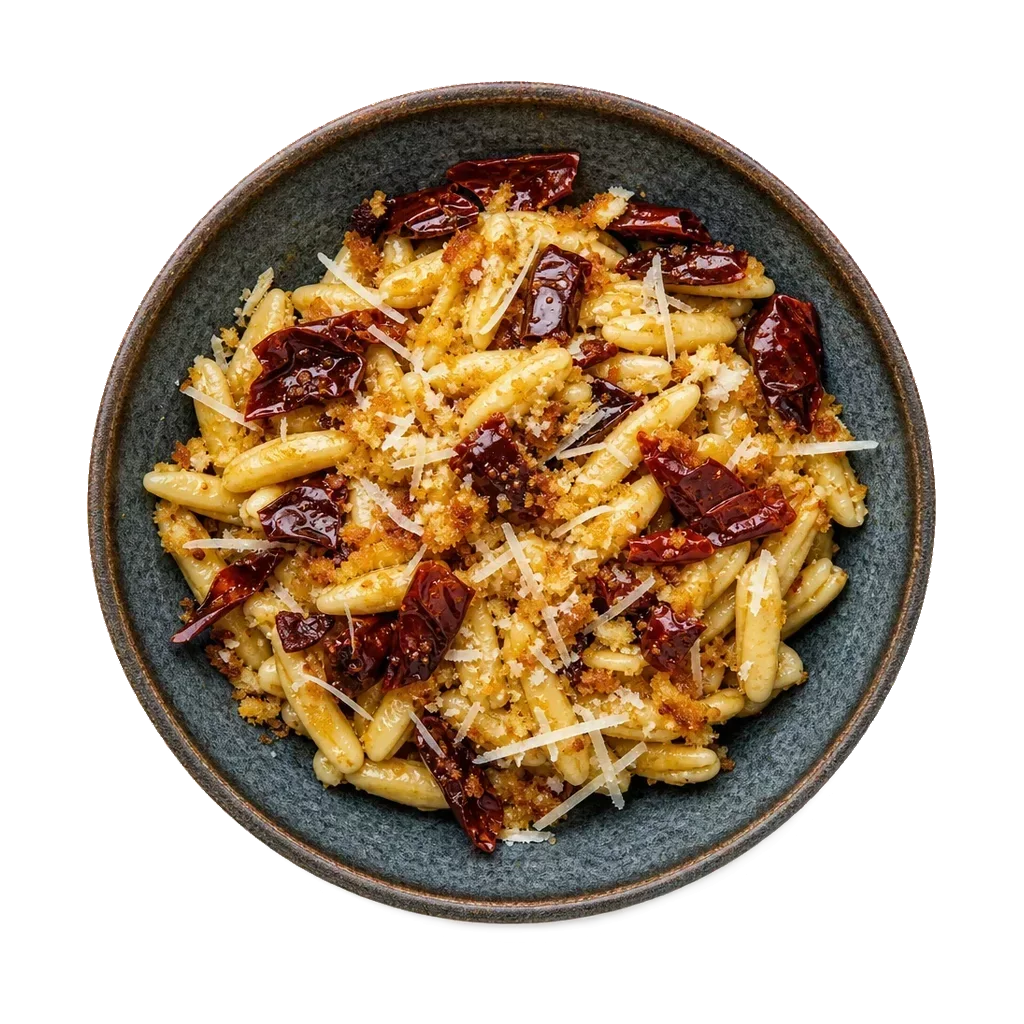
Hand-rolled cavatelli pasta tossed with crisped Senise peppers, breadcrumbs toasted in olive oil, and pecorino di Filiano. The signature primo piatto of Lucanian home cooking. Pairs with Aglianico del Vulture or a fresh Matera DOC red.
Appellations to explore
Ciceri e tria
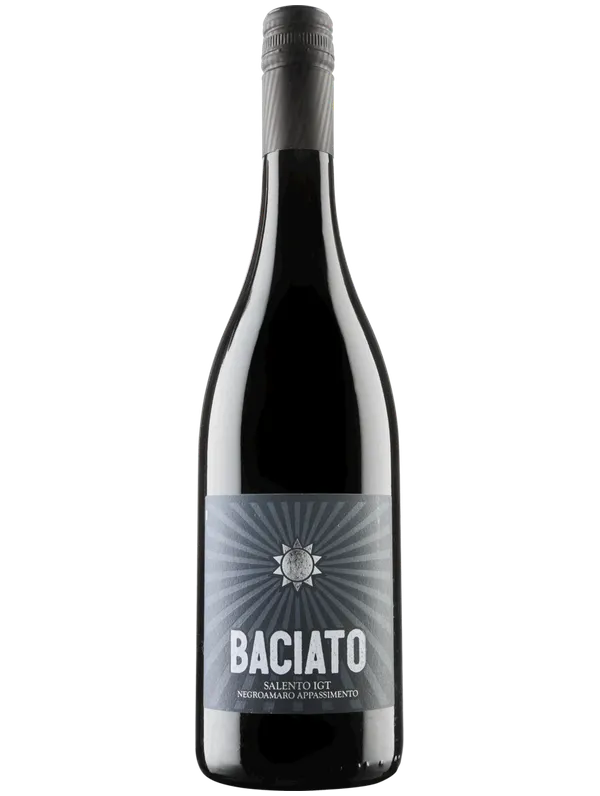
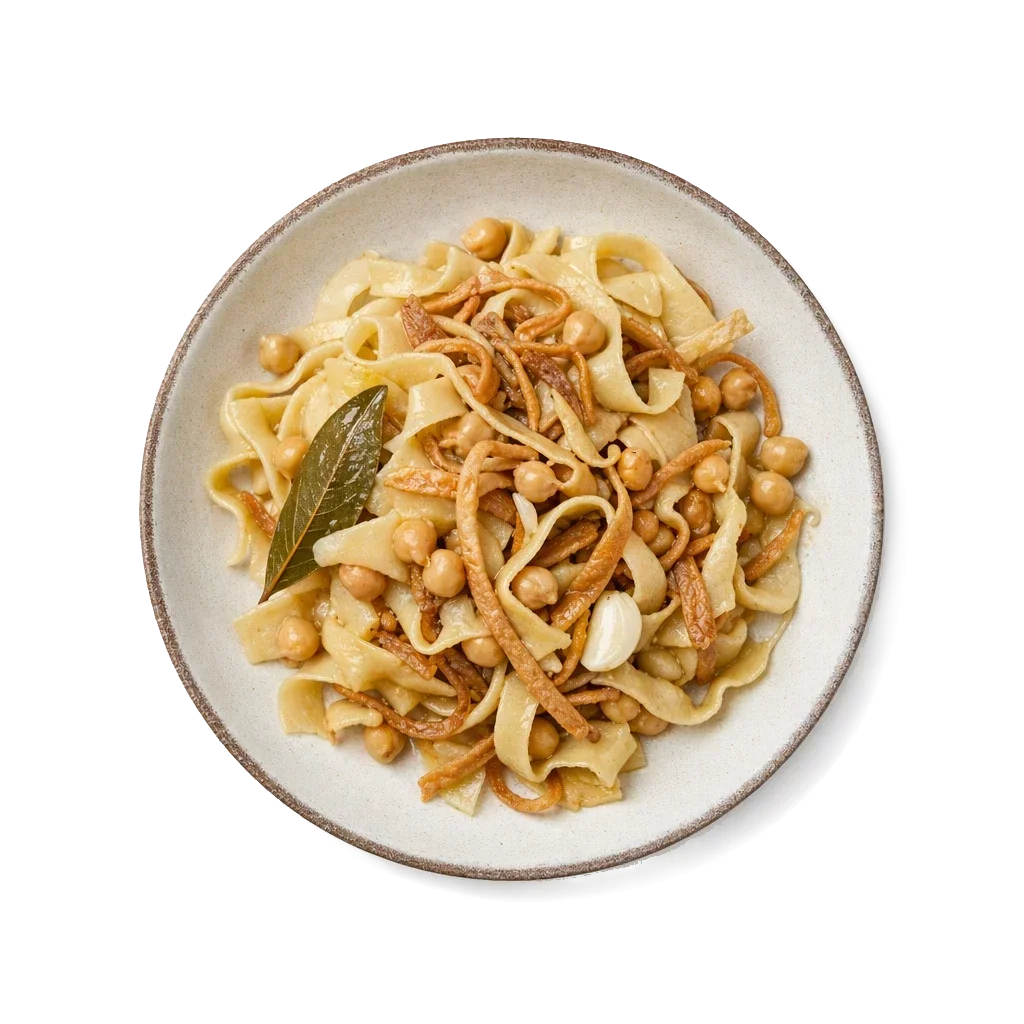
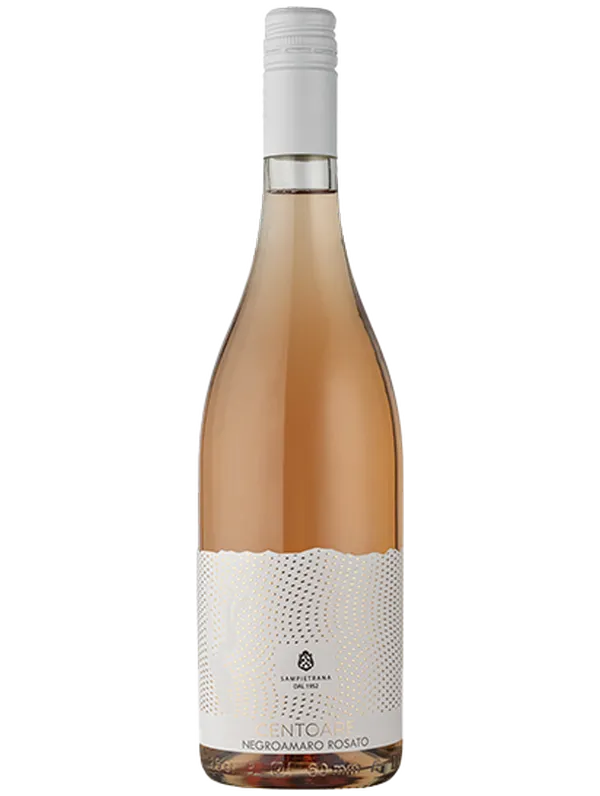
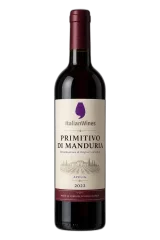
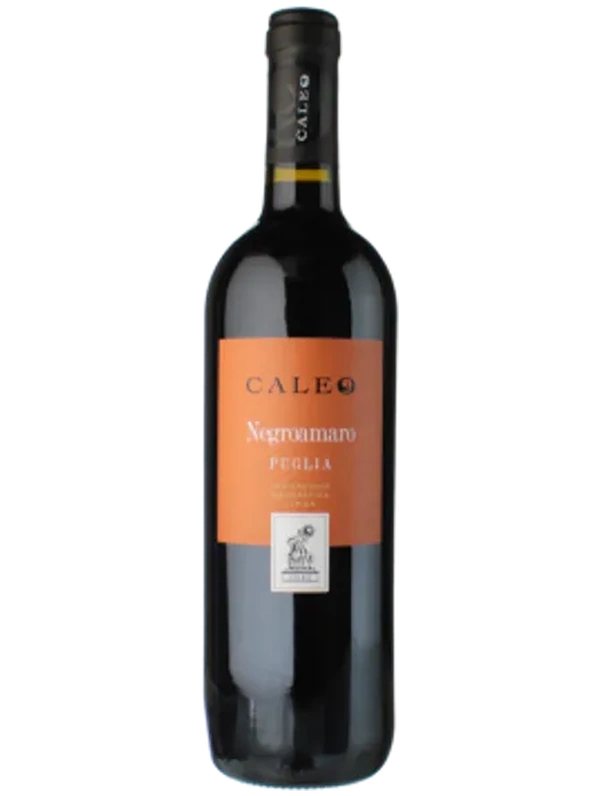
Ciceri e Tria is the Salento Christmas Eve classic, half the pasta boiled and half fried crisp, tossed with chickpeas and rosemary. The fried pasta is what makes the dish; it crackles against the soft chickpeas. Negroamaro rosato from Salento DOC is the local light-red choice; a young Primitivo di Manduria DOC takes the heavier renditions.
Perfect grape varieties
Also worth trying
Appellations to explore
Cjarson
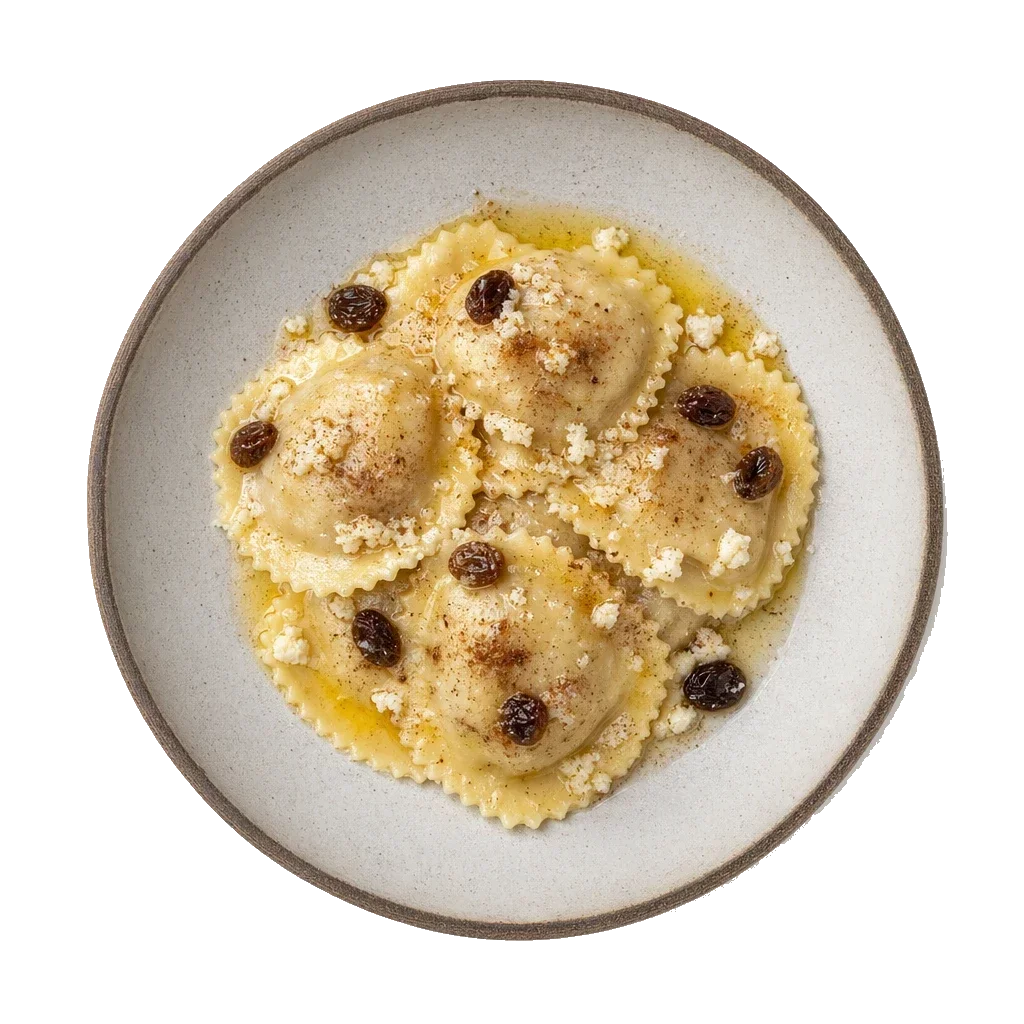
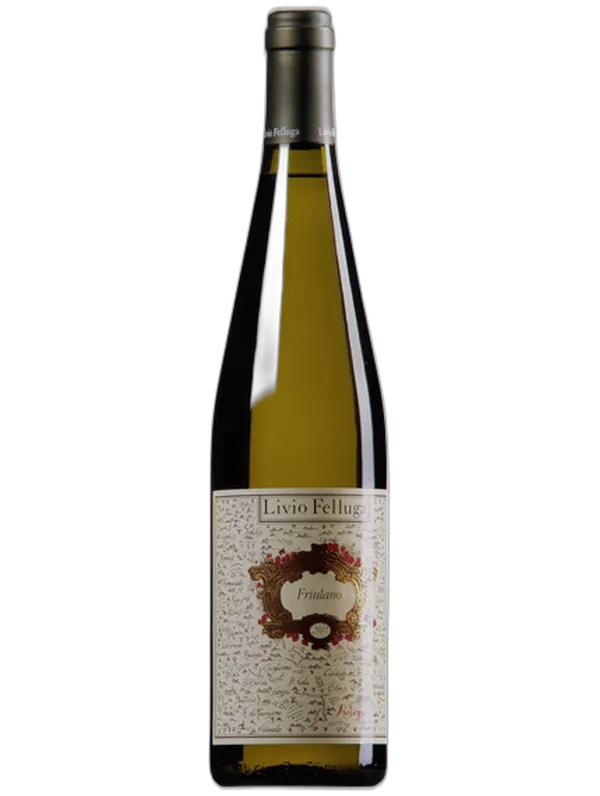
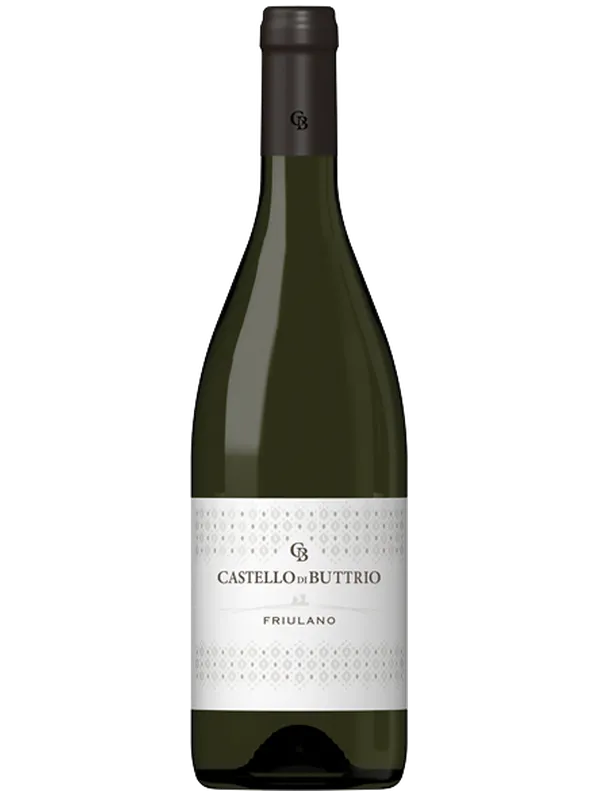
Cjarson are the Friulian sweet-savoury ravioli, filled with ricotta, potato, sugar, raisin and cinnamon, served with brown butter and smoked ricotta. The dish belongs to the Carnia valleys. Friulano from Collio DOC or Ribolla Gialla from Collio Goriziano DOC handle the sweet-savoury tension; Picolit pairs with the dessert-leaning version.
Perfect grape varieties
Also worth trying
Appellations to explore
Why these Italian wine pairings work for Italian Pasta
The secret to pairing wine with pasta lies not in the pasta shape itself, but in the sauce. A rich, meaty ragù demands a structured red with enough tannin and body to stand up to the concentrated flavours, while a delicate aglio e olio calls for a crisp, mineral-driven white that won't overwhelm the garlic and olive oil.
Italy's regional pasta traditions evolved hand-in-hand with local winemaking. Ligurian trofie al pesto naturally pairs with the coastal Vermentino grown in the same hills, while Roman carbonara finds its soulmate in the soft whites of nearby Frascati. When in doubt, pair regionally - the locals have had centuries to figure it out.
Italian Pasta wine pairing questions
A medium-bodied white like Frascati or a light red like Cesanese works beautifully with the rich egg and guanciale combination.
The shape itself does not, but the sauce it carries does. Thicker sauces cling to ridged pasta and tend to be richer, calling for more structured wines.
Traditional basil pesto is best with crisp whites like Vermentino. However, a light Dolcetto can work with heartier pesto variations.
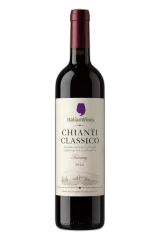
Chianti Classico is the most useful Italian wine for tomato pasta because Sangiovese acidity meets tomato acidity without turning metallic. Barbera d'Asti works when the sauce is brighter and less herbal.