







 570 wines
 20 denominations


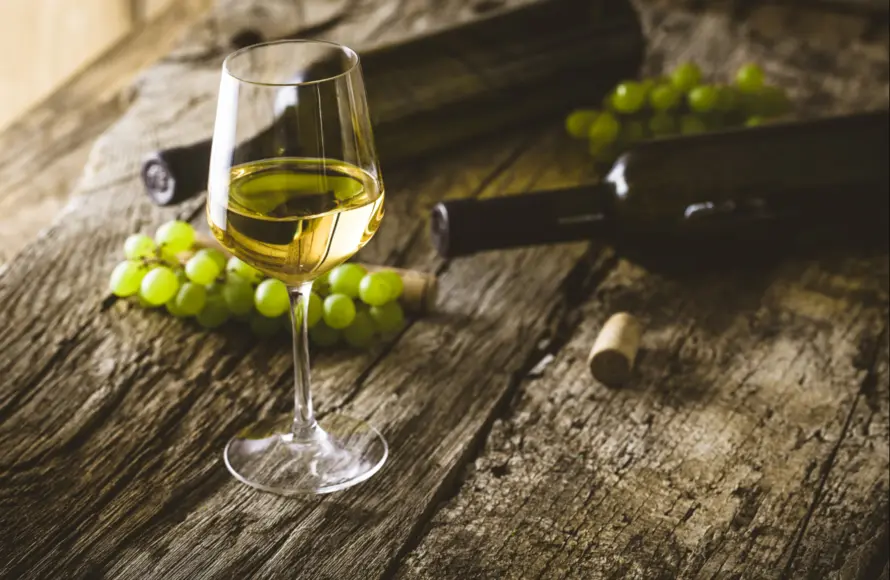








Chardonnay is a white grape with a clear Italian role.
Wines
626
Acidity
Body
White Grape · Friuli Venezia Giulia
Friuli's benchmark dry white: textured, saline and unmistakable for its bitter-almond finish, grown on the ponca marl of Collio and Colli Orientali, and unrelated to the sweet Hungarian Tokaji whose name it was once forced to drop.
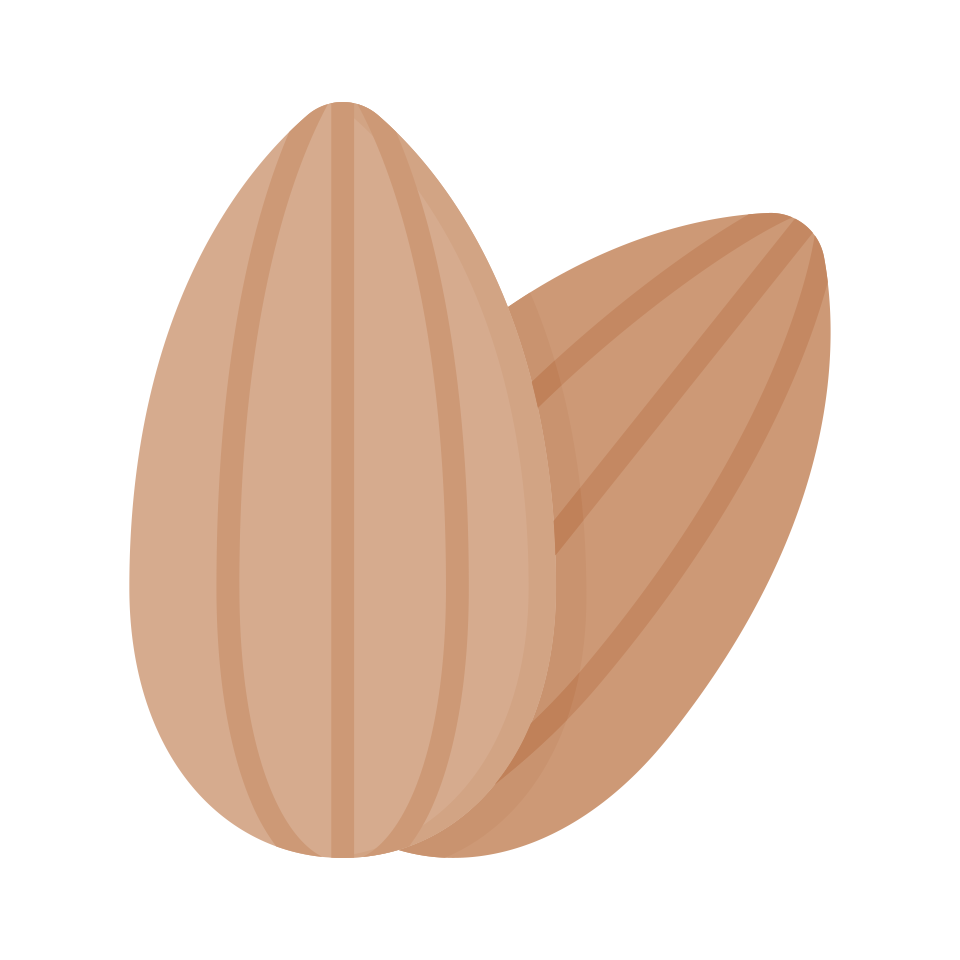
Friulano is the benchmark dry white of Friuli Venezia Giulia, in Italy's far northeast. It grows on the ponca hills of Collio and Colli Orientali. The wine is pale straw with green glints. White flowers and orchard fruit lead the nose. The finish is savoury, with an unmistakable bitter almond note. Until 2007 the wine carried the older name Tocai Friulano.
Your cellar, your trips, and the wines you've been tracking are right where you left them.
New here?
Free, always. Education first, we'll never sell you anything you didn't ask to see.
Already have an account?
Enter the email you signed up with and we'll send a link to choose a new password.
Clearing it up
Friuli Venezia Giulia, Italy
Tokaj, Hungary
The anchor fact: Friulano was called Tocai Friulano until 2007, when an EU ruling reserved every Tocai and Tokaj spelling for Hungary's sweet Tokaji. The Italian grape is dry, unrelated to Hungary, and genetically identical to Sauvignonasse.
Taste · Where it sits
Forget scores out of five. Here’s Friulano described against grapes you already know.
Fuller and waxier than Friuli's Pinot Grigio, yet lighter than an oak-aged Chardonnay; the ponca marl of Collio lends a gentle, saline weight.
A white with no tannic frame; only the skin-contact bottlings a few Collio growers make add a faint orange-wine grip.
Balanced rather than piercing: gentler than the taut line of a Carso Vitovska, firmer than a plump southern Grillo, so it refreshes without cutting.
Always dry despite the old Tocai name; the fruit reads as green apple and pear, then the finish turns savoury and almond, never sugary.
Key flavours


The map
Friulano is medium-bodied, balanced acidity, mapped against other white grapes you can buy. The closer a grape sits, the more its weight and freshness resemble Friulano.
Is this for you?
Reach for it when…
Maybe skip it if…
Serving guide
Serve at
12-14°C
Serve at 12 to 14C: too cold and the acacia and almond go mute, too warm and the wine turns broad.
Decant
Not needed
No decanting needed; a swirl in the glass is enough to lift the white-flower top notes.
Glass
Tulip Glass
A tulip glass gathers the delicate blossom and citrus that a wide bowl would scatter.
Drink within
3-5 days
Best from two to five years: bright and orchard-fresh young, edging toward hay and honey with age.
Cellar
2-5 years
Only the structured Collio and single-vineyard bottlings reward cellaring; everyday Grave Friulano is made to drink young.
On the table
Start with the home-table matches that made the grape, then browse the full cuisine library.

The regional classic
Frico's fried Montasio cheese is rich and salty; Friulano's saline cut and almond finish slice through the fat the way a local pours it in Carnia.

Sweet meets savoury
Cjarsons balance sugar, herbs and smoked ricotta, a puzzle for most wines; Friulano's off-dry-seeming fruit and dry, herbal close meet both sides at once.

Spring on the plate
The grape's green-apple freshness and gentle body echo the peas and rice of risi e bisi without burying its delicacy.
Browse every pairing
Buy it · three to start with
A curated trio across the price range, then every Friulano on sale in the UK right now.
The sweet spot
 1 retailer
Friuli Colli Orientali
1 retailer
£22.19
+ delivery
Why this one: A single-estate Colli Orientali bottling with more ponca texture and salinity, the sweet spot where Friulano shows its hillside character.
12 of 60 bottles
 5 retailers
Friuli Colli Orientali
5 retailers
£27.00
+ delivery
 4 retailers
Venezia Giulia
4 retailers
£48.41
£60.50
+ delivery
 4 retailers
Rosazzo
4 retailers
£68.50
+ delivery
 3 retailers
Friuli/Friuli Venezia Giulia
3 retailers
£14.00
£16.00
+ delivery
 3 retailers
Venezia Giulia
3 retailers
£39.74
+ delivery
 2 retailers
Trevenezie
2 retailers
£13.50
+ delivery
 2 retailers
Friuli/Friuli Venezia Giulia
2 retailers
£13.60
£15.00
+ delivery
 2 retailers
Friuli/Friuli Venezia Giulia
2 retailers
£14.00
+ delivery
 2 retailers
Friuli Colli Orientali
2 retailers
£15.70
+ delivery
 2 retailers
Collio Goriziano/Collio
2 retailers
£18.14
+ delivery
 2 retailers
Friuli Colli Orientali
2 retailers
£18.50
£21.50
+ delivery
 2 retailers
Friuli Colli Orientali
2 retailers
£19.10
+ delivery
Denominations
The appellations where Friulano plays a starring role.
Where it grows


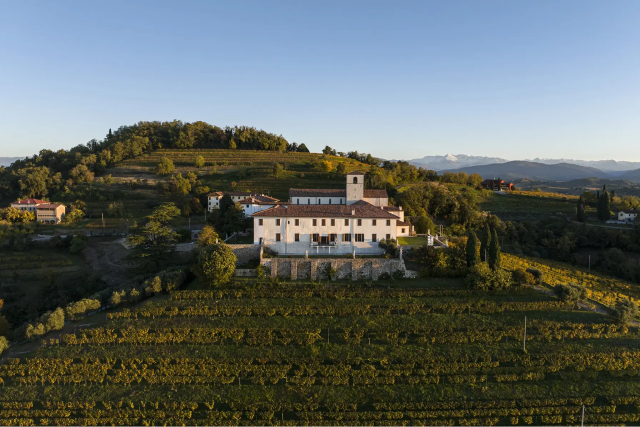
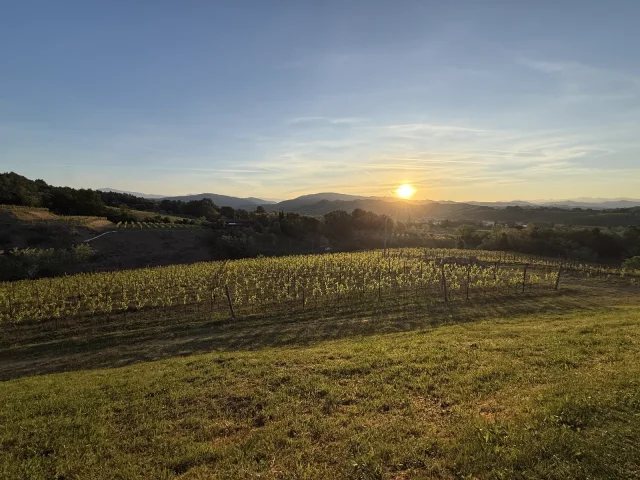
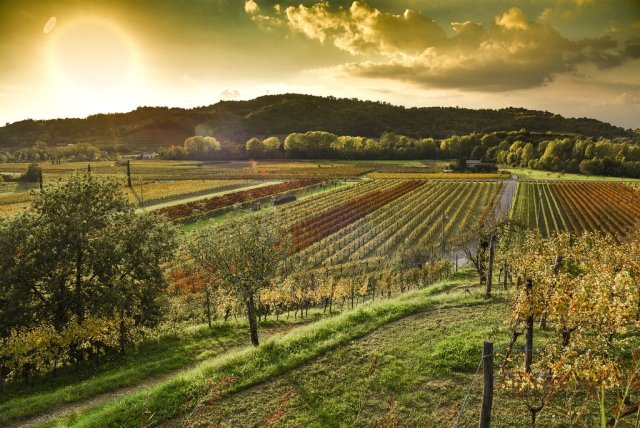
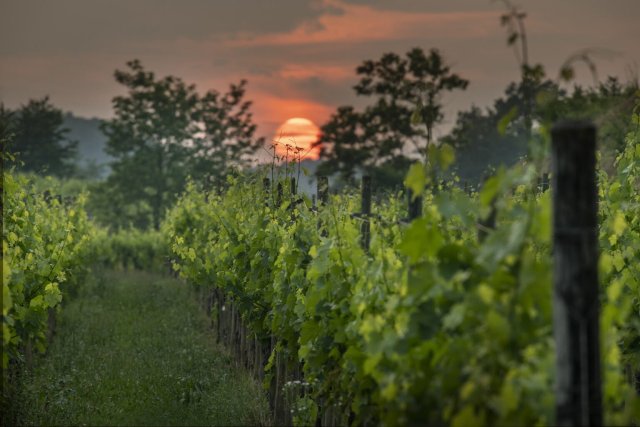
Italy's white-wine heartland, where Friulano, Ribolla Gialla and skin-contact orange wines meet alpine air, Adriatic light and the cooking of San Daniele and Carnia.
The terroir
Friulano changes voice across Friuli's hills and plain, from the marl of the border ridges to the gravel of the flatlands.
Collio
Gorizia border hills
The marl-and-sandstone ponca gives the most textured, saline and age-worthy Friulano.
Colli Orientali
Udine foothills
Slightly warmer inland slopes yield riper pear and orchard fruit over the same mineral spine.
Friuli Grave
The gravel plain
Alluvial gravels make lighter, brighter, everyday Friulano to drink young.
Producers
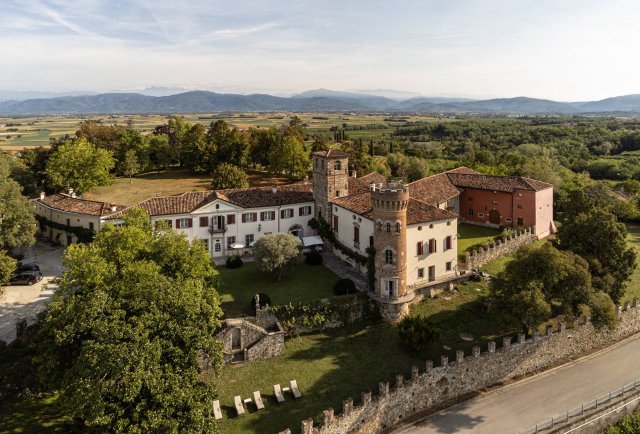
9 estates on the site work with Friulano. Eight at a time, and the line-up changes every week.
Editorial
Friulano is a native white of Italy's northeast, registered in the national vine catalogue. It grows almost entirely across Friuli Venezia Giulia and eastern Veneto. For most of the twentieth century its wines were labelled Tocai Friulano. That ended after the European Court of Justice ruled in 2005 that the Tocai spelling had to be reserved for Hungary's protected Tokaji. From 31 March 2007 Italian labels adopted the synonym Friulano. The vine's registered name stayed unchanged.
For a century it was Tocai Friulano; since 2007 it is simply Friulano, the same vine under a name Europe let it keep.
European Court of Justice ruling, 2005Genetically the grape is identical to Sauvignonasse, the variety once called Sauvignon Vert. That variety is still found in Bordeaux and Chile. It has no link to the sweet Hungarian wine its former name suggested. In eastern Veneto the same grape is bottled as Lison and as Tai. Its truest voice, though, stays in Friuli.
The ponca is the marl and sandstone of Collio and Colli Orientali. On it the grape finds its finest form: textured, salty and long. The wines of Marco Felluga's Russiz Superiore estate at Capriva del Friuli show that. Down on the Grave plain it is lighter and quicker to drink. Most Friulano ferments in steel to guard its freshness. Growers such as Jermann build structured, barrel-touched versions, and a few leave it on the skins as an orange wine. Whichever the style, it sits with Ribolla Gialla and Pinot Bianco at the heart of Friuli's quiet renaissance in white wine. It keeps the same bitter-almond signature that marks Marche's Verdicchio, over a rounder, more textured frame than Soave's Garganega.
Good to know
Tocai Friulano was the grape's traditional name in Friuli until 2007. In 2005 the European Court of Justice ruled that any Tocai or Tokaj spelling had to be reserved for Hungary's protected Tokaji. From 31 March 2007 Italian labels switched to the synonym Friulano. The vine's registered name never changed.
No. Friulano is a dry Italian white grape from Friuli Venezia Giulia. It is not related to Hungary's sweet Tokaji dessert wine. The two only ever shared a similar spelling. That is why the European Union forced Italy to drop the Tocai name in 2007.
No. Despite its old synonym Sauvignon Vert, Friulano's genes match Sauvignonasse, a different variety from Sauvignon Blanc. It is far less aromatic and pungent. It leads instead with white flowers, orchard fruit and a bitter almond finish.
Expect a dry, medium-bodied white. The nose gives acacia and white flowers, green apple, pear and grapefruit. It closes on a distinctive bitter almond note. Balanced acidity and a salty, textured palate make it food-friendly rather than showy.
Friulano pairs best with the cured meats and cheeses of its Friulian home. Above all that means prosciutto di San Daniele, frico and aged Montasio. Its savoury almond edge and gentle acidity also flatter herb-driven risotti, cjarsons and delicate freshwater fish.
Almost all Friulano grows in Friuli Venezia Giulia and eastern Veneto. Its best-known wines come from the ponca hills of Collio and Colli Orientali. The Grave plain makes lighter styles for every day.
Explore by style
Jump to the editorial guide for each style this grape turns up in.
Keep exploring