
Italian Cuisine

Italian Food and Wine Pairing Guide

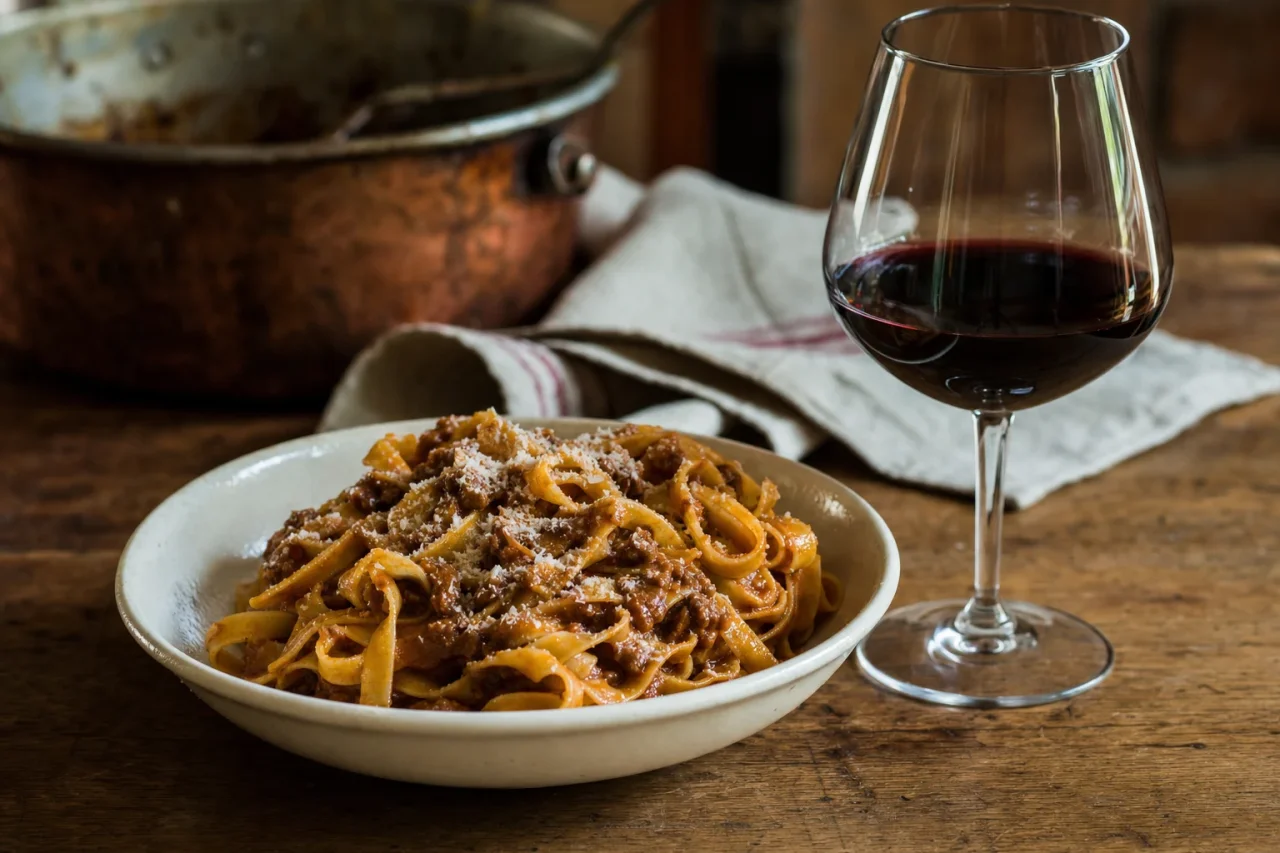
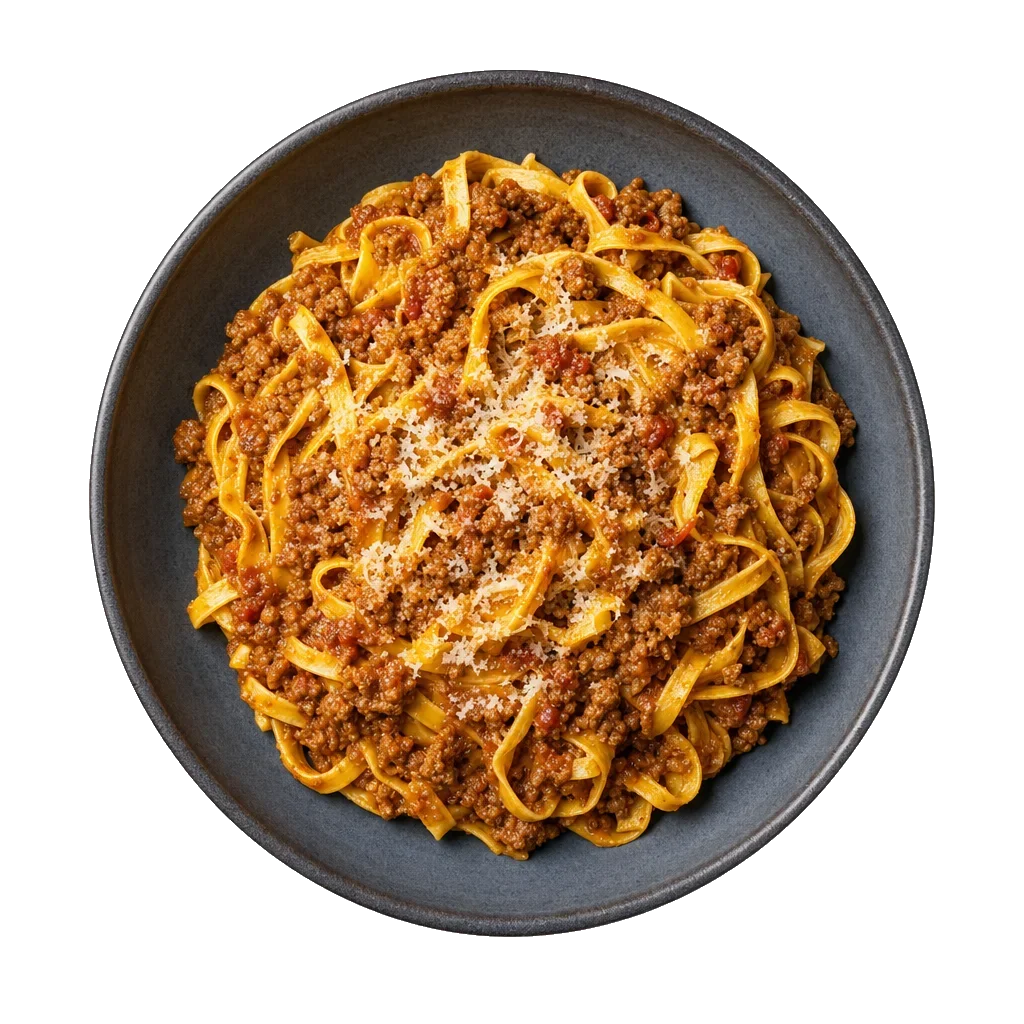
Italian cuisine is so vast and site-specific that it is hard to define. With a great array of carbohydrate-rich recipes, light summer dishes and iconic meat recipes, Italian cuisine can suit anybody, no matter how picky. The sacred rule of “what grows together goes together” is particularly true for Italian food. You’ll find that for every regional classic such as pasta alla Bolognese, Tajarin or bistecca Fiorentina, there is a great, local wine that perfectly pairs. Don’t feel overwhelmed with wine choices, follow our tips below and find the perfect wine for your Italian meal.

Italian cooking aligns with Italian wine at the regional level, each DOC and DOCG evolving alongside its local table. Read more

Quick Facts

259

Wine matches

£0–6022

Price range

Grape colour mix

55% red 45% white
Appellations
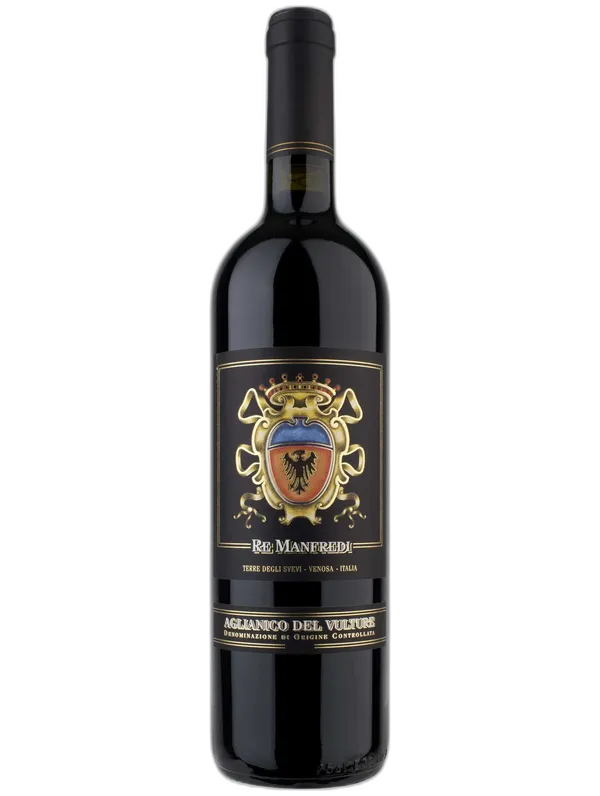
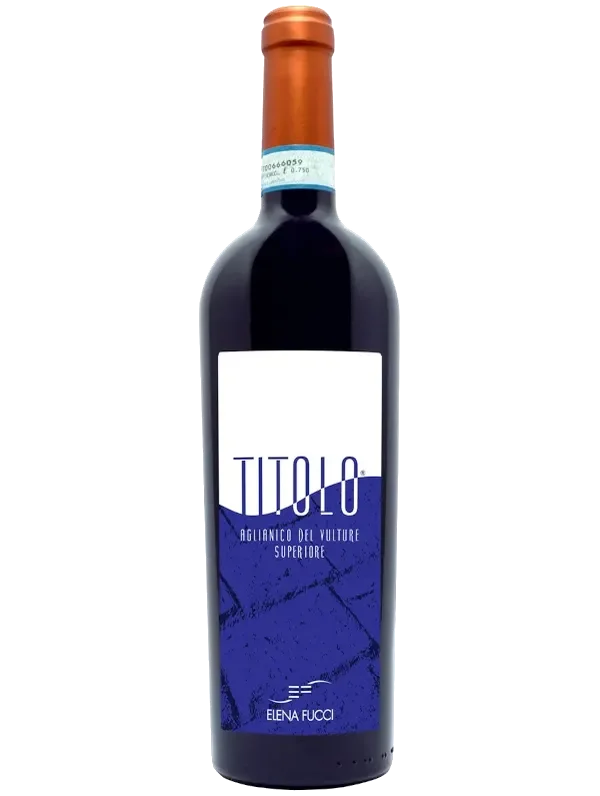
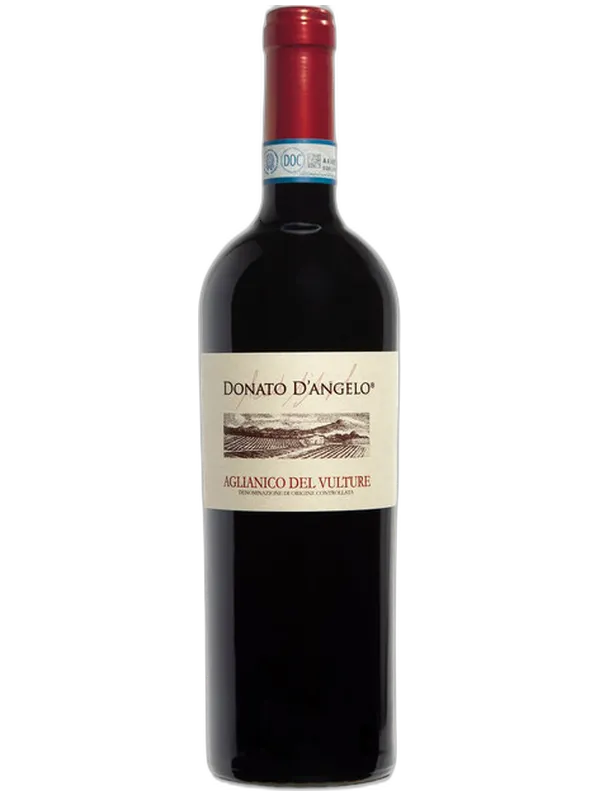
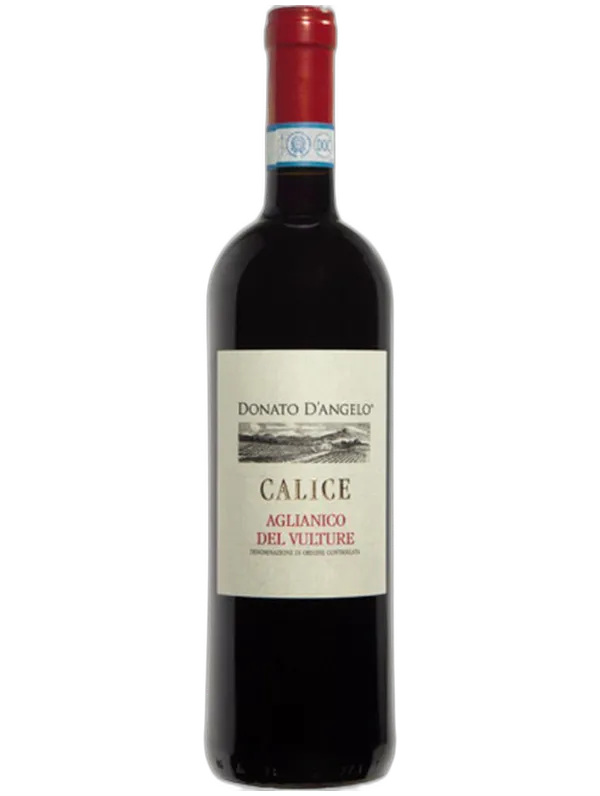
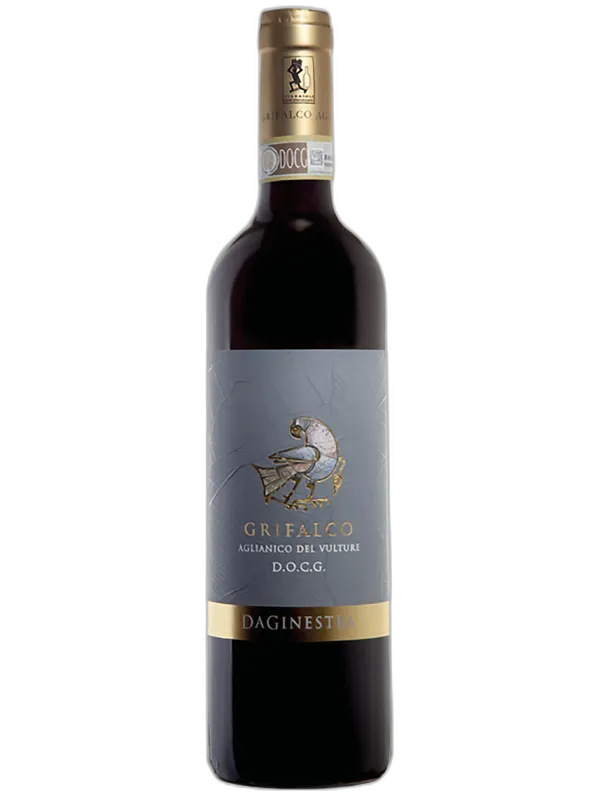
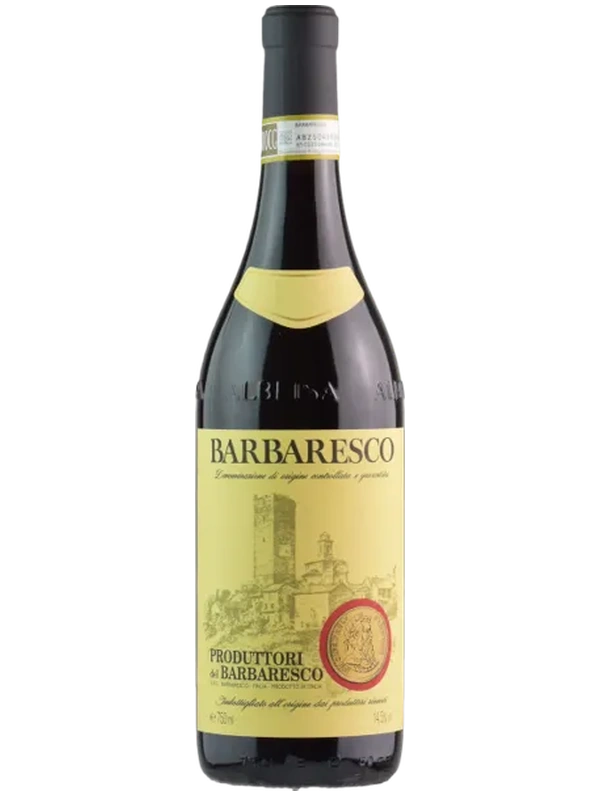
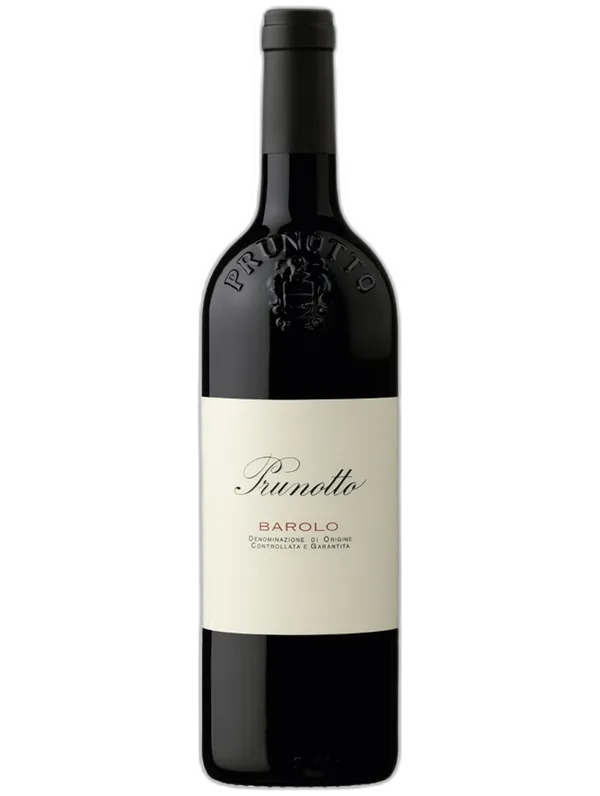
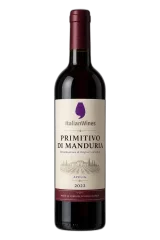
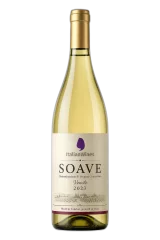
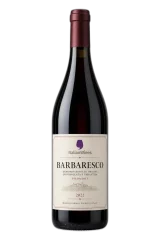
Montepulciano d'Abruzzo , Aglianico del Vulture Superiore , Grottino di Roccanova , Cirò Classico , Barbaresco , Barolo , Castel del Monte Bombino Nero , Chianti , Chianti Classico , Soave , Matera , Cirò , Greco di Bianco , Lamezia , Prosecco , Gavi/Cortese di Gavi , Alto Adige/Südtirol , Amarone della Valpolicella , Valpolicella , Verbicaro , Palizzi , Aglianico del Vulture , Bivongi , Primitivo di Manduria , Franciacorta , Brunello di Montalcino , Etna , Bolgheri , Montefalco Sagrantino , Barbera d'Asti , Vermentino di Gallura , Verdicchio dei Castelli di Jesi , Fiano di Avellino , Greco di Tufo , Falanghina del Sannio , Conegliano Valdobbiadene Prosecco , Lambrusco di Sorbara , Cerasuolo d'Abruzzo , Asti , Brachetto d'Acqui/Acqui , Vin Santo del Chianti Classico , Friuli Colli Orientali , Cannonau di Sardegna
Primary Goal
Match each dish to wines from the Italian region it belongs to.

Rules of Engagement

The Do's

  1. 01

    Match wine to region

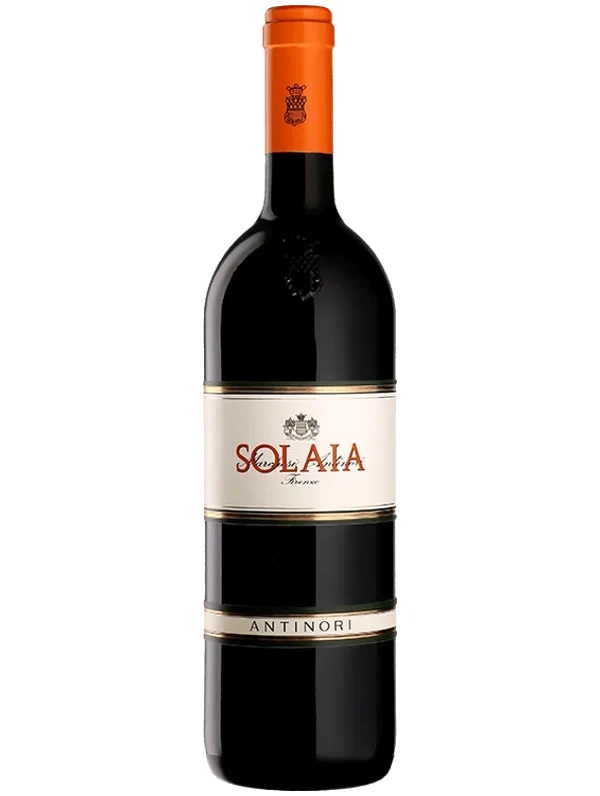
    Match wine to the region of the dish. Tuscan food wants Tuscan wine; Piedmontese dishes want Piedmontese wine.

  2. 02

    Use Italian sparkling for antipasti

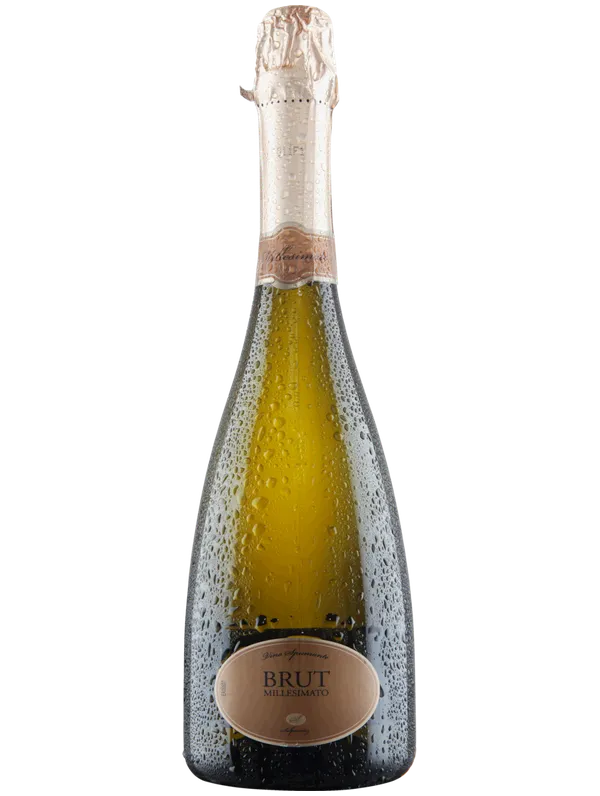
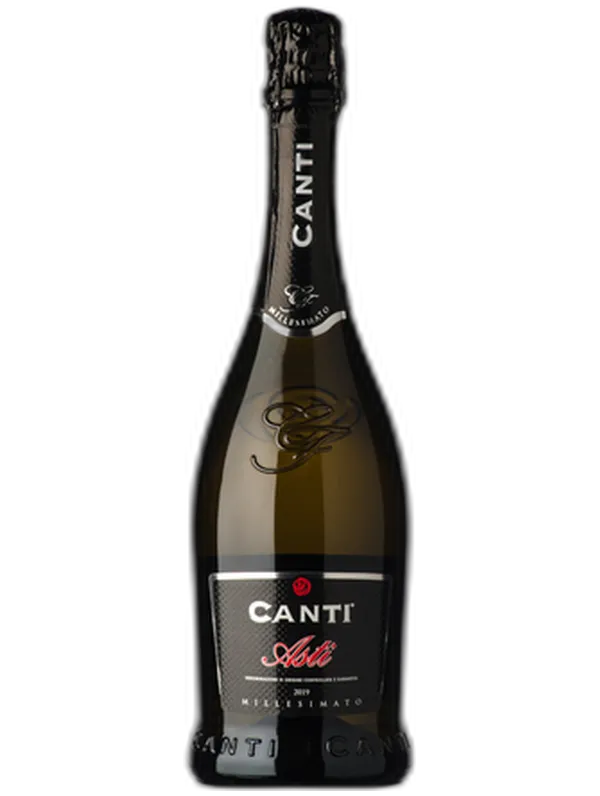
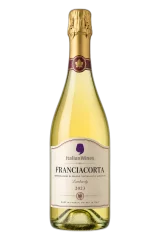
    Reach for Italian sparkling (Franciacorta, Prosecco Superiore, Lambrusco) with cured meats, antipasti and fried dishes. The fizz is the tool.
The Do's

  • 01

    Match wine to region

    Match wine to the region of the dish. Tuscan food wants Tuscan wine; Piedmontese dishes want Piedmontese wine.

  • 02

    Use Italian sparkling for antipasti

    Reach for Italian sparkling (Franciacorta, Prosecco Superiore, Lambrusco) with cured meats, antipasti and fried dishes. The fizz is the tool.
The Don'ts

  • 01

    Avoid dense reds with dessert

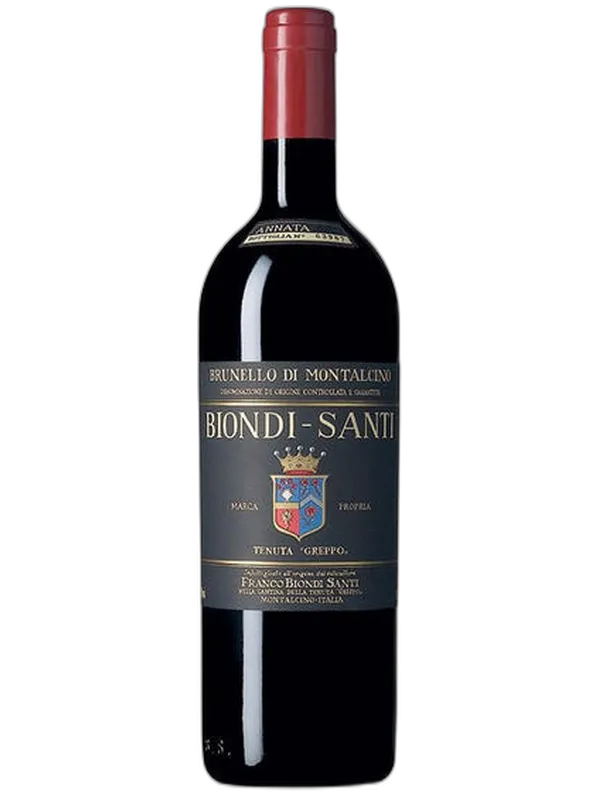
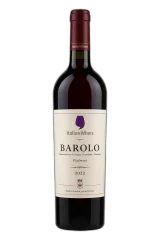
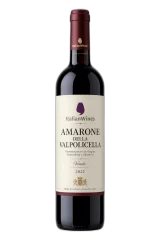
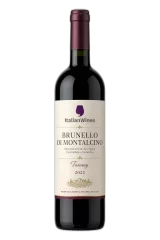
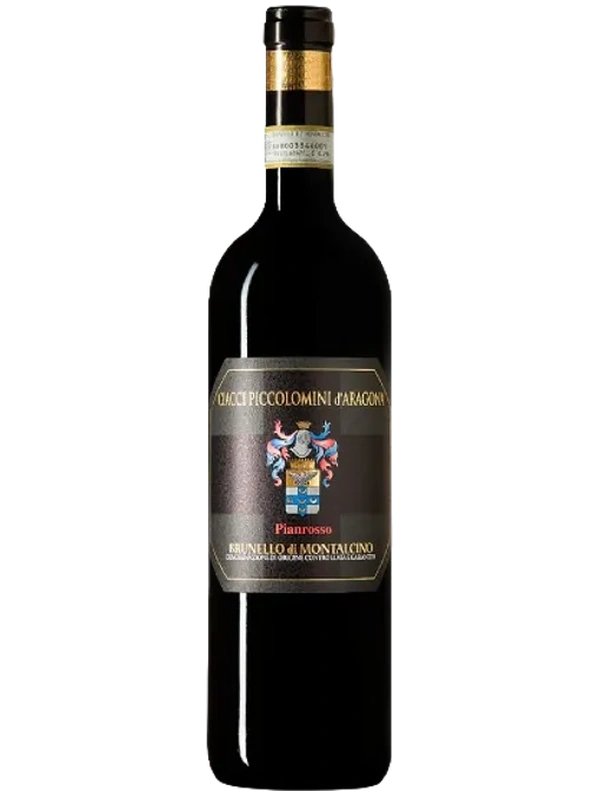
    Never pair dense structural reds (Barolo, Amarone, Brunello) with sweet dishes. Sugar beats tannin every time.
  • 02

    Never pair with bad wine

    Never use a bottle you would not drink by itself. Pairing amplifies both food and wine, never rescues a bad glass.

Pairings at a Glance

Showing 1–10 of 108 dishes

Why These Pairings Work

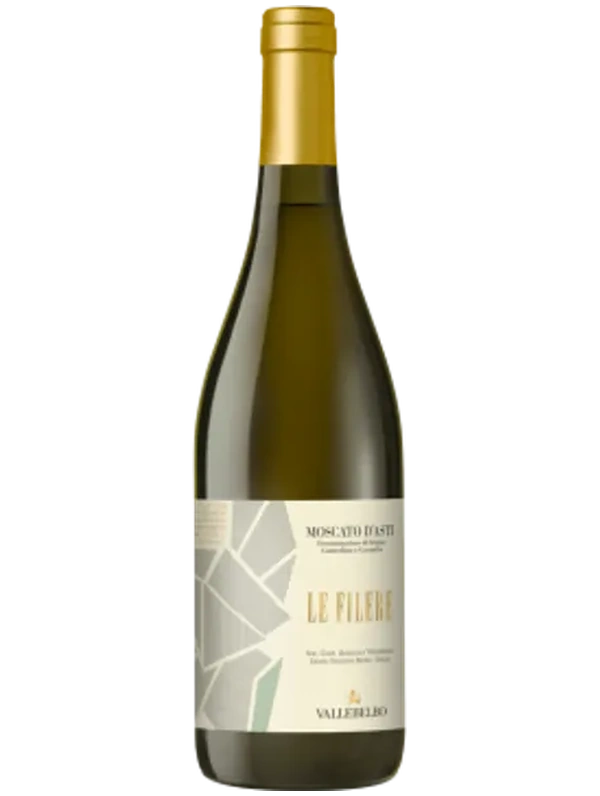
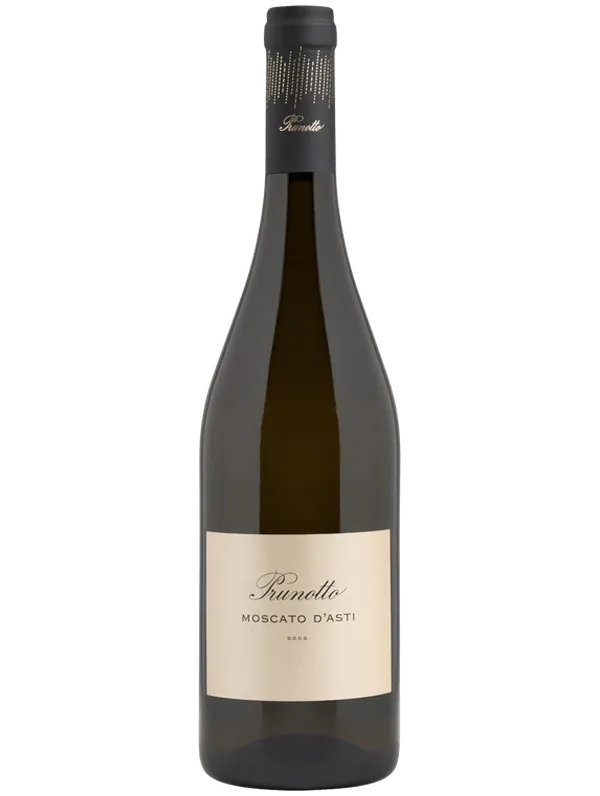
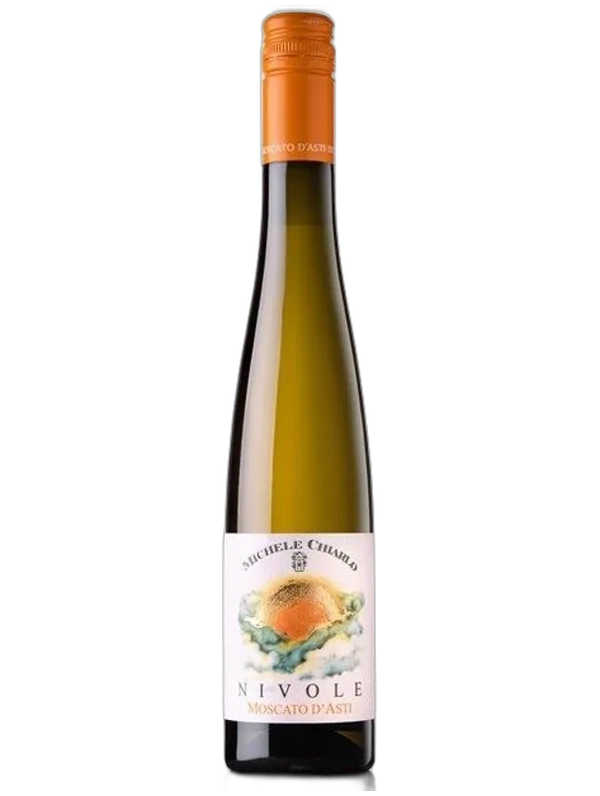
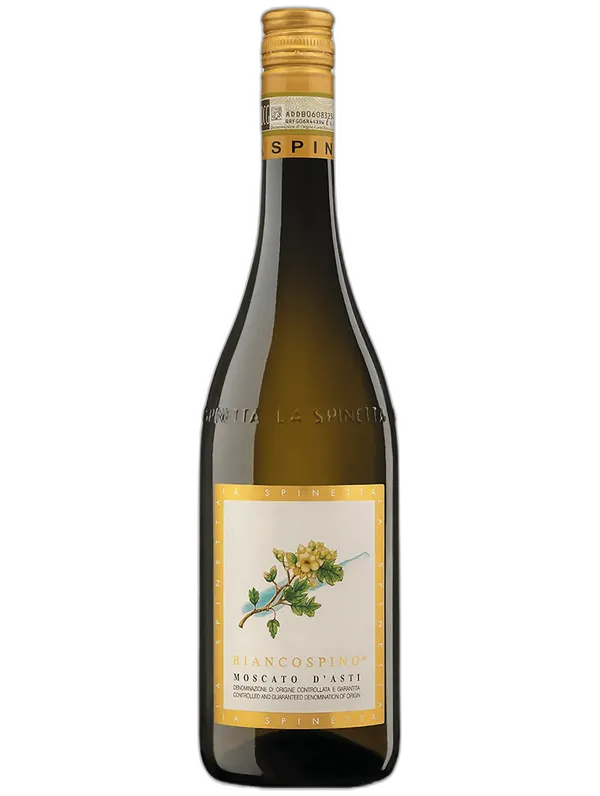
Italian cooking aligns with Italian wine at the regional level, each DOC and DOCG evolving alongside its local table. Sangiovese acidity meets tomato sauces across Tuscany and Emilia, Nebbiolo tannin carries braised beef through Piedmont, and Vermentino lifts seafood along the Ligurian and Sardinian coasts. Fino sparklers such as Franciacorta and Prosecco Superiore cut cured antipasti and fried classics, while Moscato d'Asti, Brachetto d'Acqui and Vin Santo anchor the desserts the rest of the world imports.

Explore More Pairings

Food Pairing Questions

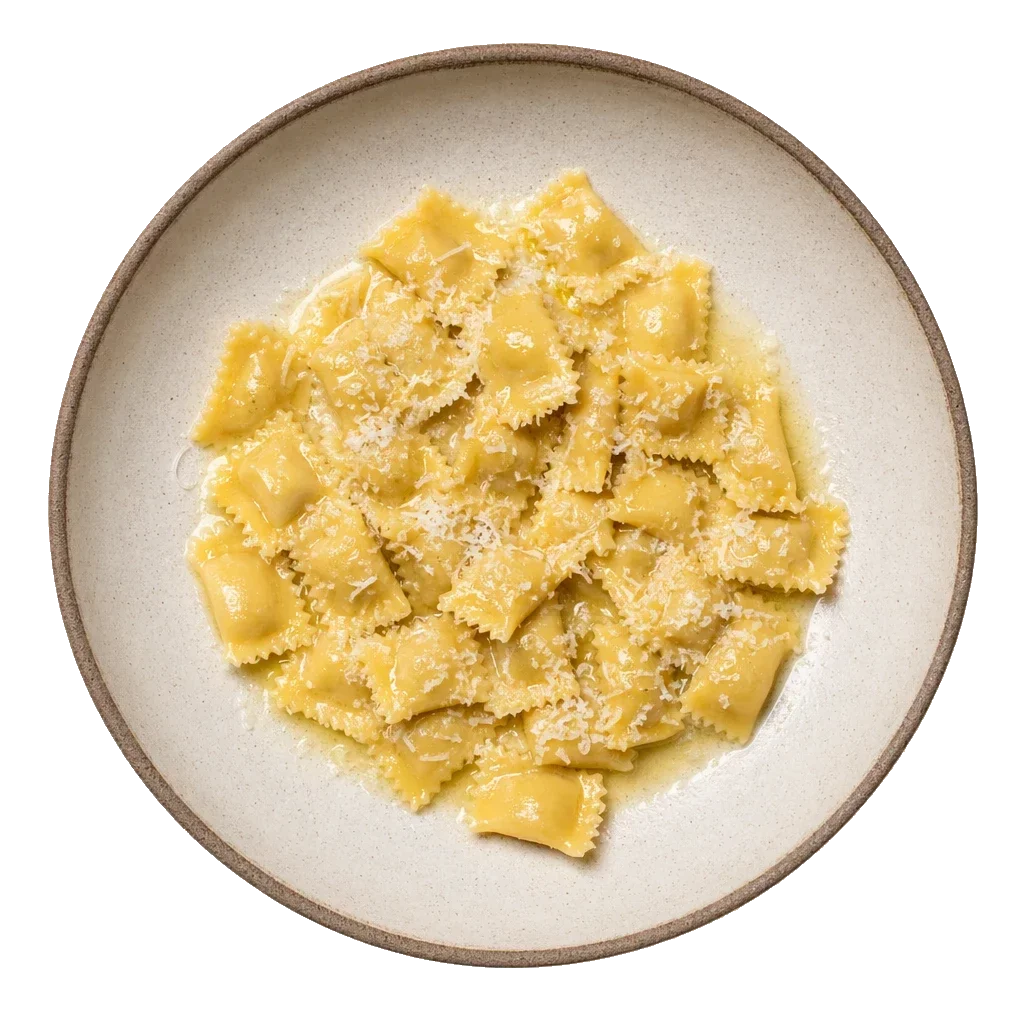
The safest rule is regional: match the dish to a wine from the same region. Piedmontese agnolotti go with Nebbiolo or Barbera; Tuscan ribollita with Sangiovese; Campanian seafood with Falanghina or Fiano. Italian food and Italian wine evolved alongside each other, and the regional match is almost always the right answer.

Yes, as the default. Tuscan food with Tuscan wine. Piedmontese food with Piedmontese wine. Departures are fine when they make sense, such as a northern Nebbiolo with a central Italian truffle dish when the acid-tannin profile matches. Breaking the regional rule needs a specific reason, not a preference.

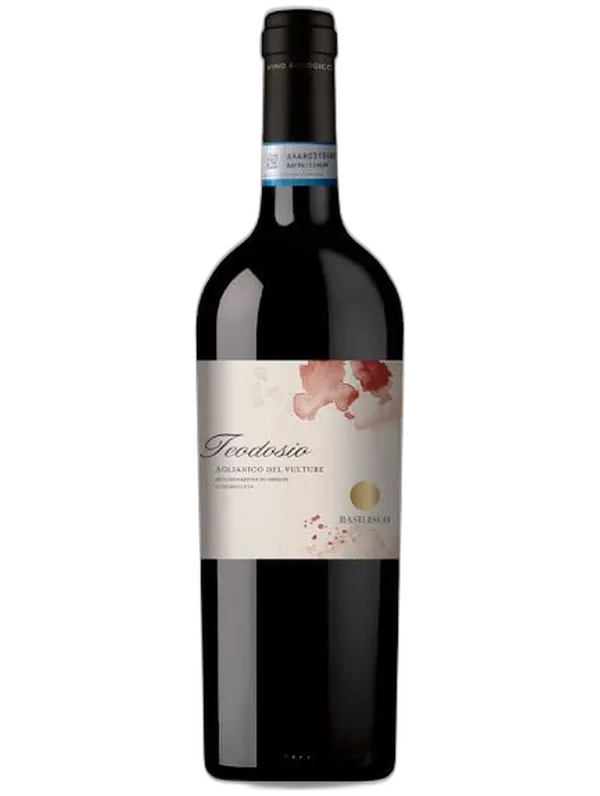
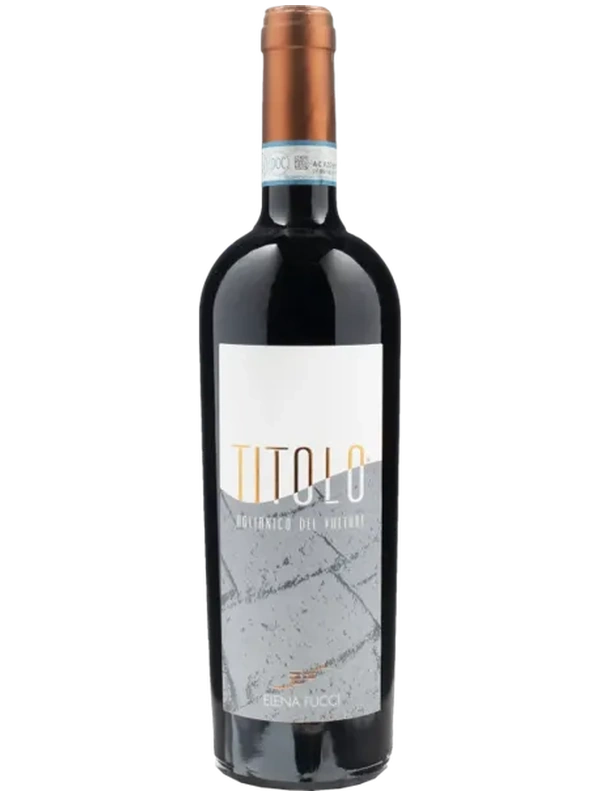
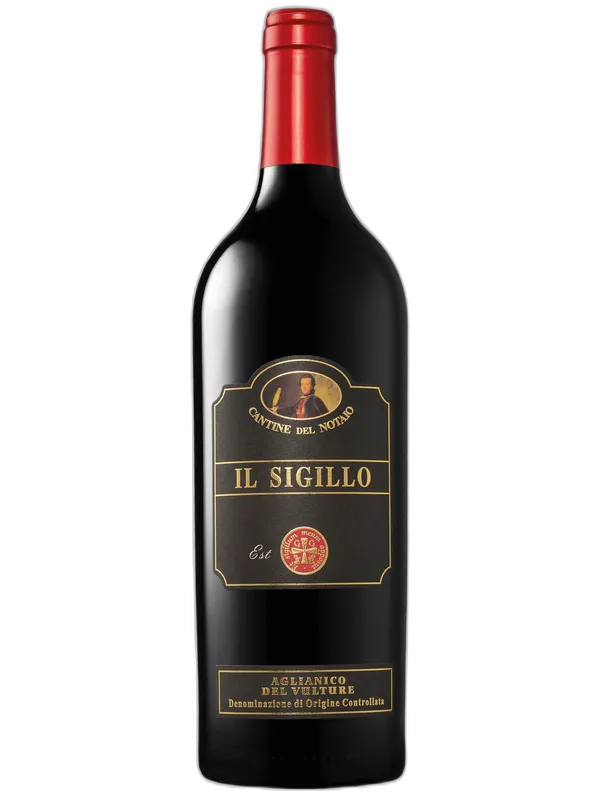
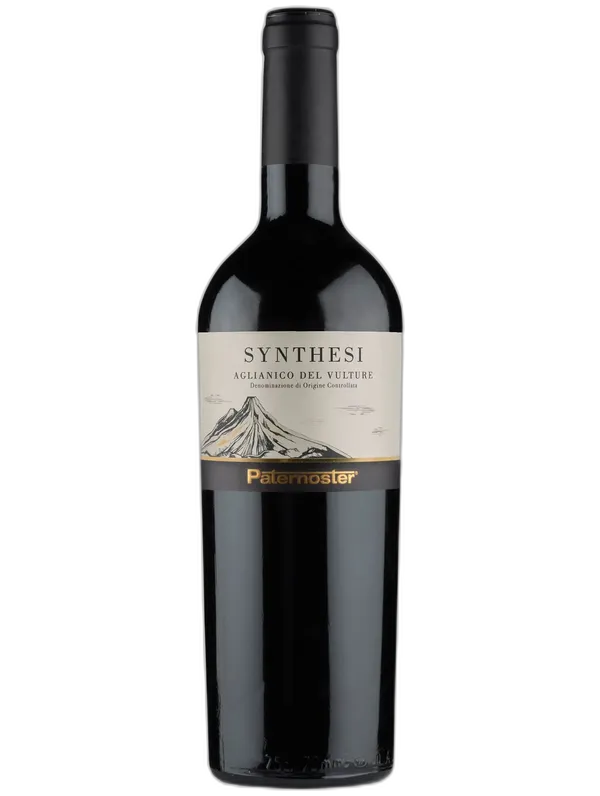
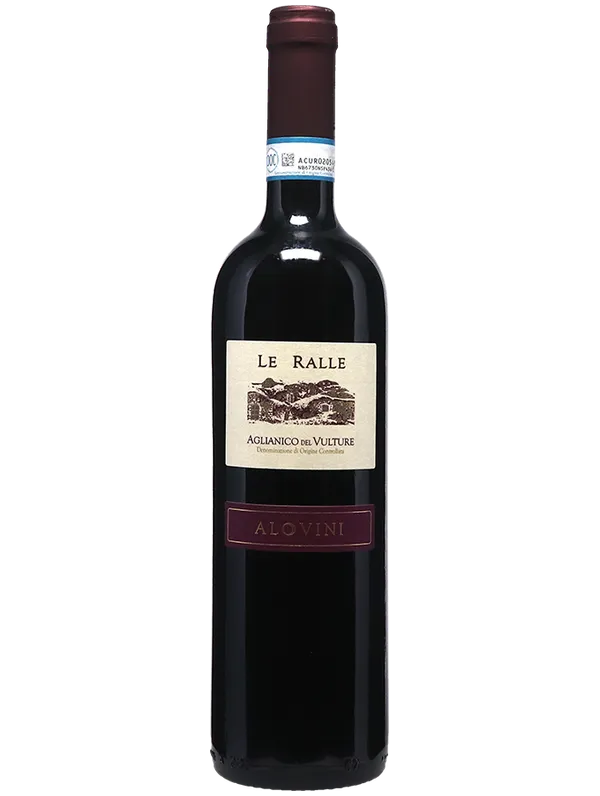
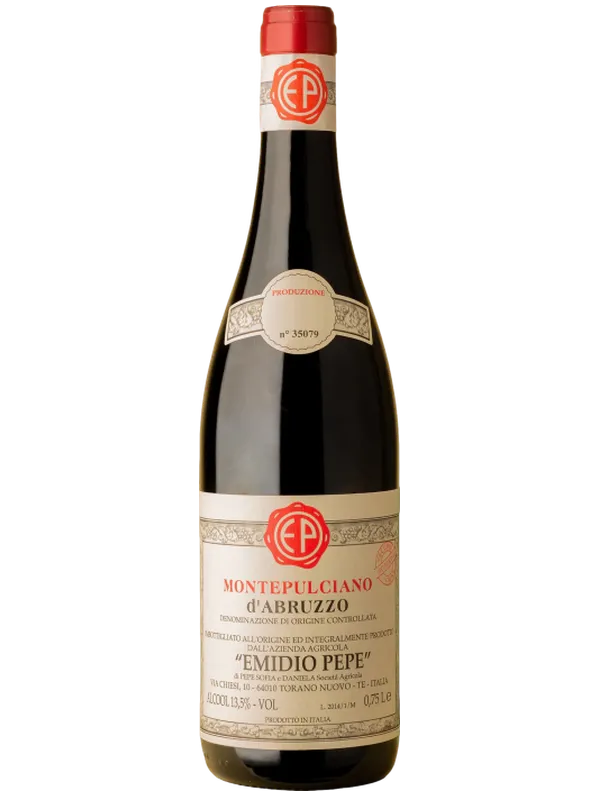
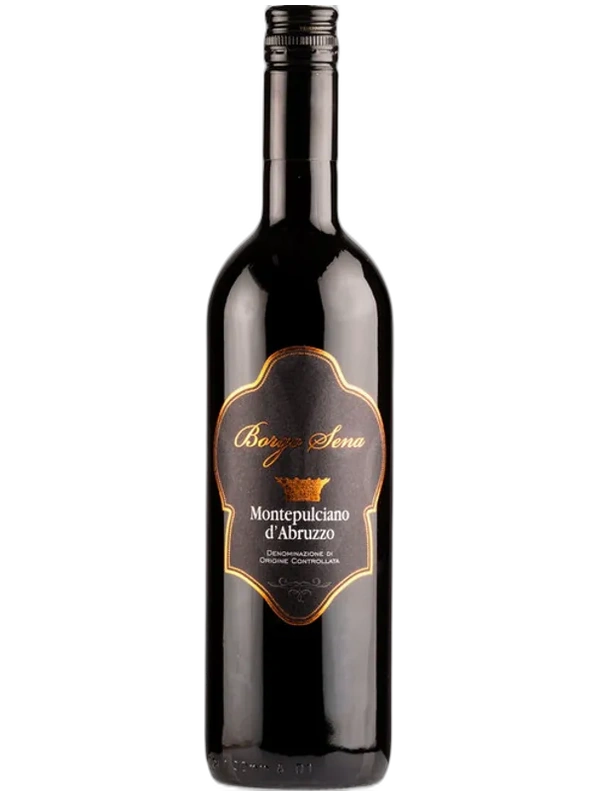
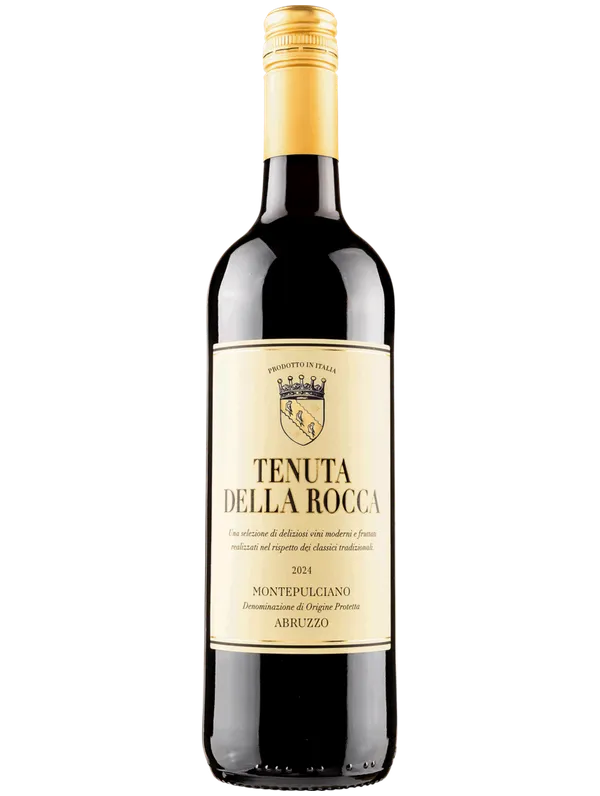
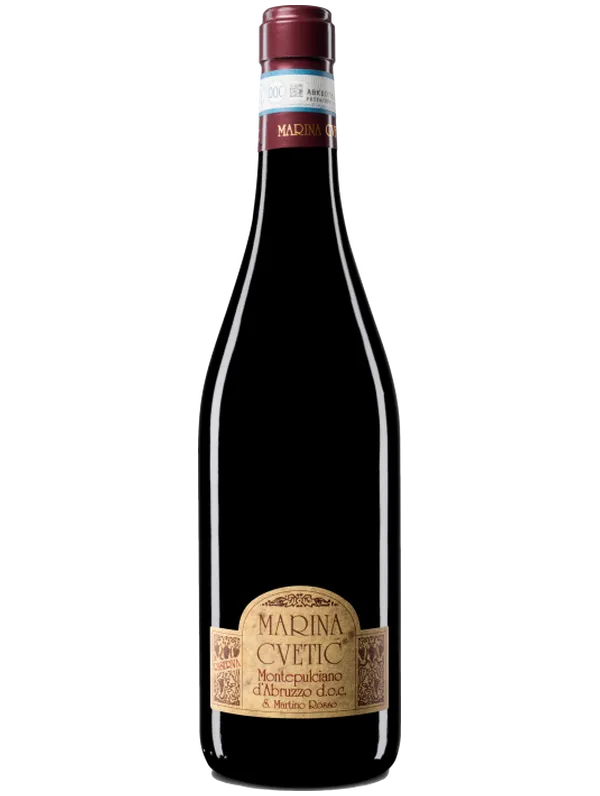
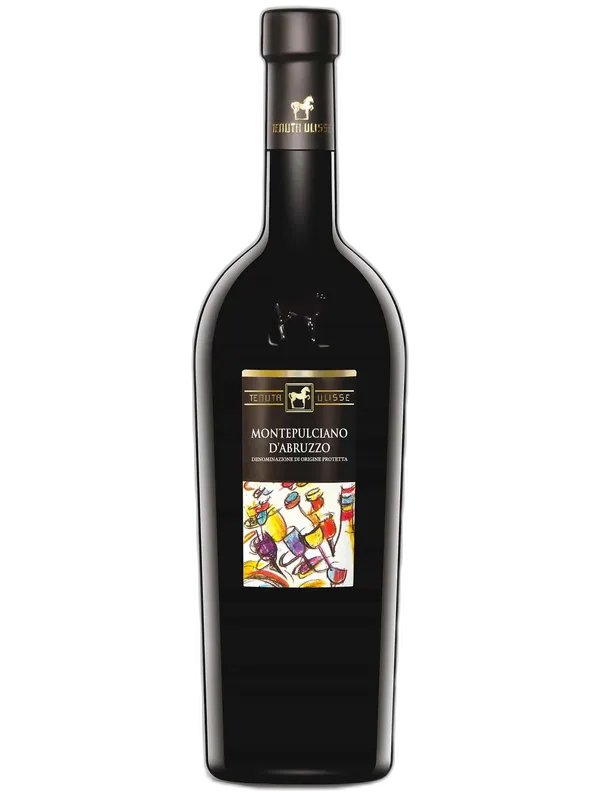
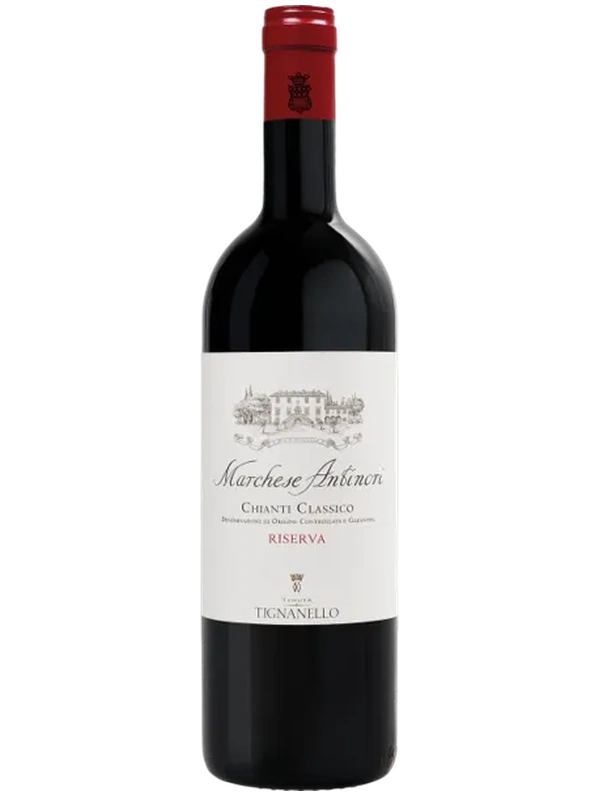
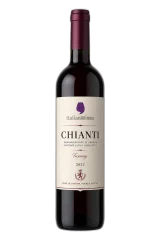
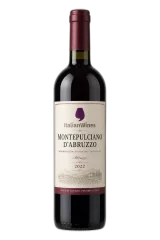
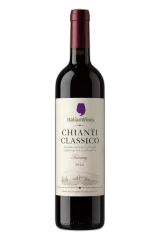
Tomato acidity asks for a wine with matching acidity and medium body. Sangiovese (Chianti Classico DOCG, Morellino di Scansano DOCG) is the default; Montepulciano d'Abruzzo DOC works for heavier versions; Aglianico del Vulture DOC handles the southern chilli and long-cooked ragù.

Cream and egg yolks need acid to cut the fat, not tannin to compete with it. Vermentino di Gallura DOCG, Fiano di Avellino DOCG or a still Franciacorta DOCG handle carbonara, cacio e pepe and cream-and-butter dishes; light red options are Barbera d'Asti or Cesanese del Piglio DOCG.

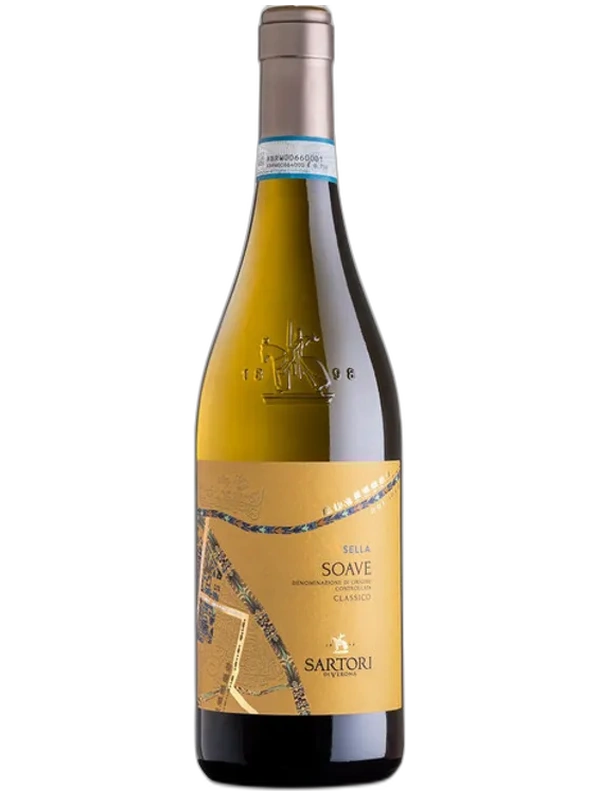
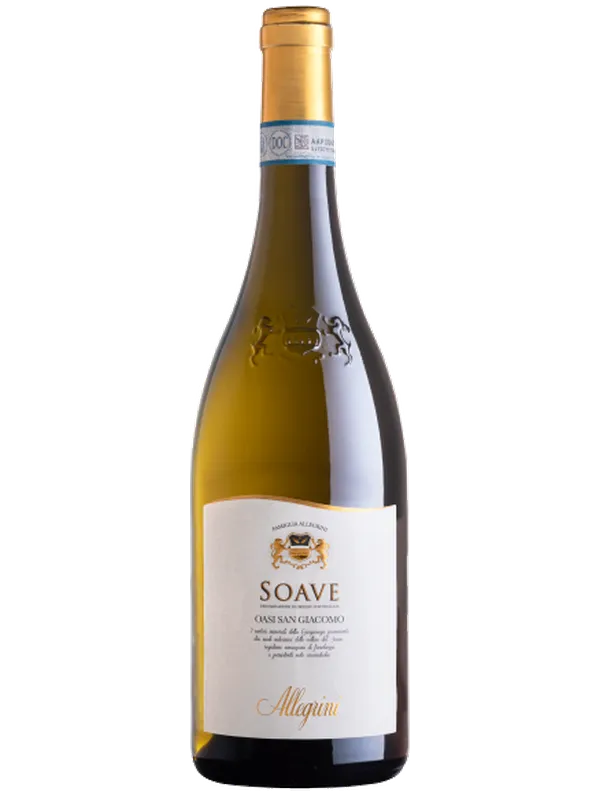
It depends on the risotto's flavour leader. Seafood and lemon risottos want Vermentino di Gallura DOCG or Soave Classico DOC; risotto alla Milanese suits Franciacorta DOCG or a Turbiana from Lugana DOC; porcini and truffle risottos match Nebbiolo from Alba or Valtellina; radicchio and Gorgonzola risottos prefer Valpolicella Corvina or late-harvest Moscato.

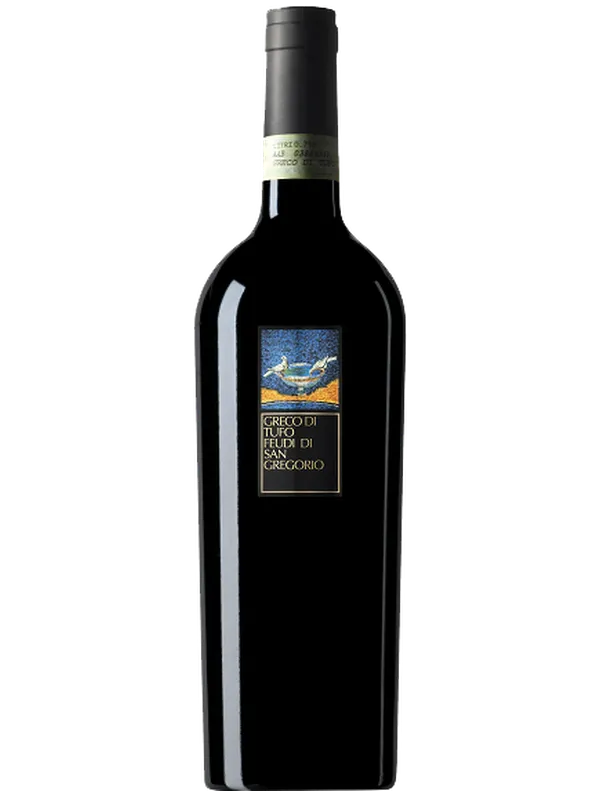
Pizza wants wines that cope with tomato acidity and char without flattening. Aglianico del Vulture DOC, Montepulciano d'Abruzzo DOC and young Sangiovese (Chianti DOCG, Morellino di Scansano DOCG) are the classic reds; Falanghina, Fiano di Avellino DOCG and Greco di Tufo DOCG handle white pies and seafood toppings; Prosecco Superiore works on marinara and margherita.

Match the weight and age of the cheese. Fresh ricotta and young mozzarella prefer Vermentino or Verdicchio. Aged pecorino and Parmigiano Reggiano go with Chianti Classico Riserva, Brunello di Montalcino or aged Sagrantino di Montefalco. Gorgonzola needs sweet or very structured wine: Moscato d'Asti, Passito di Pantelleria or a mature Barolo Riserva.

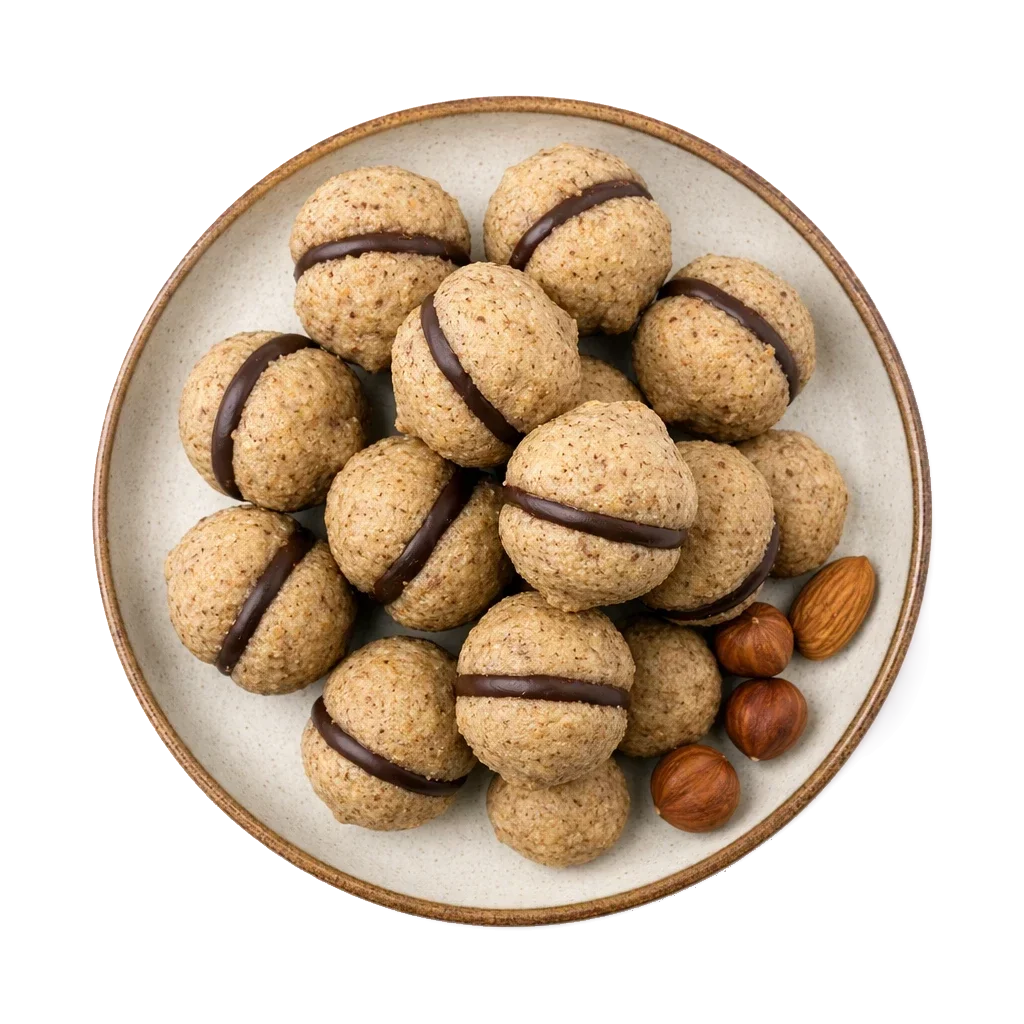
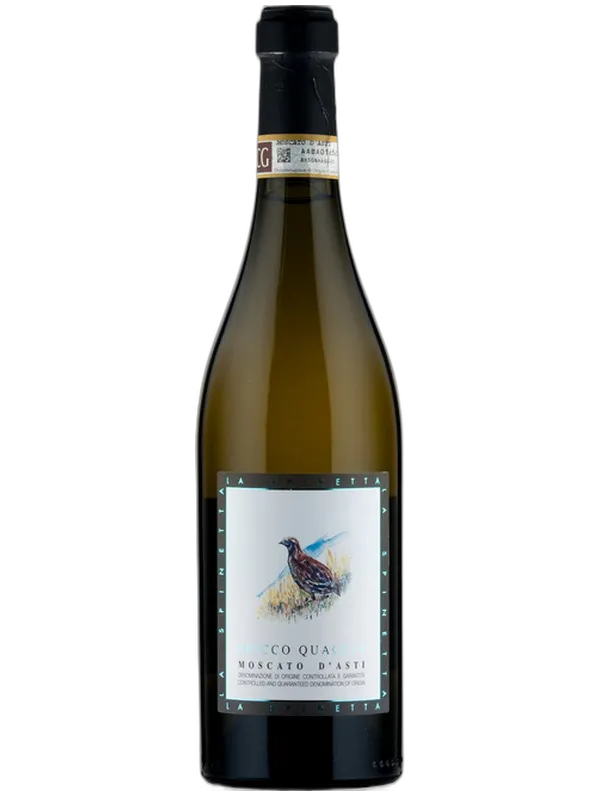
Italian dessert wine tradition is the deepest in the world. Moscato d'Asti DOCG for light fruit and panna cotta; Brachetto d'Acqui DOCG for dark chocolate and berries; Vin Santo del Chianti Classico DOC for cantucci, torta della nonna and panettone; Passito di Pantelleria DOC and Sagrantino di Montefalco Passito DOCG for heavier Christmas bakes.