Northern Italy

Piedmont Alpine fog, Nebbiolo perfume

From Barolo's tannic spine to Asti's gentle fizz, Piedmont turns Nebbiolo, Barbera, Moscato, and Cortese into Italy's most cru-mapped wine country.

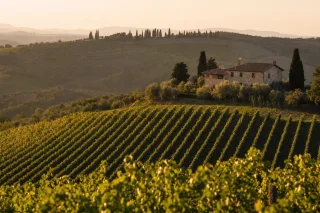
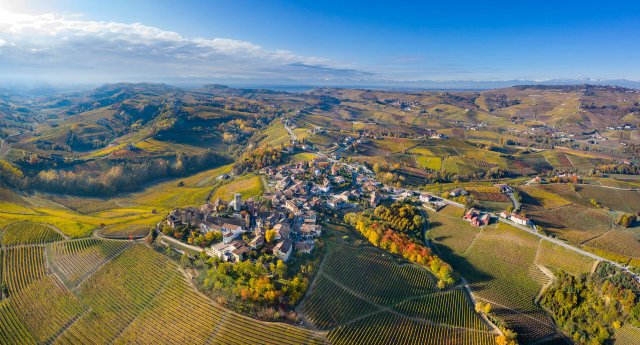
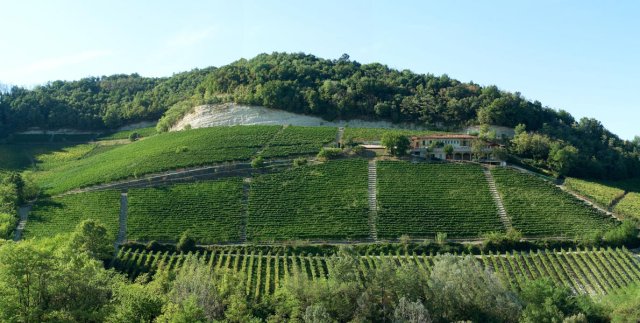
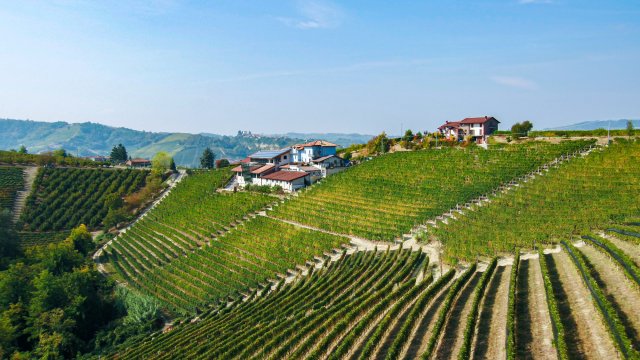
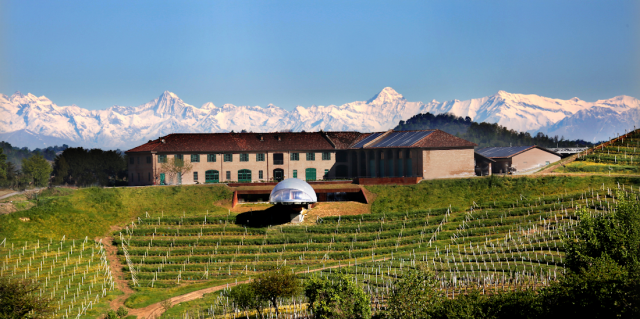
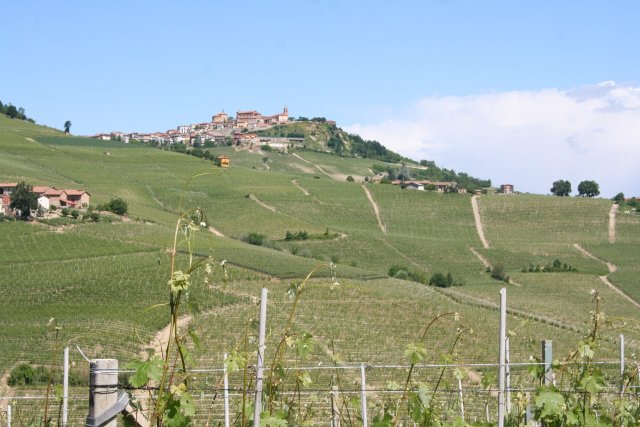
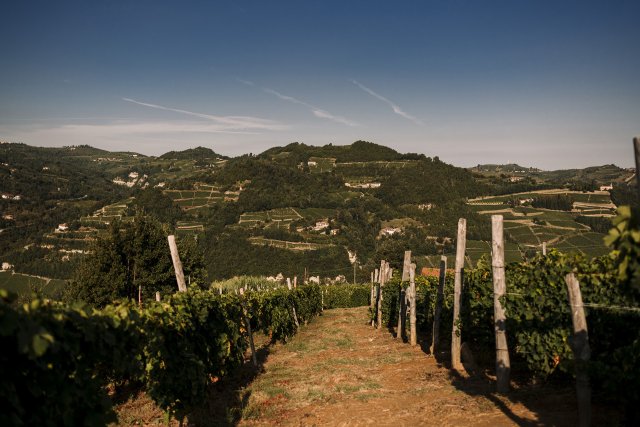
Piedmont sits at the foot of the Alps in northwest Italy, ringed on three sides by mountains and the Apennines. Vineyards cover roughly 47,000 hectares on hill slopes between 150 and 600 metres, with the plain reserved for rice and corn. The region carries 19 DOCG and 41 DOC titles, the densest catalogue in Italy.

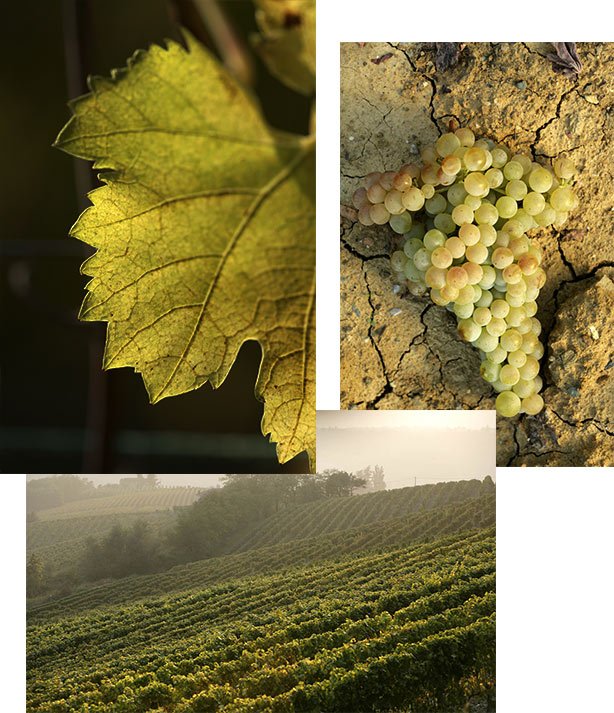
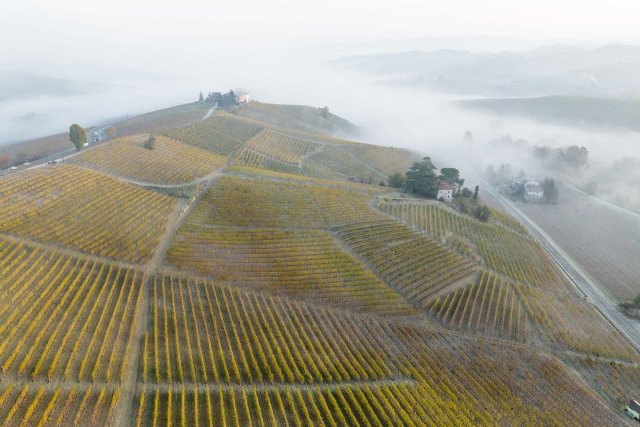
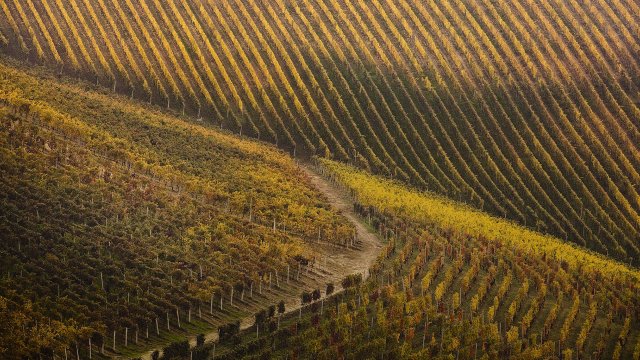
Three soil families set the wines. Langhe and Monferrato run on calcareous marl and sandstone, the bedrock behind Barolo and Barbaresco. Roero brings sandy marine sediments and a lighter Nebbiolo. Alto Piemonte switches to volcanic porphyry and morainic soils for Gattinara, Ghemme, and Lessona. Native grapes anchor every slope: Nebbiolo for ageworthy reds, Barbera for the everyday table, Dolcetto for table reds, Moscato Bianco for sparkling, Cortese, Arneis, Erbaluce, and Timorasso for the whites. The autumn fog (la nebbia) gave Nebbiolo its name and still defines the harvest.
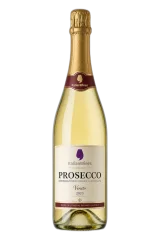
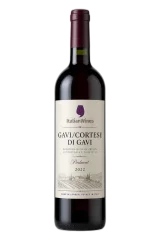
707
Wines in stock
62
Denominations
16
Heritage grapes
£9 +
Starting price
01 · Wine Areas7

Where Piedmont wine takes shape

The named places that explain the region's grapes, styles, and labels, plotted across the map.

01

Langhe

The hill country south of Alba that grows Barolo, Barbaresco and the everyday Nebbiolo, Dolcetto and Barbera bottlings sold under the Langhe DOC umbrella.

Marl, sandstone, and limestone hills around Alba, home to Barolo (11 communes) and Barbaresco (3 communes). The Langhe DOC umbrella covers Nebbiolo, Dolcetto, Arneis and Chardonnay outside the DOCG borders, and is the everyday lineup most estates pour first.

02

Roero

Sandy-soil hills north of the Tanaro river giving a lighter, more perfumed Nebbiolo and Piedmont's most expressive Arneis.

Sandy marine sediments give a lighter Nebbiolo (Roero DOCG, Roero Riserva) and the region's most expressive white, Roero Arneis DOCG. Hazelnut groves and apricot orchards share the same slopes; the river Tanaro and the rocche cliffs split the area in two.

03

Monferrato

Rolling Asti and Alessandria hills devoted to Barbera, plus the rarer Grignolino, Ruche and Freisa locals drink at home.

Rolling clay-limestone hills carry Barbera d'Asti DOCG, Nizza DOCG, Barbera del Monferrato Superiore DOCG, plus Grignolino, Ruche di Castagnole Monferrato DOCG, Brachetto d'Acqui DOCG and Loazzolo DOC. Warmer than Langhe and well suited to mid-cycle reds.

04

Asti and Canelli

The Moscato Bianco belt from Asti through Canelli into the Cuneo border, source of Asti DOCG and Moscato d'Asti DOCG.

Asti DOCG and Moscato d'Asti DOCG run from Asti through Canelli into Cuneo. Aromatic Moscato Bianco on calcareous marl, vinified frizzante or spumante by partial fermentation. Canelli's underground tufa cellars (Cattedrali Sotterranee) sit on the UNESCO list.

05

Alto Piemonte

Northern Piedmont's volcanic hill country near Vercelli and Novara, where Nebbiolo wears its sharpest, most savoury cut.

Gattinara DOCG, Ghemme DOCG, plus the DOCs of Boca, Bramaterra, Lessona, Sizzano, Fara, and Colline Novaresi. Porphyry, granite and acidic morainic soils give Nebbiolo (locally Spanna) a tighter, more savoury cut, often blended with Vespolina and Uva Rara.

06

Gavi and Tortonese

Southeast corner where Cortese carries Gavi DOCG against the Apennine ridge, and the Colli Tortonesi DOC carries the rediscovered Timorasso.

Gavi DOCG (Cortese) holds the southeast corner near the Apennine ridge, mineral and saline. North of it the Colli Tortonesi DOC carries the rediscovered Timorasso, Piedmont's most age-worthy white, marketed under the Derthona label. Barbera Colli Tortonesi DOC fills the red side.

07

Canavese and Caluso

Morainic hills north of Turin around the Serra d'Ivrea, home to Erbaluce di Caluso DOCG and the historic Caluso Passito.

Erbaluce di Caluso DOCG (still, sparkling, and the historic Caluso Passito) on morainic soils north of Turin. Canavese DOC adds Nebbiolo, Barbera, and Bonarda. The Serra d'Ivrea, Europe's largest morainic system, runs the western edge.

02 · Regional Guide6

Understanding Piedmont

Layered notes on terroir, history, label rules, taste, drinking window and where to start.

03 · Wines To Know6

What to drink from Piedmont

A short shortlist that maps the region: benchmark reds, signature whites and the labels worth a step-up.

04 · Denomination Spotlight

The one to know first

Our curated guide. Not the full list, the bottle that opens the door.

Barolo

Curated guide · DOCG

Barolo

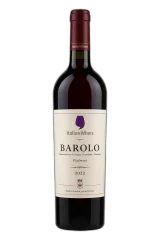
The king of Italian wines, born in the Langhe hills of Piedmont. Barolo DOCG is 100 percent Nebbiolo, aged a minimum of 38 months before release, 62 months for Riserva. Tannic, structured, age-worthy: a wine that.

205
Wines in stock
38mo
Min. ageing
18mo
Min. oak
13.0%
Min. alcohol
Explore Barolo
05 · Curated Guides1

Piedmont denomination guides

1 more active guide with editorial content. Curated coverage, not the complete regional denomination list.

Browse all guides

06 · Heritage Grapes4

The grapes behind the bottle

4 curated guides with editorial content. Pronunciations, traits and the regional footprint of each variety.

Browse all grape guides

07 · Editor's Picks707

Wines from Piedmont

A starter selection from the catalogue. Pour them as a regional flight.

View all 707 wines

08 · La Tavola6

The table of Piedmont

Mountain, pasture and coast on one plate. Pour the regional wine alongside.

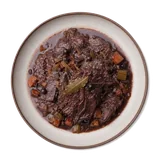
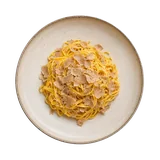
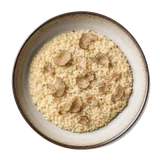
The Piemontese table runs by zone. Around Alba and Asti, agnolotti del plin in meat broth and brasato al Barolo answer the perfume and tannin of Nebbiolo. Vitello tonnato and salame cotto sit easily next to a young Barbera d'Asti. Bagna cauda, the warm anchovy and garlic dip, calls for Dolcetto. Bollito misto with seven cuts and seven sauces drinks Nebbiolo or a structured Nizza DOCG. Toward the Apennines, Gavi handles Ligurian seafood antipasti. White truffle of Alba on tajarin asks for an older Barolo or a top MGA Barbaresco. Bonet, the cocoa-amaretto pudding, closes with Moscato d'Asti or Brachetto d'Acqui.

09 · On The Ground16

Explore Piedmont by place

Wine routes, towns and wineries to follow when you go.

Wine routes

Wine towns

Wineries to follow

10 · Common Questions10

Ask the sommelier

Quick answers about Piedmont. Numbers, denominations, food and what to start with.

Nebbiolo. The grape reaches its high point in Barolo DOCG and Barbaresco DOCG around Alba, and runs north into Gattinara, Ghemme, and Carema on volcanic and glacial soils. Piedmont also leads on Barbera (Asti and Monferrato), Moscato (Asti DOCG, the largest DOCG in Italy by volume), and Cortese (Gavi DOCG).

Both are 100% Nebbiolo from neighbouring zones around Alba. Barolo is grown in 11 communes south of the Tanaro, ages 38 months minimum (62 for Riserva), and tends to carry more weight and tannin. Barbaresco covers 3 communes north of the Tanaro, ages 26 months minimum (50 for Riserva), and shows finer-grained tannin with earlier elegance. Most cellars work both styles where they own land in each.

MGA stands for Menzione Geografica Aggiuntiva, the Italian equivalent of cru. Barolo lists 181 MGAs across its 11 communes; Barbaresco lists 66. The MGA name (for example Cannubi, Brunate, Asili, Rabaja) sits next to the DOCG line and identifies the single vineyard or named hillside the wine comes from.

The classic table is local. Barolo and Barbaresco drink with brasato al Barolo, agnolotti del plin in meat broth, and aged Castelmagno cheese. Barbera covers vitello tonnato, salame cotto, and rabbit. Dolcetto suits bagna cauda. Gavi handles Ligurian seafood. Moscato d'Asti closes the meal with bonet, the local cocoa-amaretto pudding. Add white truffle of Alba on tajarin in autumn.

Late September through November for harvest and the Alba white truffle fair, late April through June for hill walking and lower tourist density. Most cellars take visits by appointment with tasting fees of 15 to 30 euros. Alba is the practical base for Langhe and Roero; Asti or Canelli for Monferrato; Gattinara or Ghemme for Alto Piemonte.

Standard Barolo opens around year seven and runs twenty-five-plus in benchmark vintages such as 2010, 2013, 2016, and 2019. Barbaresco moves a few years faster. Alto Piemonte Nebbiolo (Gattinara, Ghemme, Lessona) drinks well at ten to fifteen years. Barbera d'Asti and Nizza DOCG drink from three to ten years. Dolcetto is for the year of release.

We currently list 707 wines from Piedmont, starting from £8.99. Browse them all on our wines page.

We currently curate 2 active Piedmont denomination guides, including Barbaresco, Barolo. This is an editorial selection, not the complete regional denomination list.

We currently curate 4 active Piedmont grape guides, including Nebbiolo, Barbera, Chardonnay, Moscato. This is an editorial selection, not the complete regional grape list.

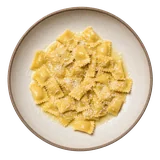
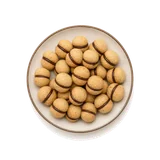
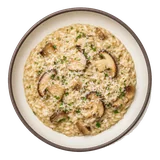
Piedmont is renowned for dishes including Agnolotti del Plin, Baci di Dama, Brasato al Barolo, Porcini mushroom risotto.

11 · Keep Exploring

Your next pour

More of Northern Italy, with similar terroir and table.

Wine styles made in Piedmont

Italian Red wine

Red

Italy's boldest expression, structured, complex, built for food

515 wines 16 grapes 9 denominations From £10.50
Explore red
Italian White wine

White

Crisp and versatile, from alpine freshness to Mediterranean warmth

170 wines 16 grapes 3 denominations From £8.99
Explore white
Italian Sparkling wine

Sparkling

From Prosecco to Franciacorta, bubbles for every occasion

6 wines 16 grapes 3 denominations From £10.49
Explore sparkling