




 Piedmont
 10 wines
  Tastings
 Tours
Tours
 Booking required


Wine area
Langhe
The hill country south of Alba that grows Barolo, Barbaresco and the everyday Nebbiolo, Dolcetto and Barbera bottlings sold under the Langhe DOC umbrella.
Your cellar, your trips, and the wines you've been tracking are right where you left them.
New here?
Free, always. Education first, we'll never sell you anything you didn't ask to see.
Already have an account?
Enter the email you signed up with and we'll send a link to choose a new password.
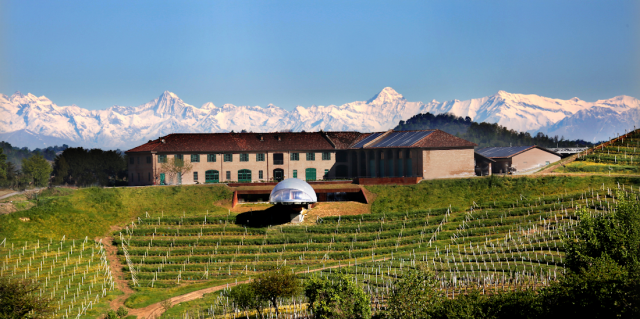
Elio Grasso farms 18 hectares of vines, about 25 football pitches, above Monforte d'Alba. The estate sits on the Ginestra hill, long counted among the Langhe's best Barolo sites. The Grasso family has worked these slopes for generations, and in 1978 it returned to bottling its own wine, with the single-vineyard Barolos that still anchor the range. The cellar makes about 90,000 bottles a year across seven wines, three of them Barolo: Gavarini Chiniera, Ginestra Casa Maté and the long-aged Riserva Rüncot. Visits run Monday to Friday by appointment.
See the wines
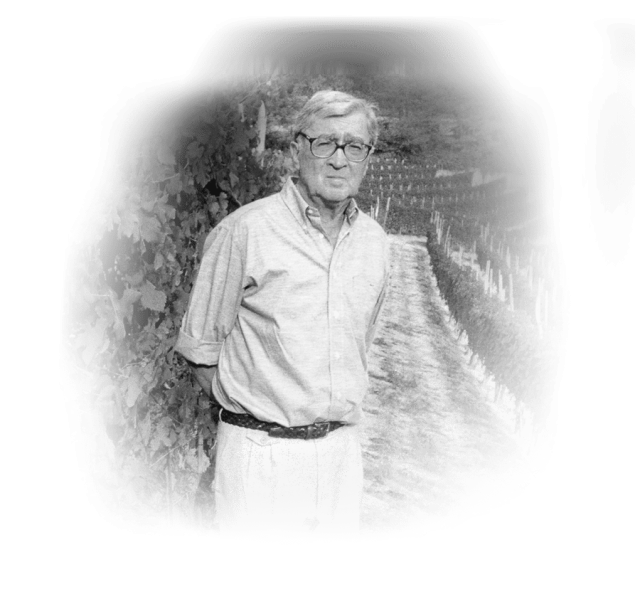
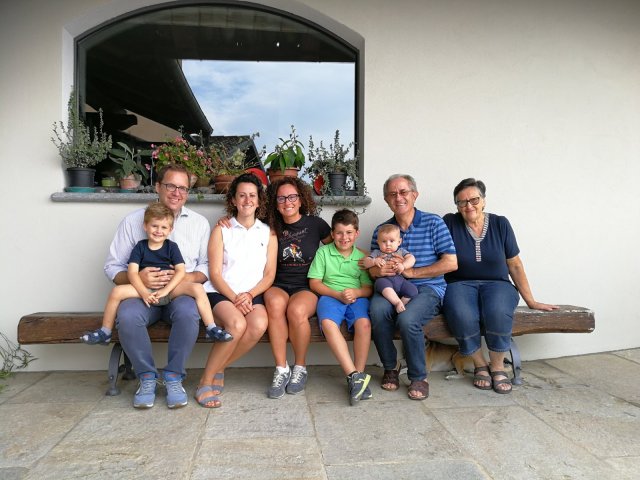
The Grasso family has farmed the Ginestra hill above Monforte d'Alba for generations. In 1978 it bottled its first single-vineyard wines, the Gavarini Chiniera and Ginestra Casa Maté Barolos. In the early 1980s the family took the vine work fully back into its own hands, replanting Nebbiolo, Barbera and Dolcetto plot by plot. Six family members are named on the estate's own site: Elio, Gianluca, Marina, Francesca, Martina and Anna Grasso.
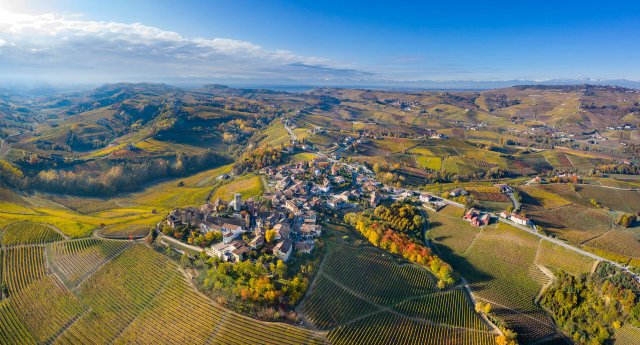
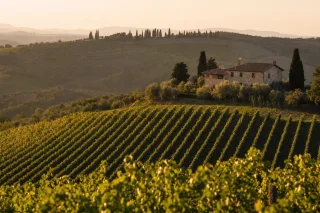
Home is Località Ginestra in Monforte d'Alba, one of the eleven villages whose vineyards can make Barolo DOCG. The family's land climbs the southern face of the Ginestra hill. Less than half of it is planted with vines; the rest stays wood and meadow. These hills joined the UNESCO World Heritage list in 2014, as part of the Langhe-Roero and Monferrato landscape. The family's plots already appear on Lorenzo Fantini's map of the Langhe's best vineyard sites, drawn in the early 1900s.
The cellar makes about 90,000 bottles a year across seven wines. Three are Barolo DOCG: the long-aged Riserva Rüncot, the Gavarini Chiniera and the Ginestra Casa Maté. Gavarini Chiniera grows on a south-facing parcel of sandy, lime-rich soil. Casa Maté comes from deeper, lime-rich clay nearer the village. Around them sit the Barbera d'Alba Vigna Martina, a Langhe Nebbiolo and the Dolcetto d'Alba dei Grassi, planted during the 1980s replanting. The white is the Chardonnay Educato, whose vineyard went into the ground in 1986 and gave its first bottles in 1990.
Vines are trained on Guyot, at 4,500 plants for every hectare. Fermentation runs in temperature-controlled steel tanks, and the juice is pumped over the grape skins every day. The Barolos then age in large Slavonian oak casks of 2,500 litres, each holding the same as about 3,300 bottles. The Chardonnay splits its time between steel and French oak barrels.
Two phrases keep coming back on the family's own site: contadini prima e produttori poi, farmers first and producers second, and respect for the work of those who came before. Visits run Monday to Friday, by appointment only. You book through the request form on the official site, not through a third-party platform.
Plate I · PIEDMONT
Wine area
The hill country south of Alba that grows Barolo, Barbaresco and the everyday Nebbiolo, Dolcetto and Barbera bottlings sold under the Langhe DOC umbrella.
Winery
Piedmont · Langhe
Nothing here can be booked online yet. The experiences below are documented by our editors. The estate's contact details are in Practical info.
Tasting & Tour
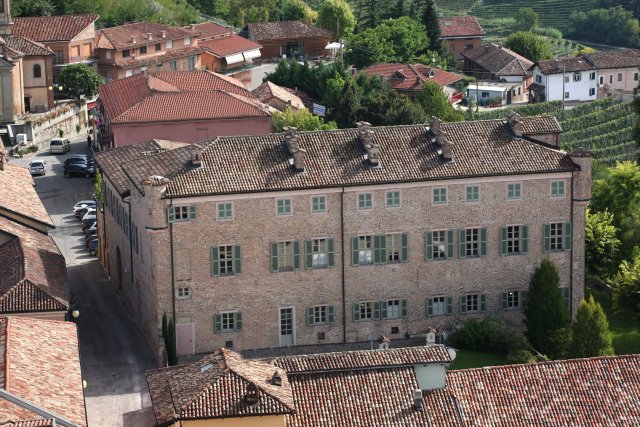
Visits to the estate at Località Ginestra in Monforte d'Alba run Monday to Friday by appointment only. The booking form on eliograsso.it captures party size, contact details and a free-text request; the family confirms the slot directly. There is no published walk-in option, no on-site shop without a booking, and no third-party platform handling bookings.
Not bookable online yet
Not seeing the estate you want? Estates without an online listing are reachable directly, and their phone and email are in Plan your visit.
Elio Grasso's current bottle selection is led by Barolo DOCG. The clearest grape signal comes from Nebbiolo and Chardonnay.
Tell us what you need and we'll help you reach Elio Grasso and arrange a visit or tour. We reply within two working days.