

Red Grape · Piedmont

Dolcetto

The Langhe's everyday pour: a bone dry red whose name promises sweetness, whose glass gives plum, violets and a bitter almond snap, and whose growers defend it plot by plot against ever more profitable Nebbiolo.

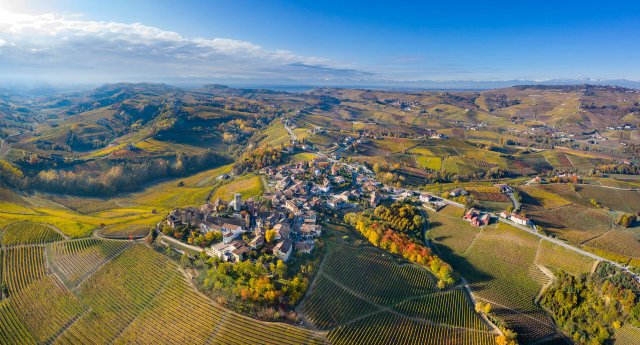
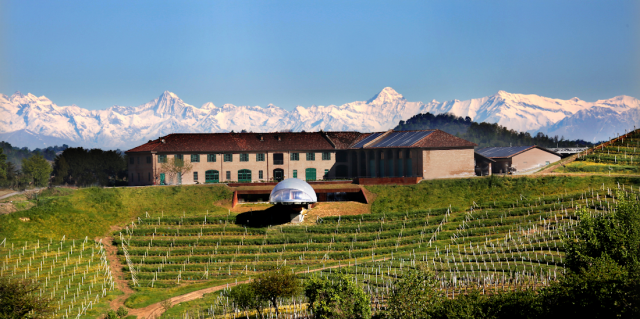
Dolcetto is Piedmont's everyday red grape, grown on the high ridges of the Langhe, the Monferrato and the Alessandrino for centuries. Bone dry despite a name that hints at sweetness, it delivers plum, violets and a bitter almond finish through Dogliani DOCG, Diano d'Alba DOCG, Ovada DOCG and Dolcetto d'Alba DOC.

18
Bottles live now
8
UK retailers
8
Denominations

Setting it straight

More than meets the eye

vs
The reality
  • Completely dry with the ammandorlato finish, the bitter almond snap Italian tasters use to spot it blind
  • Attilio Scienza traces the name to dozzetti, the hill ridges it favoured, not to sugar
  • Three DOCGs carry it: Dogliani, Dolcetto di Diano d'Alba and Ovada, with Dogliani 100 percent Dolcetto by law
The myth
  • The diminutive name leads drinkers to expect Piedmont's dessert red, or at least an off dry one
  • Its soft, early drinking style gets it filed as a lesser grape beside Nebbiolo and Barbera
  • Even the etymology gets simplified: sweetness is only one of the competing theories

The anchor fact: Dolcetto is always a dry red wine: the name refers to the grape, which tastes sweeter off the vine than Piedmont's other varieties, not to sugar in the glass.

Taste · Where it sits

What it’s actually like in the glass

Forget scores out of five. Here’s Dolcetto described against grapes you already know.

BodyMid-weight
LighterFuller

Rounder than Grignolino, nowhere near Barolo's mass: Dolcetto fills the mouth with soft plum flesh then lets go quickly, which is exactly why Piedmont pours it on weeknights.

TanninDusty grip
SilkyGrippy

More grip than its softness suggests: tannin rich skins leave a fine, dusty grasp closer to young Nebbiolo than to Barbera, the frame that lets Dogliani Superiore carry a year of wood.

AcidityGentle
SoftZesty

The inverse of Barbera: where its cellar-mate runs electric, Dolcetto stays calm and low in acid, so the fruit reads plush and the wine asks to be drunk in its violet scented youth.

Fruit-sweetnessBone dry
Bone drySweet

Dry every single time, yet the berry itself ripens sweeter than Piedmont's other reds, which is one theory for the name; expect dark plum and blueberry fruit with zero sugar behind it.

Key flavours

Plum
The core of the wine: dark, fleshy damson rather than red plum, picked weeks before Nebbiolo yet darker in the glass, at its ripest on Dogliani's high ridges.
Violet
The lift that stops Dolcetto feeling rustic: a violet note the Langhe shares with Nebbiolo, but here it floats over soft fruit instead of tar and tension.
Almond
Dolcetto's signature tell: the gently bitter, ammandorlato snap on the finish that Italian tasters use to pick it out of a Piedmont line up blind.
Black cherry
Ripe black cherry rather than Barbera's tangy red cherry: low acidity lets the fruit read darker and rounder even though the wine is bone dry.
Blackberry
Hedgerow mora that deepens in the warmer Alessandrino hills around Ovada, the zone Gambero Rosso's 2026 tastings crowned for structured, age worthy Dolcetto.
Blueberry
An unusually grapey, blueberry tone that ampelographers flag as a Dolcetto marker; it keeps the wine tasting of fruit skin rather than jam.
Structured · Tannic Soft · Approachable Light-bodied Bold · Full Sangiovese Nebbiolo Merlot Cabernet Sauvignon Corvina Primitivo
Dolcetto

The map

Dolcetto is medium-bodied, firm tannin, mapped against other red grapes you can buy. The closer a grape sits, the more its weight and grip resemble Dolcetto.

Dolcettomedium-bodied, firm tannin
Nebbiolofuller
Merlotfuller
Cabernet Sauvignonmuch fuller, firmer
Corvinasofter
Primitivofuller, softer

Is this for you?

An honest gut-check

Reach for it when…

A bold red that just works

  • Weeknight Piedmont: agnolotti, tajarin, salami and pizza wines with real local identity
  • Drinking young and slightly cool without giving up a proper tannic frame
  • Ordering what the Langhe actually drinks while visitors chase Barolo

Maybe skip it if…

You’re after something else tonight

  • You want high acid, food cutting energy: that is Barbera's job
  • You are cellaring for a decade: outside Dogliani Superiore this grape wants its first five years
  • You expect sweetness from the name: there is none

Serving guide

Pour it at its best

Serve at

15-17°C

At 15 to 17 degrees the violets and plum stay lifted; room warm, the low acidity turns it flat and heavy.

Decant

Up to 30 minutes

Half an hour softens a young Dogliani's dusty grip; longer air only fades the fruit you bought it for.

Glass

Standard Red Wine Glass

A standard red glass is right: a big Burgundy bowl exaggerates alcohol over Dolcetto's modest aromatics.

Drink within

2-3 days

Most bottles peak inside three years, while the almond snap and violet top note are still fresh.

Cellar

1-5 years

Only Dogliani Superiore and single vineyard Diano d'Alba or Ovada repay five years; everyday d'Alba does not.

Buy it · three to start with

Not sure which bottle? Start here

A curated trio across the price range, then every Dolcetto on sale in the UK right now.

Entry · everyday

Briccotondo Dolcetto

Briccotondo Dolcetto

Piemonte

2 retailers

£14.74

View Wine

Why this one: Fontanafredda's Piemonte DOC bottling is the textbook first Dolcetto: plum and violet, a soft middle, the almond snap, and made in enough volume to actually find.

The sweet spot

G.D. Vajra Dolcetto d'Alba SAVE -2%

G.D. Vajra Dolcetto d'Alba

Dolcetto d'Alba

1 retailer

£16.33

£16.72

View Wine

Why this one: Vajra farms high Barolo country above Vergne and gives Dolcetto the same care as its Nebbiolo; the extra perfume and polish show why d'Alba is called the fullest zone.

Special occasion

Azienda Agricola Poderi Marcarini Boschi di Berri

Azienda Agricola Poderi Marcarini Boschi di Berri

Dolcetto d'Alba

1 retailer

£16.50

View Wine

Why this one: From own rooted old vines on a sandy pocket at La Morra, Boschi di Berri is Dolcetto as living archaeology: wilder, deeper and longer than any modern planting.

12 of 17 bottles

Denominations

Where it earns a name on the label

The appellations where Dolcetto plays a starring role.

Pornassio/Ormeasco di PornassioDOC DoglianiDOCG Dolcetto d'AcquiDOC Dolcetto d'AlbaDOC Dolcetto d'AstiDOC Dolcetto di Diano d'Alba/Diano d'AlbaDOCG Dolcetto di OvadaDOC Dolcetto di Ovada Superiore/OvadaDOCG

Where it grows

The places it calls home

Editorial

About Dolcetto

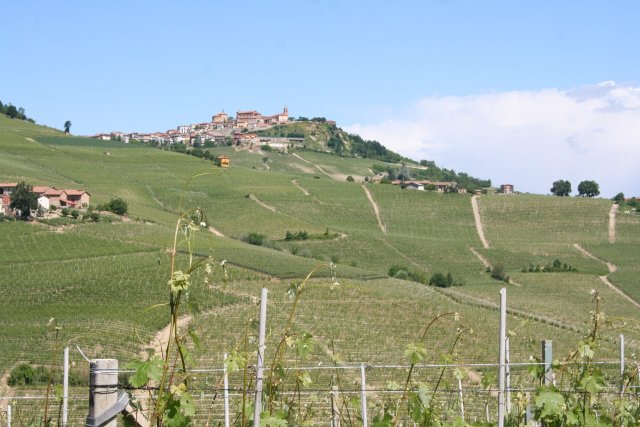
Dolcetto has grown on the hills of Piedmont since at least 1593, when Dogliani's council regulated its harvest by ordinance; Gambero Rosso points to the Monferrato as its probable cradle. Even the name is argued over. The traditional reading says the grape, unusually sweet to eat for a Piedmontese red, lent the wine its diminutive; the ampelographer Attilio Scienza prefers dozzetti, the low hill ridges it always favoured. What is not argued is the glass: a completely dry red wine of plum, violets and a quietly bitter almond finish.

Pleasingly gastronomic by nature, Dolcetto resists the creeping nebbiolisation of Piedmont's vineyards and deserves better than to be forgotten.

Gambero Rosso, January 2026

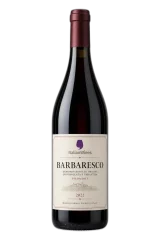
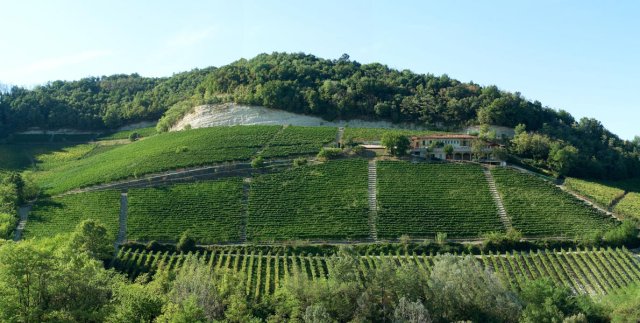
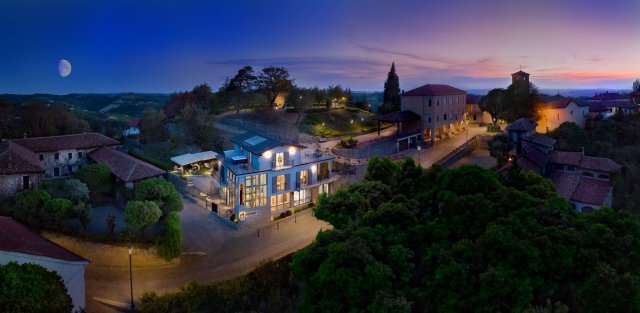
It ripens earlier than Barbera or Nebbiolo, so it took the cooler plots the king of the Langhe refused, and it inverts the Piedmontese formula: low acidity, real tannin. Each zone bends it differently. Dogliani, a DOCG since 2005 on hills once farmed by president Luigi Einaudi, is the most floral and powerful; Dolcetto d'Alba is the fullest bodied; Diano d'Alba sits between them, while Ovada adds dark fruited structure from the Alessandrino. The band on the neck deserves a close read: Dogliani must be 100 percent Dolcetto by law.

Over the mountains the same grape answers to Ormeasco, rooted in Liguria's Valle Arroscia since the Middle Ages and protected as Pornassio DOC since 2003, down to its coral Sciac-tra rosato. Piedmont still holds 98 percent of the national 4,144 hectares, and the threat today is what Gambero Rosso calls nebbiolisation: Dolcetto vineyards grubbed up for more profitable Barolo grapes, resisted by growers such as Marziano Abbona at Dogliani and Claudio Alario at Diano d'Alba. Typically the first red of the new vintage to leave the cellars, it is the local's pick on a Piedmontese wine list, poured while Nebbiolo sleeps in barrel; where it sits among Italy's native grape families is a story of its own.

Good to know

Frequently asked

Always dry. The name describes the grape, which tastes sweeter off the vine than other Piedmontese varieties, not the wine; the ampelographer Attilio Scienza ties it instead to dozzetti, the hill ridges it grew on. In the glass expect a bone dry red with a gently bitter almond finish.

Dark plum, violets and black cherry up front, soft acidity, a fine dusty tannin and the trademark bitter almond aftertaste Italian tasters call ammandorlato. Oak aged versions from Dogliani or Ovada add cocoa and forest fruit depth.

They are Piedmont's two everyday reds built in opposite ways: Barbera runs high acidity with little tannin, Dolcetto runs low acidity with a firmer tannic frame. Barbera cuts through rich food like a knife; Dolcetto wraps around it. Both are usually drunk young while Nebbiolo ages.

The Piedmontese table: agnolotti del plin, tajarin with butter and truffle, vitello tonnato, salami and medium aged cheeses like toma. Its low acidity also makes it one of Italy's best reds for pizza. Serve it just cool, at 15 to 17 degrees.

Drink most bottles within three years to catch the violet and plum freshness. The exceptions are Dogliani Superiore, held twelve months before release by law, and single vineyard wines from Diano d'Alba or Ovada, which can improve for five years and sometimes more.

Yes. Ormeasco is the Ligurian name for Dolcetto, grown in the Valle Arroscia of the Ligurian Alps since the Middle Ages. Pornassio DOC requires at least 95 percent of it and includes a traditional coral pink rosato called Sciac-tra alongside the red.

Explore by style

Wine styles made from Dolcetto

Jump to the editorial guide for each style this grape turns up in.

Keep exploring

More red grapes

Sangiovese

Sangiovese (san-jo-vay-zeh) is the undisputed king of red wines in central Italy, virtually present in every area of the country Thanks to its many clones and surprising versatility, Sangiovese can create a wide range of wines: from young and fresh Chiantis to complex and full-bodied Brunellos.

Wines 322
Tannin
Body

Explore Sangiovese

Nebbiolo

Nebbiolo (Nay-bee-OH-lo) is a native Italian variety cultivated in the northern regions, whose name derives from the word “Nebbia” which is Italian for fog.

Wines 270
Tannin
Body

Explore Nebbiolo

Merlot

Merlot is a red grape with a serious Italian footprint: Bolgheri DOC, Bolgheri Rosso, Cortona DOC, Suvereto DOCG, Rubicone IGT and Montello Rosso DOCG form its Italian map.

Wines 127
Tannin
Body

Explore Merlot

Corvina

Corvina is the principal red grape of Verona's wine country, forming the backbone of Valpolicella DOC, Amarone della Valpolicella DOCG, and Recioto della Valpolicella DOCG.

Wines 74
Tannin
Body

Explore Corvina