




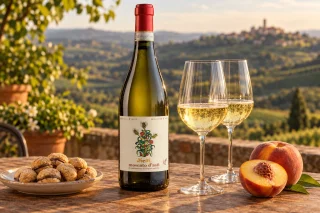


Nizza Monferrato
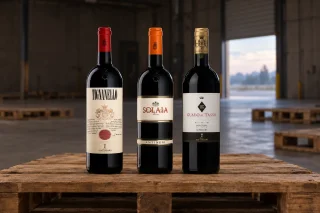
Bersano
0.3 km off the line · Tastings from €80 · 4 hours
View wineryYour cellar, your trips, and the wines you've been tracking are right where you left them.
New here?
Free, always. Education first, we'll never sell you anything you didn't ask to see.
Already have an account?
Enter the email you signed up with and we'll send a link to choose a new password.
Piedmont · Wine route · 2 days
Why this drive: Three DOCG wine zones sit within an hour of Asti, and this is the only drive that gives you all of them in a weekend. Ruchè waits at Castagnole Monferrato, the Barbera heartland at Costigliole and Nizza, the Moscato country around Canelli. Two of the six zones of Piedmont's UNESCO vineyard listing are here, and at Canelli you walk into it. Contratto, Coppo, Gancia and Bosca all open their cathedral cellars, dug up to 32 metres under the town. The Langhe crowds never make it across, and the roads show it.
The route, drawn
Tap a day in the legend to bring its legs forward. The map follows as you scroll the stops, and a press on any marker jumps to it.
Stop 1 · The Palio city start
Provincial capital of the Asti hills, name-giver of the sweet spumante, and the drive's only city.
What to taste here
Walk the Corso Alfieri spine and the Palio square, then stock up before the villages: the late-afternoon merenda sinoira at a piola is the local institution.
Where to eat
La Piola di Garibaldi. Via Garibaldi 6, open 8 to 23 daily: coffee at dawn, the wine-and-plates merenda sinoira from late afternoon.
Stop 2 · Ruchè's seven-village patch
Hilltop village at the centre of the seven-commune Ruchè DOCG, twenty minutes northeast of Asti.
What to taste here
Taste Ruchè in the village or book at Montalbera above it, then drive back over the open Monferrato ridges.
Where to eat
Osteria Il Ruchè. Via XX Settembre 32; Giuliana Borga and chef Davide Gatti reopened it in 2023. No website; ring 335 8156298.
Stop 3 · Barbera under the castle
Barbera d'Asti heartland village under a four-towered castle that now houses ICIF, the international Italian cooking school.
What to taste here
The castle school explains the food-first feel of the village. Cascina Castlèt's Barbera grows on the commune's own slopes.
Stop 4 · The spumante cathedrals
Spumante's home town: the cellar cathedrals under the streets age classic-method wine and earned Canelli its place in the UNESCO listing.
What to taste here
Book one cathedral tour rather than trying them all: Contratto's cellars under the Gancia castle run to about 5,000 square metres, 32 metres down.
Where to eat
Ristorante Casa Crippa. Corso Libertà 65/A, set inside a mid-1800s underground cellar; closed Sunday evening and Monday.
Stop 5 · Barbera at its grandest
The Barbera capital that gave its name to the Nizza DOCG in 2016; Palazzo Crova holds the regional enoteca, a taste museum and the osteria.
What to taste here
Palazzo Crova is the one-stop version of the town: six wines open every week in the enoteca, the Palazzo del Gusto museum, La Signora in Rosso in the cellars.
Where to taste
 Tastings from €80 · 4 hours
 Booking required
Booking required
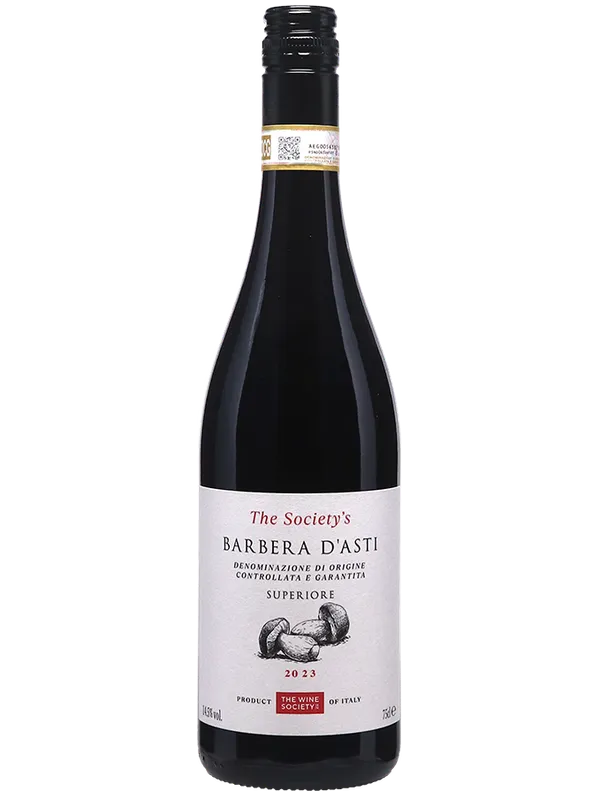
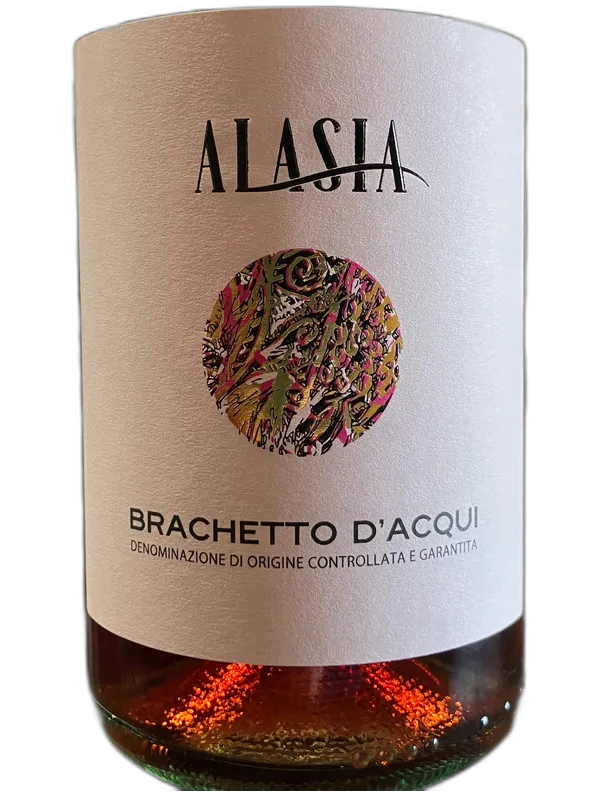
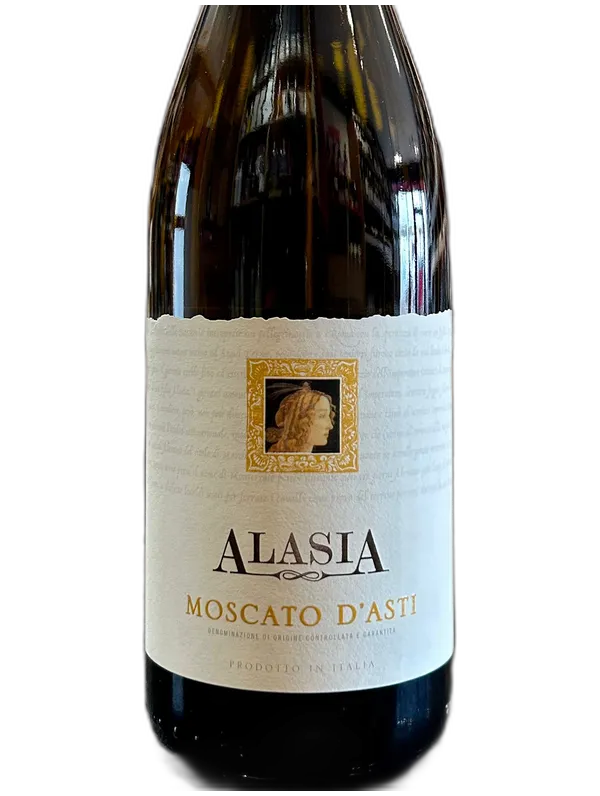
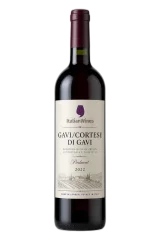
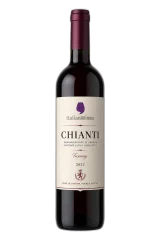
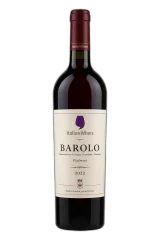
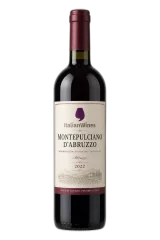
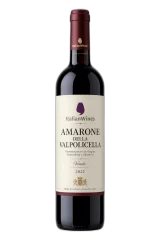
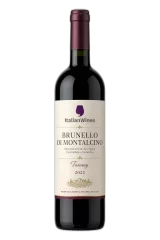
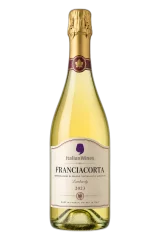
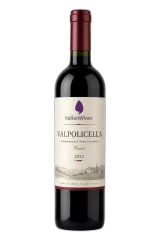
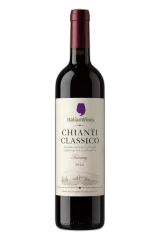
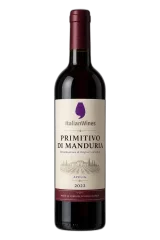
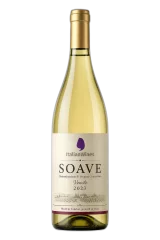
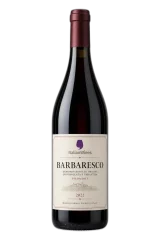
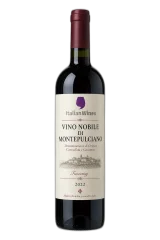
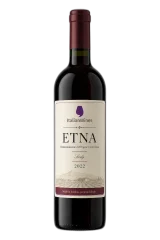
Wines to Try
A few wines from the estates above.
Where to eat
La Signora in Rosso. In the cellars of Palazzo Crova, Via Crova 2, beside the regional enoteca and its 600 labels.
Stop 6 · Sweet fizz and hot springs
Roman spa town on the Bormida, home of Brachetto d'Acqui and of the Bollente, the 74 degree spring in the middle of town.
What to taste here
Finish with the Bollente and the old-town enoteca crawl. The historic centre is permit-restricted, so park on the squares south of it and walk.
Where to eat
Enoteca La Curia. Via alla Bollente 26, steps from the hot spring, open since 1997; closed Monday.
Before you go
Visit prices are set by the winery and availability should be checked before travelling. Bookings open on the estate page or the provider's site.
When to go
Early September stacks the Palio bareback horse race, the Festival of Festivals food fair and the Douja d'Or wine fair into two Asti weeks. The Douja alone runs ten days from the second weekend. Harvest follows through October, when the hills are at their best and the cellars at their busiest. The cathedral cellars under Canelli hold 12 to 14 degrees all year, so a winter visit works: pack a layer and book ahead.
Driving notes
The hills between Asti and Acqui are gentle by Piedmont standards, and the provincial roads are wide and lightly used outside harvest. From mid September to late October expect tractors and grape trailers on every climb, and give them room on the bends. Fill the tank in Asti, Canelli or Nizza: the ridge villages, Castagnole among them, have no fuel. Asti's Wednesday and Saturday market also swallows part of the Campo del Palio car park, so arrive early on those days.
ZTL
Asti's old town is a camera ZTL that runs day and night, with nine cameras on the entrances. Park at Piazza Campo del Palio instead: more than 1,400 spaces, paid Monday to Saturday 8 to 19, free on evenings and Sundays. Acqui Terme restricts its historic centre around the Bollente too. Leave the car in the pay bays on the squares south of the centre, Piazza Maggiorino Ferraris among them, and walk in.
Getting a car
Asti sits on the Turin to Genoa rail line, so the cleanest plan is to arrive by train and collect a hire car in town. Turin's Caselle airport, an hour away, is the flying option. You need the car for the whole route: no bus links the wine villages. The only stop where you can drop it and walk all day is Asti itself. Keep the car small, because village parking is tight.
Leave the driving out
Some booking links earn italianwines.co.uk a commission. This never affects price or what we recommend.
Tours in this wine area
Nearby, not the route itself
Enjoy a true Italian experience while in the wine region of Piedmont. Treat yourself to a vineyard tour led by an expert guide paired with an exquisite wine tasting wi...
Accompanied by a guide, drive a quad through the Monferrato hills, crossing vineyards to discover evocative landscapes and visit an Infernot, a UNESCO-listed cellar.
Discover the winemaking process with a guided tour of a winery in Agliano Terme. Learn about the winemaking process from grape to bottle, and taste a selection of wine...
Reading the labels you'll pass
Before you ask
Not one single road. The southern half overlaps the Strada del Vino Astesana network, whose marked Moscato and Nizza loops cover Canelli and Nizza Monferrato. This drive adds Asti, Ruchè country at Castagnole Monferrato and the Acqui finish, so you cross three DOCG wine zones in one arc.
About 90 kilometres and roughly two hours at the wheel, split over two days. Day one is Asti, Castagnole Monferrato and Costigliole; day two runs Canelli, Nizza and Acqui Terme. Add a third day if you want the Acqui baths at spa pace.
Book ahead. Contratto, Coppo, Gancia and Bosca are the four houses that open their cathedral cellars, and visits run as guided tours rather than walk-ins. The cellars sit as deep as 32 metres and hold 12 to 14 degrees all year, so bring a layer whatever the season.
Piazza Campo del Palio, the huge square below the old town: more than 1,400 spaces, paid Monday to Saturday from 8 to 19 and free on evenings and Sundays. The centre itself is a camera-controlled ZTL day and night, and the market takes part of the square on Wednesday and Saturday mornings.
Early September if you want Asti at full tilt: the Palio horse race, the Festival of Festivals and the ten-day Douja d'Or wine fair all land inside two weeks. Late September and October are harvest, the prettiest and busiest weeks in the cellars. Winter works for the cathedral cellars, which hold their temperature, if you book.
Nizza is Barbera d'Asti's top tier grown up. Since July 2016 it has been a DOCG in its own right: all Barbera, from a tighter ring of hills around Nizza Monferrato, aged longer before release. Barbera d'Asti covers the wider province and runs from carafe wine to serious single vineyards.
Ruchè is a rare aromatic red grape grown around seven villages, with Castagnole Monferrato at the centre. It smells of roses and violets and drinks dry. It became a DOC in 1987 and a DOCG in 2010, and one estate, Montalbera, farms around 60 percent of the entire zone. Almost none leaves the area, which is the reason to come.
Yes, for the switch from cellars to steam. The Bollente fountain in the centre pushes out thermal water at about 74 degrees, 560 litres a minute, and the town has been a spa since Roman times. Brachetto d'Acqui, the local sweet red fizz, is the cellar side of the visit.
2 days
A two-day loop through the Barolo and Barbaresco production zones, anchored on Alba.
Take it with you
They land in a trip named after the route, in drive order. Reorder them, drop one, add a night, before you book anything.
You'll need to sign in, and we bring you straight back to this route.