






Termeno
Hofstätter Josef
0.2 km off the line
View wineryYour cellar, your trips, and the wines you've been tracking are right where you left them.
New here?
Free, always. Education first, we'll never sell you anything you didn't ask to see.
Already have an account?
Enter the email you signed up with and we'll send a link to choose a new password.
Trentino-Alto Adige · Wine route · 3 days
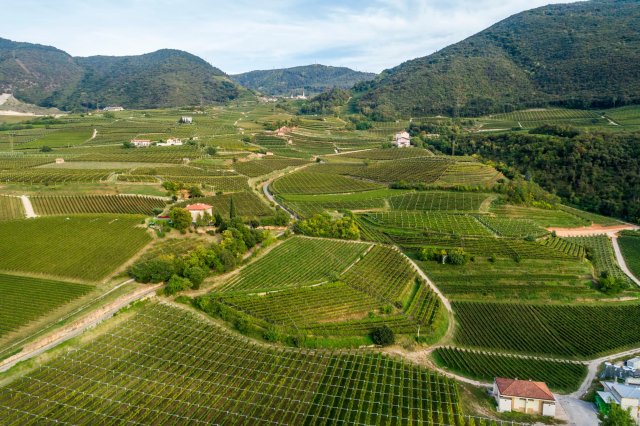
Why this drive: This is Italy's oldest wine road: seven villages put up the first signs in 1964, and today the green Weinstraße markers link 16 of them between Nalles and Salorno. One valley holds two native reds, Schiava and Lagrein, plus the aromatic white the whole world copies, and Tramin is the village that gave Gewürztraminer its name. Nearly every stop keeps a co-operative cellar at its centre, so tasting needs no appointment, just a walk to the village square. The backdrop runs from porphyry cliffs to a swimmable wine lake.
The route, drawn
Tap a day in the legend to bring its legs forward. The map follows as you scroll the stops, and a press on any marker jumps to it.
Stop 1 · The northern gate
Official northern start of the Weinstraße, an orchard-and-vine village where the green road signs begin.
What to taste here
Pick up the bilingual Weinstraße markers here and follow them south; the whole road is signposted in both languages.
Stop 2 · Whites built to wait
Village under porphyry cliffs whose Pinot Bianco is famous for ageing decades.
What to taste here
Cantina Terlano's Rarity releases go back to 1979, aged on the lees in steel for 10 to 30 years; book the cellar to see the tanks. Spring is asparagus season here.
Stop 3 · Lagrein's city floor
The provincial capital with vineyards inside the city: Lagrein on the Gries floor, Santa Maddalena on the hill, the Ötzi museum in between.
What to taste here
Park under Piazza Walther and walk: arcades, the Ötzi museum and the wine shops all sit within ten minutes. Gries and its monastery cellar are across the river.
Where to eat
Wirtshaus Vögele. Via Goethe 3, the Alber family's inn in the arcaded centre; kitchen 11:30 to 16:00 and 18:00 to 23:00, closed Saturday night and Sunday.
Stop 4 · The biggest wine commune
South Tyrol's largest wine commune, about 1,200 hectares of vines spread over its hamlets, with castles on every second hill.
What to taste here
San Michele is the hub: the co-op cellar, the Michelin-starred Zur Rose in the pedestrian lanes, and castle walks out of the village.
Where to eat
Zur Rose. Josef Innerhofer Straße 2 in San Michele's pedestrian lanes, the Hintner family's Michelin-starred dining room in a medieval house; closed Sunday.
Stop 5 · The wine lake
Market town above Alto Adige's warm lake, with the South Tyrol Wine Museum in the old Di Pauli cellars.
What to taste here
The wine museum in the village centre first opened in 1955; the lake below is ringed by Schiava vines and swimmable most of the summer.
Where to eat
Seeperle. San Giuseppe al Lago 28, right on Lake Caldaro; the guesthouse kitchen cooks with wine from its own small winery.
Stop 6 · Gewürztraminer's namesake
The village that gave Gewürztraminer its name; aromatic whites and a landmark green-glass co-op cellar.
What to taste here
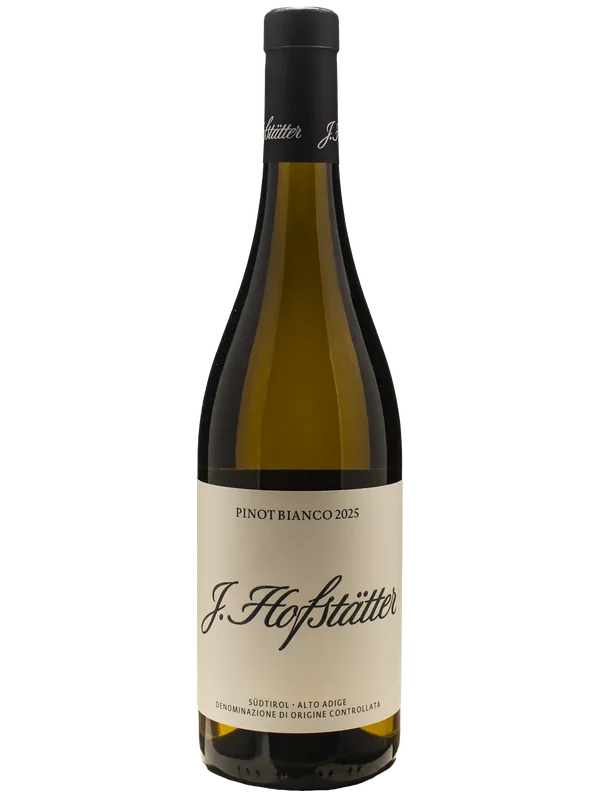
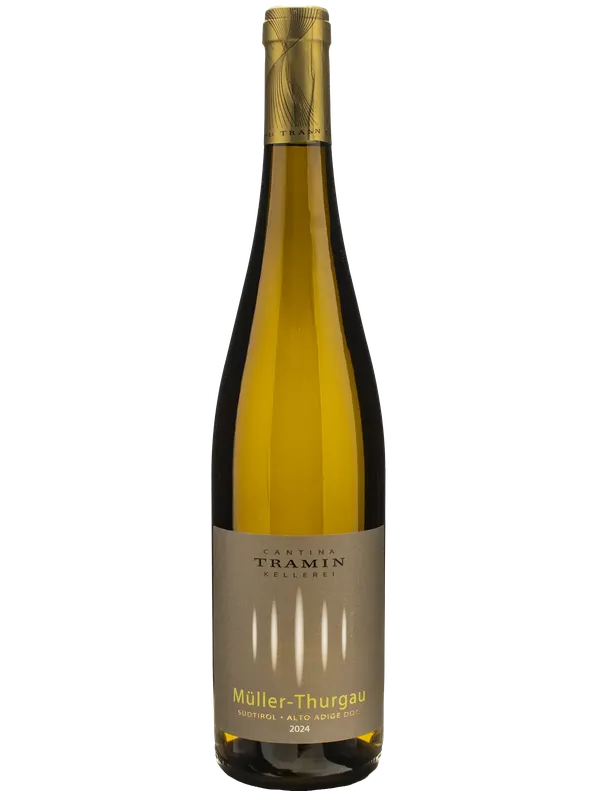
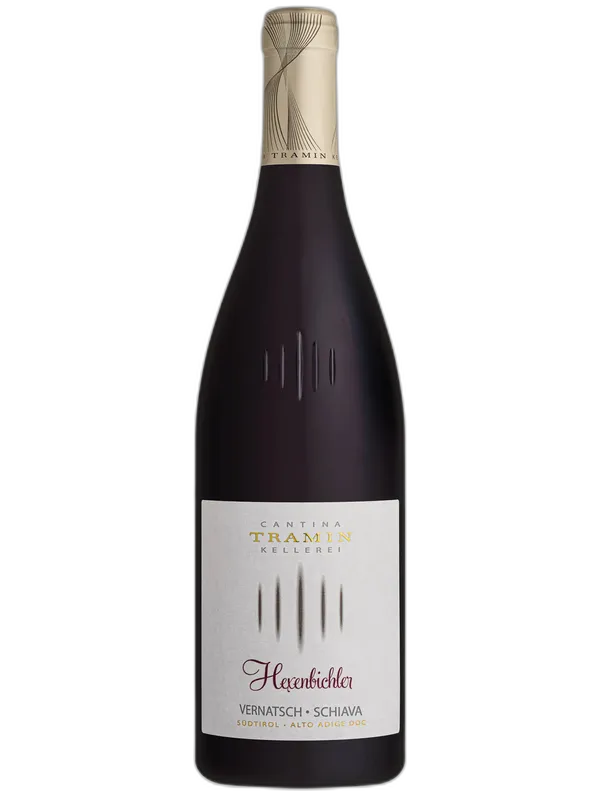
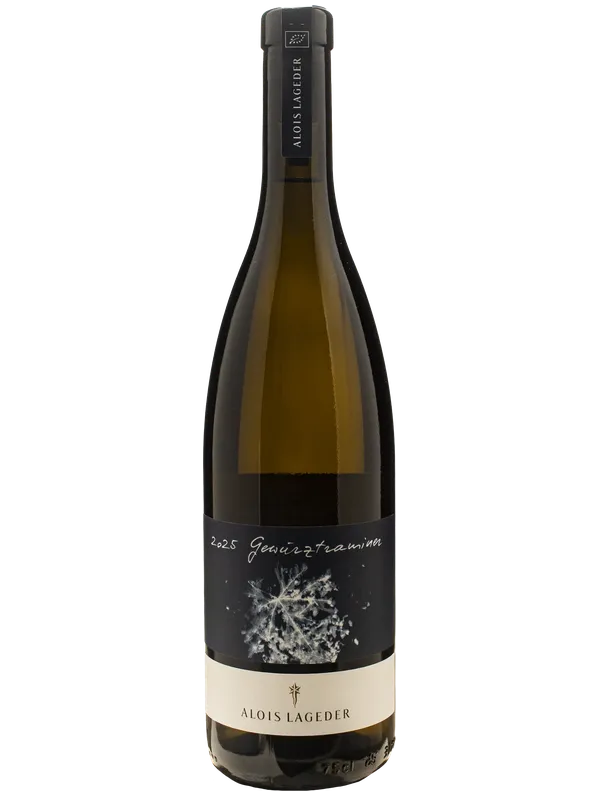
Taste Gewürztraminer at the source: Cantina Tramin's glass cube takes online bookings, and Josef Hofstätter's cellar sits in the village itself.
Where to taste
 Tastings from €17 · 1h 15min
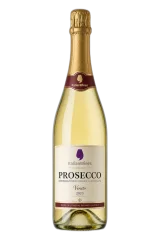
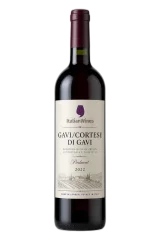
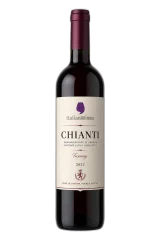
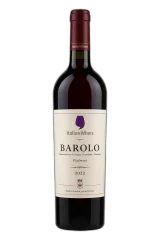
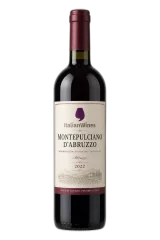
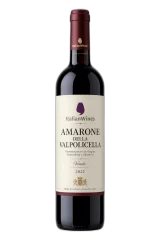
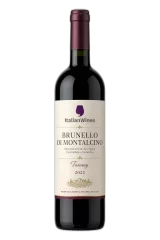
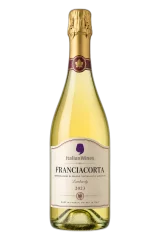
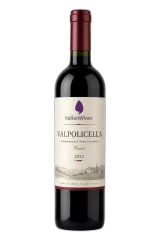
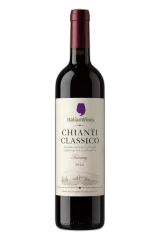
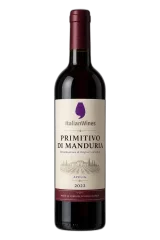
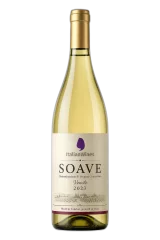
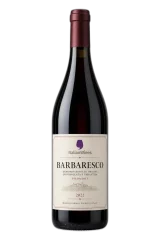
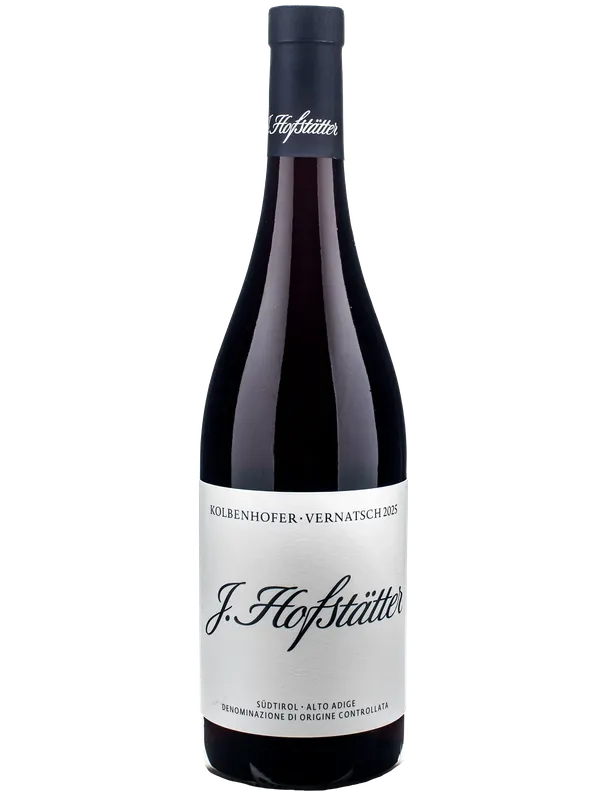
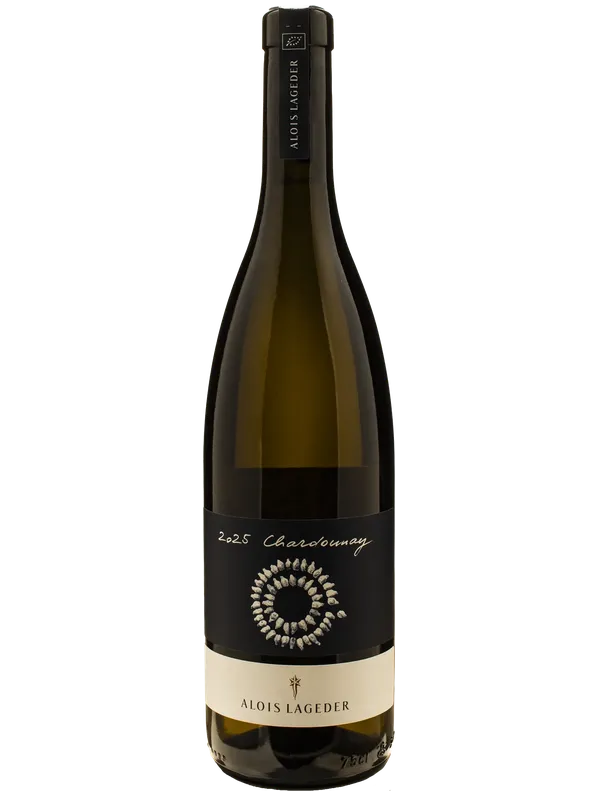
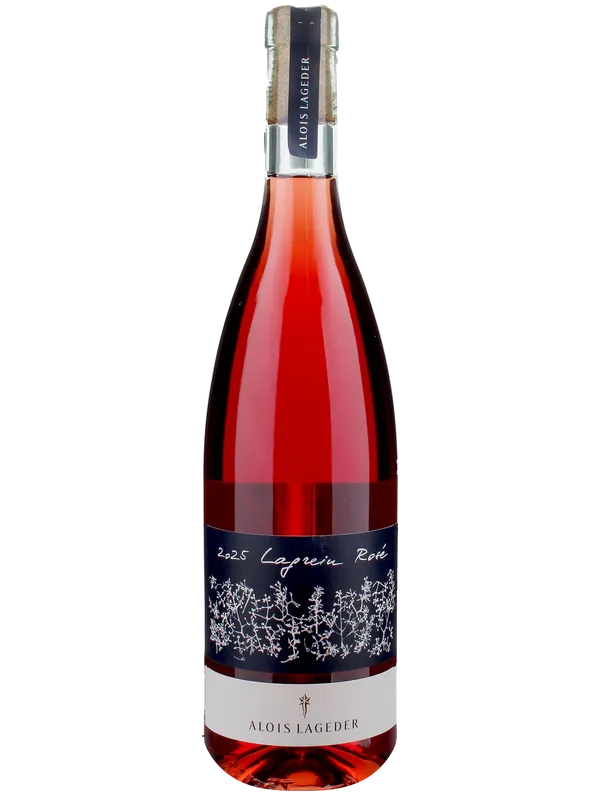
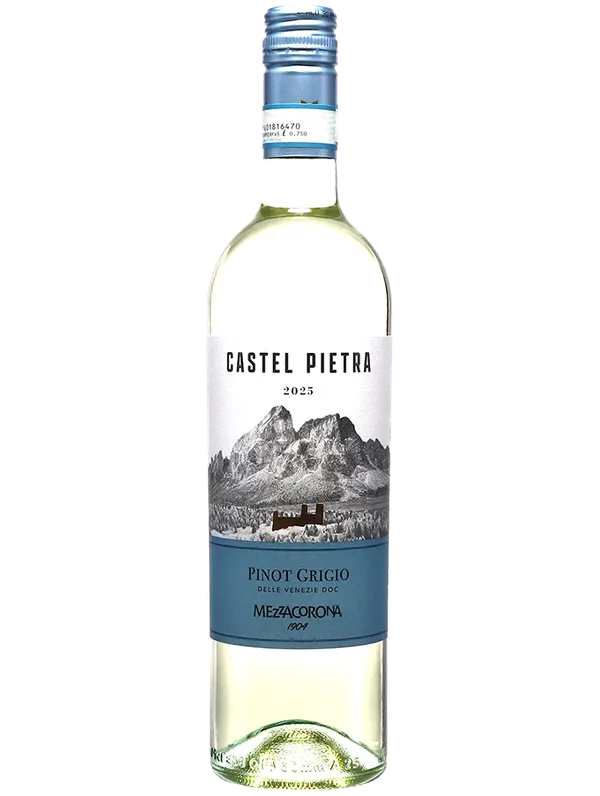
Wines to Try
A few wines from the estates above.
Stop 7 · Vines from 220 to 900 metres
Terraced village whose vineyards climb from 220 to 900 metres, the widest span in Europe.
What to taste here
The co-op cellar pours the whole altitude ladder, Bordeaux reds from the low terraces to alpine whites from the top; the Schwarz Adler inn is the village table.
Where to taste
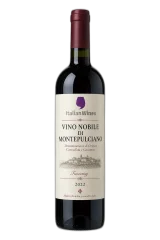
Wines to Try
A few wines from the estates above.
Where to eat
Restaurant Schwarz Adler. In the heart of Cortaccia, the village's oldest inn, run for centuries and rebuilt in 2007 around its vaulted rooms.
Stop 8 · The road's last village
Southernmost village of the road, below the Haderburg castle crag on the language border.
What to taste here
Look up at the Haderburg on its rock, then call the drive done where the vineyards meet the Trentino line.
Where to taste
Tastings from €25 · 45 minutes
 Booking required
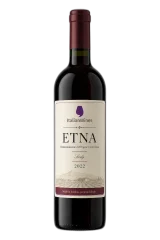
Wines to Try
A few wines from the estates above.
Before you go
Visit prices are set by the winery and availability should be checked before travelling. Bookings open on the estate page or the provider's site.
When to go
Late September to November is Törggelen, the season when farm taverns pour the new wine with roast chestnuts and speck: book those tables ahead. Harvest itself runs from early September. In summer the draw doubles, because Lake Caldaro is one of the warmest bathing lakes in the Alps. The road is signposted and driveable all year, and the co-op wine shops keep normal hours through winter.
Booking reality
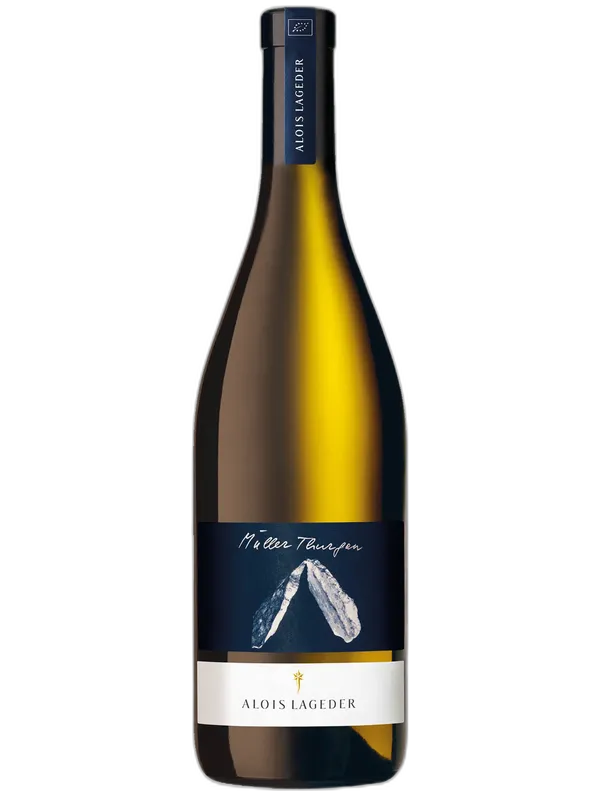
Three estates on this road publish bookable visits in our data, and all three take online bookings. They are Cantina Tramin and Josef Hofstätter at Tramin, and Alois Lageder at Magrè, just off the Cortaccia to Salorno leg. The village co-operative cellars are the walk-in option: their wine shops pour and sell in normal shop hours, no appointment needed.
Driving notes
Legs are short: nothing on the road takes more than twenty minutes, and every sign is bilingual, German first in most villages. Summer weekends bring steady cyclist traffic on the lake stretch between Appiano and Tramin, so overtake wide or wait. Fuel is easy at Bolzano and Appiano and scarce in the last villages, so fill up before Cortaccia. In autumn, expect tractors hauling grape bins to the village co-ops from mid September.
ZTL
Bolzano's old town is a ZTL watched by fifteen cameras, day and night. Park in the Piazza Walther garage instead, 412 spaces entered from Viale della Stazione at 4 euros for the first hour, and walk out into the pedestrian centre. None of the wine villages on the road gate their centres; park at the co-op or on the village edge.
Getting a car
Fly to Verona and drive the A22 north for ninety minutes, or ride the Verona to Brenner rail line straight to Bolzano and collect a car there. Inside Bolzano you do not want it: the centre is a camera zone and everything is walkable from the Piazza Walther garage. For the villages the car is essential, and small works fine; the road itself is wide and well kept.
Leave the driving out
Some booking links earn italianwines.co.uk a commission. This never affects price or what we recommend.
Guided along this route
Someone drives the whole itinerary above
A day to discover the best wines of Alto Adige, served by competent and friendly hosts. With our luxury cars we travel to places only known by locals with unique and u...
Where to sleep on the route
One estate on this road has rooms, so you can book the cellar and the bed together.
Reading the labels you'll pass
Before you ask
Because it was the first to organise and sign itself. Seven villages set up a joint committee in 1964 to promote the Südtiroler Weinstraße, and in 2000 it became a formal association that now takes in 16 municipalities and around 75 wineries. Several member villages even carry 'an der Weinstrasse', on the Wine Road, in their legal names.
Two native reds and one famous aromatic white. Schiava is the light red, at its best as Santa Maddalena above Bolzano and as Kalterersee by the lake. Lagrein is the dark red from the Gries floor of Bolzano. Gewürztraminer takes its name from Tramin, the village halfway down the road, and Terlano's Pinot Bianco is the white that ages for decades.
No. The province is officially bilingual, so every road sign, menu and cellar door works in Italian as well as German, and English is standard in the tasting rooms. It helps to know that one wine has two names: Vernatsch on a German list is Schiava on an Italian one.
The Piazza Walther garage under the main square: 412 spaces, entry from Viale della Stazione, 4 euros for the first hour. The old town beyond it is a ZTL monitored by fifteen cameras around the clock, so do not drive past the garage. The wine villages have no camera zones at all.
Autumn, twice over. Harvest starts in early September, and from late September to November the farm taverns run Törggelen, pouring the new wine with roast chestnuts, speck and dumplings. Summer adds swimming: Lake Caldaro is one of the warmest bathing lakes in the Alps. Winter still works, because the co-op wine shops keep normal hours.
South Tyrol's autumn ritual. After harvest, farmhouses and village taverns serve the cloudy new wine alongside roast chestnuts, speck, sausage and Schlutzkrapfen. The name comes from the torggl, the old wooden wine press. It runs roughly from late September to mid November, and the best-known houses fill up, so book.
Yes, more easily than almost anywhere in Italian wine. Nearly every village on the road keeps a co-operative cellar with a wine shop that pours during normal shop hours: walk in at Terlano, Tramin, Cortaccia or Caldaro. Booked cellar tours are the exception: Cantina Tramin, Josef Hofstätter and Alois Lageder all take online bookings.
About 63 kilometres of actual legs, about an hour and a half at the wheel in total. No hop between villages takes more than twenty minutes. That is why the road suits a slow two or three days of cellar stops, castle walks and a lake swim rather than a driving holiday.
Take it with you
They land in a trip named after the route, in drive order. Reorder them, drop one, add a night, before you book anything.
You'll need to sign in, and we bring you straight back to this route.






 12
12


