In 1975 few outsiders linked Faedo with serious wine. Mario Pojer was a young winemaker. Fiorentino Sandri had inherited family vineyards on the porphyry slopes north of San Michele all'Adige. They started with two hectares and a single bottling. That wine, a 1975 Müller-Thurgau Palai, landed on the Italian wine scene with surprising weight. The wager was simple. Mountain Trentino, between the Adige and Cembra valleys, could compete on character with better-known wine regions. Fifty years later the estate works its founding hill plus high sites in Val di Cembra and Grumes. Marianna, Matteo, Fiamma, Elisa and Federico have now joined the founders inside the company.
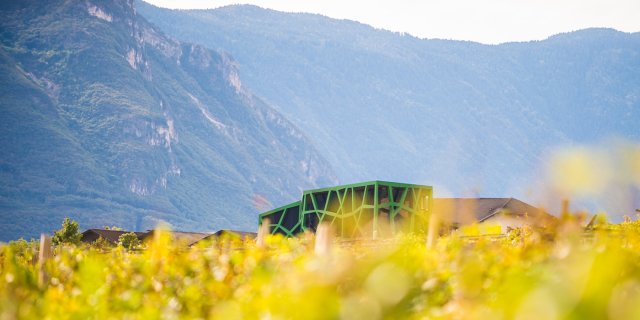
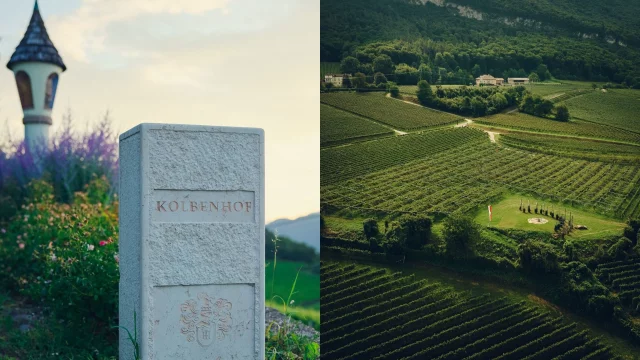
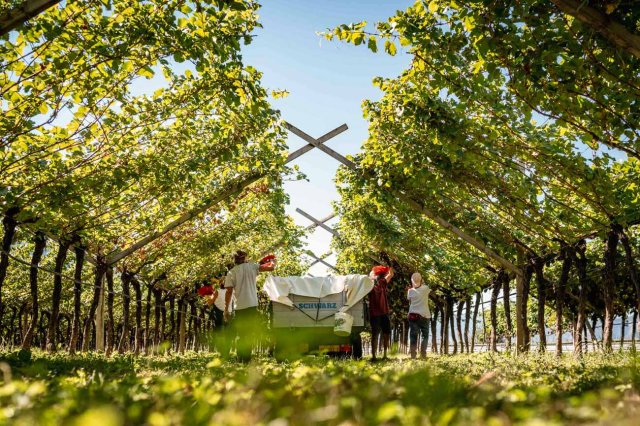
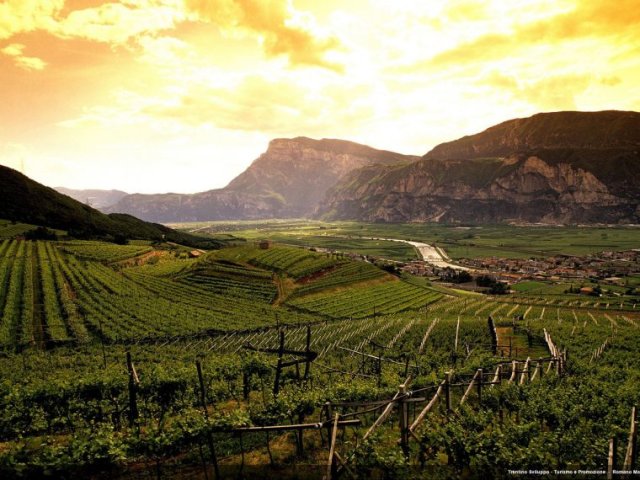
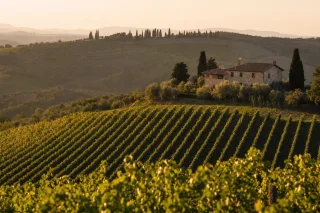
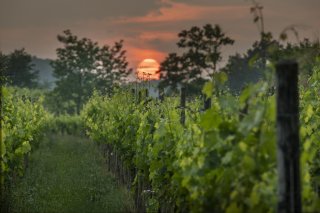
The estate's map is unusually three-handed for Trentino. Faedo, the headquarters, sits on the northern fringe of the Piana Rotaliana. Here porphyry meets Werfen sandstones, marls and dolomite, and the Ora del Garda blows up the valley most afternoons. Val di Cembra, ten minutes east, is the steeper face. Its porphyry terraces sit on slopes that touch a 45% gradient. Locals call this kind of work viticoltura eroica. In places the vines stand above 600 metres, and that altitude buys acidity in white grapes the lowland cannot match. Grumes is higher still, on farmland left fallow in the 1950s. It hosts the Zero Infinito project on PIWI varieties, bred to resist mildew without copper or sulphur sprays.
The estate has a long habit of breaking process before adopting it. Pojer e Sandri were among the first Italian producers to bottle Chardonnay as a single-grape label, in the late 1990s. In 2002 they patented an in-reduction pressing system. It recovers nitrogen from the press cycle and cuts sulphite use sharply. They followed it with a grape washing step the cellar calls the idromassaggio. The 2013 Zero Infinito range carried that thinking to its logical end. Zero chemical treatments in the vineyard, zero added sulphur, zero commercial yeast, zero clarifying agents, zero filtration. The line is now their loudest statement: a Cremisi sparkling rosato and a still red and white made by ancestral method.
Beyond the experimental edges, three labels explain the estate. Müller-Thurgau Palai is the founding wine. It is a mountain white with cold-cellar nerve and a salty, anise undertone that comes from the Faedo porphyry. Faye is a Cabernet and Merlot blend matured in barrique. It is the structured red the family use to argue that Trentino can carry international varieties at altitude. Nosiola, the local white that almost disappeared in the 1970s, is the grape the estate has spent most of its energy defending. In their hands it is still, dry and increasingly textural. Around those sit Riesling, Sauvignon, Pinot Nero and the rosato Vin dei Molini. A separate distillery and vinegar line shares the same artisanal logic.
The estate runs guided cellar visits with structured tastings every weekday and on Saturday morning. It also keeps a small Maso accommodation in Val di Cembra, where guests wake up inside the heroic winegrowing landscape. For UK drinkers the wines arrive through importers including Beaune and Manicaretti. The most direct read of the philosophy is still the Faedo cellar at Loc. Molini 4, half an hour north of Trento on the road to Bolzano.





 Trentino-Alto Adige
 Est. 1975
  12 wines
  Tastings
 Tours
Tours
 Accommodation
 Walk-ins welcome