





Italian Wine Vintage Chart: the Years That Matter, from Barolo to Brunello
TL;DR
- In Barolo, Brunello di Montalcino and Amarone, the harvest year shapes structure, ripeness and ageing potential more than almost any other clue on the label.
- For bottles on UK shelves now, 2016, 2019 and 2021 lead Piedmont, while 2015 and 2016 stand tallest in Montalcino.
- Everyday Prosecco and supermarket blends are made to taste consistent every year, so save the vintage chart for the cellar-worthy reds.

Why the year on the label moves the odds
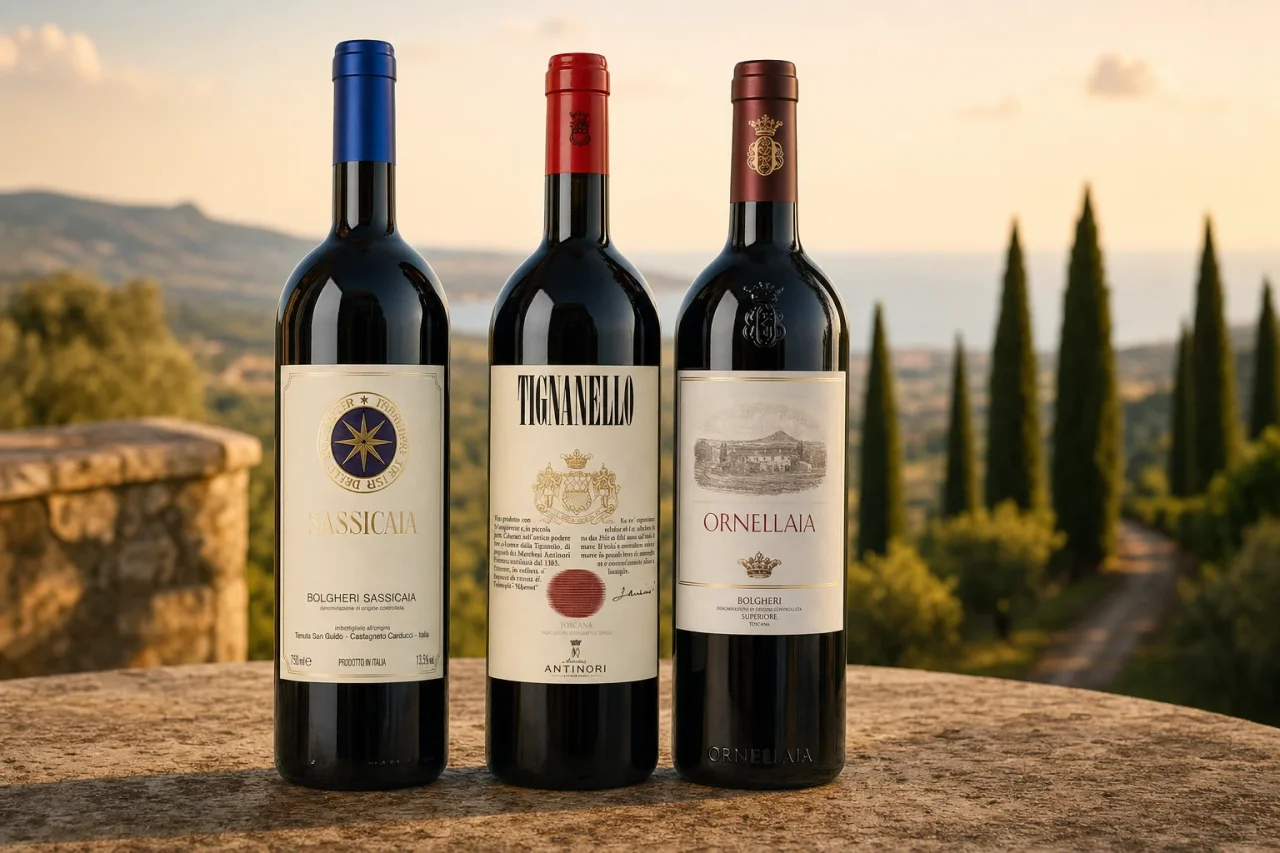
Every Italian label carries one number that quietly changes the odds of what is in your glass: the harvest year. Vines answer the season they grew through. A cool, rain-troubled summer leaves tannins edgy and fruit lean, while a warm, steady one brings ripeness, perfume and the stuffing a wine needs to age. In red wines built for the cellar, that difference is the whole game.
No grape tells the weather like Nebbiolo. Thin-skinned and late to ripen, it makes Barolo a different wine from one year to the next, which is why serious lists quote the year as carefully as the producer. Sangiovese in Montalcino and the dried-grape reds of Valpolicella follow the same logic in their own accents.
At the everyday end of the shelf the number matters far less, because big blends are made to taste the same season after season. If you are ever unsure where the year even sits among producer, place and wine name, our guide on how to read an Italian wine label settles it in a minute. The chart below is for the bottles where the year truly moves the needle.
How Italy judges a harvest: stars, riserva and our ratings
Italy does not leave the verdict to critics alone. In Montalcino the consorzio has rated every harvest since 1945 on a five star scale, proclaimed each February and fired onto a ceramic tile for the town hall wall (Consorzio del Vino Brunello di Montalcino). The official scale runs:
- One star: an insufficient year (annata insufficiente)
- Two stars: a modest year (annata discreta)
- Three stars: a worthy year (annata pregevole)
- Four stars: an excellent year (annata ottima)
- Five stars: an exceptional year (annata eccezionale)
Producers cast their own vote with what they choose to bottle. The strongest years earn Chianti Riserva and its longer-aged cousins across Tuscany, while careful houses simply skip or declassify their top bottlings in seasons that let them down. If the codes around the year need untangling, here is what DOCG and the other label codes mean.
In the charts below we grade each year with the same four words our tasting notes use across the site: exceptional, good, variable and difficult. Where an official consorzio rating exists, we show it.
Piedmont: the Barolo and Barbaresco years worth chasing
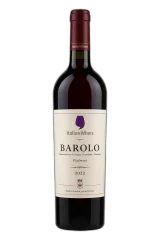
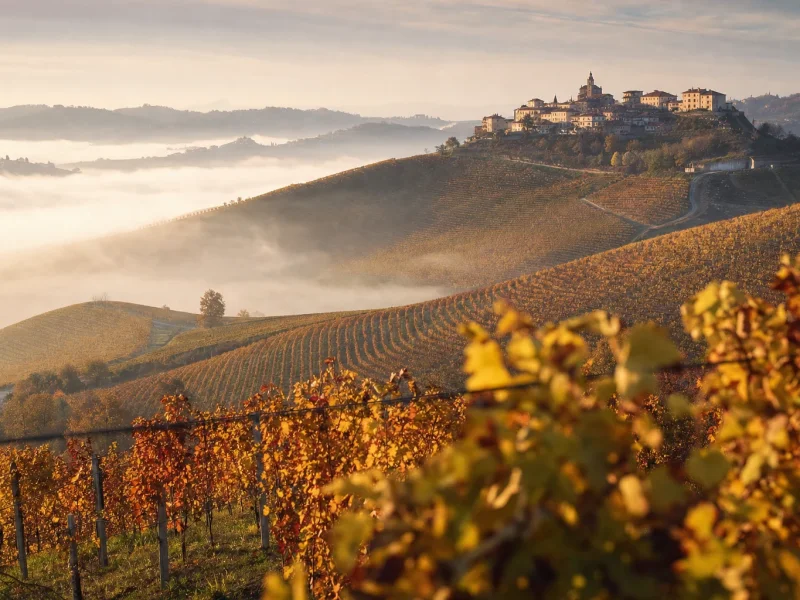
In the fog-prone hills of Piedmont, the 2010s ran warm, and mostly to Barolo's benefit. Harvest reports from the decade single out 2010, 2013, 2016 and 2019 as the finest years, with 2019 described by producers across the north as close to a perfect growing season. The heat spikes of 2011 and 2017 made softer, earlier wines, while cool 2014 gave lighter Barolo of real charm. Barbaresco follows the same rhythm a touch earlier, its wines opening a few years before their Barolo cousins.
The run since has been remarkable: 2019, 2020 and 2021 form the strongest trio the Langhe has enjoyed in a generation, and across our own tasting notes the 2021s are the most consistently exceptional Barolo year we list.
| Year | Our rating | The year in brief | Drink or hold |
|---|---|---|---|
| 2022 | Good | Warm and generous; early signs promising | Too young; give it time |
| 2021 | Exceptional | Complete wines, perfume and structure in balance | Hold; will reward patience |
| 2020 | Good | Ripe, balanced, approachable sooner | Drink or short hold |
| 2019 | Exceptional | Structured and vibrant, a modern classic | Hold |
| 2018 | Good | Lighter, elegant, early-drinking | Drink now |
| 2017 | Good | Hot year; rich, softer, forward | Drink now |
| 2016 | Exceptional | The benchmark: classic structure and length | Drink or hold for decades |
| 2015 | Good | Warm, ripe and friendly | Drink now |
| 2014 | Variable | Cool season; light, balanced, honest | Drink now |
| 2013 | Exceptional | Late, perfumed, classical | Drink now and onward |
| 2012 | Good | Balanced middleweight | Drink now |
| 2011 | Good | Warm and forward | Drink now |
| 2010 | Exceptional | Structured classic of the decade | Drink now; the best will hold |
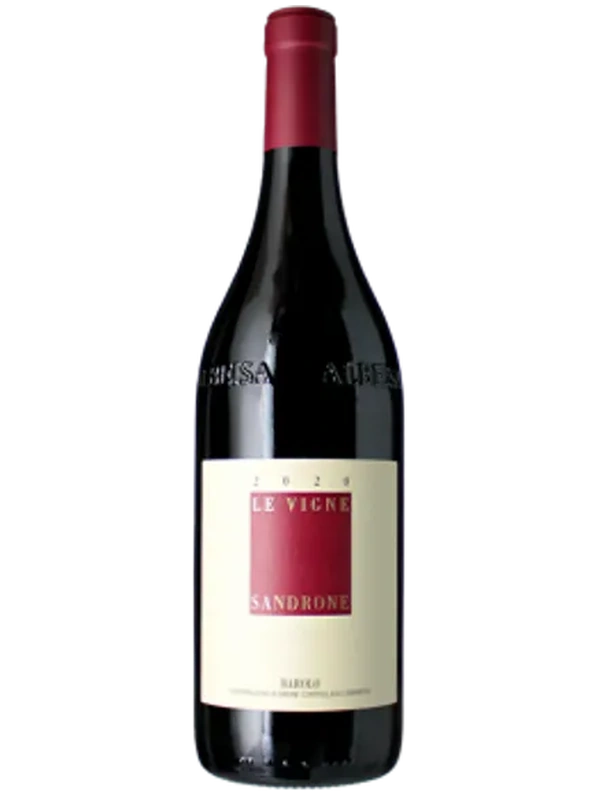
Barolo le Vigne - Sandrone 2021
Luciano Sandrone's Le Vigne blends Nebbiolo from five Barolo crus, Baudana, Villero, Vignane, Merli and Le Coste di Monforte, vinified apart then assembled. Tar, dried rose and black cherry over firm tannin and bright acidity. A cellar Barolo to hold
View Wine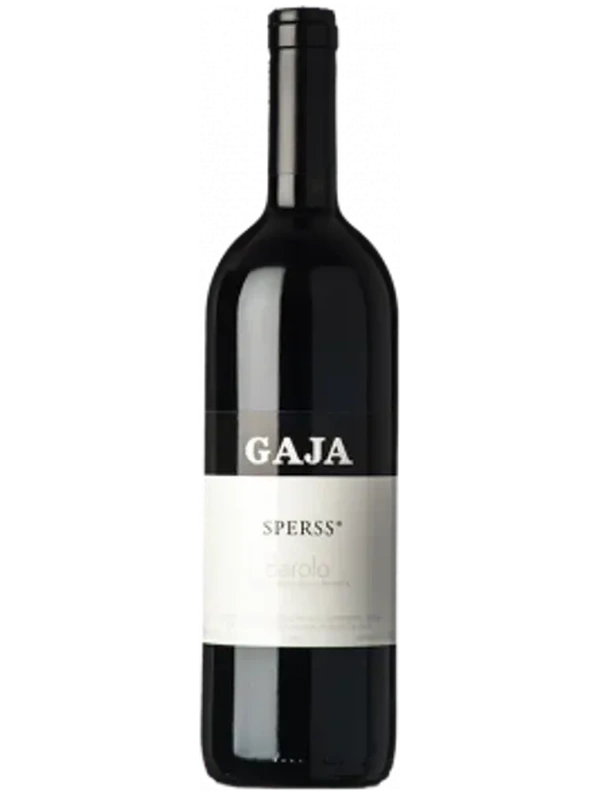
Barolo Sperss - Gaja 2021
Angelo Gaja's return to Barolo: Sperss, from the Marenca-Rivette amphitheatre in Serralunga d'Alba. Tar, dried rose and truffle over an austere, full frame. The 1988 debut ships as a gift-boxed double magnum; the 2019 is a 98-point keeper.
View Wine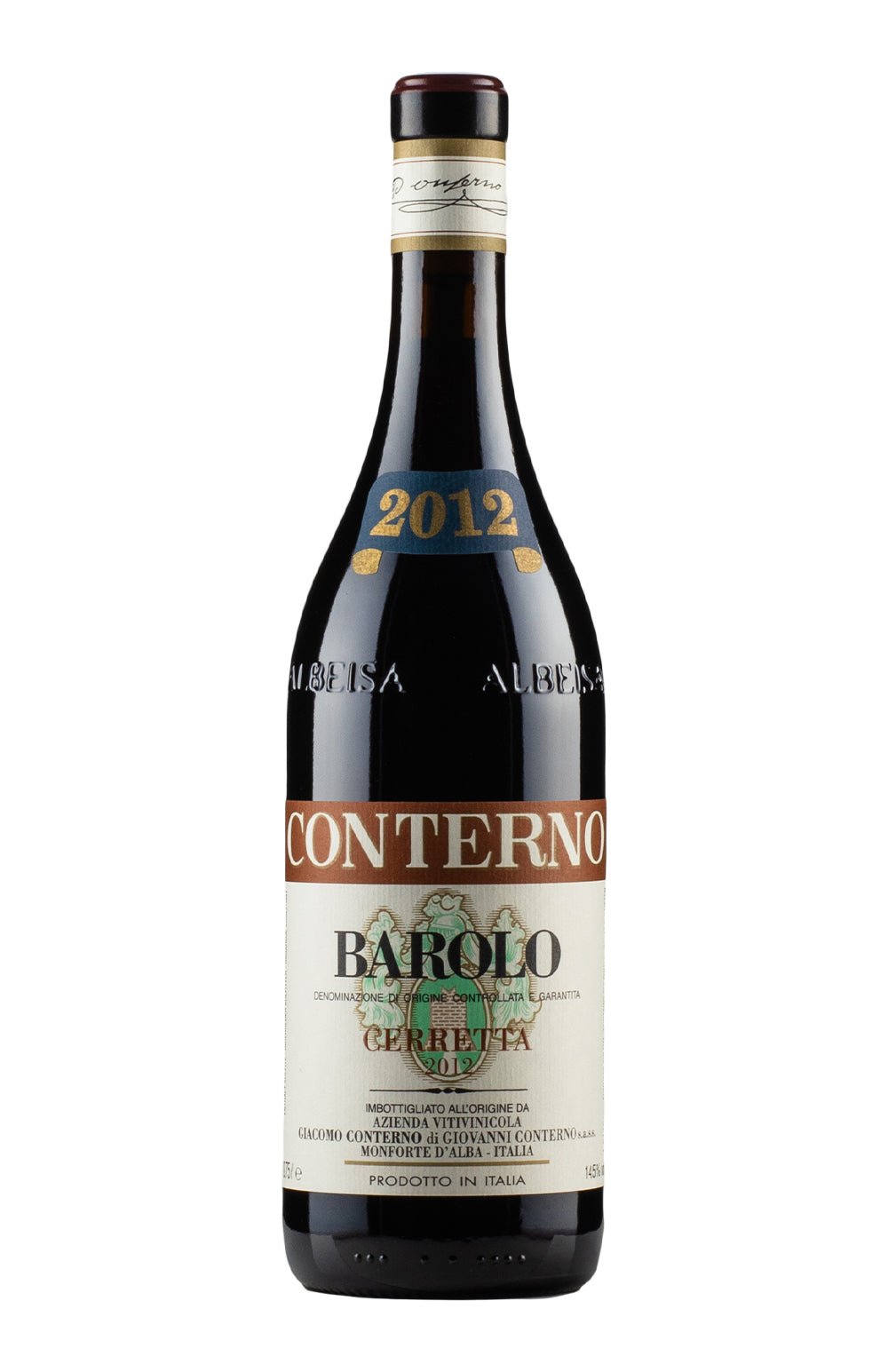
Barolo Cerretta Giacomo Conterno 2021
Roberto Conterno's Barolo from Cerretta, the clay-rich Serralunga cru he bought in 2008, aged four years in big botti. Fleshier than his Francia, still austere Serralunga Nebbiolo: leather, truffle and red fruit. UK stock runs 2012 to 2021.
View Wine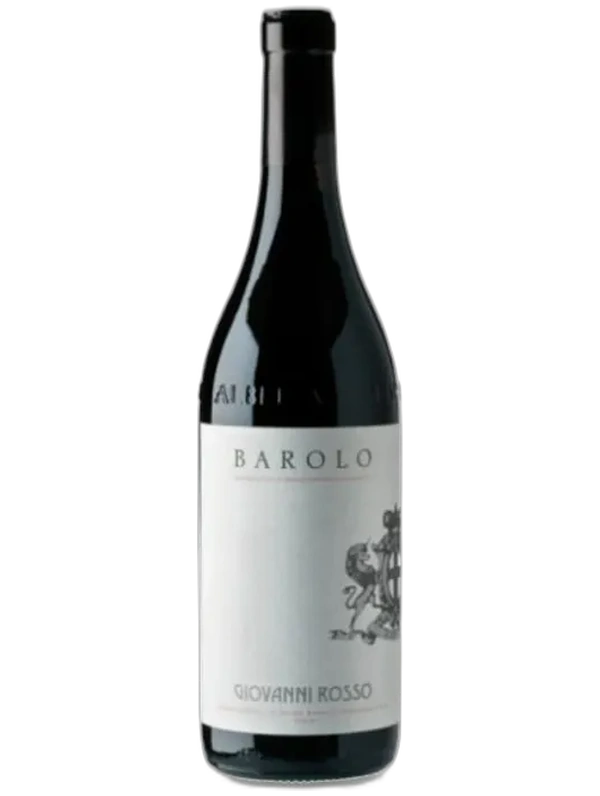
Giovanni Rosso Barolo 2021
Giovanni Rosso's classic Barolo blends Nebbiolo from Serralunga d'Alba, Castiglione Falletto and Barolo, aged 18 months in 50 hL French oak. Rose, red cherry and tar with fine-grained tannins: a benchmark Serralunga estate's most approachable Barolo.
View Wine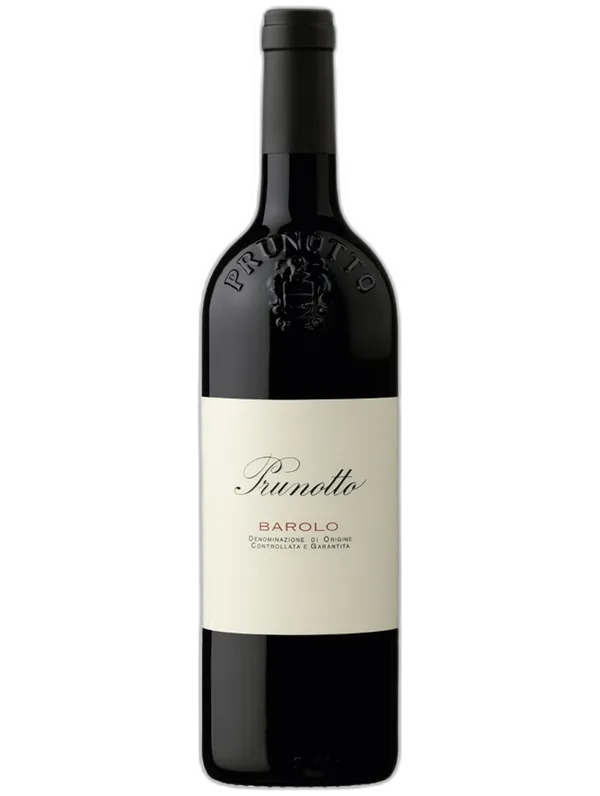
Prunotto Barolo 2022
Prunotto's traditional Barolo: 100% Nebbiolo, made since 1905 and aged at least 18 months in oak casks. Rose, red cherry and tar with silky tannin. Wine Spectator gave the 2021 93 points. UK prices start around £42.
View Wine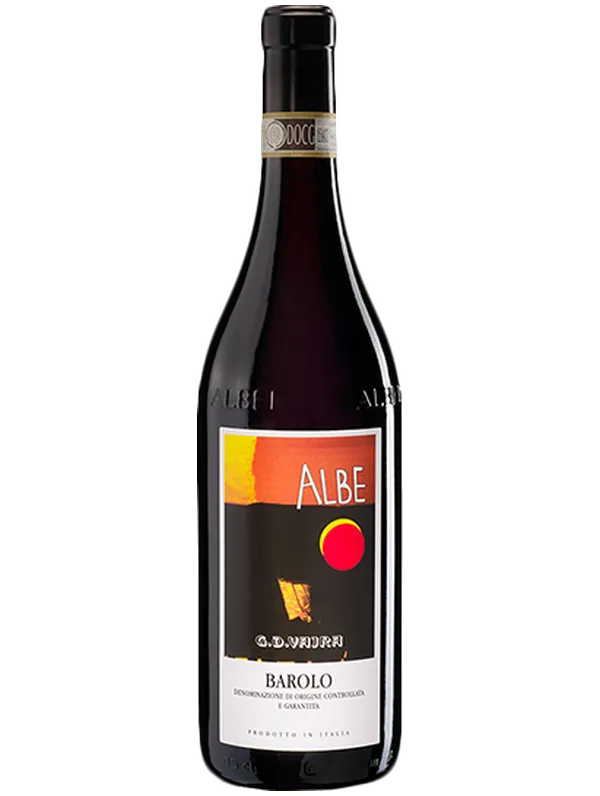
G.D. Vajra Albe 2022
G.D. Vajra's Albe is 100% Nebbiolo from three high Barolo crus, Coste di Vergne, Fossati and La Volta, aged 26 months in large Slavonian oak. Rose petal, red cherry, tar and licorice over firm acidity and ripe tannin. Galloni rates it among Barolo's
View Wine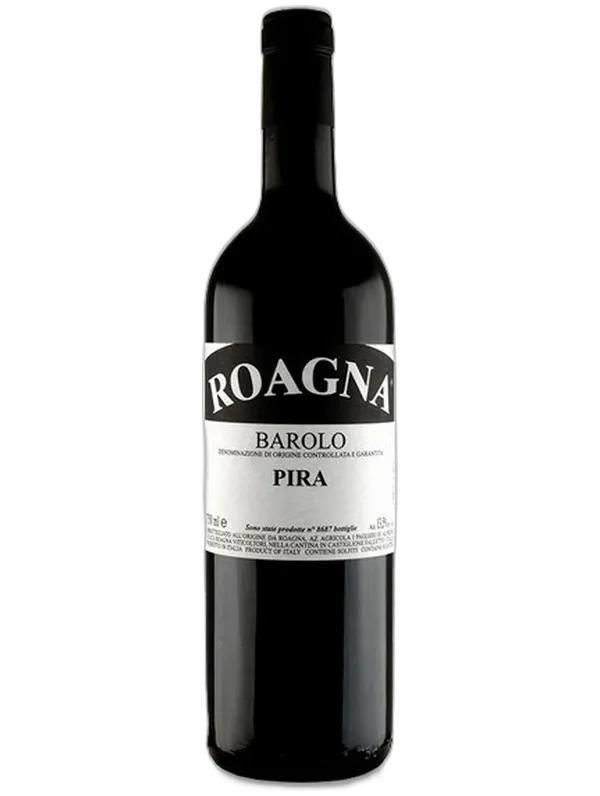
Roagna Barolo Pira 2020
Barolo from the Pira vineyard at Castiglione Falletto, which the Roagna family owns on its own. The grapes sit on their skins for over two months, then the wine rests about five years in old casks and concrete. This is the standard Pira.
View Wine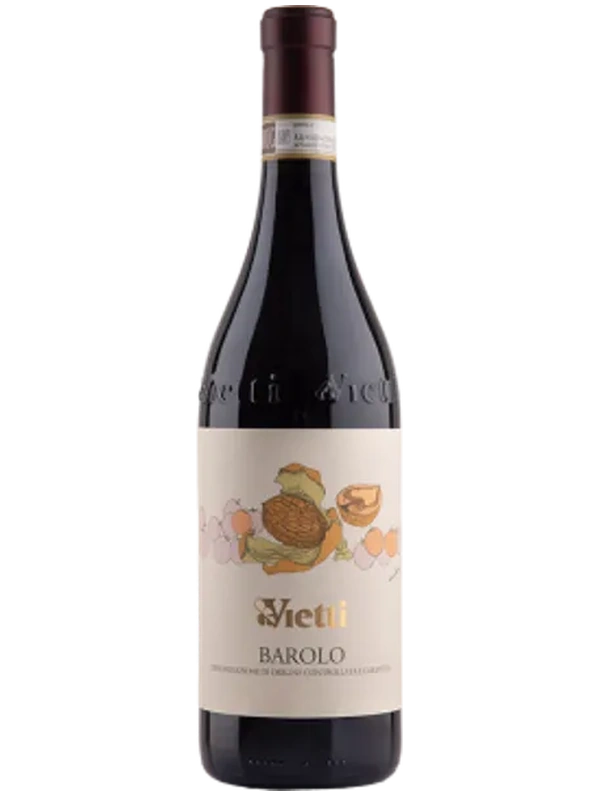
Barolo - Vietti 2022
Vietti's classic Barolo: 100% Nebbiolo from crus across Castiglione Falletto, Monforte, Barolo and Novello, each parcel vinified apart then aged in large oak botti. Tar, rose and dried cherry over firm Langhe tannin, built to cellar a decade or more.
View WineTuscany: Brunello and Chianti Classico by the stars
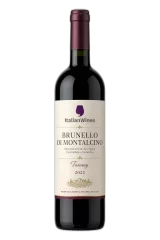
Further south in Tuscany, Sangiovese plays the lead, and in Montalcino its harvests carry official grades. The consorzio awarded five stars to 2010, 2012, 2015, 2016, 2019 and 2020, with 2015 and 2016 now regarded as a once-in-a-generation pair: 2015 the riper, more embracing year, 2016 the more structured one for the long cellar. Rain-hit 2014 earned three stars, and in seasons like it some houses declassify or skip their top Brunello di Montalcino bottlings altogether.
Chianti Classico rides the same weather with a shorter arc, drinking well sooner; its strongest years mirror Montalcino's, and the best earn riserva and Gran Selezione bottlings. Bolgheri's Super Tuscans play by different rules again, blending Cabernet and Merlot that shrug off some of Sangiovese's vintage nerves.
| Year | Consorzio stars (Brunello) | The year in brief | Drink or hold |
|---|---|---|---|
| 2020 | 5 of 5 | Generous, warm, freshly released | Drink or hold |
| 2019 | 5 of 5 | Complete and balanced | Hold |
| 2018 | 4 of 5 | Fresh, mid-weight | Drink now |
| 2017 | 4 of 5 | Hot and forward | Drink now |
| 2016 | 5 of 5 | Structured; built for the long cellar | Hold |
| 2015 | 5 of 5 | Ripe, glorious, embracing | Drink or hold |
| 2014 | 3 of 5 | Cool and rain-troubled; choose producers with care | Drink now |
| 2013 | 4 of 5 | Classic freshness | Drink now |
| 2012 | 5 of 5 | Warm year, generous wines | Drink now |
| 2011 | 4 of 5 | Very warm, forward | Drink now |
| 2010 | 5 of 5 | Benchmark structure and depth | Drinking now; the best will hold |
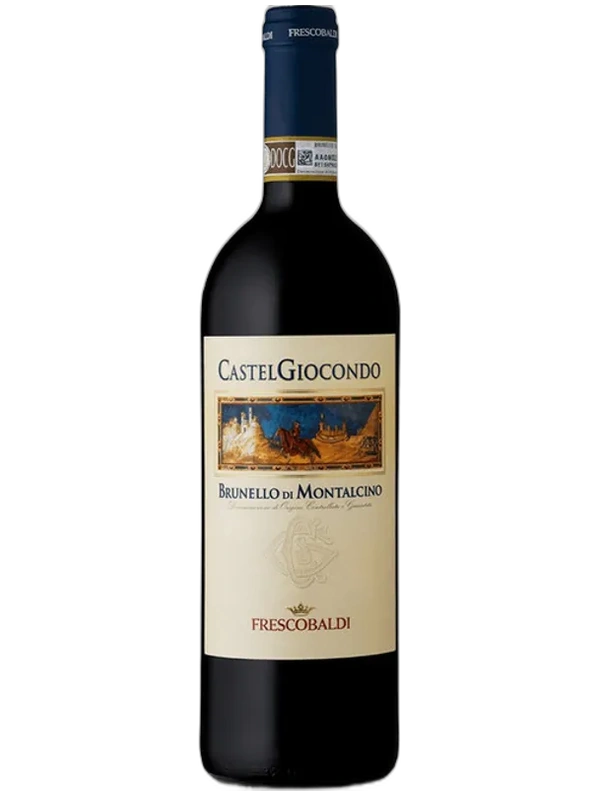
Frescobaldi Castelgiocondo Brunello di Montalcino 2021
Frescobaldi's 100% Sangiovese Brunello from Tenuta CastelGiocondo at Montalcino, grown on galestro, clay and Pliocene sand. Two years in Slavonian oak casks and French barriques give black cherry, violet, leather and warm spice over firm, finely matu
View Wine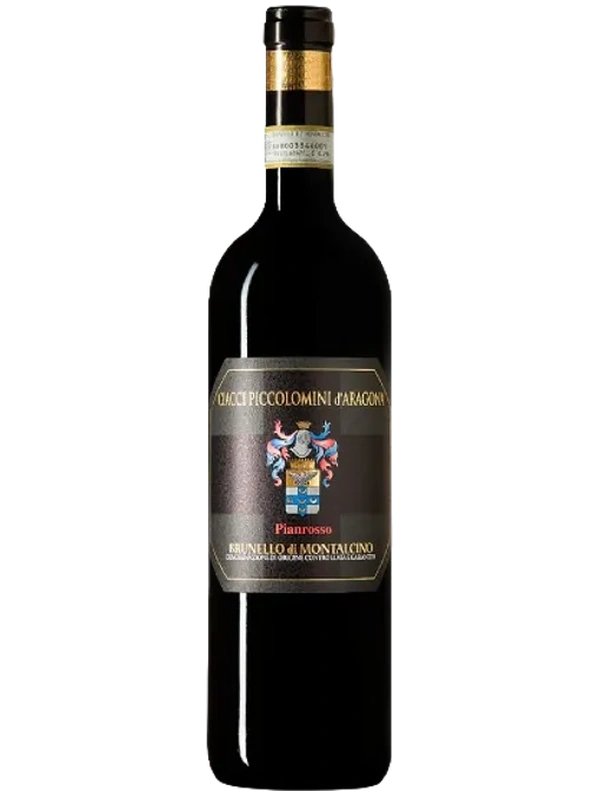
Ciacci Piccolomini Brunello di Montalcino Pianrosso 2021
Ciacci Piccolomini d'Aragona's single-vineyard Brunello, from the 11.69-hectare Pianrosso parcel on galestro and marl above the Orcia river. Three years in Slavonian oak botti build a ruby-to-garnet Sangiovese of forest-floor depth, Morello cherry an
View Wine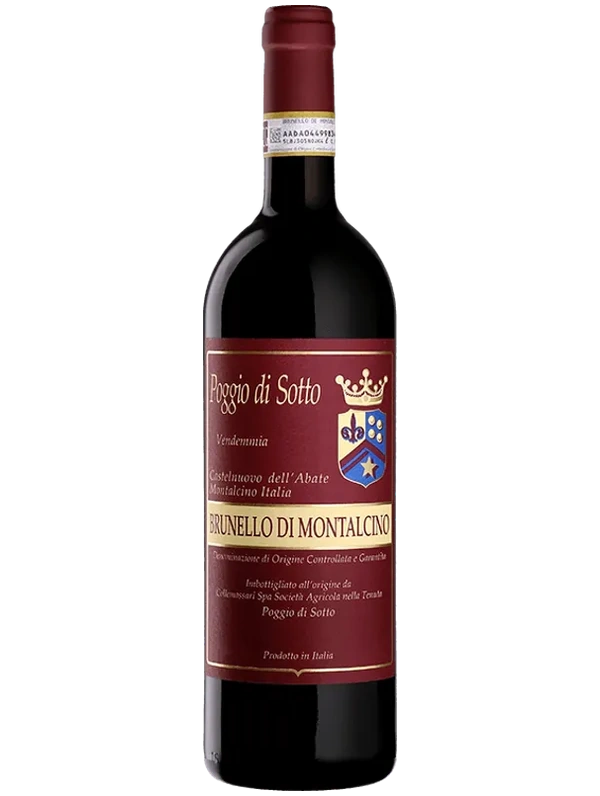
Poggio di Sotto Brunello di Montalcino 2021
Poggio di Sotto's Brunello is one of Castelnuovo dell'Abate's most revered Sangiovese, organic vines at 190 to 440 metres below Mount Amiata, aged in Slavonian-oak botti. Expect leather, violet and red cherry over fine, chalky tannins. A cellar wine
View Wine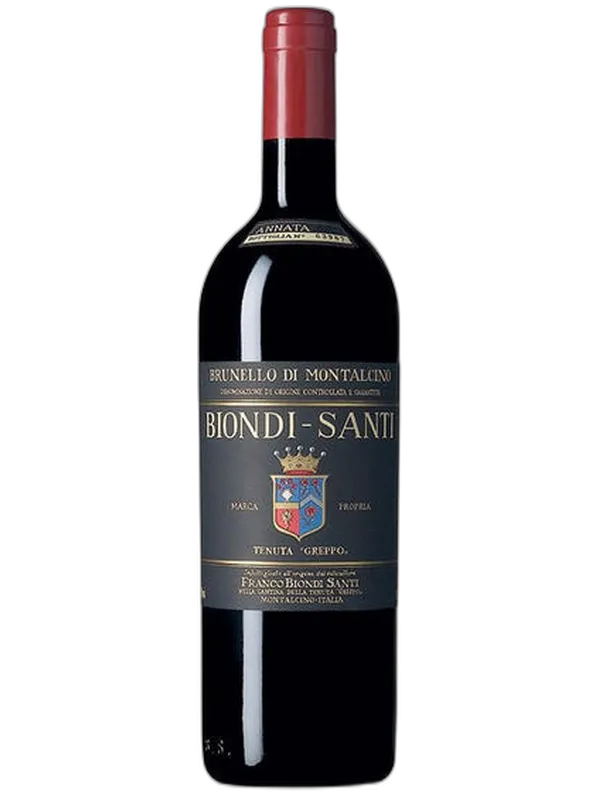
Biondi-Santi Brunello di Montalcino Riserva 2019
The wine that started Brunello. Biondi-Santi have declared a Riserva only about forty times since 1888, always from the oldest vines at Il Greppo. Firm, fresh, and built to last decades rather than years.
View Wine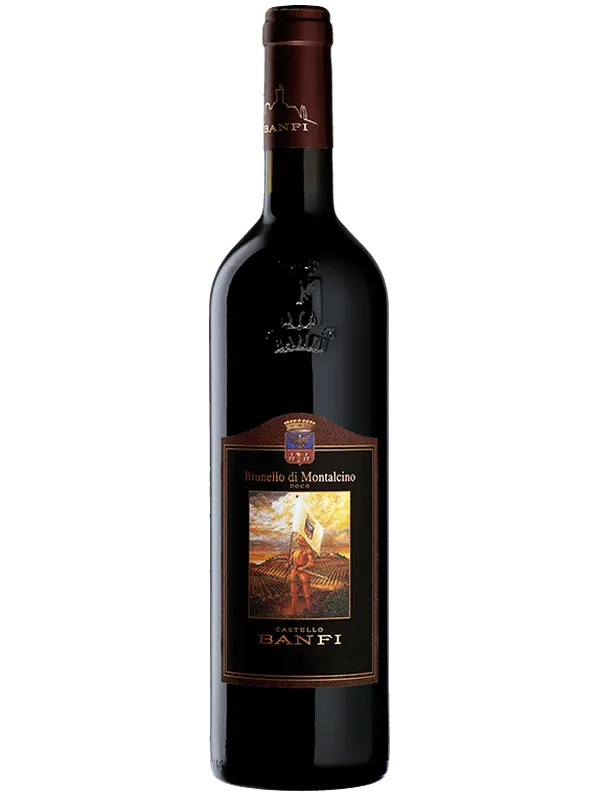
Banfi, Brunello di Montalcino 2021
Castello Banfi's benchmark Brunello di Montalcino: 100% Sangiovese from stony, calcareous soils in southern Montalcino, aged four years with two in French oak and Slavonian casks. Full, velvety and built to cellar, with cherry, violet and tobacco.
View Wine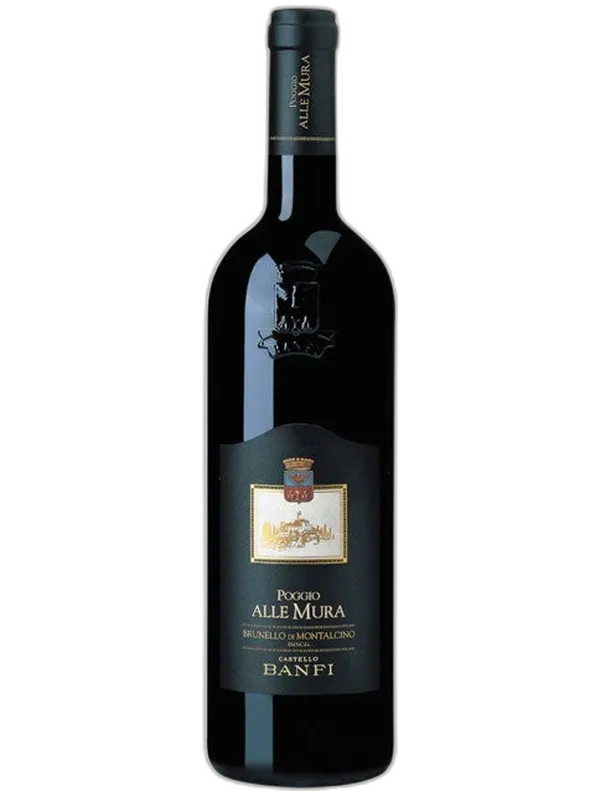
Castello Banfi Brunello di Montalcino Poggio alle Mura 2021
View Wine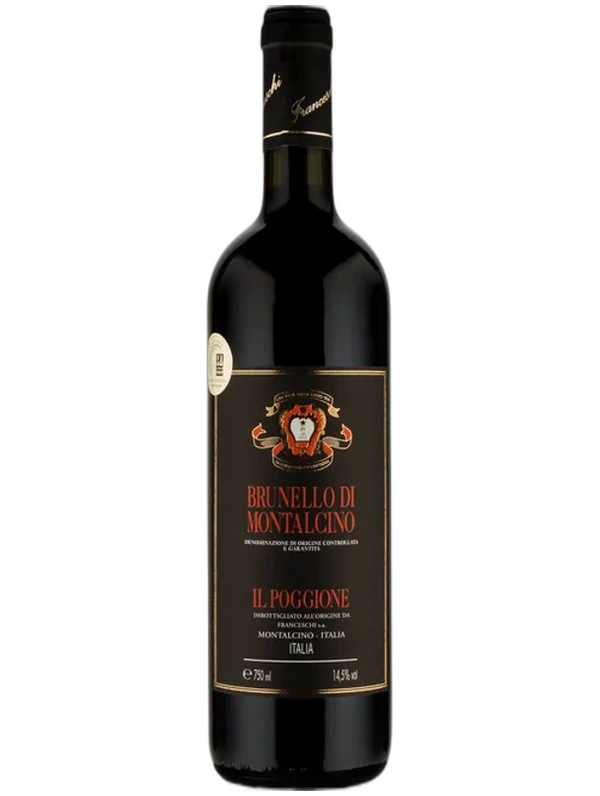
Il Poggione Brunello di Montalcino 2021
Brunello di Montalcino DOCG from Tenuta Il Poggione, a founding member of the Brunello Consorzio. 100% Sangiovese from vineyards in Sant'Angelo in Colle, fermented with indigenous yeasts and aged in large French oak botti. Among Montalcino's most con
View Wine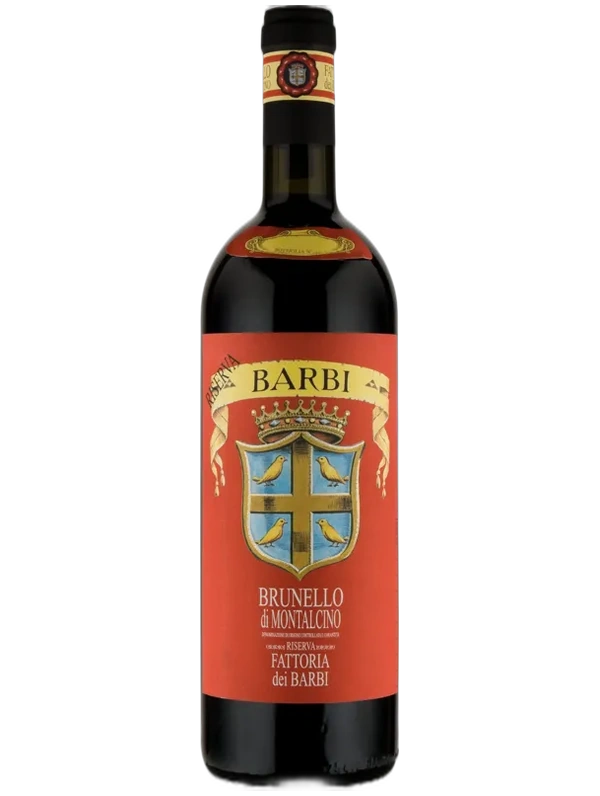
Fattoria dei Barbi Brunello di Montalcino Riserva 2019
An austere Brunello Riserva made only in the vintages Fattoria dei Barbi rates highest. Pure Sangiovese from high slopes at 400 m, given three years in oak. UK retailers list the five-star 2019, scored 94 by three critics, and the riper 2017.
View WineAmarone and the warm-year question
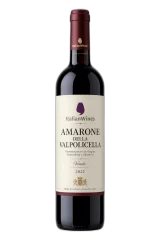
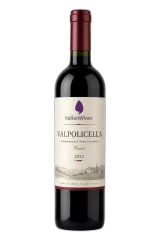
Amarone della Valpolicella answers a different question, because the appassimento drying of Corvina concentrates whatever the season delivered. Warm, dry autumns in the drying lofts of Veneto matter as much as the summer itself. The style is already rich, so the great years are the ones that keep freshness under the weight: 2015 and 2019 stand out in recent memory, alongside the celebrated 2004 and 2005 pair, while 2016 and 2018 made handsome, slightly earlier wines.
The exception proves the rule: producers called rain-soaked 2014 one of the most difficult years they have ever faced in Valpolicella, and it shows in the shortage of top bottlings from that season. When in doubt with Amarone, buy the producer first and the year second.
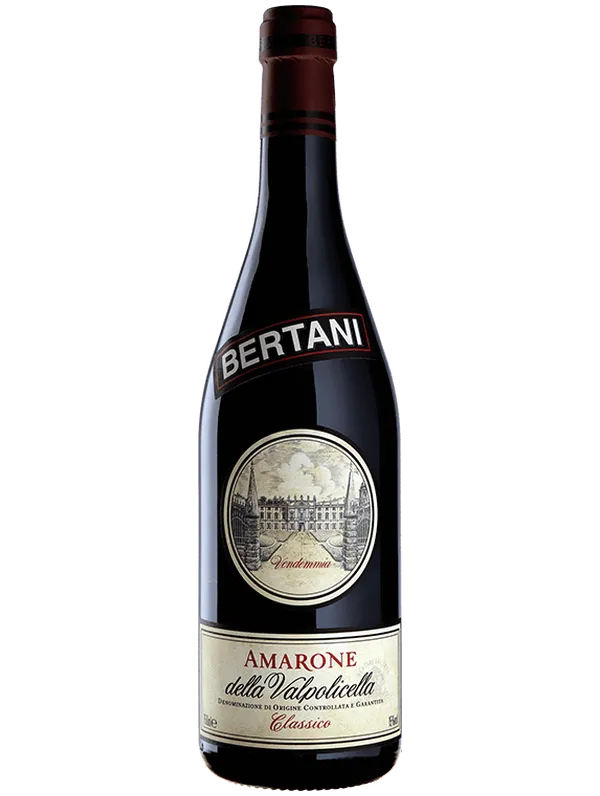
Amarone Classico DOCG 2016
Bertani's benchmark Amarone from the Tenuta Novare estate at Arbizzano di Negrar: 80% Corvina Veronese and 20% Rondinella, dried on lofts then held seven years in large Slavonian oak. Garnet-edged, dry and savoury, with plum, tea leaf and liquorice.
View Wine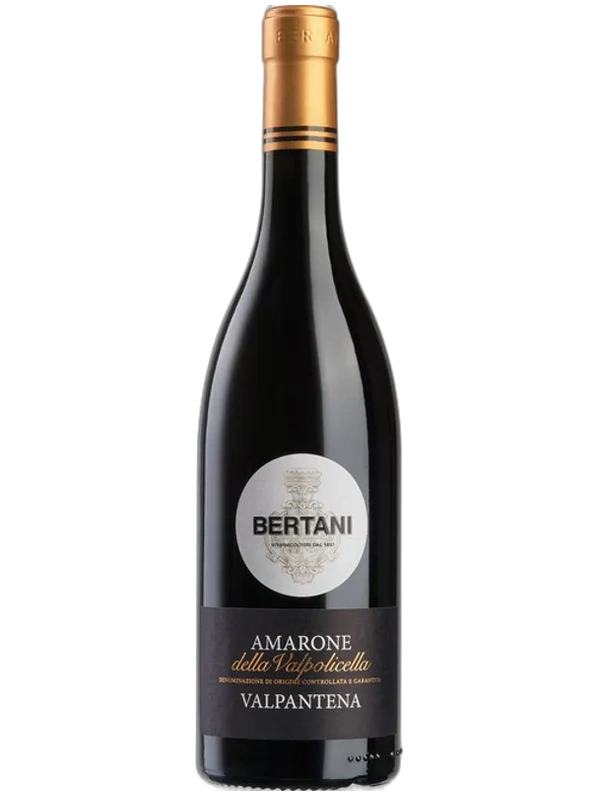
Amarone Valpantena DOCG 2022
Bertani's youthful Amarone from Valpantena: 80% Corvina, 20% Rondinella, dried by appassimento and aged two years in Slavonian oak. Ripe cherry, raisin and warm spice at 15.5%, with soft, meaty tannins. A rich Veneto red for braised meat.
View Wine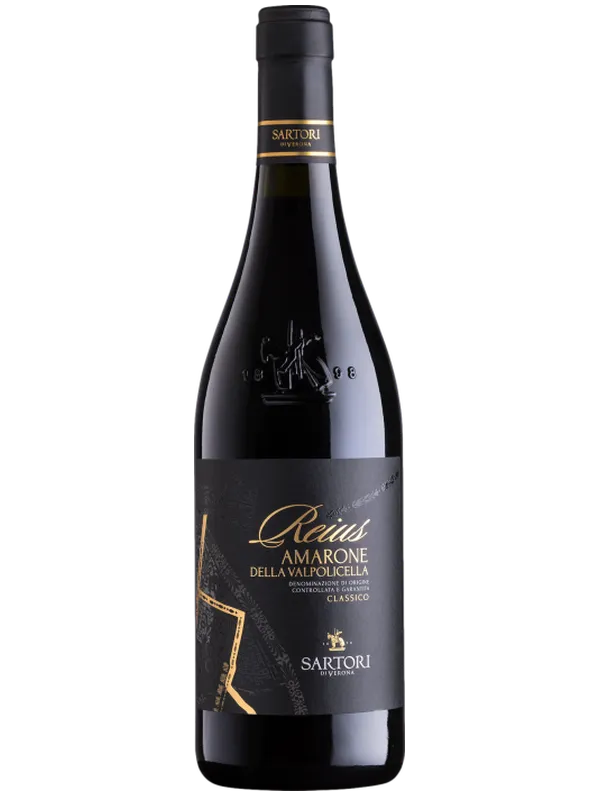
Casa Vinicola Sartori Reius 2020
Sartori's Reius is an Amarone della Valpolicella Classico DOCG of hillside Corvina, Corvinone and Rondinella air-dried for three months. Three years in oak give a velvety 15% red of dried fig, plum and chocolate for braises and aged cheese.
View Wine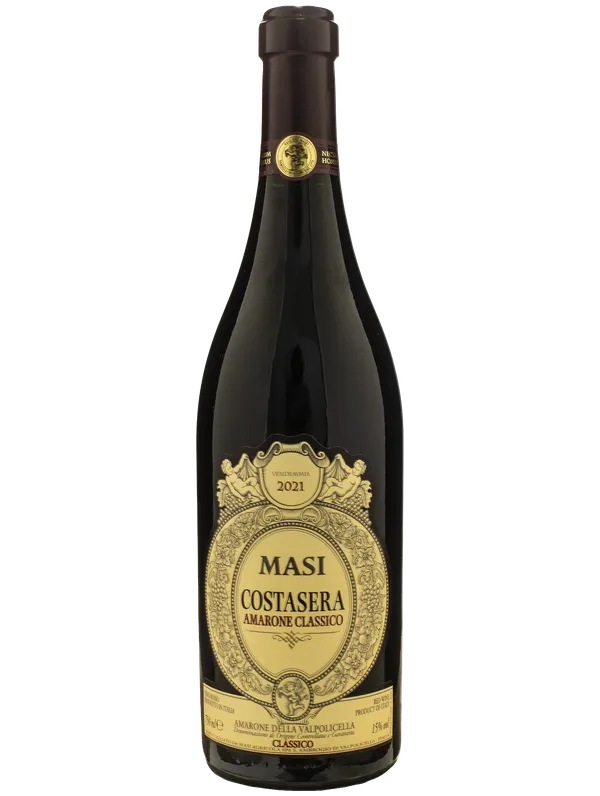
Masi Costasera Amarone della Valpolicella 2021
Masi's benchmark Amarone from sunset-facing slopes above Lake Garda: Corvina, Rondinella and Molinara dried on bamboo racks, then 24 months in Slavonian oak and Allier barriques. Baked plum, coffee and cocoa at 15% vol. About £54 in the UK.
View Wine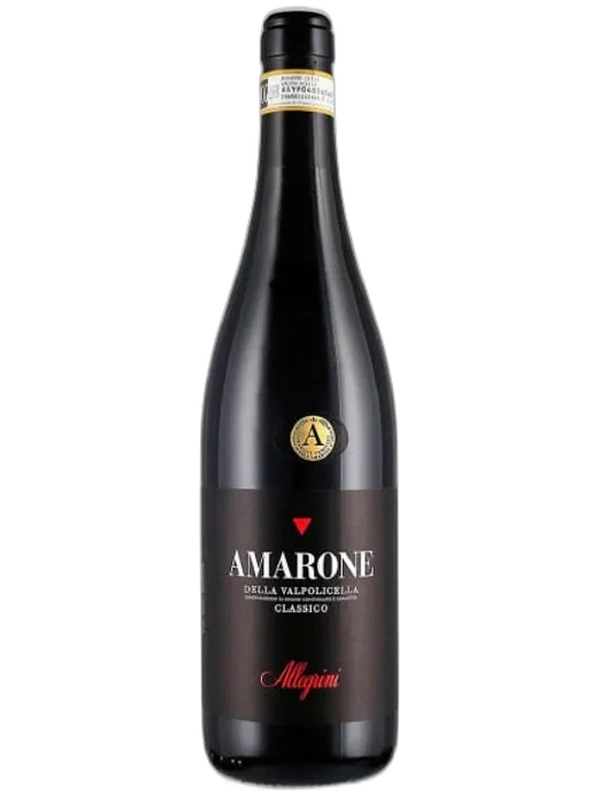
Allegrini Amarone della Valpolicella Classico 2021
Allegrini's benchmark Amarone, from Corvina dried three to four months until it sheds nearly half its weight. Concentrated black cherry, fig and cocoa, 16% alcohol kept dry and savoury, aged in new barriques. For braised meat, game and aged cheese.
View Wine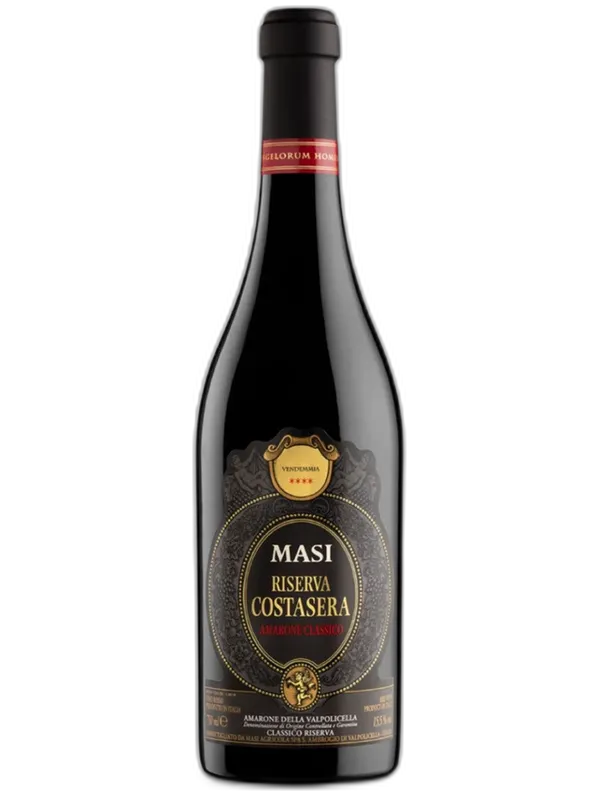
Masi Costasera Amarone della Valpolicella Classico Riserva 2019
Masi's Riserva Costasera is its top selection of Costasera, with 10% of the rare Oseleta grape and at least three years in oak. Dried-grape depth, cherry jam, cocoa and spice at 15.5%. UK prices run from £59 to £78 a bottle.
View Wine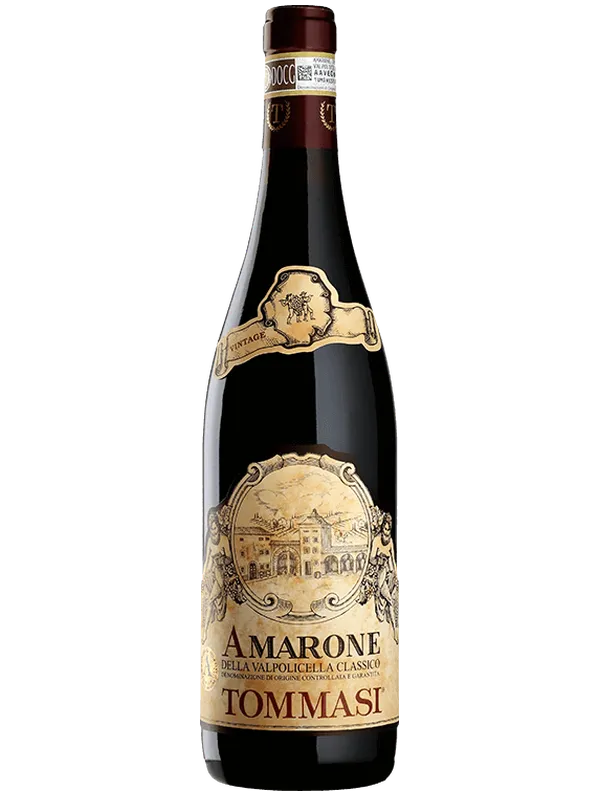
Tommasi Viticoltori Amarone della Valpolicella Classico 2021
Tommasi's flagship Amarone Classico: grapes dried three months, three years in Slavonian oak, 15%. Black cherry, prune and dark chocolate with silky tannin; 4.3 from 96,000 Vivino drinkers. £55.25 in the UK for the 2021.
View Wine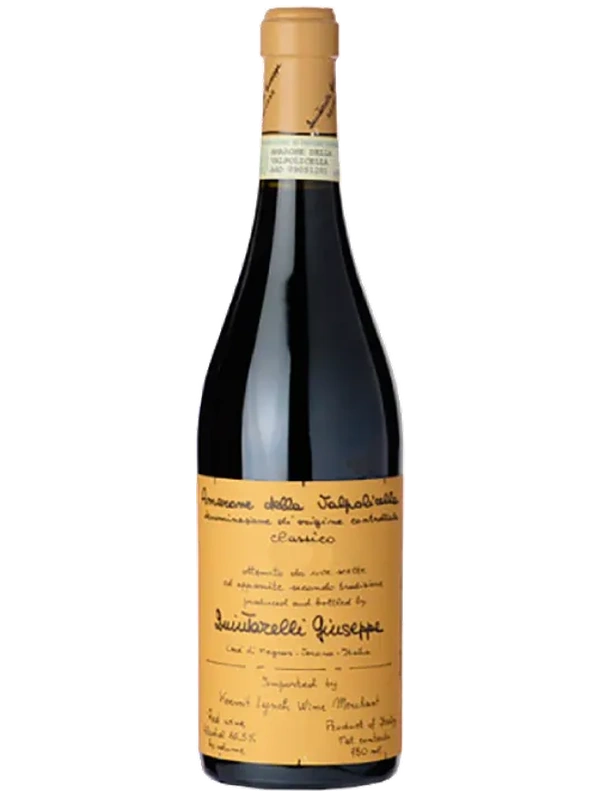
Quintarelli Amarone della Valpolicella 2018
Quintarelli's Amarone is Valpolicella's benchmark: Corvina and Corvinone dried for months, then six years in botte at Negrar. Dense dried fig, cocoa and licorice at 16.5%, built to age decades. A collector's red for braised game and aged cheese.
View WineDrinking the old years now
Age does not so much improve a wine as change its subject. Fruit gives way to leather, dried rose, tobacco and autumn leaves, tannins melt, and the colour fades to garnet at the rim. The years that began with five star structure make that journey most gracefully, which is why the old consorzio grades still matter decades later.
A handful of those years are still on sale here. Our shelf of mature vintage bottles currently reaches back to the 1957 and 1966 Fontanafredda Barolo, takes in the Fattoria dei Barbi Brunello 1975 from a five star Montalcino year (its 1971 sibling, a three star season, is priced accordingly), and offers two bottles from 1988, a harvest the classic Langhe assessments call excellent and Montalcino stamped with five stars: Gaja's Barolo Sperss and Ruffino's Riserva Ducale Chianti Classico. The table below rates every library year we hold; browse everything from 1975 or 1988 in one place. These are one-off library bottles; when one sells, it is gone.
Treat them gently. Stand the bottle up for a day, open slowly, and know how to spot a wine that has gone bad before you pour; if you are laying bottles down yourself, our guide on how to store wine is the insurance policy.
| Year | In the library | The year's standing |
|---|---|---|
| 1957 | Fontanafredda Barolo | An excellent Langhe year in the classic assessments: complete, velvety, balanced. |
| 1958 | Villadoria Barolo | Exceptionally elegant, intensely scented; one of the era's best. |
| 1961 | Villadoria Barolo La Marenca | A legendary Langhe year: powerful, velvety, very fine. |
| 1966 | Fontanafredda Barolo | A mediocre season by every assessment; buy it for the date, not the power. |
| 1967 | Scanavino Barolo; Luigi Bosca Barolo Riserva | An excellent year: strong, complete, intensely scented. |
| 1968 | Mario Pesce Barbera d'Asti; Cappelli Vino Santo | A good, elegant Piedmont year; vin santo's oxidative style shrugs off the decades. |
| 1971 | Fattoria dei Barbi Brunello | Three Montalcino stars: a worthy season rather than a great one. |
| 1973 | Tenuta Bertulot Barbera d'Asti | A normal year of harmonious, gently scented wines. |
| 1975 | Fattoria dei Barbi Brunello | Five Montalcino stars: the pick of our Tuscan library. |
| 1976 | Barbaresco Riserva, Cantina del Castello | A normal Barbaresco year: balanced, fine, delicately scented. |
| 1977 | Bersano Barbaresco; Castello di Donoratico Rosso | Modest in the Langhe; Montalcino gave the Tuscan season four stars. |
| 1988 | Gaja Barolo Sperss; Ruffino Riserva Ducale | Excellent in the Langhe and five Montalcino stars: a true great, north and centre. |
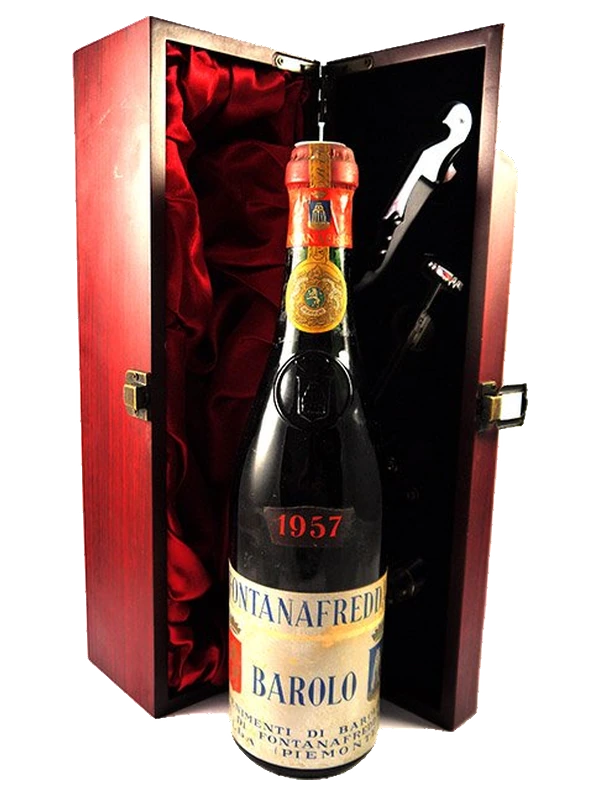
Fontanafredda Barolo 2022
Serralunga d'Alba Barolo from the royal-founded Fontanafredda estate, sold gift-boxed in rare 1957 and 1966 birth-year vintages. Expect fragile, fully tertiary Nebbiolo of dried rose, tar and leather: decant gently and open soon, not later.
View Wine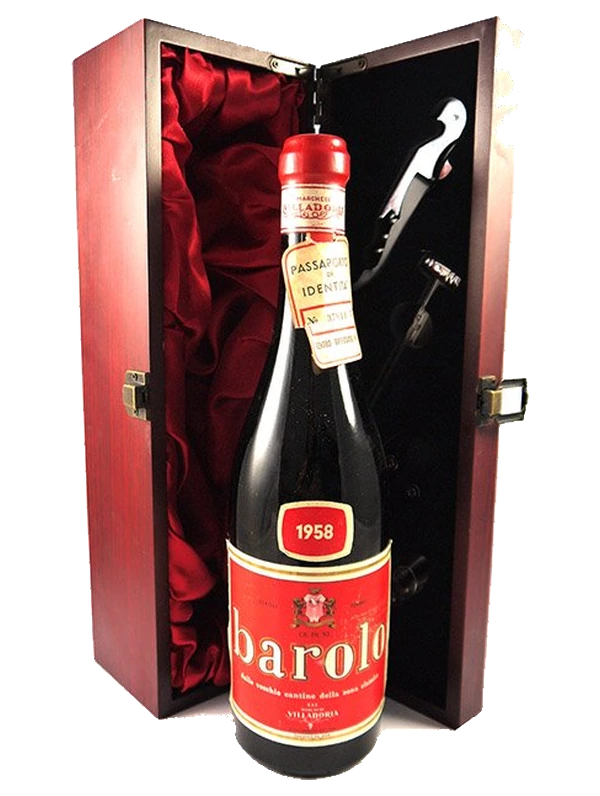
Villadoria Barolo 1958
A 1958 Barolo under the Lanzavecchia family's early Marchese Villadoria label: fully mature Serralunga Nebbiolo of dried rose, tar, leather and raisined fruit. A birth-year gift from an exceptional vintage, shipped in a wooden box.
View Wine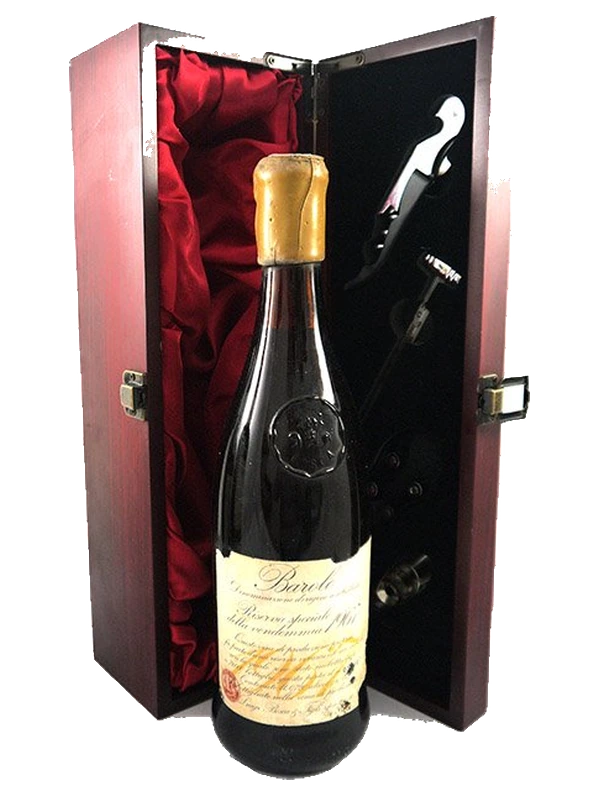
Barolo Riserva Speciale Luigi Bosca 1967
Merchant-bottled Barolo from Bosca of Canelli, founded 1831, in the era's extended-ageing Riserva Speciale style. Now fully tertiary: prune, dried rose, forest floor, liquorice. A ready-to-open birth-year gift for anyone born in 1967.
View Wine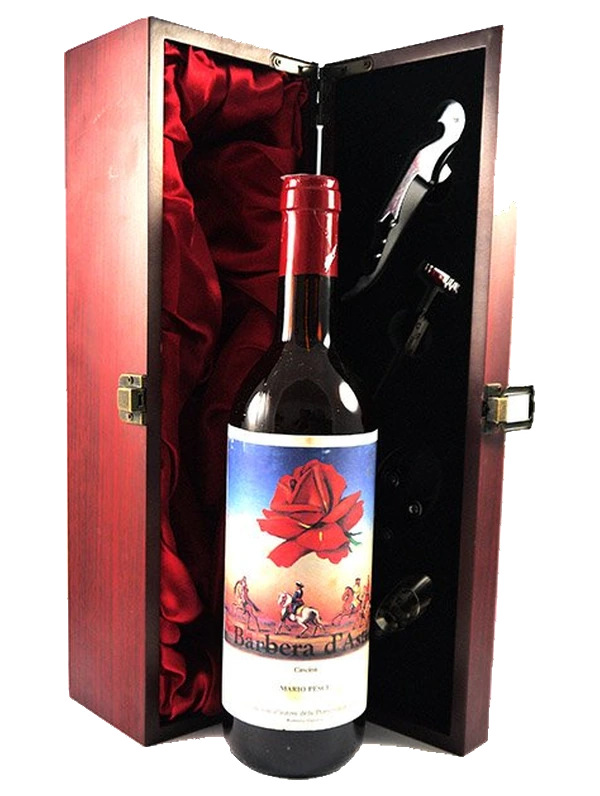
Mario Pesce Barbera d'Asti 1968
Barbera d'Asti from the 1968 harvest, carrying the name of Mario Pesce of Antica Casa Vinicola Scarpa, the Nizza Monferrato house that first took Barbera seriously. Fully mature and gently caramelised: a birth-year gift in a wooden gift box.
View Wine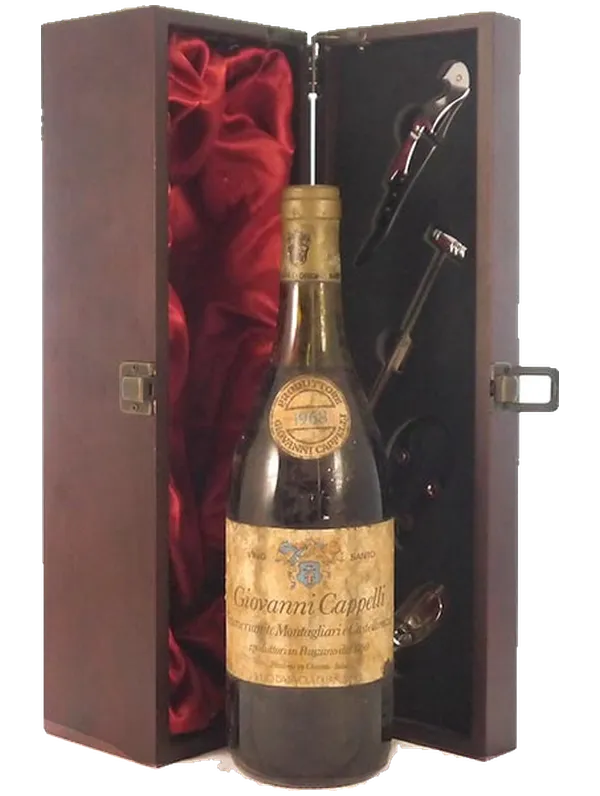
Vino Santo Giovanni Cappelli 1968
View Wine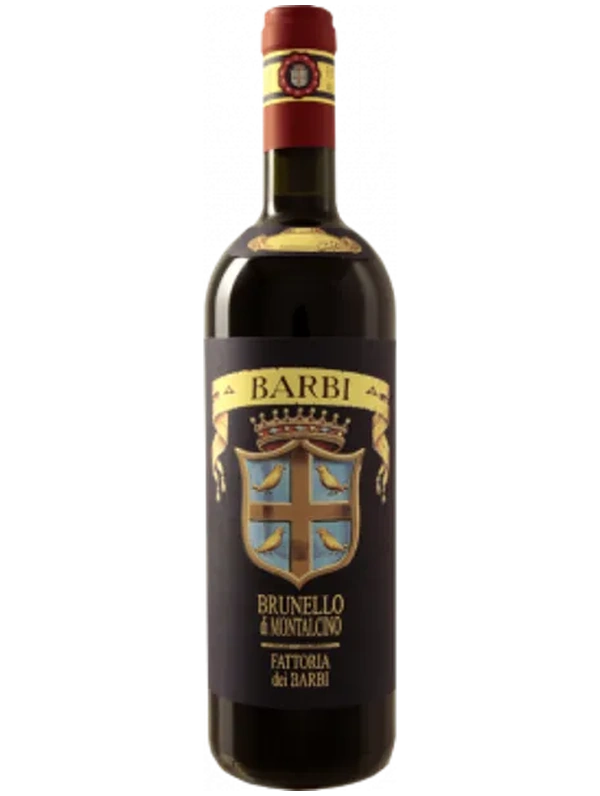
Brunello di Montalcino - Fattoria Dei Barbi 2021
Fattoria dei Barbi has bottled pure Sangiovese Brunello at Montalcino since the XVI century, grown on marl and alberese limestone at 300 to 500 metres. Two years in oak give a structured, savoury red of red berries, leather and spice. A classic Brune
View Wine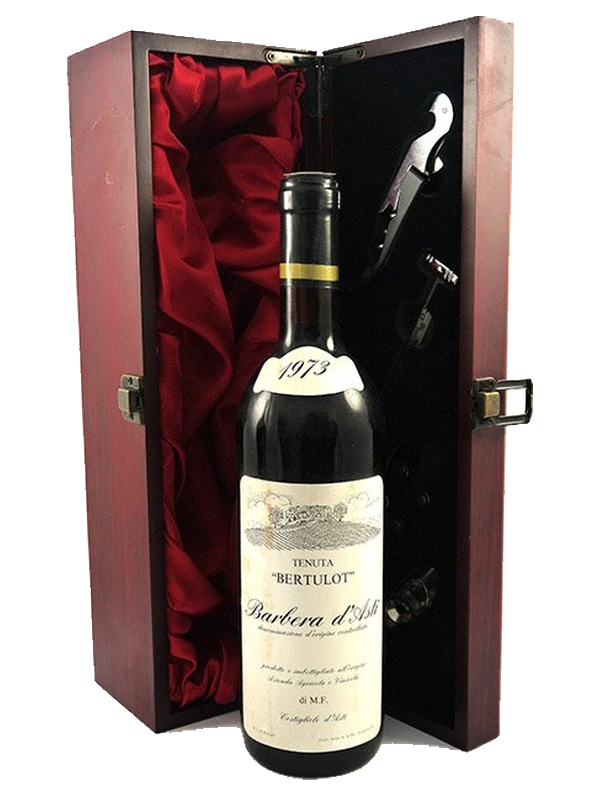
Tenuta Bertulot Barbera d'Asti 1973
Estate-bottled 1973 Barbera d'Asti from Tenuta Bertulot, a vanished Costigliole d'Asti grower. Fifty years on it is all dried cherry, leather and herbs on a gentle frame. Ships in a silk-lined wooden gift box: a ready-made 1973 birth-year present.
View Wine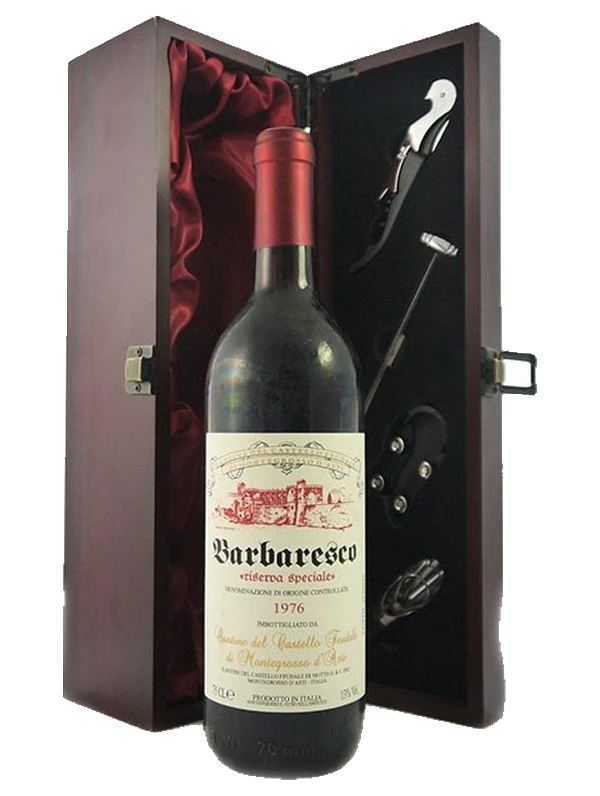
Barbaresco Riserva Speciale Cantina del Castello Feudale de Montegtrosso d'Asti 1976
A 1976 Barbaresco Riserva Speciale matured in oak casks in the castle cellars of Montegrosso d'Asti. Fully tertiary now: dried cherry, tar and a touch of caramel. One gift-boxed bottle at £109.77, made for 1976 birthdays and anniversaries.
View WineWhen the vintage does not matter
Most Prosecco never states a year, and that is by design: the big houses blend across harvests so that this bottle tastes like the last one, and freshness matters far more than history. The same goes for most sparkling wines built on a house style and for the supermarket blends that anchor midweek suppers.
So spend your vintage attention where it pays. For a wine meant to be drunk this year, buy the youngest release and the best producer you can afford. For the cellar reds of Piedmont, Tuscany and the Veneto, let the chart above tip the odds your way.
Frequently asked questions
Three recent years stand out. 2016 remains the benchmark for classic structure, though bottles are getting scarcer and dearer. 2019 combines perfume with firm, age-worthy tannin, and 2021 is shaping up as the most consistent of the trio across producers. All three appear regularly on UK shelves as current releases, so a well-stocked Barolo page is the quickest way to compare what is available now.
It depends where you stand. Producers in Valpolicella called 2014 one of their hardest harvests, and the consorzio in Montalcino rated it three stars out of five. Yet in the Langhe the cool season produced lighter Barolo with lovely balance, wines many drinkers enjoy young while the bigger years sleep. Treat 2014 as a year for producer loyalty rather than blanket avoidance.
From a four or five star year, well-cellared Brunello di Montalcino typically drinks beautifully between ten and twenty five years from harvest, and riserva bottlings can go further. Lesser years are best inside fifteen. Storage is the deciding factor, so keep bottles cool, dark and still; our guide on how to store wine covers the essentials.
Often, if you choose well. Past thirty years, even great bottles trade fruit for leather, dried cherry and autumn leaves, and corks become the weak point, so inspect fill levels before opening. Years the consorzi rated highly hold on longest. For choosing between regions and price bands, our guide to birth-year and anniversary Italian wines walks through the decades honestly.
Rarely. Most Prosecco is non-vintage by design: houses blend across harvests so this year's bottle tastes like last year's, and freshness matters far more than the number on the label. The exception is millesimato Prosecco from a single stated year, worth attention in a strong season. As a rule, drink it young and save the vintage chart for the cellar reds.