



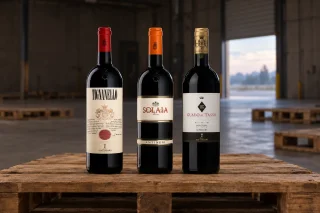


Birth-Year and Anniversary Italian Wines: Choosing a Vintage Gift
TL;DR
- A bottle from their birth or wedding year is the most personal wine gift there is, and Italy's long-lived reds keep more of those years alive than most.
- Check what the year was really like before buying: Italian consorzi grade every harvest, and an honest seller will say whether a vintage is a drinker or a keepsake.
- A 1961 Barolo or 1975 Brunello can still delight at the table, while a 1977 Piedmont bottle is opened for the story, with expectations set by the toast.

The year on the label is the story
Fontanafredda has made Barolo at Serralunga d'Alba since 1858, which is why a bottle stamped 1957 can still be bought, wrapped and, with a little luck, enjoyed today. That is the quiet appeal of a birth-year wine. It is not really a present about wine at all, but about time: the person unwrapping it holds something made from grapes picked the autumn they arrived.
Italy is unusually kind to this sort of gift. Nebbiolo's fierce tannin and acidity let a good Barolo or Barbaresco travel forty or fifty years, and riserva Sangiovese from Montalcino can go further still. Where a Dolcetto of the same age would be a memory, a serious bottle from Piedmont keeps the conversation going.
Britain is well served for finding them. Vintage specialists list Italian bottles by year, and our own wine gifts shelf gathers the ones we can vouch for, browsable by year and decade, with the broader thinking in our guide to choosing an Italian wine gift.
Read the year like an Italian: consorzio harvest grades
Italy grades its harvests in public. In Montalcino the growers' consortium has rated every vintage since 1945 on a five-star scale, settled by a tasting panel and published openly: 1975 carries the full five stars, and the leanest years sit at one or two. It is the closest thing wine has to an official school report, and it is free to consult before you spend anything on a Brunello di Montalcino.
Piedmont keeps its own records. The Barolo and Barbaresco consortium publishes a harvest report each autumn, and the historic charts drawn up by producers and scholars, Renato Ratti's most famously, still shape how the trade speaks about 1961 or 1977. When a year was poor, the charts say so without embarrassment; Fontanafredda's own century table marks some of its vintages as weak.
For the buyer the lesson is simple: grade first, bottle second. Once the year checks out, judge the object itself, fill level, capsule, colour and storage history, and favour sellers who state provenance plainly. The label carries more of this than people expect; our guide to reading an Italian wine label shows where to look.
The decades in the glass, honestly
The late 1950s and early 1960s were generous to Piedmont. 1958 and 1961 stand among the region's post-war benchmarks, and both still surface in Britain: our shelf lists a 1957 Barolo and bottles from 1961. 1964, 1967 and 1968 earned lasting respect. 1966, by contrast, was marked low even on producers' own charts, a year to buy for the date rather than the drinking, and we say so on the shelf.
The 1970s ran hot and cold. 1971 was magnificent; 1975 gave Montalcino one of its five-star years, which makes a 1975 Brunello a serious fiftieth-birthday present in 2025 terms and a moving one at any age. 1976 and 1977 were lean in the north-west, though Tuscany fared better in 1977 than Piedmont did, a reminder that Italy never has just one vintage; the 1977 bottles on our shelf carry both stories.
1982 and 1985 restored order, and 1988 opened the celebrated run that closed the decade. It was the year Gaja bottled the first Sperss from his newly acquired Serralunga vines, and a Chianti Classico riserva from 1988 still drinks handsomely; the 1988 shelf shows both faces of that year. The 1990s added 1990, 1996 and 1997, all safe hunting for thirty-somethings.
This century the record is friendlier still. 2001, 2004, 2006, 2010 and 2016 are the modern benchmarks, and even Barbera, Piedmont's weekday grape, made age-worthy wine in 2006. For an eighteenth or twenty-first birthday there is no shortage, and a 2012 Barbaresco riserva shows how gracefully the middle 2010s are ageing.
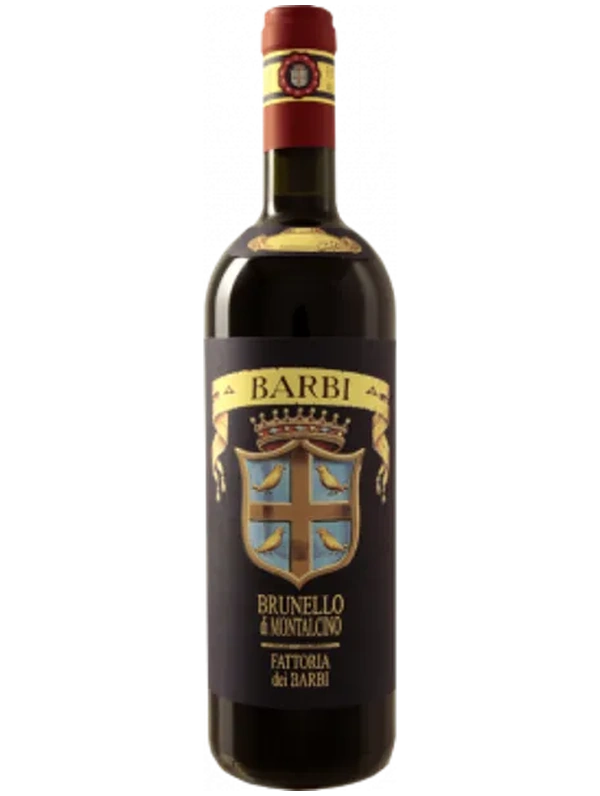
Brunello di Montalcino - Fattoria Dei Barbi 2021
Fattoria dei Barbi has bottled pure Sangiovese Brunello at Montalcino since the XVI century, grown on marl and alberese limestone at 300 to 500 metres. Two years in oak give a structured, savoury red of red berries, leather and spice. A classic Brune
View Wine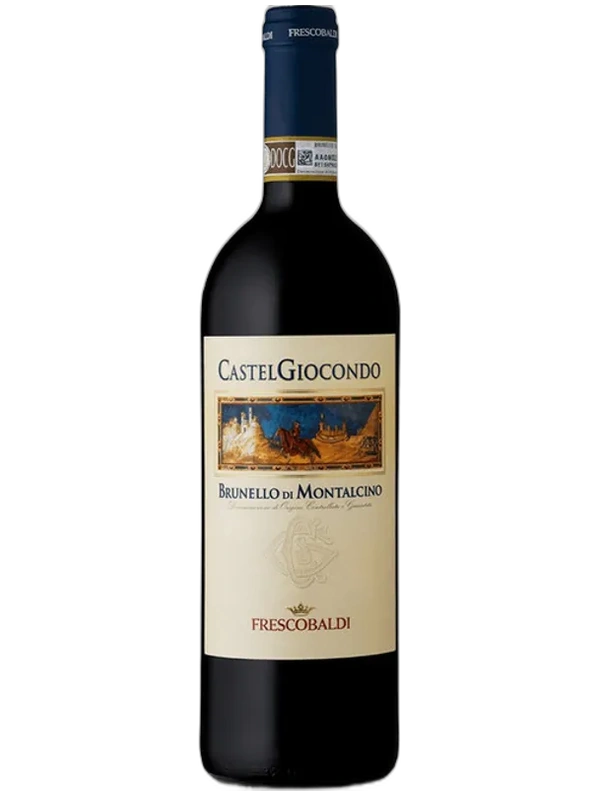
Frescobaldi Castelgiocondo Brunello di Montalcino 2021
Frescobaldi's 100% Sangiovese Brunello from Tenuta CastelGiocondo at Montalcino, grown on galestro, clay and Pliocene sand. Two years in Slavonian oak casks and French barriques give black cherry, violet, leather and warm spice over firm tannins.
View Wine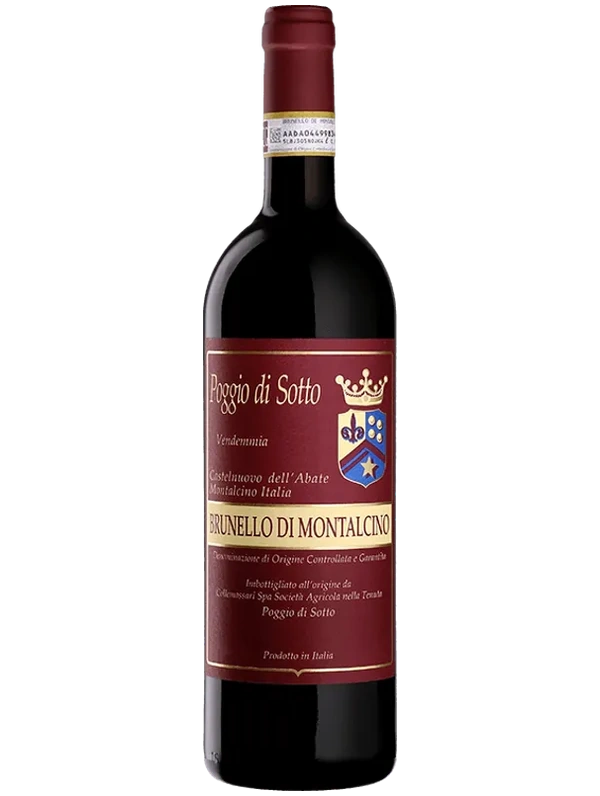
Poggio di Sotto Brunello di Montalcino 2021
Poggio di Sotto's Brunello is one of Castelnuovo dell'Abate's most revered Sangiovese, organic vines at 190 to 440 metres below Mount Amiata, aged in Slavonian-oak botti. Expect leather, violet and red cherry over fine, chalky tannins. A cellar wine
View Wine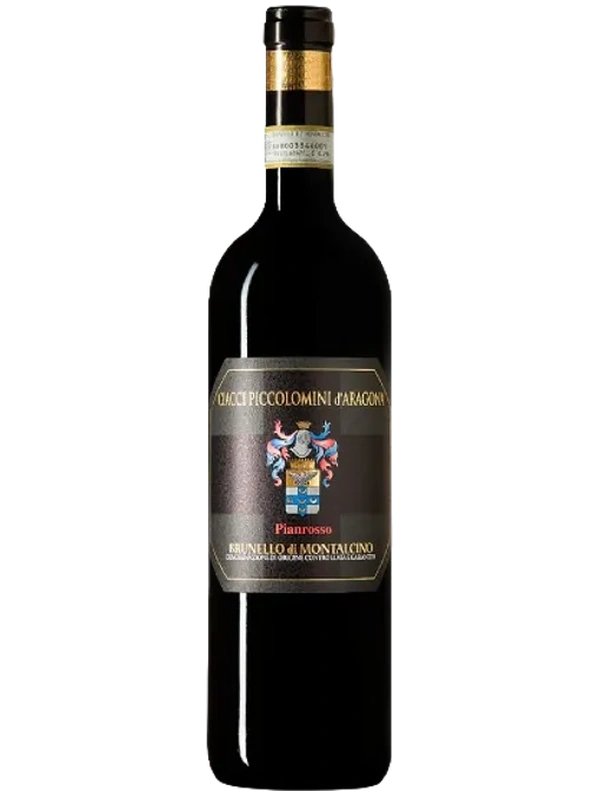
Ciacci Piccolomini Brunello di Montalcino Pianrosso 2021
Ciacci Piccolomini d'Aragona's single-vineyard Brunello, from the 11.69-hectare Pianrosso parcel on galestro and marl above the Orcia river. Three years in Slavonian botti build a ruby-to-garnet Sangiovese of forest-floor depth and Morello cherry.
View Wine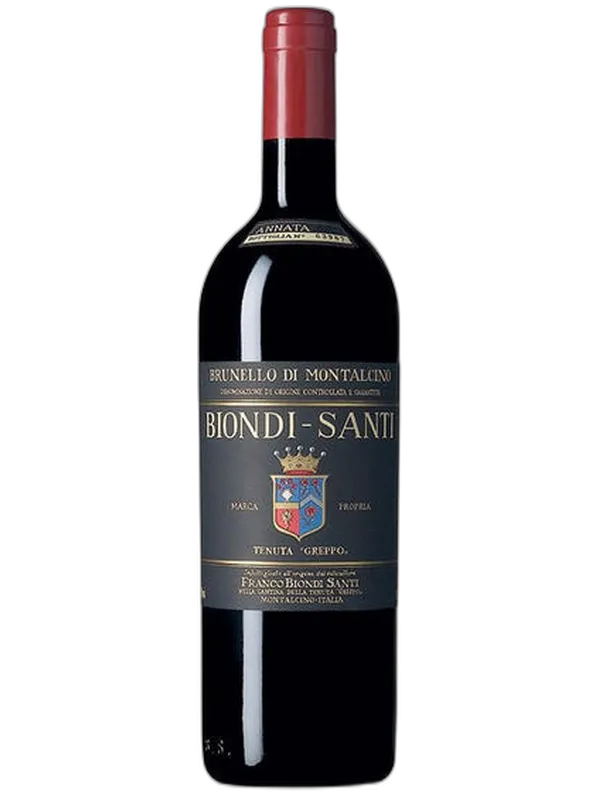
Biondi-Santi Brunello di Montalcino Riserva 2019
The wine that started Brunello. Biondi-Santi have declared a Riserva only about forty times since 1888, always from the oldest vines at Il Greppo. Firm, fresh, and built to last decades rather than years.
View Wine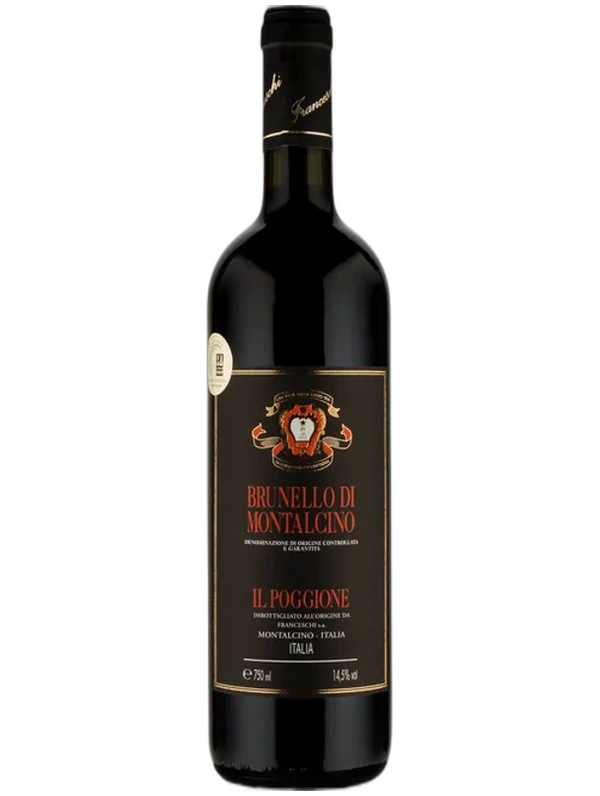
Il Poggione Brunello di Montalcino 2021
Brunello di Montalcino DOCG from Il Poggione, a founding member of the Brunello Consorzio. 100% Sangiovese from Sant'Angelo in Colle, fermented with indigenous yeasts and aged in large French oak botti. One of Montalcino's most consistent estates.
View Wine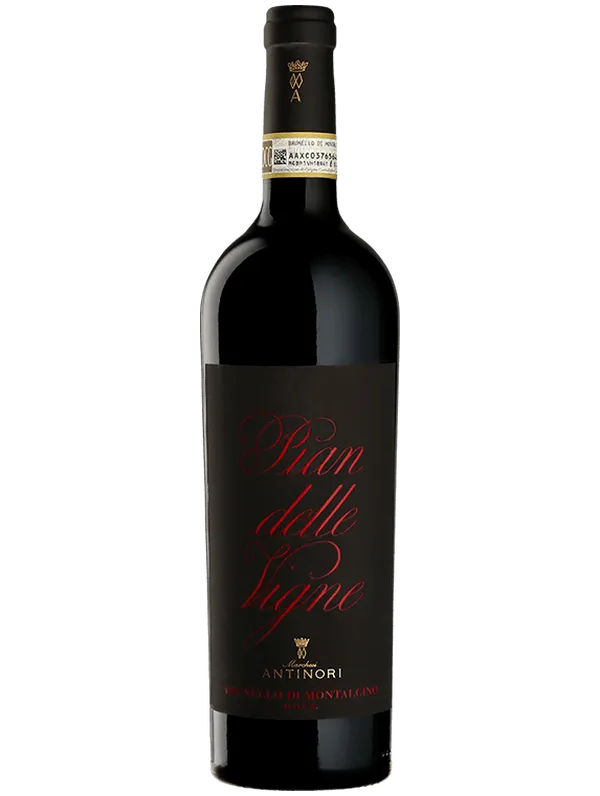
Antinori Pian delle Vigne Brunello di Montalcino 2021
Antinori's Montalcino estate Brunello, 100% Sangiovese from clay and gravel soils 6km south-west of town. Aged two years in large oak casks: fresh and savoury, with silky tannins, cherry, blood orange and tobacco. A benchmark DOCG red from £42.87.
View Wine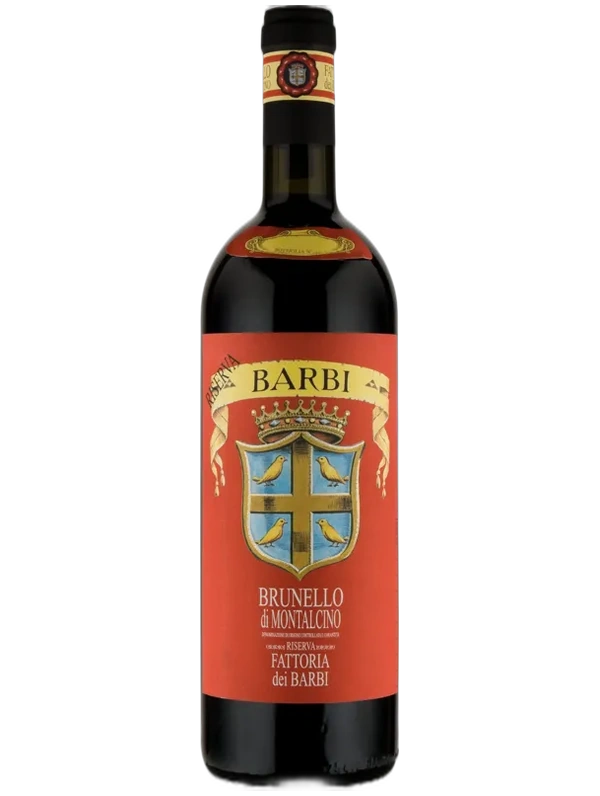
Fattoria dei Barbi Brunello di Montalcino Riserva 2019
An austere Brunello Riserva made only in the vintages Fattoria dei Barbi rates highest. Pure Sangiovese from high slopes at 400 m, given three years in oak. UK retailers list the five-star 2019, scored 94 by three critics, and the riper 2017.
View Wine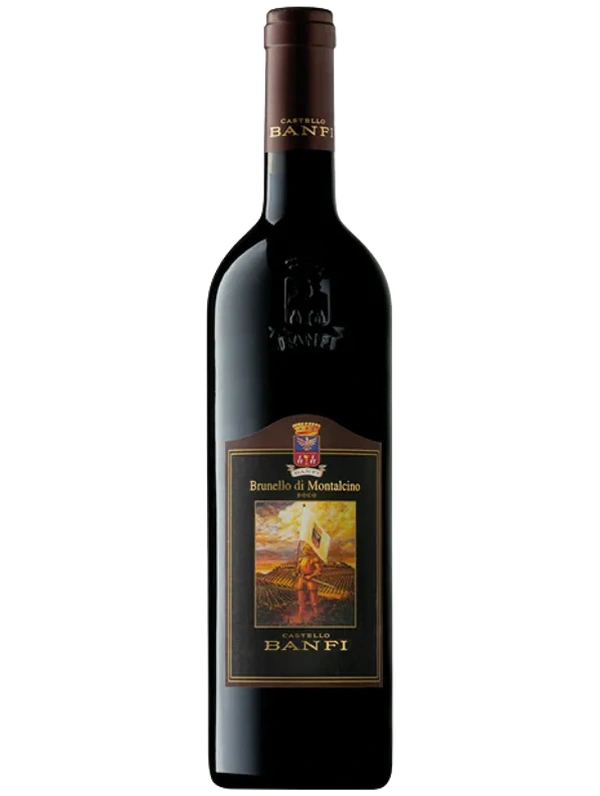
Banfi, Brunello di Montalcino 2021
Castello Banfi's benchmark Brunello di Montalcino: 100% Sangiovese from stony limestone soils in southern Montalcino, aged four years with two in French oak and Slavonian casks. Full, velvety and built to cellar, with cherry, violet and tobacco.
View Wine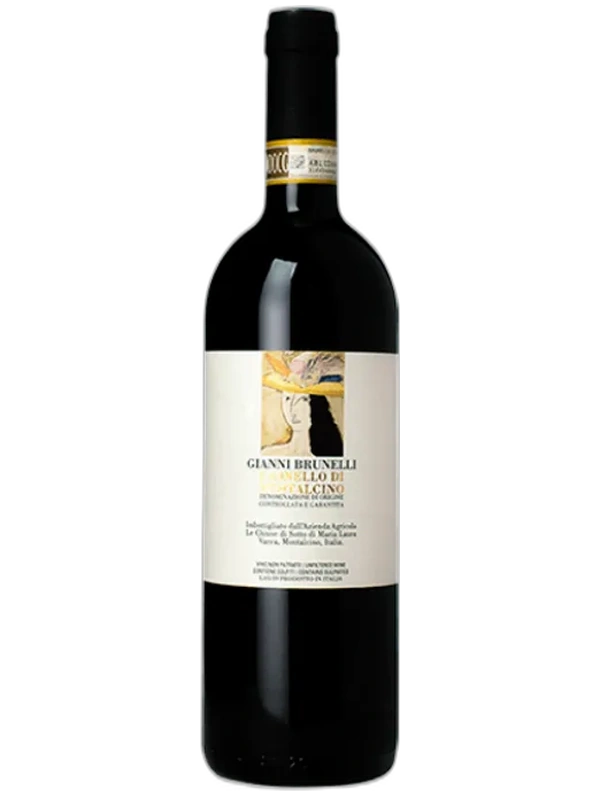
Gianni Brunelli Brunello di Montalcino 2021
Brunello di Montalcino DOCG from the Brunelli family's Le Chiuse di Sotto estate. 100% Sangiovese off galestro and white clay, aged in Slavonian oak casks: intense ruby, wild-berry and leather depth, fine-grained tannin built to cellar a decade.
View WineWhen the year let them down: 1974, 1984 and other awkward birthdays
Not every birthday drew a lucky harvest. 1972 was so poor in Piedmont that most Barolo houses declassified the lot and bottled none under their grand labels. 1984 was cold and rain-hit across much of central and northern Italy. 1974 and 1992 made correct rather than moving wines. If that is the year on the birth certificate, honesty beats optimism: a fragile bottle bought dear helps nobody, least of all the person blowing out the candles.
There are graceful ways around it. Cross a regional border: Italy's harvests diverge, and a modest year in Alba could be a fair one in Tuscany or the south, as 1977 proves; the coast that later raised the Super Tuscans was already quietly capable then. Go fortified: Marsala Vergine and Vin Santo shrug off decades and are the great unsung birth-year bottles, mapped in our guide to Italian sweet wines. Size and selection help too, since magnums age more slowly and riserva bottlings from serious estates outlive the average for their year.
And when the year truly cannot be drunk, reframe it. The vintage of the wedding, the graduation or the year a couple met carries the same charge, and a great current release from the family's home region, given with the story attached, beats a tired bottle with the right number. The sweet and fortified styles are the safety net that rarely fails.
Milestones in 2026, the Italian way
The arithmetic for 2026 is friendly in places and character-building in others. A sixtieth birthday means 1966, a keepsake year in Piedmont: buy it as a memento, label it as such, and open something younger alongside. A fiftieth means 1976, and our shelf carries a 1976 Barbaresco riserva honestly described as one for the toast. Thirty lands on 1996, a classicist's Piedmont year, and an eighteenth means 2008, still easy to find and drinking well.
Anniversaries double the options, because the wedding year and the milestone both count. A silver anniversary in 2026 points to 2001, a year Montalcino's chart calls excellent and kinder in the glass than many wedding years. Ruby, at forty years, lands on 1986, a middling season where the fortified route or a magnum from the couple's region serves better than a tired red.
| Milestone in 2026 | Vintage | The honest verdict |
|---|---|---|
| 18th birthday | 2008 | Solid Piedmont year; easy to find and drinking well |
| 21st birthday | 2005 | Good classic year; mature Barolo territory |
| Silver anniversary (25) | 2001 | Excellent in Montalcino on the consorzio chart |
| 30th birthday | 1996 | A classicist's Piedmont year, built to last |
| Ruby anniversary (40) | 1986 | Middling; consider fortified wine or a magnum |
| 50th birthday | 1976 | Lean in Piedmont; buy as a keepsake |
| 60th birthday | 1966 | Marked low on producers' charts; one for the story |
| 70th birthday | 1956 | Frost-hit and scarce; nearby 1955 or 1957 are kinder |
Whatever the milestone, the same rule holds: drinkers for the table, keepsakes for the shelf, and no pretending one is the other. The wrapping, the box and the words matter as much as the bottle; our wine gift guide covers that side of the ceremony.
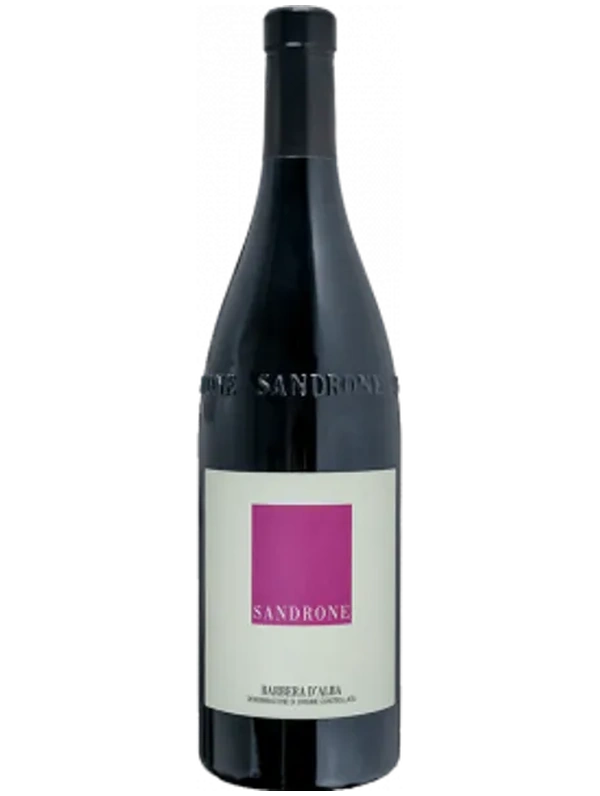
Barbera d'Alba - Sandrone 2023
Luciano Sandrone's Barbera d'Alba comes from declassified Barolo, Monforte and Novello parcels, aged 15 months in French oak. Inky dark fruit, white pepper and bright acidity over soft tannins, a serious Piedmont table red at about 28 pounds.
View Wine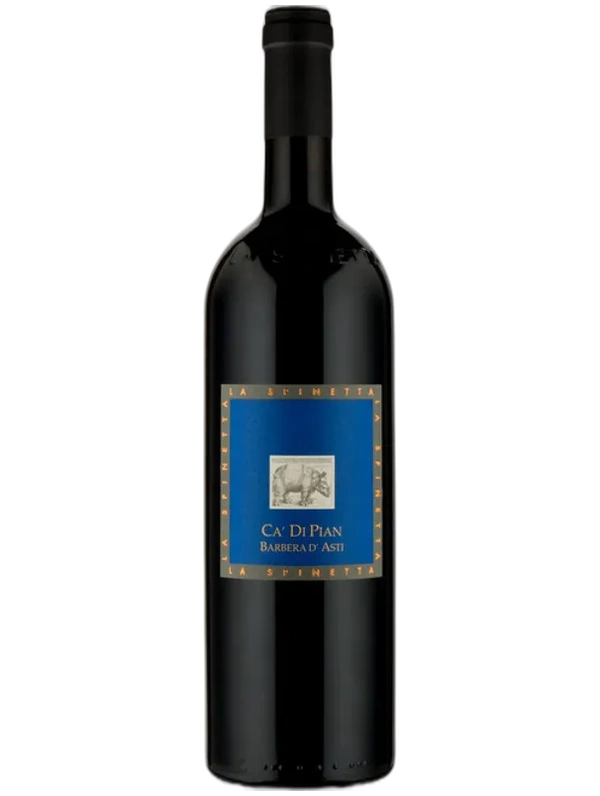
Barbera d'Asti Superiore DOCG Organic 2024
La Spinetta's organic Ca' di Pian comes from old Barbera vines near Castagnole delle Lanze: dark-fruited and supple, blackberry and cherry over gentle French-oak vanilla. Bright Piedmontese acidity suits tomato pasta, braised veal and hard cheese.
View Wine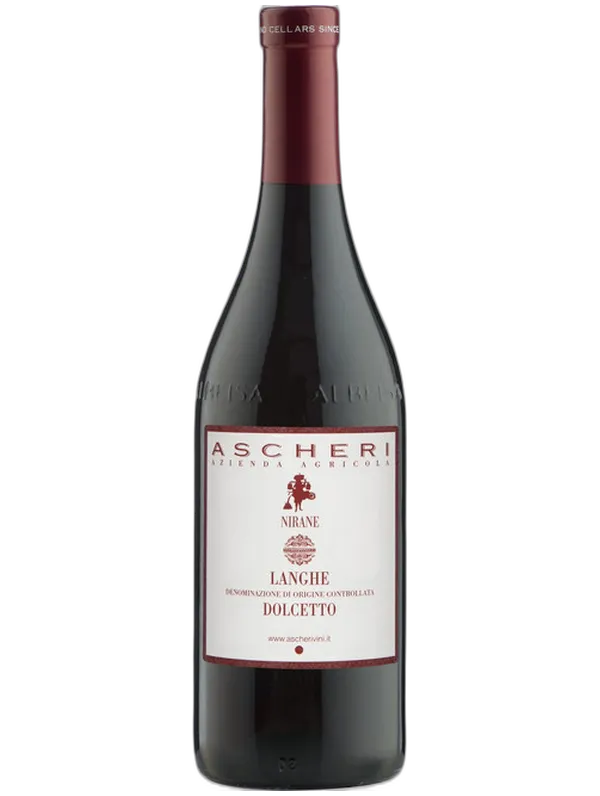
Ascheri Giacomo Nirane 2024
Ascheri's Nirane is an unoaked Langhe Dolcetto from Bra: bright cherry and small red berries over a round, balanced palate. At 14% it drinks fuller than most Dolcetto, yet stays fresh and food-friendly. An everyday Piedmont red at £17 to £19.
View Wine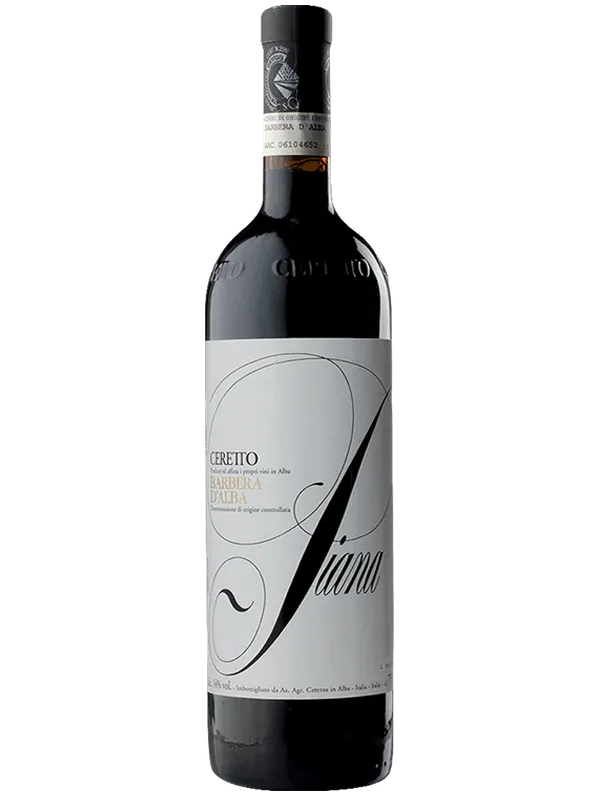
Ceretto Piana 2024
Ceretto's single-vineyard Barbera d'Alba from a 2.75-hectare plot at Alba, fermented in steel to keep the fruit fresh: bright cherry and blackberry, violet lift, incisive acidity, light tannin. Organic-farmed, built for braises and tomato-led pasta.
View Wine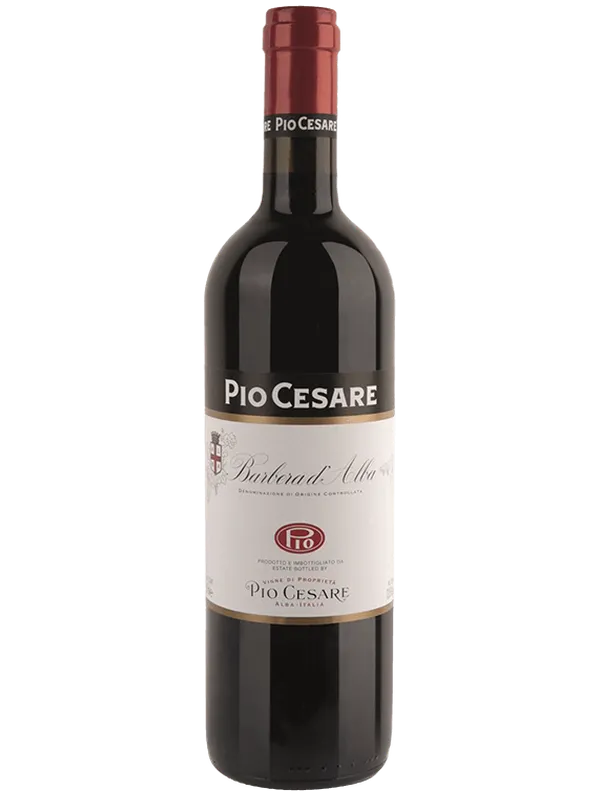
Barbera d'Alba 2024
A benchmark Barbera d'Alba from the historic Alba house Pio Cesare. Bright Langhe acidity and soft, oak-rounded tannins frame black cherry, plum and spice. A versatile, food-first red for tomato pasta, salumi and Alba truffle dishes near 20 pounds.
View Wine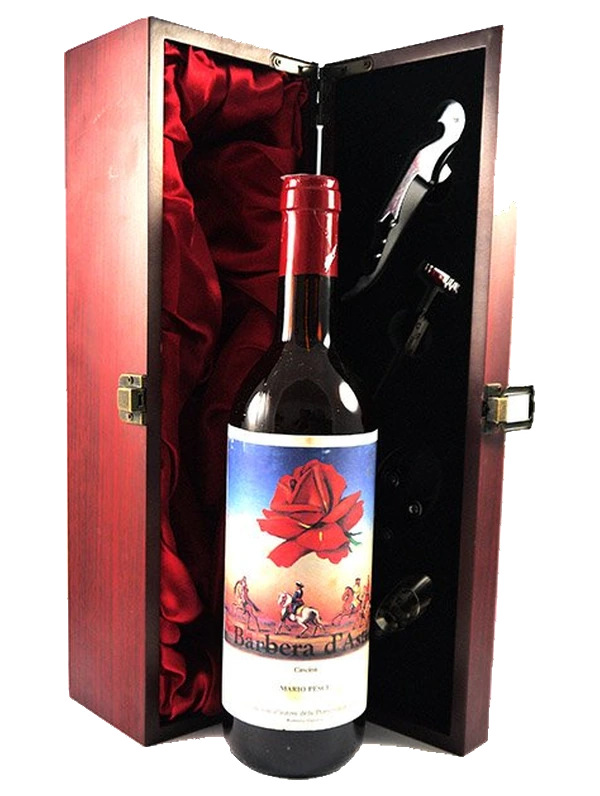
Mario Pesce Barbera d'Asti 1968
Barbera d'Asti from the 1968 harvest, carrying the name of Mario Pesce of Antica Casa Vinicola Scarpa, the Nizza Monferrato house that first took Barbera seriously. Fully mature and gently caramelised: a birth-year gift in a wooden gift box.
View Wine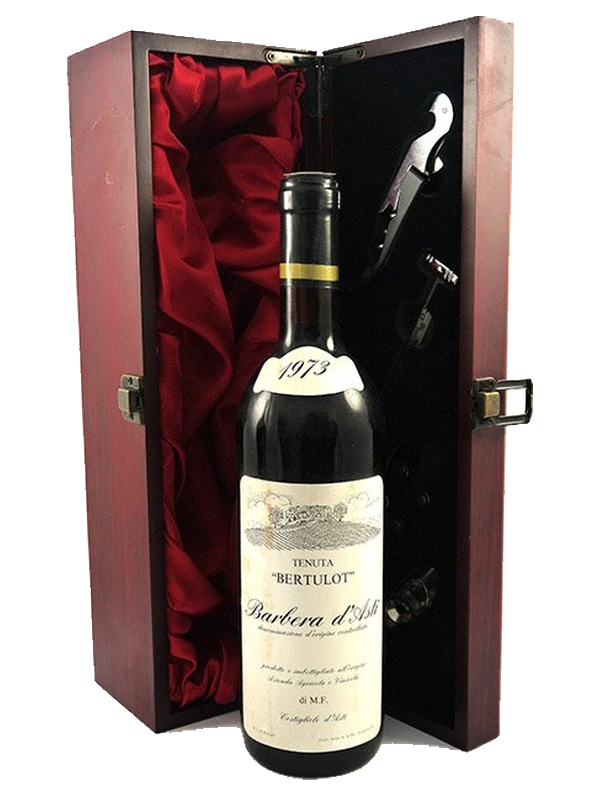
Tenuta Bertulot Barbera d'Asti 1973
Estate-bottled 1973 Barbera d'Asti from Tenuta Bertulot, a vanished Costigliole d'Asti grower. Fifty years on it is all dried cherry, leather and herbs on a gentle frame. Ships in a silk-lined wooden gift box: a ready-made 1973 birth-year present.
View Wine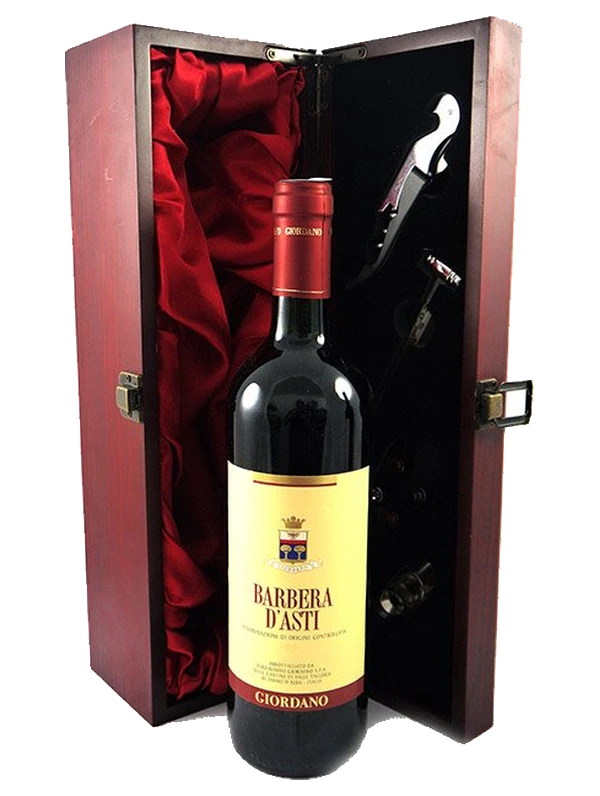
Giordano Barbera d'Asti 2006
A 2006 Barbera d'Asti from Giordano, the Diano d'Alba mail-order house founded in 1900. Twenty years on it is dried cherry, tar and leather over Barbera's fresh acidity, shipped in a silk-lined wooden gift box: a ready-made birth-year present.
View Wine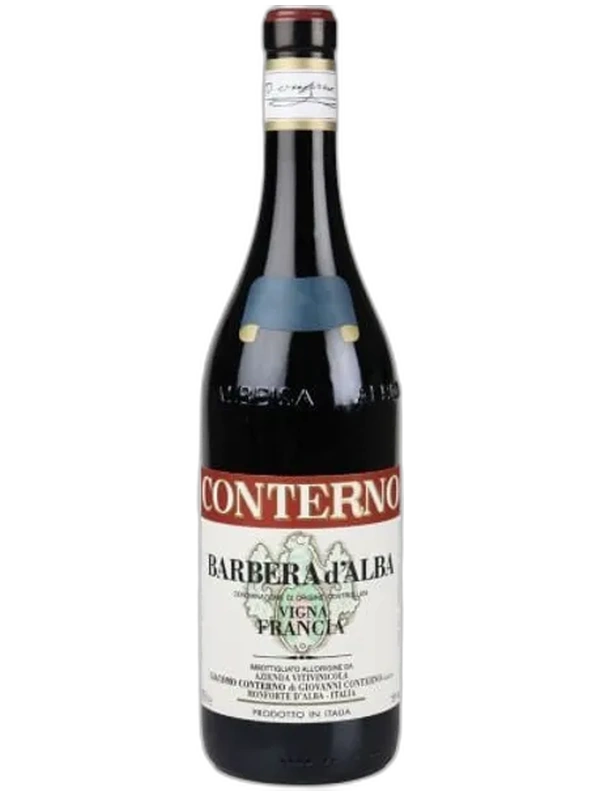
Barbera d'Alba Francia Giacomo Conterno 2023
Giacomo Conterno's Barbera comes from the Cascina Francia vineyard in Serralunga d'Alba, the limestone-rich, salty site behind Monfortino. About 20 months in large casks build a deep Barbera of dark cherry, violet and licorice over bright acidity.
View Wine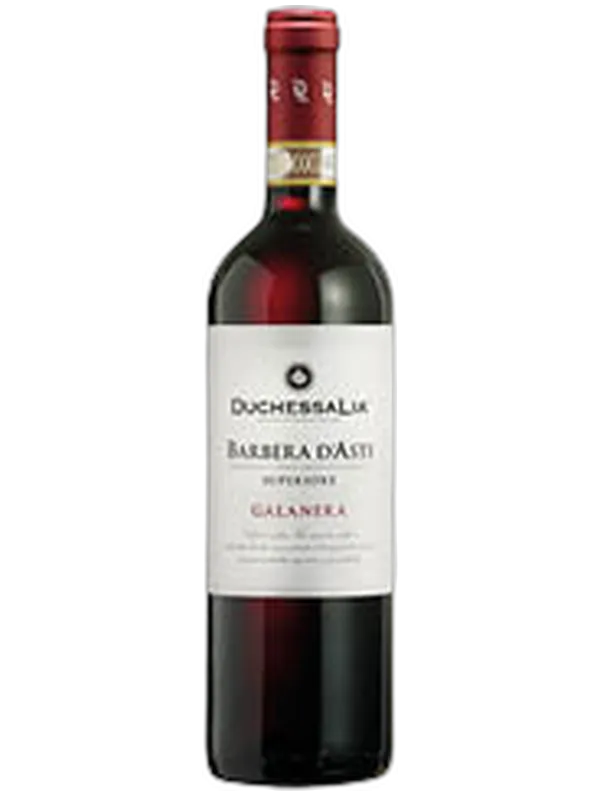
Barbera d'Asti Superiore DOCG Galanera Duchessa Lia 2022
Duchessa Lia picks its Barbera from the Asti and Monferrato hills, then ages Galanera 14 months, about half in oak. The 2022 is dark, dry and velvety, with plum, cherry and warm spice. A Sunday-roast red at under £20.
View WineOpening a bottle older than the guest of honour
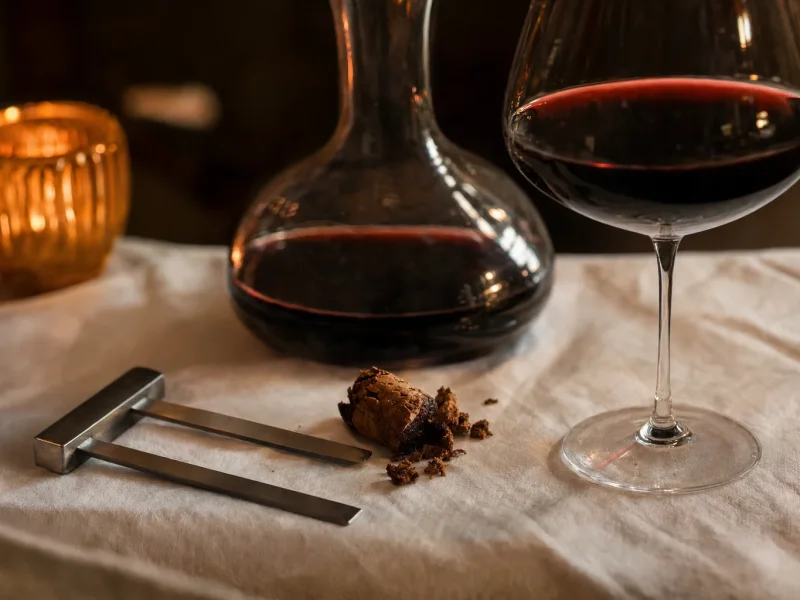
Give the bottle a quiet few days before the party. Stand it upright for two or three days so the sediment settles to the base, and keep it cellar-cool rather than fridge-cold. Open with a two-pronged puller if you have one, because fifty-year-old corks crumble around a corkscrew's worm; if the cork breaks anyway, push the remainder gently down and pour through a fine sieve.
Serve it with modest ceremony. Pour steadily off the sediment, skip long decanting, since a mature Nebbiolo can fade within the hour, and let the wine open in a large-bowled glass instead; our glassware guide has the right stem. Expect tertiary beauty rather than fruit: dried rose, leather, black tea, orange peel. Say so in the toast, and the wine will be received as it deserves.
Plan the table around one honest pour each, early in the evening, while the wine still has something to say. Then have youth ready behind it: a Dolcetto or a Prosecco is the natural counterpoint, wines made for the year they are born rather than the year you were, and our Italian sparkling wines page finds the toast if the old bottle is strictly for sipping.
Frequently asked questions
Sometimes, and the label tells you the odds. Structured reds from strong years, a Barolo from 1961 or a riserva Brunello di Montalcino from 1975, can still be genuinely pleasurable if stored well. Everyday wines and weak vintages survive as keepsakes rather than drinks. Check the vintage's official grading, ask how the bottle was stored, and judge fill level and capsule before paying serious money.
Nebbiolo and riserva Sangiovese lead: Barolo, Barbaresco and Brunello from the top years carry five and even six decades. Beyond the reds, Marsala Vergine and Vin Santo often outlive them all, as our Italian sweet wine guide explains. For the years themselves, our wine gifts shelf lists what is honestly worth buying, bottle by bottle.
Be honest and go sideways. Italy rarely fails everywhere at once, so look to another region first: 1977 was lean in Piedmont yet respectable in Tuscany. Fortified wines from the same year sidestep the problem entirely, magnums and riserva bottlings survive better than standard ones, and a great current bottle from the family's region, given with the story, beats a tired one with the right number.
Stand it upright for two or three days, then use a two-pronged puller rather than a corkscrew, because old corks crumble. Pour gently off the sediment, skip long decanting, and serve at cellar temperature in a large-bowled glass; our glassware guide helps with the stem. Taste it early in the evening while it still has something to say, with a younger bottle ready behind it.
No. The wedding year is the romantic default, but the milestone number works just as well: a silver anniversary in 2026 points to 2001, kinder in the glass than many wedding years. Some couples prefer the year they met. Whichever you choose, the rule is the same: check the vintage before the sentiment, then browse the gift shelf by year and decade.