







Italian Wine Gifts: How to Choose a Bottle They Will Remember
TL;DR
- The best Italian wine gifts carry a story the recipient can retell, and a bottle from their birth year or wedding year tells it better than any price tag.
- Set the budget first: under £40 buys a serious gift-boxed red, £40 to £80 opens the classics, and beyond £80 you are gifting a cellar moment.
- A 1976 Barbaresco says golden wedding in a way no card can, which is why our shelf sorts Italian bottles by the year that matters.
Most wine gifts are chosen backwards: grape first, person last. This guide flips that order. Start with the story you want the bottle to tell, then let the budget and the occasion narrow Italy down to a shortlist you can trust.

Start with the story, not the grape
Nobody remembers being handed "a very good Sangiovese". They remember the bottle from the village their grandmother left, the wine from the year they were married, the label they drank on honeymoon in Tuscany. An Italian wine gift works when the recipient can retell it as a story, so begin by asking what the bottle should say rather than what it should taste like.
That single question does most of the choosing for you. A thank-you after dinner wants something generous and immediate. A retirement wants age and patience. A wedding wants a year on the label that will matter for decades. Once the story is set, picking the region and the producer becomes a pleasure rather than a gamble, and our gift ideas by occasion can carry the detail.
One practical note before the fun part: if the recipient loves restaurants, a bottle they can talk about pairs beautifully with knowing how to read an Italian wine list. And if you would rather browse than theorise, our Italian wine gifts shelf gathers gift-boxed bottles chosen by our editors.
The year is the gift: birthdays and anniversaries
The strongest move in wine gifting is the vintage that matches a life. A bottle from a 50th-birthday year, or from the year of a golden wedding, lands with a weight no ordinary present manages. In Italy the wines that survive five decades in a cellar are led by Barolo and Barbaresco, the long-lived Nebbiolo reds of Piedmont, with the best Brunello close behind.
Honesty matters more here than anywhere else in wine buying. Not every year was kind: some vintages produced wines that faded decades ago, and a tired bottle is a sad gift. Before you buy a wine as old as the recipient, check the year's reputation, and favour bottles that have been checked and re-corked where needed. Our 1976 shelf, a golden-wedding year in 2026, shows how we flag the years worth trusting.
If the exact birth year was a difficult one, borrow the trick the trade uses: shift to an anniversary year instead. A bottle from the year of the wedding, the graduation or the first house reads just as thoughtfully, usually costs less, and opens far more choice. Whichever year you choose, plan for the bottle to rest a few days before opening; our guide to storing wine well explains why old wine hates travel.

Azienda Agricola Spinetta Barbaresco Gallina 2023
La Spinetta's single-vineyard Barbaresco from the Gallina cru at Neive: 100% Nebbiolo, organically farmed, around 22 months in French oak. Velvety tannins, wild-berry and rose-petal aromas, a long savoury finish. Suckling scored the 2021 96 points.
View Wine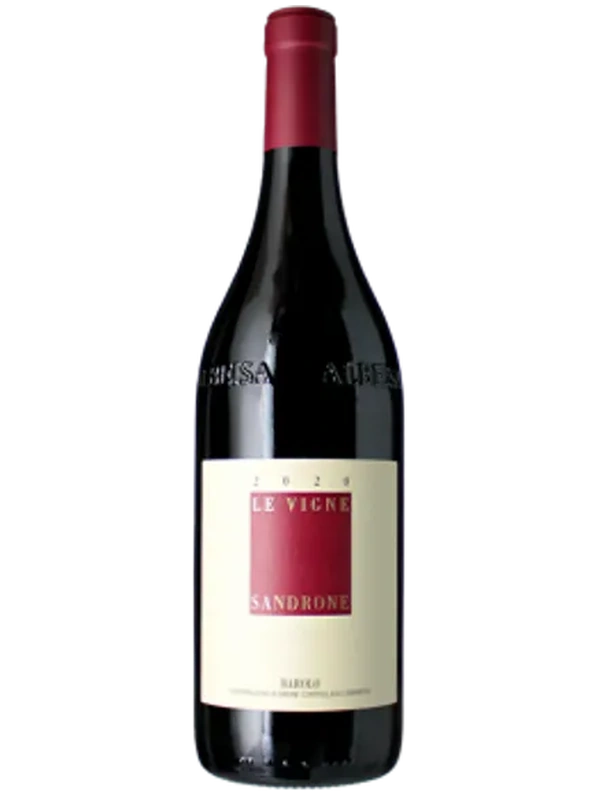
Barolo le Vigne - Sandrone 2021
Luciano Sandrone's Le Vigne blends Nebbiolo from five Barolo crus, Baudana, Villero, Vignane, Merli and Le Coste di Monforte, vinified apart then assembled. Tar, dried rose and black cherry over firm tannin and bright acidity. A cellar Barolo to hold
View Wine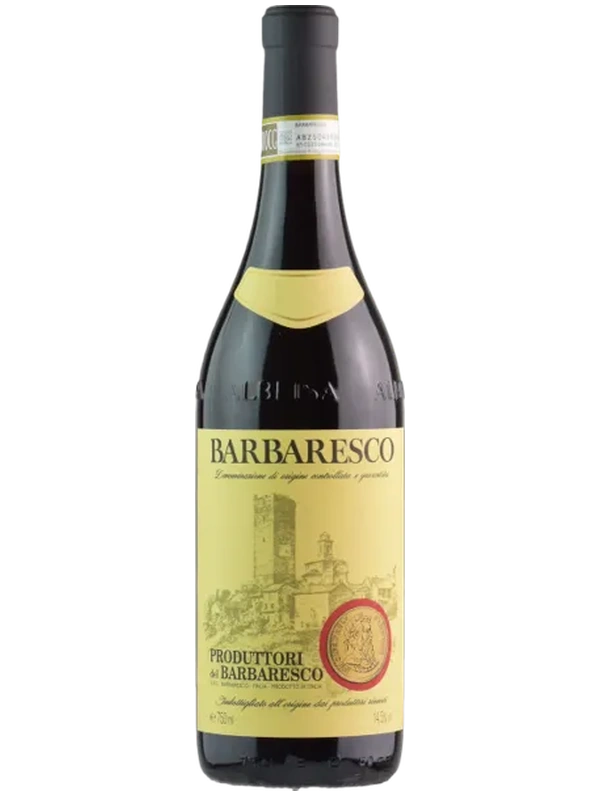
Produttori del Barbaresco Barbaresco 2022
The classic Barbaresco from the Produttori cooperative: 100% Nebbiolo drawn across the zone's vineyards since 1958. Dried roses, red cherry and tar frame firm tannins and bright acidity, a benchmark, fairly priced way into age-worthy Piedmont.
View Wine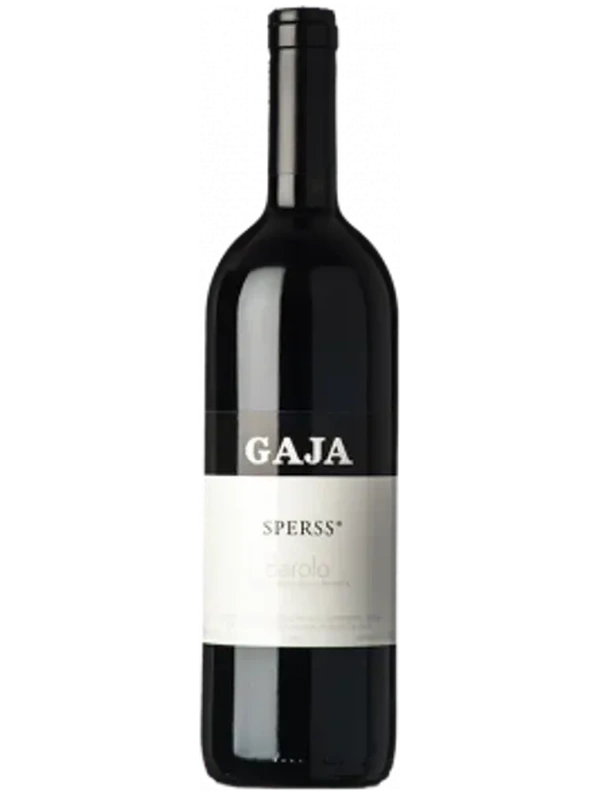
Barolo Sperss - Gaja 2021
Angelo Gaja's return to Barolo: Sperss, from the Marenca-Rivette amphitheatre in Serralunga d'Alba. Tar, dried rose and truffle over an austere, full frame. The 1988 debut ships as a gift-boxed double magnum; the 2019 is a 98-point keeper.
View Wine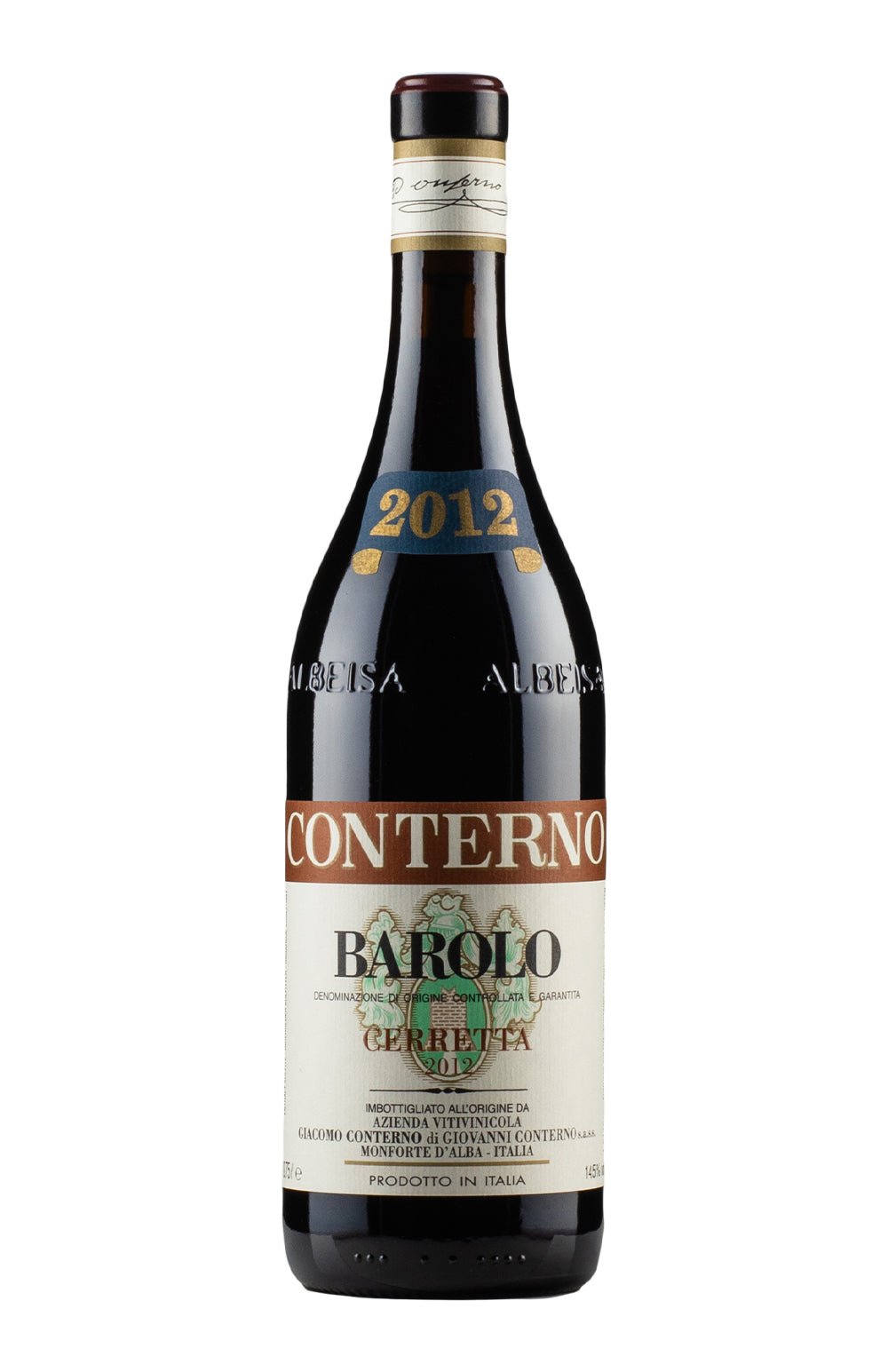
Barolo Cerretta Giacomo Conterno 2021
Roberto Conterno's Barolo from Cerretta, the clay-rich Serralunga cru he bought in 2008, aged four years in big botti. Fleshier than his Francia, still austere Serralunga Nebbiolo: leather, truffle and red fruit. UK stock runs 2012 to 2021.
View Wine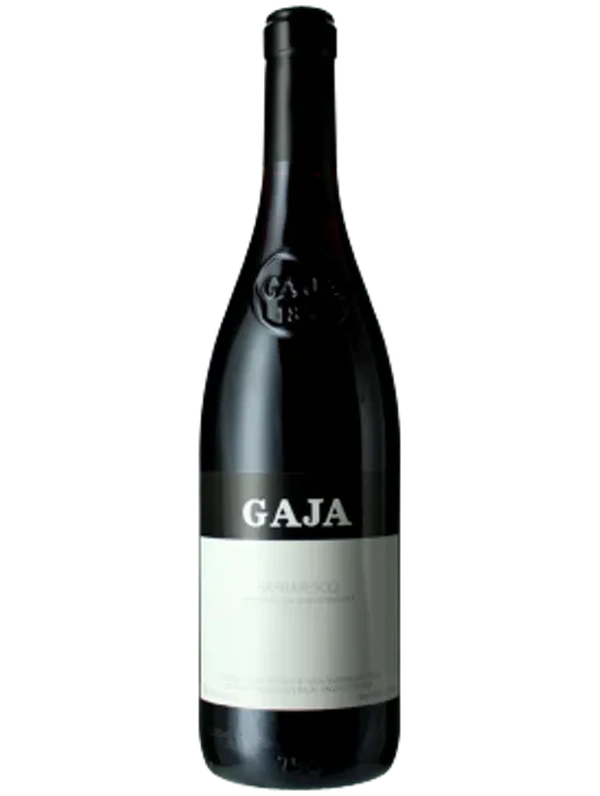
Barbaresco - Gaja 2023
Gaja's flagship Barbaresco is 100% Nebbiolo from fourteen family plots above the village, aged two years in oak. Violet, red cherry, tar and leather over high acid and firm tannin. A benchmark Piedmont red for braised beef, truffle and the cellar.
View Wine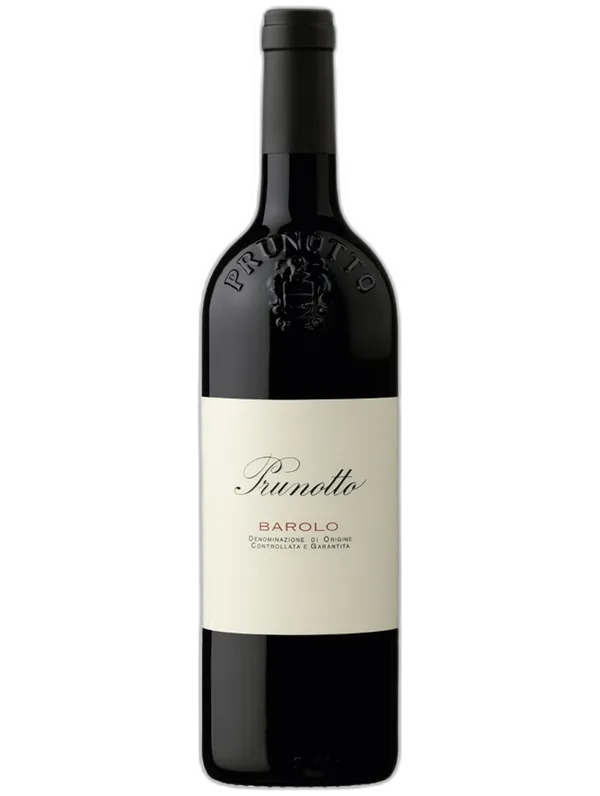
Prunotto Barolo 2022
Prunotto's traditional Barolo: 100% Nebbiolo, made since 1905 and aged at least 18 months in oak casks. Rose, red cherry and tar with silky tannin. Wine Spectator gave the 2021 93 points. UK prices start around £42.
View Wine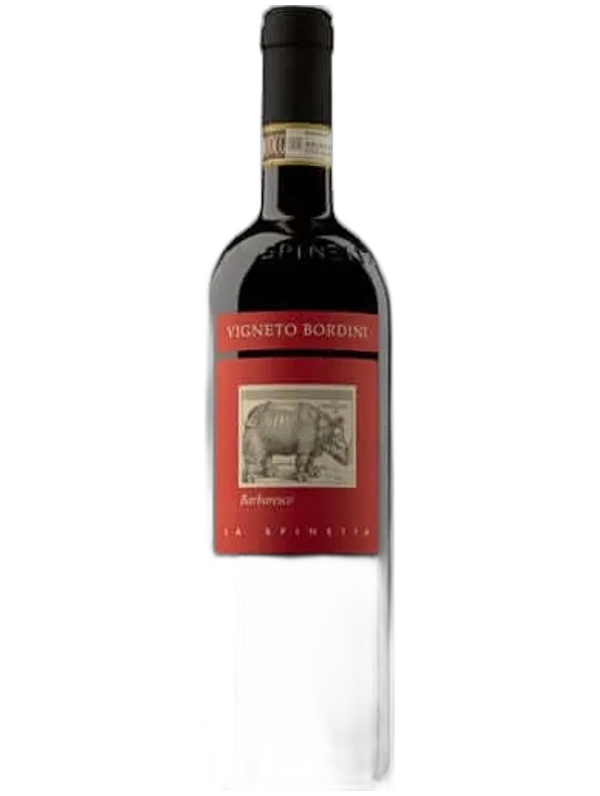
La Spinetta Barbaresco Bordini DOCG 2023
La Spinetta's single-vineyard Barbaresco from Bordini in Neive: 100% Nebbiolo off 40-year-old vines on calcareous marl, aged in used French oak. Fragrant raspberry and rose, fine silky tannins and elegance. Approachable from release across a decade.
View Wine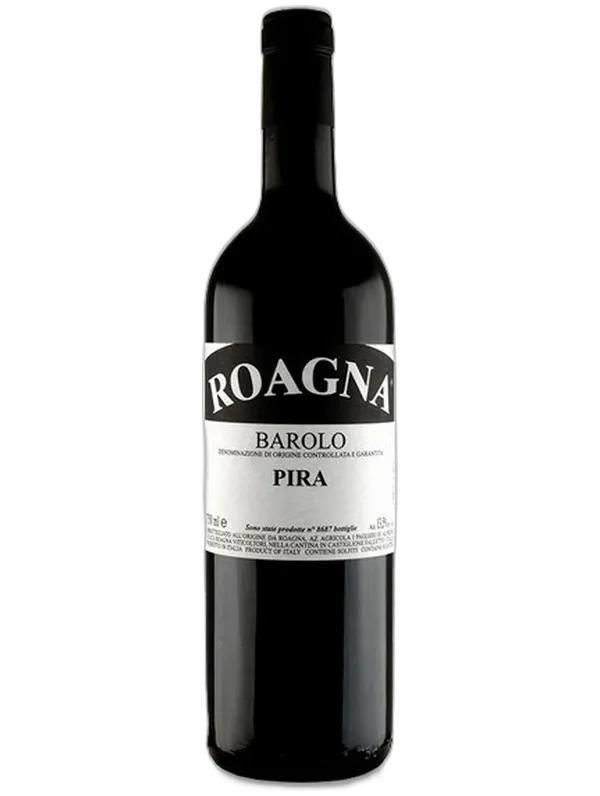
Roagna Barolo Pira 2020
Barolo from the Pira vineyard at Castiglione Falletto, which the Roagna family owns on its own. The grapes sit on their skins for over two months, then the wine rests about five years in old casks and concrete. This is the standard Pira.
View Wine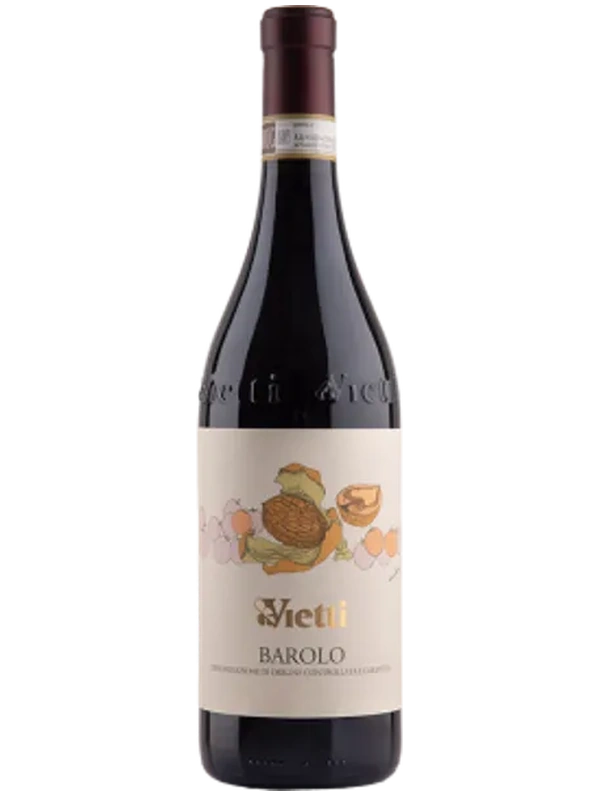
Barolo - Vietti 2022
Vietti's classic Barolo: 100% Nebbiolo from crus across Castiglione Falletto, Monforte, Barolo and Novello, each parcel vinified apart then aged in large oak botti. Tar, rose and dried cherry over firm Langhe tannin, built to cellar a decade or more.
View WineWhat each budget really buys
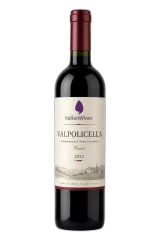
Budget honesty saves a wine gift. Under £40 you are not buying a legend, but you are comfortably buying a serious, gift-boxed red from a good year: a Chianti or young Valpolicella with a story on the label. This is the band where presentation does the heavy lifting, so a wooden box and a written card matter as much as the wine.
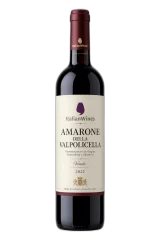
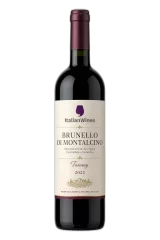
Between £40 and £80 the classics open up: Chianti Classico Riserva, aged Barbaresco from quieter producers, and the first serious Amarone della Valpolicella. Above £80 you are gifting a cellar moment: Brunello di Montalcino with a decade behind it, or a birth-year Nebbiolo that has waited half a century for its evening.
| Budget | What to expect | Names to look for |
| Under £40 | A serious gift-boxed red from a good recent year; presentation carries the gift | Chianti, Valpolicella, young Barbera |
| £40 to £80 | The recognisable classics with some age; safe but never boring | Chianti Classico Riserva, Barbaresco, entry Amarone |
| Over £80 | A cellar moment: mature bottles and milestone vintages | Brunello di Montalcino, aged Barolo, birth-year Nebbiolo |
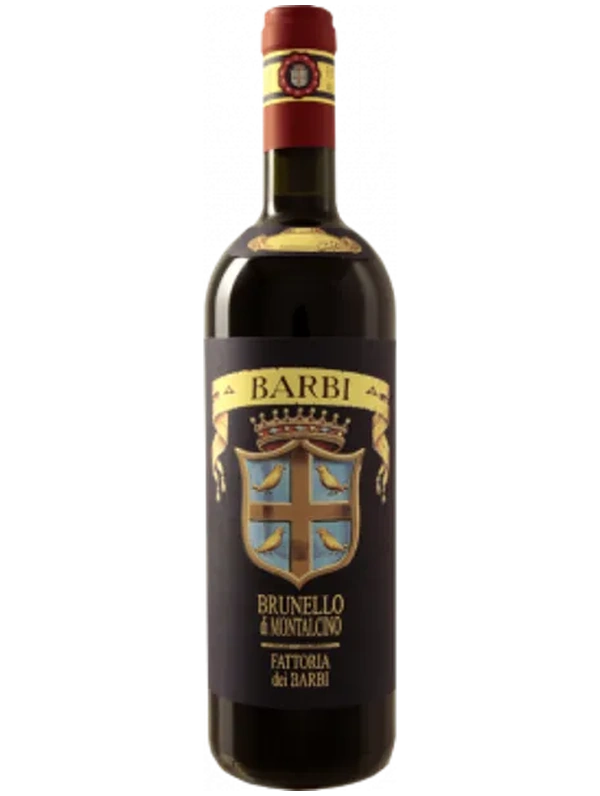
Brunello di Montalcino - Fattoria Dei Barbi 2021
Fattoria dei Barbi has bottled pure Sangiovese Brunello at Montalcino since the XVI century, grown on marl and alberese limestone at 300 to 500 metres. Two years in oak give a structured, savoury red of red berries, leather and spice. A classic Brune
View Wine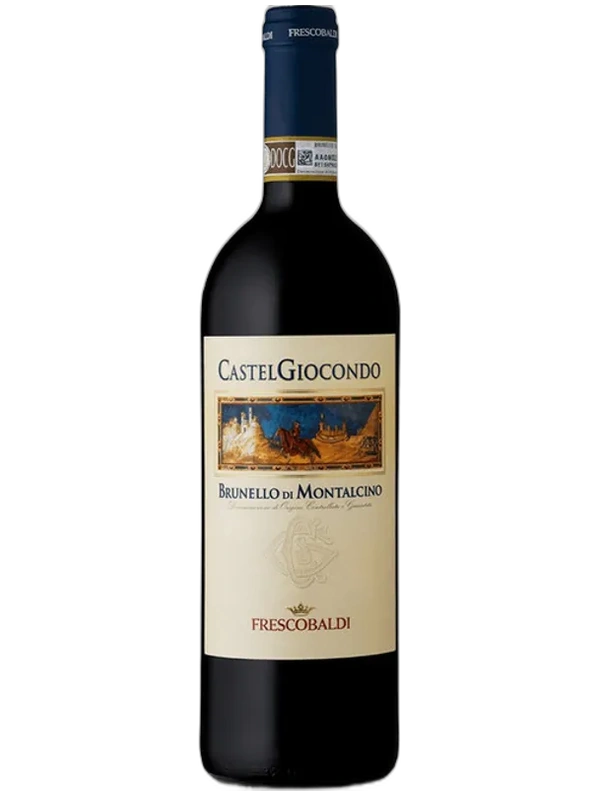
Frescobaldi Castelgiocondo Brunello di Montalcino 2021
Frescobaldi's 100% Sangiovese Brunello from Tenuta CastelGiocondo at Montalcino, grown on galestro, clay and Pliocene sand. Two years in Slavonian oak casks and French barriques give black cherry, violet, leather and warm spice over firm, finely matu
View Wine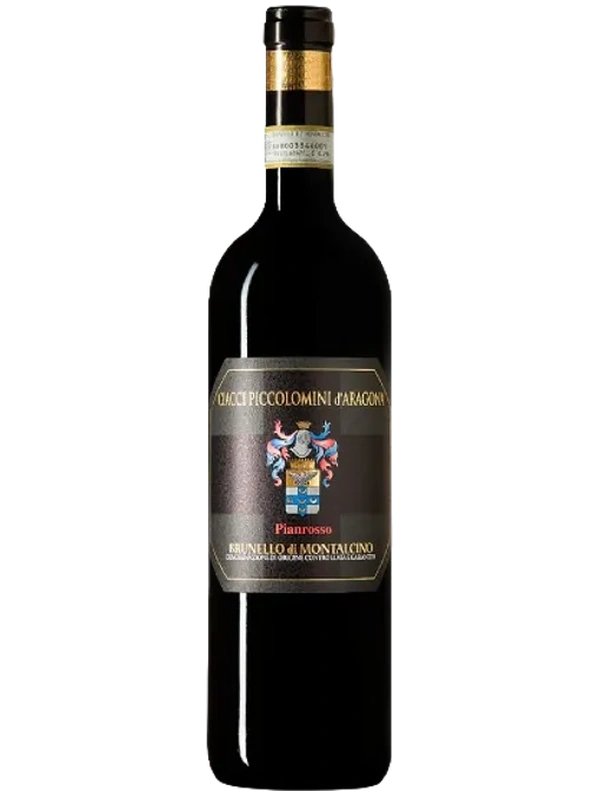
Ciacci Piccolomini Brunello di Montalcino Pianrosso 2021
Ciacci Piccolomini d'Aragona's single-vineyard Brunello, from the 11.69-hectare Pianrosso parcel on galestro and marl above the Orcia river. Three years in Slavonian oak botti build a ruby-to-garnet Sangiovese of forest-floor depth, Morello cherry an
View Wine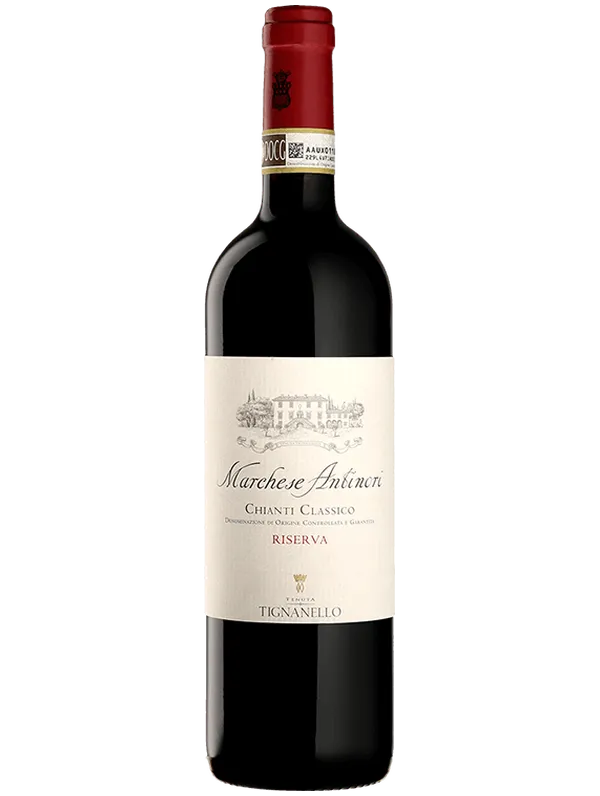
Marchese Antinori Chianti Classico Riserva Tenuta Tignanello 2023
Marchesi Antinori's historic Marchese Antinori Chianti Classico Riserva, sourced since 2011 entirely from the Tenuta Tignanello vineyard between the Greve and Pesa valleys. Mostly Sangiovese on alberese marl, aged in French and Hungarian oak barrique
View Wine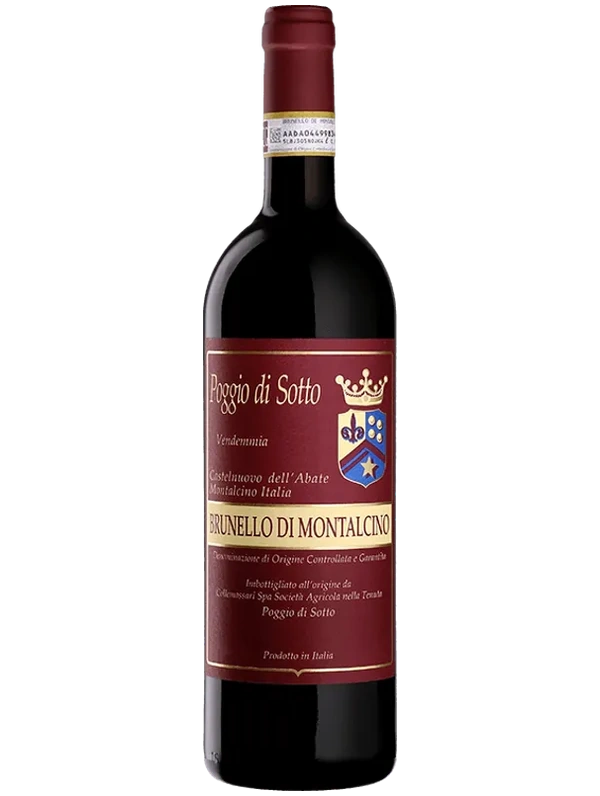
Poggio di Sotto Brunello di Montalcino 2021
Poggio di Sotto's Brunello is one of Castelnuovo dell'Abate's most revered Sangiovese, organic vines at 190 to 440 metres below Mount Amiata, aged in Slavonian-oak botti. Expect leather, violet and red cherry over fine, chalky tannins. A cellar wine
View Wine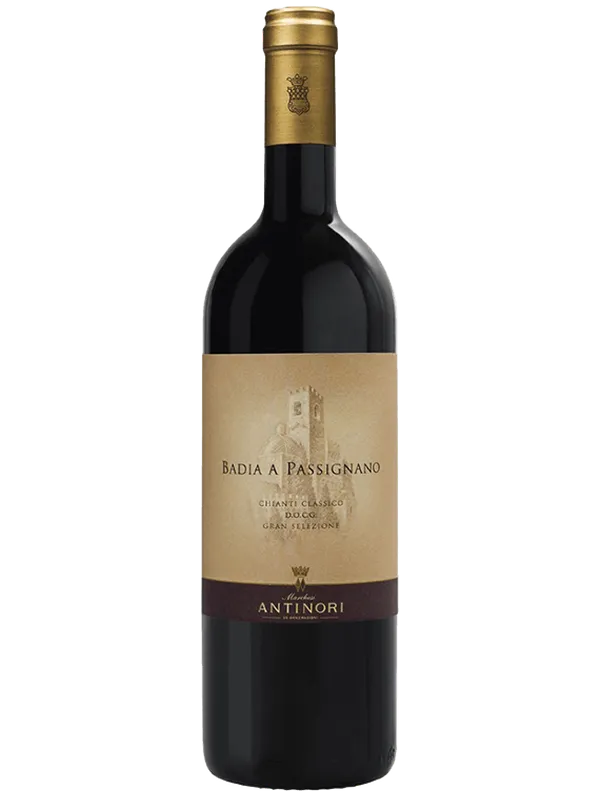
Antinori Badia a Passignano Chianti Classico Gran Selezione 2022
Antinori's single-vineyard Gran Selezione: 100% Sangiovese grown around the abbey of Passignano, aged in French and Hungarian oak. Firm, fine tannins and bright acidity frame ripe cherry, violet and leather. Built to cellar, made for red meat.
View Wine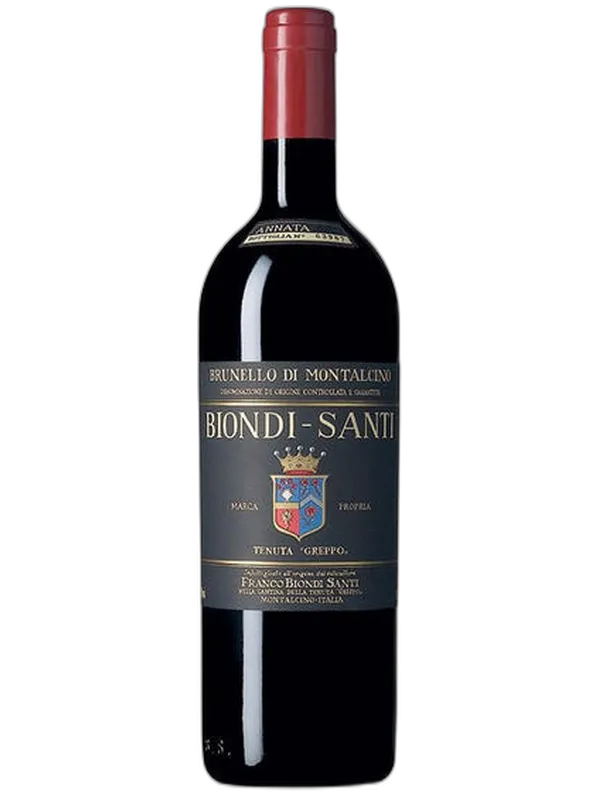
Biondi-Santi Brunello di Montalcino Riserva 2019
The wine that started Brunello. Biondi-Santi have declared a Riserva only about forty times since 1888, always from the oldest vines at Il Greppo. Firm, fresh, and built to last decades rather than years.
View Wine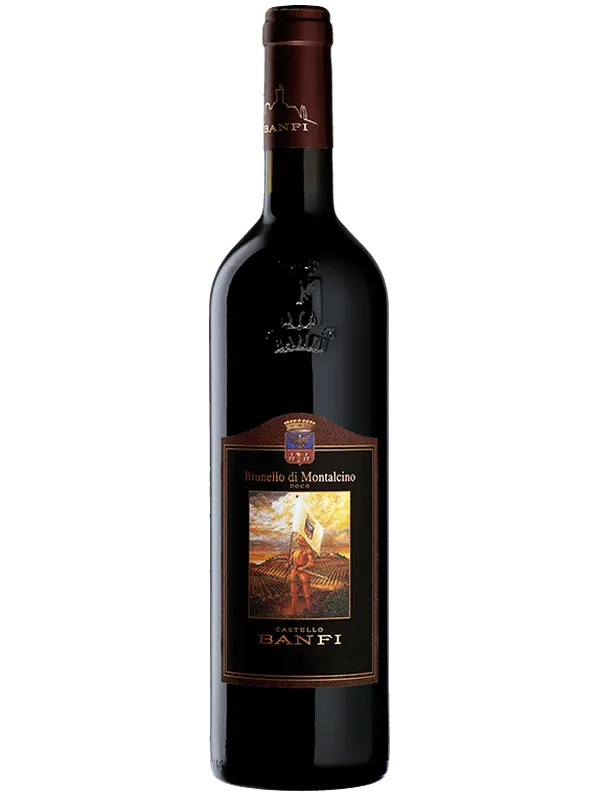
Banfi, Brunello di Montalcino 2021
Castello Banfi's benchmark Brunello di Montalcino: 100% Sangiovese from stony, calcareous soils in southern Montalcino, aged four years with two in French oak and Slavonian casks. Full, velvety and built to cellar, with cherry, violet and tobacco.
View Wine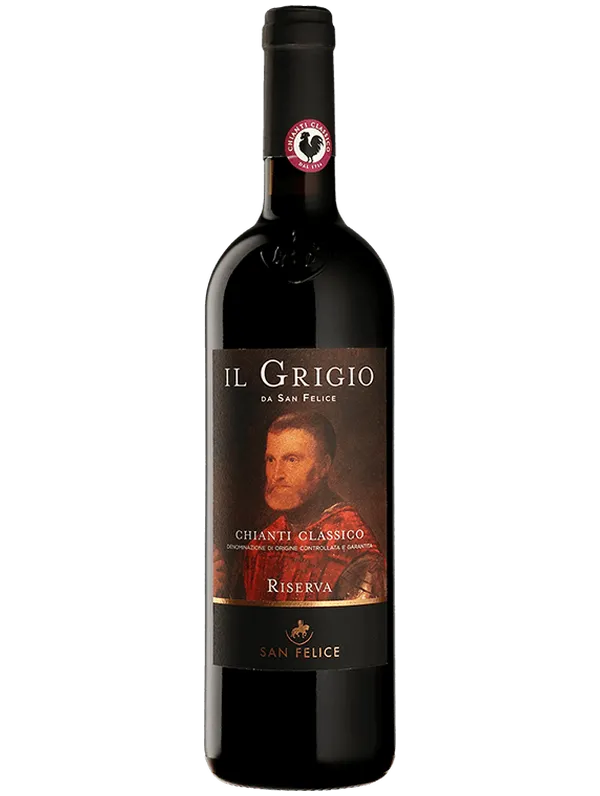
Il Grigio Riserva 2022
San Felice's benchmark Chianti Classico Riserva: estate Sangiovese from Castelnuovo Berardenga, aged in Slavonian botti and French barriques. Violet and cherry meet savoury tobacco and firm tannin, with the bright acidity Tuscan reds need at table.
View Wine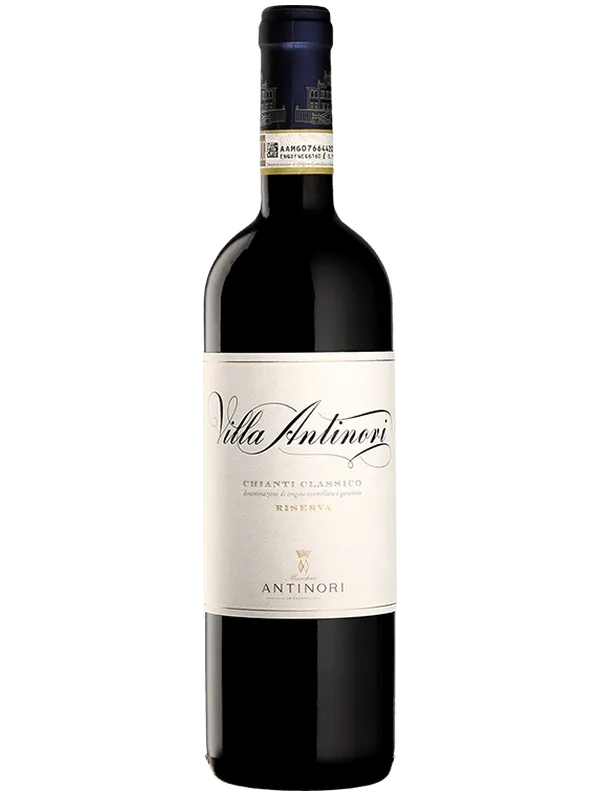
Villa Antinori Chianti Classico Riserva 2023
Antinori's Sangiovese-led Chianti Classico Riserva, made since 1928 and aged about 18 months in large oak and small barrels. Cherry, rose and liquorice, silky tannins, a long savoury finish. Around £24 to £34 from eight UK shops.
View WineMatch the bottle to the occasion
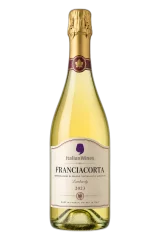
Italians treat wine as the default gift of hospitality: arrive at a dinner, hand over a bottle, and the evening starts properly. For a toast, go sparkling: Prosecco from the hills of Veneto for warmth and welcome, or a traditional-method Franciacorta when the moment deserves gravity. Our guide to Italian sparkling styles maps the difference in two minutes.
For a dinner-party host, generosity beats rarity: a rich red they can open tonight. For a wedding, the year rule from the previous section beats everything else. For Christmas, remember the room is loud and the food is rich, so choose bold reds and skip subtlety. And for the person who claims to dislike wine, Italy still wins: a chilled sweet wine from the passito tradition converts more sceptics than any lecture.
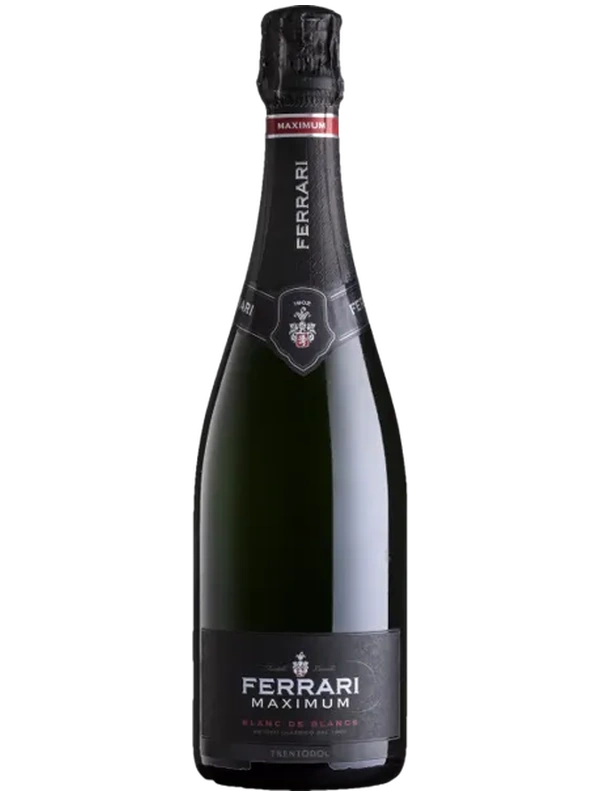
Ferrari Maximum Blanc de Blancs
Ferrari's non-vintage Maximum Blanc de Blancs is a Trentodoc from pure Trentino mountain Chardonnay, aged at least 24 months on the lees. Green apple, citrus and brioche over a fine, persistent perlage at 12.5%, near 22 pounds the bottle.
View Wine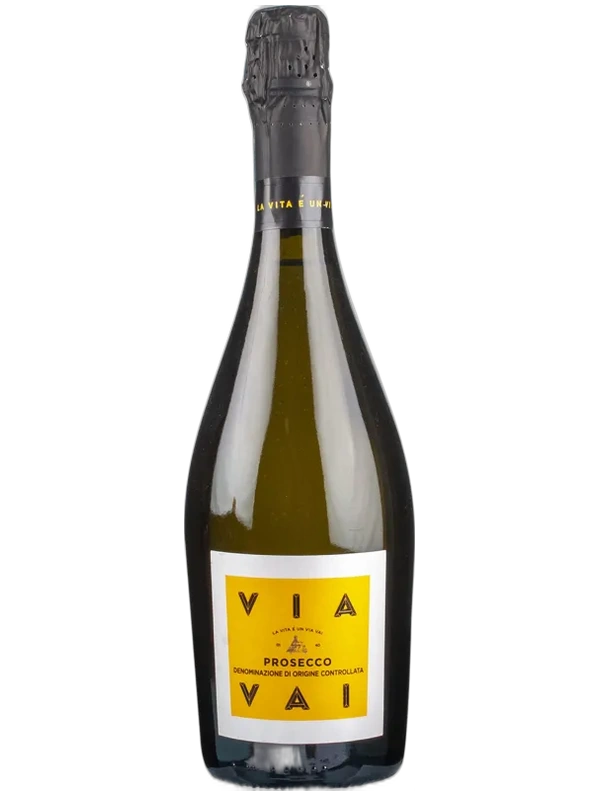
Via Vai Prosecco NV
A dry, everyday Glera Prosecco DOC from the Veneto, tank-made at a soft 10.5% ABV. Apple, pear and lemon carry a brisk, lightly fizzy palate. Vivino drinkers rate it 4.1 from 2,484 reviews. Pour the 20cl piccolo as a spritz base or simple aperitivo.
View Wine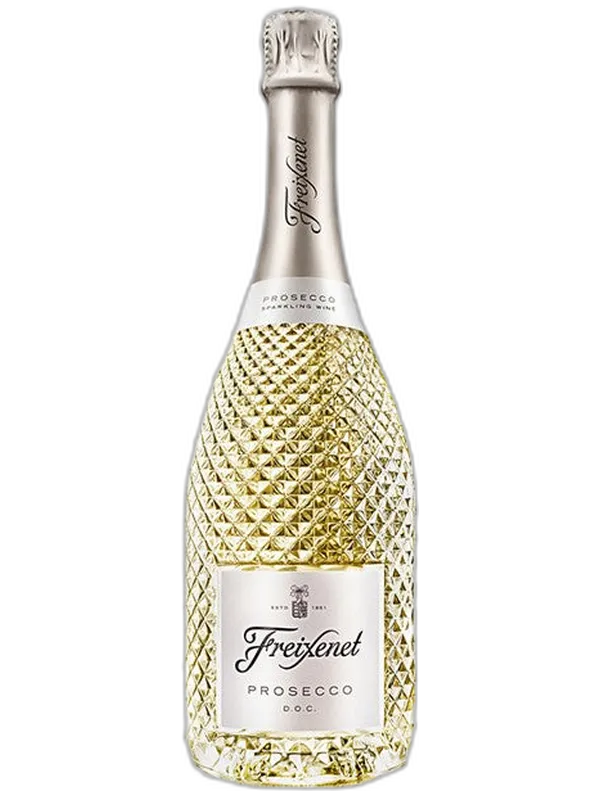
Freixenet Prosecco N.V.
Freixenet's frosted cut-glass Prosecco DOC: Extra Dry, 100% Glera from Veneto at 11% and 17 g/l. Ripe lemon, green apple and grapefruit over a fine Charmat mousse. Among Vivino's most-rated Proseccos, around 11 pounds, built for the aperitivo hour.
View Wine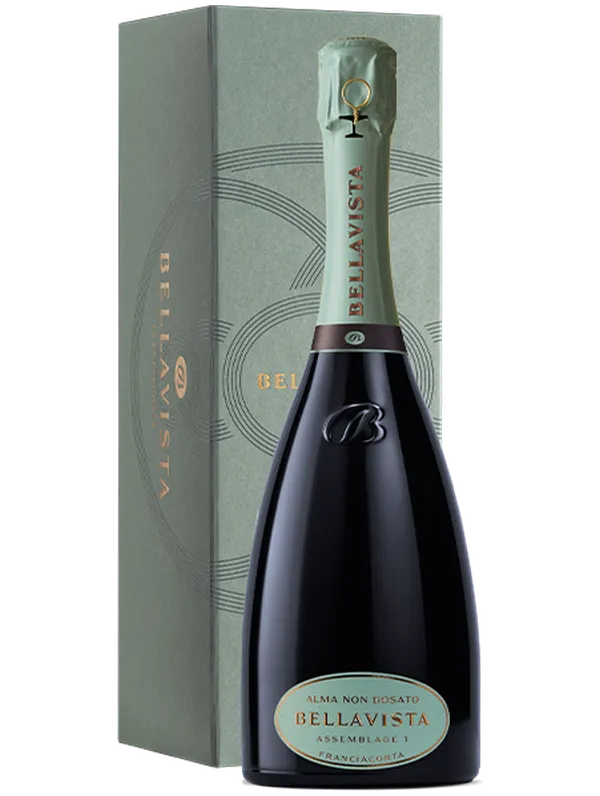
Azienda Agricola Bellavista Alma Non Dosato
Bellavista's zero-dosage Franciacorta from Erbusco: around 90% Chardonnay and 10% Pinot Nero, aged 30 months on the lees. Bone dry, with citrus, white peach, brioche and a fine, mineral mousse. A prestige aperitif and seafood sparkling.
View WineCa' del Bosco Franciacorta Cuvée Prestige N.V.
Ca' del Bosco's flagship non-vintage Franciacorta: 80.5% Chardonnay with Pinot Nero, 25 months resting on its yeast, Extra Brut at 1.5 grams of sugar. Apple, pear and brioche; 4.1 from 28,000 Vivino drinkers. From £39.99 in the UK.
View Wine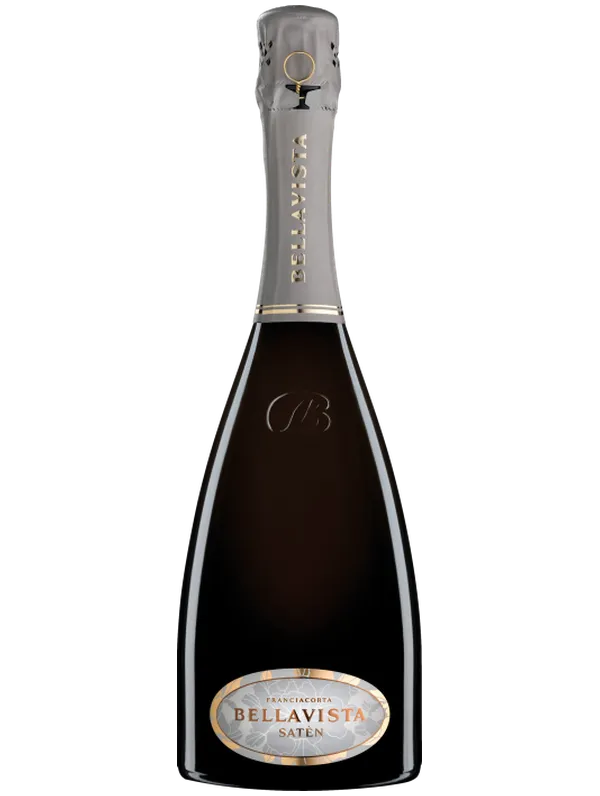
Bellavista Franciacorta Saten 2021
Bellavista's softest sparkler: all Chardonnay from Erbusco, four years on its yeast, bottled at lower pressure so the bubble is creamy rather than sharp. Citrus, pink flowers and toasted nuts. From £39.92.
View Wine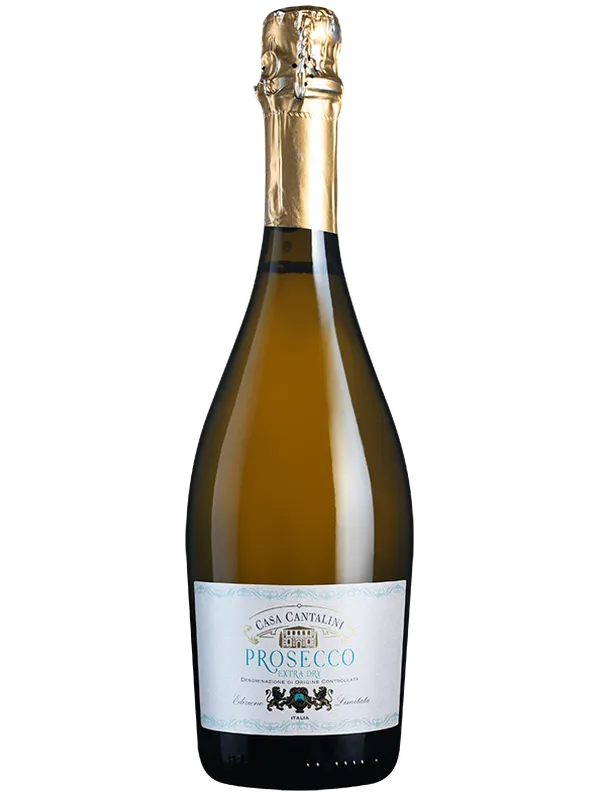
Casa Cantalini Prosecco Spumante
A soft, gently dry Prosecco DOC from Glera grown in the Euganean Hills south of Padua. Fresh apple, pear and citrus with a flinty edge, light at 10.5%. It is Laithwaites' own label: £12.99 a bottle, made for aperitivo hour.
View Wine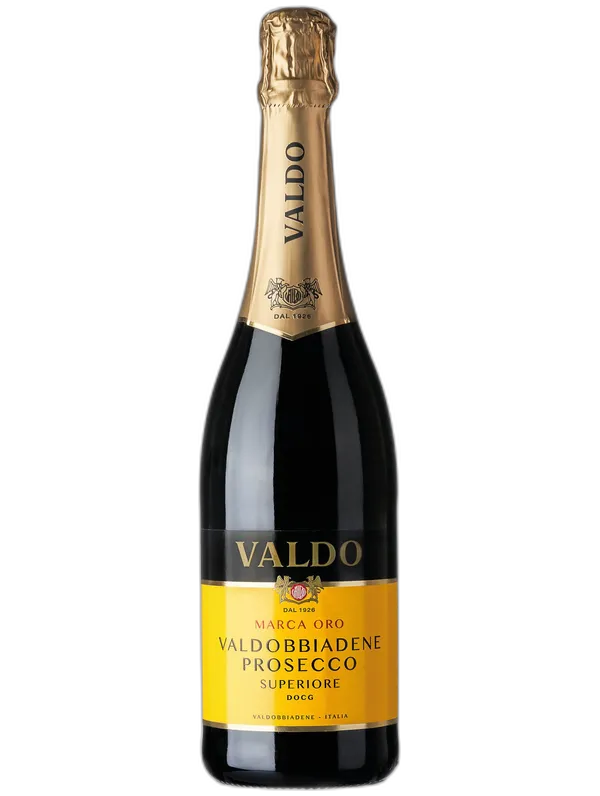
Valdobbiadene Prosecco Superiore DOCG Extra Dry Marca Oro Valdo
Valdo's gold-label Prosecco from the Valdobbiadene hills, made only from Glera. Extra Dry means a shade sweeter than Brut: apple, acacia and honey, soft bubbles, 11% alcohol. About £15 a bottle, from Italy's top Prosecco tier.
View Wine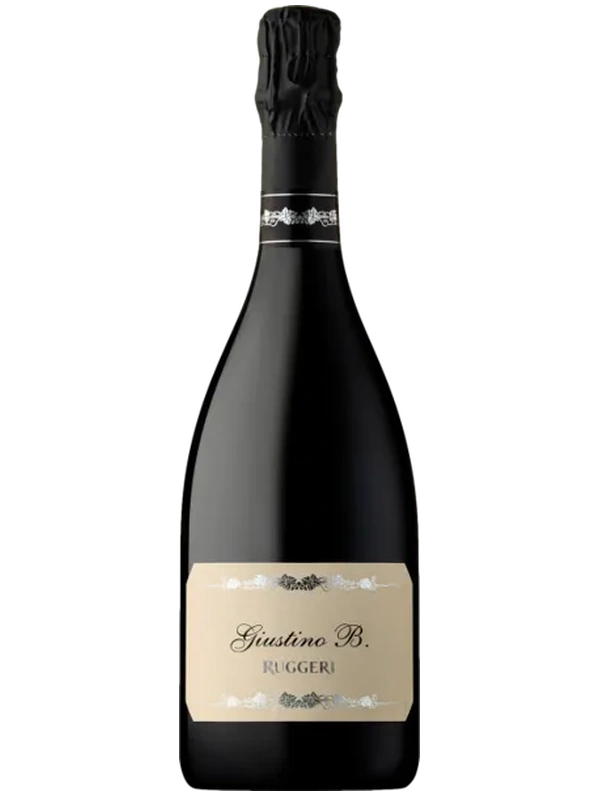
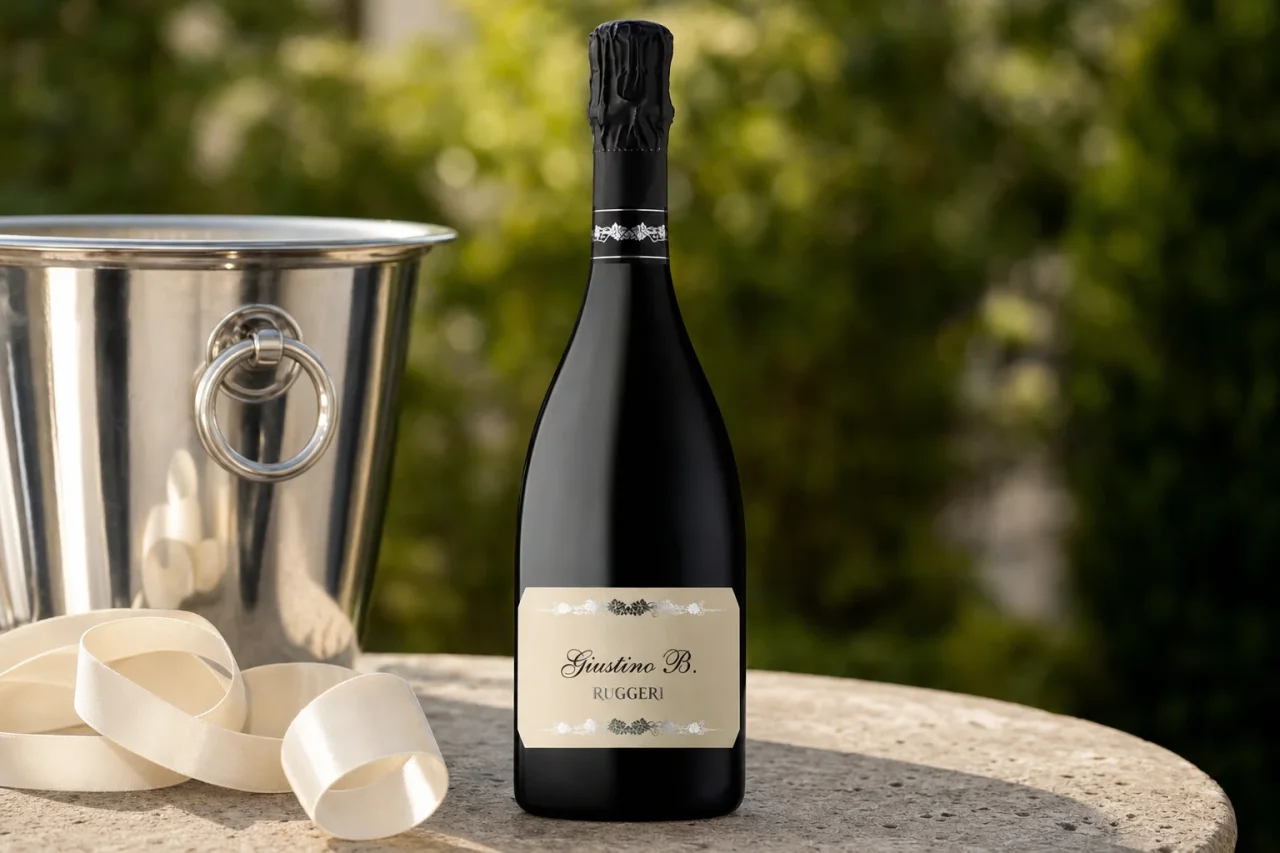
Ruggeri Giustino B. Valdobbiadene Prosecco Superiore 2024
Ruggeri's flagship Valdobbiadene Prosecco Superiore DOCG, named after founder Giustino Bisol. Glera from selected hillside crus, Extra Dry at 17 g/l: apple, white peach and citrus over a fine, persistent mousse with a touch of brioche.
View Wine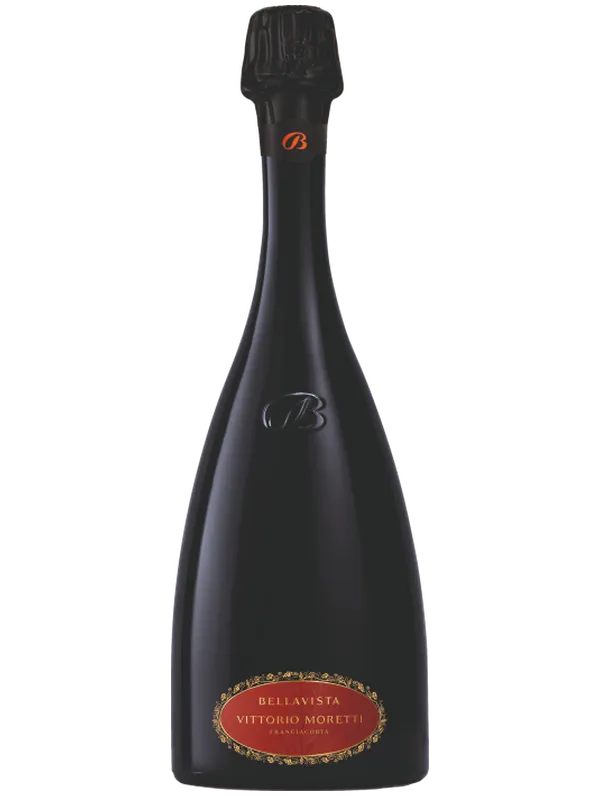
Azienda Agricola Bellavista Vittorio Moretti Riserva 2018
Bellavista's flagship Franciacorta, made only in the finest vintages. A Chardonnay-led Riserva from Erbusco, barrel-fermented and aged seven years on the lees: fine mousse, orchard fruit, hazelnut and brioche over an Extra Brut, mineral finish.
View WineThe box matters: how a wine gift should arrive
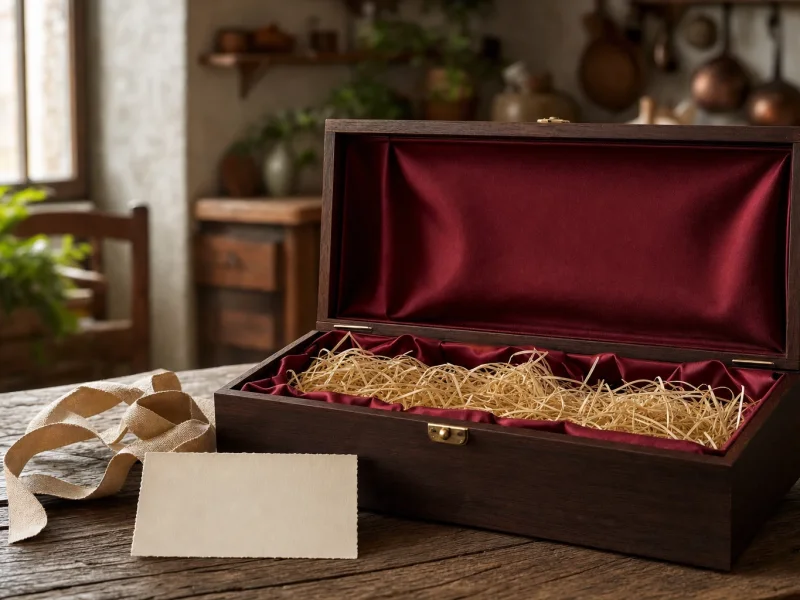
A wine gift is opened twice: once at the wrapping, once at the cork. The first opening is where most gifts fall flat, a bare bottle in tissue paper. The bottles on our gift shelf ship from the retailer in a wooden presentation case with a personalised card carrying tasting notes and the story of the year, included in the price where many merchants charge extra for a card alone.
Logistics deserve one honest paragraph. Delivery is handled by the retailer on their published promise, and December cut-offs arrive earlier than most buyers expect, so order gift wine as you would order a turkey: ahead of time. If the bottle is old, ask for it to rest upright for a day before the party and resist the urge to shake off the sediment. Old wine forgives patience and punishes enthusiasm.
Presenting and opening it well
Hand the bottle over with its story: one sentence about the year or the place beats any gift tag. If you are pouring it together, treat an older red gently: stand it up early, open it slowly, and decant only if the wine needs it; our decanter guide and serving basics cover the judgement calls.
Glasses finish the gift. A large-bowled glass flatters Nebbiolo and Sangiovese alike, and choosing the right glass is a gift idea in itself for the person who already owns too much wine. And if the label defeats the recipient, point them to our explainer on reading an Italian wine label: half the pleasure of an Italian bottle is learning what it quietly tells you.
Frequently asked questions
Spend by story, not by guilt. Under £40 buys a genuinely good gift-boxed red; £40 to £80 covers the classics like Chianti Classico Riserva and entry Amarone; beyond £80 you are buying mature or milestone bottles. For birth-year wines with twenty or more years in the cellar, expect £60 upwards. Browse the bands side by side on our Italian wine gifts shelf.
A Chianti Classico Riserva in a presentation box is the diplomatic answer: recognisable, food-friendly and serious without being showy. If they prefer lighter drinking, a good Valdobbiadene Prosecco rarely misses. Avoid the extremes, very tannic or very sweet, until you know the drinker.
Yes, if you let the year quality guide you. Long-lived Piedmont reds like Barolo carry five decades well when the year was good, and a checked, gift-boxed bottle removes the guesswork. Where the birth year was weak, shift to a wedding or anniversary year instead; our year shelf marks the vintages worth trusting.
Not at all. A structured Italian white such as a fine Verdicchio ages beautifully and surprises the person who owns every red; an orange wine is the boldest counterpoint of all for an adventurous drinker; and a chilled passito sweet wine ends a dinner better than dessert. Reds dominate gifting only because they are the easy answer.
Order by early December at the latest. Retailers publish seasonal cut-off dates, and gift-boxed bottles travel with couriers that slow noticeably in the final fortnight. An older vintage also benefits from arriving a week early so it can rest before the day. If you have missed the window, choose a bottle sold locally rather than risking a courier miracle.