



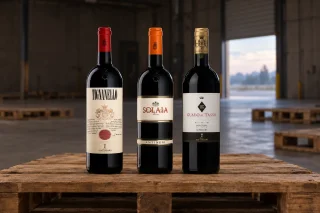


The Essential Guide to Choosing and Using Wine Decanters
TL;DR
- A decanter is useful when a wine needs air, sediment separation or a more generous serving ritual.
- For UK Italian-wine drinkers, decant young tannic reds carefully, but avoid overworking delicate older bottles.
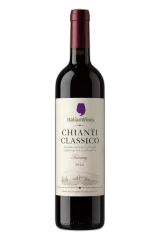
- Barolo, Brunello and Taurasi can benefit from oxygen, while fragile mature Valpolicella or aged Chianti may only need gentle pouring.

Understanding Wine Decanters
Why Use a Decanter?
A decanter does three jobs, and only one of them is about looks. It gives a wine air, it holds back sediment, and it slows the table down in a pleasant way. Callmewine's sommelier guide keeps the two technical jobs distinct: decanting removes sediment, while oxygenation wakes the wine, and one pour often does both.
- Air first. A young, tannic red can smell shut-in when it is first opened. Contact with air softens the grip and lets the fruit speak, and fifteen to forty-five minutes covers most bottles.
- Sediment second. Wines with ten or more years in bottle throw a fine deposit. Pouring slowly into a decanter, and stopping in time, keeps that grit out of the glass.
- And yes, theatre. A decanter on the table slows the evening down and makes one bottle feel like an occasion. That part needs no science.
Premium Decanters Showcase
These are the statement pieces: hand-made and classic Riedel shapes that will outlive most of the wines poured through them. Prices are serious; so is the glasswork.

Riedel Ayam Rosa Decanter
Riedel's sculpted Ayam decanter in the Rosa finish, in crystal glass.
View on Amazon
Riedel Amadeo Decanter
Handmade crystal, 14 inches tall, holds 1.7 quarts. The house icon.
View on Amazon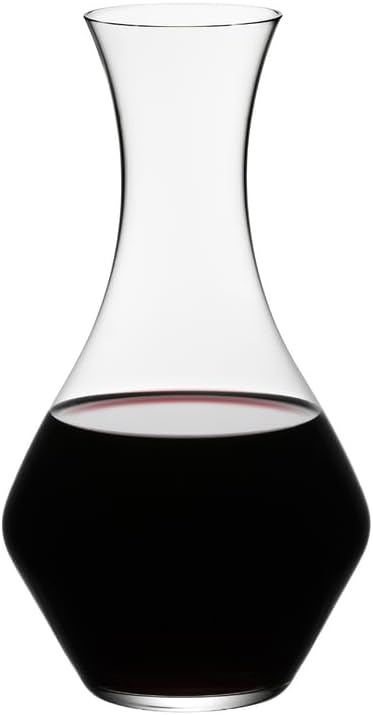
Riedel Cabernet Decanter
Riedel's classic single-bottle decanter for structured reds.
View on Amazon
Riedel Ultra Single Decanter
Low, wide bowl with a long neck, built to give young reds maximum air.
View on Amazon
Riedel Fatto A Mano Curly Decanter
Hand-made Curly in crystal, 1.5 quarts. Fun and genuinely useful.
View on Amazon
Riedel Merlot Decanter
Machine-made crystal, sized for a single bottle. A versatile starter piece.
View on AmazonChoosing the Right Decanter
Decanters differ in three practical ways: material, shape and size. Each choice changes how the wine breathes and how much care the vessel needs.
Material sets the look, the weight and the price. It matters less to the wine itself than the shape does.
Material Considerations
- Glass. Clear, practical and usually dishwasher-tolerant. Most affordable decanters are plain glass, and for everyday bottles that is all you need.
- Crystal. Thinner rims, more sparkle, more money. Modern crystal from the big makers is lead-free; older leaded pieces are best kept for display.
- Stainless steel. Tough and modern, but you lose the sight of the wine, which is half the pleasure. A niche pick for picnics and travel.
Affordable Quality Decanters Showcase

Towinle Red Wine Carafe Leadfree
The curves in a U-shape is specially designed, well balanced and easy to grasp.
View on Amazon
YouYah Red Wine Carafe with Cleaning Beads
Hand-blown crystal glass carafe with cleaning beads and gift packaging.
View on Amazon
Krosno Wine Decanter, 1500 ml, Avant-Garde
Handmade 1.5 litre decanter from Krosno's Avant-Garde line. Lead-free.
View on Amazon
YouYah Wine Decanter Set with Drying Stand
Wine Decanter made from 100% lead-free crystal, fully hand-blown
View on Amazon
HiCoup Lead-Free Glass Wine Decanter
Modern U-shaped carafe in 100% lead-free glass.
View on AmazonShape and Design
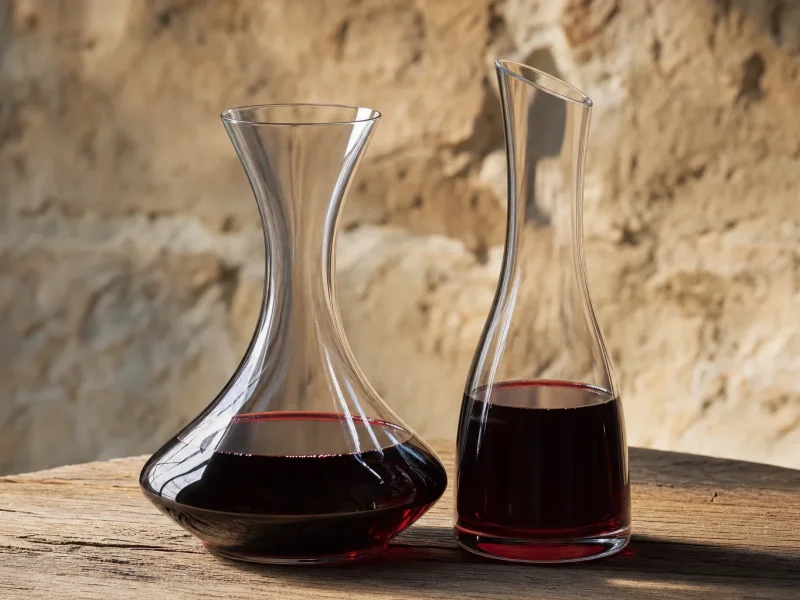
Shape decides how much wine touches air at once. The wider the base, the faster the wine develops.
- Wide-base. The classic: broad bottom, narrow neck. The default for young reds that need to open.
- Swan. A curved, long-necked variant that pours gently and looks dramatic on the table.
- Slender. Tall and narrow, closer to a carafe. Less air contact, right for wines that need only a light airing.
- Duck. Low and flat with a side spout. The broad pool of wine takes on air quickly, and the shape sits steady in the hand.
If you buy one decanter, make it a wide-based one of about 1.5 litres. A full bottle then sits in the widest part of the bowl, which is where the work happens.
Cabernet from Italy, ready for a decanter
Cabernet Sauvignon in Italy means, above all, the Tyrrhenian coast: Sassicaia and the Bolgheri estates built their reputations on it. These are exactly the structured, age-worthy reds a decanter serves best.
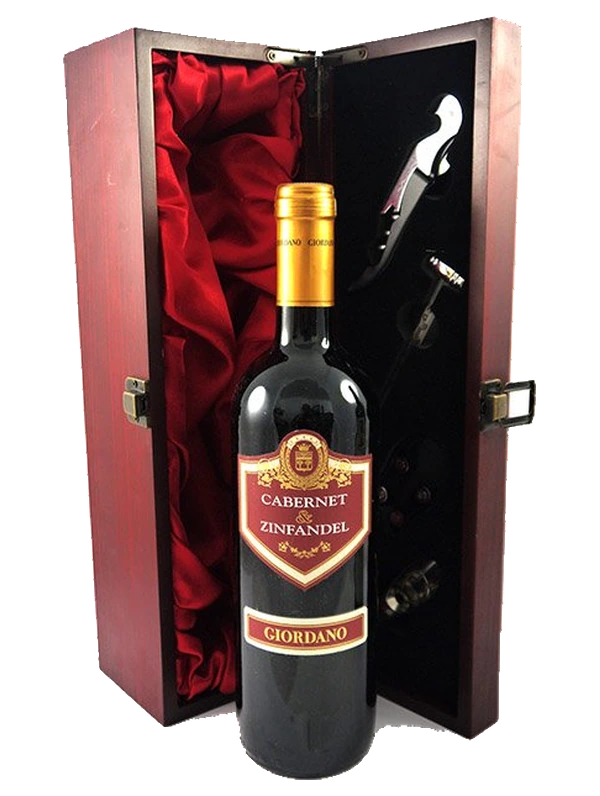
Cabernet Zinfandel Giordano Puglia IGT 2007
Giordano's Puglia IGT pairing of Cabernet Sauvignon with Zinfandel, the grape Puglia grows as Primitivo: soft, velvety black fruit, violet and spice, now fully mature. The 2007 ships gift-boxed, a birth-year bottle to open rather than cellar.
View Wine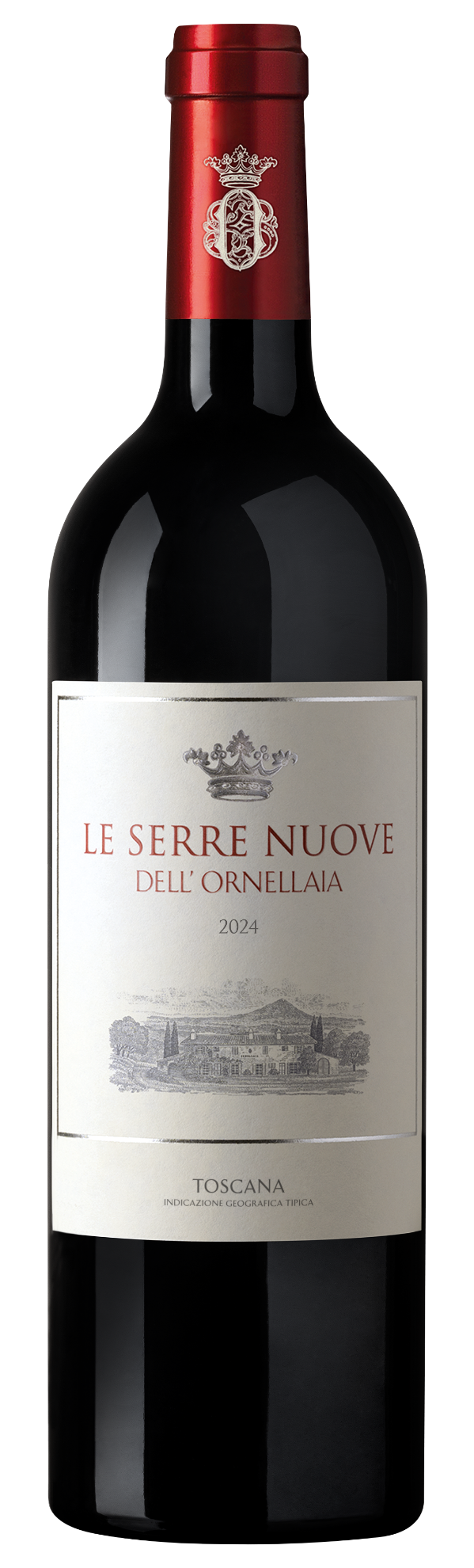
Le Serre Nuove dell'Ornellaia, Bolgheri, Tuscany, Italy 2024
The second wine of Tenuta dell'Ornellaia, this Bolgheri Rosso is Merlot-led with Cabernet Sauvignon, Cabernet Franc and Petit Verdot. Dark cherry, cassis and spice, silky tannins from 15 months in French barrique. Drinks young, ages a decade.
View Wine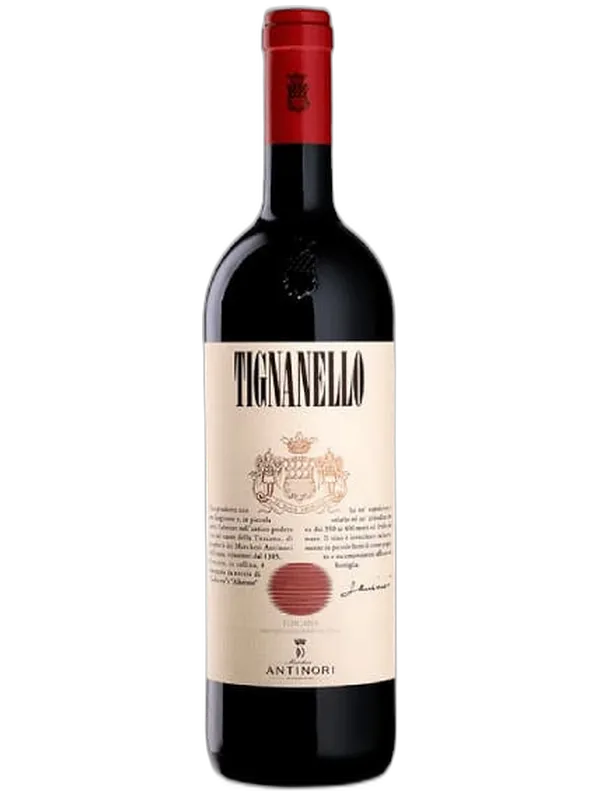
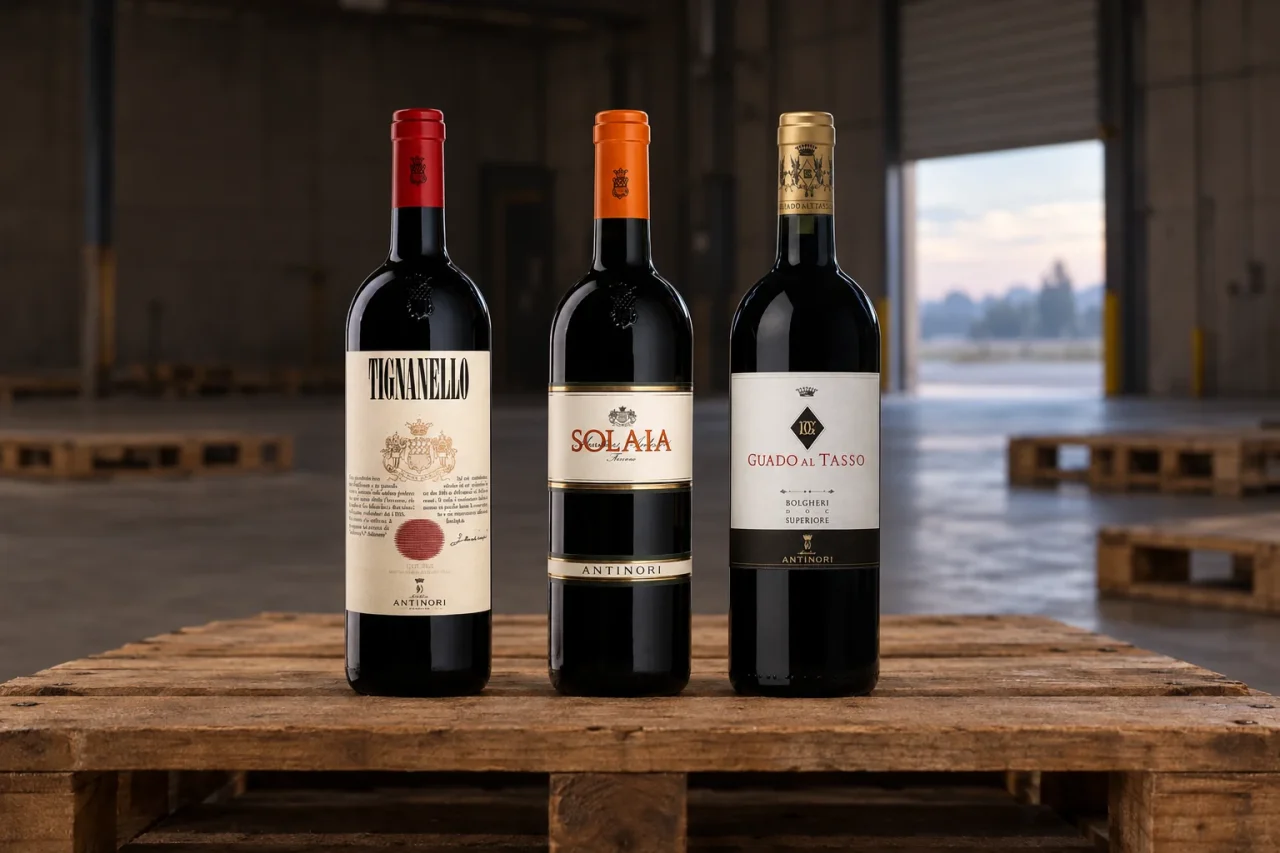
Antinori Tignanello 2024
Antinori's Tignanello is the Super Tuscan that started it all: a Sangiovese-led blend with Cabernet from a single alberese-limestone vineyard in Chianti Classico. The first Sangiovese aged in barrique, it shows dark cherry, violet, tobacco and cocoa.
View Wine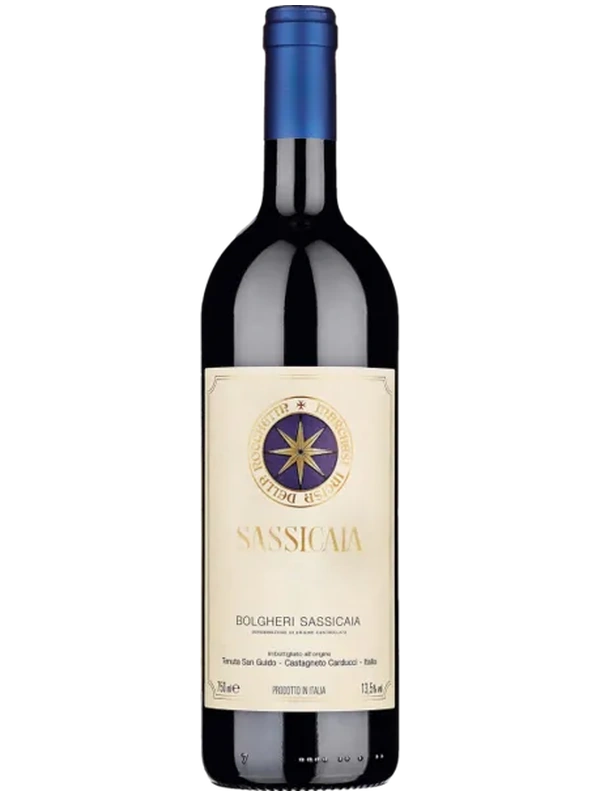
Tenuta San Guido Sassicaia 2023
Sassicaia is Tenuta San Guido's Bolgheri benchmark: 85% Cabernet Sauvignon and 15% Cabernet Franc from stony slopes near the Tuscan coast. Cassis, tobacco and graphite frame ageworthy tannins. Bolgheri Sassicaia is Italy's only single-estate DOC.
View Wine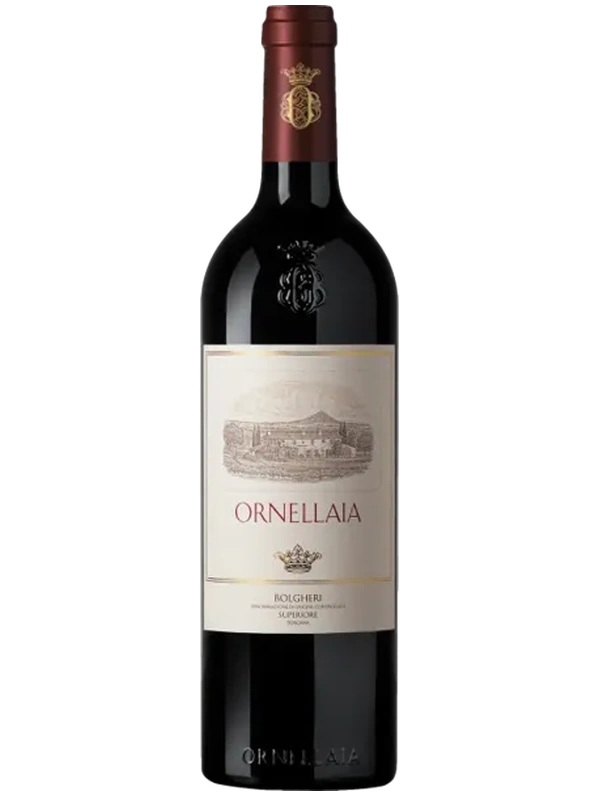
Ornellaia Bolgheri Superiore 2023
Ornellaia is the flagship Bolgheri Superiore from the Frescobaldi estate at Castagneto Carducci: Cabernet Sauvignon leads Merlot, Cabernet Franc and Petit Verdot. Around 18 months in barrique gives black fruit, tobacco and a powerful tannic frame.
View Wine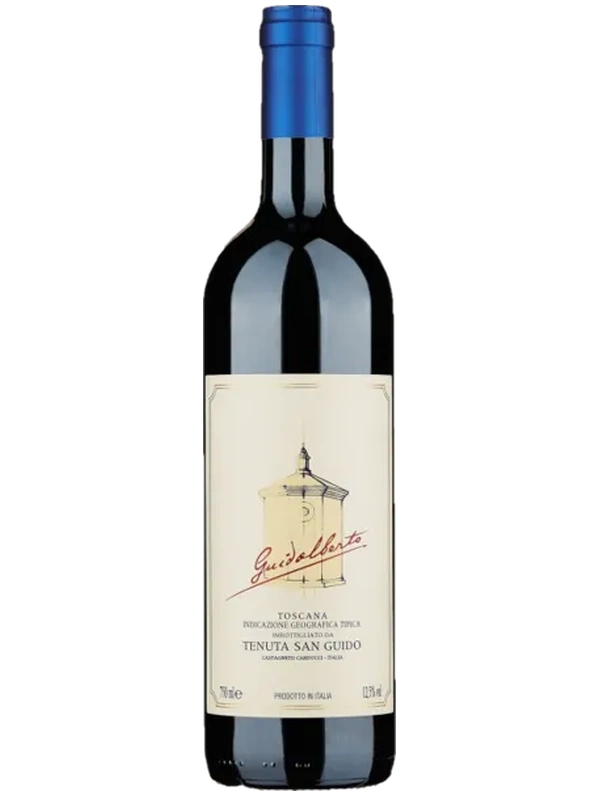
Tenuta San Guido Guidalberto 2024
Guidalberto is the second wine of Tenuta San Guido, the Sassicaia estate: a Bolgheri blend of Cabernet Sauvignon and Merlot aged 15 months in French and American oak. Plum and blackcurrant fruit, tobacco and sweet oak, firm but polished tannin.
View Wine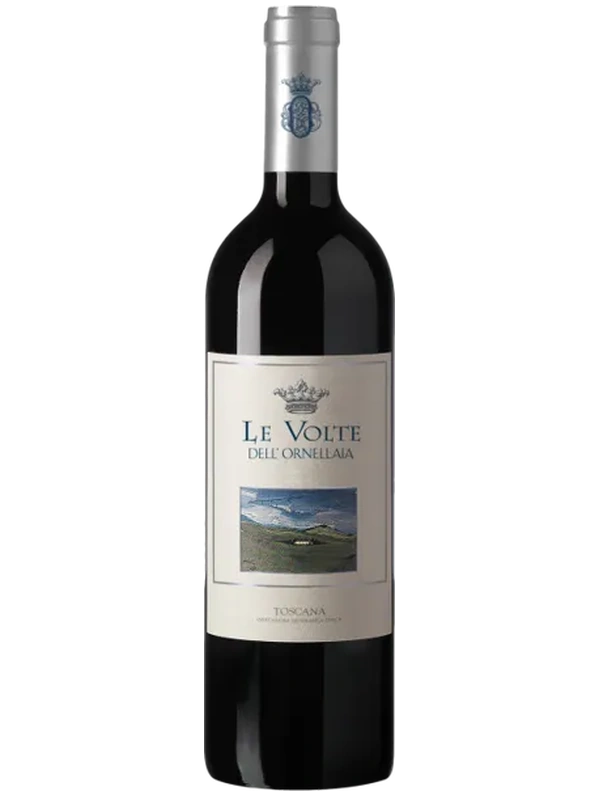
Ornellaia Le Volte 2024
Le Volte dell'Ornellaia is the convivial entry red of the Bolgheri estate, a Toscana IGT blend of Merlot, Sangiovese and Cabernet Sauvignon. Bright cherry and wild berry meet rose and a menthol lift, over fresh, supple tannins.
View Wine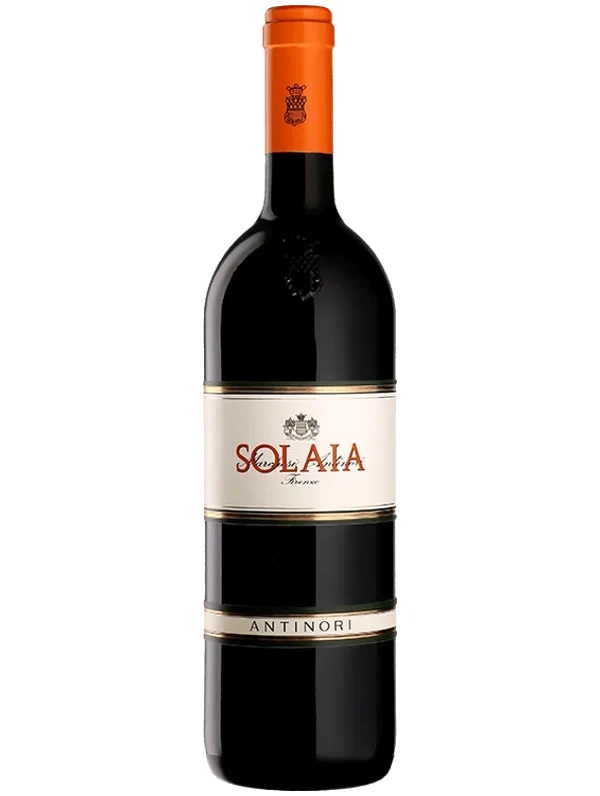
Solaia 2023
Solaia is Marchesi Antinori's Cabernet Sauvignon-led Super Tuscan from the sun-drenched Solaia plot above the Tignanello estate, blended with Cabernet Franc and Sangiovese. Around 15 months in new French oak: blackcurrant, violet and tobacco.
View WineItalian Syrah worth airing
Syrah has found convincing Italian homes in Cortona and on Sicily's warm slopes. Young bottlings carry dark fruit and pepper behind real tannin, and thirty minutes of air rarely hurts them.
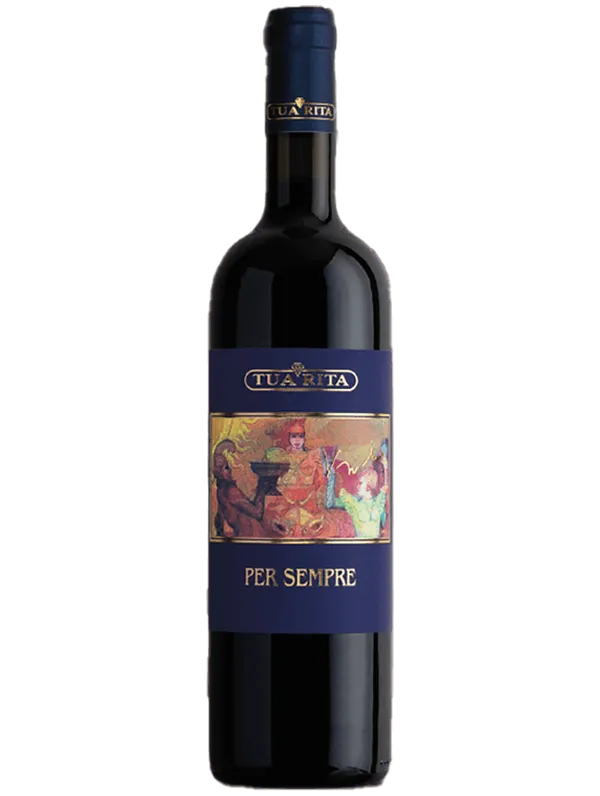
Syrah per Sempre 2023
View Wine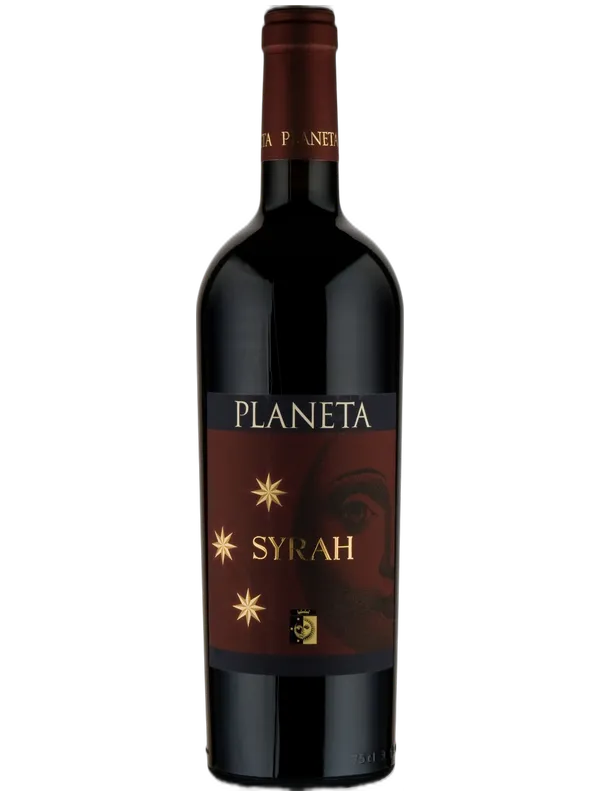
Syrah Maroccoli 21 Planeta 2021
View Wine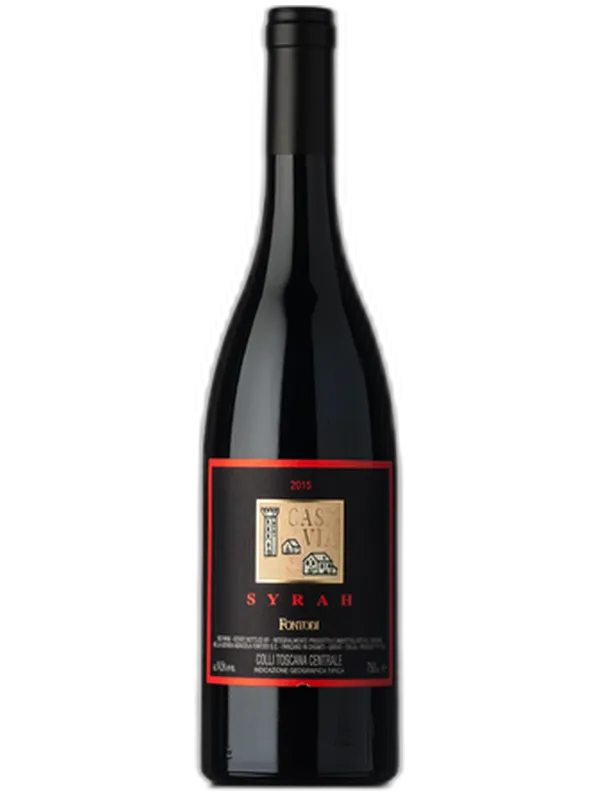
Fontodi Syrah Case Via 2021
View Wine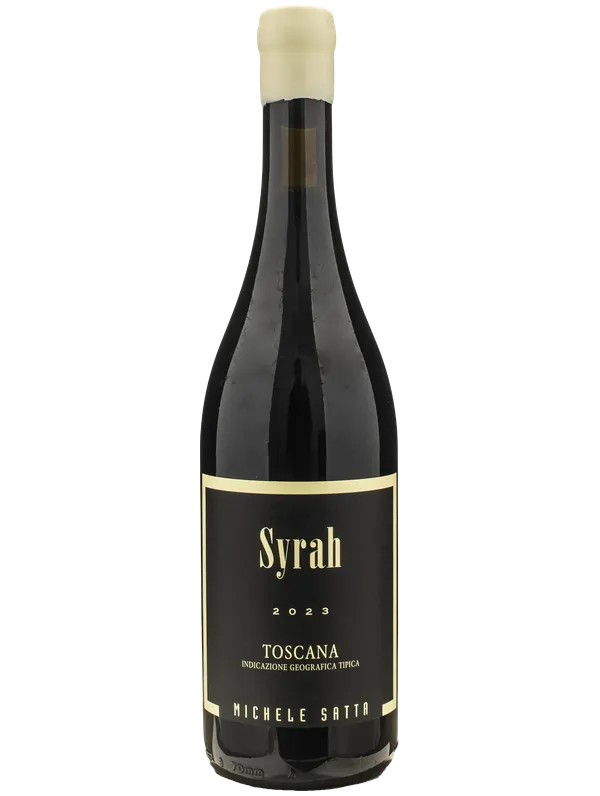
Toscana IGT Syrah Michele Satta 2023
View Wine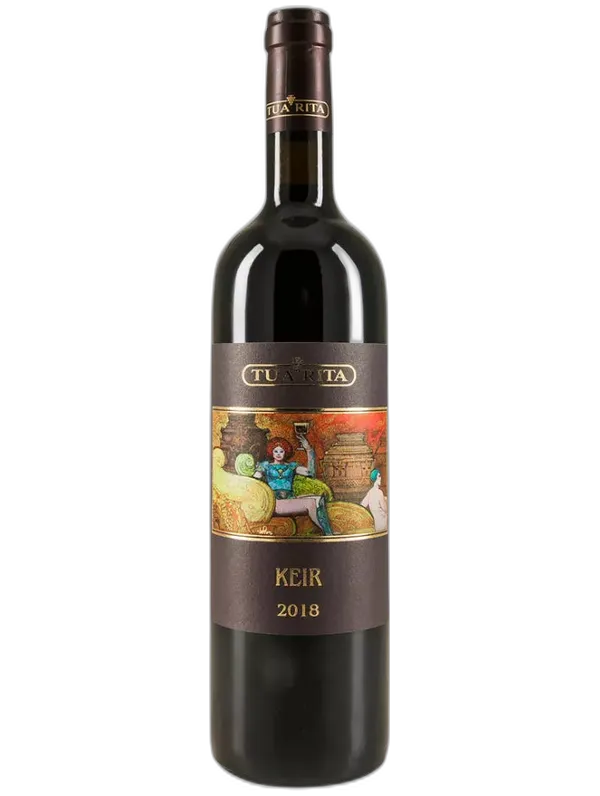
Keir Syrah Tua 2019
View Wine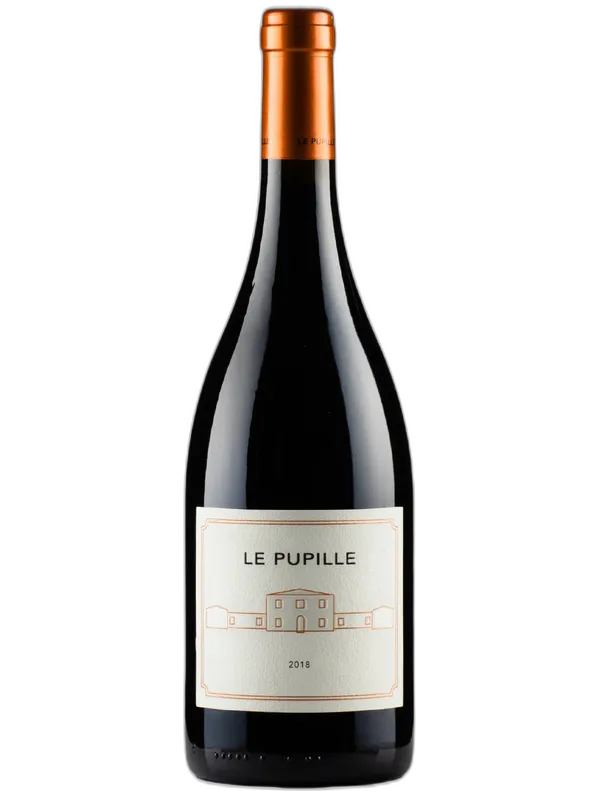
Le Syrah Fattoria Le Pupille 2018
View Wine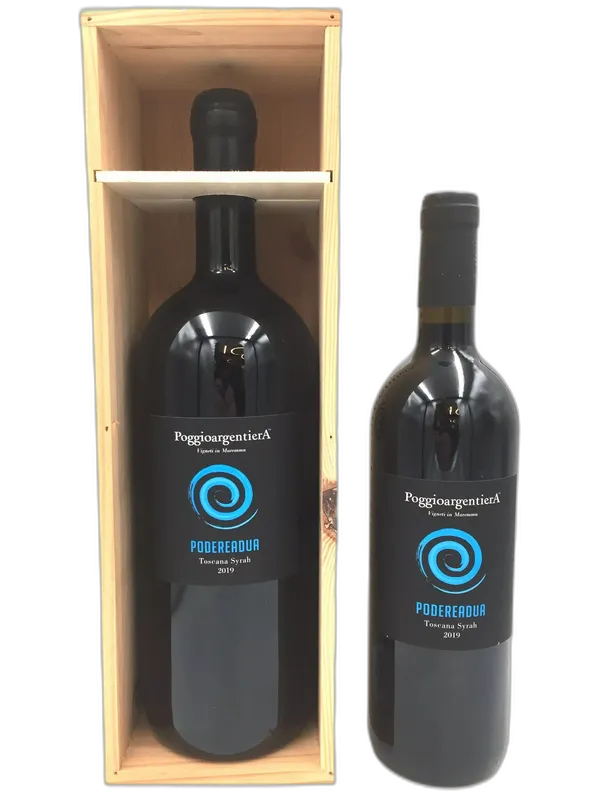
Poggioargentiera Syrah Podereadua 2021
View Wine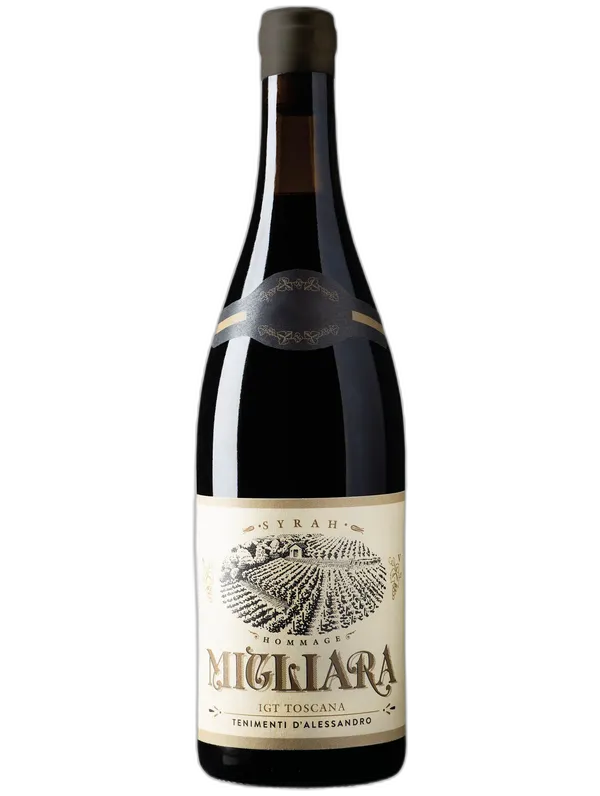
Toscana IGT Syrah Migliara Tenimenti d’Alessandro 2017
View Wine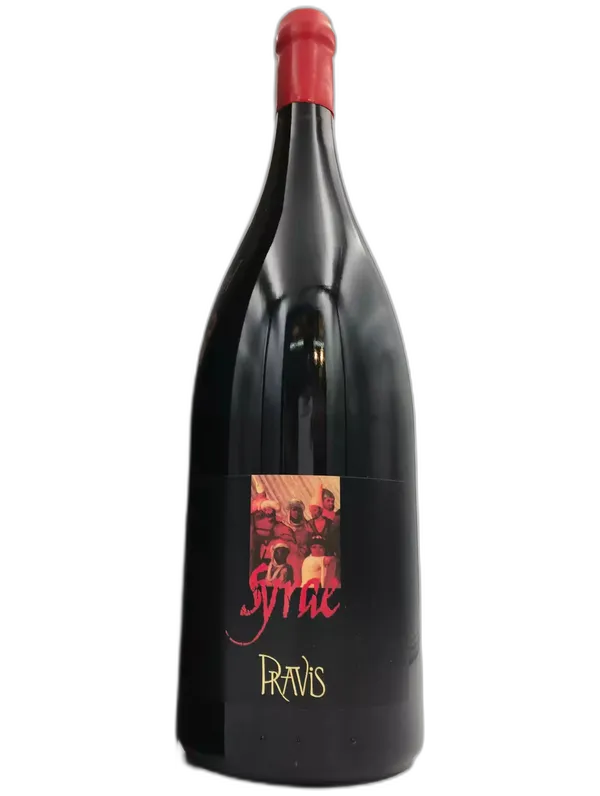
Pravis "Syrae" Syrah 2016
View Wine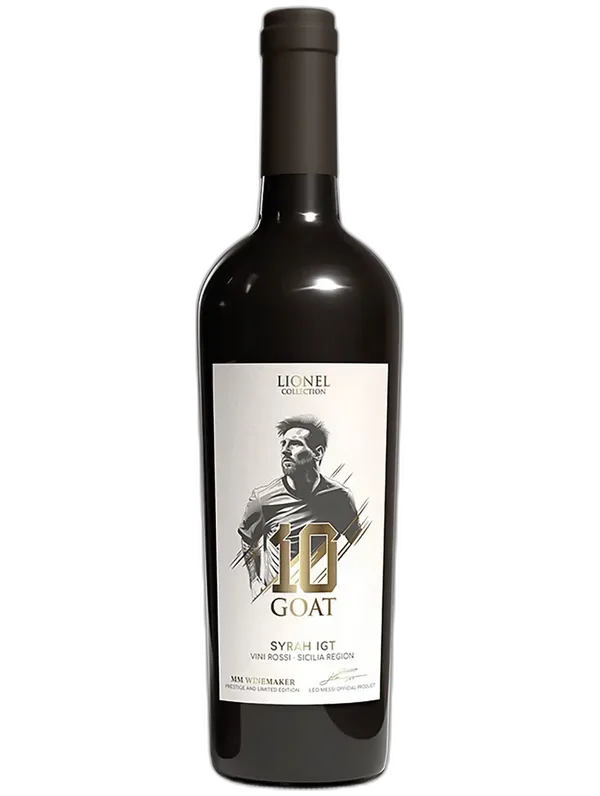
Terre Siciliane IGT Syrah Lionel Goat 10 Collection Lionel Collection 2022
View WineCapacity
- Standard. Sized around a single 750 ml bottle. The base still gives the wine enough surface to work with.
- Magnum. Holds 1.5 litres, for bigger formats and parties, and gives a single bottle a very generous air bath.
Pick by the wine you drink most weeks, not by the fanciest bottle you own. An everyday wide-based glass decanter covers almost everything; the hand-made pieces are for the shelf as much as the table.
Practical Guide to Using Decanters
Preparation and Usage
Decanting is simple if you prepare. Stand the bottle upright at least 24 hours before opening so the sediment slides to the bottom; for a wine past ten years, give it a few days.
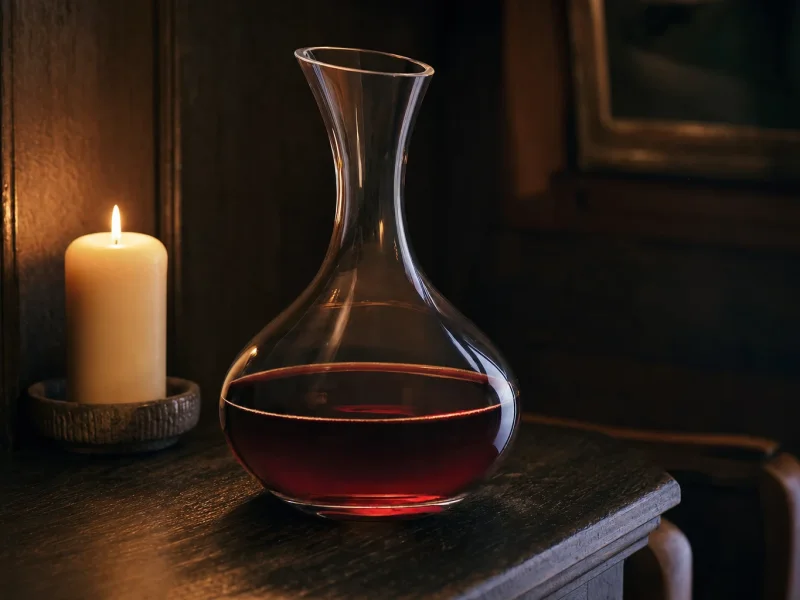
Open gently, wipe the neck, and set a light behind the shoulder of the bottle: the traditional candle, a bright window or a phone torch all work. Pour slowly and steadily, and stop the moment the wine turns cloudy at the neck. Better a finger of wine left in the bottle than grit in the decanter.
Time depends on the wine. A dense young red may want an hour; most bottles are ready in fifteen to forty-five minutes; a fragile old wine should be poured and served straight away.
Maintenance and Care
Rinse with warm water straight after use, before the wine dries. Skip soap where you can, because residue clings to the inside and reaches the next wine. For stains, stainless steel cleaning beads and a swirl do the job.
Dry it upside down on a stand until no mist remains, then store it upright and uncovered somewhere dust-free. Water spots come from drying flat; a cheap stand solves it.
Advanced Tips and Tricks
Tools that help
A few tools earn their place. A fine-mesh funnel catches any sediment that escapes the pour, and an aerating pourer speeds up the air for a single glass. A drying stand keeps the bowl spotless between uses.
Our Selection

Red Wine Decanter with Built-in-Aerator
The decanter combines the functions of decanting, filtering and pouring, while sporting an attractive appearance.
View on Amazon
Godinger Hand Blown Wine Decanter with Aerator
Hand-blown open carafe whose slanted top aerates the pour.
View on Amazon
Wine Decanter with Built-in Aerator Pourer & Filter
Wine Decanter and Wine Aerator 100% Hand Blown Lead-free Crystal Glass
View on Amazon
Leopold Vienna Decanter Drying Stand
Chrome-plated stainless stand that dries the bowl without water spots.
View on Amazon
Stainless Steel Wine Decanting Aerator with Filter
Pouring wine through an aerator allows it to breathe, giving it exposure to the surrounding air
View on AmazonOld wine needs the opposite of vigour. Use the light, pour once, gently, and serve. A mature Barolo can fade within the hour, so decant it just before everyone sits down.
Hosting with Decanters
At a tasting, one decanter per red keeps the order straight and gives guests something to watch. Match the vessel to the wine's weight rather than to the fanciest shape you own.
Full reds such as Merlot or Nebbiolo suit the wide-based bowls. Lighter reds rarely need more than a splash of air, and most whites are better served cold, straight from the bottle.
Italian Merlot for the table
Italian Merlot runs from Friuli's easy everyday bottles to serious Tuscan wines from the Bolgheri coast. The fuller ones take air as happily as any Cabernet.
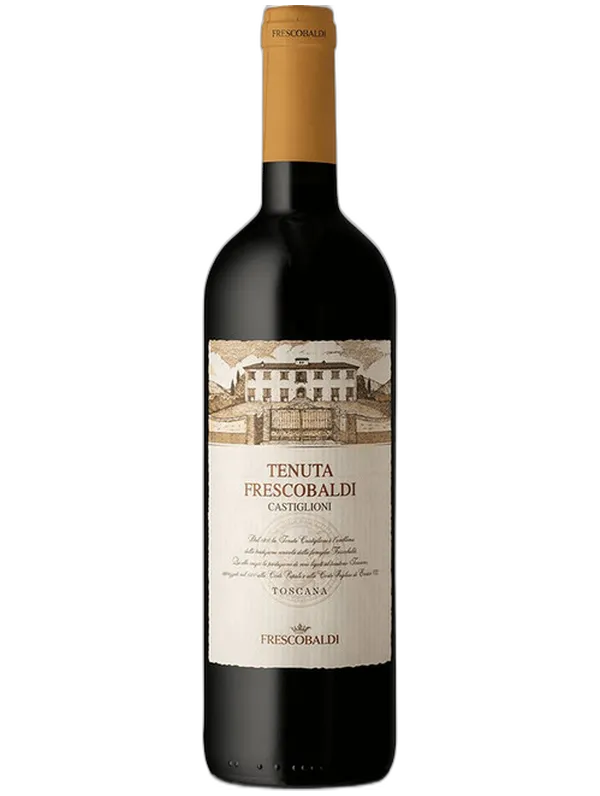
Frescobaldi Tenuta di Castiglioni 2023
A Bordeaux-style Tuscan red from Frescobaldi's historic Castiglioni estate: Cabernet Sauvignon, Merlot, Cabernet Franc and Sangiovese. Twelve months in barrique build dense tannin, dark fruit and a roasted-coffee finish that suits grilled red meats.
View Wine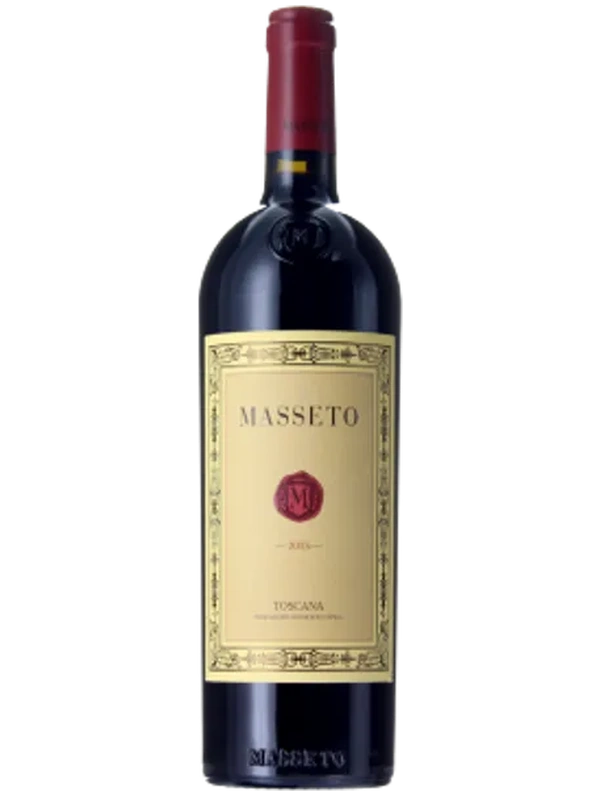
Masseto 2022
Masseto is Bolgheri's benchmark 100% Merlot, grown on the blue-clay hill that gives the wine its name. Plot-by-plot fermentation and two years in French oak build a dense, velvety Toscana IGT of blackberry, cocoa and graphite. A collector's wine: cel
View Wine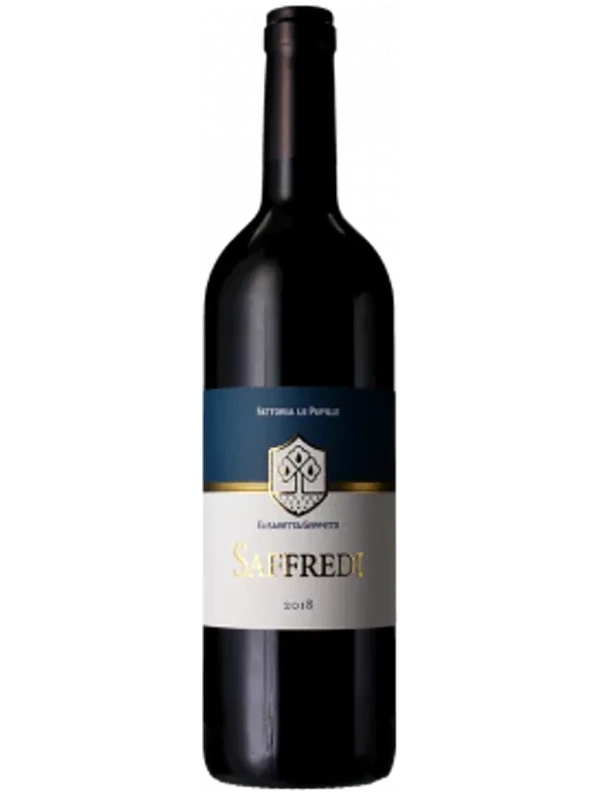
Saffredi - Fattoria le Pupille 2023
Fattoria Le Pupille's flagship super-Tuscan from the Saffredi vineyard at Pereta: 60% Cabernet Sauvignon with Merlot and Petit Verdot. Eighteen months in French oak give blackcurrant, cigar and fine dense tannins. Conceived with Giacomo Tachis.
View Wine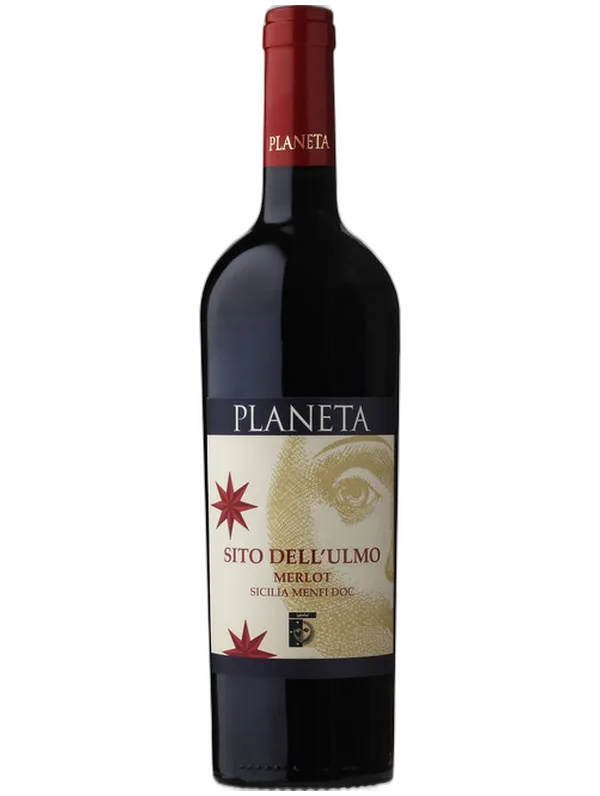
Planeta Sito dell'Ulmo Merlot 2021
Planeta's single-vineyard Merlot from the Ulmo estate on Lake Arancio in Sicily. Fourteen months in small oak barrels layer blackcurrant, candied violet and cocoa over agile tannins. A polished Sicilian red for grilled meat and tomato-rich pasta.
View Wine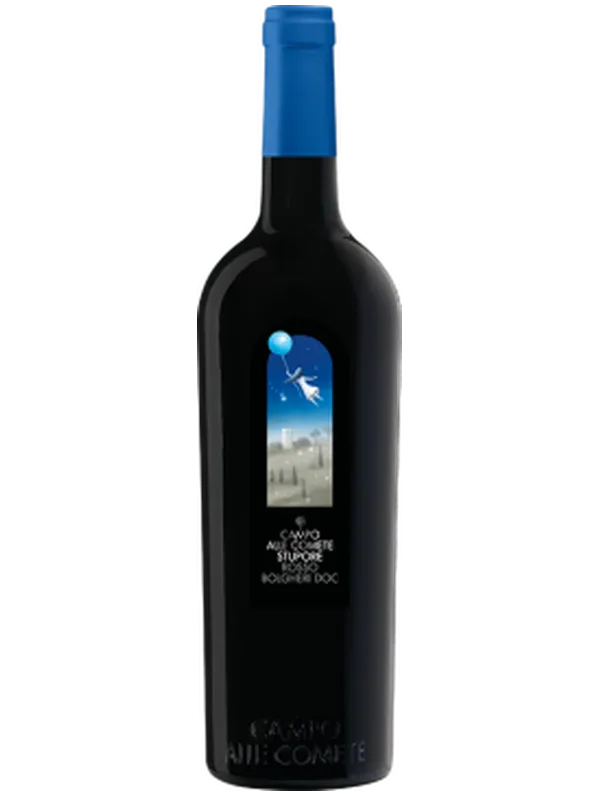
Campo alle Comete Stupore Rosso 2024
A Bolgheri Rosso DOC from Campo alle Comete, the Feudi di San Gregorio estate at Castagneto Carducci. Merlot, Cabernet Sauvignon and Syrah, a year in French oak: ripe plum, cocoa and balsamic herbs, soft tannins, a fresh savoury finish.
View Wine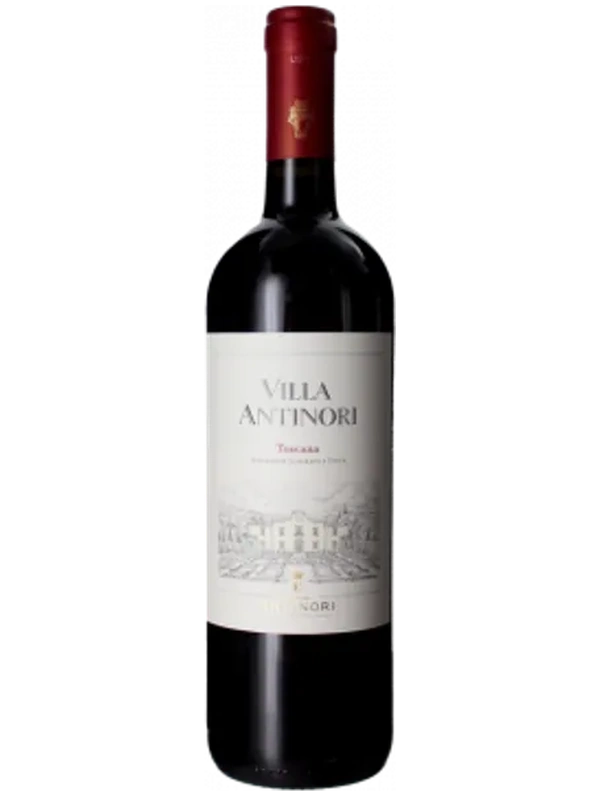
Villa Antinori Rosso - Antinori 2024
Marchesi Antinori's flagship Tuscan red: a Sangiovese-led blend with Cabernet, Merlot and Syrah from Antinori estates. A year in French and Hungarian oak brings tobacco, dark cherry and supple tannins. A dependable red for steak, ragu and pecorino.
View Wine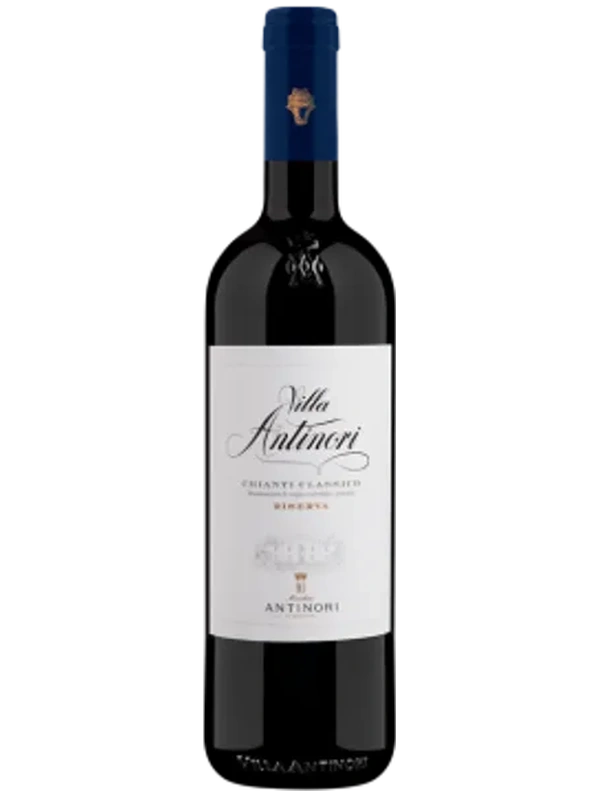
Villa Antinori Chianti Classico Riserva 2023
Antinori's Sangiovese-led Chianti Classico Riserva, made since 1928 and aged about 18 months in large oak and small barrels. Cherry, rose and liquorice, silky tannins, a long savoury finish. Around £24 to £34 from eight UK shops.
View Wine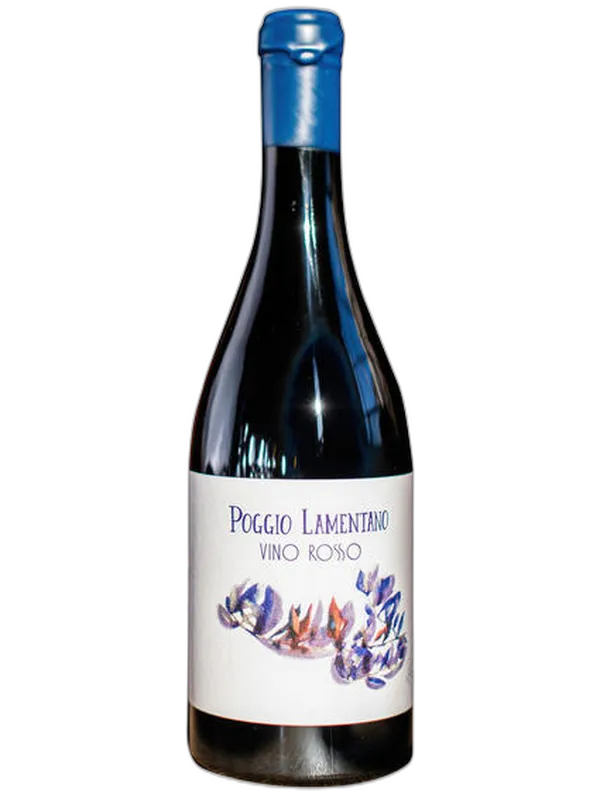
Poggio Lamentano, Rosso, Bolgheri, Tuscany, Italy 2023
A 1,333-bottle Bolgheri red from the Żyw family, made with Grattamacco's winemaker: 40% Cabernet, 30% Merlot, 30% Sangiovese, a year in clay amphora and no oak. Jancis Robinson gave the 2021 18/20. £49 at Berry Bros.
View Wine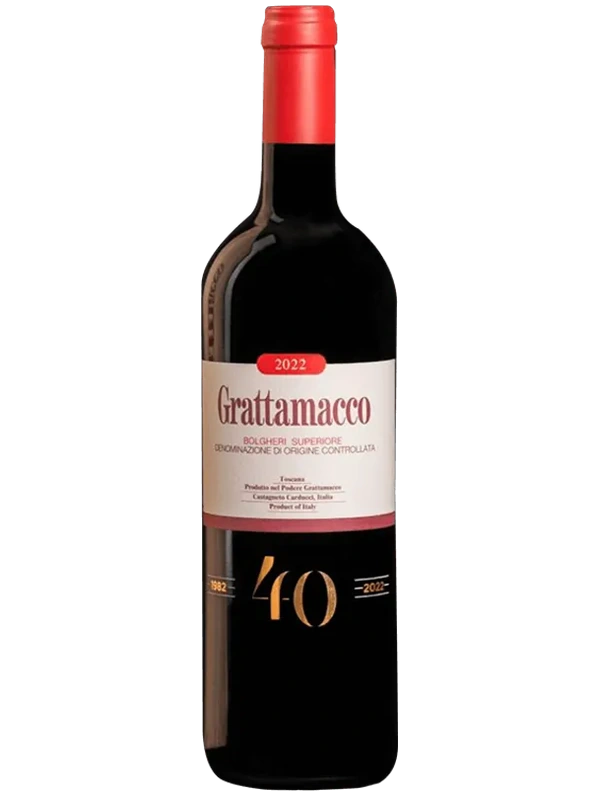
Grattamacco 2023
Grattamacco's flagship Bolgheri Superiore: 65% Cabernet Sauvignon with Merlot and Sangiovese, aged 18 months in barrique on the organic Tuscan coast. Cassis, black cherry and tobacco over a fresh, mineral, tannic frame. From about 40 pounds.
View Wine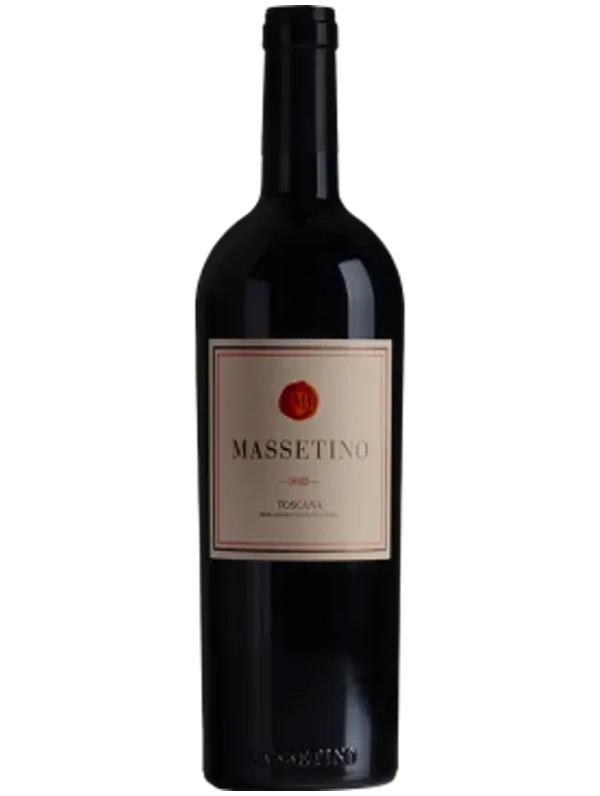
Massetino - Masseto 2024
Massetino is the second wine of Masseto, the cult Merlot estate on the blue clay hill above Bolgheri. A Merlot-led blend with a touch of Cabernet Franc, aged in French oak. Polished black fruit, cedar and sweet spice, open and earlier-drinking.
View WineNebbiolo: Barolo and Barbaresco
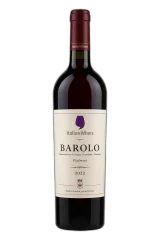
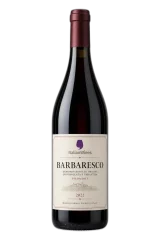
Nebbiolo is the grape a decanter was made for. Young Barolo and Barbaresco open slowly: give them an hour of air, or gentler handling and far less time once they pass ten years.
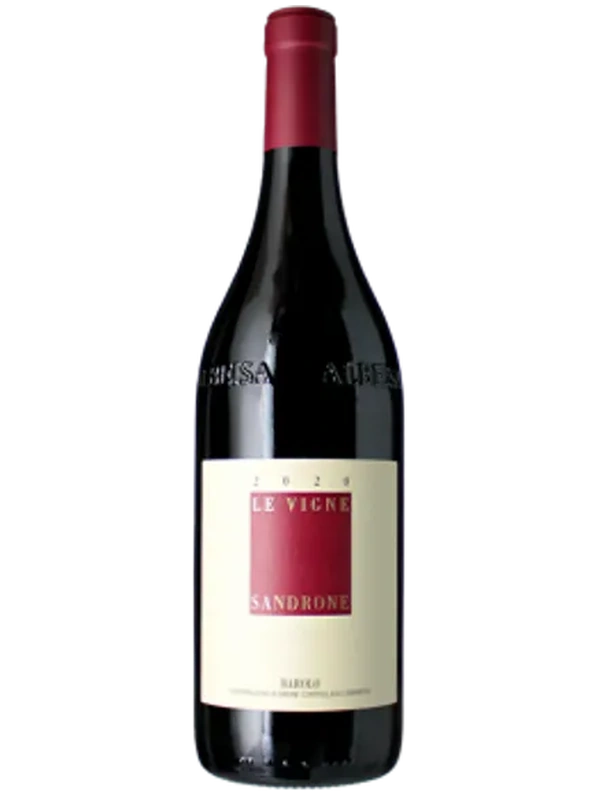
Barolo le Vigne - Sandrone 2022
Luciano Sandrone's Le Vigne blends Nebbiolo from five Barolo vineyards, Vignane, Merli, Baudana, Villero and Le Coste di Monforte, each made apart and joined only at the end. Tar, dried rose and black cherry over firm tannin. A Barolo to cellar.
View Wine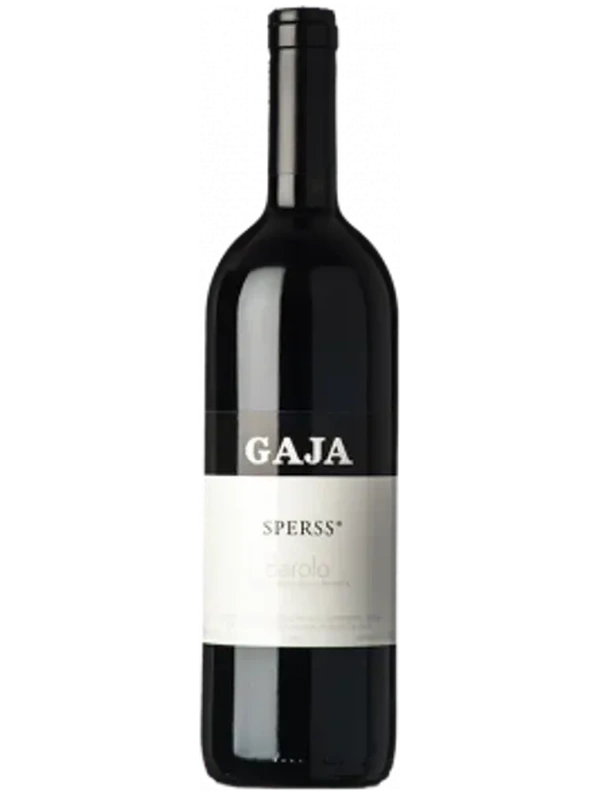
Barolo Sperss - Gaja 2021
Angelo Gaja's return to Barolo: Sperss, from the Marenca-Rivette amphitheatre in Serralunga d'Alba. Tar, dried rose and truffle over an austere, full frame. The 1988 debut ships as a gift-boxed double magnum; the 2019 is a 98-point keeper.
View Wine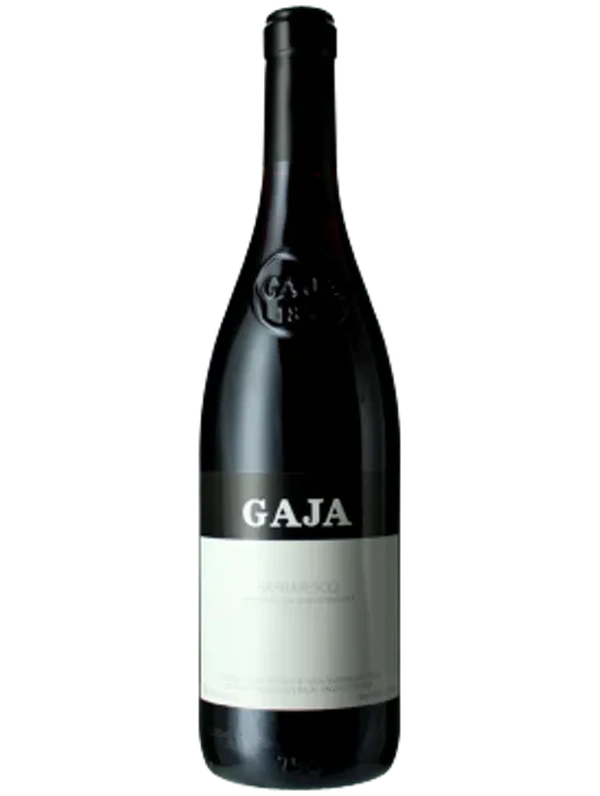
Barbaresco - Gaja 2023
Gaja's flagship Barbaresco is 100% Nebbiolo from fourteen family plots above the village, aged two years in oak. Violet, red cherry, tar and leather over high acid and firm tannin. A benchmark Piedmont red for braised beef, truffle and the cellar.
View Wine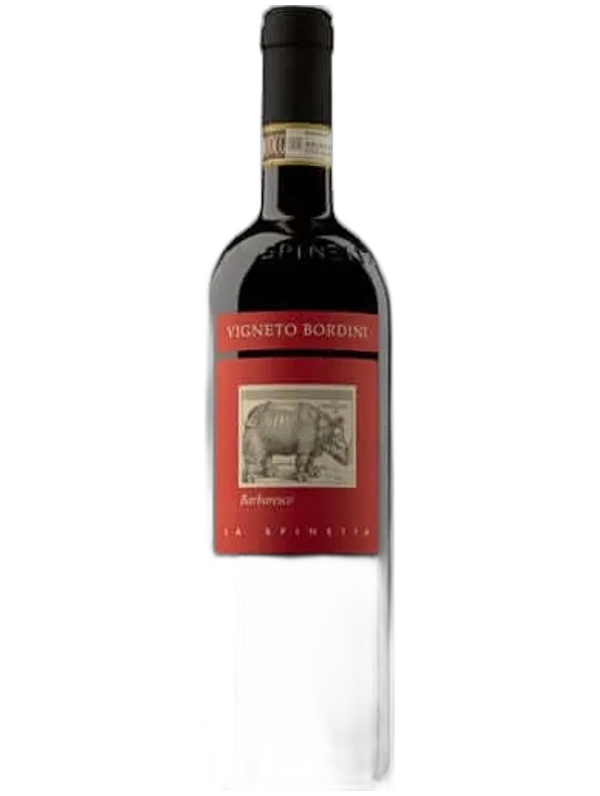
La Spinetta Barbaresco Bordini DOCG 2023
La Spinetta's single-vineyard Barbaresco from Bordini in Neive: 100% Nebbiolo off 40-year-old vines on calcareous marl, aged in used French oak. Fragrant raspberry and rose, fine silky tannins and elegance. Approachable from release across a decade.
View Wine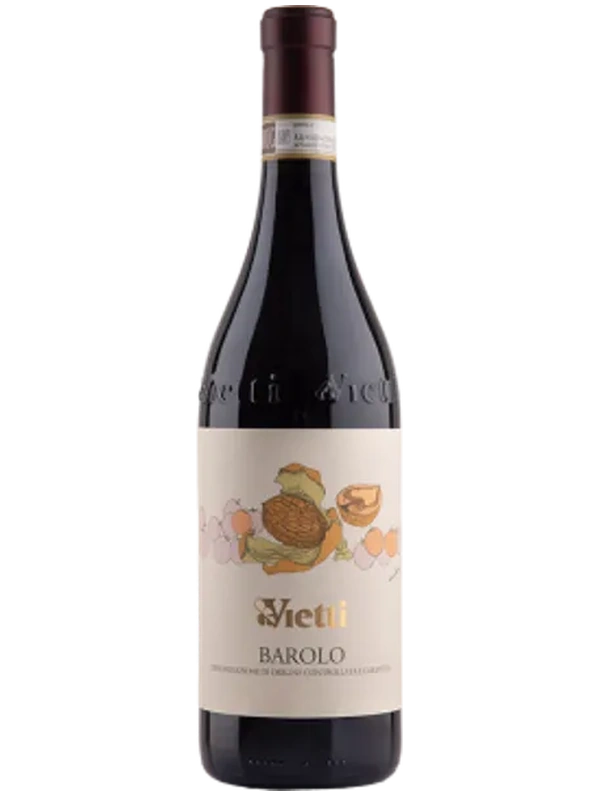
Barolo - Vietti 2022
Vietti's classic Barolo: 100% Nebbiolo from crus across Castiglione Falletto, Monforte, Barolo and Novello, each parcel vinified apart then aged in large oak botti. Tar, rose and dried cherry over firm Langhe tannin, built to cellar a decade or more.
View Wine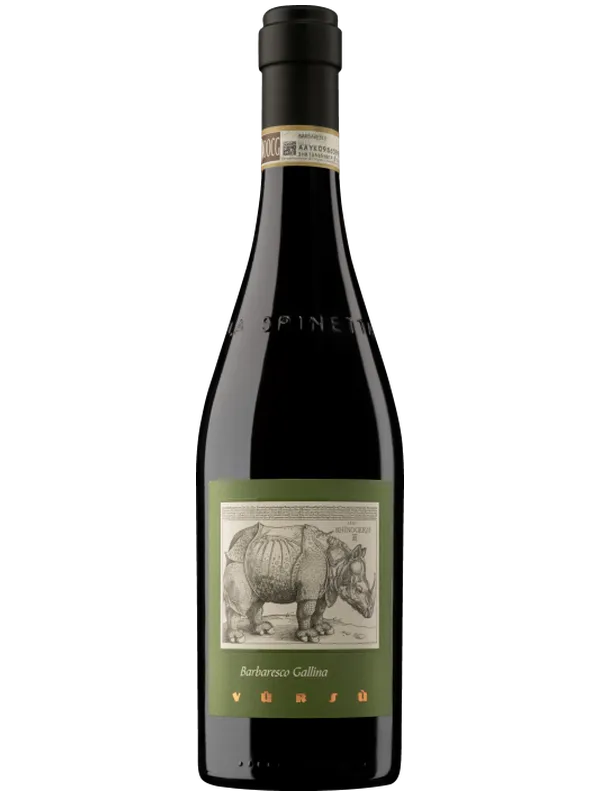
Azienda Agricola Spinetta Barbaresco Gallina 2023
La Spinetta's single-vineyard Barbaresco from Gallina at Neive: 100% Nebbiolo, organically farmed, around 22 months in French oak. Velvety tannins, wild-berry and rose-petal aromas, a long savoury finish. Suckling scored the 2021 96 points.
View Wine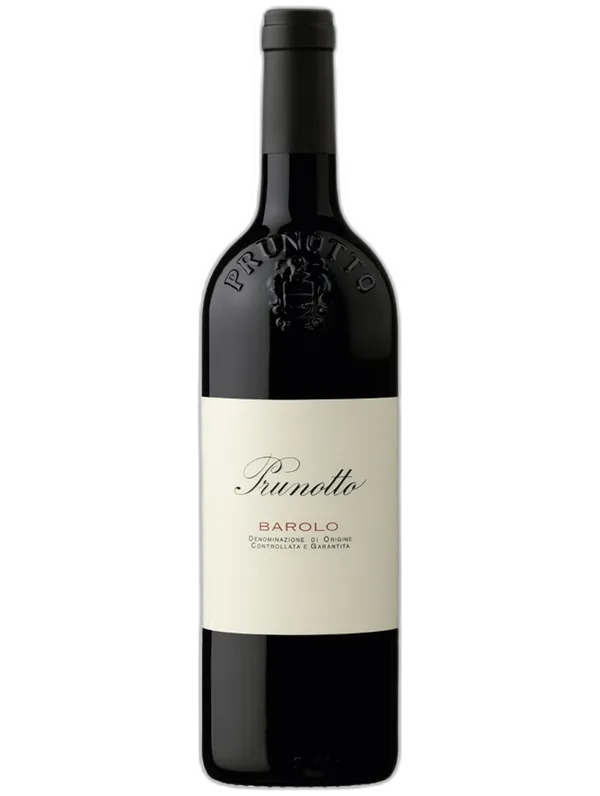
Prunotto Barolo 2022
Prunotto's traditional Barolo: 100% Nebbiolo, made since 1905 and aged at least 18 months in oak casks. Rose, red cherry and tar with silky tannin. Wine Spectator gave the 2021 93 points. UK prices start around £42.
View Wine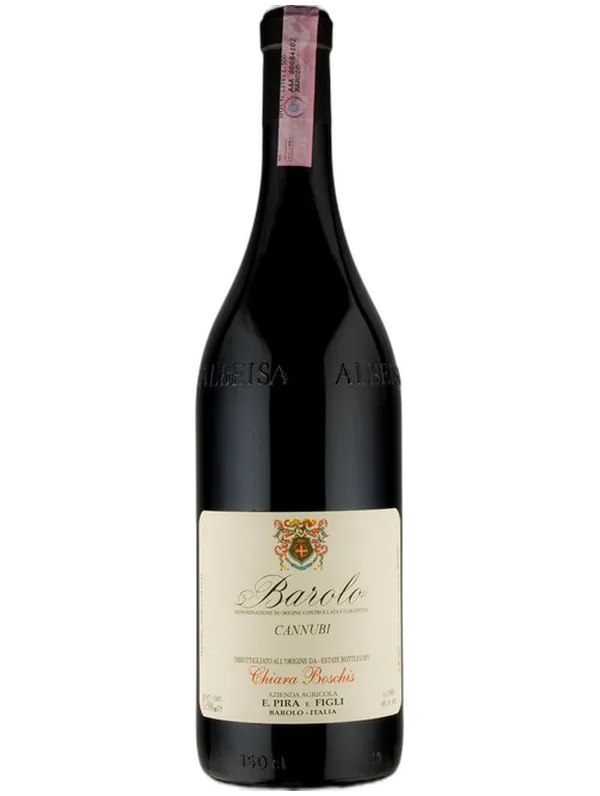
Barolo Cannubi Organic 2022
Cannubi, the hill the producer calls Barolo's most famous vineyard. Chiara Boschis farms it organically, ageing two years in casks then a year in bottle. Tar, cherry and a mint-eucalyptus edge; 14.5%, built for the cellar.
View Wine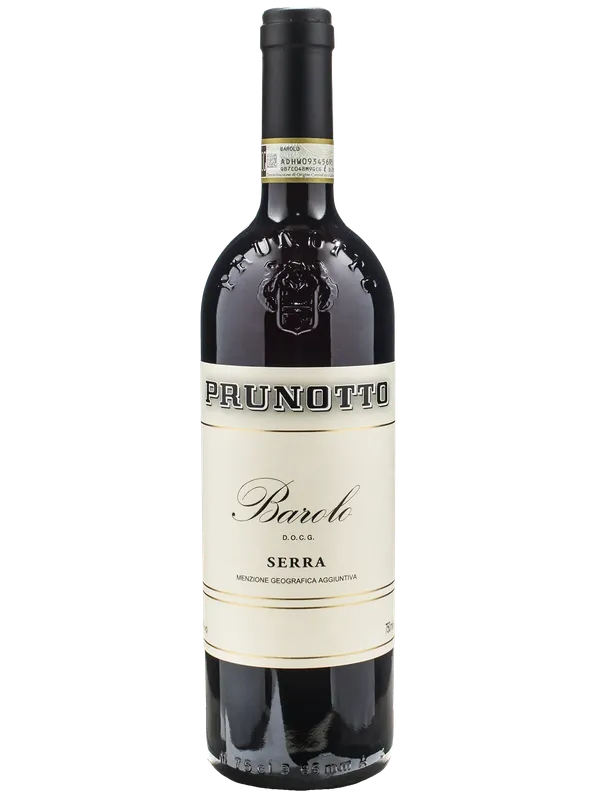
Prunotto Barolo Serra 2020
Prunotto's first Barolo from Serralunga d'Alba, made for the first time in 2020. Pure Nebbiolo, aged at least 18 months in 50-hectolitre oak casks, it is austere and floral: red fruit with sage and forest floor, roses and violets, over the firm tanni
View Wine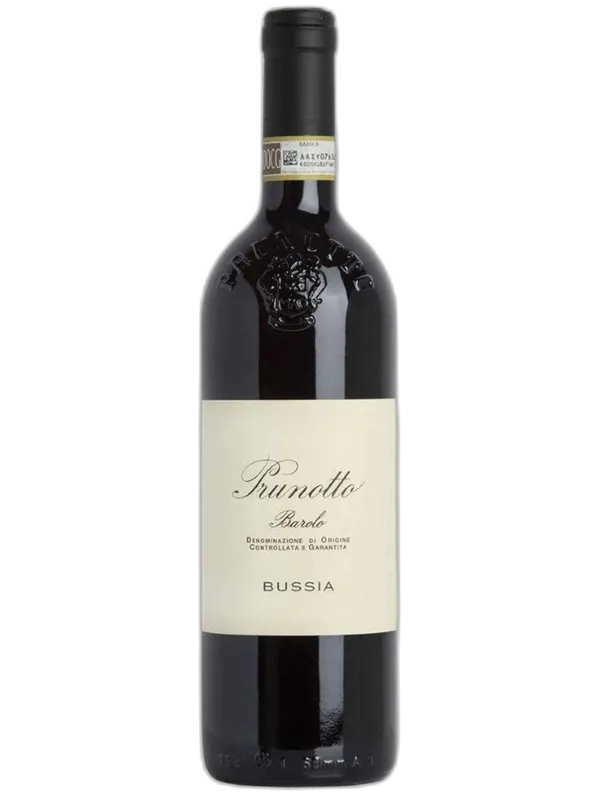
Prunotto Barolo Bussia 2022
Prunotto's single-vineyard Barolo from the Bussia amphitheatre in Monforte d'Alba: 100% Nebbiolo aged in large oak casks. Garnet-red, with rose, violet, tar and red cherry over supple tannins and a long, savoury finish. A cru built to cellar.
View WineFurther Reading and Resources
To enhance your decanting skills and learn more about its impact on wine, visit Decanting Wine 101. This resource explores the subtleties of decanting and how it can elevate your wine drinking experience, particularly with aged red wines.
Interested in expanding your knowledge beyond decanting? The Learn at ItalianWines.co.uk covers a wide range of topics, from the basics of how different types of wine are made - including red, white, rosé, and sparkling - to the specifics of vegan wines and the art of wine storage. Each guide is designed to be accessible, offering step-by-step insights into the winemaking process and practical tips for serving and storing wine.
For those fascinated by the diversity of Italian wines, detailed information about different Italian wine grapes and the unique characteristics of Italy's wine regions can be found at Italian Wine Grapes and Italian Wine Regions. These resources are invaluable for anyone looking to explore the variety and richness of Italy's wine heritage.
Additionally, our Blog offers a lively mix of articles that cater to both newcomers and connoisseurs. Topics range from wine gifts and tips for cocktail making to deep dives into specific wines and the latest news in the wine world.
Frequently asked questions
Aged, structured reds. Barolo, Amarone della Valpolicella, Brunello di Montalcino, Barbaresco, Sagrantino and Taurasi are the classic candidates, per Callmewine's sommelier guide. Young tannic reds gain from the air too; light, fruity reds mostly do not need it.
Fifteen to forty-five minutes covers most bottles. A dense young red can take an hour, while a fragile wine past fifteen years should be poured and served immediately, because its perfume can fade fast.
Rarely. Most whites are better served cold, straight from the bottle, and sparkling wine loses its fizz in a wide bowl. The one exception is a big, structured white served too cold: a few minutes in a carafe softens the chill.
A decanter is a vessel the whole bottle rests in; an aerator is a pourer that pushes air into each splash as it passes. Aerators are faster, decanters are gentler, and only a decanter also traps sediment. For old bottles, use a decanter alone.
Warm water straight after use, and no soap if you can avoid it. Stubborn stains lift with stainless steel cleaning beads. Dry it upside down on a stand so it does not spot, then store it upright and uncovered.