






Food & Wine Pairing
Italian Wine and Food Pairing Guide
Find the right Italian bottle for pasta, pizza, steak, seafood, cheese, spicy food and weeknight dishes.
Quick Finder
Start With the Dish
Jump straight to the food problem. Each path opens the closest dish category so the next page can narrow the pairings by sauce, texture and cooking method.

Tomato, cream, pesto
Pasta
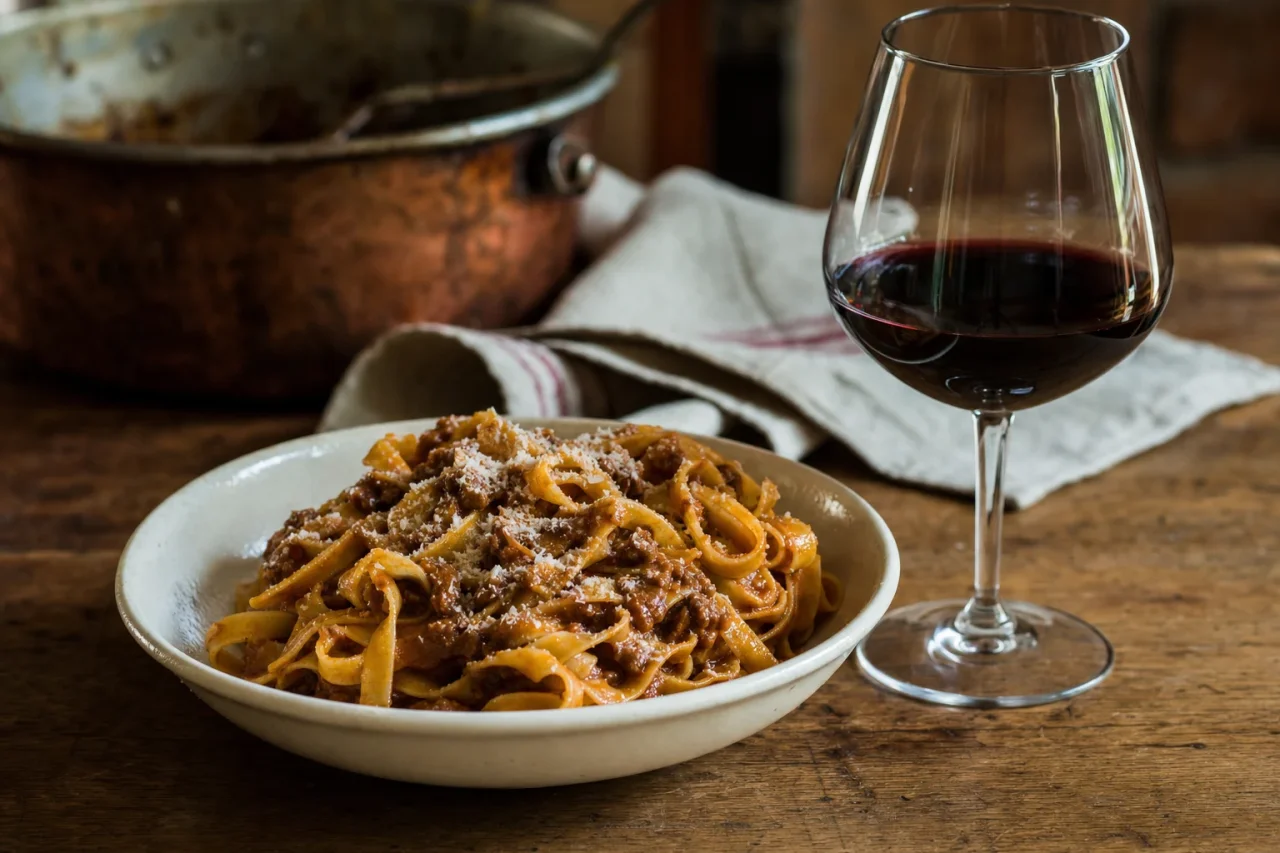
Match the sauce first. Sangiovese loves tomato, while richer pasta can take textured whites or gentle reds.

Protein and fat
Steak and Lamb
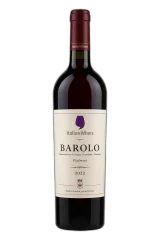
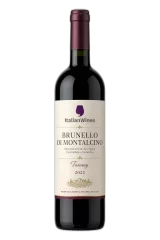
Structured reds work when tannin has protein and fat to grip. Barolo, Brunello and Etna Rosso are natural routes.

Salt, lemon, herbs
Fish and Seafood
Lean into coastal whites, sparkling wines and lighter reds when the dish is oily, grilled or tomato-led.

Soft, hard, blue
Cheese
Salt and fat soften tannin. Bubbles, sweet wines and savoury reds all have a role depending on the cheese.

Heat, chilli, curry
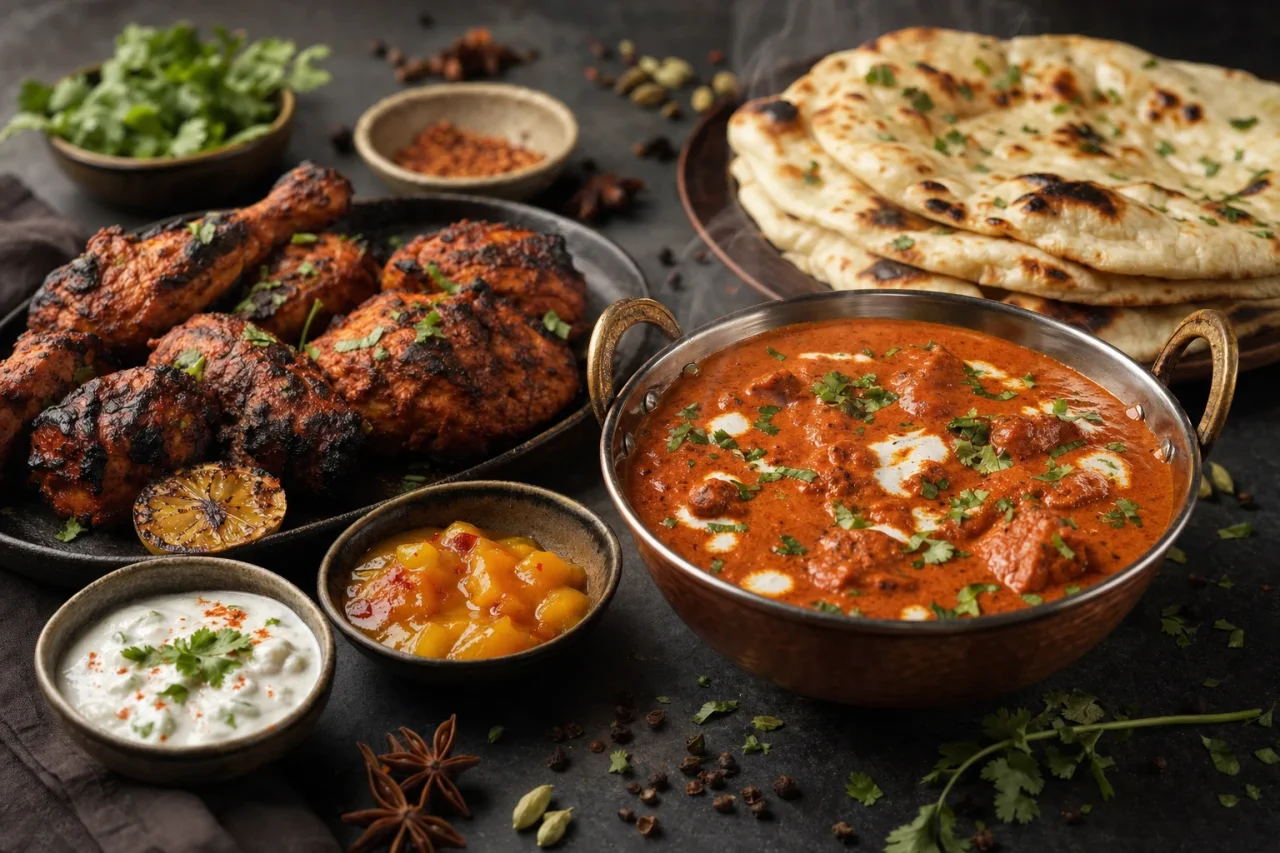
Spicy Food
Avoid heavy tannin. Off-dry, aromatic or sparkling Italian wines handle chilli, coconut and fragrant herbs better.

Mushrooms, greens, pulses
Vegetarian
Follow the dominant flavour. Mushrooms invite savoury reds, greens need acidity, and pulses can take rustic styles.

Sweet, nutty, creamy
Dessert
The wine should be at least as sweet as the dish. Moscato, Vin Santo and passito styles earn their place here.


Expert Pairing Guides
Pairing Rules
Why Italian Wine Loves Food
Italian wine is made for the table. Natural acidity, savoury fruit, firm tannin and regional food traditions make the right bottle feel practical rather than precious.

Acidity handles tomato and fat
High-acid Italian wines refresh the palate with tomato sauce, olive oil, fried food and creamy textures.

Tannin needs protein or richness
Nebbiolo, Sagrantino and structured Sangiovese work best when meat, cheese or slow-cooked sauces soften their grip.

Sweetness calms spice
For chilli heat, pick aromatic whites, sparkling wines or gently sweet styles instead of dry, high-tannin reds.

Match the sauce before the protein
Chicken in lemon, beef in tomato and fish with herbs each need a different bottle because the sauce leads the pairing.

Regional logic usually works
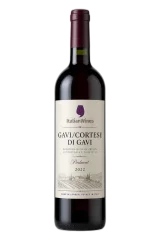
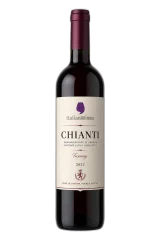
Italian wines evolved around local food. Chianti with ragù, Gavi with seafood and Lambrusco with cured meat are useful shortcuts.
Food Pairing Questions
Start with the sauce. Tomato pasta works well with Sangiovese, Chianti or Barbera. Creamy pasta usually prefers textured whites, while mushroom pasta can take Nebbiolo, Pinot Nero or Etna Rosso.
Pizza needs acidity for tomato, cheese and dough. Chianti, Barbera, Lambrusco, Frappato and crisp Italian whites are reliable choices, with toppings deciding how light or structured the bottle should be.
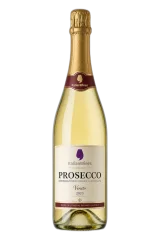
Choose wines with freshness, aroma and moderate alcohol. Prosecco, Moscato d'Asti, off-dry whites and lighter reds usually work better than tannic, full-bodied reds.
White wine is the usual starting point, especially with lemon, herbs or shellfish. Light reds can work with oily fish, grilled fish or tomato-based seafood dishes if tannin stays low.
Fresh cheeses like bright whites and sparkling wines. Hard cheeses can handle Sangiovese or Nebbiolo, while blue cheese needs sweetness from wines such as passito or Vin Santo.
Pair the wine with the sauce rather than the main ingredient. Tomato asks for acidity, cream asks for freshness and texture, chilli asks for low tannin, and slow-cooked sauces can take more structure.
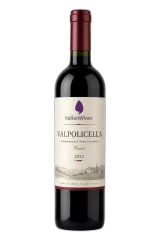
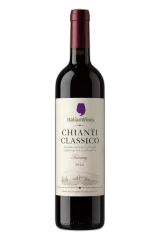
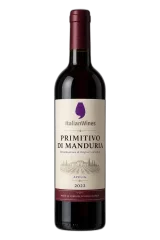
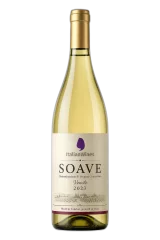
Food-Friendly Italian Wines
Start with table-ready bottles that bring freshness, balance and enough structure to work across a wide range of dishes.