






The Best Wine for Pasta: Match the Sauce, Not the Shape
TL;DR
- Pasta is a neutral canvas, so the sauce decides the wine and the shape of the pasta decides nothing at all.
- Read four things in the sauce: acidity from tomato, fat from cheese or egg, heat from chilli, and the weight of any meat.
- Ragu wants Chianti or a dry Lambrusco, carbonara wants Verdicchio, and seafood pasta wants a coastal white with no tannin.

The sauce is the pairing, not the shape
Pasta itself is flour and water, sometimes with egg. Whether it arrives as spaghetti, penne or orecchiette changes how the sauce clings to it, and it changes almost nothing about how it tastes. Shape is a texture decision made in the kitchen, not a flavour decision made at the table.
So the question is never which wine goes with pasta. It is which wine goes with what is coating it. A plate of trofie al pesto and a plate of tagliatelle al ragu share a grain and a cooking method and nothing else at all, and no single bottle serves both well.
Four things in the sauce actually decide the wine: acidity from tomato, fat from cheese, cream, egg or oil, heat from chilli, and the weight of any meat. Read those four and the choice narrows fast. The table below is the whole article in short form, and the sections that follow explain why each row reads the way it does.
| What is coating the pasta | What the wine needs to do | Where to look |
|---|---|---|
| Meat ragu, bolognese | Match the weight, keep acidity for the tomato | Chianti, Montepulciano d'Abruzzo, Barbera |
| Plain tomato and basil | Answer the acidity, stay light | Chianti, a young Sangiovese, Barbera |
| Chilli, arrabbiata | Keep alcohol modest, lead with fruit | Nero d'Avola, a chilled light red |
| Egg and cured pork, carbonara | Cut the fat with real acidity | Verdicchio, Soave, Pecorino |
| Hard cheese and pepper, cacio e pepe | Meet the salt with freshness | Soave, Verdicchio, a dry sparkling |
| Pesto and green herbs | Stay herbal and unoaked | Vermentino, a coastal Ligurian white |
| Clams, prawns, seafood | Bring no tannin at all | Vermentino, Verdicchio, Falanghina |
| Baked pasta, lasagne | Cut through bechamel and melted cheese | Lambrusco, Sangiovese, Barbera |
Ragu and meat sauces: the Sunday pairing
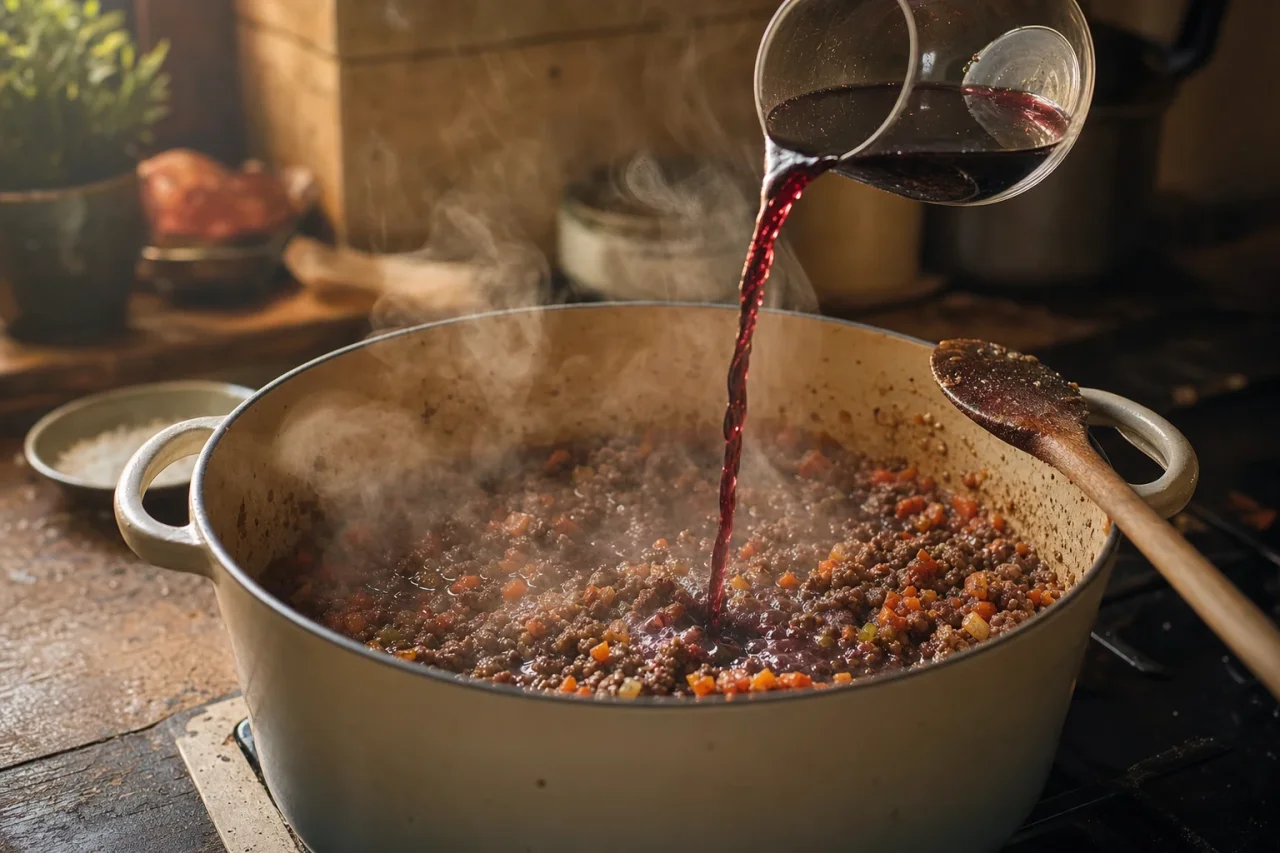
Ragu alla bolognese is the dish most people in the UK mean when they say pasta, and it is also the one most often mismatched. It is a long, slow braise of beef and pork softened with milk, with tomato present as seasoning rather than as the main event. That makes it savoury and rich rather than sharp, and it is heavier than the jar of sauce it is usually replaced by.
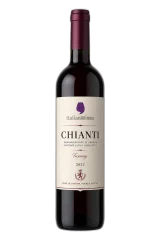
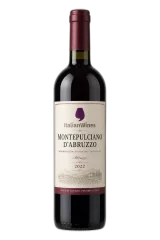
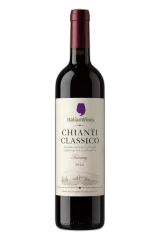
A wine has two jobs here. It has to carry enough weight to stand beside the meat, and it has to keep enough acidity to handle the tomato and cut the fat. Sangiovese does both, which is why Chianti is the standing answer. Montepulciano from Abruzzo is the softer, cheaper version of the same idea, and Barbera gives you high acidity with gentle tannin when the sauce is particularly fatty.
In Emilia Romagna itself, where the sauce comes from, the everyday choice is a dry Lambrusco. That is not a compromise. A genuinely dry Lambrusco has acidity, light tannin and a fine mousse, and all three cut through fat in a way still red wine has to work harder at.
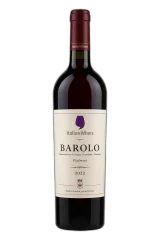
What fails is either extreme. A soft, low-acid red leaves the palate coated, and a young, powerfully tannic bottle turns hard against the meat. Save the Barolo for a course that is not swimming in tomato.
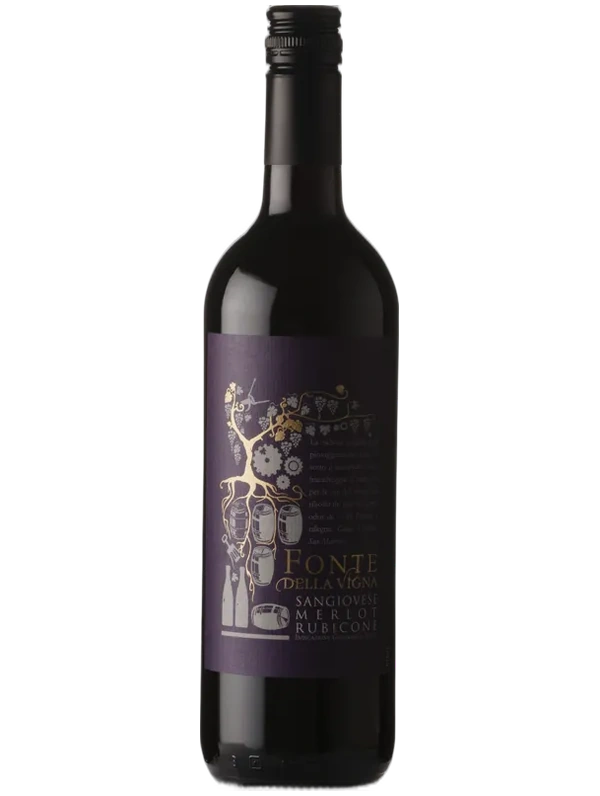
Fonte Della Vigna Sangiovese Merlot Rubicone IGT 2024
A 70/30 Sangiovese-Merlot blend from the Romagna hills, vinified in steel without oak ageing. Ripe cherry and plum lead a medium-bodied palate, with the savoury Sangiovese edge softened by Merlot's plummier weight. Genuine entry-level character at su
View Wine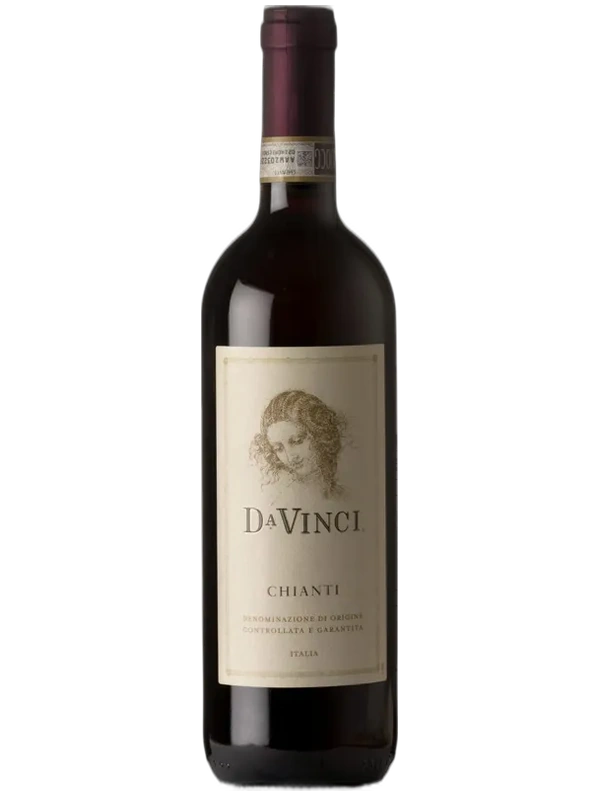
Cantine Leonardo Da Vinci Chianti 2024
An everyday Tuscan red from the Cantine Leonardo da Vinci co-operative in Vinci: 85% Sangiovese with 10% Merlot, cherry and fresh red fruit lifted by black pepper over soft, round tannins. A friendly, well-priced Chianti DOCG for the table.
View Wine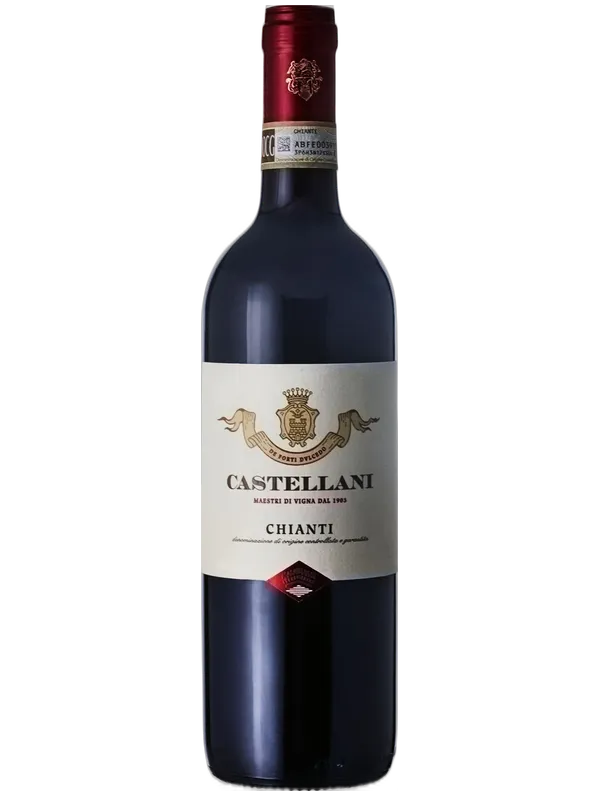
Castellani Chianti DOCG 2024
Castellani's base Chianti DOCG is all-steel Sangiovese: violets, red cherry and plum at a fresh 12%. Vivino's 7,895 drinkers rate it 3.4, an honest midweek red for tomato-led pasta, listed at £10.10 to £12.00 by two UK retailers.
View Wine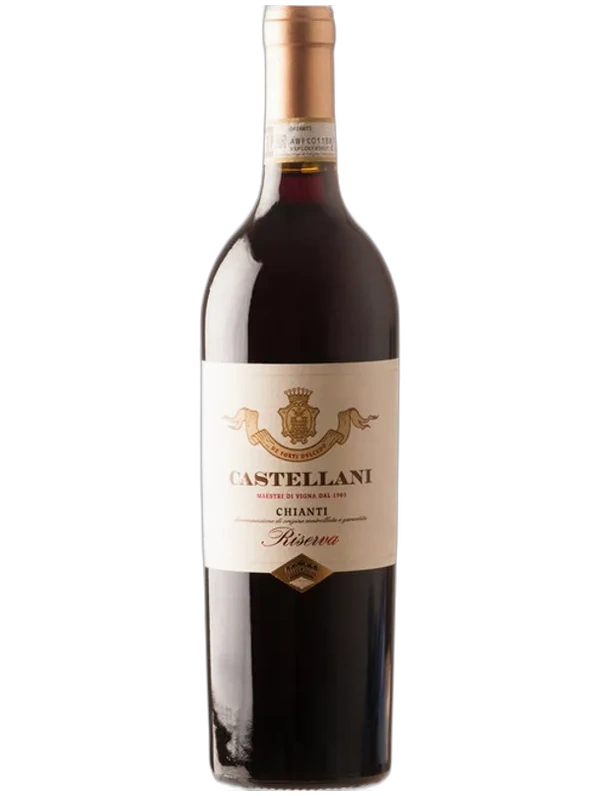
Chianti Riserva DOCG 2021
Castellani's St.Giorgio Chianti Riserva is an entry Tuscan Sangiovese aged at least 24 months. Ruby-to-garnet, with cherry and raspberry, an earthy, lightly oaked edge and gentle tannin. Vivino's 1,854 drinkers rate it 3.8.
View Wine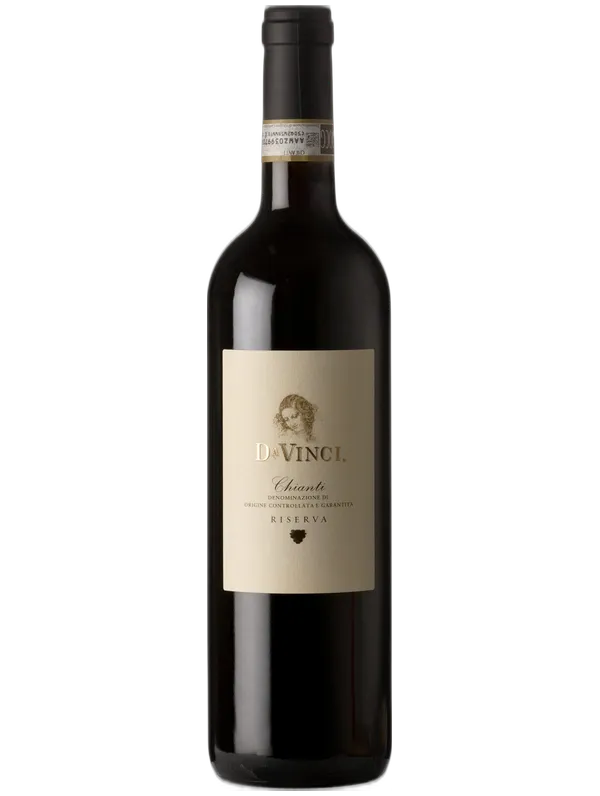
Da Vinci Chianti Riserva 2021
Sangiovese Chianti Riserva DOCG from the hills around Vinci, made by the Leonardo da Vinci co-op. Over two years in French and American oak give dark cherry, vanilla and cinnamon over soft tannins and a long, mineral finish. Easy, well priced, 13%.
View Wine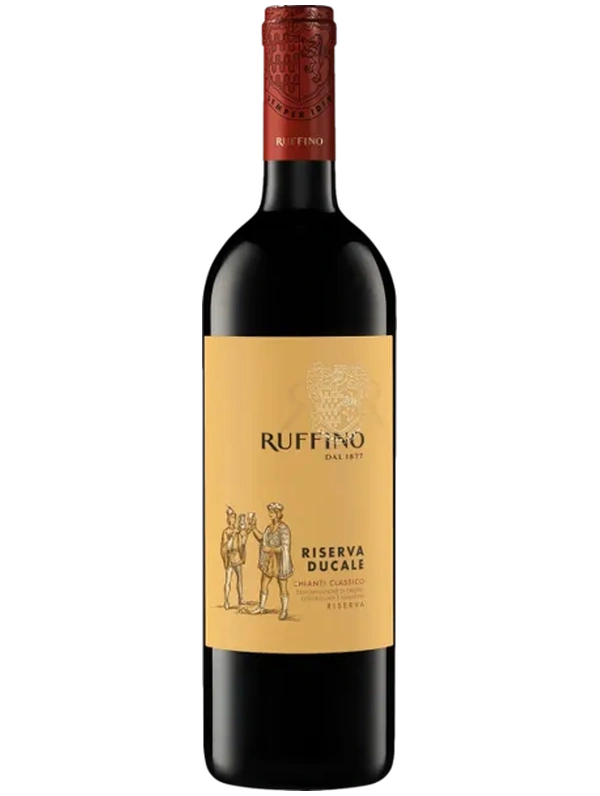
Ruffino Riserva Ducale Chianti Classico 2022
Ruffino's tan-label flagship since 1927: 80% Sangiovese with Cabernet and Merlot, matured in Slavonian oak and concrete. Violet, cherry and tobacco with vibrant acidity; the 2021 reached No. 17 in Wine Spectator's Top 100. From £22.93 in the UK.
View Wine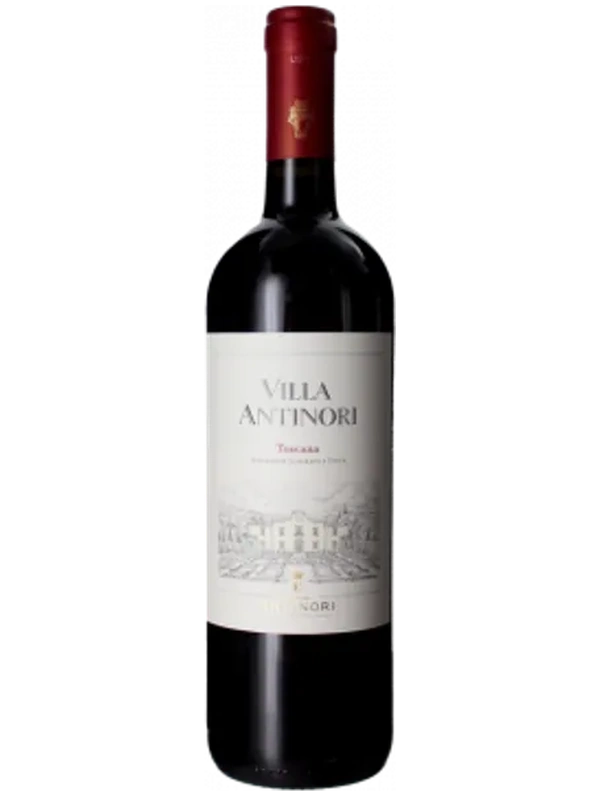
Villa Antinori Rosso - Antinori 2024
Marchesi Antinori's flagship Tuscan red: a Sangiovese-led blend with Cabernet, Merlot and Syrah from Antinori estates. A year in French and Hungarian oak brings tobacco, dark cherry and supple tannins. A dependable red for steak, ragu and pecorino.
View Wine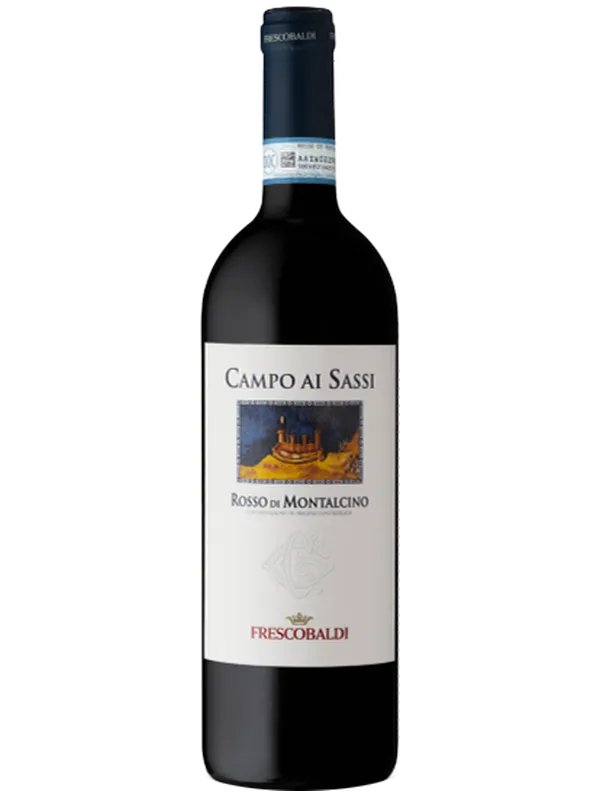
Marchesi de’ Frescobaldi Campo Ai Sassi 2024
Frescobaldi's Montalcino entry: 100% Sangiovese from the Tenuta CastelGiocondo estate, fermented in steel and aged in oak. Red cherry, raspberry and violet with a bergamot lift, smooth tannins and the bright acidity Rosso di Montalcino is loved for.
View WineTomato and chilli: the acidity problem
Tomato is the single most awkward ingredient in Italian cooking for wine, because it is genuinely acidic. A wine with lower acidity than the food tastes flat and slightly sweet beside it, which is exactly what happens when a soft, ripe, oaky red meets a simple pomodoro.
The fix is to match acid with acid. A young Sangiovese, a Barbera, or a light Valpolicella made from Corvina all have the sharpness to sit alongside the sauce rather than under it. None of them needs to be expensive, and for a plain tomato sauce the cheaper end genuinely works better.
Chilli changes the rules again. Capsaicin makes alcohol taste hotter, so a 15 percent red served with pasta arrabbiata amplifies the burn instead of relieving it. Drop the alcohol, drop the tannin, and lead with fruit. Nero d'Avola from Sicily at a modest strength does this well, and serving it lightly chilled helps further.
Pasta alla Norma sits between the two. Fried aubergine adds fat and a faint bitterness to the tomato, so it takes a slightly fuller red than a plain marinara without needing anything like the structure of a ragu.
Carbonara, cacio e pepe and the cheese pastas
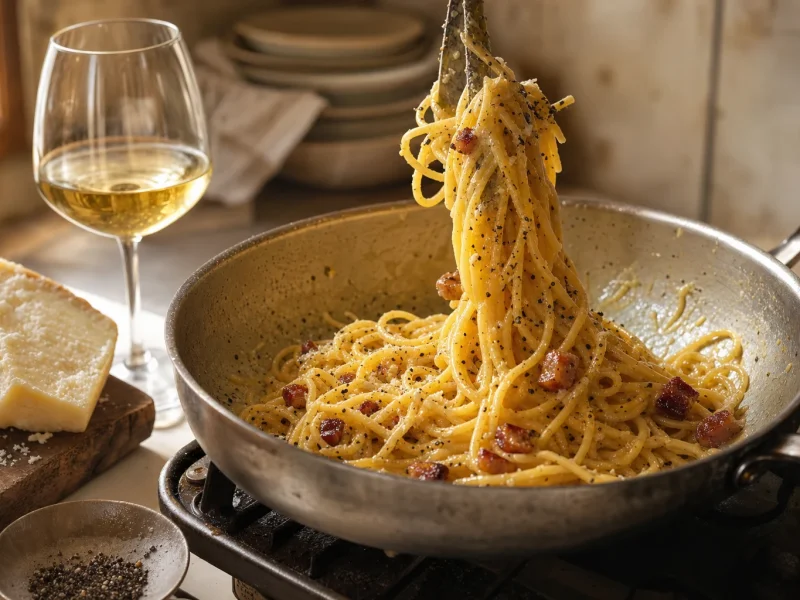
The Roman pastas are built from fat, salt and starch, with no tomato anywhere. Carbonara is egg yolk, guanciale, pecorino and pepper, emulsified with pasta water rather than cream. Cacio e pepe strips it back further to cheese, pepper and water.
Both need the same thing from a wine, which is acidity strong enough to reset the palate between mouthfuls. That is a job whites do more reliably than reds here, because there is no meat weight to match and tannin has nothing useful to do against egg yolk.
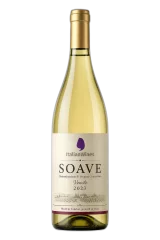
Verdicchio from Marche is the sharpest tool for it, with a bitter almond finish that answers the pepper. Soave made from Garganega does the same with a rounder shape, and Pecorino, the central Italian grape rather than the cheese, has the body to sit beside guanciale without losing its edge.
A dry sparkling wine is the reliable third option across all of them. Bubbles and acidity together are the most efficient way to cut fat, which is why a glass of Prosecco handles a carbonara better than most people expect. What to avoid is a heavily oaked white, which adds richness to a dish that already has plenty.
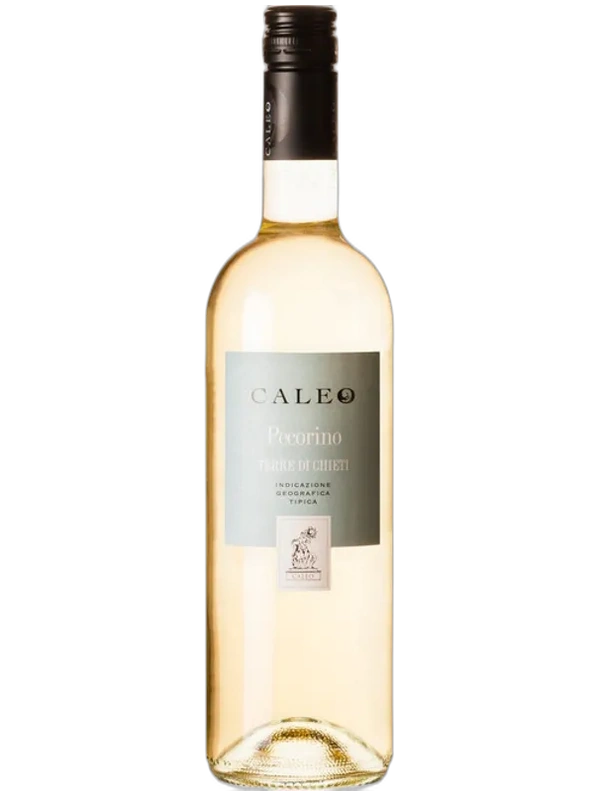
Pecorino, IGT Terre di Chieti Caleo 2025
View Wine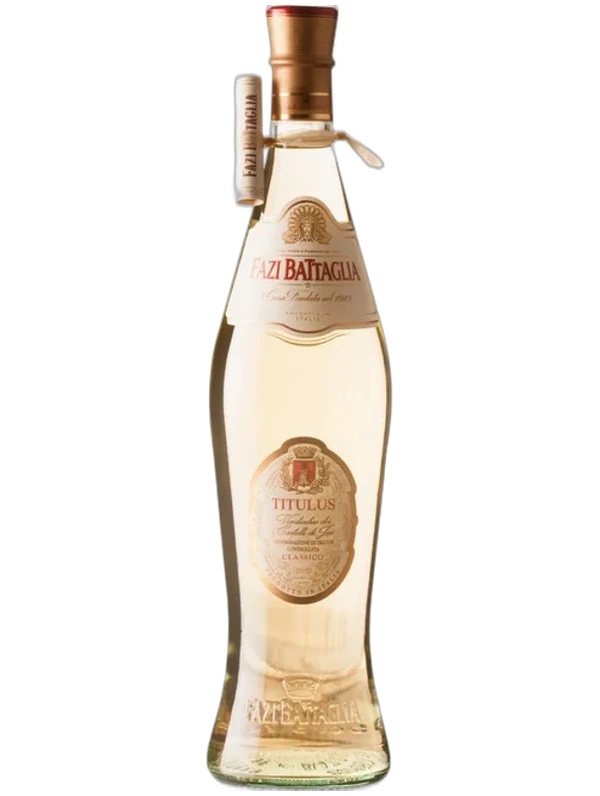
Titulus Verdicchio dei Castelli di Jesi Classico 2025
View Wine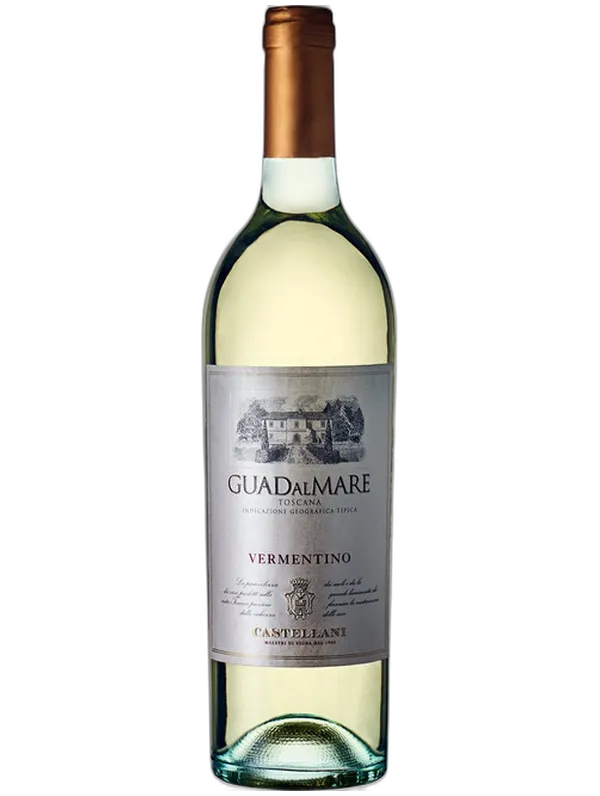
Guadalmare Vermentino 2025
Castellani's Guadalmare is a coastal Maremma Vermentino, a contemporary answer to Chianti. Straw-gold and dry at 12% ABV, it shows citrus, white peach and a sage-and-rosemary lift over saline minerality. An everyday seafood white near 12 pounds.
View Wine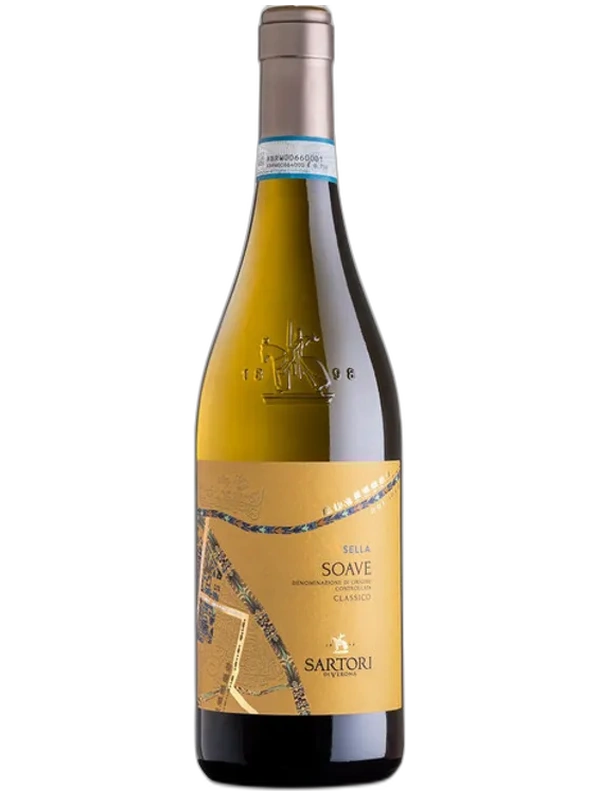
Soave Classico DOC Sella 2025
Sartori's Sella is a Soave Classico off the volcanic-basaltic hills east of Verona, 90% Garganega with Trebbiano di Soave. Steel and concrete ageing keeps it dry, mineral and saline, with pear, white peach and a bitter-almond finish at 12.5%.
View Wine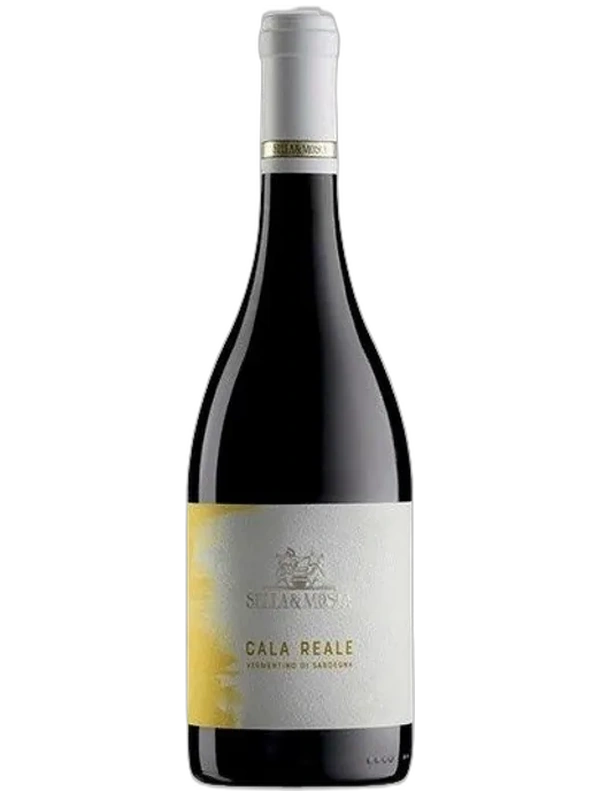
Sella and Mosca, Cala Reale, Vermentino di Sardegna 2025
Sella & Mosca's top Vermentino selection, grown on marine soils near Alghero, aged briefly in steel on its lees. Dry, citrus-fresh and saline, with white peach and a long mineral finish. A Sardinian seafood white, best drunk young, around £15.
View Wine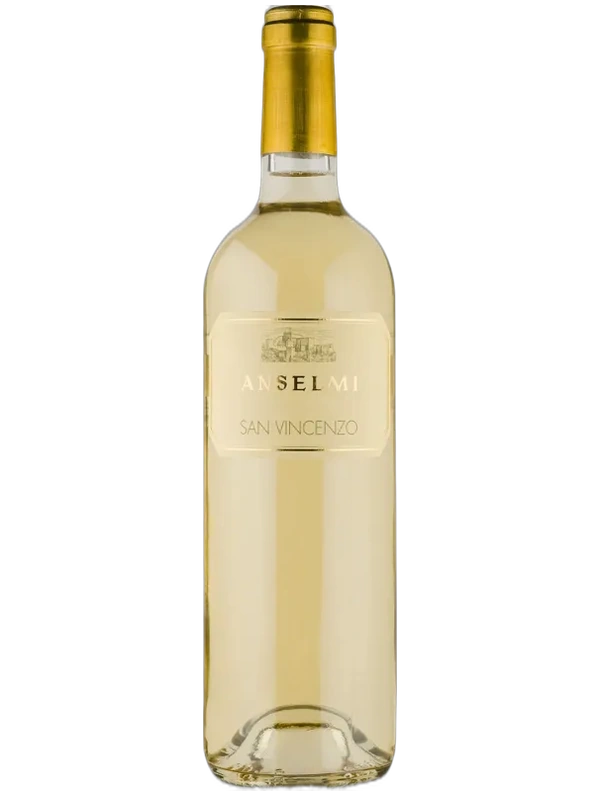
Anselmi San Vincenzo IGT 2025
Roberto Anselmi's Garganega-led white from the volcanic Soave hills, declassified to Veneto IGT by choice. Six months on the lees lend a creamy lift to its crisp core of blood orange, yellow peach and tarragon, closing stony and saline.
View Wine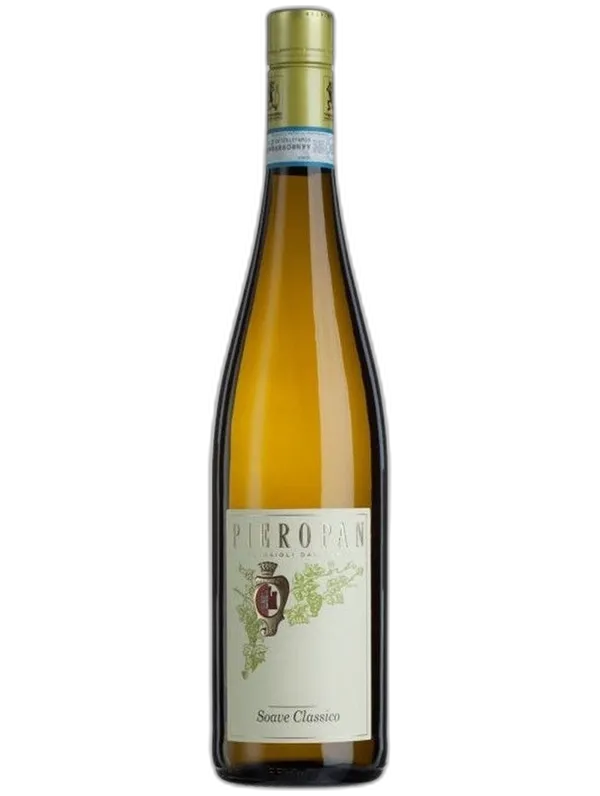
Pieropan, Soave, Classico 2025
Pieropan's Soave Classico is Veneto's Garganega benchmark: estate-grown on volcanic hills, fermented in glass-lined concrete and aged on its lees. Pear, white peach and lemon meet a saline mineral core and the trademark bitter-almond finish.
View WinePesto and green sauces: what grows together
Pesto is raw basil, pine nuts, garlic, cheese and a lot of olive oil, and none of it is cooked. That keeps the herbal, slightly bitter aromatics intact and completely intolerant of oak or heavy fruit.
The old saying about what grows together going together is unusually literal here. Trofie al pesto comes from Liguria, and Ligurian whites are built on Vermentino, which brings citrus, a saline finish and a herbal note of its own. It meets the basil rather than covering it.
Green vegetable sauces follow the same logic with one extra complication, which is bitterness. Orecchiette con cime di rapa from Puglia leads with the bitter edge of the broccoli rabe, and bitterness is best answered with fruit rather than with more bitterness. A fruit-forward white, or a light red served cool, works better than a stern, high-tannin bottle.
The mistake to avoid is reaching for something rich because the dish looks green and gentle. Pesto carries a great deal of oil and garlic, and a thin, neutral white simply disappears underneath it.
Seafood pasta: the one rule that never bends
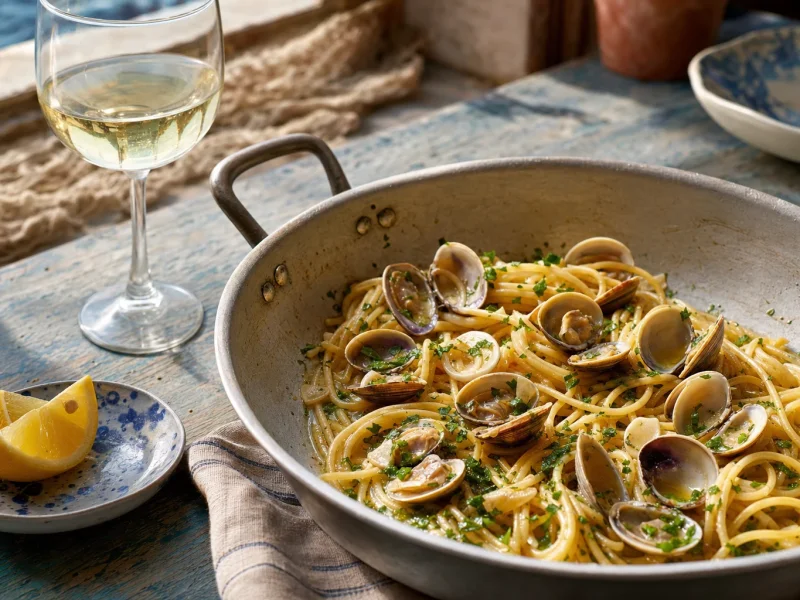
Everything above allows for exceptions. This does not. Tannin and shellfish produce a distinctly metallic taste together, so red wine is off the table for clams, prawns, mussels and squid regardless of how light the bottle looks.
That leaves the whites, and coastal ones suit best. Vermentino from Sardinia and Liguria has the salinity and citrus grip that spaghetti alle vongole wants. Falanghina and Fiano from Campania give you more texture for a richer seafood sauce, and Verdicchio handles anything the Adriatic produces.
Where tomato joins the seafood, as in a spaghetti alle vongole made in rosso or a seafood arrabbiata, the acidity requirement returns on top of the no-tannin rule. A white with genuinely high acidity, or a dry sparkling, covers both at once.
A rose is the honest middle ground if the table is split between a seafood plate and a meat one. It carries no meaningful tannin, so it does not clash, and it has enough colour and fruit to keep a red drinker interested.
Lasagne and baked pasta: layers, bechamel and Lambrusco
Lasagne is not simply ragu with sheets in it. Bechamel and a browned cheese crust add a second kind of fat, milkier and heavier than the sauce underneath, and baking concentrates everything.
That extra richness is what makes the Emilian answer so hard to beat. Dry Lambrusco, served cold, brings acidity, a light tannic grip and bubbles, and it clears the palate between forkfuls in a way a still red cannot. If it has only ever appeared to you as a sweet supermarket bottle, the dry versions are a different drink entirely.
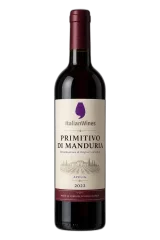
For a still red, keep the acidity high and the oak low. A Chianti or a Montepulciano d'Abruzzo has the freshness the dish needs, and both are comfortably within everyday money. Baked Sicilian pasta such as anelletti al forno takes the same approach with a southern accent, so Nero d'Avola or a Cerasuolo di Vittoria fits naturally.
The failure mode here is weight without freshness. A big, soft, oaked red beside a tray of lasagne makes the whole plate feel heavier, which is the opposite of what the wine is there for.
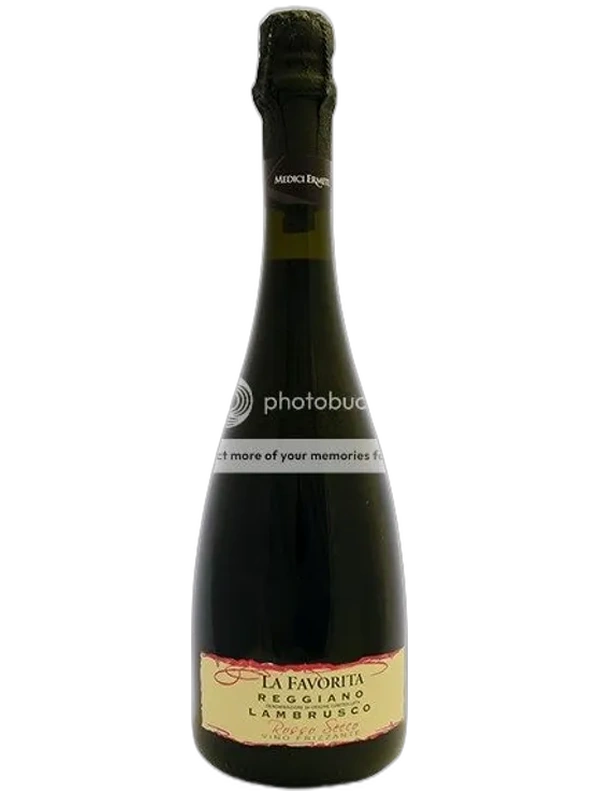
Medici Ermete 'La Favorita' Rosso Secco, Reggiano, Lambrusco NV
View Wine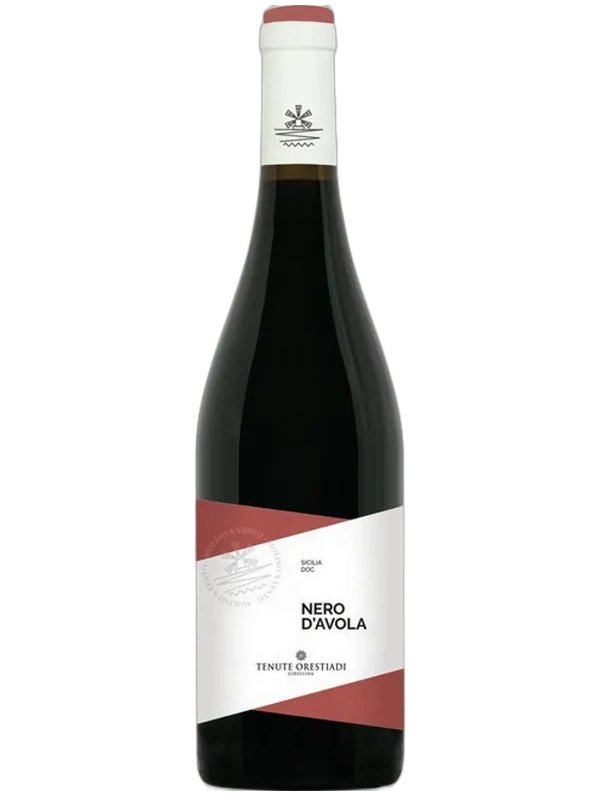
Nero d'Avola, IGT Terre Siciliane 2025
A juicy Sicilian red from Tenute Orestiadi, grown on the black earth around Gibellina in Trapani. Steel ageing and a short spell in wood give soft tannins, wild-berry and cherry fruit and a mineral edge. Honest Nero d'Avola at around £12 to £14.
View Wine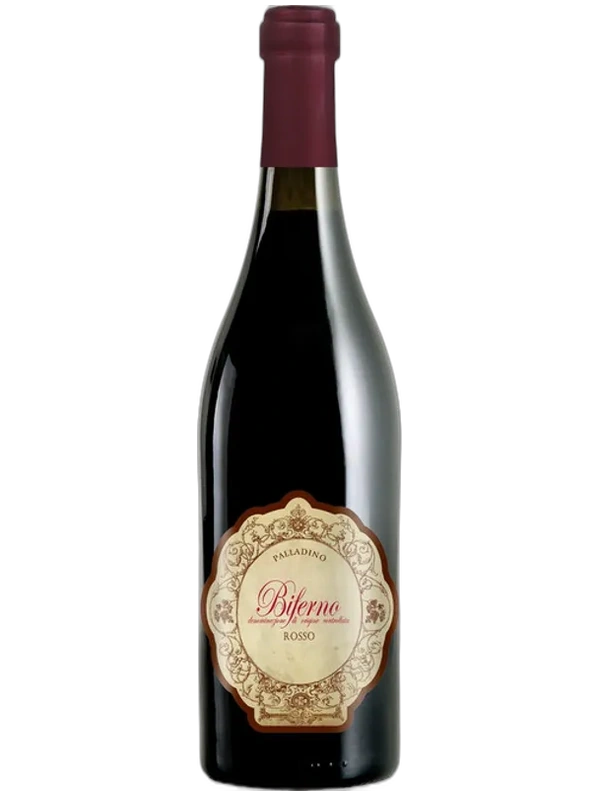
Biferno Rosso DOC 2020
A soft, medium-bodied Molise red from Camillo de Lellis, blending coastal Montepulciano with inland Aglianico under the Biferno DOC. Blueberry, cherry and gentle oak lead a fruit-forward, drink-young palate made for everyday Italian food.
View Wine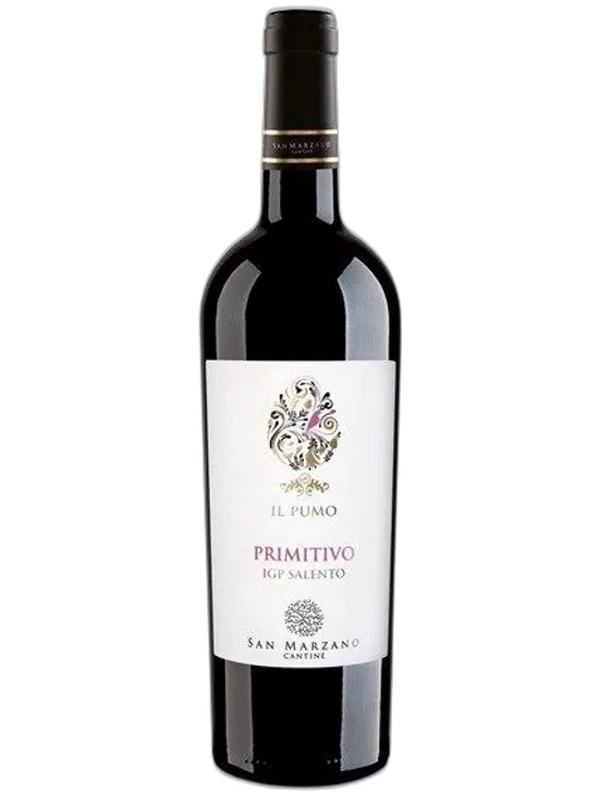
San Marzano Il Pumo Primitivo 2025
View Wine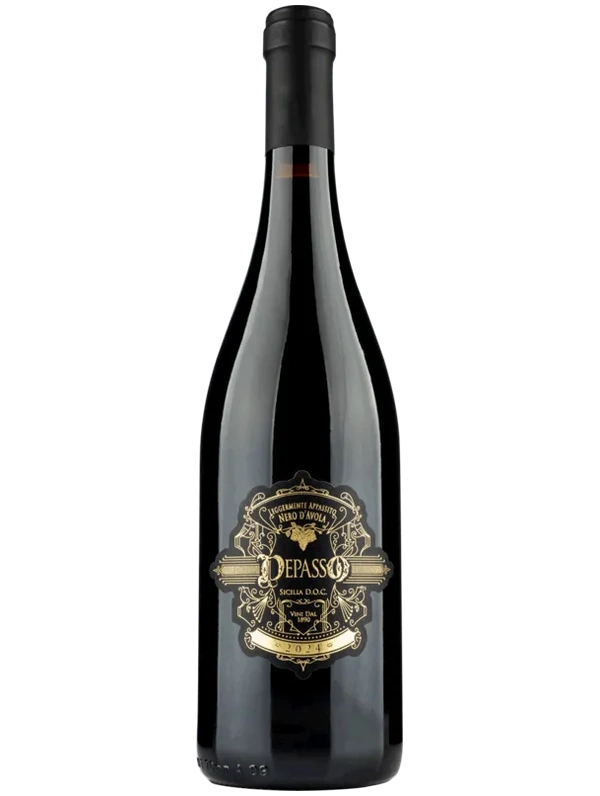
Depasso Nero d'Avola Leggermente Appassito 2024
Sicilian winemaker Fabrizio Vella blends fresh Nero d'Avola with a lightly dried passito parcel: a Terre Siciliane IGT red of bramble, black cherry and a raisin-and-liquorice richness. Full-bodied and soft at 13.6%, and rated 4.3 on Vivino.
View Wine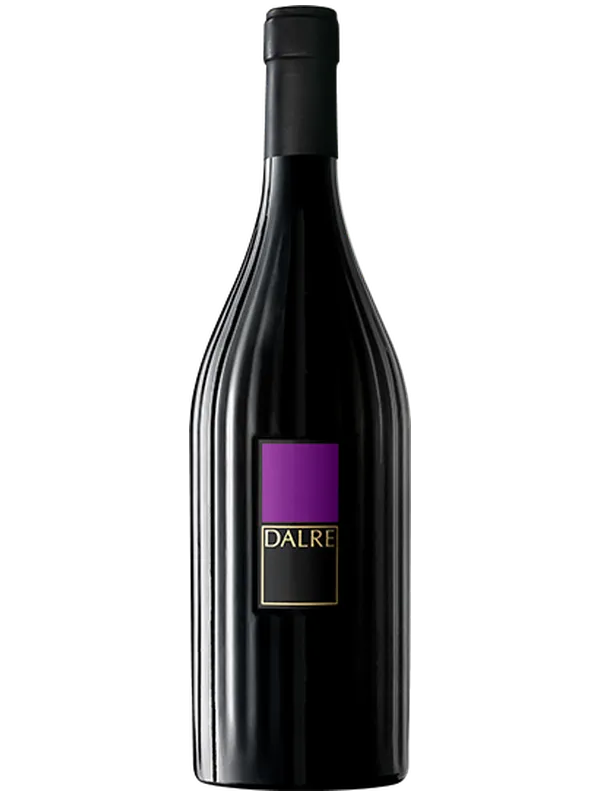
Aziende Agricole Feudi di San Gregorio Aglianico dal Re 2022
A pure Aglianico from Feudi di San Gregorio's 4-hectare Vigneto dal Re in Irpinia, aged six months in French barriques. Black cherry, liquorice and sweet spice frame unusually soft tannins: a characterful Campanian red for red meat and baked pasta.
View Wine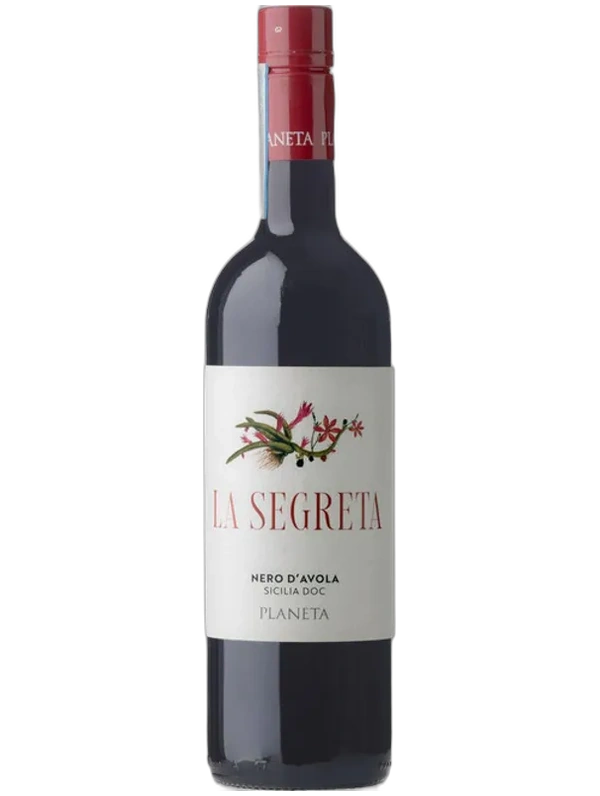
La Segreta Nero d'Avola 2024
Planeta's everyday Sicilian red, 100% Nero d'Avola from the family's organically farmed Dispensa vineyard at Menfi. Ripe plum, wild blackberry and cocoa with soft, easy tannins and a savoury, lightly spiced finish. A Sicilia DOC built for red meat, r
View Wine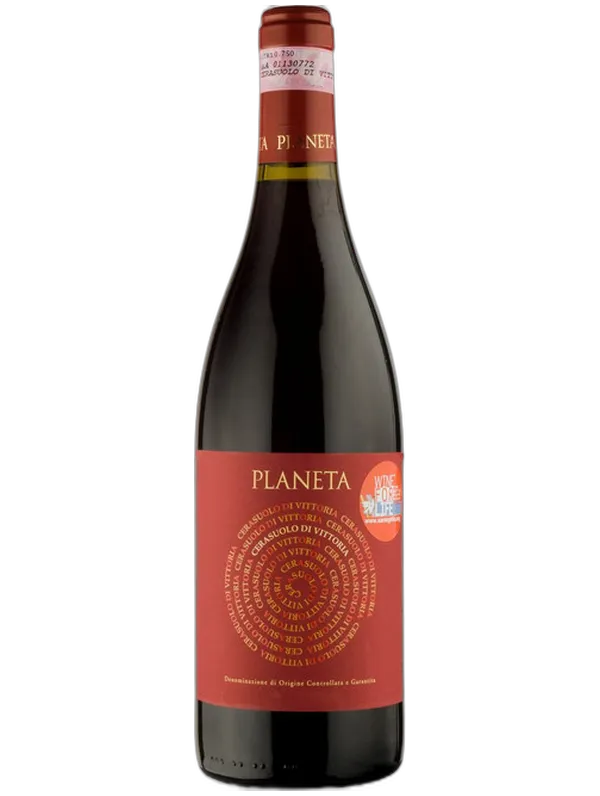
Planeta Cerasuolo di Vittoria 2024
Sicily's only DOCG: Planeta's 60/40 Nero d'Avola and Frappato from the red sands of Acate. Bright cherry, wild strawberry and pomegranate, white pepper and a fresh, lightly tannic palate. Steel-aged, organic, built to drink young.
View WineBuilding the pairing yourself
Once you stop asking what goes with pasta and start reading the sauce, the method is short enough to keep in your head.
Ask what the dominant element is. Meat means a red with weight. Seafood means a white, always, and no tannin. Cheese, egg or cream means acidity above all. Chilli means low alcohol. Tomato means the wine needs at least as much acidity as the food.
Then set the price by the dish rather than by the label. A weeknight bowl of pasta is not the occasion for a bottle you have been keeping, and most of the pairings above work better at ten to twenty pounds than at fifty, because freshness matters more than complexity when there is a plate of tomato in front of you.
For dish-by-dish suggestions across the whole repertoire, our pasta pairings section works through them one at a time. The same logic applied to a different first course is in our guide to pairing wine with risotto, where it is the stock rather than the sauce doing the talking.
Frequently asked questions
There is no single answer, because pasta itself carries almost no flavour. Choose the wine for the sauce. Meat ragu wants a red with weight and acidity such as Chianti, cheese and egg dishes want a sharp white such as Verdicchio, and anything with shellfish wants a coastal white and no tannin at all. The one constant is acidity, because most pasta sauces carry either tomato or fat, and often both.
A red with real acidity and moderate tannin. Sangiovese is the classic choice, so a Chianti or a Rosso di Montalcino both work, and Montepulciano d'Abruzzo is the softer, cheaper version of the same idea. In Emilia Romagna, where the sauce originates, the everyday pairing is a dry Lambrusco served cold, and the bubbles cut the fat better than a still red does.
A white with enough acidity to cut egg yolk, guanciale fat and pecorino. Verdicchio from Marche and Soave from Veneto are the two most reliable choices, and Pecorino, the central Italian grape rather than the cheese, has the extra body for a rich version. A dry sparkling wine also works, because bubbles plus acidity are the most efficient way to cut fat. Avoid heavily oaked whites, which add richness to a dish that has plenty already.
The sauce decides, not the pasta. Meat, tomato and baked dishes take red comfortably. Cheese, egg, cream and pesto sauces are usually better with white, because there is no meat weight for tannin to work against. Seafood pasta is the one hard rule: tannin turns metallic against shellfish, so stay with white or a dry rose regardless of how light the red looks.
Lasagne adds bechamel and a browned cheese crust on top of the ragu, so the wine needs freshness more than power. Dry Lambrusco served cold is the Emilian answer and is hard to beat, since its acidity, light grip and mousse all cut through the layered fat. For a still red, a Chianti or a Barbera keeps the acidity high without adding oak. A big, soft, heavily oaked red makes the whole plate feel heavier.
A dry white with salinity and citrus grip, and no tannin. Vermentino from Sardinia or Liguria suits spaghetti alle vongole, while Falanghina and Fiano from Campania give more texture for richer sauces. If the sauce also carries tomato, pick the highest-acid white you can find, or a dry sparkling, so the wine answers both the acidity and the shellfish at once.