







The Best Wine for Risotto Starts with the Base, Not the Rice
TL;DR
- The best wine for risotto is chosen by what flavours the base, because the rice itself is a neutral, creamy canvas.
- Match the wine to the dominant ingredient: saffron and marrow want structure, porcini want an earthy red, and seafood wants a coastal white.
- A Soave Classico suits a spring risotto, while the marrow and saffron of a Milanese need the firmer acidity of a Barbera.

Why the rice is not the pairing
Arborio, Carnaroli and Vialone Nano are chosen for how they behave, not how they taste. They give up their starch slowly, hold their shape through twenty minutes of stirring, and finish creamy without any cream at all. What none of them does is bring much flavour of its own.
That is the whole problem with looking for one wine that goes with risotto. What you are actually pairing is the stock, the fat and whatever went into the pan at the start. A saffron and marrow risotto and a squid ink risotto share a grain and almost nothing else. Pair the base and the rice looks after itself.
One thing does stay constant. Risotto is rich by construction, mounted with butter at the end and usually finished with cheese, so the wine has to bring enough acidity to cut through that richness. That single requirement quietly rules out most soft, low-acid reds before you have even settled on a colour.
| What is in the pan | What the wine needs to do | Where to look |
|---|---|---|
| Saffron and marrow, alla Milanese | Cut the butter, stand up to the marrow | Soave Classico, Lugana, Barbera |
| Porcini or truffle | Answer earth and savoury depth | Nebbiolo d'Alba, Pinot Nero |
| Seafood, prawn, squid ink | Stay bright, bring no tannin | Vermentino, Verdicchio, Soave |
| Radicchio or other bitter leaves | Meet bitterness with fruit | Barbera, a lighter Valpolicella |
| Pumpkin or squash | Carry a little sweetness and weight | Lugana, a riper Soave |
| Sausage, ragu or game | Match weight with firm structure | Barbera d'Alba, Valpolicella |
Risotto alla Milanese: saffron, marrow and the Lombard answer
Saffron is aromatic rather than heavy. It smells of honey and hay and dried orange peel, and it is easily flattened by a wine with too much oak or too much alcohol. The weight in a proper risotto alla Milanese comes from somewhere else entirely: bone marrow stirred into the soffritto, and a generous knob of butter at the finish.
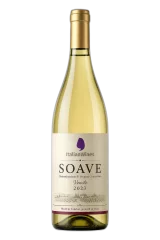
So you are matching two things at once, a delicate perfume and a real coating of fat. A structured white is the classic answer in Lombardy and just over the border in the Veneto. A Soave Classico made from Garganega has the almond bite and stony acidity to cut the butter without shouting over the saffron. Lugana, grown on the clay south of Lake Garda from Turbiana, does much the same job with a little more body.
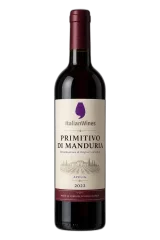
If you would rather drink red, this is one of the few risotti that genuinely takes one. Barbera is the sensible choice, because it carries high natural acidity with relatively soft tannin. That combination is exactly what marrow and butter need. Save the heavily tannic bottles for the meat course.
What to avoid is easier to state. A big oaked Chardonnay buries the saffron, and a young, firmly tannic red turns metallic against the marrow.
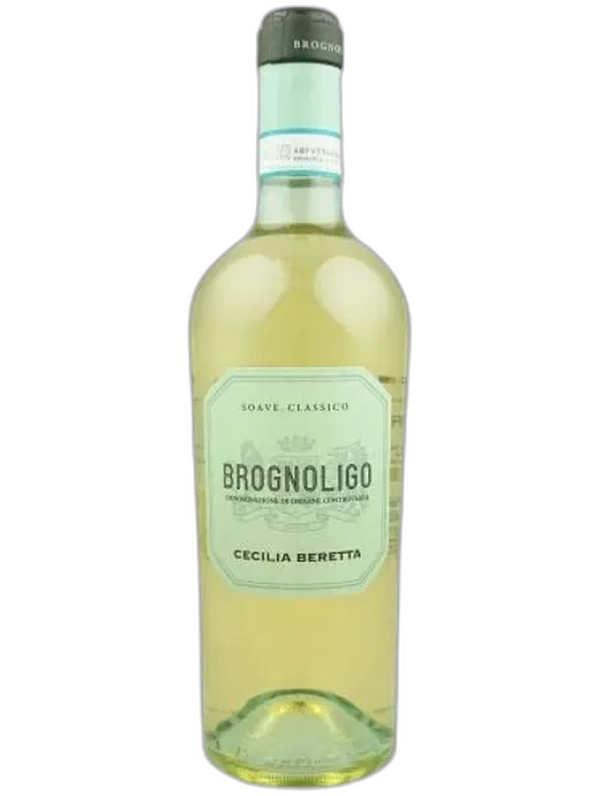
Soave Classico DOC Brognoligo Cecilia Beretta 2024
Cecilia Beretta's single-cru Soave Classico from the historic Brognoligo hill: 100% organic Garganega off 45-year-old pergola vines, late-ripened on the cane and finished with a little French oak. Chamomile, orchard fruit and a savoury almond close.
View Wine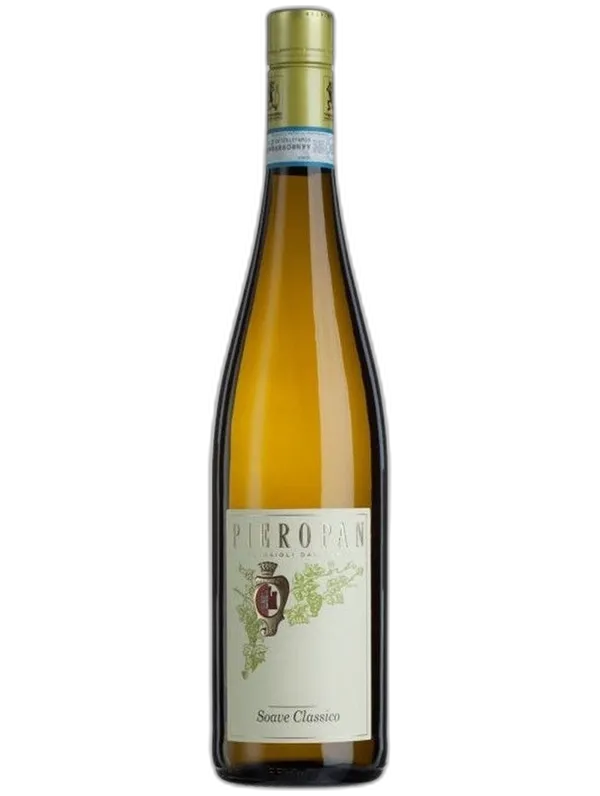
Pieropan, Soave, Classico 2025
Pieropan's Soave Classico is Veneto's Garganega benchmark: estate-grown on volcanic hills, fermented in glass-lined concrete and aged on its lees. Pear, white peach and lemon meet a saline mineral core and the trademark bitter-almond finish.
View Wine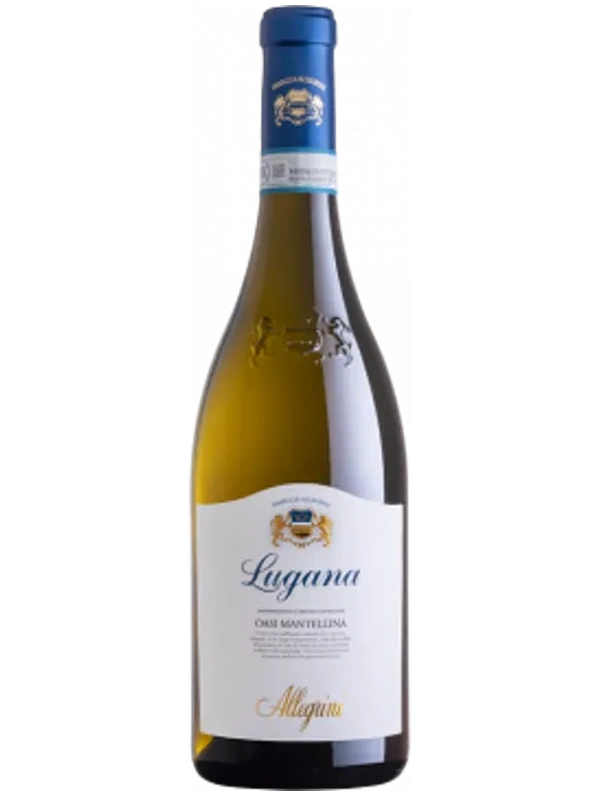
Allegrini Lugana Oasi Mantellina DOC 2025
Allegrini's Lugana from Pozzolengo on the southern shore of Lake Garda, Turbiana with a little Cortese. White peach and lemon meet a saline, mineral edge and racy acidity. Steel-aged and unoaked, it suits shellfish, seafood risotto and sushi.
View Wine
Berry Bros. & Rudd Soave Classico by Pieropan, Veneto, Italy 2025
View Wine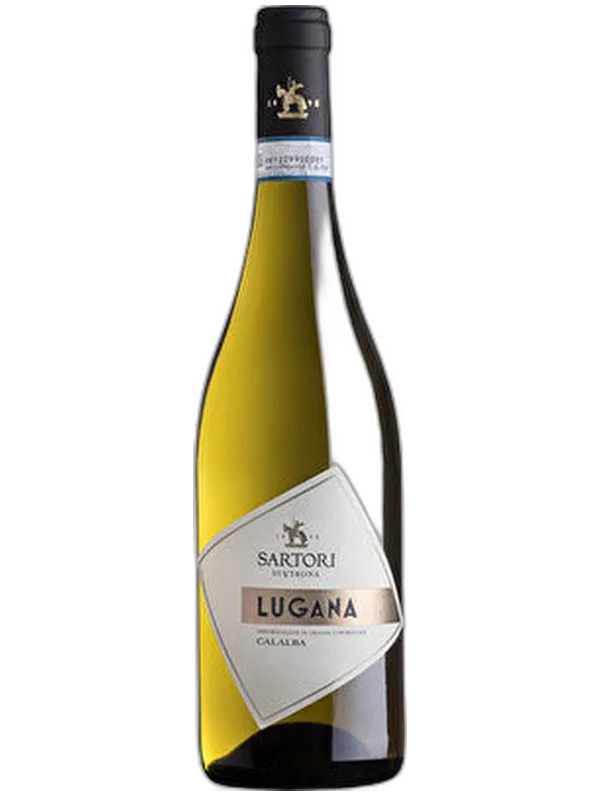
Sartori di Verona Calalba Lugana DOC , Veneto 2025
View Wine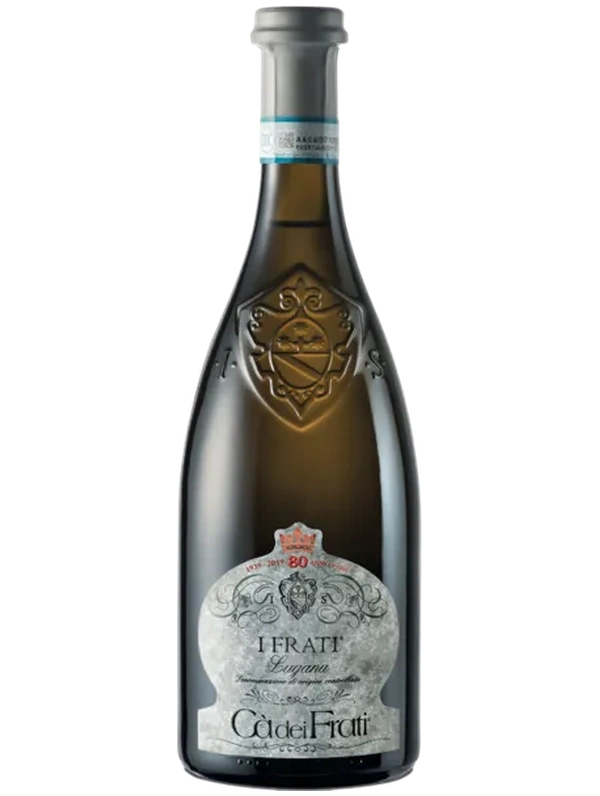
Ca dei Frati I Frati Lugana 2025
The Dal Cero family's benchmark Lugana from Sirmione: 100% Turbiana off glacial clay, six months on fine lees in steel. White flowers, apricot and lemon over lively, savoury freshness. James Suckling gave the current 2025 92 points, per xtrawine.
View Wine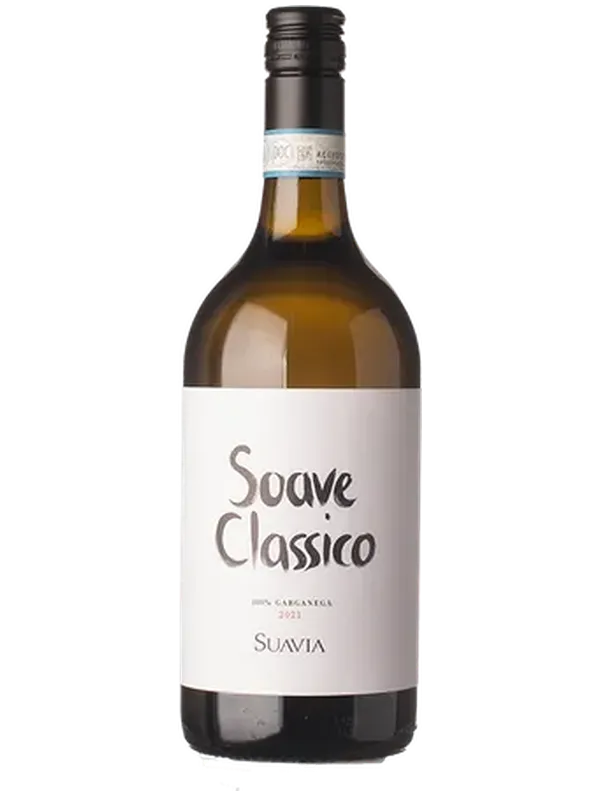
Soave Suavia Classico Garganega Sauvia 2021
View Wine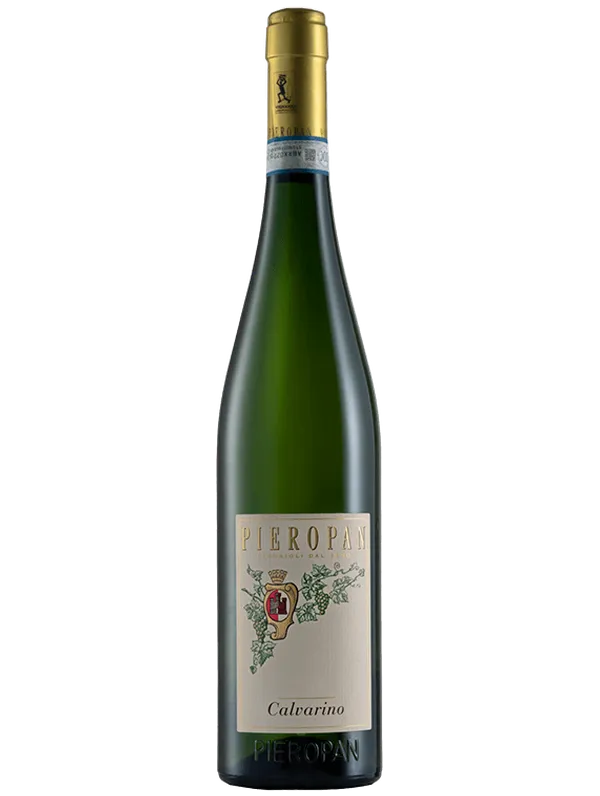
Soave Classico Calvarino Pieropan 2024
Pieropan's Calvarino proved Soave can age. Garganega and Trebbiano di Soave on basalt give a saline, almond-scented white with citrus drive and a stony finish. A benchmark single-vineyard Soave Classico, fine young and better at five years.
View WinePorcini and truffle: when risotto turns red
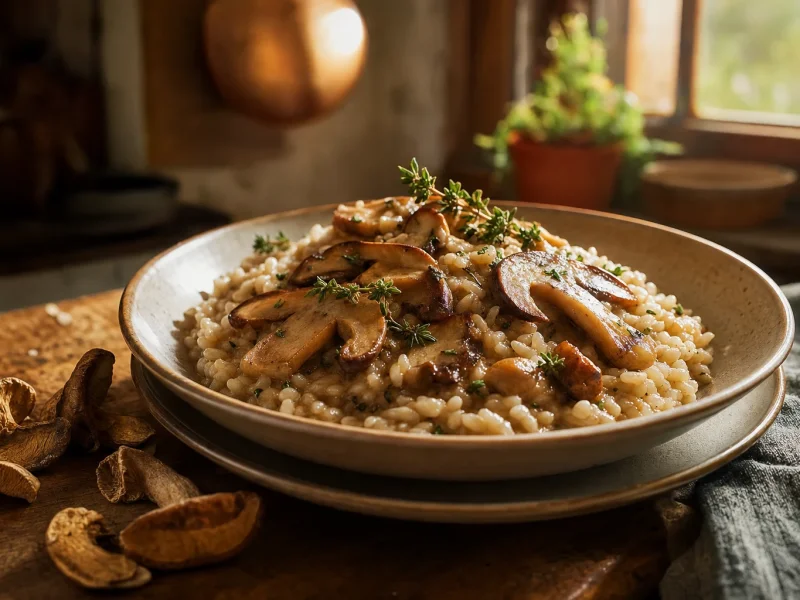
Mushrooms change the calculation completely. Porcini risotto is savoury in a way that few other rice dishes are, all forest floor and dried umami, and it is the one version where a red is not just acceptable but usually better.
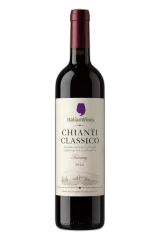
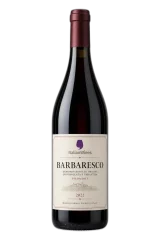
Nebbiolo is the natural partner. Its aromatics run to tar, dried rose and something faintly mushroomy of their own, and its acidity stays high enough to handle the butter. You do not need to reach for a famous bottle to get that character: Nebbiolo d'Alba and the wider Langhe bottlings give you the same varietal signature at a fraction of the price of the crus above them.
Pinot Nero from Alto Adige is the other strong answer, lighter in body and red-fruited, and it suits a risotto where the mushrooms are fresh rather than dried. Truffle risotto asks for the same thinking but even more restraint, since truffle is aromatic and fragile and will lose to anything overbearing.
The rule underneath all of this: match the earthiness, do not try to overpower it.
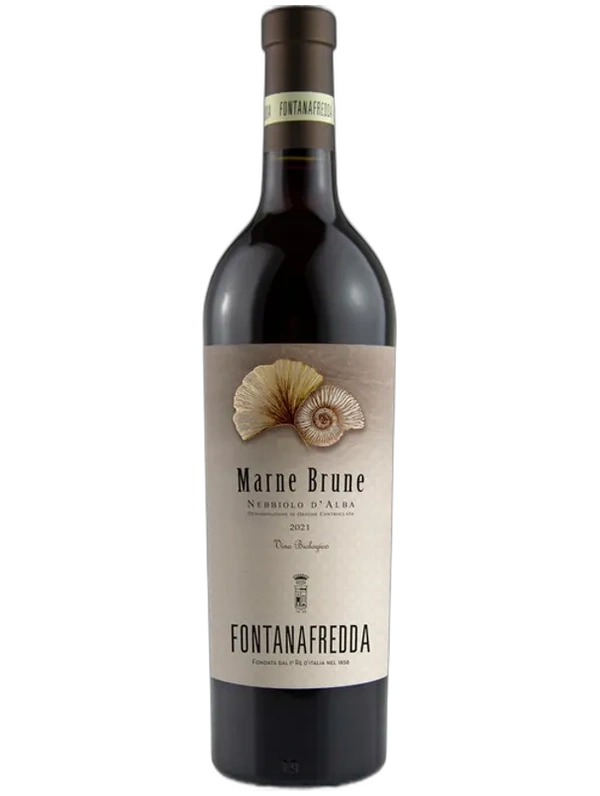
Marne Brune Nebbiolo d'Alba DOC 2024
Fontanafredda's Nebbiolo d'Alba from the brown 'Marne Brune' marls near Alba: whole-cluster fermented, aged in large Slavonian oak. Silky tannins, red cherry, dried rose and a truffly, savoury depth. A supple, food-loving Langhe red around 28 pounds.
View Wine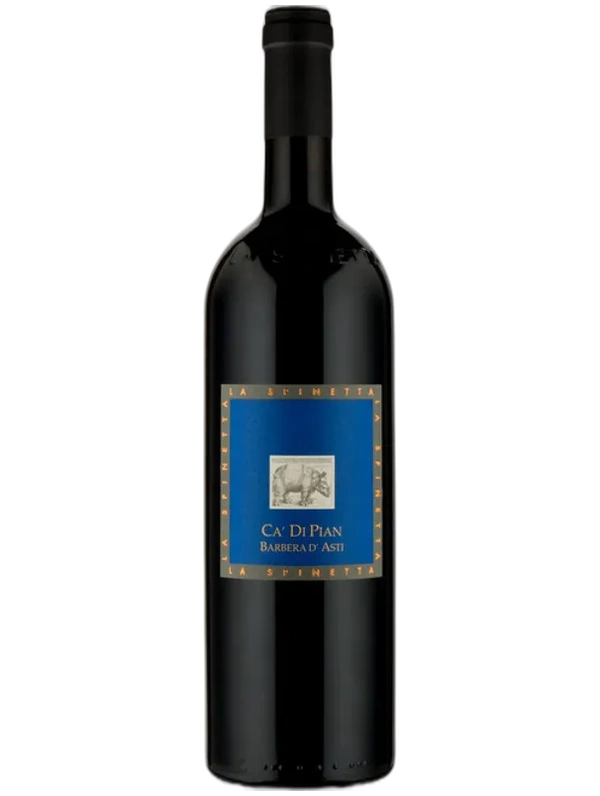
Barbera d'Asti Superiore DOCG Organic 2024
La Spinetta's organic Ca' di Pian comes from old Barbera vines near Castagnole delle Lanze: dark-fruited and supple, blackberry and cherry over gentle French-oak vanilla. Bright Piedmontese acidity suits tomato pasta, braised veal and hard cheese.
View Wine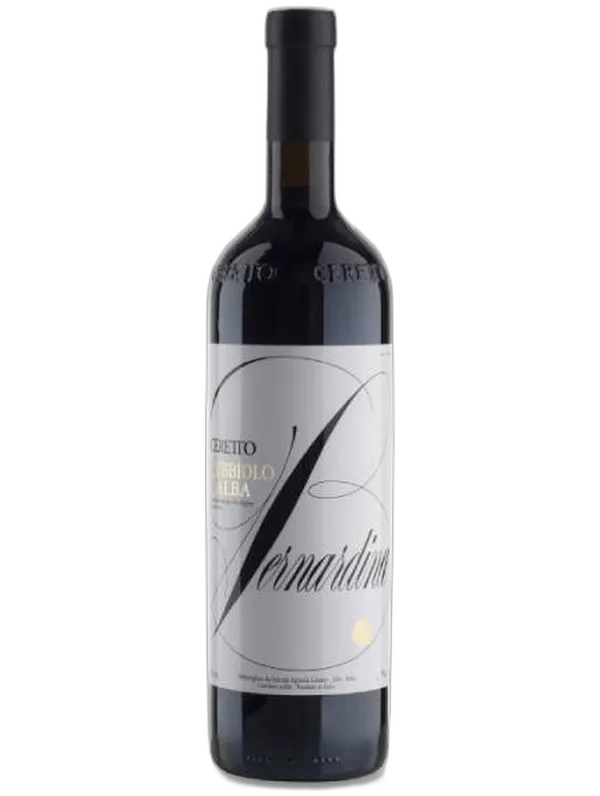
Ceretto Nebbiolo d'Alba Bernardina 2024
View Wine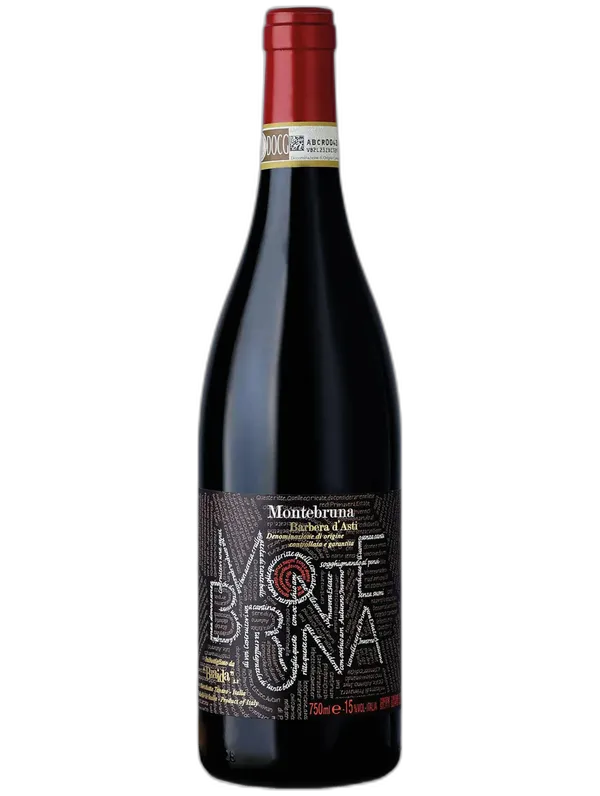
Barbera d'Asti DOCG Montebruna Braida 2022
View Wine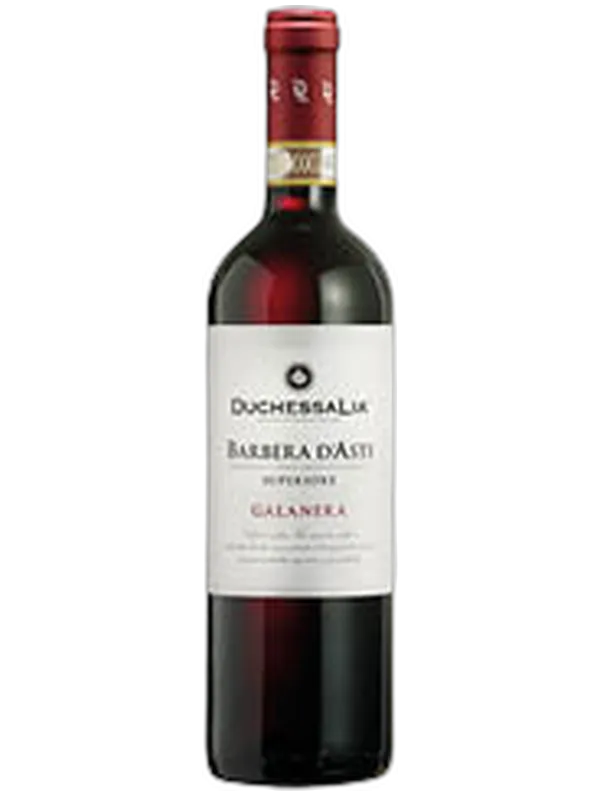
Barbera d'Asti Superiore DOCG Galanera Duchessa Lia 2022
Duchessa Lia picks its Barbera from the Asti and Monferrato hills, then ages Galanera 14 months, about half in oak. The 2022 is dark, dry and velvety, with plum, cherry and warm spice. A Sunday-roast red at under £20.
View Wine
Nebbiolo d'Alba DOC Valmaggiore Sandrone 2023
View Wine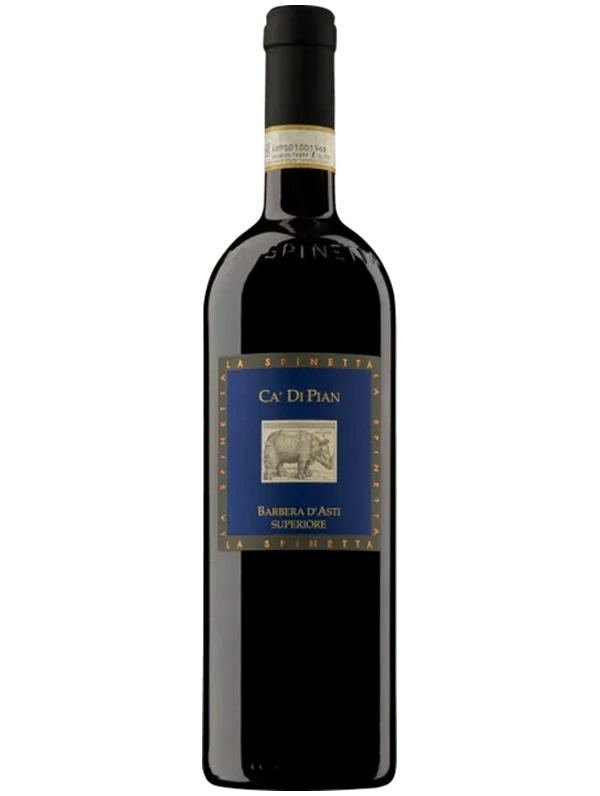
La Spinetta Barbera d'Asti Ca di Pian 2024
View Wine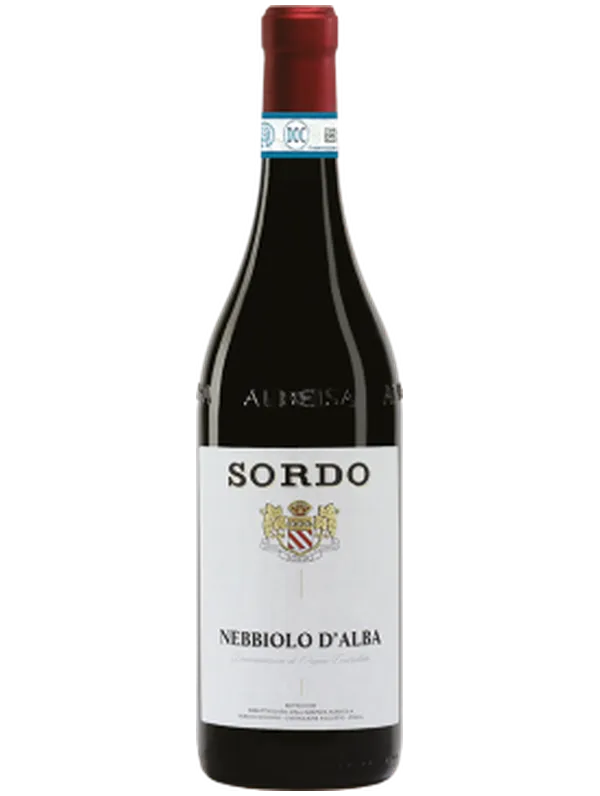
Azienda Agricola Sordo Nebbiolo d'Alba 2023
View WineSeafood risotti: coastal whites and squid ink
Seafood risotto has one hard rule, and it is about tannin. Tannin and shellfish produce a distinctly metallic taste, so this is where red wine stops being an option regardless of how light it looks in the glass.
That leaves the whites, and the coastal ones in particular. Vermentino from the Ligurian and Sardinian coasts has the salinity and the citrus grip that prawn and clam risotti want. Verdicchio does the same from the Marche, with a bitter almond finish that works well against sweet shellfish.
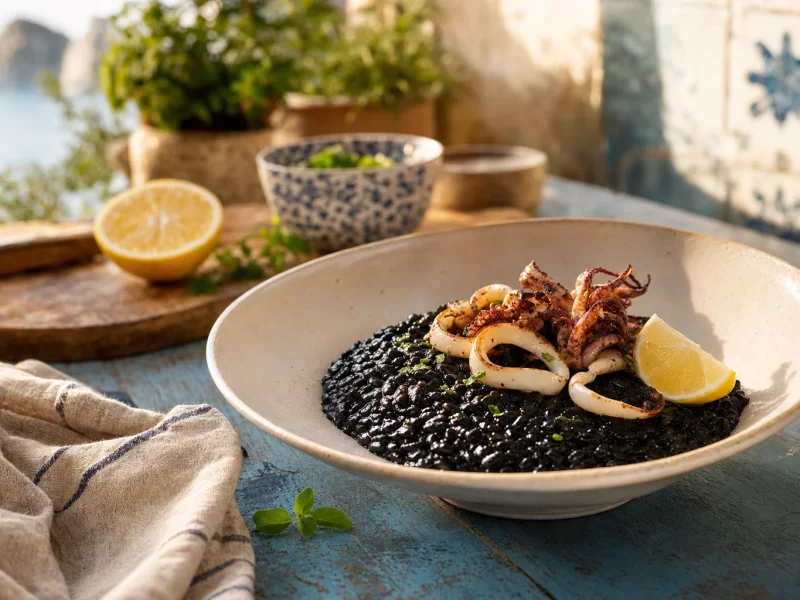
Squid ink risotto looks dramatic and tastes gentler than it looks, iodine and quiet brine rather than anything aggressive. It rewards a white with real texture, so a fuller Soave or a Vermentino with some lees weight beats a thin, neutral bottle.
A dry sparkling wine is the reliable fallback across the whole category. The bubbles and the acidity reset the palate between mouthfuls of a dish that is, after all, still butter and rice.
Vegetable risotti: radicchio, pumpkin and asparagus
Vegetables give risotto its most awkward pairings, because each one pulls in a different direction and none of them is subtle.
Radicchio risotto is bitter, and bitterness needs fruit rather than more bitterness. A Barbera or a lighter Valpolicella from Corvina answers it with red fruit while keeping the acidity high. A very tannic red would simply stack bitterness on bitterness.
Pumpkin risotto has the opposite problem. It is sweet, and a bone-dry, high-acid white can taste sour against it. A riper Soave or a Lugana with a touch of residual weight holds up much better.
Asparagus and other green vegetables are the genuinely difficult case, since asparagus flattens many wines. A high-acid white with a herbal edge is the safest route, and it is worth keeping the portion of cheese modest so the green notes are not buried.
Cooking with wine is not the same as drinking it
Almost every risotto starts with wine hitting a hot pan, and that wine is doing a different job from the one in your glass. It deglazes, it adds acidity, and most of its aromatic detail disappears within a minute or two.
That has a practical consequence. Paying for a mature, complex bottle to tip into a soffritto wastes precisely the qualities you paid for, because tertiary aromas are the first thing heat destroys. An inexpensive, sound, high-acid wine does the job better and costs a fraction as much.
The word that matters there is sound. Risotto reduces for twenty minutes or so, and faults concentrate as it does rather than cooking off. A bottle with volatile acidity or a tired, oxidised edge will taste worse in the finished dish than it does in the glass, which is why the old advice about never cooking with a wine you would not drink survives.
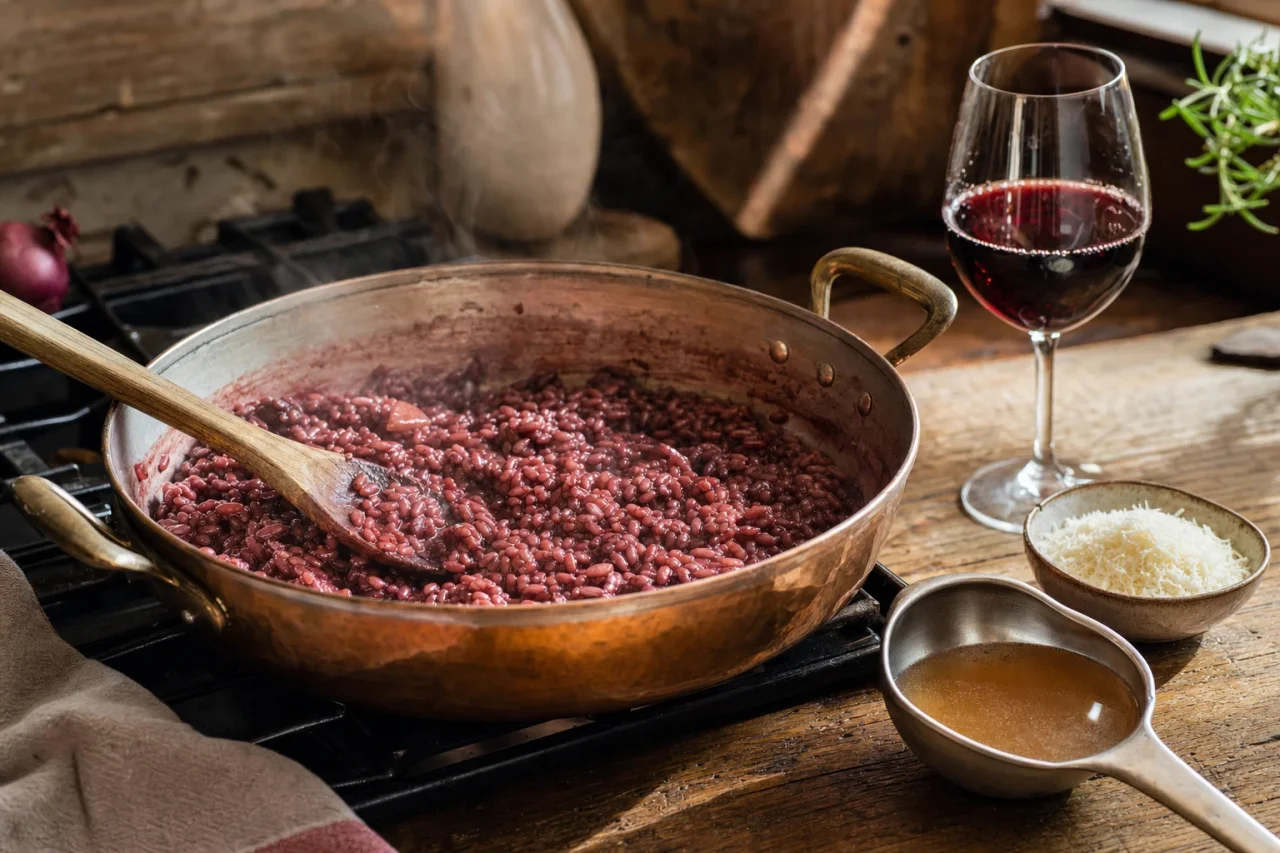
The exception is the dish where the wine is the point rather than the seasoning. Risotto al Barolo uses most of a bottle and takes its whole identity from it, so there the wine has to be genuinely good. Even then a young Nebbiolo d'Alba gives you the tar, rose and grip you are after without opening something destined for a much longer wait.
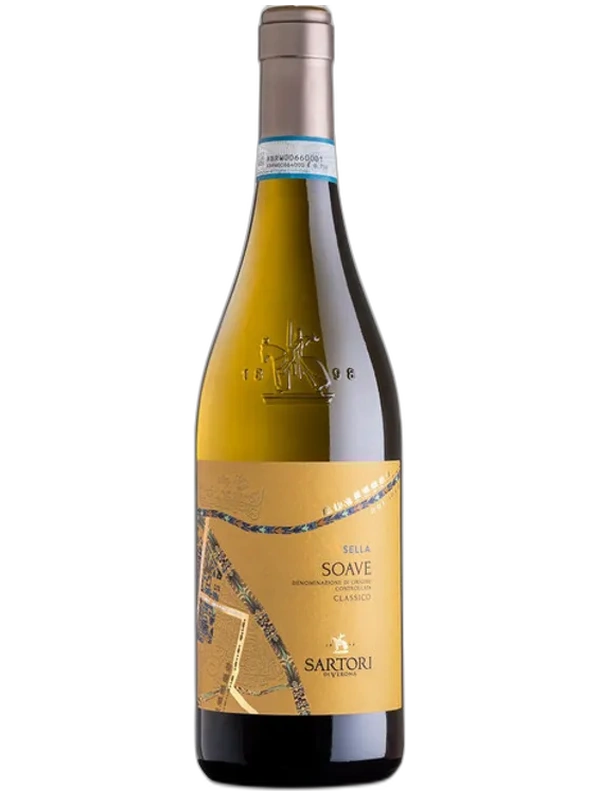
Soave Classico DOC Sella 2025
Sartori's Sella is a Soave Classico off the volcanic-basaltic hills east of Verona, 90% Garganega with Trebbiano di Soave. Steel and concrete ageing keeps it dry, mineral and saline, with pear, white peach and a bitter-almond finish at 12.5%.
View Wine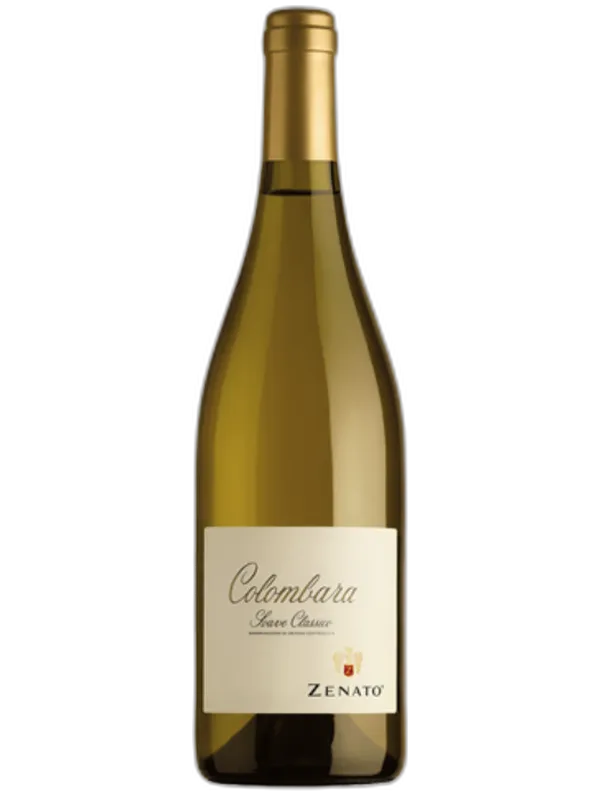
Soave Classico DOC 'Vigneto Colombara' 2025
View Wine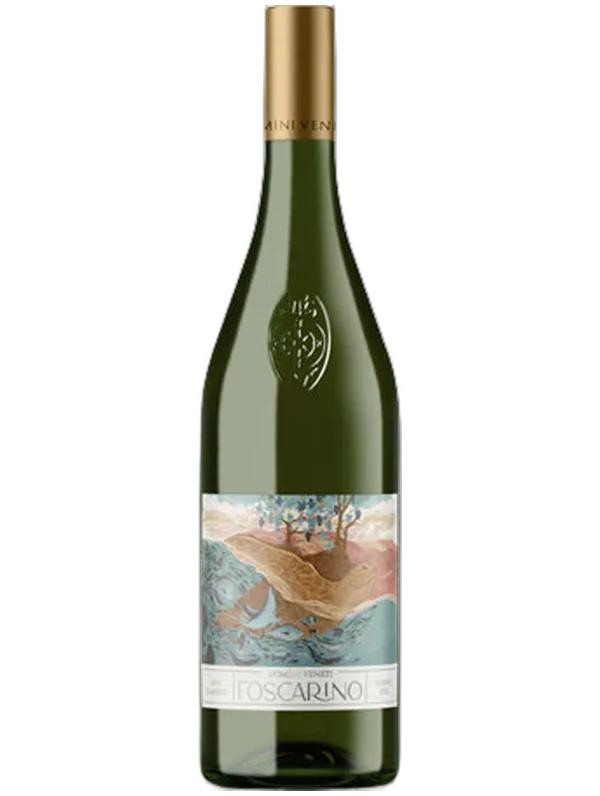
Domini Veneti ‘Foscarino’ Soave Classico DOC 2025
View Wine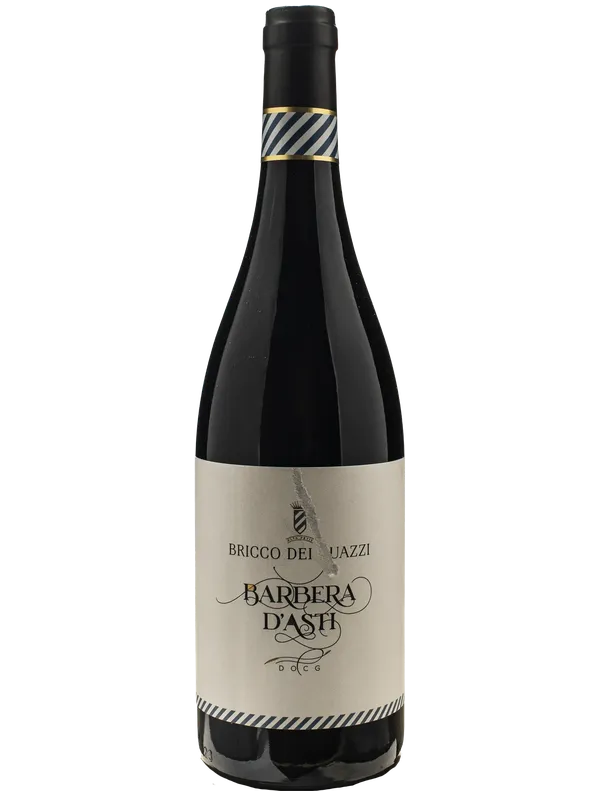
Barbera d'Asti DOCG Bricco dei Guazzi 2023
View Wine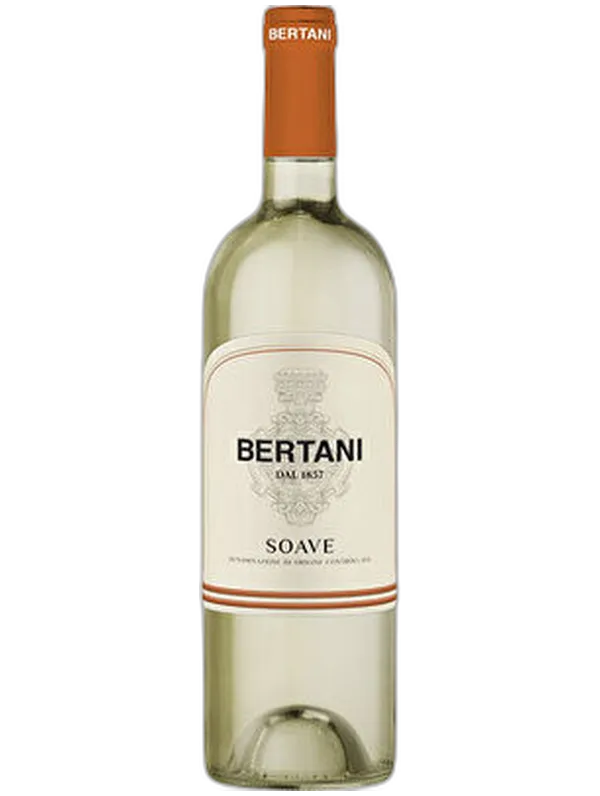
Soave 'Legacy' Bertani 2024
View Wine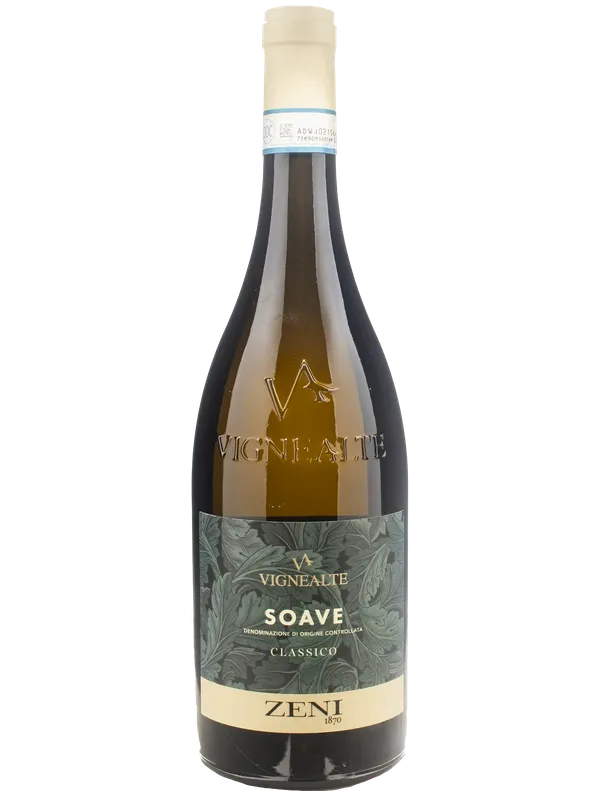
Soave Classico DOC Vigne Alte Zeni 2025
View Wine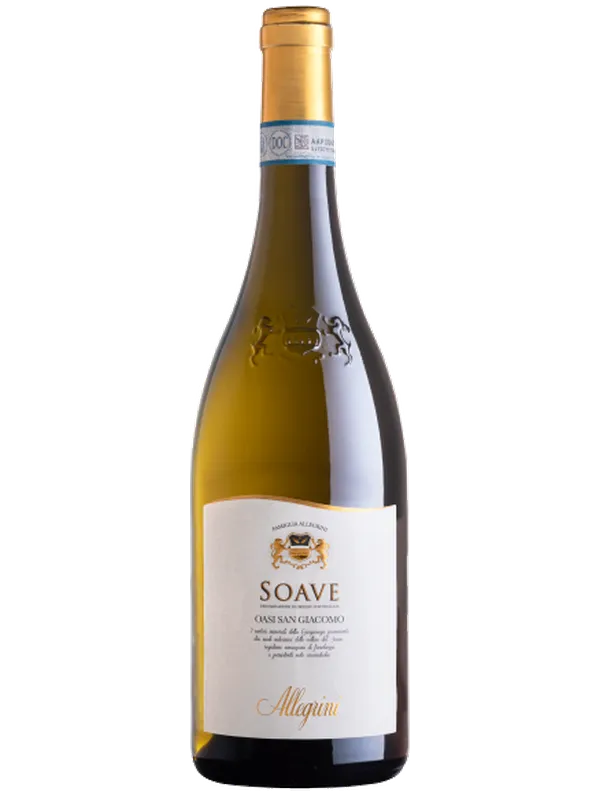
Allegrini Soave Oasi San Giacomo 2025
View WineBuilding the pairing yourself
Once you stop looking for the wine that goes with risotto and start reading the pan, the method is short enough to hold in your head.
Find the loudest ingredient first. If it is a mushroom or a piece of meat, you are probably in red territory. If it is seafood, you are in white territory and tannin is off the table. If it is a vegetable, decide whether you are answering bitterness or sweetness, because those need opposite things.
Then match the weight, and let acidity do the rest. Almost every risotto is richer than it looks, so the wine that fails is usually the one that is too soft rather than the one that is too light. If you are stuck between two bottles, take the one with the sharper edge.
For dish-by-dish suggestions across the whole Italian repertoire, our risotto pairings section goes through them one at a time. If you want the same logic applied to a different first course, the thinking behind pairing wine with pasta works identically, except that there it is the sauce rather than the stock doing the talking.
If any of that felt like shorthand, our beginner's guide to pairing food and wine sets out the three levers it rests on, intensity, acidity and tannin, from the beginning.
Frequently asked questions
There is no single answer, because the rice carries almost no flavour of its own. Choose the wine for whatever dominates the pan. Saffron and marrow suit a structured Soave Classico or a Barbera, porcini suit Nebbiolo d'Alba, and seafood needs a bright coastal white. The one constant is acidity, because every risotto is finished with butter.
Both work, and the ingredient decides. Mushroom, sausage, game and radicchio risotti all take red comfortably. Seafood risotti do not, because tannin turns metallic against shellfish, so stay with white there. For a vegetable or saffron risotto either colour can succeed, provided the wine keeps enough acidity to cut the butter and does not drown the dish in oak.
Nebbiolo is the classic match, since its tar and dried rose aromatics meet the earthiness of the mushrooms rather than fighting it. Nebbiolo d'Alba and Langhe bottlings give that character without the price of the famous crus. Pinot Nero from Alto Adige is the lighter alternative, and suits a risotto made with fresh rather than dried porcini.
An inexpensive but sound dry white with good acidity is right for most risotti, because the wine is deglazing the pan and its finer aromas vanish within a minute. Avoid anything tired or faulty: risotto reduces for around twenty minutes and faults concentrate rather than cook off. The exception is risotto al Barolo, where the wine is the dish.
It does, because you are matching two things at once. Saffron is delicate and aromatic, while bone marrow and butter bring real fat. That combination wants acidity plus a little structure, which is why Soave Classico and Lugana work so well. Among reds, Barbera suits it because it is high in acidity and relatively soft in tannin.
Yes, and it is the most reliable choice when a table is eating several different risotti. The bubbles and high acidity reset the palate against a dish that is essentially butter and starch. A dry Italian sparkling wine works across seafood, vegetable and saffron versions. It is only mushroom and meat risotti where a still red usually gives you a better match.