

Southern Italy

Molise Adriatic salt, Apennine bone

Italy's quietest wine region: Tintilia rediscovered on Apennine slopes, Montepulciano ripened by Adriatic light, and Biferno reds anchored above the Termoli coast.

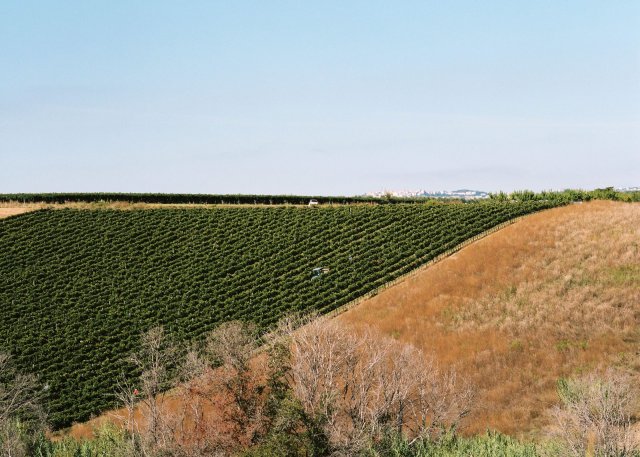
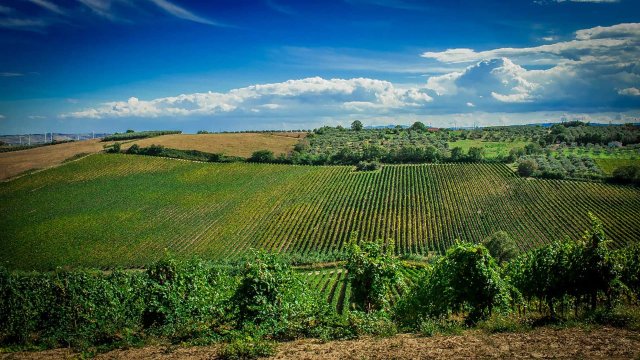
Molise is Italy's smallest mainland wine region after Aosta, a sliver of land between Abruzzo, Puglia, Campania and the Adriatic. Two provinces tell two stories. Around Termoli and the Biferno valley, sea-tempered hills ripen Montepulciano and Aglianico into the structured reds of Biferno DOC.

Inland, the Pentro di Isernia plateau climbs above 500 metres into the Mainarde foothills, where cooler nights sharpen old Tintilia vines that were nearly lost in the 1980s and rebuilt by Di Majo Norante and a handful of family producers. Volcanic gravels, limestone marls and clay from the Sannio Apennines give Tintilia, Falanghina and Trebbiano a saline edge you do not find further north.

The Strada del Tratturo follows the medieval drovers' road past Larino, Sepino and Agnone, knitting Roman ruins, transhumance pastures and small cellars into one slow circuit.

7
Wines in stock
6
Denominations
7
Heritage grapes
£11 +
Starting price
01 · Wine Areas3

Where Molise wine takes shape

The named places that explain the region's grapes, styles, and labels, plotted across the map.

01

Biferno Valley

Adriatic-facing river valley between Termoli and Larino where Montepulciano and Aglianico anchor the Biferno Rosso DOC and Falanghina ripens for the white.

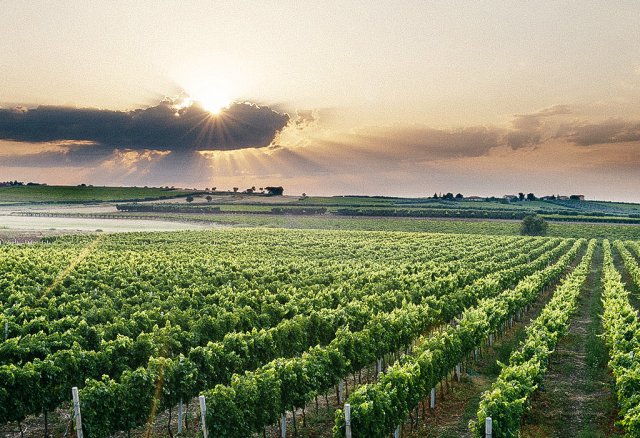
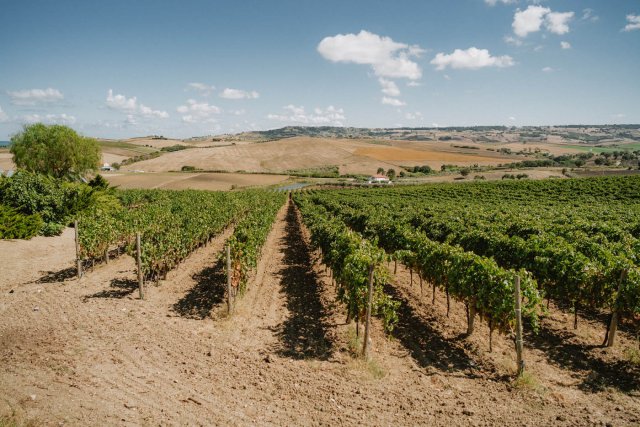
The Biferno river drops out of the Sannio Apennines and runs east through the Campobasso province to the Adriatic at Termoli. Vineyards line its lower and middle valley between 50 and 350 metres on alternating limestone marls, sandy clays and pebble river terraces. Sea breezes moderate summer heat and let Montepulciano and Aglianico hold acidity, the backbone of Biferno Rosso DOC. Falanghina, Bombino Bianco and Trebbiano cover the white side. The valley holds the bulk of regional production and most of the modern bottling estates.

02

Pentro di Isernia Plateau

High inland plateau in the Isernia province where Tintilia keeps mountain freshness and Pentro di Isernia DOC works above 400 metres on Apennine limestone.

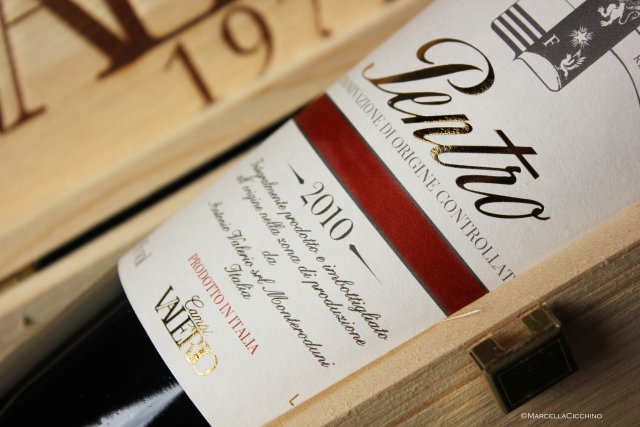
The Pentro plateau rises around Isernia, Venafro and the Mainarde foothills, the Apennine spine that separates Molise from Lazio and Abruzzo. Vineyards sit between 400 and 700 metres on limestone, marl and ancient volcanic gravels from the Roccamonfina caldera. Diurnal swings of 15 degrees in late summer keep aromatics intact in Tintilia, Falanghina and Trebbiano. Pentro di Isernia DOC covers reds (Montepulciano-Sangiovese) and whites (Trebbiano-Bombino) from the higher zone. The area is the historic refuge of Tintilia, the native red that survived the 1980s pull-out only because a few growers kept old vines on these slopes.

03

Frentania and Trigno Hills

Northern borderland with Abruzzo around Larino and the Trigno valley, mixed reds and Falanghina whites from low Apennine foothills.

The Frentania zone covers the rolling country between Larino and the Trigno river that marks the Abruzzo border, named after the ancient Frentani people. Vineyards sit between 150 and 400 metres on sandy clay and limestone marl, sharing geology with the southern Adriatic Abruzzo coast. The area produces Tintilia del Molise from cooler exposures and Biferno-style Montepulciano-Aglianico reds from warmer slopes. Falanghina del Molise IGT (under the Osco / Terre degli Osci IGT umbrella) covers the white side, often more aromatic than the Biferno valley examples thanks to higher elevation and stronger northerly winds.

02 · Regional Guide6

Understanding Molise

Layered notes on terroir, history, label rules, taste, drinking window and where to start.

03 · Wines To Know6

What to drink from Molise

A short shortlist that maps the region: benchmark reds, signature whites and the labels worth a step-up.

04 · Heritage Grapes5

The grapes behind the bottle

5 curated guides with editorial content. Pronunciations, traits and the regional footprint of each variety.

Browse all grape guides

05 · Editor's Picks7

Wines from Molise

A starter selection from the catalogue. Pour them as a regional flight.

06 · La Tavola6

The table of Molise

Mountain, pasture and coast on one plate. Pour the regional wine alongside.

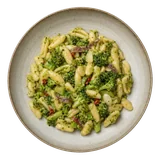
Molise eats from sheep, sea and Apennine grain. Caciocavallo di Agnone PDO melted over crusty bread asks for a Biferno Rosso DOC, the Montepulciano-Aglianico blend matching the cheese's smoky pull. Cavatelli with ventricina sausage and Larino's slow-roasted pampanella lift on Tintilia del Molise DOC, all wild herb and graphite tannin.

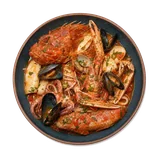
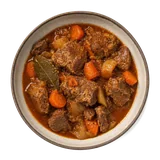
Brodetto alla termolese, the Adriatic fish stew of Termoli, drinks Falanghina del Molise IGT cold and lemony. Easter agnello cacio e ova and pizza scima pair with a young Aglianico from Pentro di Isernia. For winter offal stews, Tintilia kept three years deepens to liquorice and tobacco.

07 · On The Ground14

Explore Molise by place

Wine routes, towns and wineries to follow when you go.

Wine routes

Wine towns

Wineries to follow

08 · Common Questions9

Ask the sommelier

Quick answers about Molise. Numbers, denominations, food and what to start with.

Tintilia del Molise DOC is the regional signature, made from at least 95 percent Tintilia, the native red rescued in the 1990s. Expect blackberry, graphite, fennel and black pepper with mid-weight tannin and acidity higher than the southern norm. Riserva drinks at 6-10 years.

Six legal names: 4 DOC (Biferno, Molise, Pentro di Isernia, Tintilia del Molise) and 2 IGT (Osco / Terre degli Osci, Rotae). Molise has no DOCG. Biferno Rosso is the historical workhorse and Tintilia del Molise (granted in 2011) is the youngest and most distinctive.

The core seven are Tintilia (native red), Montepulciano, Aglianico, Sangiovese, Falanghina, Trebbiano Toscano and Bombino Bianco, plus a smaller share of Greco, Chardonnay and Cabernet Sauvignon under the Molise DOC monovarietal labels. Tintilia is the only variety with a dedicated DOC.

Molise has around 5,300 hectares of vineyard and produces around 270,000 hectolitres a year, the smallest mainland wine region after Aosta. Production splits roughly 82 percent red, 18 percent white. The two provinces are Campobasso (coast, lower Biferno) and Isernia (Pentro plateau, Mainarde).

Caciocavallo di Agnone PDO with mature Tintilia or Biferno Rosso. Cavatelli with ventricina sausage and Tintilia del Molise. Pampanella, Larino's slow-roasted chilli pork, with young Biferno Rosso. Brodetto alla termolese, the Adriatic fish stew, with chilled Falanghina del Molise IGT. Easter agnello cacio e ova with Pentro di Isernia DOC red.

Termoli is the easiest base for the Adriatic Biferno valley, with daily trains from Bologna and Bari. Isernia is the inland gateway to Pentro di Isernia and Tintilia growers. Most cellars are family-run and need a phone or email booking 24-48 hours ahead. Spring and the September-October harvest are the best windows.

We currently list 7 wines from Molise, starting from £10.57. Browse them all on our wines page.

We currently curate 5 active Molise grape guides, including Falanghina, Aglianico, Bombino Bianco, Greco, Montepulciano. This is an editorial selection, not the complete regional grape list.

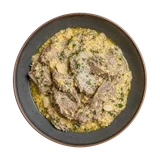
Molise is renowned for dishes including Agnello Cacio e Ova, Brodetto alla Termolese, Caciocavallo farcito, Cavatelli con broccoli.

09 · Keep Exploring

Your next pour

More of Southern Italy, with similar terroir and table.

Wine styles made in Molise

Italian Red wine

Red

Italy's boldest expression, structured, complex, built for food

5 wines 7 grapes 1 denominations From £10.57
Explore red
Italian White wine

White

Crisp and versatile, from alpine freshness to Mediterranean warmth

2 wines 7 grapes From £16.53
Explore white