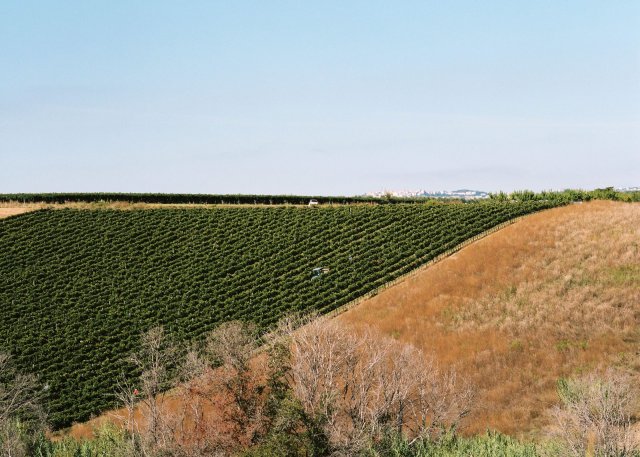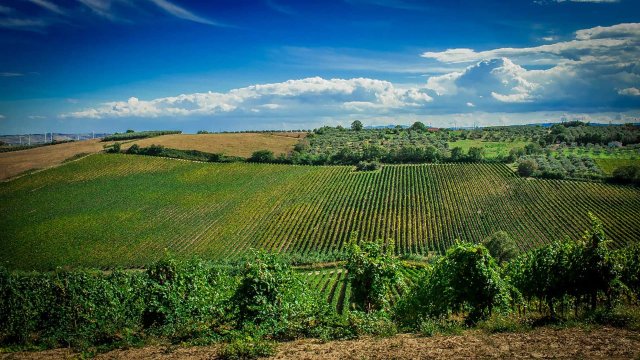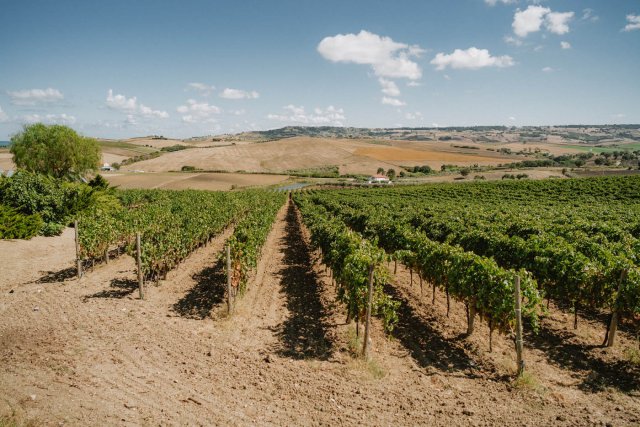

















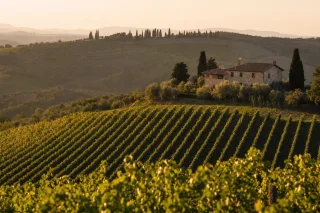
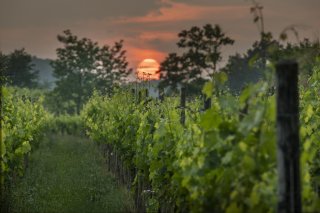

The estate sits on gentle hills that fall from the Apennine spine to the Adriatic, between the Saccione and Biferno rivers in southern Molise. Vineyards are planted at 100 to 120 metres on a clayey medium-textured soil with southern exposure, and a temperate maritime climate keeps ripening long and aromatic across both red and white varieties.
The name comes from a long-vanished hamlet. Monsignor Tria's 1736 chronicle recalls that a peasant near Campomarino discovered a panel painting of the Virgin in a ruined house called Colloredo, prompting Marchese Diego D'Avalos D'Aragona to rebuild the chapel that became the church of Madonna Grande. The octagonal plan of the old casale still sits inside the winery's logo today.
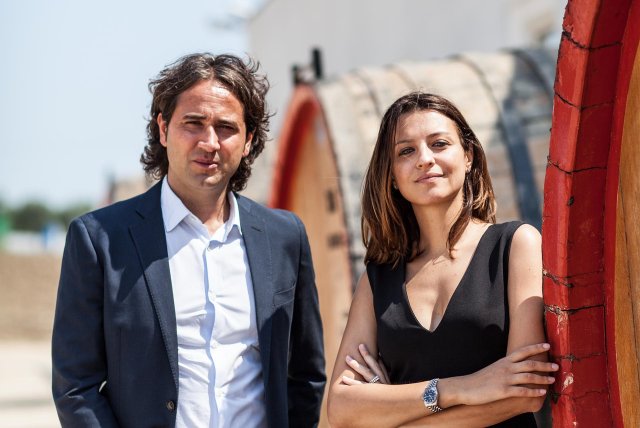
The cellar is run by Enrico and Pasquale Di Giulio, the third generation of viticulturists in the family. Enrico oversees the wines as oenologist; Pasquale, an agronomist, runs the vineyards. Their viticulture combines integrated defence with precision techniques, choosing the lower-impact option whenever the agronomy allows it.
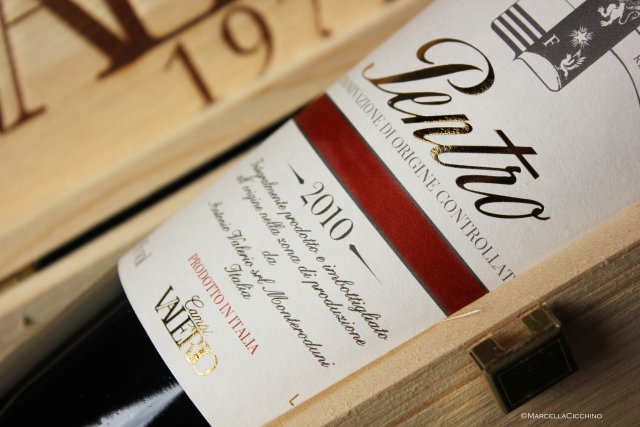
Biferno DOC is the calling card. Gironia Biferno Rosso Riserva blends 80% Montepulciano with 20% Aglianico from the oldest plots, ages for 24 months in oak barrels and barriques, and rewards a decade of cellaring; Gironia Bianco draws on Trebbiano and Falanghina; Gironia Rosato is a saignée awarded the 4T by Vitae. The Molise DOC range adds a varietal Falanghina del Molise. Under Terre degli Osci IGT the estate bottles a 100% Aglianico called Nobili Vitigni and the barrel-fermented Chardonnay called Giulia.
Recent vintages of Gironia Biferno have collected the 4T from Vitae, Bere Bene 2024 from Gambero Rosso for value, Luca Maroni's 96-point score for the 2022 Bianco, and a Grande Médaille d'or at Concours Mondial de Bruxelles. The estate also runs the Masseria Le Piane agriturismo a few minutes south, in Nuova Cliternia, where four rooms and a Mediterranean garden sit among the vineyards.