

Italian Islands

Sicily Volcanic east, sun-soaked west

Volcanic Nerello on Etna's black terraces, sun-baked Nero d'Avola on the south-east coast, fortified Marsala in Trapani and UNESCO Zibibbo on Pantelleria: Sicily holds Italy's widest single-region wine map.

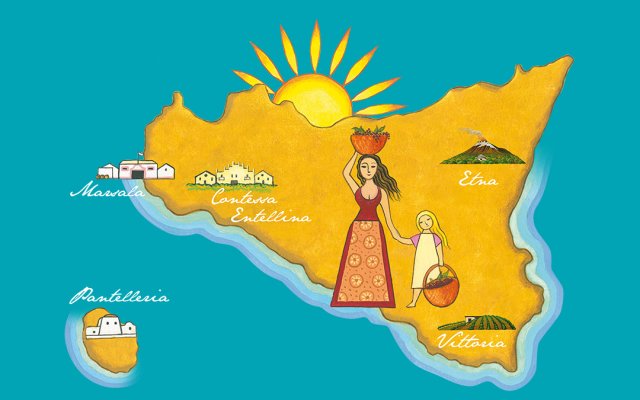
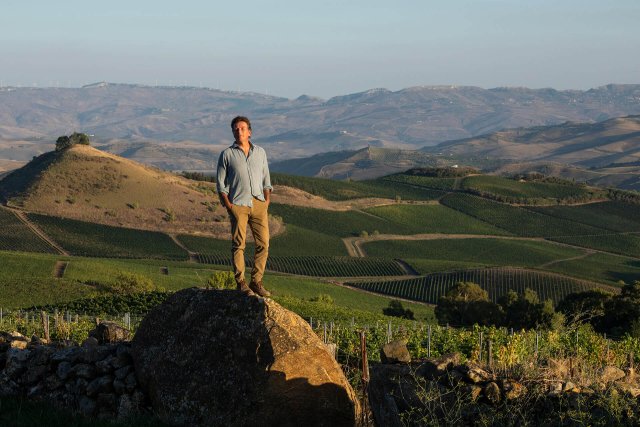
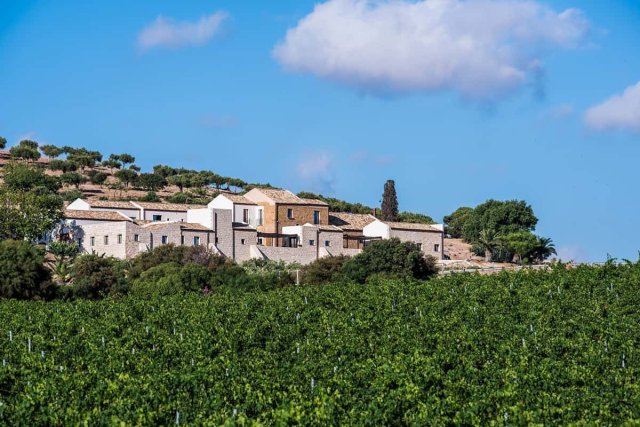
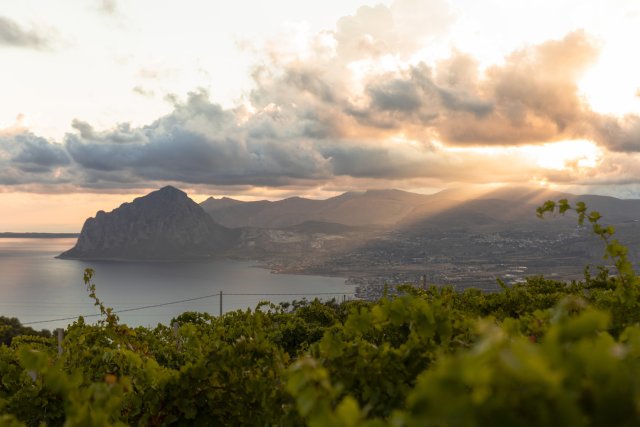
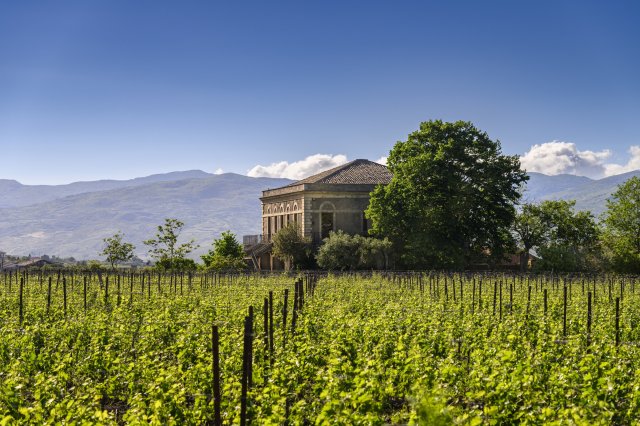
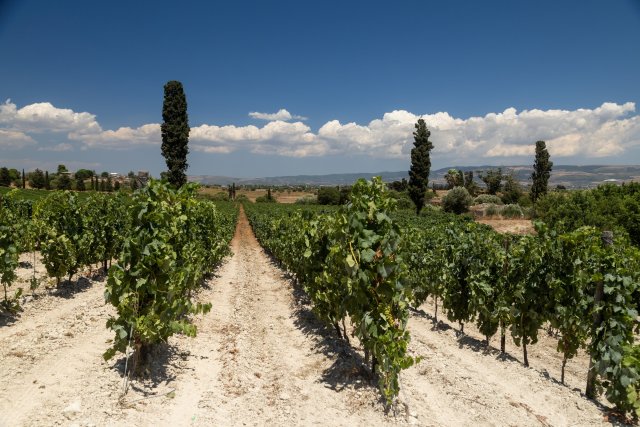
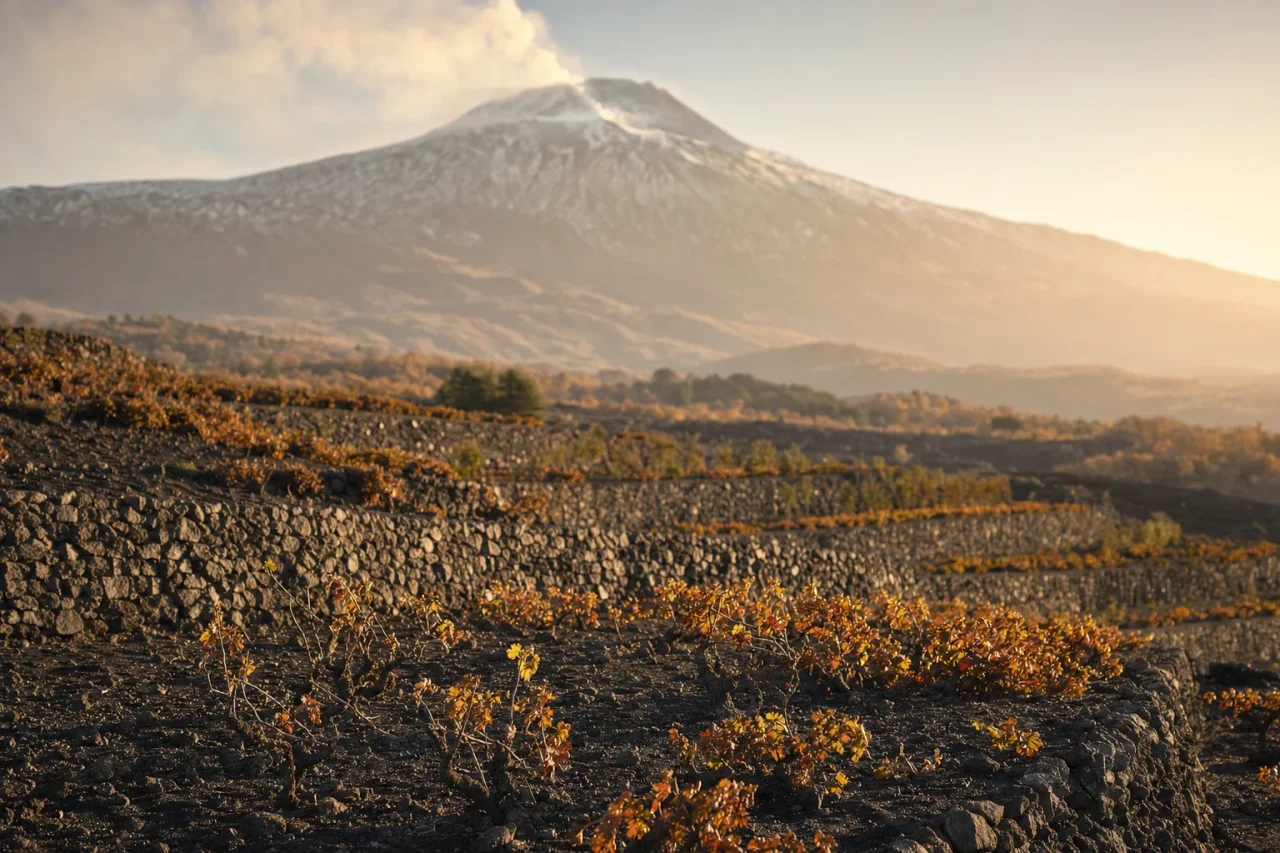
Sicily is Italy's largest wine region by area and one of its most varied by terroir. The map runs from the black volcanic terraces of Mount Etna in the east to the Iblei plateau of Vittoria, the limestone-marl plains of Trapani in the west, and the volcanic islands of Pantelleria and the Aeolians. Almost every vineyard sits within an hour of the Mediterranean.

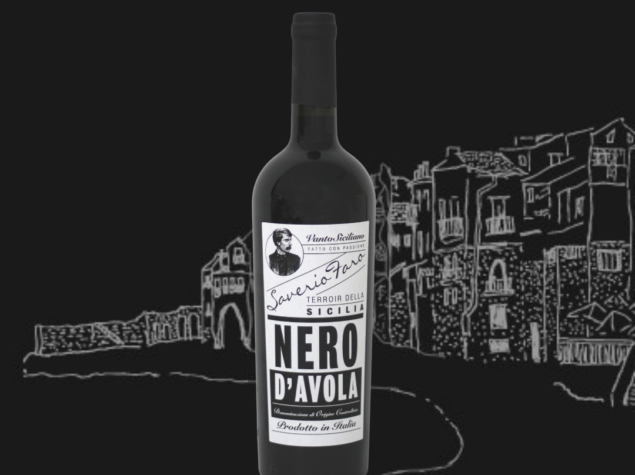
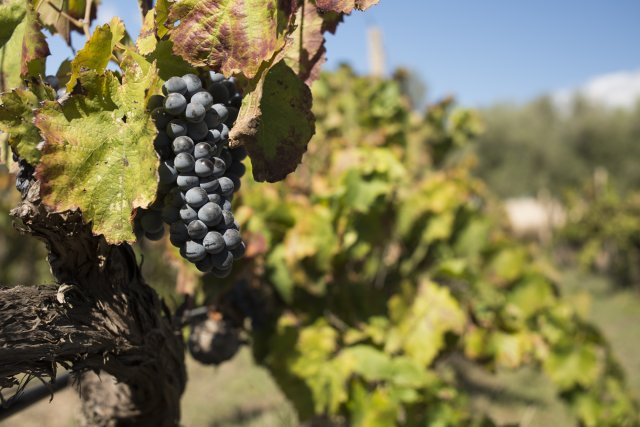
The grape map is just as wide. Nerello Mascalese builds the savoury, pale reds of Etna; Carricante carries its volcanic whites; Nero d'Avola anchors the southern coast and co-ferments with Frappato in Cerasuolo di Vittoria DOCG, the island's only DOCG. Grillo, Catarratto and Inzolia frame the western whites and Marsala fortified, while Zibibbo and Malvasia di Lipari ride the historic Pantelleria and Aeolian sweet-wine lineage.

Anchor producers include Benanti and Pietradolce on Etna, Planeta and Donnafugata across the island, COS and Arianna Occhipinti in Vittoria, and Marco De Bartoli in Marsala. The qualitative turnaround since the late 1980s has made it one of Italy's most-watched fine-wine regions.

373
Wines in stock
1
Denomination
12
Heritage grapes
£9 +
Starting price
01 · Wine Areas7

Where Sicily wine takes shape

The named places that explain the region's grapes, styles, and labels, plotted across the map.

01

Etna

Black volcanic terraces on Europe's highest active volcano, the home of Nerello Mascalese and Carricante.

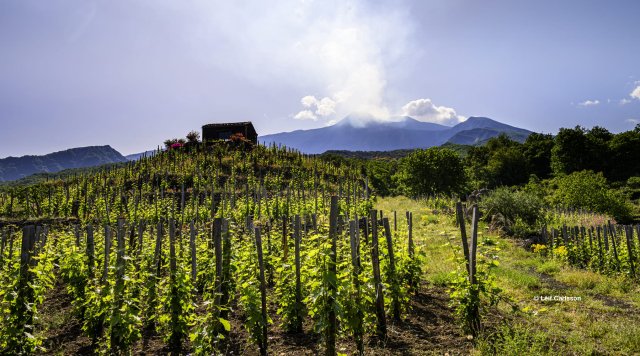
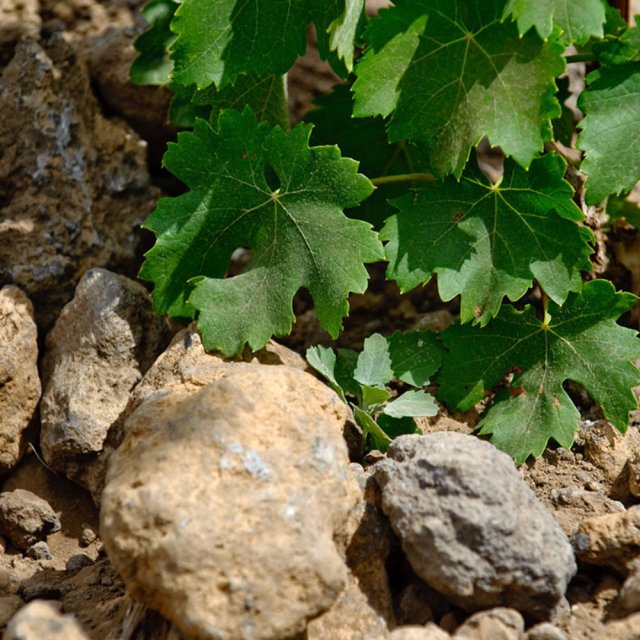
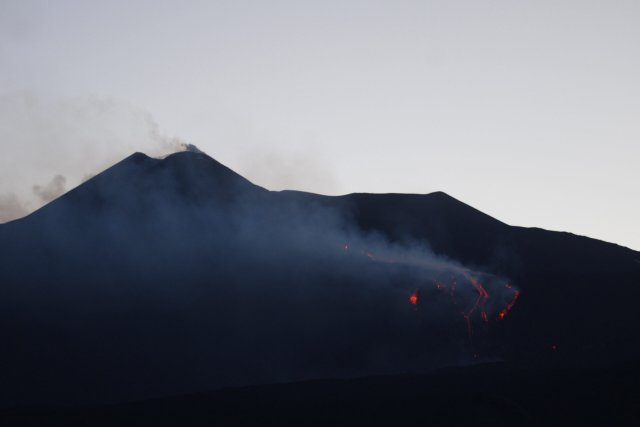
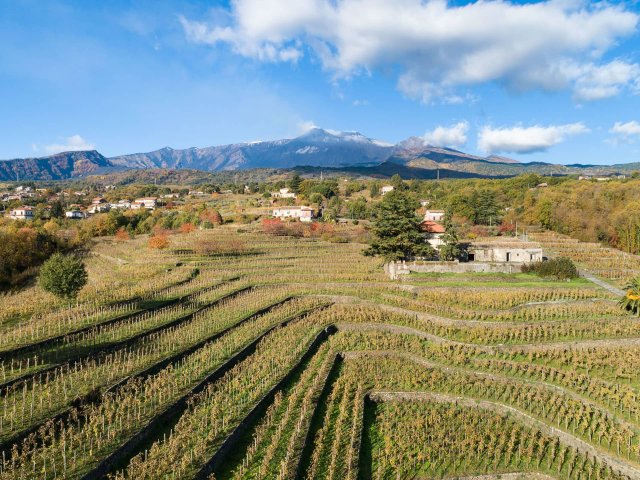
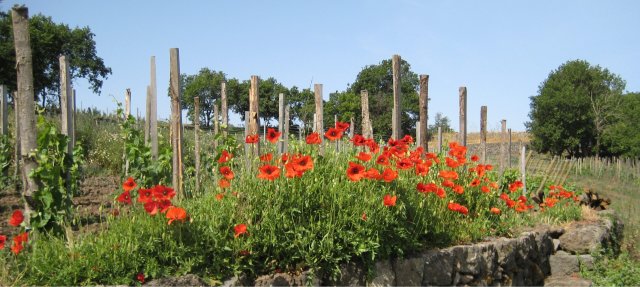
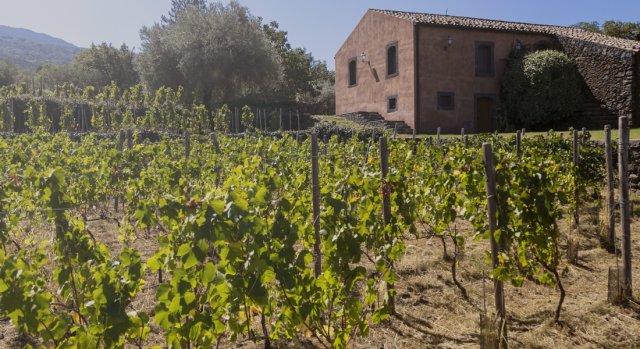
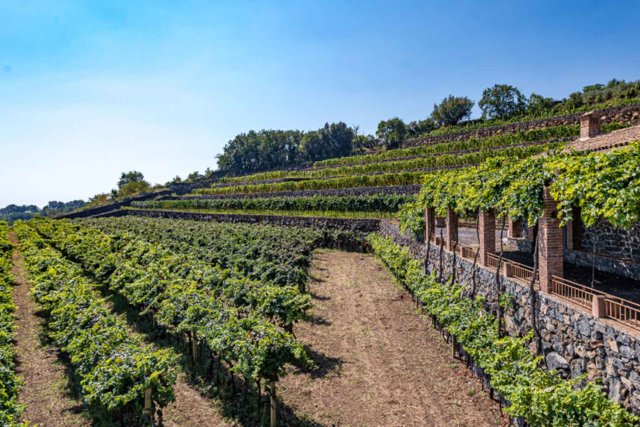
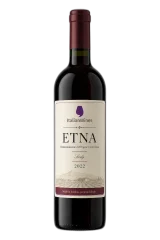
Etna's contrade run from 400 m up to nearly 1,100 m on the eastern, northern and southern flanks of the volcano. Centuries-old bush-vine Nerello Mascalese ferments into pale, savoury reds that drink closer to Pinot Noir than to a Mediterranean Nero d'Avola. The whites, led by Carricante, are taut and saline. Anchor producers include Benanti, Pietradolce, Tenuta delle Terre Nere, Passopisciaro and Palmento Costanzo.

EtnaDOC Red grapeNerello Mascalese White grapeCarricante Red grapeNerello Cappuccio
02

Vittoria and the Iblei

South-east plateau where Nero d'Avola and Frappato co-ferment into Sicily's only DOCG.

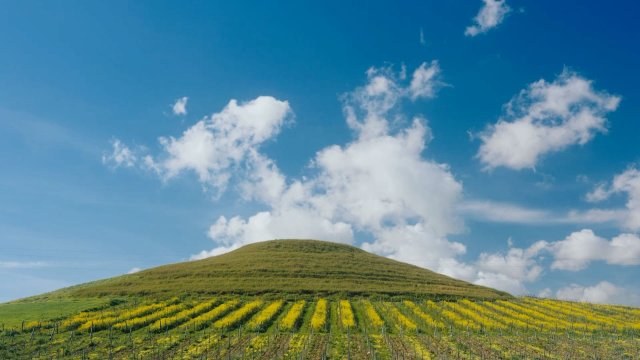
Vittoria sits between Ragusa and the Gulf of Gela, on red sand and limestone foothills of the Iblei. Cerasuolo di Vittoria DOCG, promoted in 2005, blends Nero d'Avola for body with Frappato for perfume. The result is one of Italy's most distinctive medium-weight reds. Anchor producers: Planeta, COS, Valle dell'Acate, Arianna Occhipinti, Feudo di Santa Tresa.

Cerasuolo di VittoriaDOCG VittoriaDOC Red grapeNero d'Avola Red grapeFrappato
03

Noto and Pachino

Sun-baked south-east tip, ground zero for full-bodied Nero d'Avola.

The Noto and Pachino plateaus stretch from the baroque town of Noto down to Cape Passero, the southernmost wine zone of mainland Italy. Coastal Nero d'Avola here is denser and more spice-driven than the lighter inland version. Eloro DOC and Noto DOC frame the area. Anchor producers: Feudo Maccari, Marabino, Planeta's Buonivini estate.

EloroDOC NotoDOC SiciliaDOC Red grapeNero d'Avola White grapeMoscato
04

Western Sicily and Trapani

Marsala flatlands and the white-grape heartland for Grillo, Catarratto and Inzolia.

The Trapani province produces close to half of Sicily's wine. Marsala DOC, the historic fortified style, anchors the coast at Marsala itself, while drier Grillo, Catarratto and Inzolia whites dominate the inland plain around Salemi, Mazara and Alcamo. Anchor producers: Donnafugata, Cusumano, Florio, Pellegrino, Marco De Bartoli.

AlcamoDOC MarsalaDOC Delia NivolelliDOC White grapeGrillo White grapeCatarratto Red grapeInsolia
05

Pantelleria

Volcanic island closer to Tunisia than Italy, home of the head-trained Zibibbo bush vine.

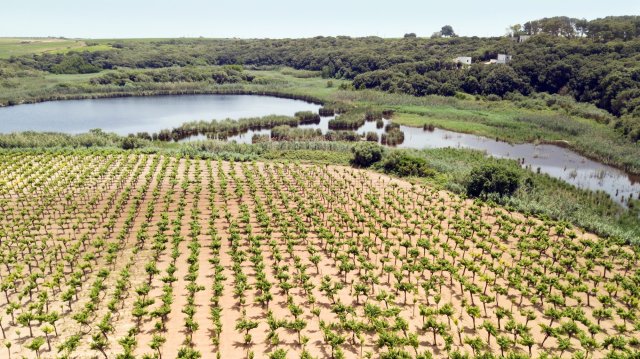
Pantelleria's alberello pantesco vines are UNESCO-listed: low, basket-shaped Zibibbo plants buried in pumice cones to shelter from the African scirocco. Passito di Pantelleria, the air-dried sweet wine, is the island's signature, alongside dry Zibibbo. Donnafugata's Ben Rye is the modern reference. The smaller Moscato di Pantelleria DOC sits alongside.

PantelleriaDOC Red grapeZibibbo
06

Aeolian Islands and Lipari

Volcanic archipelago off Messina, the home of air-dried Malvasia delle Lipari.

The Aeolian islands of Salina, Lipari and Vulcano produce Malvasia delle Lipari DOC, a sweet passito made from sun-dried Malvasia grapes that ranges from amber dolce to drier styles. Hauner on Salina and Carlo Hauner's Antonella Hauner cellar are the reference producers. The Salina IGT covers the wider island whites.

Malvasia delle LipariDOC SalinaIGT Red grapeMalvasia
07

Faro and the Messina Strait

Tiny coastal DOC on the Messina hills, a saline counterpoint to Etna's Nerello reds.

Faro DOC sits on schist and clay slopes north of Messina, looking across the strait to Calabria. The blend is Nerello Mascalese, Nerello Cappuccio and Nocera, producing structured, sea-air reds that nearly disappeared in the late 1900s. Bonavita, Le Casematte and Palari led the late 1990s revival. Mamertino di Milazzo DOC sits to the west.

FaroDOC Mamertino di Milazzo/MamertinoDOC Red grapeNerello Mascalese Red grapeNerello Cappuccio
02 · Regional Guide6

Understanding Sicily

Layered notes on terroir, history, label rules, taste, drinking window and where to start.

03 · Wines To Know6

What to drink from Sicily

A short shortlist that maps the region: benchmark reds, signature whites and the labels worth a step-up.

04 · Heritage Grapes9

The grapes behind the bottle

9 curated guides with editorial content. Pronunciations, traits and the regional footprint of each variety.

Browse all grape guides

05 · Editor's Picks373

Wines from Sicily

A starter selection from the catalogue. Pour them as a regional flight.

View all 373 wines

06 · La Tavola6

The table of Sicily

Mountain, pasture and coast on one plate. Pour the regional wine alongside.

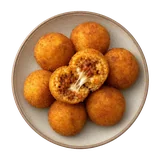
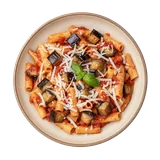
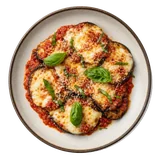
Sicilian food and wine were built on the island's three larders. From the sea, sardines a beccafico, swordfish involtini, sea-urchin pasta and red prawns from Mazara pair with cool Etna Bianco from Carricante or a saline Grillo from Marsala. From the land, pasta alla Norma, Trapanese pesto and arancini call for the perfumed, lifted reds of Cerasuolo di Vittoria DOCG and the lighter contrade of Etna Rosso. Slow-cooked dishes like ragu di maiale, caponata and capretto al forno reach for full-bodied Nero d'Avola from Noto or Pachino. Sweet finishes (cassata, cannoli, granita di mandorle) close the meal alongside Passito di Pantelleria, Malvasia delle Lipari or a dry Marsala Vergine. The island still pours its own wine first.

07 · On The Ground16

Explore Sicily by place

Wine routes, towns and wineries to follow when you go.

Wine routes

Wine towns

Wineries to follow

08 · Common Questions9

Ask the sommelier

Quick answers about Sicily. Numbers, denominations, food and what to start with.

Etna Rosso (Nerello Mascalese) and Etna Bianco (Carricante) anchor the volcanic east. Cerasuolo di Vittoria DOCG, a Nero d'Avola plus Frappato co-fermentation, is the only DOCG. Marsala fortifies the west, while Passito di Pantelleria and Malvasia delle Lipari define the sweet wine lineage. Varietal Nero d'Avola from the Sicilia DOC is the most-exported style.

Etna sits on Europe's highest active volcano. Vines climb to nearly 1,100 m on black basalt, ash and pumice soils, with century-old bush vines surviving on terraces that escaped phylloxera. The combination of altitude, volcanic minerality and Nerello Mascalese gives pale, fragrant reds closer to Pinot Noir than to a southern Italian red, while Carricante delivers Italy's tautest mineral-driven white.

Cerasuolo di Vittoria is Sicily's only DOCG, promoted in 2005. It is a co-fermentation of 50 to 70% Nero d'Avola with 30 to 50% Frappato, grown around Vittoria, Acate and Comiso on red sand and limestone in the south-east. The wine is medium-bodied, perfumed and orange-cherry-bright. The Classico subzone covers the historic core.

The core natives are Nero d'Avola, Nerello Mascalese, Frappato, Nerello Cappuccio and Perricone among the reds, and Carricante, Grillo, Catarratto, Inzolia, Grecanico, Zibibbo (Muscat of Alexandria) and Malvasia di Lipari among the whites. Nero d'Avola is the most planted red; Catarratto and Grillo dominate the white vineyard.

Marsala is the historic fortified wine of western Sicily, stabilised by John Woodhouse in 1773. It is built on the white grapes Grillo, Catarratto and Inzolia (with a red blend used for Rubino). Modern dry Vergine and Vergine Riserva spend at least five and ten years in oak respectively. Marco De Bartoli, Florio and Pellegrino keep the historic style alive.

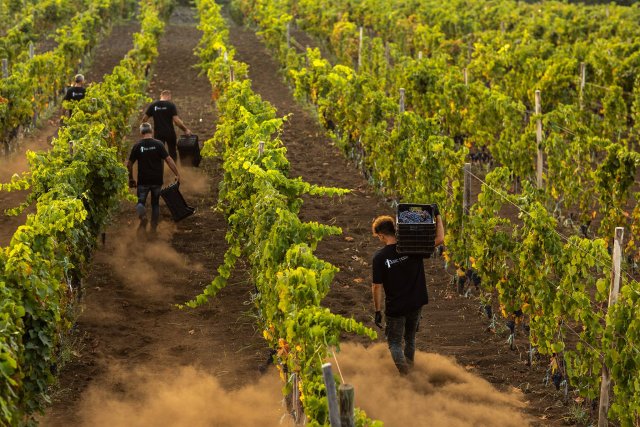
Late April through June and mid-September through October are the best windows. Etna harvest runs from late September into October, later than the rest of the island thanks to altitude. Many western estates close from mid-July to mid-August, when the heat is most intense. Most cellars require booking, especially on Pantelleria and the Aeolian islands.

We currently list 373 wines from Sicily, starting from £8.86. Browse them all on our wines page.

We currently curate 9 active Sicily grape guides, including Carricante, Grillo, Nerello Mascalese, Nero d'Avola, Catarratto, and more. This is an editorial selection, not the complete regional grape list.

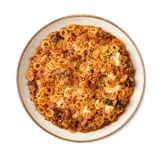
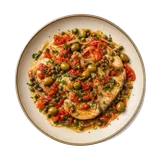
Sicily is renowned for dishes including Anelletti al forno, Arancini, Pasta alla Norma, Pesce spada alla Siciliana.

09 · Keep Exploring

Your next pour

More of Italian Islands, with similar terroir and table.

Wine styles made in Sicily

Italian Red wine

Red

Italy's boldest expression, structured, complex, built for food

178 wines 15 grapes 4 denominations From £9.52
Explore red
Italian White wine

White

Crisp and versatile, from alpine freshness to Mediterranean warmth

163 wines 15 grapes 2 denominations From £8.86
Explore white