Red Grape · Emilia Romagna

Lambrusco

Lambrusco is the dry sparkling red of Modena and Reggio Emilia: a chilled, foaming, savoury wine built to cut through Parmigiano, prosciutto and rich pork, and a world away from the sweet cheap fizz that flooded export shelves in the 1970s.

Lambrusco (Lahm-BROO-sko) is a family of grapes that produces fun sparkling wines, both sweet and dry, that are among the most popular in the world. Its production is mostly concentrated in Emilia Romagna, particularly in the area between Parma, Modena and Reggio Emilia, and in Lombardia, specifically in the province of Mantua.

2
Bottles live now
2
UK retailers
3
Denominations

Setting it straight

More than meets the eye

vs
The reality

Secco: Emilia's dinner wine

  • It is the everyday red of Modena and Reggio Emilia, made bone-dry (secco) and drunk cold with dinner.
  • A gentle frizzante fizz and fresh acidity scour the fat and salt from Parmigiano, prosciutto and pork.
  • From a serious producer it is savoury and dark-berried, a proper food wine rather than a soft drink.
The myth

The sweet export flood

  • The Lambrusco that flooded UK and US shelves in the 1970s and 1980s was sweet, industrial and sold on price.
  • Semi-sparkling and sugary, it buried the grape's savoury bite under sweetness (the 'Riunite on ice' era).
  • That export boom left a great food wine saddled with a cheap reputation it is still living down.

The anchor fact: Real Lambrusco is a dry, savoury, fizzy red, not the sweet cheap wine that made its name abroad.

Taste · Where it sits

What it’s actually like in the glass

Forget scores out of five. Here’s Lambrusco described against grapes you already know.

BodyLight
LightFull

Light and easy: a fizzy red you can pour cold by the tumbler, not a heavy wine to brood over.

TanninLow
SilkyGrippy

Soft and low overall; featherlight in Sorbara, with Grasparossa carrying a little more grip and a foamy, faintly bitter edge.

AcidityFresh
SoftRacy

Brisk and mouth-watering, sharpest in pale Sorbara; together with the fizz, it is what lets the wine slice through fat and salt.

Fruit & sweetnessFruity
Bone drySweet

Generous cherry and raspberry fruit even when the wine is dry; the best is bone-dry secco, but the family runs on through off-dry amabile to sweet dolce.

Key flavours

Raspberry
Bright raspberry and redcurrant, the tell-tale note of pale, high-acid Sorbara.
Cherry
Dark morello cherry is the fruit at Lambrusco's core, deepest in structured Grasparossa and Salamino.
Rose petal
A floral lift of rose and violet, most obvious in the pale, delicate Sorbara.
Black pepper
A dry, peppery snap, strongest in Grasparossa, that keeps the ripe fruit tasting savoury rather than sweet.
Structured · Tannic Soft · Approachable Light-bodied Bold · Full Sangiovese Nebbiolo Merlot Cabernet Sauvignon Primitivo Barbera
Lambrusco

The map

Lambrusco is light to medium, soft tannin, mapped against other red grapes you can buy. The closer a grape sits, the more its weight and grip resemble Lambrusco.

Lambruscolight to medium, soft tannin
Sangiovesemuch fuller, far more tannic
Nebbiolomuch fuller, far more tannic
Merlotmuch fuller, far more tannic
Cabernet Sauvignonmuch fuller, far more tannic
Primitivomuch fuller, firmer
Barberamuch fuller, softer

Is this for you?

An honest gut-check

Reach for it when…

A bold red that just works

  • You need one red that can stand up to a whole Emilian antipasto of prosciutto di Parma, mortadella and gnocco fritto.
  • You want a chill-served, low-alcohol, dry fizz that refreshes the palate between rich mouthfuls instead of weighing it down.
  • You want to taste what real dry Lambrusco is, a savoury sparkling red, and put the sweet export version behind you.

Maybe skip it if…

You’re after something else tonight

  • You are after a still, structured, tannic red to sip slowly; the appeal here is fizz and fresh fruit, not bottle age.
  • Bubbles in red wine, and a faintly frothy purple mousse, are simply not for you.
  • You want something to cellar; Lambrusco is built to drink young, within a year or three of the vintage.

Serving guide

Pour it at its best

Serve at

8-13°C

Serve cold, around 8 to 13C: cooler for a pale, brisk Sorbara as an aperitivo, a touch warmer for a fuller Grasparossa alongside food.

Decant

No

Never decant. Air and agitation only knock the fizz flat; pour it straight from a cold bottle.

Glass

Standard Red Wine Glass

A standard red glass gives the dark-berry aroma room, though in an Emilian osteria you will just as often see it poured into a plain tumbler.

Drink within

1-3 days

Drink it young and fizzy, within one to three years of the vintage, while the fruit is vivid and the mousse lively.

Cellar

1-2 years

Not a wine for the cellar: there is no reward in age, only the slow fading of the fresh fruit and bubble that make it.

Buy it · three to start with

Not sure which bottle? Start here

A curated trio across the price range, then every Lambrusco on sale in the UK right now.

2 bottles

Denominations

Where it earns a name on the label

The appellations where Lambrusco plays a starring role.

Lambrusco di SorbaraDOC Lambrusco Grasparossa di CastelvetroDOC Lambrusco Salamino di Santa CroceDOC

Where it grows

The places it calls home

The terroir

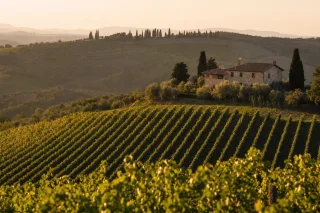
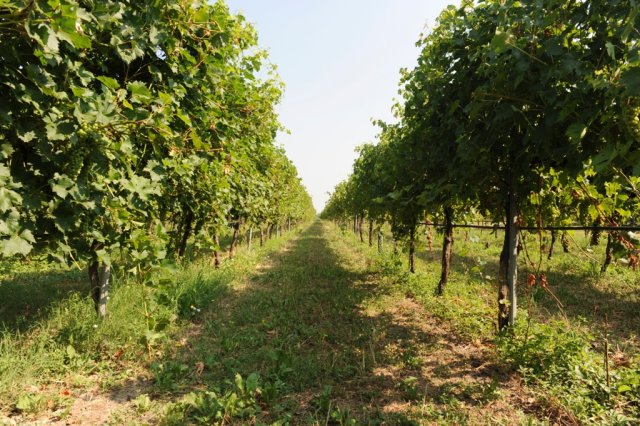
Lambrusco is the wine of the Emilian plain, grown on the flat, fertile land around Modena and Reggio Emilia between the Apennine foothills and the Po. It is less one grape than a clan of related dark varieties, each with its own zone and character, and it spills west into Lombardy around Mantova as well.

Sorbara

The sandy plain between the Secchia and Panaro rivers, north of Modena.

The palest and most perfumed: light in colour, high in acid, all raspberry, redcurrant and rose petal. Poor fruit-set keeps yields low and the wine delicate.

Grasparossa di Castelvetro

The first low hills south of Modena, around Castelvetro.

The darkest and most structured: deep purple, foamier, with more tannin, grip and a savoury, faintly bitter edge. The one for the richest food.

Salamino di Santa Croce

The Modena plain around Santa Croce, near Carpi.

Named for its small, salami-shaped bunches; a deeply coloured, aromatic middle ground between featherlight Sorbara and sturdy Grasparossa.

Editorial

About Lambrusco

Characterised by fruity scents and hints of violet. It is fresh, balanced and harmonious, with a savoury finish. It is mainly produced as a sparkling wine using the Charmat method.

Lambrusco's sparkle is usually made in the tank, not the bottle, through a fast second fermentation under pressure that traps the fruit and the froth, which is exactly why it is meant to be poured young and cold rather than laid down.

How Lambrusco is made

The sweet versions, both red and rosé, make excellent dessert wines.

The Grasparossa clone gets its name from the red colour that its foliage takes on in autumn. It is a sparkling and dry wine, with aromas of cherries, plums and blackberries intertwined with hints of spice.

An ancient indigenous variety that probably represents the best example of Lambrusco. It takes its name from the hamlet of Sorbara in the municipality of Bomporto (in the Modena province).

Originating from the province of Carpi, from which this vine has spread throughout the province of Modena, it gives a jovial and fresh wine with a ruby colour and intense fruity aromas.

Lambrusco originates back to the ancient Romans with the name Lambrusca Vitis. Since then, it has found its place in the Italian wine industry, first, as a drink consumed by the peasants on festive occasions, and later on acquiring more popularity due to its affordable prices and appealing taste.

In the ’70s, due to a big market demand (heavily driven by the US), Lambrusco gained a bad reputation for a cheap and low-quality product. However, this has changed significantly over the past few years, thanks to a more care during the vinification process and clone choice. The wine has regained its rightful image as a refined, quality product.

Good to know

Frequently asked

Lambrusco is an easy to drink sparkling wine, both sweet and dry, pink or red, obtained from the fragrant Lambrusco grapes (including the various clones Grasparossa, Salamino and Sorbara).

Lambrusco wines may different depending on the clone and the specific production area. They are normally all lively wines with plenty of red fruit, low alcohol content, delicate bubbles and gentle acidity.

Lambrusco is a sparkling red or pink wine that can produce both dry and sweet versions. Before purchasing, think carefully about the food you are about to pair it with.

Lambrusco wines are produced in Italy and more specifically in the regions of Emilia Romagna and Lombardia. The city which produces the best quality of Lambrusco is Modena and its neighbouring beautiful hills.

Thanks to its freshness and lively taste, Lambrusco is the perfect aperitif. It is also an excellent companion to some of the typical dishes of Emilia Ro

Explore by style

Wine styles made from Lambrusco

Jump to the editorial guide for each style this grape turns up in.

Keep exploring

More red grapes

Sangiovese

Sangiovese (san-jo-vay-zeh) is the undisputed king of red wines in central Italy, virtually present in every area of the country Thanks to its many clones and surprising versatility, Sangiovese can create a wide range of wines: from young and fresh Chiantis to complex and full-bodied Brunellos.

Wines 384
Tannin
Body

Explore Sangiovese

Nebbiolo

Nebbiolo (Nay-bee-OH-lo) is a native Italian variety cultivated in the northern regions, whose name derives from the word “Nebbia” which is Italian for fog.

Wines 332
Tannin
Body

Explore Nebbiolo

Merlot

Merlot is a red grape with a serious Italian footprint: Bolgheri DOC, Bolgheri Rosso, Cortona DOC, Suvereto DOCG, Rubicone IGT and Montello Rosso DOCG form its Italian map.

Wines 154
Tannin
Body

Explore Merlot